

Consumer Insights
Uncover trends and behaviors shaping consumer choices today
Procurement Insights
Optimize your sourcing strategy with key market data
Industry Stats
Stay ahead with the latest trends and market analysis.

The global washing machine market attained a value of USD 69.44 Billion in 2025 and is projected to expand at a CAGR of 7.10% through 2035. The market is further expected to achieve USD 137.88 Billion by 2035. Growing multi-generational living trends are driving demand for ultra-large washers that reduce laundry frequency while maintaining fabric care and stain removal efficiency across different age groups in a single household.
AI-assisted wash programs have become the key premium differentiator that has significantly accelerated consumer demand. In May 2025, Samsung announced the expansion of Bespoke AI to its Top Load Washing Machine category, following the remarkable consumer response to Bespoke AI Front Load Washing Machines. This has given shape to a major trend in the washing machine market because manufacturers started recognizing that the focus area is shifting from wash-only efficiency to fabric-protection intelligence. Retailers have already begun repositioning premium washing machines not as heavy appliances, but as “fabric care systems,” which increases upgrade cycles in urban households.
The overall washing machine industry is entering a phase where end users expect sustainability, lower utility bills, low noise, and fewer hassles. Companies like Samsung, Whirlpool, Haier and Electrolux are competing to integrate AI load sensing, adaptive water dosing, predictive drum balancing and eco-foam pre-mixing technology into upcoming models. For example, in October 2025, Godrej Enterprises Group rolled out a new video campaign for its Front Load Washing Machines equipped with AI-Powered Turbidity Sensing Technology. Apart from the homecare segment, manufacturers are also investing in professional laundry and multi-housing solutions because shared living, co-living and serviced apartments are on the rise in Asia, Europe and the Middle East.
Base Year
Historical Period
Forecast Period
Compound Annual Growth Rate
7.1%
Value in USD Billion
2026-2035
*this image is indicative*
Companies like LG, Samsung and Whirlpool now invest heavily in drum-behavior sensing, soil-level detection and water dosing algorithms that protect fabric quality automatically. For example, in October 2025, Godrej Enterprises Group introduced their AI-Powered Turbidity Sensing Technology in its front-load washing machines, reshaping the washing machine market trends and dynamics. Companies have realized that consumers associate “premium” with less laundry management, not just faster spinning speed. In fact, when AI load sensing reduces washing, brands record higher repeat-purchase intent and lower service complaints.
Government pressure on power and water efficiency is pushing rapid innovation within the market. Efficiency labels in major markets, rebate programs for low-consumption appliances and stricter utility benchmarks encourage buyers to replace older washers sooner. In May 2023, Samsung expanded its washing machine range with semi-automatic washing machines in India. These new machines come with features like soft closing, toughened glass lid and dual-magic filter. Manufacturers are developing inverter motors, eco-foam dispersion, and recirculation pumps that maintain rinse quality while reducing usage and broadening the washing machine market scope. Premium brands also highlight microplastic-reduction filtration to align with environmental regulations and consumer sentiment.
Urban apartments and multi-generational homes are boosting demand in the washing machine market. Consumers increasingly select machines not by badge value, but by usable drum volume, noise level and vibration control. Firms like Samsung, Panasonic, and Bosch have responded with improved drum stabilizers, balanced spin cycles and hydro-suspension systems that keep noise low for nighttime laundry. In July 2025, Haier Appliances India, announced the launch of its F9 Front Load Washing Machine Series, a premium range designed specifically for modern Indian consumers and households. Retailers report that families prefer fewer wash loads rather than multiple small cycles. Brands are shifting messaging accordingly, focusing on “one-cycle weekly laundry” convenience.
Demand from commercial laundry operators, serviced apartments and co-living facilities is becoming a strong revenue growth factor for washing machine companies. These buyers value durability, turnaround speed, and remote diagnostics rather than elegant design. Manufacturers like Whirlpool Professional, Electrolux Professional and LG are developing rugged machines with shorter cycle times and cloud dashboards for predictive maintenance, creating washing machine market opportunities. In November 2024, LG Electronics (LG) showcased its PROFESSIONAL LAUNDRY lineup at Texcare International 2024, a global B2B laundry and textile care exhibition, held in Frankfurt, Germany. Operators benefit from reduced downtime and lower technician visits, while vendors gain recurring income through service contracts.
IoT-enabled washers now support firmware updates, wash-cycle recommendations, and consumable refills, allowing brands to build recurring revenue and repeat touchpoints. Samsung and LG run app-based laundry optimization platforms that nudge customers into using fabric-specific cycles, improving customer satisfaction while reducing product wear complaints, supporting the overall washing machine market penetration. In some pilot markets, companies test subscription models for detergent delivery and extended care bundles. The goal is to create lifelong brand dependability by blending the appliance with ongoing service, rather than treating washing machines as one-time hardware sales.
Read more about this report - REQUEST FREE SAMPLE COPY IN PDF
The EMR’s report titled “Global Washing Machine Market Report and Forecast 2026-2035” offers a detailed analysis of the market based on the following segments:
Market Breakup by Product
Key Insight: Fully automatic machines lead the washing machine market dynamics owing to convenience, hands-off washing, and fabric-care intelligence that define purchase decisions for most households. Dryers are gaining momentum as consumers prioritize fast turnaround and indoor drying solutions due to compact apartments and shift-work lifestyles. Semi-automatic machines retain limited demand in areas with unstable utilities or low overall appliance budgets. Product selection depends on lifestyle fit, space layout, and fabric-care expectations rather than only price sensitivity.
Market Breakup by Technology
Key Insight: Smart-connect machines account for the largest share in the washing machine market because they deliver consistent wash outcomes, protect fabrics through algorithm-led cycles, and build stronger brand loyalty via app-based experiences. Conventional machines observe adoption growth in regions where durability and low maintenance outweigh the appeal of automation or connected home ecosystems. Mid-range hybrid models bridge the gap by offering low-noise motors and energy control without heavy interface complexity.
Market Breakup by Capacity
Key Insight: Above 8 kg machines dominate the market as timesaving and fabric protection matter most for family laundry routines. The below 8 kg category is growing fast as apartment layouts shrink, and buyers choose space-efficient solutions. Manufacturers strategize capacity distribution based on demographic trends, building formats and household income brackets, boosting the washing machine market penetration. Retailers use room-size profiling and family-count questions to match drum capacity with lifestyle requirements.
Market Breakup by End-Use
Key Insight: The residential end use category dominates the market because convenience features, energy efficiency, and fabric-preservation innovations effectively serve household needs and drive the largest replacement cycle volume. The commercial sector is growing faster because laundry is becoming a shared or outsourced service in dense urban environments and hospitality expansion, accelerating overall washing machine market growth. Residential engineering focuses on quiet cycles, automation, and garment care, while commercial engineering prioritizes rugged construction and uptime reliability.
Market Breakup by Region
Key Insight: Asia Pacific holds the largest share in the global washing machine market powered by rising appliance adoption, urban housing and premiumization that create a deep and steady demand base. North America grows at an accelerated speed as home renovation cycles and smart-appliance ecosystems boosts washer upgrades. Europe maintains stable demand shaped by energy-efficiency expectations and compact home layouts. Latin America prioritizes affordability and durability, while Middle East & Africa emphasize ruggedness and water-management reliability.
By product, fully automatic washers occupy a substantial share of the market due to convenient features
Fully automatic washing machines dominate the market because households increasingly value convenience over manual laundry management. These machines eliminate steps such as moving clothes between tubs, measuring detergent without guidance, and manually selecting every cycle setting. Premium brands focus more on this category because it allows them to bundle features like AI load detection, auto-dose, fabric-care logic and remote troubleshooting, which strengthens customer loyalty and supports higher margins, contributing to the washing machine market revenue. Cellecor Gadgets Limited expanded its product portfolio with the launch of a new range of Fully Automatic Top Load Washing Machines in May 2025.
Dryers are expanding their market share at a significant speed, owing to climate unpredictability and smaller living spaces that have turned drying time into a pain point rather than a seasonal inconvenience. Younger households, co-living setups and working couples want laundry finished in one cycle instead of waiting for balcony space or shared drying rooms. Manufacturers, in response, are adding heat-pump technology and gentle airflow, which protects delicate clothes and reduces shrinkage.
By technology, smart-connected machines largely contribute to the market value as users shifted toward automation and apps
Smart-connected washing machines occupy a major share of the market because buyers now expect software-assisted washing rather than manual trial and error. Wi-Fi connectivity enables remote start, cycle optimization, auto-dose, troubleshooting alerts, and wash-history recommendations that help protect garment life. Manufacturers favor this segment because connectivity drives higher margins and supports long-term customer retention through app ecosystems. In September 2024, with the launch of the Whirlpool Smart Front Load Laundry Pair, Whirlpool introduced the all-new FreshFlow Vent System, the first fan-powered system with antimicrobial protection designed to help keep both clothes and the washer fresh.
Conventional washing machines are experiencing fast growth in the washing machine market because economic uncertainty pushes budget-focused shoppers toward simpler appliances that still offer durability. Manufacturers have revamped their conventional machines by adding inverter motors, eco-foam features, and gentle-wash modes while maintaining mechanical simplicity. Landlords, rental housing and student accommodation operators prefer these units because repairs are predictable and service parts are cheap and widely available.
By capacity, above the 8 kg capacity category dominates the market because large families minimize wash frequency
Above 8 kg capacity holds the dominant position in the market because most families prefer fewer laundry cycles. Large drums prevent overcrowding and reduce fabric friction, which protects expensive apparel and bedding. Manufacturers use this category to anchor premium models that incorporate AI wash logic, auto-dose, steam refresh, and high-efficiency rinsing. In September 2024, Haier expanded its home appliances lineup with the launch of its new3 16 Top-Load Washing Machine series featuring Ultra Fresh Air Technology, contributing to the washing machine market value.
Below 8 kg machines are growing popular in compact urban spaces where laundry rooms are small, and washing is mostly done by individuals or couples. These buyers favor reduced footprint and lower upfront cost while still expecting reasonable fabric care and short cycles. Manufacturers compensate for smaller drum size by adding premium algorithms, delicate wash settings, and quick-refresh options that make the appliances feel upscale rather than basic.
The residential category dominates the market as home laundry upgrades drive most replacement cycles
The residential category dominates the global industry because nearly every major product innovation originates from pain points from homes rather than institutional laundry. AI-driven logic, allergen cycles, noise reduction, steam refresh, and energy-optimization features are designed specifically for family use. Retailers invest heavily in financing, replacement promotions, and bundled appliance deals to speed up household upgrade cycles.
As per the washing machine market report, commercial demand grows the fastest as co-living complexes, hotels, serviced apartments, senior-care centers and professional laundry services are scaling rapidly. These customers prioritize rugged design, short wash cycles, and remote monitoring for predictive maintenance. Manufacturers push commercial-grade washers with reinforced drums, stronger bearings and cloud dashboards to win recurring service contracts.
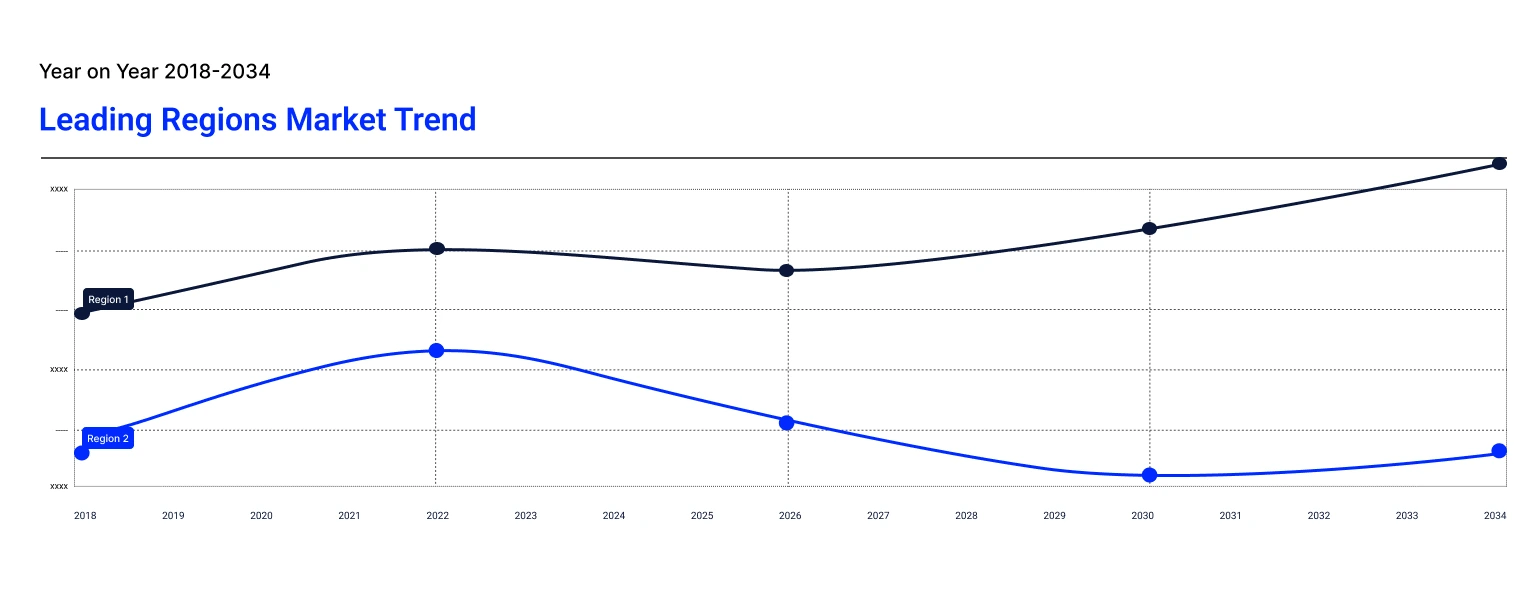
By region, Asia Pacific clocks in the largest market share due to rising appliance penetration and dense urban lifestyles
Asia Pacific dominates the global washing machine industry owing to rising disposable income, appliance penetration, and multi-generational living that drive frequent washing machine upgrades. Manufacturers design region-specific models with larger drums, smart stain removal, and humidity-friendly moisture management. Retailers fuel demand through financing, exchange programs, and fast fulfilment for online orders.
The washing machine market in North America is expanding its share in the global industry. This is because homeowners now treat laundry rooms as lifestyle spaces rather than utility corners, driving upgrades during home renovation. Buyers favor low-noise washing, steam sanitation, and smart load optimization for athleisure and synthetic fabrics. Front-load and connected machines gain momentum as families focus on stain prevention and fabric longevity.
The market is crowded, but the real competition is no longer about drum size. It now centers on who can best protect fabrics, reduce utility bills, and eliminate hassle for busy households and small businesses. Key washing machine market players like LG, Samsung, BSH and IFB are all pushing AI-driven wash logic, auto-dosing and quieter operation as anchor differentiators. At the same time, there is a clear opportunity in professional and multi-housing laundry, where uptime, remote monitoring and rugged design matter more than chrome accents.
Washing machine companies that bundle machines with service contracts, spare-parts reliability and app-based diagnostics are finding better margins and long-term retention cycles. Another focus area is sustainability, where brands experiment with microplastic filters, low-temperature stain removal, and recycled-plastic cabinets.
LG Electronics Inc., founded in 1958 and headquartered in Seoul, South Korea, positions its washing machines around AI fabric care and low-noise operation. The company’s portfolio ranges from compact front-loaders to large-capacity AI washer-dryer combos aimed at premium urban households. LG leans heavily on smart connectivity, auto-dose and steam features to reduce manual decision-making for users.
Samsung Electronics Co., Ltd., established in 1969 and headquartered in South Korea, focuses on blending strong design with practical innovation in the washing machine segment. Its range covers front-load and top-load models with digital inverter motors, eco-bubble style wash systems and app-based smart control.
BSH Home Appliances, part of BSH Hausgeräte GmbH founded in 1967 and headquartered in Munich, Germany, is best known for Bosch and Siemens laundry brands. It positions its front-load washers around energy efficiency, fabric care and robust build quality for European and global urban homes. BSH focuses on quiet operation, precise water management and gentle drum movements to protect garments.
IFB Appliances, under IFB Industries founded in 1974 and headquartered in Kolkata, India, is a key washing machine player in India and select international markets. The company built its reputation on front-load machines with strong wash performance, fabric-focused programs and in-house service coverage.
*Please note that this is only a partial list; the complete list of key players is available in the full report. Additionally, the list of key players can be customized to better suit your needs.*
Other key players in the market include Voltas Limited, Panasonic Corporation, Toshiba Lifestyle Products and Services Corporation, Whirlpool Corporation, Electrolux, and GE Appliances, among others.
Unlock the latest insights with our washing machine market trends 2026 report. Discover regional growth patterns, consumer preferences, and key industry players. Stay ahead of competition with trusted data and expert analysis. Download your free sample report today and drive informed decisions in the market.


Upto 15% Off
USD
$2999 $2699
$4399 $3959
$5599 $4759
$6659 $5660


*While we strive to always give you current and accurate information, the numbers depicted on the website are indicative and may differ from the actual numbers in the main report. At Expert Market Research, we aim to bring you the latest insights and trends in the market. Using our analyses and forecasts, stakeholders can understand the market dynamics, navigate challenges, and capitalize on opportunities to make data-driven strategic decisions.*
Get in touch with us for a customized solution tailored to your unique requirements and save upto 35%!
In 2025, the market reached an approximate value of USD 69.44 Billion.
The market is projected to grow at a CAGR of 7.10% between 2026 and 2035.
The market is estimated to witness a healthy growth in the forecast period of 2026-2035 to reach about USD 137.88 Billion by 2035.
Stakeholders are refining AI wash platforms, partnering with detergents, expanding service contracts, localizing drum programs, investing in recycled materials, and positioning washers as long-term fabric-care systems rather than simple water-and-spin appliances.
The industry is projected to be propelled by the increasing trend of smart homes, the rising demand for smart washing machines, and the integration of the Internet of things (IoT) in washing machines.
The major regions in the industry are North America, Latin America, the Middle East and Africa, Europe, and the Asia Pacific.
The major products of washing machine in the industry are fully automatic, semi-automatic, and dryers.
The different technologies of washing machine are smart connect machines and conventional machines.
The various capacities of washing machine are below 8 kg and above 8 kg.
The significant end uses in the market are commercial and residential.
The key players in the market include LG Electronics Inc., Samsung Electronics Co., Ltd., BSH Home Appliances Ltd, IFB Appliances, Voltas Limited, Panasonic Corporation, Toshiba Lifestyle Products and Services Corporation, Whirlpool Corporation, Electrolux, and GE Appliances, among others.
Companies are juggling rising input costs, intense price competition, fast technology cycles, evolving energy regulations, and the need to maintain strong service networks while still convincing buyers to upgrade before machines fail.
Explore our key highlights of the report and gain a concise overview of key findings, trends, and actionable insights that will empower your strategic decisions.
| REPORT FEATURES | DETAILS |
| Base Year | 2025 |
| Historical Period | 2019-2025 |
| Forecast Period | 2026-2035 |
| Scope of the Report |
Historical and Forecast Trends, Industry Drivers and Constraints, Historical and Forecast Market Analysis by Segment:
|
| Breakup by Product |
|
| Breakup by Technology |
|
| Breakup by Capacity |
|
| Breakup by End-Use |
|
| Breakup by Region |
|
| Market Dynamics |
|
| Trade Data Analysis |
|
| Competitive Landscape |
|
| Companies Covered |
|
Datasheet
One User
USD 2,999
USD 2,699
tax inclusive*
Single User License
One User
USD 4,399
USD 3,959
tax inclusive*
Five User License
Five User
USD 5,599
USD 4,759
tax inclusive*
Corporate License
Unlimited Users
USD 6,659
USD 5,660
tax inclusive*
*Please note that the prices mentioned below are starting prices for each bundle type. Kindly contact our team for further details.*
Flash Bundle
Small Business Bundle
Growth Bundle
Enterprise Bundle
*Please note that the prices mentioned below are starting prices for each bundle type. Kindly contact our team for further details.*
Flash Bundle
Number of Reports: 3
20%
tax inclusive*
Small Business Bundle
Number of Reports: 5
25%
tax inclusive*
Growth Bundle
Number of Reports: 8
30%
tax inclusive*
Enterprise Bundle
Number of Reports: 10
35%
tax inclusive*
How To Order

Select License Type
Choose the right license for your needs and access rights.

Click on ‘Buy Now’
Add the report to your cart with one click and proceed to register.

Select Mode of Payment
Choose a payment option for a secure checkout. You will be redirected accordingly.
Gain insights to stay ahead and seize opportunities.

Get insights & trends for a competitive edge.

Track prices with detailed trend reports.

Analyse trade data for supply chain insights.

Leverage cost reports for smart savings

Enhance supply chain with partnerships.

Connect For More Information
Our expert team of analysts will offer full support and resolve any queries regarding the report, before and after the purchase.
Our expert team of analysts will offer full support and resolve any queries regarding the report, before and after the purchase.
We employ meticulous research methods, blending advanced analytics and expert insights to deliver accurate, actionable industry intelligence, staying ahead of competitors.
Our skilled analysts offer unparalleled competitive advantage with detailed insights on current and emerging markets, ensuring your strategic edge.
We offer an in-depth yet simplified presentation of industry insights and analysis to meet your specific requirements effectively.





Share