

Consumer Insights
Uncover trends and behaviors shaping consumer choices today
Procurement Insights
Optimize your sourcing strategy with key market data
Industry Stats
Stay ahead with the latest trends and market analysis.

The global virtual production market attained a value of USD 3.45 Billion in 2025 and is projected to expand at a CAGR of 13.50% through 2035. The market is further expected to achieve USD 12.24 Billion by 2035. Rising demand for photoreal digital twins is prompting enterprises to adopt virtual production pipelines that support rapid prototyping, collaborative design reviews and real-time storytelling across automotive, retail, and mixed-use simulation environments.
The market is evolving fast as studios push for faster content pipelines and tighter control over visual quality. A major development came in November 2025, when Samsung announced a new edition of its large-format LED display, The Wall, marking a pivotal expansion to its Chip on Board (CoB) lineup. These walls deliver deeper contrast and higher color accuracy. Such installations show how LED innovation directly impacts demand for smarter, more integrated workflows, driving the overall virtual production market growth.
The market also notices that several present-day production houses want real-time engines wired into asset management, lighting control, and camera tracking. For example, the new Beeble Studio, launched in December 2025, runs the new SwitchLight 3.0 model directly on a user's local GPU, enabling true 4K relighting, unlimited rendering, and complete control over physically based rendering outputs. This virtual production market trend helps studios reuse assets, shorten shot revisions, and keep budgets predictable. Companies offering integrated control systems and modular LED rigs are thus becoming strategic partners rather than simple hardware providers.
Base Year
Historical Period
Forecast Period
Compound Annual Growth Rate
13.5%
Value in USD Billion
2026-2035
*this image is indicative*
| Global Virtual Production Market Report Summary | Description | Value |
| Base Year | USD Billion | 2025 |
| Historical Period | USD Billion | 2019-2025 |
| Forecast Period | USD Billion | 2026-2035 |
| Market Size 2025 | USD Billion | 3.45 |
| Market Size 2035 | USD Billion | 12.24 |
| CAGR 2019-2025 | Percentage | XX% |
| CAGR 2026-2035 | Percentage | 13.50% |
| CAGR 2026-2035 - Market by Region | Asia Pacific | 15.6% |
| CAGR 2026-2035 - Market by Country | India | 17.9% |
| CAGR 2026-2035 - Market by Country | China | 14.9% |
| CAGR 2026-2035 - Market by Component | Software | 15.1% |
| CAGR 2026-2035 - Market by End Use | Movies | 15.4% |
| Market Share by Country 2025 | Germany | 4.5% |
Government incentives for studio infrastructure are accelerating virtual production adoption. National film funds and regional authorities now co-fund LED-volume stages to attract high-value shoots and local employment. Tax credits in Europe and studio grants in the UAE are making capital-intensive LED walls and synchronized timecode stages financially viable for local partners. These policies lower entry barriers for mid-size production houses, supporting ecosystem development around set construction, post teams and rental fleets, redefining the virtual production market trends and dynamics. In December 2025, Brompton Technology announced the successful deployment of its Tessera LED processing platform at Studio V, the newly opened virtual production stage inside StudioCube Daejeon, South Korea’s largest public broadcasting content production studio.
Real-time engine maturation and toolchain consolidation are boosting output for studios and brand teams. Unreal Engine advancements, renderer optimizations, and GPU acceleration now support multi-camera, multi-layer compositing live volumes while cutting post-production timelines. In October 2025, Netflix announced that the company is merging its two in-house production units, Scanline VFX and Eyeline Studios, under a single brand known as Eyeline, exemplifying new virtual production market opportunities. Vendors bundle engine licensing, color-management pipelines and camera-tracking integrations so buyers avoid piecemeal procurement and compatibility risk.
LED-wall innovation, including higher dynamic range, pixel density and thermal management, is shifting procurement priorities. New panels deliver cinema-grade contrast and reduced moiré at close camera distances, replacing green screens for many scenes. Manufacturers now supply modular, serviceable tiles, remote color-calibration services, and firmware that harmonizes panels across vendors, cutting installation risk, and accelerating the overall demand in the virtual production market. In November 2025, Sony Verona LED wall empowered Norwich University of The Arts' virtual production studio. Vendors offering swap-out warranties and remote diagnostics are winning long-term rental and installation contracts.
Workforce upskilling and cross-disciplinary hiring create commercial service opportunities. Virtual production requires combined expertise in cinematography, real-time rendering, LED engineering, and systems integration. Universities and government-funded vocational programs are launching short courses and lab partnerships to produce technicians fluent in both art and systems engineering. Production houses prefer vendors who supply integration teams during commissioning and who provide standardized maintenance playbooks, directly contributing to the virtual production market value. For instance, Pixotope announced the launch of the Pixotope Education Program designed to help enable the next generation of Virtual Production talent in August 2022.
AI-assisted content generation and automated camera choreography are reducing crew burden and accelerating iteration cycles. Machine learning tools suggest lighting setups, auto-match virtual backgrounds to lens profiles, and predict motion blur trade-offs, cutting director-review loops. Startups are integrating on-device inference for in-camera background adjustments and real-time asset variation, giving rise to innovative trends in the virtual production market. In April 2025, Dimension Studio developed a powerful set of AI tools to make filmmaking faster and more affordable. Public funding agencies are beginning to include AI robustness criteria in media grants, prompting vendors to add explainability and audit logs for creative decisions.
The EMR’s report titled “Global Virtual Production Market Report and Forecast 2026-2035” offers a detailed analysis of the market based on the following segments:
Market Breakup by Component
Key Insight: Software components sustain their dominance in the virtual production market, owing to their integration, real-time rendering, and automation features, cutting post cycles and enabling creative iteration. Hardware focuses on LED-wall quality, camera tracking and motion-control robustness to deliver predictable imaging under live conditions. Services provide installation, calibration, operator training, and rental economics that lower capital needs and improve uptime.
Market Breakup by Type
Key Insight: Pre-production, production and post-production form the virtual production lifecycle, each with clear value propositions. Pre-production reduces physical builds through detailed previsualization and asset pipelines that shorten shoot days. Production captures final imagery on LED volumes with synchronized camera tracking and real-time compositing, maximizing day rates and reducing travel, propelling the virtual production market trends. Post-production focuses on finishing, color grading. and archival asset management.
Market Breakup by End Use
Key Insight: Movies demand cinematic fidelity and complex camera moves, while episodic TV values repeatable stages and asset reuse for season-long efficiency. Commercials need rapid variation, localization, and photoreal materials control, and online video creators prioritize speed and lower-cost accessibility. On the other hand, e-sports and live events adopt virtual backdrops for engaging viewers. Suppliers succeed when they balance image quality, turnaround speed, and predictable cost-per-minute metrics that match each end user's commercial model.
Market Breakup by Region
Key Insight: Regional demand for virtual production varies with infrastructure maturity, talent ecosystems, and content pipelines. North America leads with advanced stages, strong engineering partnerships, and high-volume streaming output. The European virtual production market grows through creative-led facilities and cross-border co-production frameworks. Asia Pacific accelerates rapidly owing to large domestic content markets and expanding LED-manufacturing capacity. Latin America sees emerging adoption tied to advertising and lower-cost studio conversions, while the Middle East and Africa focus on state-backed media initiatives and new studio clusters.
By component, software dominates the market due to integrated pipelines and real-time engine control
Software emerges to be the dominant component across the virtual production market dynamics because virtual production relies on integrated real-time engines, asset management, and camera tracking middleware that reduce pipeline friction. Studios demand tools that sync LED walls, motion capture rigs, and on-set compositing from a centralized platform. For example, in January 2025, Vu Technologies announced a groundbreaking integration with Runway, leveraging their API alongside NVIDIA’s cutting-edge software to bring next-generation AI capabilities to content creators across the word. This collaboration enables Vū Studio software users to generate video plates from scratch or seamlessly add movement to pre-existing assets, unlocking new levels of creative freedom and efficiency.
Services are also observing significant growth in the virtual production market as studios prefer bundled offerings that include installation, calibration, and ongoing support. Operators are buying subscription-style packages, which include stage leasing, remote diagnostics, color-calibration services, and certified operator training. These services lower capital barriers and speed facility ramp-up by supplying skilled crews, spare-part depots, and financing. Market leaders are promoting analytics, spare logistics, and creative workflow consultancy as a package to differentiate effectively.
By type, production accounts for the major share of the market because of LED volumes, real-time rendering and integration
Production rapidly boosts the virtual production demand growth as LED volumes, real-time compositing, and synchronized camera tracking directly replace costly location shoots. Studios focus on minimizing shoot days by capturing final pixels on set using live engines, which shortens post pipelines and reduces travel budgets. In April 2023, Vū announced the launch of 'Virtual Studio by Vū,' an expansive, integrated virtual production software platform featuring tools like Cuebric, SHOWRUNNER, and Scene Forge. Key investments include robust camera rigs, motorized control systems, and low-latency network fabrics that link render farms and LED controllers.
The pre-production category is significantly contributing to the virtual production market revenue as studios invest in virtual scouting, layout, and asset preparation to reduce physical build costs. Teams use real-time engines for location simulation, light studies, and camera blocking which enables directors to test shots long before set days. Pre-production tools include automated LOD generation, retopology services, and AI-assisted material matching that shorten asset preparation.
By end use, TV series account for a substantial market share due to episodic demand and rapid turnaround
TV series and web series dominate virtual production demand because episodic formats value repeatable stages and asset re-use across episodes. Networks and streaming services require tight delivery schedules, creating demand for stages that can host extended shoots with predictable lighting and color fidelity. This model suits serialized storytelling where environments are revisited and continuity matters, encouraging investment in durable LED walls, calibrated cameras and integrated tracking that preserve the content across multiple units and timeframes.
Commercial advertising is the fastest-growing end use category because brands use virtual production for rapid creative iteration, localization, and elaborate product choreography. Agencies demand quick turnaround to produce multiple regional cuts and product variants, and virtual volumes shorten iteration loops by permitting live adjustments. Vendors offer asset-variation tools and automated camera choreography that let advertisers test dozens of compositions within hours, catering to the demand in the virtual production market. In March 2024, Disguise and UK House collaborated to offer a cutting-edge virtual production studio to SXSW. In an immersive experience developed in collaboration with the United Kingdom Advertising Exports Group (UKAEG), visitors to the Downright Austin location can ride a motorcycle from the United Kingdom to the United States.
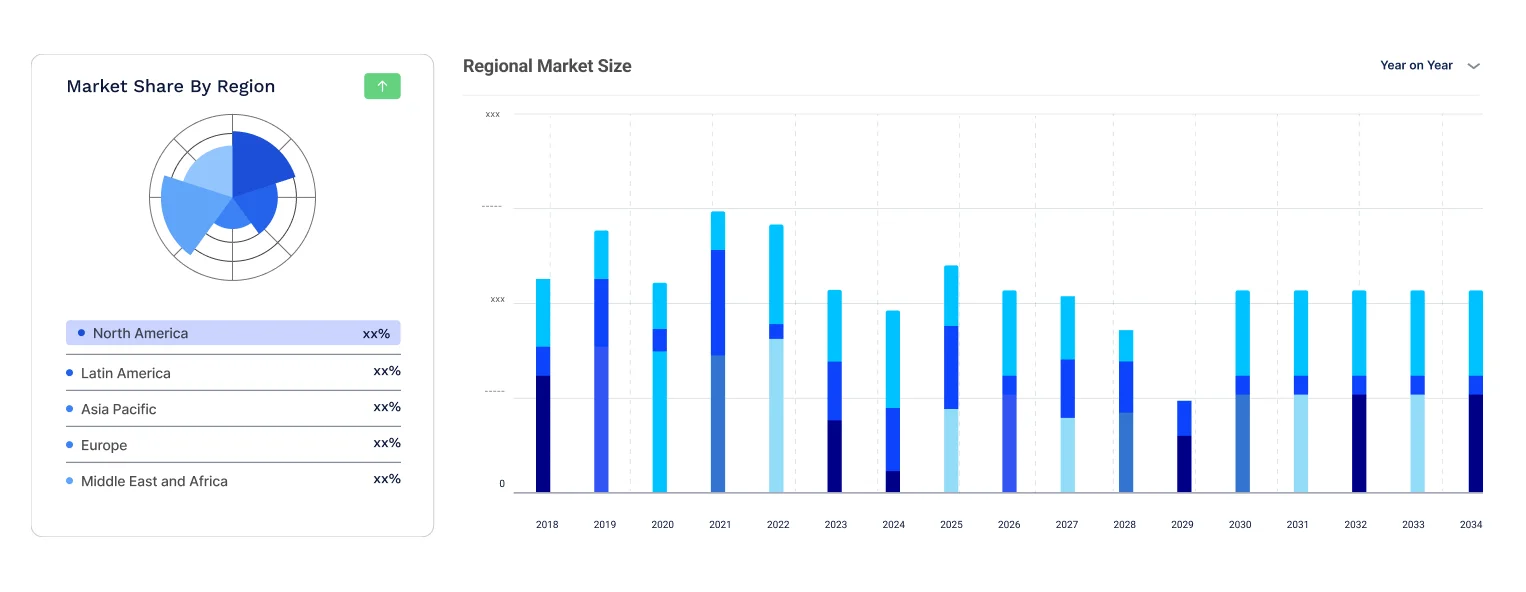
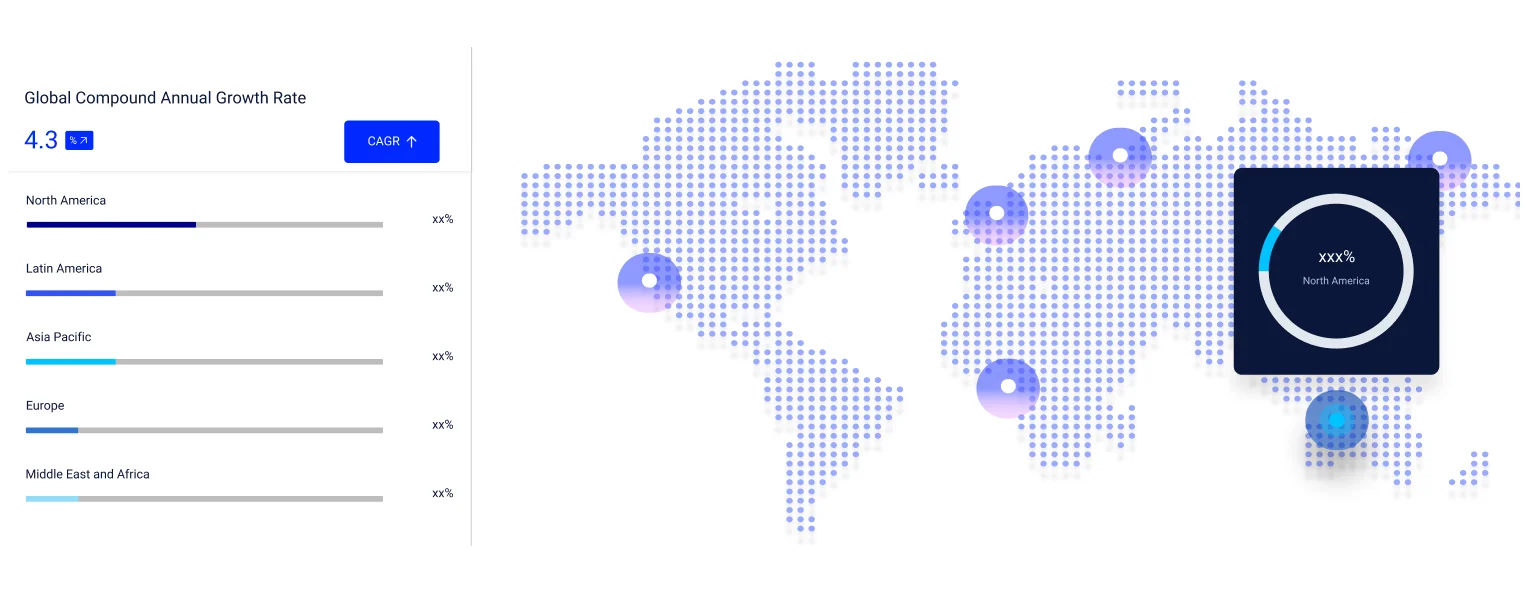
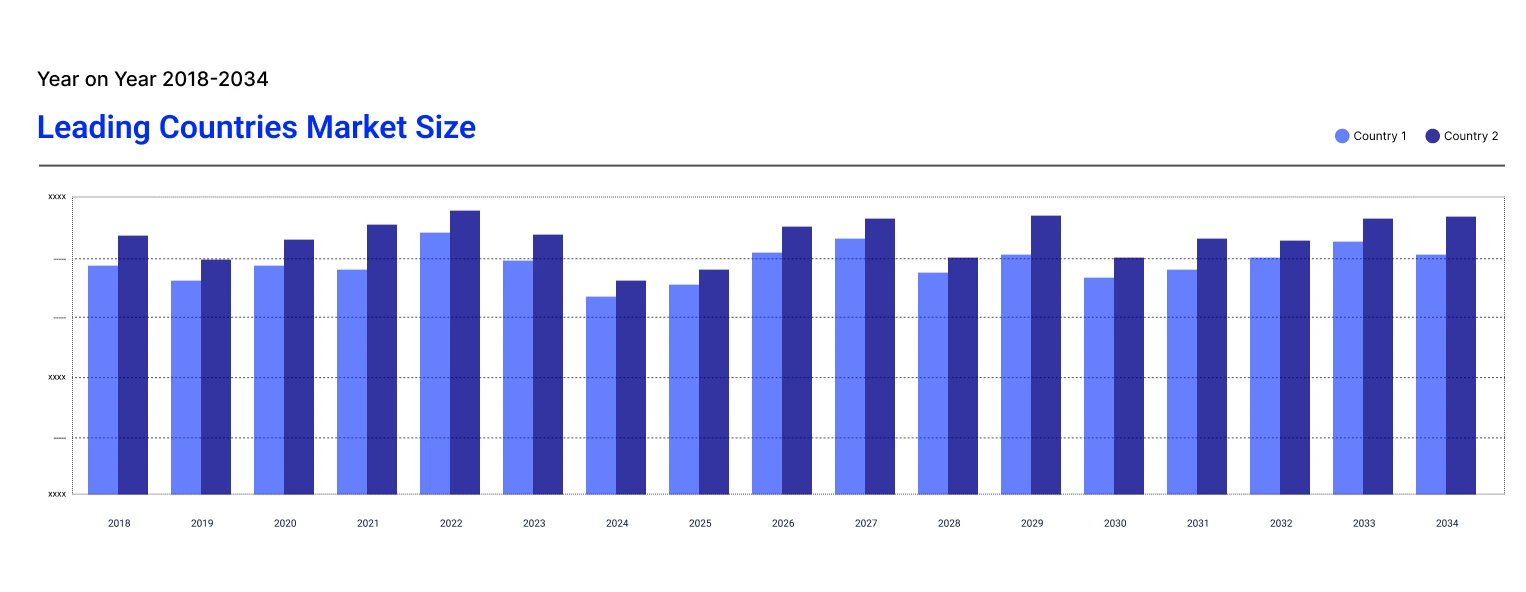
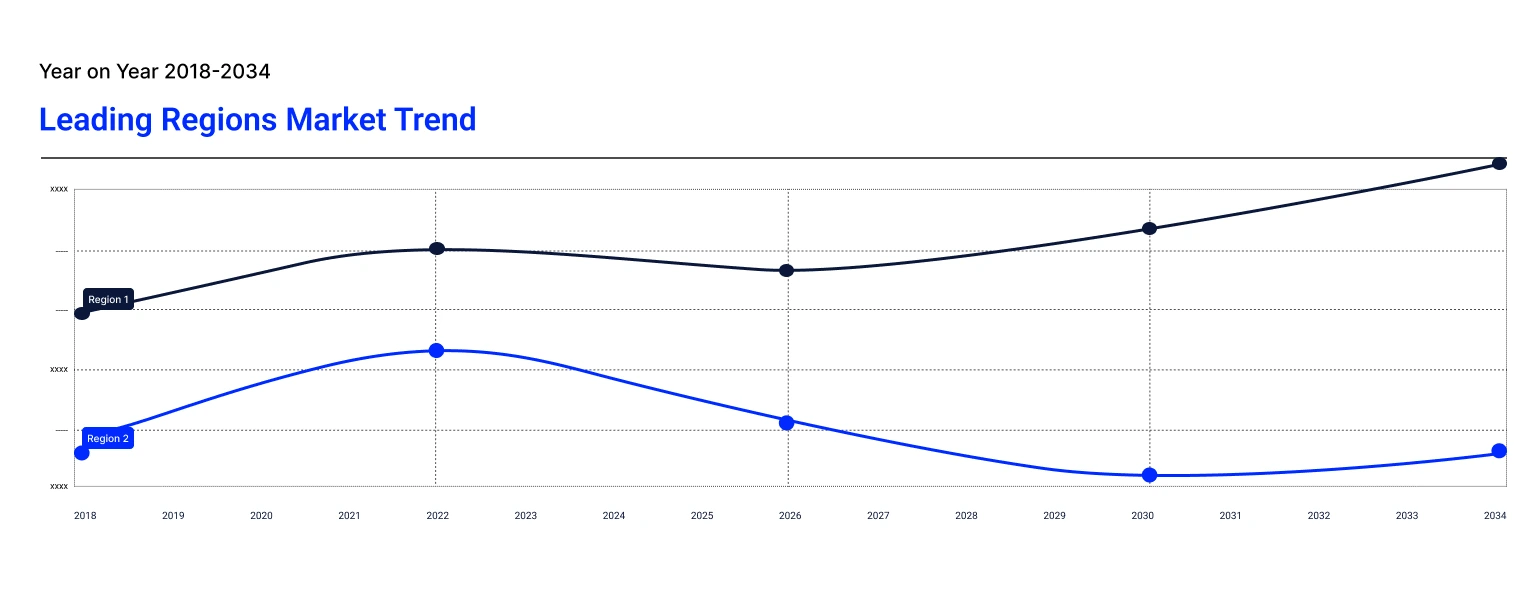
By region, North America secures the largest share of the market
North America dominates the virtual production industry because it hosts the largest concentration of LED-volume stages, real-time engine specialists, and integrated workflow vendors. Major studios and streaming platforms rely on virtual production to compress timelines and manage multi-location pipelines, making the region a center for toolchain innovation. North American operators demand tightly integrated hardware–software stacks, specialized color pipelines, and advanced camera-tracking systems since their productions run at higher output.
The virtual production market in Asia Pacific is growing rapidly as countries invest aggressively in studio infrastructure, LED manufacturing, and real-time content pipelines. Production houses in China, South Korea, and India are building large-scale stages to support booming streaming platforms and domestic film industries. Lower-cost technical talent and strong gaming-engine expertise also accelerate the adoption of real-time workflows.
| CAGR 2026-2035 - Market by | Country |
| India | 17.9% |
| China | 14.9% |
| Canada | 13.6% |
| Germany | 11.1% |
| Italy | 9.5% |
| USA | XX% |
| UK | XX% |
| France | XX% |
| Japan | 9.3% |
| Australia | XX% |
| Saudi Arabia | XX% |
| Brazil | XX% |
| Mexico | XX% |
The global market for virtual production is focusing on integrated LED-wall ecosystems, real-time engines, and end-to-end pipelines that bridge previsualization to final pixels. Leading virtual production market players are reducing latency, automating color pipelines, and bundling stage-as-a-service offerings to lower capital barriers for studios. Opportunities exist in verticalized solutions for automotive visualization, retail marketing, and live events where photoreal real-time scenes replace location shoots and speed iterations.
Virtual production companies that provide certified camera-to-panel workflows, automated color-matching services, and cloud-burst rendering frameworks are winning long-term rental and content contracts. Supply chains are shifting toward modular, serviceable LED tiles, and remote diagnostics to reduce downtime and lifecycle costs. Smaller integrators are differentiating via rapid-deploy mobile rigs and creative-tool integration, while large software vendors are embedding real-time SDKs into pipelines.
Adobe Inc., founded in 1982 and headquartered in California, United States, is expanding its Creative Cloud into virtual production by integrating real-time compositing, organized asset libraries, and LUT-driven color pipelines that match on-set LED volumes. The company provides plugins for game engines and camera metadata capture to reduce post-handoffs.
NVIDIA Corporation, founded in 1993 and headquartered in California, United States, is powering virtual production with high-performance GPUs, real-time ray-tracing, and Omniverse collaboration platforms that synchronize scene data across studios. The company offers turnkey render pipelines, GPU-based cloud bursting and AI denoising to accelerate in-camera visualization and reduce latency for LED volumes.
Founded in 1946, with its head office located in Tokyo, Japan, Sony Group Corporation addresses the virtual production market with integrated camera systems, high-dynamic-range monitors, and professional LED panels optimized for broadcast-quality imaging. The company combines camera sensor R&D with color sciences and on-set monitoring to deliver predictable image pipelines for cinematographers.
Autodesk Inc. was founded in 1982 and is headquartered in the United States. Autodesk is integrating Maya, 3ds Max and ShotGrid workflows with real-time engines to streamline asset pipelines for virtual production. The company provides scene-assembly tools, procedural set-generation plugins and version-controlled asset management that speed previsualization and reduce manual retopology work.
*Please note that this is only a partial list; the complete list of key players is available in the full report. Additionally, the list of key players can be customized to better suit your needs.*
Other key players in the market include Technicolor S.A., HTC Corporation, Vicon Motion Systems Limited, Side Effects Software Inc. (SideFX), Epic Games, Inc., Mo-Sys Engineering Ltd., Weta FX Ltd., and Industrial Light & Magic (The Walt Disney Company), among others.
Unlock the latest insights with our virtual production market trends 2026 report. Discover regional growth patterns, consumer preferences, and key industry players. Stay ahead of competition with trusted data and expert analysis. Download your free sample report today and drive informed decisions in the market.
India Virtual Production Market


Upto 15% Off
USD
$3999 $3599
$2499 $2249
$4999 $4249
$5999 $5099


*While we strive to always give you current and accurate information, the numbers depicted on the website are indicative and may differ from the actual numbers in the main report. At Expert Market Research, we aim to bring you the latest insights and trends in the market. Using our analyses and forecasts, stakeholders can understand the market dynamics, navigate challenges, and capitalize on opportunities to make data-driven strategic decisions.*
Get in touch with us for a customized solution tailored to your unique requirements and save upto 35%!
In 2025, the market reached an approximate value of USD 3.45 Billion.
The market is projected to grow at a CAGR of 13.50% between 2026 and 2035.
The market is estimated to witness a healthy growth in the forecast period of 2026-2035 to reach about USD 12.24 Billion by 2035.
Key strategies driving the market include bundling LED, engine and cloud services, standardizing camera-to-panel workflows, offering stage-as-a-service contracts, and investing in secure remote collaboration platforms and analytics.
The rising utilisation of virtual production methods in commercial ads and advancements in artificial intelligence are the key trends aiding the market growth.
The major regions in the market are North America, Latin America, the Middle East and Africa, Europe, and the Asia Pacific.
The major components of virtual production are software, hardware, and services.
The key players in the market include Adobe Inc., NVIDIA Corporation, Sony Group Corporation, Autodesk Inc., Technicolor S.A., HTC Corporation, Vicon Motion Systems Limited, Side Effects Software Inc. (SideFX), Epic Games, Inc., Mo-Sys Engineering Ltd., Weta FX Ltd., and Industrial Light & Magic (The Walt Disney Company), among others.
Complex hardware–software integration, high capital intensity, talent shortages, standardization gaps, and content security concerns are slowing adoption and increasing procurement friction for studios and service providers, plus regulatory compliance requirements.
Explore our key highlights of the report and gain a concise overview of key findings, trends, and actionable insights that will empower your strategic decisions.
| REPORT FEATURES | DETAILS |
| Base Year | 2025 |
| Historical Period | 2019-2025 |
| Forecast Period | 2026-2035 |
| Scope of the Report |
Historical and Forecast Trends, Industry Drivers and Constraints, Historical and Forecast Market Analysis by Segment:
|
| Breakup by Component |
|
| Breakup by Type |
|
| Breakup by End Use |
|
| Breakup by Region |
|
| Market Dynamics |
|
| Competitive Landscape |
|
| Companies Covered |
|
Single User License
One User
USD 3,999
USD 3,599
tax inclusive*
Datasheet
One User
USD 2,499
USD 2,249
tax inclusive*
Five User License
Five User
USD 4,999
USD 4,249
tax inclusive*
Corporate License
Unlimited Users
USD 5,999
USD 5,099
tax inclusive*
*Please note that the prices mentioned below are starting prices for each bundle type. Kindly contact our team for further details.*
Flash Bundle
Small Business Bundle
Growth Bundle
Enterprise Bundle
*Please note that the prices mentioned below are starting prices for each bundle type. Kindly contact our team for further details.*
Flash Bundle
Number of Reports: 3
20%
tax inclusive*
Small Business Bundle
Number of Reports: 5
25%
tax inclusive*
Growth Bundle
Number of Reports: 8
30%
tax inclusive*
Enterprise Bundle
Number of Reports: 10
35%
tax inclusive*
How To Order

Select License Type
Choose the right license for your needs and access rights.

Click on ‘Buy Now’
Add the report to your cart with one click and proceed to register.

Select Mode of Payment
Choose a payment option for a secure checkout. You will be redirected accordingly.
Gain insights to stay ahead and seize opportunities.

Get insights & trends for a competitive edge.

Track prices with detailed trend reports.

Analyse trade data for supply chain insights.

Leverage cost reports for smart savings

Enhance supply chain with partnerships.

Connect For More Information
Our expert team of analysts will offer full support and resolve any queries regarding the report, before and after the purchase.
Our expert team of analysts will offer full support and resolve any queries regarding the report, before and after the purchase.
We employ meticulous research methods, blending advanced analytics and expert insights to deliver accurate, actionable industry intelligence, staying ahead of competitors.
Our skilled analysts offer unparalleled competitive advantage with detailed insights on current and emerging markets, ensuring your strategic edge.
We offer an in-depth yet simplified presentation of industry insights and analysis to meet your specific requirements effectively.





Share