

Consumer Insights
Uncover trends and behaviors shaping consumer choices today
Procurement Insights
Optimize your sourcing strategy with key market data
Industry Stats
Stay ahead with the latest trends and market analysis.

The United States software as a service (SaaS) market was valued at USD 131.69 Billion in 2025. The market is expected to grow at a CAGR of 13.70% during the forecast period of 2026-2035 to reach a value of USD 475.51 Billion by 2035.
The continuous growth of the United States Software as a Service (SaaS) market is backed by enterprise cloud-native transitions and federal-level data modernisation. The U.S. Office of Management and Budget’s Cloud Smart policy continues to act as a framework for government cloud acquisition, encouraging agencies to incline toward agile SaaS procurement instead of legacy software.
The United States software as a service market observed a notable development in 2023 with the Department of Veterans Affairs, which launched the Lighthouse API platform, a cloud-native, SaaS-powered solution facilitating secure healthcare data exchange for veterans. On the other hand, IRS’s adoption of cloud-native AI solutions for tax fraud detection marks a notable application of SaaS in federal compliance use cases. For example, in June 2025, OpenAI secured a $200 million contract from the United States Department of Defense to develop advanced AI tools under its “OpenAI for Government” initiative. This contract marks a major step in deploying SaaS-based, FedRAMP-compliant platforms within defense operations.
Moreover, state-level innovation accelerators such as California's CalCloud initiative and Texas DIR SaaS contracts have given mid-sized SaaS providers a stable procurement pipeline. These programs emphasise low-code/no-code interfaces, subscription-based budgeting, and data localisation, boosting further United States software as a service market opportunities.
Base Year
Historical Period
Forecast Period
Cloud adoption, automation, and the pressure to save costs has boosted the growth in the United States software as a service (SaaS) market. There is growing momentum among companies to shift towards subscription-based models, which provide improved operational efficiency and reduced initial IT infrastructure costs. According to a recent survey, 72% of CIOs anticipate increasing public cloud spending in the coming year, while 49% plan to increase spending on private cloud and on-premises solutions.
AI and machine learning are revolutionizing SaaS platforms with the advent of predictive analytics, automation, and personalization. Therefore, companies can capitalize on AI-powered SaaS to automate processes, facilitate decision-making, and improve competitive advantage and customer experience.
B2B companies have been increasingly inclined toward specialized SaaS solutions for industry-specific niche requirements. This trend has grown stronger, as businesses look for software capabilities addressing unique operational challenges for enhanced scalability and customization in their sectors.
Compound Annual Growth Rate
13.7%
Value in USD Billion
2026-2035
*this image is indicative*
|
United States Software as a Service (SaaS) Market Report Summary |
Description |
Value |
|
Base Year |
USD Billion |
2025 |
|
Historical Period |
USD Billion |
2019-2025 |
|
Forecast Period |
USD Billion |
2026-2035 |
|
Market Size 2025 |
USD Billion |
131.69 |
|
Market Size 2035 |
USD Billion |
475.51 |
|
CAGR 2019-2025 |
Percentage |
XX% |
|
CAGR 2026-2035 |
Percentage |
13.70% |
|
CAGR 2026-2035 - Market by Region |
Far West |
15.9% |
|
CAGR 2026-2035 - Market by Region |
Rocky Mountain |
14.8% |
|
CAGR 2026-2035 - Market by Type |
Hybrid |
15.6% |
|
CAGR 2026-2035 - Market by Organization Size |
Companies with 300–2000 Employees |
15.1% |
|
2025 Market Share by Region |
Mideast |
19.2% |
The key trends of the United States software as a service (SaaS) market include AI integration, vertical solutions, security enhancement, and flexible subscription model.
The United States software as a service (SaaS) market is witnessing rapid evolution from horizontal tools to vertical applications across public health, legal technology, and education. Companies like Avenu Insights & Analytics are offering cloud-native compliance tools for local governments, supporting tax collection, digital permitting, and case management. The U.S. Department of Education’s 2024 digital infrastructure upgrade included integrating SaaS platforms with LMS and student aid systems. In addition, SaaS providers are expanding into predictive analytics for law enforcement and digital judiciary systems, offering industry-specific compliance, auditability, and modular integration tools unavailable in traditional ERP ecosystems.
The United States software as a service (SaaS) market further observes the deep integration of AI, especially in workflow automation and hyper-personalisation. Salesforce Einstein GPT and Microsoft Copilot now allow real-time personalisation for B2B sales journeys, backed by behavioural analytics and LLMs. For instance, in March 2025, Adobe integrated AI-powered content automation into its B2B SaaS Creative Cloud suite, enabling marketing teams to auto-generate campaign assets. AI-based recommendation engines are also being embedded in finance and HR SaaS stacks, tailoring outputs for user personas.
Edge-enabled tools are being increasingly deployed for defence simulations, manufacturing, and logistics, boosting the United States software as a service (SaaS) market scope. For example, Anduril Industries, a defence technology company, utilizes a SaaS-based command-and-control suite called Lattice, for battlefield simulations, built to run on edge devices without constant cloud dependency. The U.S. Department of Defense’s Joint All-Domain Command and Control (JADC2) program is backing these edge-enabled SaaS innovations, opening opportunities for new B2B models in national security and aerospace.
The growing integration of API-first architecture is further boosting the United States software as a service (SaaS) market trends and dynamics. Instead of siloed tools, SaaS solutions are built for seamless plug-ins and interoperability. Companies like Workato and MuleSoft are gaining traction for enabling low-code, API-based integrations across disparate enterprise stacks. The emergence of API marketplaces, such as RapidAPI’s Enterprise Hub, allows corporates to subscribe to curated API bundles across HR, tax, and logistics use cases. Furthermore, the National Institute of Standards and Technology (NIST) has released guidelines supporting secure API design for SaaS interoperability, giving developers clear blueprints to scale across verticals.
With the SEC’s climate disclosure rule on the horizon, ESG-focused SaaS tools are rapidly gaining corporate adoption. In 2024, FigBytes launched an SEC-compliant ESG reporting platform for real-time emissions tracking and social compliance dashboards. Nasdaq’s acquisition of Metrio, a cloud-native ESG SaaS tool, underscores the United States software as a service (SaaS) market’s shift toward data-verified impact metrics. Meanwhile, BlackRock has integrated ESG SaaS modules for portfolio clients to monitor carbon targets. Supported by federal grants for sustainable supply chains, SaaS providers offering LCA (Life Cycle Assessment) dashboards and blockchain-verified ESG data are becoming increasingly crucial for procurement and audit functions.
The EMR’s report titled “United States Software as a Service (SaaS) Market Report and Forecast 2026-2035” offers a detailed analysis of the market based on the following segments:
Market Breakup by Type
Key Insight: Public SaaS platforms remain the cornerstone for scalable, fast-to-deploy solutions used across sectors, especially by cost-sensitive or rapidly scaling enterprises. Private SaaS, meanwhile, attracts firms requiring bespoke infrastructure control, often in healthcare or finance. Hybrid SaaS stands out by offering data control with cloud agility, preferred by defence and compliance-heavy users. While public platforms dominate the overall United States software as a service (SaaS) market in terms of volume and cost-efficiency, the hybrid model is becoming a strategic necessity for data-residency-sensitive enterprises.
Market Breakup by Application
Key Insight: Productivity and collaboration tools continue to serve as foundational ground in the United States software as service industry enabling decentralised workforces and cross-border operations. Customer service observes a sharp growth as enterprises embrace AI-enhanced, real-time engagement tools. Meanwhile, marketing and sales solutions are increasingly focused on hyper-personalisation and campaign automation. Finance and HR platforms are evolving to incorporate regulatory compliance and predictive analytics, essential for CFOs and CHROs. Other emerging applications, such as legal technology and procurement automation, are gaining traction in mid-market enterprise clusters.
Market Breakup by Organization Size
Key Insight: Large enterprises continue to dominate the United States software as a service (SaaS) market revenue due to complex IT ecosystems, multi-layer compliance needs, and geographic scalability demands. Medium-sized firms prefer modular SaaS stacks that allow scale without deep infrastructural overhaul. Small businesses have become the fastest adopters of freemium and plug-and-play models, often aided by government grants and programmes. Vendors are segmenting offerings by business size, adding guided onboarding for SMBs and custom integrations for larger firms.
Market Breakup by Region
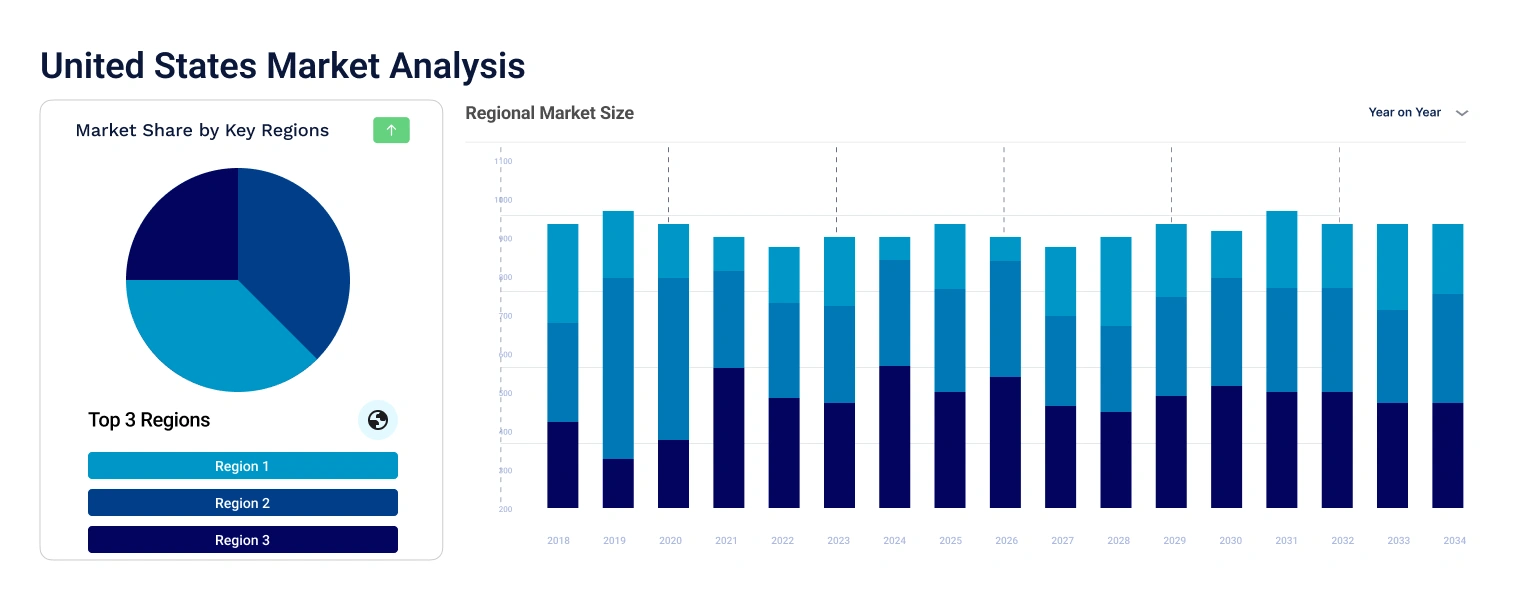
Key Insight: Far West dominates the United States SaaS industry with innovation hubs and legacy vendor presence, while Great Lakes and Mideast regions drive enterprise-scale adoption across manufacturing and finance. The Southeast is emerging as a tech-forward zone, backed by affordable talent and rising SaaS startups. The Southwest region benefits from public-private technology programmes and energy-sector SaaS deployment. New England remains strong with education-technology demand, while the Rocky Mountain and Plains regions see traction in logistics, agri-tech, and local government applications.
By Type, the Public Segment Acquires in the Maximum Share of the Market
The public segment continues to dominate the United States software as a service (SaaS) market, owing to reduced infrastructure dependency and predictable costs. Major public sector entities like the Department of Energy are shifting to public cloud-based SaaS tools for project management, workforce tracking, and compliance analytics. Enterprises are leaning towards public SaaS owing to multi-tenancy architecture and auto-scaling capabilities. Players like Oracle Cloud and AWS SaaS solutions are widely deployed across finance, e-commerce, and education technology.
The hybrid segment is seeing explosive growth in the United States software as a service (SaaS) market as businesses seek tighter control over sensitive data while enjoying cloud flexibility. Firms in sectors like legal, defence, and pharma are rapidly adopting hybrid SaaS, combining on-premise storage with cloud-based analytics. Companies like Relativity have launched a hybrid e-discovery SaaS platform tailored for government clients, enabling sensitive legal data processing on local servers. Hybrid SaaS suits compliance-heavy enterprises, offering the agility of cloud alongside data residency assurance.
By Application, Productivity and Collaboration Accounts for the Dominant Share of the Industry
The United States software as a service (SaaS) market is heavily distorted toward productivity and collaboration tools. Microsoft Teams, Slack, Zoom, and Notion have become central to post-pandemic work models. These software tools are being embedded within core enterprise systems, for example, Zoom for Salesforce, or Slack bots integrated into DevOps pipelines. Recently, Atlassian added AI-powered incident response tools to its suite, incorporating communication with operational management. This subsegment is vital for hybrid and remote-first teams, and it is increasingly being used in military, public safety, and education settings.
With the integration of voice biometrics, predictive support bots, and sentiment analysis, companies like Zendesk and Intercom are transforming support desks into proactive experience centres, boosting the growth of the customer service segment in the United States software as a service (SaaS) market. In 2024, Google Cloud launched a Contact Center AI SaaS product that allows dynamic agent assistance, adopted by major United States insurers and telecom players. The shift from reactive helpdesks to smart support workflows is fuelling B2B demand in healthcare, banking, and mobility sectors where user interaction is high-frequency and multi-channel.
Total Spending by Company Having More Than 2000 Employees Registers the Majority of the Market Revenue
Large enterprises, particularly Fortune 500 firms, with more than 2000 employees, are the biggest SaaS consumers in the United States. Organizations like Walmart, Citi, and Pfizer have invested in SaaS platforms offering compliance, customer intelligence, and operational analytics. These firms prioritise security, vertical-specific compliance, and unified user experience across regions. Most SaaS vendors offer dedicated enterprise tiers with 24/7 support, onboarding modules, and ISO certifications.
Startups and small-to-mid-sized businesses with 300-2000 employees have largely contributed to add United States software as a service (SaaS) market value. Platforms like QuickBooks Online, Zoho, and Canva for Teams are empowering lean teams through cost-effective, no-code, and easily scalable solutions. These tools reduce dependency on IT staff, making them ideal for agile operations. These kinds of startups and SMEs further received a boost with the SBA’s 2024 grant of USD 9 million, which empowered businesses of this size to access modern SaaS-based collaboration tools.
Far West Region Commands the Leading Position in the Market
The Far West region, anchored by California, remains the dominant software as a service market in the United States. The region houses major giants like Adobe, Salesforce, and Zoom and thrives on its robust cloud infrastructure, deep venture capital networks, and strong ties between academia and industry. Moreover, San Francisco and Seattle houses several startups building niche SaaS products in biotech, gaming, and clean technology.
|
CAGR 2026-2035 - Market by |
Region |
|
Far West |
15.9% |
|
Rocky Mountain |
14.8% |
|
Southeast |
13.2% |
|
New England |
XX% |
|
Mideast |
XX% |
|
Southwest |
XX% |
The fast-paced growth of the Southeast software as a service market is led by cities like Atlanta, Raleigh, and Charlotte. This growth is fuelled by a combination of affordable tech talent, favourable business climate, and the backing of state-funded innovation hubs. Companies like Calendly and Salesloft are scaling operations rapidly, capitalising on the region’s thriving startup culture. Strong sectoral demand, particularly from logistics, agriculture, and fintech, is driving SaaS adoption beyond traditional urban centres.
The United States software as a service market players like Salesforce, Oracle, Adobe, and ServiceNow are actively reshaping their product portfolios with AI-driven microservices and no-code interfaces. Startups are targeting vertical SaaS gaps, from construction compliance to patient scheduling in hospitals, while legacy firms are acquiring them to expand industry depth. Most of the United States software as a service companies are bundling their SaaS offerings with consulting and managed services. IBM, for example, is delivering AI-augmented SaaS through hybrid cloud environments, especially for defence and finance. Meanwhile, partnerships between SaaS firms and telecoms enable SME-specific bundles with pre-configured onboarding. However, compliance, data residency, and platform interoperability remain top concerns. To remain competitive, SaaS vendors must focus on sector-specific APIs, regional cloud zoning, and collaborative marketplace integrations to stay ahead in a highly regulated, innovation-heavy environment.
Founded in the year 1989 and headquartered at Dublin in Ireland, Accenture has become a global leader in terms of SaaS consulting and integration. It has empowered United States enterprises by providing SaaS solutions across cloud and analytics along with AI to integrate digital transformation across industries.
Founded in 1911 and headquartered in Armonk, New York, IBM Corporation renders advanced solutions through SaaS in AI cybersecurity as well as hybrid cloud. Enterprises have scalable-safe software services to tap into when working with IBM-owned services.
Founded in 2002, AWS possesses dominance within the United States SaaS market. It offers rapid SaaS deployment in cost, analytics, and storage critical to businesses of all sizes. With over 240 cloud services and 30+ regions, its scalability, security compliance, and AI integrations make it a preferred choice for SaaS firms across sectors.
Cognizant was founded in 1994 and operates from New Jersey. It provides end-to-end SaaS services based on IT service processing, cloud migration, and digital engineering. The company has been assisting customers in the region to evolve operations and improve customer experience as well as accelerate cloud-native SaaS adoption.
*Please note that this is only a partial list; the complete list of key players is available in the full report. Additionally, the list of key players can be customized to better suit your needs.*
Other key players in the market are Google LLC (Alphabet Inc), Intel Corporation, Oracle Corporation, SAP SE, Salesforce Inc., and Autodesk, Inc., among others.
Explore the latest trends shaping the United States software as a service (SaaS) market 2026-2035 with our in-depth report. Gain strategic insights, future forecasts, and key market developments that can help you stay competitive. Download a free sample report or contact our team for customized consultation on United States software as a service (SaaS) market trends 2026.


Upto 15% Off
USD
$2499 $2249
$3999 $3599
$4999 $4249
$5999 $5099


*While we strive to always give you current and accurate information, the numbers depicted on the website are indicative and may differ from the actual numbers in the main report. At Expert Market Research, we aim to bring you the latest insights and trends in the market. Using our analyses and forecasts, stakeholders can understand the market dynamics, navigate challenges, and capitalize on opportunities to make data-driven strategic decisions.*
Get in touch with us for a customized solution tailored to your unique requirements and save upto 35%!
In 2025, the United States software as a service market reached an approximate value of USD 131.69 Billion.
The market is projected to grow at a CAGR of 13.70% between 2026 and 2035.
The market is estimated to witness healthy growth in the forecast period of 2026-2035 to reach a value of around USD 475.51 Billion by 2035.
Key strategies driving the market include nvesting in FedRAMP alignment, developing industry-specific SaaS modules, building API marketplaces, enabling edge-SaaS integration, and embedding ESG metrics into platforms.
The key challenges are data localisation, compliance with emerging AI and ESG regulations, maintaining low churn in SMB segments, and ensuring secure interoperability across fragmented legacy systems.
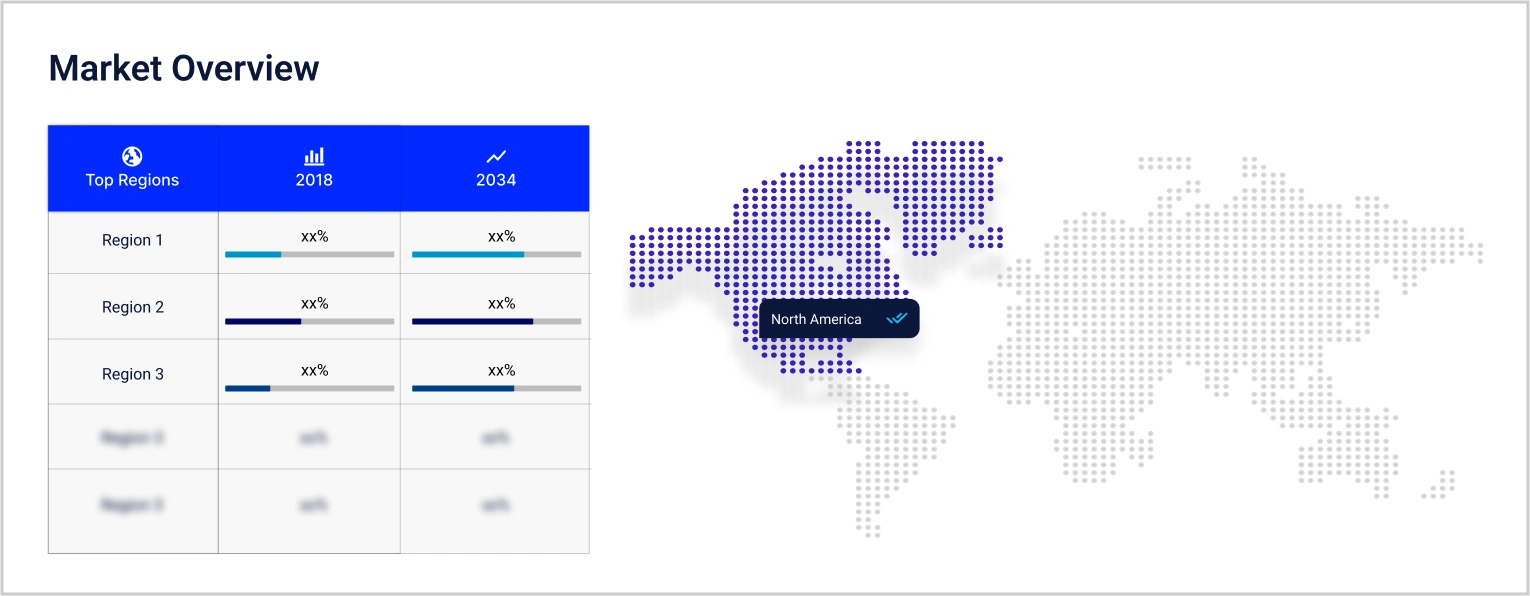
The major regions in the market are New England, Mideast, Great Lakes, Plains, Southeast, Southwest, Rocky Mountain, and Far West.
The various types considered in the market report are public, private, and hybrid.
The various applications considered in the market report are productivity and collaboration, customer service, marketing, sales, human resources, finance, and others.
The major players in the market are Accenture Plc, IBM Corporation, Amazon Web Services Inc., Cognizant Technology Solutions Corporation, Google LLC (Alphabet Inc), Intel Corporation, Oracle Corporation, SAP SE, Salesforce Inc., and Autodesk, Inc., among others.
Explore our key highlights of the report and gain a concise overview of key findings, trends, and actionable insights that will empower your strategic decisions.
| REPORT FEATURES | DETAILS |
| Base Year | 2025 |
| Historical Period | 2019-2025 |
| Forecast Period | 2026-2035 |
| Scope of the Report |
Historical and Forecast Trends, Industry Drivers and Constraints, Historical and Forecast Market Analysis by Segment:
|
| Breakup by Type |
|
| Breakup by Application |
|
| Breakup by Organisation Size |
|
| Breakup by Region |
|
| Market Dynamics |
|
| Competitive Landscape |
|
| Companies Covered |
|
Datasheet
One User
USD 2,499
USD 2,249
tax inclusive*
Single User License
One User
USD 3,999
USD 3,599
tax inclusive*
Five User License
Five User
USD 4,999
USD 4,249
tax inclusive*
Corporate License
Unlimited Users
USD 5,999
USD 5,099
tax inclusive*
*Please note that the prices mentioned below are starting prices for each bundle type. Kindly contact our team for further details.*
Flash Bundle
Small Business Bundle
Growth Bundle
Enterprise Bundle
*Please note that the prices mentioned below are starting prices for each bundle type. Kindly contact our team for further details.*
Flash Bundle
Number of Reports: 3
20%
tax inclusive*
Small Business Bundle
Number of Reports: 5
25%
tax inclusive*
Growth Bundle
Number of Reports: 8
30%
tax inclusive*
Enterprise Bundle
Number of Reports: 10
35%
tax inclusive*
How To Order

Select License Type
Choose the right license for your needs and access rights.

Click on ‘Buy Now’
Add the report to your cart with one click and proceed to register.

Select Mode of Payment
Choose a payment option for a secure checkout. You will be redirected accordingly.
Gain insights to stay ahead and seize opportunities.

Get insights & trends for a competitive edge.

Track prices with detailed trend reports.

Analyse trade data for supply chain insights.

Leverage cost reports for smart savings

Enhance supply chain with partnerships.

Connect For More Information
Our expert team of analysts will offer full support and resolve any queries regarding the report, before and after the purchase.
Our expert team of analysts will offer full support and resolve any queries regarding the report, before and after the purchase.
We employ meticulous research methods, blending advanced analytics and expert insights to deliver accurate, actionable industry intelligence, staying ahead of competitors.
Our skilled analysts offer unparalleled competitive advantage with detailed insights on current and emerging markets, ensuring your strategic edge.
We offer an in-depth yet simplified presentation of industry insights and analysis to meet your specific requirements effectively.





Share