

Consumer Insights
Uncover trends and behaviors shaping consumer choices today
Procurement Insights
Optimize your sourcing strategy with key market data
Industry Stats
Stay ahead with the latest trends and market analysis.

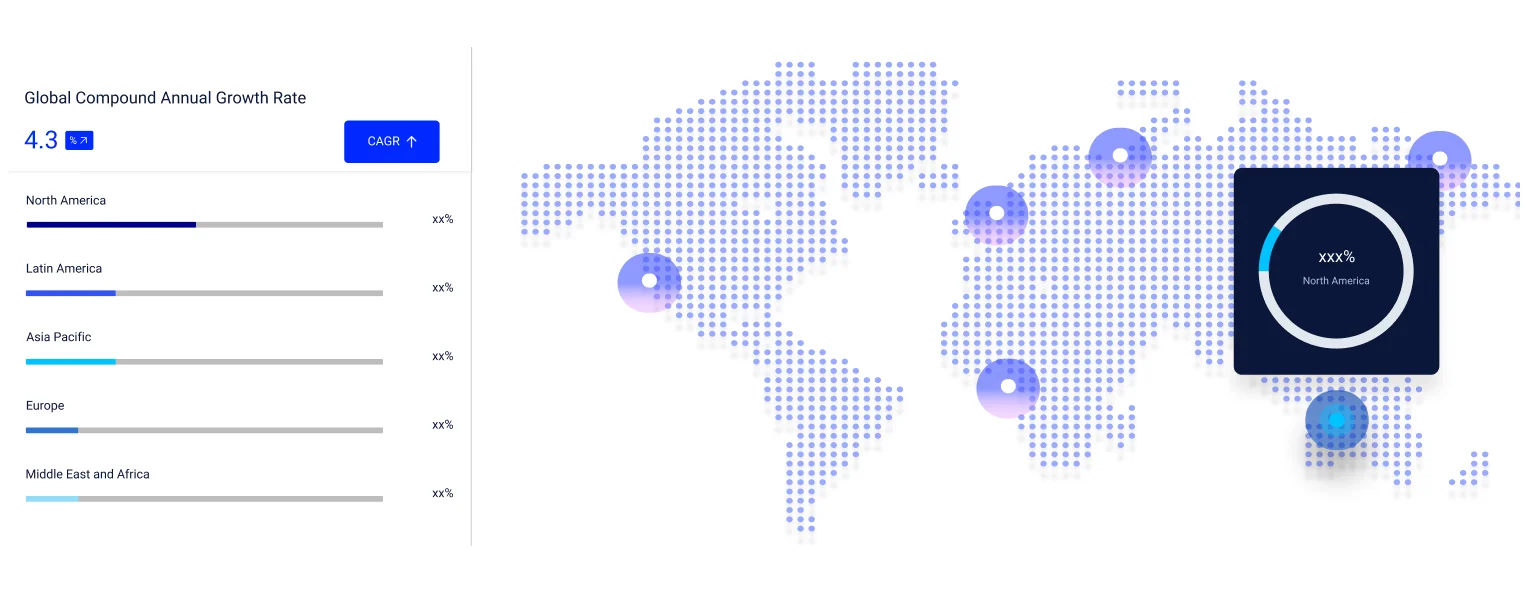
The global telecom market was valued at USD 1.70 Trillion in 2025. The industry is expected to grow at a CAGR of 4.30% during the forecast period of 2026-2035. The growth can be majorly attributed to the increasing demand for 5G technology. It enhances mobile broadband, supports autonomous vehicles, and enables advanced industries like AI and AR, thereby driving significant growth and transformation across multiple sectors globally. In turn, all these factors have resulted in the market attaining a valuation of USD 2.59 Trillion by 2035.
Base Year
Historical Period
Forecast Period
Growing government investments in Industry 4.0 initiatives is giving rise to rapid developments in the private 5G network infrastructures. These, in turn, are creating huge opportunities for telecom market companies by providing ultra-reliable, low-latency connectivity in areas such as manufacturing, shipping and healthcare. Businesses worldwide are using these networks to improve automation, IoT connectivity and secure data transfer, thereby the telecom market is experiencing a growing demand for customised telecom solutions.
Telecom firms are adopting cloud-native technology for scalability, efficiency, and innovation in services. Hence, telecom market companies can hugely benefit from offering seamless integration of cloud-based applications that improve agility in managing remote workforces. They can offer sophisticated solutions such as AI-driven analytics and edge computing.
Increasingly, businesses are utilizing UCaaS (unified communication as a service) systems to deliver integrated audio, video, and messaging services. This drives hybrid work arrangements, increases productivity, and enhances collaboration. Telecom providers can capitalize on this demand by delivering customizable UCaaS solutions that can serve all the needs of any organization.
Compound Annual Growth Rate
4.3%
Value in USD Trillion
2026-2035
*this image is indicative*
|
Global Telecom Market Report Summary |
Description |
Value |
|
Base Year |
USD Trillion |
2025 |
|
Historical Period |
USD Trillion |
2019-2025 |
|
Forecast Period |
USD Trillion |
2026-2035 |
|
Market Size 2025 |
USD Trillion |
1.70 |
|
Market Size 2035 |
USD Trillion |
2.59 |
|
CAGR 2019-2025 |
Percentage |
XX% |
|
CAGR 2026-2035 |
Percentage |
4.30 |
|
CAGR 2026-2035- Market by Region |
Asia Pacific |
4.8% |
|
CAGR 2026-2035 - Market by Country |
India |
4.9% |
|
CAGR 2026-2035 - Market by Country |
China |
4.7% |
|
CAGR 2026-2035 - Market by End User |
Consumer/Residential |
4.8% |
|
CAGR 2026-2035 - Market by Services |
OTT and Pay TV |
5.2% |
|
Market Share by Country 2025 |
Brazil |
2.9% |
The global telecom market is currently experiencing rapid growth due to significant improvements in technology and a rising demand for connectivity solutions. The market experiences a rapid growth of IoT adoption, triggered by the increased internet penetration, and a growing reliance on data-based applications across industries. Moreover, the rising desire for smart gadgets and digital transformation programs are also resulting in a greater need for dependable, high-speed telecom infrastructure.
The telecom industry is powered by the increasing deployment of 5G networks as these allow data transmission at a much faster pace, increase connectivity, and support for sophisticated technologies such as augmented reality (AR) and virtual reality (VR). To continue with this momentum, telecom companies are also investing in fiber-optic networks to cater to the growing demand for ultra-high-speed broadband in urban as well as rural locations. Sustainability is another priority, with efforts underway to minimise carbon footprints through energy-efficient infrastructure and green network activities.
The telecom market continues to grow as industries increasingly rely on smooth, integrated communication networks to support digital business models, smart cities, and worldwide cooperation, cementing telecom's position as the foundation of modern connectivity.
The increased reliance on telemedicine and digital healthcare is a key driver of the telecom market growth. As healthcare practitioners use remote consultation, diagnostic, and monitoring technology, the necessity for dependable and fast connectivity has increased. Telecom firms are facilitating this shift by providing bespoke solutions like as secure 5G networks and edge computing, which guarantee seamless video consultations, real-time data sharing, and connected medical devices. Wearable health monitoring, for example, rely on a reliable communications infrastructure to deliver patient data in real time. As the healthcare sector gets more advanced at a global scale, telecom operators are set to play an important role in supporting new healthcare delivery systems.
The growing adoption of immersive technologies like AR and VR are solidifying new opportunities in the telecom industry. These applications necessitate high-speed, low-latency networks. Moreover, telecom providers are increasingly working with entertainment platforms to improve gaming, live events, and interactive content experiences. VR concerts and AR-enhanced live sports events, for example, require real-time, high-quality streaming via telecom infrastructure. This niche not only drives up demand for advanced network capabilities, but it also allows telecom operators to explore new revenue streams through collaborations in the entertainment industry.
The key trends of the telecom market include 5G expansion, edge computing, green efforts, and AI automation, which are altering industries by providing faster, smarter, and more sustainable connectivity.
The rapid implementation of 5G networks is a major ongoing trend in the telecom market, delivering faster speeds, lower latency, and increased connectivity. Manufacturing industries extensively use 5G for automation. Remote surgery is also made possible by stable, high-speed connections. This trend has compelled telecom providers like Ericsson and Verizon to work together on 5G-powered factories and increase production efficiency. Further demand is fueled by rapid advancements in smart vehicles and AR/VR applications. Telecom operators are heavily investing in infrastructure to satisfy the growing demand for 5G, thereby creating newer prospects for equipment vendors, service providers, and companies that largely rely on cutting-edge communication technology.
Edge computing is becoming increasingly popular, driving growth in the telecom market. Telecom firms are incorporating this technology into their networks to increase real-time data processing. For example, AT&T works with Microsoft Azure to improve edge solutions for IoT devices and smart systems. Edge computing helps businesses such as logistics, gaming, and autonomous vehicles by allowing for near-instantaneous data processing closer to the source. Telecommunications carriers are setting up edge data centers to support various applications that require high responsiveness, opening up opportunities for telecom businesses.
Sustainability is gaining traction in the telecom industry. The market witnesses a huge number of carriers investing in energy-efficient infrastructure and renewable energy solutions. For example, Vodafone aims at achieving net-zero carbon emissions by 2040. The company is installing solar-powered green base stations to meet the increasingly strict regulatory demands. Green telecom practices include using energy-efficient technologies, optimising network operations, and recycling electronic waste. Such initiatives help to minimise operational costs while aligning with global environmental objectives, giving green telecom a competitive advantage.
Artificial intelligence (AI) and automation are being increasingly used in the telecom market for greater efficiency, reduced downtime, and improved user experience. Telefónica, for example, employs AI for predictive maintenance to ensure continuous service by recognizing potential problems. Chatbots and AI-powered analytics are also improving consumer interactions and problem-solving processes. Automation simplifies complicated procedures such as network provisioning and capacity planning, freeing up telecom operators to focus on innovation and service quality. This trend accelerates digital transformation, allowing telecom companies to easily respond to changing market demands.
The rise of smart cities creates a big potential for telecom market companies to offer enhanced connection solutions. These cities rely on IoT devices, real-time data exchange, and interconnected systems to handle transportation, energy, and public services. Telecom companies can supply 5G networks, edge computing, and scalable IoT platforms to provide seamless connectivity between devices and systems. Partnerships with municipalities, for example, to construct smart grids or connected traffic systems, can help to generate growth. As governments increasingly invest in digital infrastructure, telecommunications corporations can position themselves as key enablers of smart, sustainable urban development.
With increased digitalisation, there is a greater necessity for comprehensive cybersecurity in telecom networks. Firms in the telecom market can offer advanced security solutions such as encrypted communication, DDoS protection, and secure IoT device management. Enterprises, particularly in the banking and healthcare industries, seek secure networks to protect critical information. Collaborations with cybersecurity organisations, for example, can increase competitiveness by incorporating AI-driven threat detection into telecom services. This emphasis on safe communication infrastructure enables telecom companies to diversify revenue streams while solving crucial issues in the age of digital transformation.
IoT devices are being increasingly used across businesses, which makes it a major driver of the telecom market growth. Manufacturing, agriculture, healthcare, and logistics – all these industries are increasingly relying on IoT that offer real-time data monitoring and automation. Hence, telecom providers are playing critical roles in providing stable connectivity infrastructure including low-power wide-area networks (LPWAN) and 5G. For example, smart farming employs IoT sensors to monitor soil health, necessitating continuous connectivity. As the IoT usage grows internationally, telecom operators are getting geared up to create IoT-specific services, opening up new income streams and market prospects.
Emerging economies are undergoing fast digital change, resulting in increased demand for resilient communication infrastructure. Governments and businesses in these regions are investing in extending internet access, mobile networks, and digital services to help with education, e-commerce, and financial inclusion. Hereby, telecom market companies are capitalising on this expansion by installing low-cost 4G and 5G networks and introducing novel payment options. For example, mobile money services in Africa have transformed access to financial services because to powerful telecom infrastructure. The growing emphasis on connection in underdeveloped areas creates a significant development opportunity for telecom companies worldwide.
The Expert Market Research’s report titled “Telecom Market Report and Forecast 2026-2035” offers a detailed analysis of the market based on the following segments:
Market Breakup by Services
Market Breakup by Transmission
Market Breakup by End User
Market Breakup by Region
Market Insights by Services
Voice services continue to be a lifeline driving the telecom market growth, especially with VoIP and 5G-enabled HD conversations for both enterprise and consumer segments. The data services segment is driven by the increased usage of mobile internet, cloud computing, and IoT. Messaging services, on the other hand, are expanding to include enterprise solutions like A2P (Application-to-Person) messaging for notifications, customer interaction, and marketing. The OTT and pay TV services segment is experiencing growth as more customers shift towards on-demand content. This particular segment is expected to grow at 5.2% CAGR over the forecast period. These are the divisions as the world increases its demand for seamless, integrated, and technology-driven communication and entertainment solutions. Consumer/residential use is fueling the growth of the telecom industry as people demand high-speed internet, streaming services, and smart home technology.
Market Analysis by Transmission
Wireline transmission is growing in the telecom market with the rising demand for fiber-optic networks that support ultra-high-speed internet with low latency - all crucial to enterprises, data centers, and smart city initiatives. Wireline remains a compelling choice for enabling dependable backbone infrastructure and high-speed transfer of large data sets. Wireless is rapidly increasing with the advent of 5G networks, which supports mobile connectivity, IoT, and real-time applications such as AR/VR and self-driving cars. Wireless is also needed for rural connectivity and mobility-related sectors. Wireline and wireless technologies complement each other well to meet a variety of needs across industries and consumer groups around the world.
Analysis by End User
Growth in the telecom industry is being fueled by consumer/residential use with the increasing demand for high-speed internet, streaming services, and smart home technology. The market is expected to grow at a CAGR of 4.8% during the forecast period. The rise in remote work and online education increases the demand for reliable internet and wireless services. Commercial use is also on the rise as firms increasingly adopt private 5G networks, unified communications, and IoT integration. All retail, healthcare, and manufacturing industries require customized telecom services to increase productivity, automate processes, and improve customer experiences. Telecom companies are taking advantage of these trends by offering tailored plans and enterprise-specific connection solutions.
North America Telecom Market Opportunities
The North America telecom market is growing as the 5G networks are fast being rolled out, transforming the industries of autonomous vehicles, healthcare, and entertainment. As firms deploy digital transformation programs, the demand for high-speed internet and enterprise connectivity solutions such as cloud services is also increasing. In addition, the adoption of remote learning and working modes are leading to an increased demand for broadband internet, particularly in underdeveloped rural communities. Moreover, telecom providers are upgrading network infrastructure to meet the increased demand for data-intensive services like video streaming and gaming.
Europe Telecom Market Insights
The telecom market in Europe is driven by increased digitalisation and growing adoption of 5G. The market growth is triggered by several European countries investing in advanced network infrastructure. Governments are continuing to drive investment in high-speed broadband and 5G rollout in not only urban but also rural areas, while complying with the European Union's Digital Decade plan. Another factor that further fuels the increase in demand for telecom services in Europe is the increased relevance of sustainable and green technology solutions. Telcom providers are responding to demand by reaching out with the extension of fibre-optic networks and low-carbon solutions offered to both home and business customers.
Asia Pacific Telecom Market Growth
The Asia Pacific telecom market is expanding at a fast pace owing to rapid urbanization, increased middle class population, and technology developments. The market is expected to grow at 4.8% CAGR over the forecast period. In China and India, demand is mounting for mobile internet and digital services, with huge growth areas across the e-commerce, finance, and entertainment segments. The establishment of 5G networks in significant areas drives further demand for mobile data, IoT devices, and connected solutions. Additionally, the Asia-Pacific region is considered to be an electronic manufacturing hub; hence, this region also demands telecom infrastructure support for smart manufacturing, automation, and industrial IoT applications.
|
CAGR 2026-2035 - Market by |
Country |
|
India |
4.9% |
|
China |
4.7% |
|
Mexico |
4.5% |
|
USA |
4.1% |
|
Japan |
4.0% |
|
Canada |
XX% |
|
UK |
XX% |
|
Germany |
XX% |
|
France |
XX% |
|
Italy |
3.7% |
|
Australia |
XX% |
|
Saudi Arabia |
XX% |
|
Brazil |
XX% |
Latin America Telecom Market Outlook
The Latin America telecom market growth is driven by increasing mobile internet service penetration, as more customers are using smartphones to access the internet, e-commerce, and entertainment. The region's push for 4G and 5G network infrastructures for improved connectivity, particularly in cities is driving the market. Moreover, Latin America's digital transformation, especially in fintech, healthcare, and education, has boosted demand for low-cost, dependable telecom services. Cheap broadband connection in rural and underserved areas is sought after as business and governments start to focus more on internet infrastructure development.
Middle East and Africa Telecom Market Dynamics
The Middle East and Africa telecom market is witnessing growth due to developing infrastructure, particularly in UAE and Saudi Arabia, where the smart city initiative and 5G network rollout are changing urban landscapes. Mobile money services, on the other hand, are quickly developing in Africa. Here, the telecom companies are playing an important role in bringing about more inclusivity for disadvantaged communities. The increased need for mobile data services in rural areas, combined with rising smartphone penetration, is driving telecom market expansion. Governments across the area are also spending extensively in digital government services and e-commerce, driving up demand for dependable communication solutions.
Key telecom market players are focusing on expanding 5G networks, improving connectivity solutions, and accelerating digital transformation across industries. Further, small-scale telecom companies are also focusing on providing integrated solutions, such as edge computing and unified communications, while emphasising the user experience.
Founded in 2000, Verizon Communications Inc., is headquartered in the New York. The company is well reputed for providing cellular communication services, high-speed internet, 5G networks, IoT solutions, and cloud-based services.
Founded in 1963, Comcast Corporation, under its Xfinity brand, offers broadband, cable television, internet services, and wireless communication solutions. It also provides streaming, security, and cloud-based solutions to home and commercial customers.
AT&T Inc., which was developed in1875, is known for offering wireless phone, data, and broadband services, as well as 5G networking technologies. In addition, the company also provides cloud services, cybersecurity, digital TV, and IoT solutions, while focusing on both the consumer and industrial demands.
With its headquarters in Bonn, Deutsche Telekom AG is a partially state-owned German telecom operator, established in 1995, that leads the European telecom market in terms of revenue. The company provides Telekom provides mobile, broadband, and landline telecom services. It also offers cloud solutions, IoT, 5G infrastructure.
*Please note that this is only a partial list; the complete list of key players is available in the full report. Additionally, the list of key players can be customized to better suit your needs.*
Other key players in the telecom market report are Nippon Telegraph and Telephone Corp., T-Mobile Us Inc., Charter Communications Inc., Orange SA, KDDI ADR Representing 0.5 Ord Shs, Vodafone Group Plc, among others.
Innovative startups in the telecom market are currently focusing on 5G-enabled solutions, improving network automation with AI, and developing customised IoT and edge computing platforms. Apart from this, the sustainability trend is also being explored by startups as they are increasingly developing green telecom infrastructures for healthcare and banking sectors.
Aircall.io, Inc.
Aircall.io, Inc. is a cloud-based call center solution that's revolutionizing telecom services. The company offers an intuitive, flexible platform for managing customer interactions, easily integrating with popular CRMs. Aircall's AI-driven analytics and advanced features enhance productivity, customer satisfaction, and team collaboration in real-time.
Net AI
Net AI is a forward-thinking telecom startup leveraging artificial intelligence to optimize network management. It enhances network performance and predicts potential issues by using machine learning algorithms. Solutions from Net AI provide telecom providers with actionable insights, enabling proactive service delivery and enhanced user experience.


Upto 15% Off
USD
$2499 $2249
$3999 $3599
$4999 $4249
$5999 $5099


*While we strive to always give you current and accurate information, the numbers depicted on the website are indicative and may differ from the actual numbers in the main report. At Expert Market Research, we aim to bring you the latest insights and trends in the market. Using our analyses and forecasts, stakeholders can understand the market dynamics, navigate challenges, and capitalize on opportunities to make data-driven strategic decisions.*
Get in touch with us for a customized solution tailored to your unique requirements and save upto 35%!
In 2025, the telecom market reached an approximate value of USD 1.70 Trillion.
The market is projected to grow at a CAGR of 4.30% between 2026 and 2035.
The market is estimated to witness healthy growth in the forecast period of 2026-2035 to reach a value of around USD 2.59 Trillion by 2035.
The major drivers of the market are increasing demand for 5G technology, rising adoption of Iot devices, and emerging economic developments.
The key trends of the telecom market include 5G expansion, edge computing, green efforts, and AI automation, which are altering industries by providing faster, smarter, and more sustainable connectivity.
The major regions in the market are North America, Europe, Asia Pacific, Latin America, and Middle East and Africa.
The various services considered in the market report are voice services, data services, messaging services, and OTT and Pay TV.
The various transmissions considered in the market report are wireline and wireless.
The major players in the market are Verizon Communications Inc., Comcast Corp., AT&T Inc., Deutsche Telekom AG, Nippon Telegraph and Telephone Corp., T-Mobile Us Inc., Charter Communications Inc., Orange SA, KDDI ADR Representing 0.5 Ord Shs, Vodafone Group Plc, among others.
The end users considered in the market report are consumer/residential and commercial.
Explore our key highlights of the report and gain a concise overview of key findings, trends, and actionable insights that will empower your strategic decisions.
| REPORT FEATURES | DETAILS |
| Base Year | 2025 |
| Historical Period | 2019-2025 |
| Forecast Period | 2026-2035 |
| Scope of the Report |
Historical and Forecast Trends, Industry Drivers and Constraints, Historical and Forecast Market Analysis by Segment:
|
| Breakup by Services |
|
| Breakup by Transmission |
|
| Breakup by End Use |
|
| Breakup by Region |
|
| Market Dynamics |
|
| Competitive Landscape |
|
| Companies Covered |
|
Datasheet
One User
USD 2,499
USD 2,249
tax inclusive*
Single User License
One User
USD 3,999
USD 3,599
tax inclusive*
Five User License
Five User
USD 4,999
USD 4,249
tax inclusive*
Corporate License
Unlimited Users
USD 5,999
USD 5,099
tax inclusive*
*Please note that the prices mentioned below are starting prices for each bundle type. Kindly contact our team for further details.*
Flash Bundle
Small Business Bundle
Growth Bundle
Enterprise Bundle
*Please note that the prices mentioned below are starting prices for each bundle type. Kindly contact our team for further details.*
Flash Bundle
Number of Reports: 3
20%
tax inclusive*
Small Business Bundle
Number of Reports: 5
25%
tax inclusive*
Growth Bundle
Number of Reports: 8
30%
tax inclusive*
Enterprise Bundle
Number of Reports: 10
35%
tax inclusive*
How To Order

Select License Type
Choose the right license for your needs and access rights.

Click on ‘Buy Now’
Add the report to your cart with one click and proceed to register.

Select Mode of Payment
Choose a payment option for a secure checkout. You will be redirected accordingly.
Gain insights to stay ahead and seize opportunities.

Get insights & trends for a competitive edge.

Track prices with detailed trend reports.

Analyse trade data for supply chain insights.

Leverage cost reports for smart savings

Enhance supply chain with partnerships.

Connect For More Information
Our expert team of analysts will offer full support and resolve any queries regarding the report, before and after the purchase.
Our expert team of analysts will offer full support and resolve any queries regarding the report, before and after the purchase.
We employ meticulous research methods, blending advanced analytics and expert insights to deliver accurate, actionable industry intelligence, staying ahead of competitors.
Our skilled analysts offer unparalleled competitive advantage with detailed insights on current and emerging markets, ensuring your strategic edge.
We offer an in-depth yet simplified presentation of industry insights and analysis to meet your specific requirements effectively.





Share