

Consumer Insights
Uncover trends and behaviors shaping consumer choices today
Procurement Insights
Optimize your sourcing strategy with key market data
Industry Stats
Stay ahead with the latest trends and market analysis.

The global sustainable materials market size reached around USD 428.47 Billion in 2025. The market is projected to grow at a CAGR of 15.70% between 2026 and 2035 to reach nearly USD 1841.85 Billion by 2035. There is a growing recognition of environmental challenges such as climate change, pollution, and the depletion of natural resources, prompting both consumers and businesses to prioritise sustainable materials.
Base Year
Historical Period
Forecast Period
As per the industry reports, in 2022, the European Union achieved a recycling rate of 41% for all plastic packaging waste generated. With the increasing demand for eco-friendly products, both businesses and consumers are actively looking for packaging solutions that are recyclable, biodegradable, and reusable. Advances in recycling technologies, along with a transition towards circular economies, are contributing to the reduction of plastic waste, promoting sustainable materials, and developing a burgeoning market for environmentally friendly packaging options.
During the 2019/20 harvest year, a total of 229,280 farmers cultivated 1,144,350 bales (equivalent to 249,153 tons) of organic cotton fiber across 1,454,030 acres (or 588,425 hectares) of certified organic land in 21 countries. The growing interest in eco-friendly textiles is contributing to an increased demand for organic cotton. This heightened demand for sustainable fabrics is prompting brands to embrace organic cotton as a viable alternative, thereby fostering environmentally responsible agricultural practices and mitigating the ecological footprint of the textile sector, contributing to the sustainable materials market revenue.
In May 2024, the global crude steel production reported by the 71 countries associated with the World Steel Association (worldsteel) reached 165.1 million tonnes (Mt), marking a 1.5% increase compared to May 2023. This growth highlights the resilience of the steel sector on a global scale. Steel is increasingly viewed as an eco-friendly material, primarily due to advancements in sustainable production methods, such as electric arc furnace (EAF) technology, which uses recycled scrap steel and significantly reduces carbon emissions. These technological advancements are essential for minimising waste, energy consumption, and environmental impact, positioning steel as a more sustainable choice for various sectors.
Compound Annual Growth Rate
15.7%
Value in USD Billion
2026-2035
*this image is indicative*
|
Global Sustainable Materials Market Report Summary |
Description |
Value |
|
Base Year |
USD Billion |
2025 |
|
Historical Period |
USD Billion |
2019-2025 |
|
Forecast Period |
USD Billion |
2026-2035 |
|
Market Size 2025 |
USD Billion |
428.47 |
|
Market Size 2035 |
USD Billion |
1841.85 |
|
CAGR 2019-2025 |
Percentage |
XX% |
|
CAGR 2026-2035 |
Percentage |
15.70% |
|
CAGR 2026-2035- Market by Region |
Asia Pacific |
17.6% |
|
CAGR 2026-2035 - Market by Country |
India |
17.9% |
|
CAGR 2026-2035 - Market by Country |
China |
17.3% |
|
CAGR 2026-2035 - Market by Type |
Sustainable Packaging Material |
17.9% |
|
CAGR 2026-2035 - Market by Application |
Packaging Industry |
17.9% |
|
Market Share by Country 2025 |
Australia |
1.4% |
Nowadays, international organisations and different nations across the globe are investing in the promotion and adoption of sustainable materials. For instance, India is working to establish itself as a global frontrunner in the production and implementation of battery energy storage systems. On November 11, 2020, the Government of India (GOI) approved a Production-Linked Incentives (PLI) scheme valued at around USD 27 billion over five years, targeting ten critical sectors. This initiative aims to enhance domestic manufacturing, decrease imports, and create job opportunities. Importantly, the program allocates nearly USD 2.5 billion in incentives specifically to produce Advanced Chemistry Cells (ACC) batteries, with the goal of attracting both large domestic and international firms to develop a competitive ACC battery infrastructure in the country, further supporting the sustainable materials market.
Moreover, the demand for green energy technologies, along with the materials necessary for their production, transportation, and installation, is projected to rise significantly in the coming years and decades. A report from the World Bank estimated that the demand for minerals essential for solar panels such as copper, iron, lead, molybdenum, nickel, and zinc could increase by 300% by 2050. Furthermore, an increase in investment in research and development (R&D) focused on sustainable materials is expected to generate significant opportunities for stakeholders in the sustainable materials market soon.
The sustainable materials market growth can be attributed to heightened environmental awareness, introduction of new regulatory frameworks and initiatives, and adoption of technological advancements.
Governments around the world are implementing stricter environmental regulations and sustainability objectives. Initiatives such as carbon taxes, requirements for sustainability reporting, and recycling mandates are motivating businesses to embrace sustainable materials, thus increasing the sustainable materials market revenue. These regulations not only enhance the appeal of eco-friendly alternatives but also stimulate innovation in material science. The increasing legislative pressure encourages different sectors to lessen their environmental impact and invest in green technologies, promoting a transition towards more sustainable supply chains and production methods.
One of the notable sustainable materials market trends is the rising environmental awareness among people. There is a growing recognition of environmental challenges such as climate change, pollution, and the depletion of natural resources, prompting both consumers and businesses to prioritise sustainable materials. This increased awareness has resulted in a significant rise in demand for products that minimise environmental impact, including biodegradable materials, eco-friendly packaging, and renewable resources. Companies are now becoming more dedicated to lowering carbon emissions and conserving natural resources, which drives them to incorporate sustainability into their production processes, thereby contributing to the expansion of the market.
The concept of Corporate Social Responsibility (CSR) is playing an increasingly significant role in shaping business practices, as organisations acknowledge the importance of sustainability for long-term success. Consumers, investors, and stakeholders are urging companies to adopt ethical and sustainable practices, which encompasses the use of sustainable materials. In response, businesses are integrating eco-friendly materials into their products to enhance their environmental performance, align with CSR objectives, and bolster their reputation, thereby leading to the sustainable materials market development.
The evolution of material science has been instrumental in propelling the growth of sustainable materials. Innovations such as biodegradable plastics, alternative fibers, and renewable composites offer businesses practical substitutes for conventional, resource-heavy materials. Furthermore, advancements in recycling technologies have enhanced the economic feasibility of material recovery and reuse. These innovations not only minimise the environmental footprint of material production but also enhance the efficiency and performance of sustainable products, opening up new opportunities in sectors like construction, packaging, and textiles.
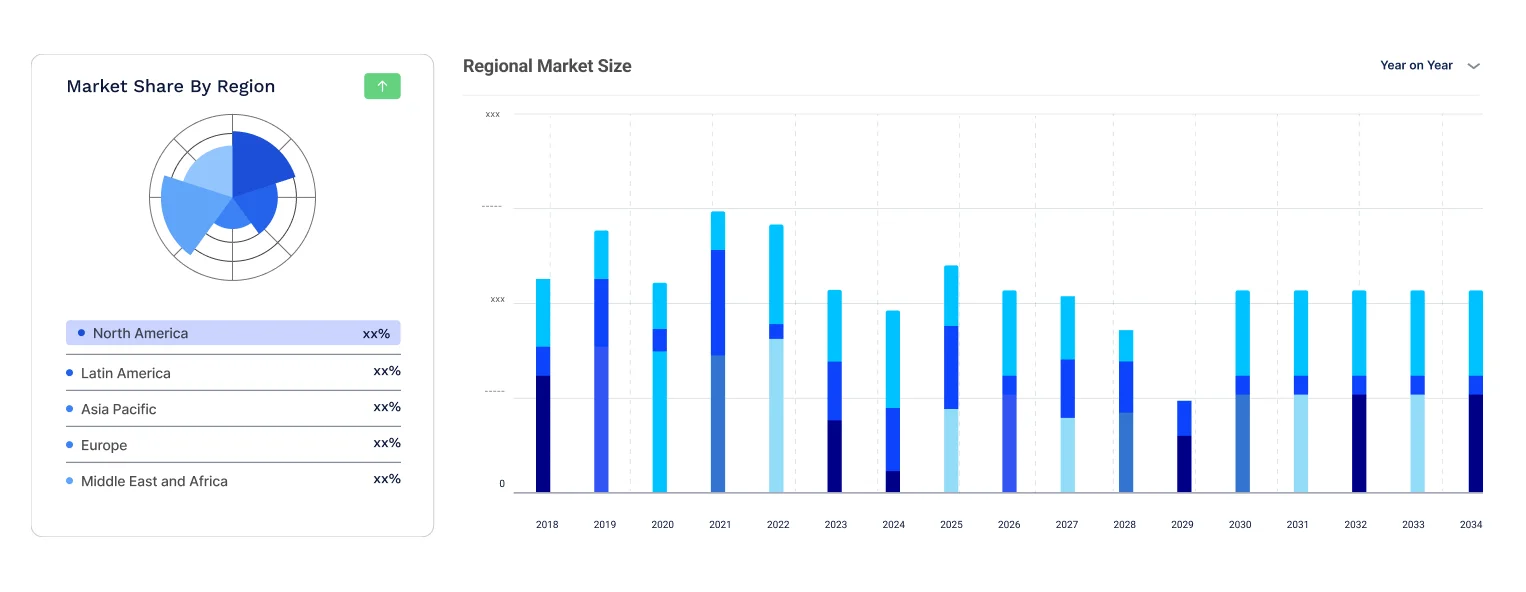
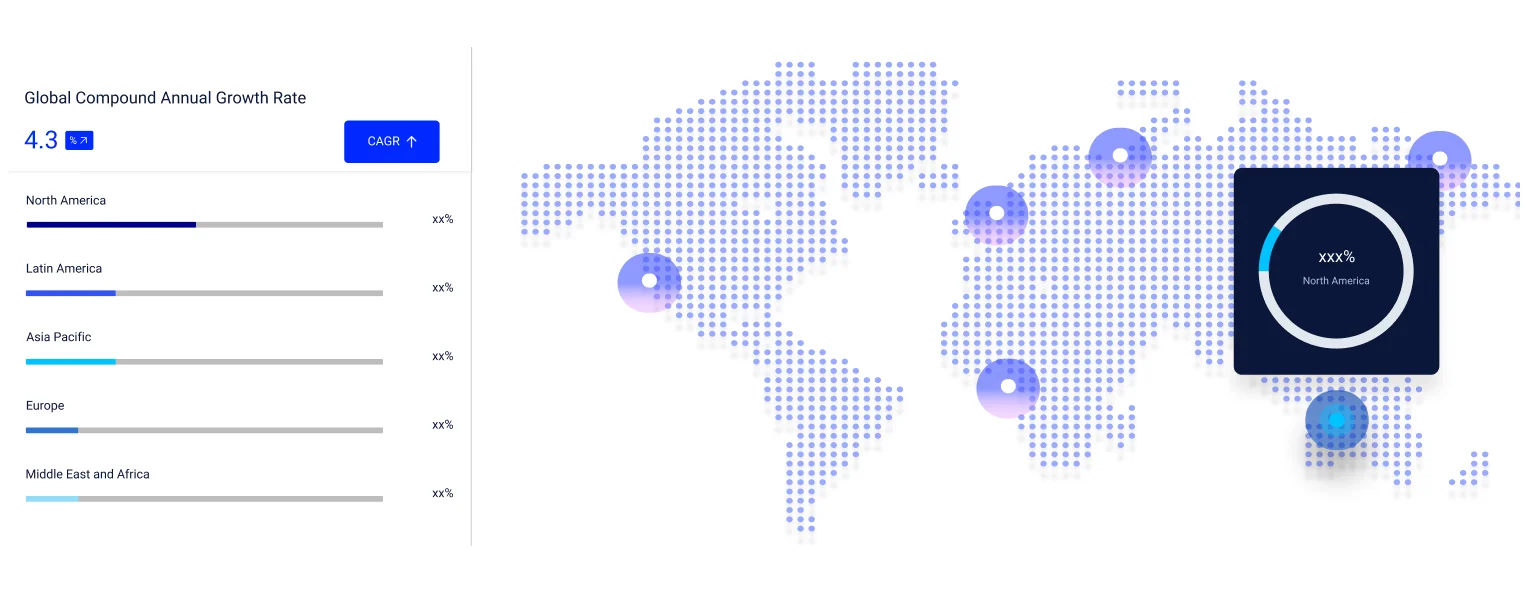
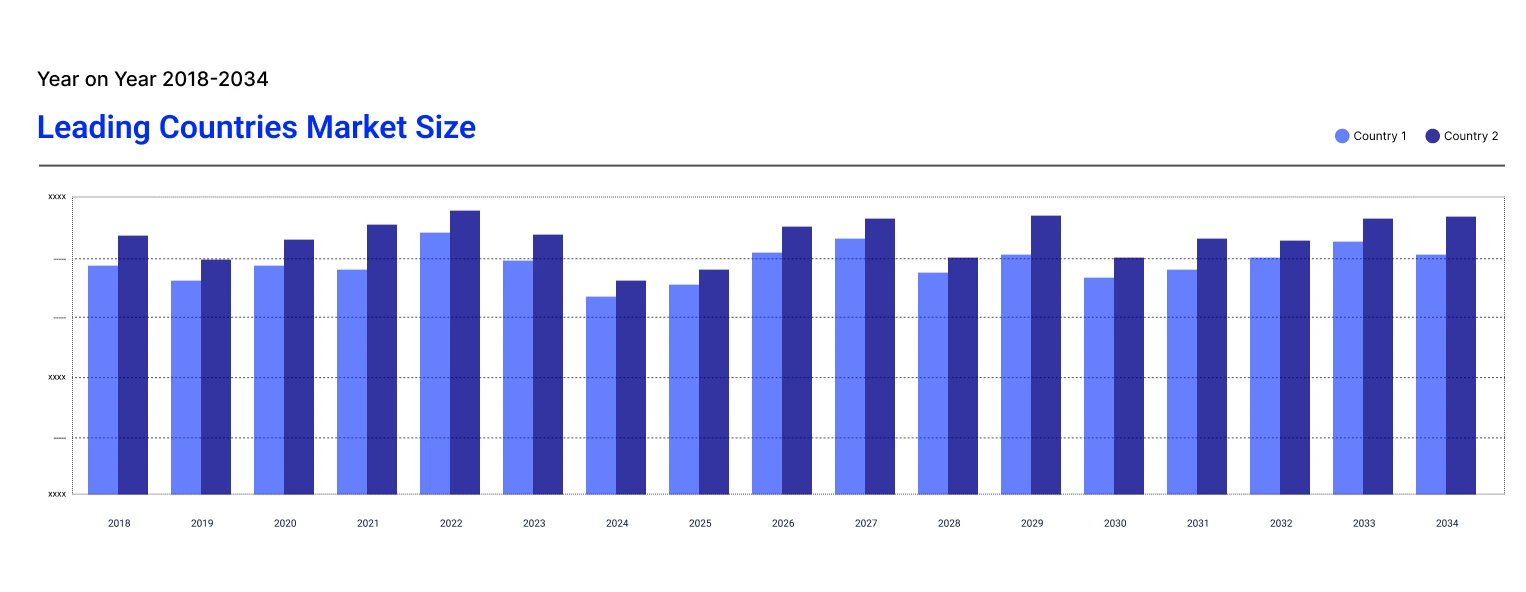
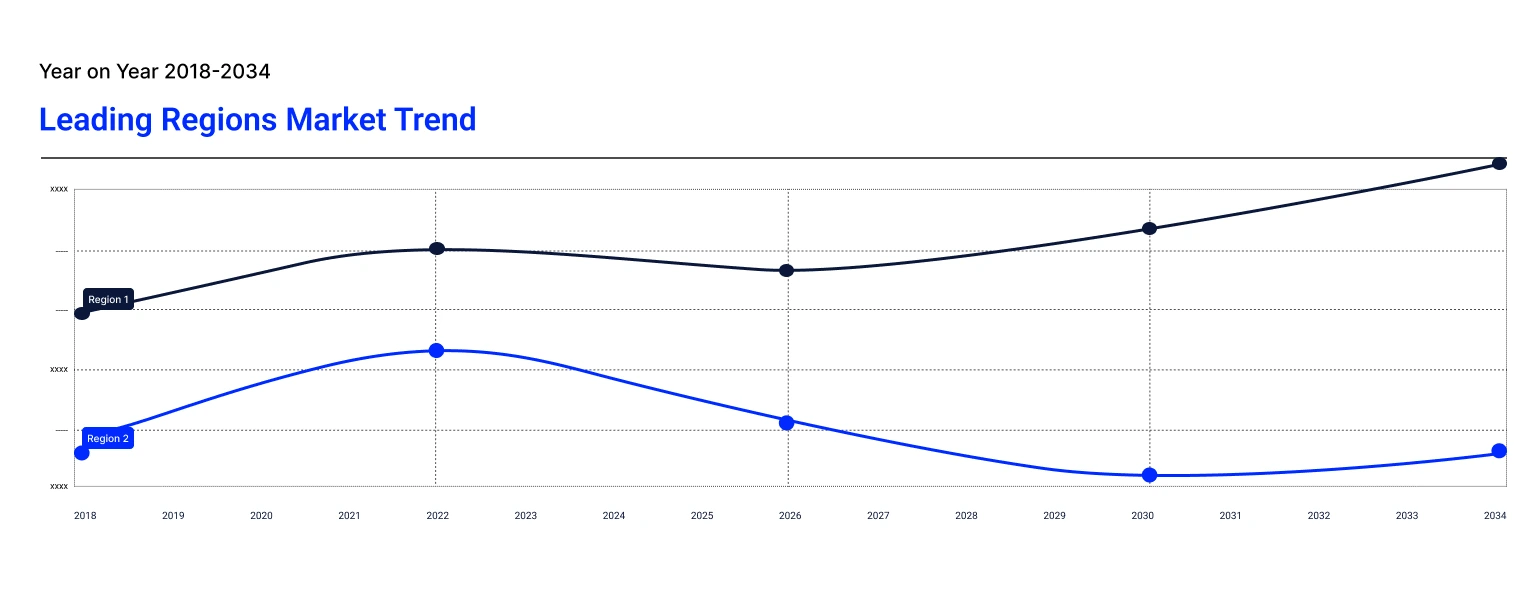
The market is experiencing significant growth, fuelled by heightened awareness of environmental concerns and an increasing demand for eco-friendly alternatives. Notable trends include a transition towards renewable resources such as biodegradable plastics, recycled metals, and sustainable textiles, all aimed at minimising waste and reducing carbon emissions. Furthermore, advancements in materials science, including plant-based options and innovative recycling technologies, are gaining momentum in the sustainable materials market. As sustainability becomes a central focus across various sectors, the market for these materials is projected to maintain its growth trajectory. Furthermore, both governments and organisation across the word are proactively implementing regulations and initiatives aimed at encouraging the use of sustainable materials in sectors such as packaging, construction, and manufacturing.
The EMR’s report titled “Global Sustainable Materials Market Report and Forecast 2026-2035” offers a detailed analysis of the market based on the following segments:
Breakup by Type
Breakup by Application
Breakup by End User
Breakup by Region
|
CAGR 2026-2035 - Market by |
Country |
|
India |
17.9% |
|
China |
17.3% |
|
UK |
14.9% |
|
USA |
14.9% |
|
Japan |
14.7% |
|
Germany |
14.6% |
|
Italy |
13.5% |
|
Canada |
XX% |
|
France |
XX% |
|
Australia |
XX% |
|
Saudi Arabia |
XX% |
|
Brazil |
XX% |
|
Mexico |
XX% |
Based on the application, the market is segmented into automotive, construction, consumer goods, packaging industry, and electronics. The packaging segment in the sustainable materials market report is expected to grow at a CAGR of 17.9% during the forecast period due to the increasing demand for environmentally friendly packaging and growing awareness of environmental issues and legislation. Demand for eco-friendly products like biodegradable plastics is fueled by growing public awareness of environmental issues and the harm that plastic waste does to the land and ocean. According to the Ellen MacArthur Foundation, a circular economy can reduce greenhouse gas emissions by 25% and the amount of plastic waste that enters the oceans each year by 80% by 2040.
Due to the growing sales of EVs and lightweight materials, the automotive industry is anticipated to grow significantly in the market for sustainable materials in the upcoming years. The automotive industry is expected to grow at a CAGR of 16.8% during the forecast period. Automakers are still coming up with new ways to be sustainable; bio-based polymers, recycled or repurposed metals, and renewable composites have all been employed to reduce car weight. The market for green solutions in the transportation sector is expanding, as demonstrated by the 14 million more electric vehicles sold in 2023, according to the IEA analysis. This is supporting the sustainable materials market growth.
Market players are focusing on the adoption of sustainable manufacturing methods to gain a competitive edge in the sustainable materials market outlook. Companies emphasising on the manufacturing of sustainable materials prioritise environmentally friendly production techniques. They utilise renewable resources, strive to and aim to lessen their ecological footprint.
Headquartered in St. Paul, Minnesota, United States, 3M was founded in 1902. Known for its technological and manufacturing advancements, 3M provides a diverse range of products across multiple sectors, including healthcare, electronics, and consumer goods. The company is recognised for its commitment to sustainability, focusing on reducing environmental impact and improving product efficiency.
Founded in 1897 and headquartered in Michigan, United States, Dow Inc. is a leading materials science company. It specialises in manufacturing chemicals, plastics, and agricultural products, with a strong focus on sustainable development solutions. Dow is committed to promoting circular economy practices, reducing emissions, and driving sustainable innovations across various sectors.
BASF SE, based in Ludwigshafen, Germany, was established in 1865. As the world's largest chemical producer, it offers a wide variety of products, including chemicals, plastics, and performance materials. BASF emphasises sustainability by creating solutions that aim to reduce environmental impact and enhance resource efficiency in agriculture, energy, and industrial sectors.
Coca-Cola Company is headquartered in Atlanta, Georgia, United States and was founded in 1886. Renowned for its iconic beverages, Coca-Cola operates globally and is dedicated to sustainability efforts, including water conservation, renewable energy, and environmentally friendly packaging. The company continually strives to reduce its carbon footprint and enhance its social and environmental impact while promoting healthier lifestyles.
*Please note that this is only a partial list; the complete list of key players is available in the full report. Additionally, the list of key players can be customized to better suit your needs.*
Other major players in the sustainable materials market are DuPont de Nemours Inc., Ford Motor Co., Ball Corp., Unilever Plc, Holcim AG, and Inter IKEA Holding B.V., among others.


Upto 15% Off
USD
$2499 $2249
$3999 $3599
$4999 $4249
$5999 $5099


*While we strive to always give you current and accurate information, the numbers depicted on the website are indicative and may differ from the actual numbers in the main report. At Expert Market Research, we aim to bring you the latest insights and trends in the market. Using our analyses and forecasts, stakeholders can understand the market dynamics, navigate challenges, and capitalize on opportunities to make data-driven strategic decisions.*
Get in touch with us for a customized solution tailored to your unique requirements and save upto 35%!
In 2025, the market attained a value of nearly USD 428.47 Billion.
The market is assessed to grow at a CAGR of 15.70% between 2026 and 2035.
The market is estimated to witness a healthy growth in the forecast period of 2026-2035 to reach about USD 1841.85 Billion by 2035.
The major drivers of the market are heightened environmental awareness among consumers and introduction of new regulatory frameworks and initiatives.
The key trends aiding the market expansion include the adoption of technological advancements in the market and rising Corporate Social Responsibility (CSR).
As per the EMR report, the different applications of sustainable materials in the market are automotive, construction, consumer goods, packaging industry, and electronics.
The major regions considered in the market are North America, Europe, Asia Pacific, Latin America, and Middle East and Africa.
The major players in the market are 3M Co., BASF SE, Dow Inc., Coca-Cola Company, DuPont de Nemours Inc., Ford Motor Co., Ball Corp., Unilever Plc, Holcim AG, and Inter IKEA Holding B.V., among others.
Explore our key highlights of the report and gain a concise overview of key findings, trends, and actionable insights that will empower your strategic decisions.
| REPORT FEATURES | DETAILS |
| Base Year | 2025 |
| Historical Period | 2019-2025 |
| Forecast Period | 2026-2035 |
| Scope of the Report |
Historical and Forecast Trends, Industry Drivers and Constraints, Historical and Forecast Market Analysis by Segment:
|
| Breakup by Type |
|
| Breakup by Application |
|
| Breakup by Region |
|
| Market Dynamics |
|
| Competitive Landscape |
|
| Companies Covered |
|
Datasheet
One User
USD 2,499
USD 2,249
tax inclusive*
Single User License
One User
USD 3,999
USD 3,599
tax inclusive*
Five User License
Five User
USD 4,999
USD 4,249
tax inclusive*
Corporate License
Unlimited Users
USD 5,999
USD 5,099
tax inclusive*
*Please note that the prices mentioned below are starting prices for each bundle type. Kindly contact our team for further details.*
Flash Bundle
Small Business Bundle
Growth Bundle
Enterprise Bundle
*Please note that the prices mentioned below are starting prices for each bundle type. Kindly contact our team for further details.*
Flash Bundle
Number of Reports: 3
20%
tax inclusive*
Small Business Bundle
Number of Reports: 5
25%
tax inclusive*
Growth Bundle
Number of Reports: 8
30%
tax inclusive*
Enterprise Bundle
Number of Reports: 10
35%
tax inclusive*
How To Order

Select License Type
Choose the right license for your needs and access rights.

Click on ‘Buy Now’
Add the report to your cart with one click and proceed to register.

Select Mode of Payment
Choose a payment option for a secure checkout. You will be redirected accordingly.
Gain insights to stay ahead and seize opportunities.

Get insights & trends for a competitive edge.

Track prices with detailed trend reports.

Analyse trade data for supply chain insights.

Leverage cost reports for smart savings

Enhance supply chain with partnerships.

Connect For More Information
Our expert team of analysts will offer full support and resolve any queries regarding the report, before and after the purchase.
Our expert team of analysts will offer full support and resolve any queries regarding the report, before and after the purchase.
We employ meticulous research methods, blending advanced analytics and expert insights to deliver accurate, actionable industry intelligence, staying ahead of competitors.
Our skilled analysts offer unparalleled competitive advantage with detailed insights on current and emerging markets, ensuring your strategic edge.
We offer an in-depth yet simplified presentation of industry insights and analysis to meet your specific requirements effectively.





Share