

Consumer Insights
Uncover trends and behaviors shaping consumer choices today
Procurement Insights
Optimize your sourcing strategy with key market data
Industry Stats
Stay ahead with the latest trends and market analysis.

The global sustainable finance market was valued at USD 953.34 Billion in 2025. It is expected to grow at a CAGR of 22.40% from 2026 to 2035, reaching nearly USD 7195.52 Billion by 2035, as sustainable finance supports green initiatives and socially responsible businesses, driving innovation, job creation, and long-term economic stability.
Base Year
Historical Period
Forecast Period
According to the European Environment Agency, 2024, between 2014 and 2023, green bond issuance in the EU increased from 0.3% to 6.8%, reflecting a growing demand for sustainable finance. This surge supports environmental investments, aids the European Green Deal’s low-carbon objectives, and facilitates the transition to a green economy. Sustainable finance plays a vital role in funding climate-aligned projects and promoting long-term sustainability.
As of December 13, 2020, the overall issuance of climate bonds in the market reached USD 222.8 billion. The significant amount of climate bonds issued indicates a marked shift in investment strategies, as both public and private sectors increasingly prioritise environmental sustainability. This trend is shaped by various factors, including heightened awareness of climate-related risks, regulatory pressures, and a rising demand from investors for opportunities that align with their values and commitment to responsible practices.
As per the industry reports, the Green Finance Platform, launched in December 2022, demonstrates a remarkable 317% increase in the implementation of green financial measures since the adoption of the Paris Agreement on climate change in 2015. This notable rise reflects a growing recognition among governments, financial institutions, and corporations of the urgent need to address climate change and its associated risks. The Paris Agreement, aimed at limiting the global temperature increase to well below 2 degrees Celsius, has catalysed a shift towards more sustainable investment strategies.
Compound Annual Growth Rate
22.4%
Value in USD Billion
2026-2035
*this image is indicative*
|
Global Sustainable Finance Market Report Summary |
Description |
Value |
|
Base Year |
USD Billion |
2025 |
|
Historical Period |
USD Billion |
2019-2025 |
|
Forecast Period |
USD Billion |
2026-2035 |
|
Market Size 2025 |
USD Billion |
953.34 |
|
Market Size 2035 |
USD Billion |
7195.52 |
|
CAGR 2019-2025 |
Percentage |
XX% |
|
CAGR 2026-2035 |
Percentage |
22.40% |
|
CAGR 2026-2035 - Market by Region |
Asia Pacific |
25.1% |
|
CAGR 2026-2035 - Market by Country |
India |
25.5% |
|
CAGR 2026-2035 - Market by Country |
Brazil |
24.4% |
|
CAGR 2026-2035 - Market by Transaction Type |
Green Bond |
25.1% |
|
CAGR 2026-2035 - Market by Industry Vertical |
Utilities, Transport and Logistics |
25.3% |
|
Market Share by Country 2025 |
Mexico |
1.7% |
Green bonds have become increasingly popular around the globe as a tool for sustainable finance. Green bonds, especially climate bonds, have experienced significant growth over the last few years, driven by a rising interest among investors in funding projects that promote environmental sustainability through green debt instruments. This growing enthusiasm for green bonds and loans led to a remarkable increase in issuance value, which rose by approximately 50% in 2019, surpassing USD 250 billion by 2020, thereby leading to the sustainable finance market expansion.
Sustainable investments have demonstrated strong financial performance and effective risk management, attracting investors who seek to achieve financial returns while promoting positive environmental and social impacts. This change in investor focus has resulted in a notable increase in the availability of sustainable investment products and strategies, driving the growth of the sustainable finance sector. Additionally, advancements in technology and data analytics have played a vital role in the evolution of this market. Improved access to data on Environmental, Social, and Governance (ESG) factors has enabled investors and financial institutions to assess the sustainability performance of companies and investment portfolios with greater accuracy.
Furthermore, technological platforms and tools have simplified the integration of ESG factors into investment decision-making, making sustainable finance more efficient and accessible. Companies and organisations are increasingly recognising the essential role of sustainability in their long-term strategies. Adopting sustainable practices not only helps mitigate risks but also enhances brand reputation, fosters customer loyalty, and improves employee engagement. This increased emphasis on corporate sustainability has led to a rising demand for sustainable finance solutions that support green initiatives, sustainable supply chains, and responsible business practices.
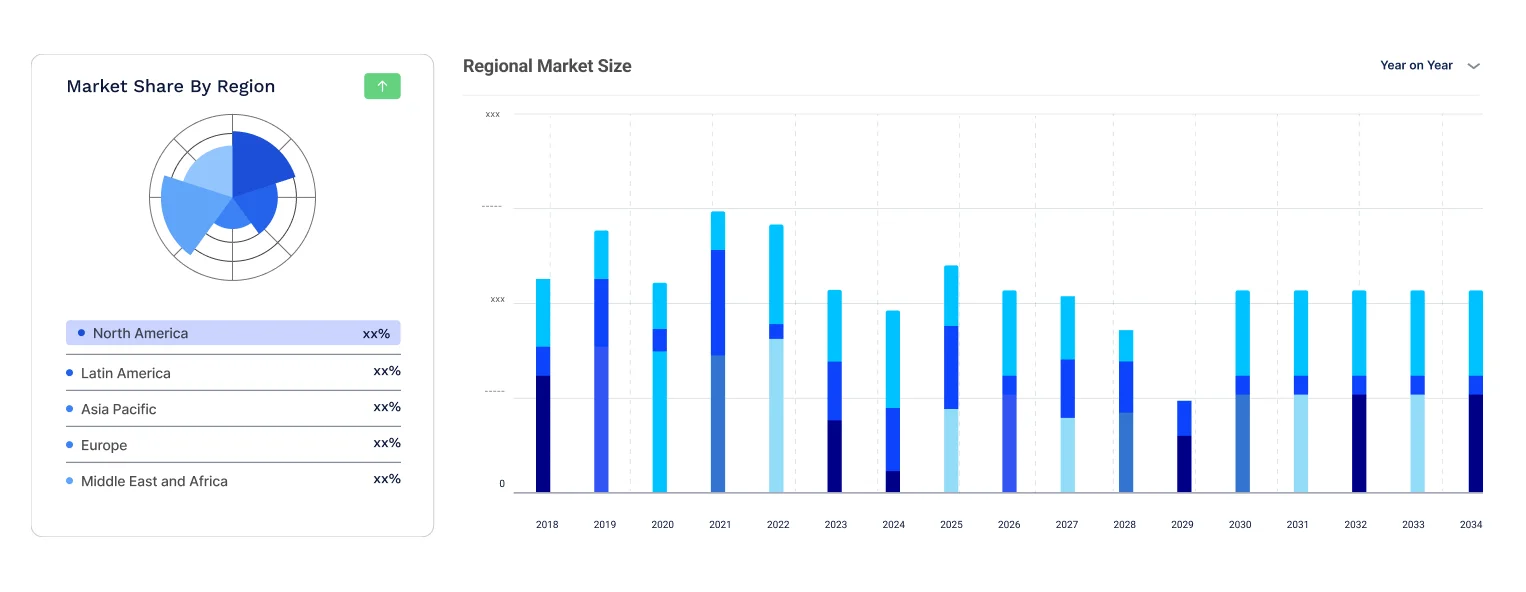
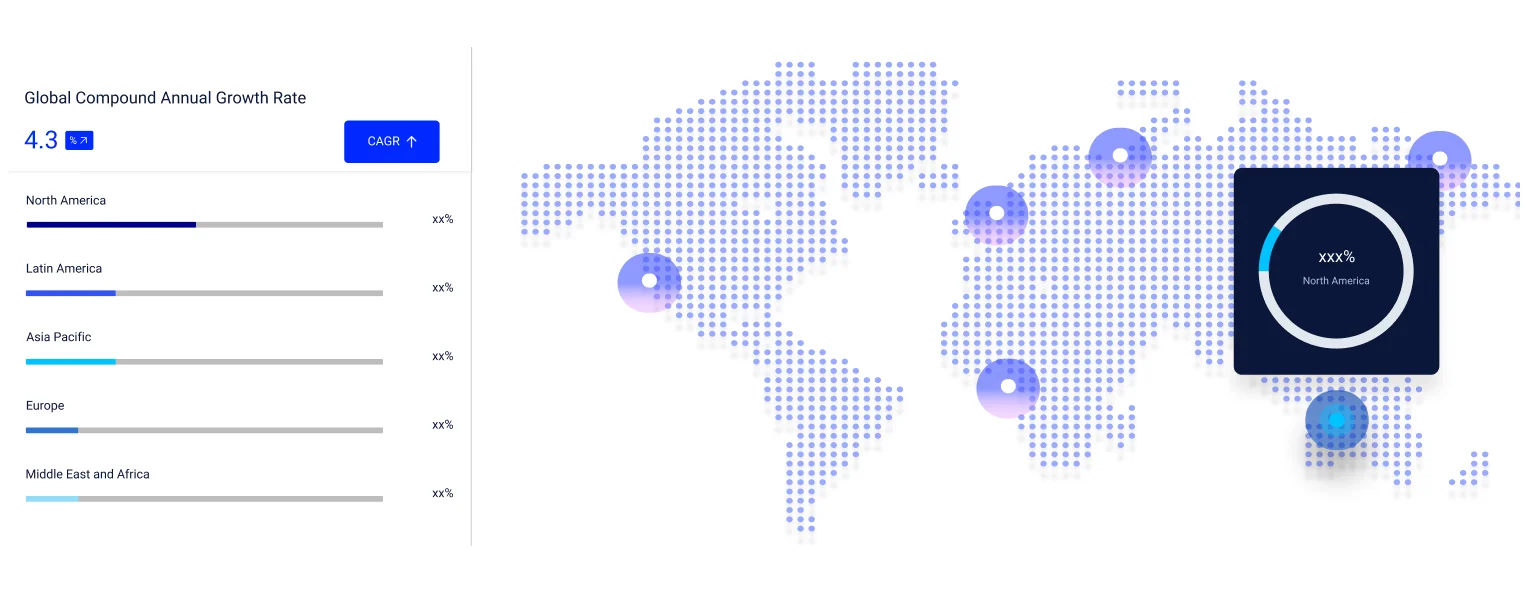
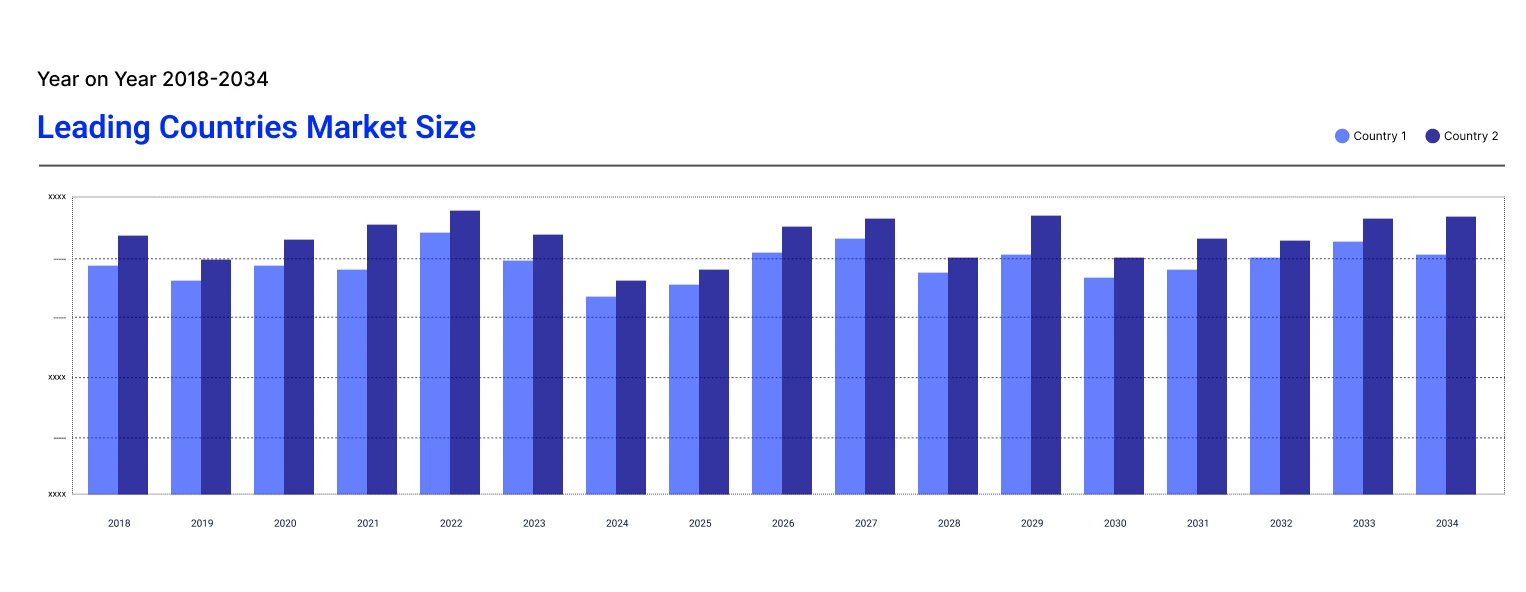
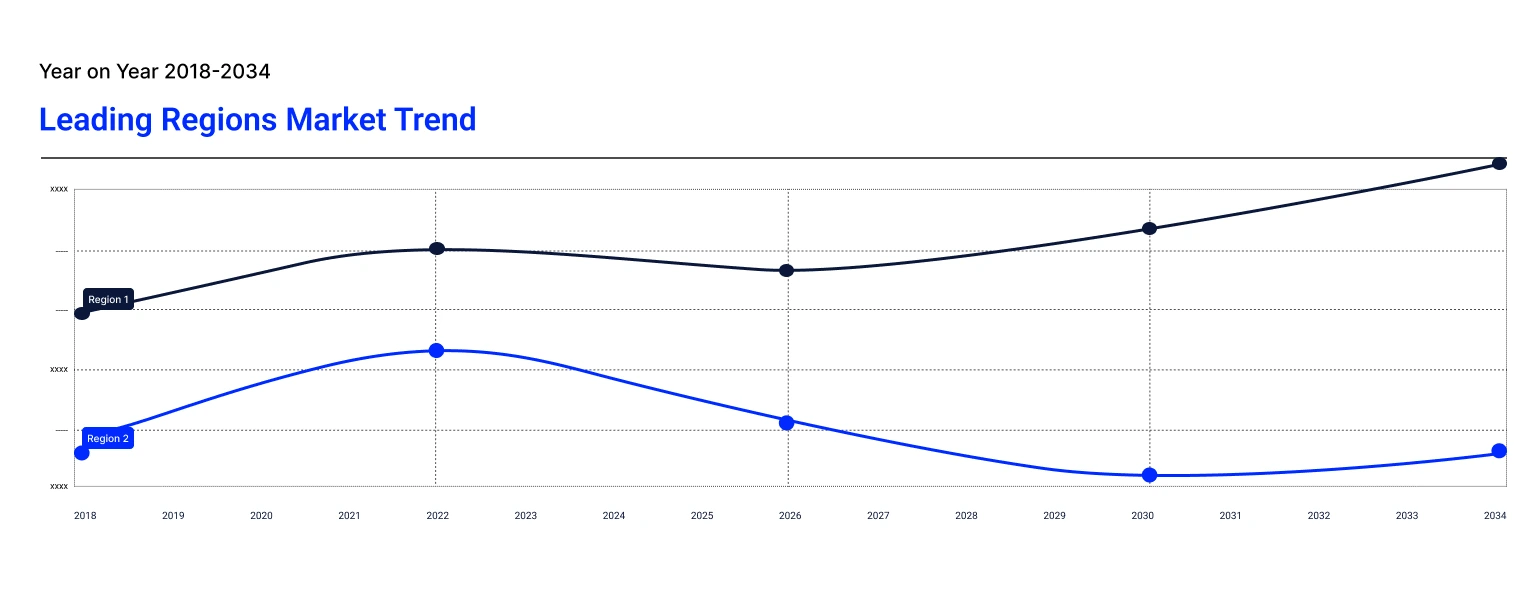
The growth of the sustainable finance market can be attributed to increasing regulatory pressure globally, heightened awareness of climate change, and growing investor interest in sustainable financial products.
Regulatory frameworks play a crucial role in shaping the sustainable finance landscape. Across the globe, governments are implementing policies that mandate the incorporation of environmental, social, and governance (ESG) criteria into business operations. These policies encompass requirements for sustainability disclosures, carbon pricing initiatives, and guidelines for green investments. Such regulations compel companies to align their financial strategies with broader societal objectives, including climate action and social equity. As these regulations tighten, businesses and financial institutions are increasingly motivated to adopt sustainable practices, thereby fostering the growth of sustainable finance.
One of the notable trends in the sustainable finance market is the rising consumer inclination towards sustainable financial products. The demand for sustainable financial products is growing, fuelled by an increasing awareness of the long-term advantages of responsible investing. Both institutional and retail investors are actively pursuing investments that reflect ESG principles, as they believe that companies committed to sustainability are more likely to achieve long-term growth and effectively manage risks. This heightened interest in ESG-compliant assets is transforming financial markets, resulting in a rise in green bonds, sustainability-linked loans, and various other sustainable investment options, all of which contribute to the expansion of the sustainable finance sector.
The rising global acknowledgment of climate change as a significant economic threat is a major catalyst for the sustainable finance market. Governments, corporations, and financial institutions are facing increasing pressure to lower greenhouse gas emissions, implement climate-resilient strategies, and transition to a low-carbon economy. Investors are placing greater emphasis on climate-related investments, such as renewable energy projects, sustainable agricultural practices, and low-carbon technologies. As the economic consequences of climate change become more evident, the focus on sustainable finance continues to intensify.
Technological progress is essential for the expansion of the sustainable finance market. Innovations in areas such as clean energy, electric vehicles, carbon capture, and blockchain are creating fresh opportunities for sustainable investments. These advancements offer effective solutions for minimising environmental impacts and enhancing efficiency across various sectors, making sustainability more attainable and economically feasible. As technology advances, it reduces the costs associated with green investments and fosters the growth of sustainable business models, impacting the sustainable finance market revenue and increasing investor interest in this sector.
The market trends are undergoing significant transformations, fuelled by a surge in consumer demand for environmentally and socially responsible products, heightened regulatory scrutiny, and an increasing emphasis from investors on Environmental, Social, and Governance (ESG) criteria. A key trend is the emergence of green finance, where financial institutions and companies are directing investments toward renewable energy, sustainable infrastructure, and low-carbon technologies. Financial instruments such as green bonds, ESG-focused funds, and sustainability-linked loans are gaining popularity, attracting capital for initiatives aimed at reducing carbon emissions and enhancing environmental resilience.
Moreover, companies are setting more ambitious sustainability goals, including achieving net-zero emissions and improving transparency within their supply chains. Technological advancements are facilitating more sustainable practices across various sectors, including energy, agriculture, and manufacturing. Consumer preferences are increasingly favouring businesses that demonstrate strong sustainability commitments, prompting companies to innovate and adopt circular economy principles. As sustainability becomes a core component of long-term value creation, these trends are transforming sectors and accelerating the shift toward a sustainable global economy.
The EMR’s report titled “Global Sustainable Finance Market Report and Forecast 2026-2035” offers a detailed analysis of the market based on the following segments:
Breakup by Asset Class
Breakup by Transaction Type
Breakup by Investment Style
Breakup by Investor Type
Breakup by Industry Vertical
Breakup by Region
|
CAGR 2026-2035 - Market by |
Country |
|
India |
25.5% |
|
Brazil |
24.4% |
|
UK |
21.3% |
|
USA |
21.2% |
|
Japan |
21.0% |
|
Canada |
XX% |
|
Germany |
XX% |
|
France |
20.0% |
|
China |
XX% |
|
Australia |
XX% |
|
Saudi Arabia |
XX% |
|
Mexico |
XX% |
|
Italy |
19.2% |
According to the sustainable finance market analysis, institutional investors benefit by aligning their portfolios with ESG criteria, fostering long-term growth and managing risks. Supporting sustainable investments not only contributes to global environmental goals but also opens emerging market opportunities, boosting financial performance. A Deloitte and Fletcher School study in August 2024 revealed that 93% of Indian institutional investors considered sustainability in their due diligence, with 78% investing up to 30% of funds in ESG-focused organisations, driven by regulatory and social/environmental objectives.
Retail investors benefit from sustainable finance by investing in products that reflect their ethical values, contributing to environmental and social impact. With increasing demand for ESG-compliant assets, retail investors can seize growth opportunities in the sustainable finance market and potentially earn competitive returns. In November 2024, Atradius DSB, Lendahand, and Carabus introduced a new financing model offering full guarantees for European retail investors in social impact projects in emerging markets, promoting sustainable energy products and microfinance initiatives while mitigating risks.
Key players in the sustainable finance market are concentrating on adopting sustainable business practices to secure a competitive advantage. Organisations are prioritising sustainable finance to meet the rising demand for ESG-focused investments, address long-term environmental and social challenges, comply with regulations, improve their brand image, and capitalise on opportunities in the green economy to promote sustainability within the finance sector.
Headquartered in New York, United States, BlackRock was established in 1988. It operates as a global investment management firm, providing a diverse array of financial services such as asset management, risk management, and advisory services. Renowned for its substantial size and influence, the firm oversees trillions of dollars in assets on a global scale.
Founded in 1792 and headquartered in Massachusetts, United States, State Street is a prominent financial services provider that specialies in investment management, servicing, and administrative solutions. Recognised for its custodian banking capabilities, the company collaborates with institutional investors around the world, managing assets for a diverse clientele.
Established in 1935 and headquartered in New York, United States, Morgan Stanley is a multinational investment bank and financial services firm that offers wealth management, investment banking, and trading services. The company caters to a broad spectrum of clients, including corporations, governments, and individuals on a global basis.
UBS Group AG, founded in 1862 and headquartered in Zurich, Switzerland, is a global financial services organisation that delivers wealth management, investment banking, asset management, and retail banking services. The company has a worldwide presence, emphasising private banking and financial advisory services for both individuals and institutions.
*Please note that this is only a partial list; the complete list of key players is available in the full report. Additionally, the list of key players can be customized to better suit your needs.*
Other major players in the global sustainable finance market are JPMorgan Chase & Co., Franklin Resources Inc., Amundi US, The Bank of New York Mellon Corporation, Deutsche Bank AG, and Goldman Sachs Group Inc., among others.


Upto 15% Off
USD
$2499 $2249
$3999 $3599
$4999 $4249
$5999 $5099


*While we strive to always give you current and accurate information, the numbers depicted on the website are indicative and may differ from the actual numbers in the main report. At Expert Market Research, we aim to bring you the latest insights and trends in the market. Using our analyses and forecasts, stakeholders can understand the market dynamics, navigate challenges, and capitalize on opportunities to make data-driven strategic decisions.*
Get in touch with us for a customized solution tailored to your unique requirements and save upto 35%!
In 2025, the market attained a value of nearly USD 953.34 Billion.
The market is assessed to grow at a CAGR of 22.40% between 2026 and 2035.
The market is estimated to witness a healthy growth in the forecast period of 2026-2035 to reach about USD 7195.52 Billion by 2035.
The major drivers of the market are rising regulatory pressure across the world and increase in investor interest in sustainable financial products.
The key trends aiding the market expansion include the rising awareness regarding climate change, increasing regulatory pressure globally, and adoption of technological innovations in the sustainable financial sector.
As per the EMR report, the different investment styles in the market are active and passive.
The major regions considered in the market are North America, Europe, Asia Pacific, Latin America, and Middle East and Africa.
The major players in the market are BlackRock, Inc., State Street Corporation, Morgan Stanley, UBS Group AG, JPMorgan Chase & Co., Franklin Resources Inc., Amundi US, The Bank of New York Mellon Corporation, Deutsche Bank AG, and Goldman Sachs Group Inc., among others.
Explore our key highlights of the report and gain a concise overview of key findings, trends, and actionable insights that will empower your strategic decisions.
| REPORT FEATURES | DETAILS |
| Base Year | 2025 |
| Historical Period | 2019-2025 |
| Forecast Period | 2026-2035 |
| Scope of the Report |
Historical and Forecast Trends, Industry Drivers and Constraints, Historical and Forecast Market Analysis by Segment:
|
| Breakup by Asset Class |
|
| Breakup by Transaction Type |
|
| Breakup by Investment Style |
|
| Breakup by Investor Type |
|
| Breakup by Industry Vertical |
|
| Breakup by Region |
|
| Market Dynamics |
|
| Competitive Landscape |
|
| Companies Covered |
|
Datasheet
One User
USD 2,499
USD 2,249
tax inclusive*
Single User License
One User
USD 3,999
USD 3,599
tax inclusive*
Five User License
Five User
USD 4,999
USD 4,249
tax inclusive*
Corporate License
Unlimited Users
USD 5,999
USD 5,099
tax inclusive*
*Please note that the prices mentioned below are starting prices for each bundle type. Kindly contact our team for further details.*
Flash Bundle
Small Business Bundle
Growth Bundle
Enterprise Bundle
*Please note that the prices mentioned below are starting prices for each bundle type. Kindly contact our team for further details.*
Flash Bundle
Number of Reports: 3
20%
tax inclusive*
Small Business Bundle
Number of Reports: 5
25%
tax inclusive*
Growth Bundle
Number of Reports: 8
30%
tax inclusive*
Enterprise Bundle
Number of Reports: 10
35%
tax inclusive*
How To Order

Select License Type
Choose the right license for your needs and access rights.

Click on ‘Buy Now’
Add the report to your cart with one click and proceed to register.

Select Mode of Payment
Choose a payment option for a secure checkout. You will be redirected accordingly.
Gain insights to stay ahead and seize opportunities.

Get insights & trends for a competitive edge.

Track prices with detailed trend reports.

Analyse trade data for supply chain insights.

Leverage cost reports for smart savings

Enhance supply chain with partnerships.

Connect For More Information
Our expert team of analysts will offer full support and resolve any queries regarding the report, before and after the purchase.
Our expert team of analysts will offer full support and resolve any queries regarding the report, before and after the purchase.
We employ meticulous research methods, blending advanced analytics and expert insights to deliver accurate, actionable industry intelligence, staying ahead of competitors.
Our skilled analysts offer unparalleled competitive advantage with detailed insights on current and emerging markets, ensuring your strategic edge.
We offer an in-depth yet simplified presentation of industry insights and analysis to meet your specific requirements effectively.





Share