

Consumer Insights
Uncover trends and behaviors shaping consumer choices today
Procurement Insights
Optimize your sourcing strategy with key market data
Industry Stats
Stay ahead with the latest trends and market analysis.

The structural steel market attained a value of USD 119.83 Billion in 2025. The market is expected to grow at a CAGR of 5.70% during the forecast period of 2026-2035. By 2035, the market is expected to reach USD 208.60 Billion.
The expanding global construction sector is boosting the structural steel market revenue. Urbanization, rising infrastructure investments, and the need for commercial and residential buildings fuel demand. As per the United Nations, 68% of the global population is estimated to live in urban areas by 2050. The strength, flexibility, and speed of construction of structural steel make it the material of choice for modern buildings, bridges, and industrial projects, especially in emerging economies. Increased government spending on infrastructure development also boosts market growth.
Rising research activities are favoring the structural steel market analysis by enabling the development of advanced steel grades, sustainable production methods, and innovative construction techniques. Research into high-strength, lightweight, and corrosion-resistant steel enhances performance in demanding applications. In August 2024, the American Institute of Steel Construction (AISC) funded research initiatives to streamline structural steel design and construction for enhanced efficiency, safety, and sustainability. Additionally, research & development efforts focused on low-carbon and recyclable steel support global sustainability goals, making steel a preferred material in green construction.
Base Year
Historical Period
Forecast Period
Compound Annual Growth Rate
5.7%
Value in USD Billion
2026-2035
*this image is indicative*
Innovations, such as electric arc furnaces, automation, and advanced steel alloys, to improve production efficiency and product quality are driving the structural steel industry. In January 2025, Swiss Steel launched 11SMn30+BX, a lead-free machinable steel to enhance precision and sustainability while replacing traditional lead-based alloys. These technologies reduce energy consumption and carbon emissions, aligning with sustainability goals. Continuous improvement in steel grades and fabrication techniques enhances structural steel’s versatility and appeal.
Prefabricated and modular steel construction methods are gaining popularity due to faster project completion, cost efficiency, and reduced labour requirements. In December 2024, Gilayo® launched innovative modular steel system, streamlining construction for builders with faster assembly, cost savings, and community-focused sustainable design. These methods allow components to be manufactured offsite under controlled conditions, improving quality and minimizing waste. Prefabrication also enhances construction timelines and reduces site disruption, appealing to urban developments and institutional projects.
Sustainability concerns push builders towards materials with lower environmental impact, adding to the structural steel market development. Innovations including low embodied carbon steel reduce the carbon footprint of construction projects. In June 2024, Tokyo Steel introduced enso®, a low-carbon steel brand produced via electric-arc furnaces using recycled scrap. Green building certifications encourage the use of steel due to its recyclability and durability. The demand for eco-friendly construction materials also drives the market toward sustainable steel production and use.
The need for space optimization in cities has led to vertical construction. The strength-to-weight ratio and fire resistance of structural steel make it ideal for high-rise buildings and skyscrapers. In October 2022, Changsha International Finance Center employed steel deck composite floor slabs for enhancing the efficiency, fire resistance, and structural integrity of its high-rise buildings. Innovations in steel framing and composite structures allow taller, safer buildings that comply with stringent building codes, supporting urban densification trends.
Government funding and policies promoting infrastructure growth, affordable housing, and disaster-resistant buildings are bolstering the structural steel industry share. In March 2025, India’s Ministry of Steel launched three SRTMI initiatives with the SteelCollab portal to promote industry-academia research & development collaboration. This helped in targeting green steel, digitalisation, and achieving 300 MT capacity by 2030. Incentives for sustainable building materials and modernization projects also encourage steel use.
Read more about this report - REQUEST FREE SAMPLE COPY IN PDF
The EMR’s report titled “Structural Steel Market Report and Forecast 2026-2035” offers a detailed analysis of the market based on the following segments:
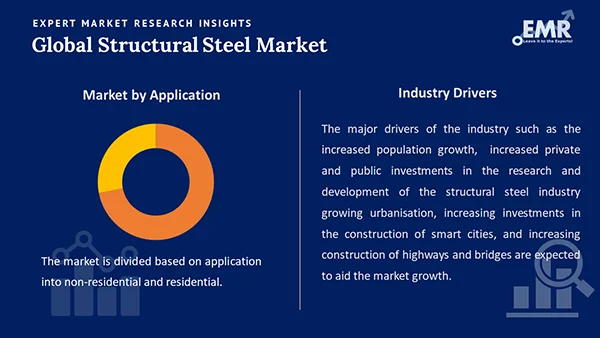
Breakup by Application
Key Insight: The non-residential segment of the structural steel market is growing exponentially. Industrial facilities use steel for durability and flexibility in layout changes. Office towers utilize steel framing for height and seismic resilience. Institutional buildings, such as schools, hospitals, and government facilities, favour steel for safety and longevity. Commercial buildings, such as shopping malls and hotels rely on steel for large-span structures and aesthetic designs. In January 2023, Volumetric Building Companies developed a modular steel prototype for Marriott's second-largest hotel brand, Fairfield by Marriott Office, further exemplifying the adoption of advanced steel frameworks for rapid construction and durability.
Breakup by Region
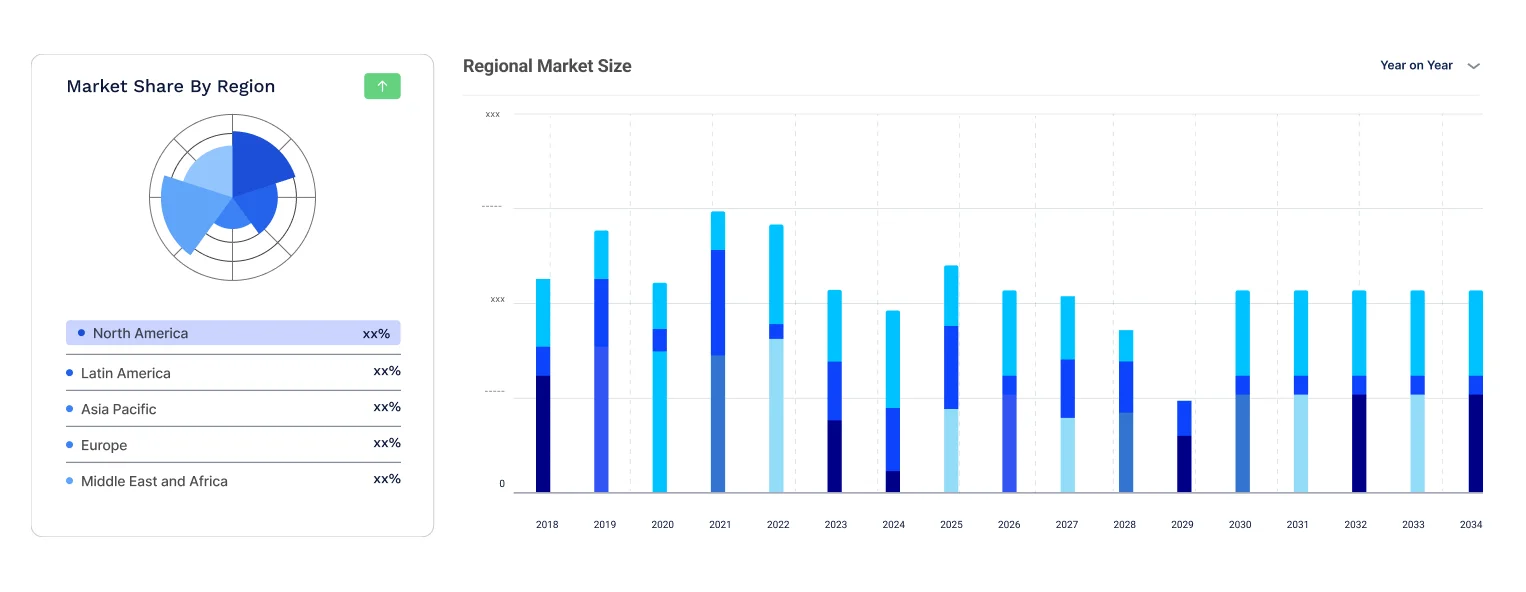
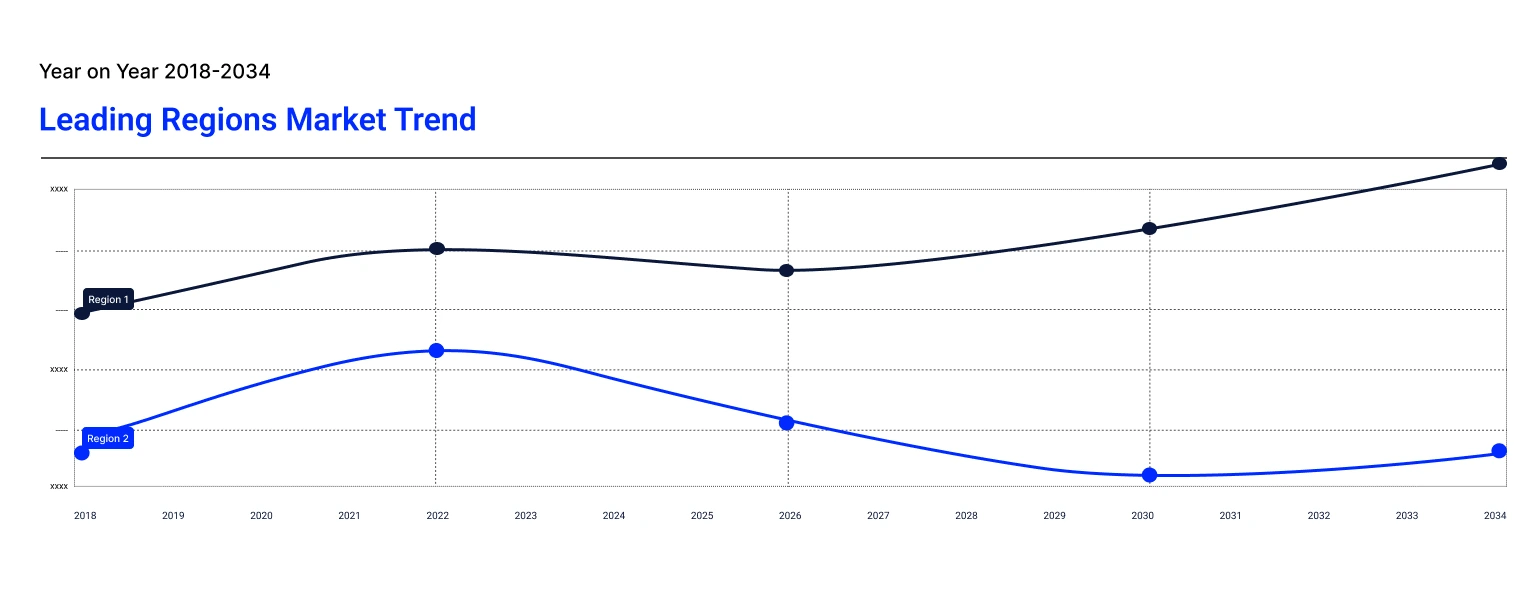
Key Insight: Asia Pacific dominates the structural steel market expansion, led primarily by rapid infrastructure growth and robust production in China, India, and Southeast Asia. As per Trading Economics, China’s steel production surged from 86000 thousand Tonnes in April 2025 to 86600 thousand Tonnes in May. Massive government investments in urbanization, transport corridors, and commercial construction sustain this dominance. Key players are expanding capacities and launching green steel technologies, reinforcing Asia Pacific’s lead in both volume and innovation across infrastructure and industrial applications.
Rising Residential Application of Structural Steel
The residential structural steel market value is growing steadily, especially in urban areas and regions prone to natural disasters. Steel framing is increasingly preferred for multi-family apartments, condominiums, and affordable housing due to its fire resistance, termite resistance, and faster build times. In March 2024, ClarkDietrich launched low embodied carbon steel framing products for reducing carbon footprint by up to 30%, promoting sustainable construction. Markets in North America and Asia-Pacific are adopting steel-framed residential units to meet sustainability goals and withstand seismic activity, driving the segment growth.
Soaring Structural Steel Demand in North America & Europe
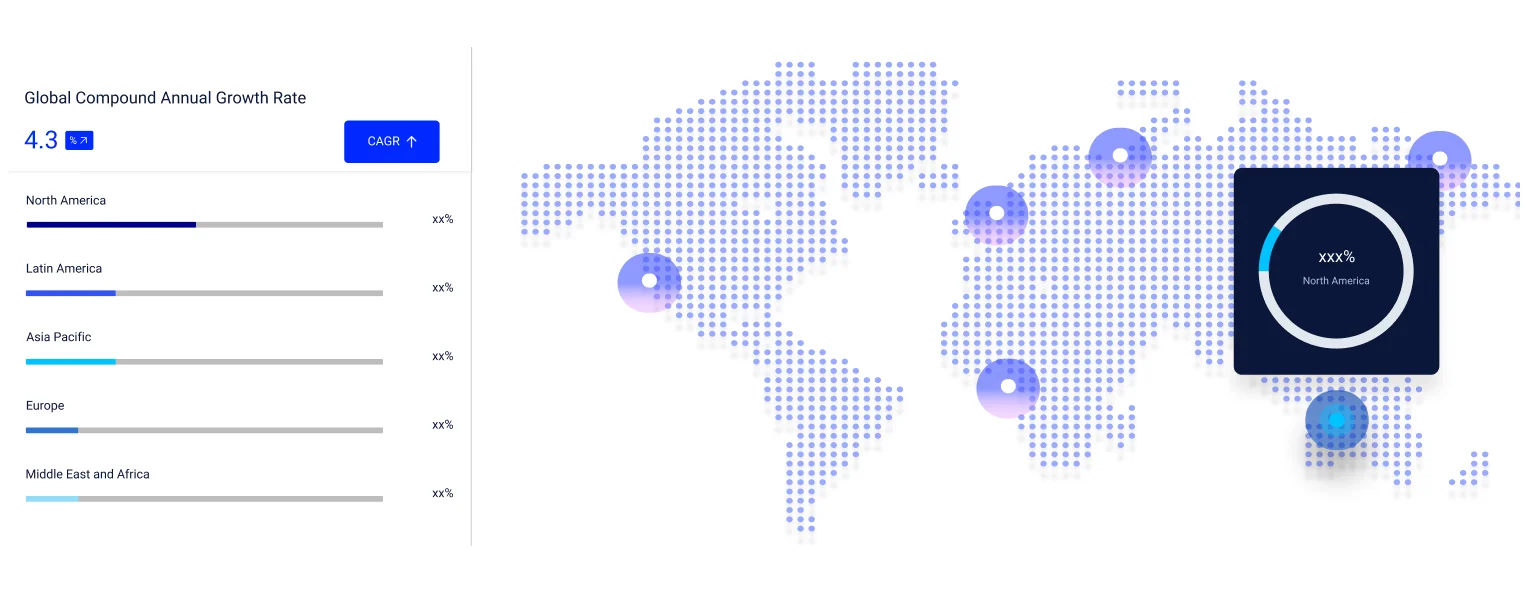
The structural steel demand in North America is driven by commercial buildings, bridges, and industrial projects. The region emphasizes domestic sourcing and environmentally friendly steel, encouraging firms to invest in electric arc furnaces and recycled steel production. As per industry reports, roughly 70% of the steel made across the United States comes from this recycled scrap. Additionally, the demand for seismic-resistant and prefabricated steel structures in earthquake-prone zones supports innovation. North America is also a leader in regulatory standards, steel quality, and sustainable construction practices.
Europe structural steel industry is shaped by strict sustainability regulations and high construction standards. European Union policies promoting circular economy and decarbonization have pushed companies to develop fossil-free and low-carbon steel solutions. Demand is steady across infrastructure, energy, such as wind turbines, transmission towers, and commercial real estate. Germany, France, and the Nordics lead in innovation and usage of high-strength, corrosion-resistant steel. Europe focuses more on quality, durability, and sustainability than sheer volume, driving regional market growth.
Key players operating in the structural steel market are focusing on innovation, expansion, and sustainability to stay competitive. Companies prioritize technological advancements, such as automation and high-strength steel alloys, to enhance product quality and efficiency. Strategic mergers and acquisitions are enabling firms to broaden their geographic reach, increase production capacity, and access new customer bases. Expansion into emerging markets helps tap into growing infrastructure and construction demand. Players also form long-term partnerships with construction firms and government agencies to secure consistent demand and large-scale projects.
Another major focus is sustainability as adopting eco-friendly production methods and investing in recycling initiatives to meet global emission standards and appeal to environmentally conscious clients. Additionally, cost optimization through lean manufacturing and vertical integration ensures competitive pricing. Market leaders invest heavily in R&D to develop customized solutions for diverse sectors, including residential, commercial, and industrial construction. Finally, maintaining strong supply chain resilience and digital transformation, including ERP systems and AI-driven logistics, helps streamline operations and mitigate disruptions, ensuring sustained growth and market leadership.
Founded in 1948 and headquartered in Liaoning, Ansteel has evolved into one of China’s premier steelmakers. The company has achieved world-class status through Sino–Soviet industrial projects in the 1950s, diversified into nickel and renewable energy, and ranks among China’s top three steel groups.
Established in 1958 and based in Zhengzhou, China, Anyang Iron & Steel leads in high-quality plate and coil production. With over 10 Mt annual capacity, the company invests heavily in R&D, including the USD 15 million in 2023, expanded eco-friendly steel lines, and reduced carbon emissions by 30% in 2022.
Founded in 2007 via the merger of Arcelor and Mittal Steel, ArcelorMittal is headquartered in Luxembourg City. As the world’s second-largest steel producer, the firm operates 37 global plants, maintains supply-chain integration while meeting 58% of its own iron-ore needs and innovated ultra-strong automotive steels like Usibor 2000.
Founded in 1907, Tata Steel is headquartered in Mumbai, India. Being Asia’s first private integrated steel firm, Tata Steel pioneered hydrogen blast-furnace injection and HIsarna carbon-cutting technology, holding ~3,500 patents, developed India’s first hydrogen transport pipes, and won global innovation awards.
*Please note that this is only a partial list; the complete list of key players is available in the full report. Additionally, the list of key players can be customized to better suit your needs.*
Other players in the structural steel market include McFarlane Mfg., among others.
Download your free sample of the Global Structural Steel Market Report 2026-2035 for insights on sustainability trends, demand forecasts, and competitive strategies. Learn how innovations like green steelmaking and digital modeling tools are shaping the future of construction. Stay ahead with segmented data and expert insights—only at Expert Market Research.


Upto 15% Off
USD
$2499 $2249
$3999 $3599
$4999 $4249
$5999 $5099


*While we strive to always give you current and accurate information, the numbers depicted on the website are indicative and may differ from the actual numbers in the main report. At Expert Market Research, we aim to bring you the latest insights and trends in the market. Using our analyses and forecasts, stakeholders can understand the market dynamics, navigate challenges, and capitalize on opportunities to make data-driven strategic decisions.*
Get in touch with us for a customized solution tailored to your unique requirements and save upto 35%!
In 2025, the market reached an approximate value of USD 119.83 Billion.
The market is projected to grow at a CAGR of 5.70% between 2026 and 2035.
The key strategies driving the market include technological innovation, sustainable manufacturing, and geographic expansion. Companies focus on mergers, strategic partnerships, and supply chain optimization to enhance competitiveness. Investments in R&D, automation, and recycling processes also support efficiency, environmental compliance, and customized solutions across construction and infrastructure sectors.
The key trends guiding the market demand include the increasing residential and non-residential infrastructure construction and innovations by leading companies.
The major regions in the market are North America, Latin America, the Middle East and Africa, Europe, and the Asia Pacific.
The significant applications of the product are non-residential and residential.
The key players in the market report include Anshan Iron & Steel Group Corporation, Anyang Iron & Steel Group Co. Ltd., Arcelor Mittal S.A., Tata Steel Limited, and McFarlane Mfg., among others.
Asia Pacific dominates the market expansion, led primarily by rapid infrastructure growth and robust production in China, India, and Southeast Asia.
Explore our key highlights of the report and gain a concise overview of key findings, trends, and actionable insights that will empower your strategic decisions.
| REPORT FEATURES | DETAILS |
| Base Year | 2025 |
| Historical Period | 2019-2025 |
| Forecast Period | 2026-2035 |
| Scope of the Report |
Historical and Forecast Trends, Industry Drivers and Constraints, Historical and Forecast Market Analysis by Segment:
|
| Breakup by Application |
|
| Breakup by Region |
|
| Market Dynamics |
|
| Competitive Landscape |
|
| Companies Covered |
|
| Report Price and Purchase Option | Explore our purchase options that are best suited to your resources and industry needs. |
| Delivery Format | Delivered as an attached PDF and Excel through email, with an option of receiving an editable PPT, according to the purchase option. |
Datasheet
One User
USD 2,499
USD 2,249
tax inclusive*
Single User License
One User
USD 3,999
USD 3,599
tax inclusive*
Five User License
Five User
USD 4,999
USD 4,249
tax inclusive*
Corporate License
Unlimited Users
USD 5,999
USD 5,099
tax inclusive*
*Please note that the prices mentioned below are starting prices for each bundle type. Kindly contact our team for further details.*
Flash Bundle
Small Business Bundle
Growth Bundle
Enterprise Bundle
*Please note that the prices mentioned below are starting prices for each bundle type. Kindly contact our team for further details.*
Flash Bundle
Number of Reports: 3
20%
tax inclusive*
Small Business Bundle
Number of Reports: 5
25%
tax inclusive*
Growth Bundle
Number of Reports: 8
30%
tax inclusive*
Enterprise Bundle
Number of Reports: 10
35%
tax inclusive*
How To Order

Select License Type
Choose the right license for your needs and access rights.

Click on ‘Buy Now’
Add the report to your cart with one click and proceed to register.

Select Mode of Payment
Choose a payment option for a secure checkout. You will be redirected accordingly.
Gain insights to stay ahead and seize opportunities.

Get insights & trends for a competitive edge.

Track prices with detailed trend reports.

Analyse trade data for supply chain insights.

Leverage cost reports for smart savings

Enhance supply chain with partnerships.

Connect For More Information
Our expert team of analysts will offer full support and resolve any queries regarding the report, before and after the purchase.
Our expert team of analysts will offer full support and resolve any queries regarding the report, before and after the purchase.
We employ meticulous research methods, blending advanced analytics and expert insights to deliver accurate, actionable industry intelligence, staying ahead of competitors.
Our skilled analysts offer unparalleled competitive advantage with detailed insights on current and emerging markets, ensuring your strategic edge.
We offer an in-depth yet simplified presentation of industry insights and analysis to meet your specific requirements effectively.





Share