

Consumer Insights
Uncover trends and behaviors shaping consumer choices today
Procurement Insights
Optimize your sourcing strategy with key market data
Industry Stats
Stay ahead with the latest trends and market analysis.

The South Korea travel retail market value reached around USD 12.69 Billion in 2025 due to the resurgence of international tourism, particularly from countries like China and Japan, which has significantly boosted travel retail sales. In 2023, South Korea experienced a 40% increase in Chinese tourists, which has enhanced duty-free shopping opportunities at major airports like Incheon, where duty-free sales rose by 25% in the first half of the year. Additionally, the growing purchasing power of travellers, fuelled by improved living standards and increased disposable income, encourages spending on luxury items and exclusive products. As a result, the industry is expected to grow at a CAGR of 5.20% during the forecast period of 2026-2035 to attain a value of USD 21.07 Billion by 2035. Also, the global popularity of K-pop and Korean beauty products continues to attract both international tourists and local consumers, further propelling market growth.
Base Year
Historical Period
Forecast Period
In 2023, South Korea's tourism sector welcomed 11.03 million international visitors, marking an increase of 245% compared to 2022, when only 3.2 million foreign tourists visited. This resurgence can be attributed to the easing of travel restrictions post-pandemic and the global popularity of Korean culture, particularly the "Hallyu Wave," which has drawn significant interest from younger travellers seeking authentic experiences in K-pop, fashion, and cuisine.
As per industry reports, international visitor spending reached around KRW 24.3 trillion (approximately USD 17.5 billion) in 2023, while domestic spending was about KRW 34.45 trillion (around USD 25 billion). This robust growth in spending underscores the increasing economic contribution of tourism to South Korea's GDP and reflects travelers' willingness to invest in experiences such as shopping, dining, and cultural activities, further boosting the South Korea travel retail market revenue.
In 2023, approximately 2.02 million visitors were from China, making it the largest source of tourists to South Korea, followed by Japan with about 2.32 million tourists and the United States contributing approximately 1.09 million visitors. The strong influx from these countries highlights the importance of regional proximity and cultural ties in driving tourism, with Chinese tourists particularly drawn to shopping and luxury goods available in South Korea's travel retail sector.
Compound Annual Growth Rate
5.2%
Value in USD Billion
2026-2035
*this image is indicative*
Travel retail goods range from electronic products to cosmetics, souvenirs, fashion items, and fragrances, among others. The travel retail sector generates significant revenue for tourism, aviation, and travel sectors. The key drivers propelling growth of the South Korea travel retail market are primarily the influx of international tourists, especially from China and Japan, and the increasing purchasing power of travellers. As per industry reports, the tourism sector's contribution to South Korea's GDP was approximately KRW 84.71 trillion in 2023, reflecting an increase of 18.2% from the previous year. This is because total tourism income rose by 26.4%, reaching approximately USD 13.5 billion, with overall tourism spending increasing by about 47.8% to around USD 22.3 billion. Also, South Korea is a major shopping destination due to its well-developed infrastructure and appealing duty-free offerings. For instance, in 2023, South Korea's travel retail sales were bolstered by a 40% increase in Chinese tourists.
The increasing adoption of sustainable packaging and business practices by airport retailers is a significant driver supporting the South Korea travel retail market expansion. For instance, major duty-free retailers like Lotte and Shilla have introduced eco-friendly initiatives, such as switching to biodegradable packaging and reducing plastic usage. The rising awareness of the negative environmental effects associated with non-biodegradable materials is pushing demand for recyclable and sustainable products. A report from Korea Times in 2023 highlighted that over 65% of South Korean travellers prefer buying products with sustainable packaging, reinforcing this trend.
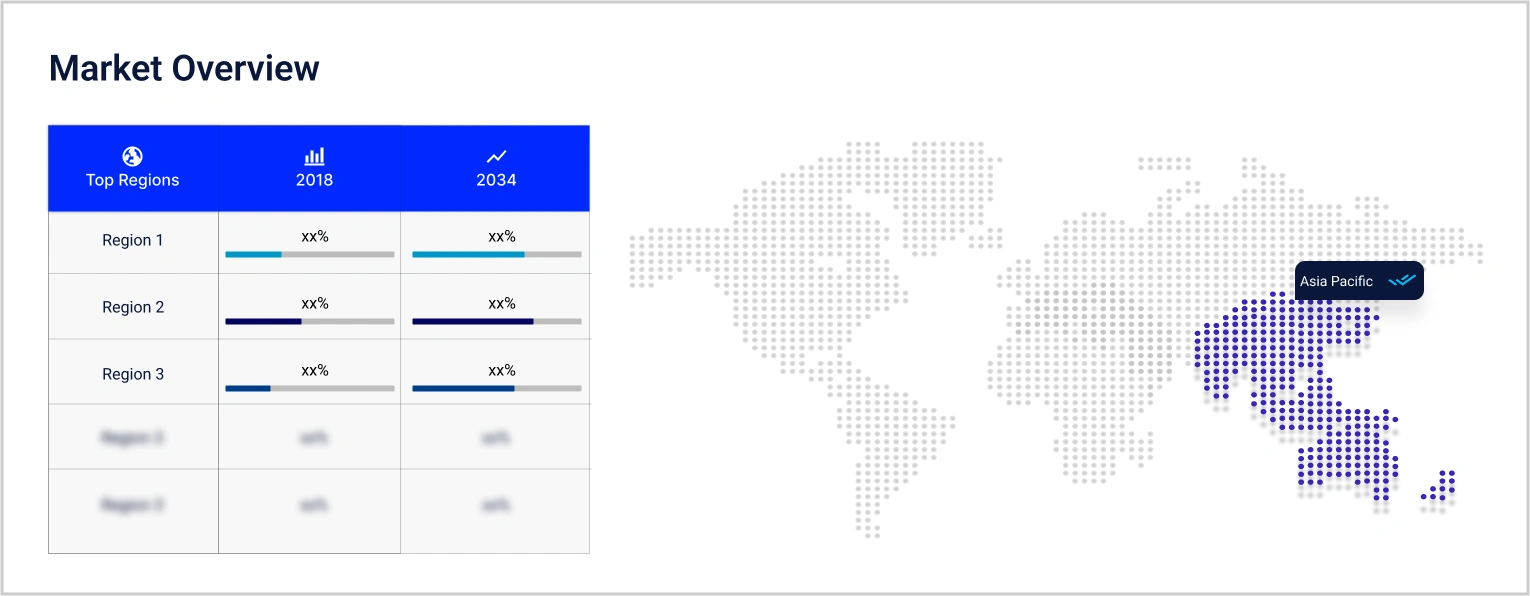
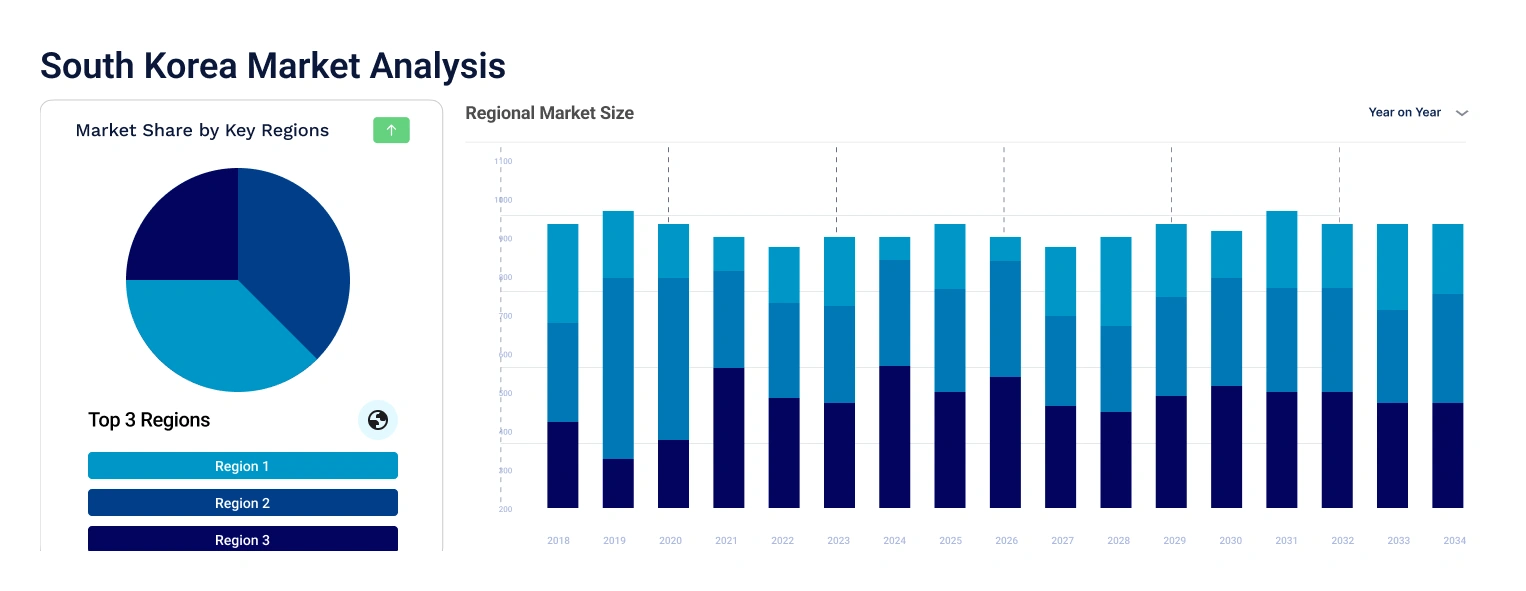
Rise of contactless shopping, growing tourism levels, and increasing demand for luxury and premium goods among travellers are the key trends propelling the market growth.
There is an increasing focus on sustainability within the travel retail market, driven by consumer demand for eco-friendly products. Reports indicate that over 65% of South Korean travellers prefer purchasing items with sustainable packaging. Major retailers like Lotte and Shilla are responding by introducing biodegradable packaging and reducing plastic usage. This trend not only aligns with global sustainability goals but also enhances brand loyalty among environmentally conscious consumers.
The travel retail market in South Korea is significantly influenced by growing disposable incomes among consumers. As living standards improve, individuals are increasingly willing to spend on travel and related retail experiences. This trend is particularly evident among young consumers who seek unique travel experiences and luxury products. The rise in disposable income has enhanced travellers’ ability to purchase exclusive items, positively impacting the South Korea travel retail market growth. According to government reports, the tourism sector's contribution to South Korea's GDP was approximately KRW 84.71 trillion in 2023, reflecting an increase of 18.2% from the previous year, driven by higher consumer spending on travel and retail activities.
The rise of experiential retailing is a key market trend as it integrates shopping with cultural experiences. For example, Incheon International Airport has hosted K-pop performances and beauty workshops, which boosting foot traffic by 22%. The trend is expected to grow because of international tourism and innovative strategies. In Q1 2024, 32% of Hyundai Duty Free's sales came from independent travellers, up 15 percentage points from the FY 2023. These initiatives enhance customer engagement and significantly contribute to sales growth in the travel retail sector.
A key trend in the South Korea travel retail market is the shift towards digitalisation and contactless shopping. In response to the pandemic and the growing preference for seamless experiences, retailers are implementing advanced digital tools such as mobile apps, QR codes, and virtual stores. For example, Lotte Duty-Free has introduced an AI-powered chatbot and mobile app that allows travellers to browse and purchase products online before picking them up at the airport. This trend is increasing convenience for customers and expanding the market by catering to tech-savvy consumers. In 2023, the implementation of digital payment systems and virtual shopping experiences helped boost sales by 20%, particularly among younger travellers.
The demand for luxury and premium goods continues to grow in market for travel retail in South Korea. South Korean airports are becoming prime locations for high-end brands, including Louis Vuitton, Chanel, and Gucci, which see significant sales from tourists and affluent local travellers. Incheon International Airport, for instance, houses several luxury boutiques that cater to the increasing number of high-spending Chinese and Japanese tourists. The rise in disposable incomes and a growing appetite for exclusive, limited-edition products have been major drivers of this trend. In 2022, sales of luxury goods in duty-free outlets grew by 25%, highlight the impact of premium offerings on market growth. Moreover, a report from Korea JoongAng Daily indicated that sales of premium brands like Chanel and Louis Vuitton at duty-free stores grew by 22% in 2023.
The rising international and domestic tourism, driven by rapid industrialisation and economic growth, is providing lucrative growth opportunities. In 2022, South Korea witnessed a 30% increase in domestic air travel and a surge in international flights, with Incheon International Airport ranking among the top five busiest airports globally. In 2023, the country saw a 40% increase in visitors, particularly from China and Japan, as travel restrictions eased. This influx has spurred duty-free sales at major airports like Incheon and Gimpo. Incheon International Airport alone saw a 25% rise in duty-free sales in the first half of 2023. Retailers like Shinsegae Duty-Free are tapping into travel retail demand in South Korea by offering personalised deals and loyalty programs that cater to the evolving shopping needs of travellers, thereby expanding their customer base. For example, Lotte Duty-Free's personalised promotions during peak seasons led to a 15% increase in sales in 2023. The growth of digital shopping also offers a vast opportunity for retailers to enhance customer convenience. For example, Shilla Duty-Free introduced its "click-and-collect" service, where customers can pre-order products online and pick them up at the airport, boosting their online sales by 30%.
One of the key restraints in the market is the ongoing geopolitical tensions with China, a major source of tourist revenue. In 2017, South Korea's deployment of the U.S. THAAD missile defense system led to a significant decline in Chinese tourist arrivals, with numbers dropping by nearly 50%, severely impacting duty-free sales. Although the market has since rebounded, the geopolitical risks persist, making the South Korea travel retail market outlook vulnerable to further diplomatic disruptions.
Additionally, the rise in e-commerce and the growing availability of international products online has reduced the incentive for travellers to purchase goods at physical duty-free stores. According to a report by The Korea Herald, duty-free sales in 2022 were still 10% lower than pre-pandemic levels, partially due to increased competition from online platforms. Another restraint is the increasing regulatory scrutiny on tax exemptions and stricter limits on duty-free purchases, which can further slow market growth in the coming years.
travel retail demand forecast in South KoreaWith consumers preferring the convenience of online shopping, major duty-free retailers have expanded their digital platforms to capture this growing demand. In 2023, Lotte Duty-Free reported a 30% increase in online sales through its mobile apps and pre-order services, reflecting the shift in consumer behavior. Similarly, Shilla Duty-Free saw a 28% boost in digital transactions, driven by exclusive online deals and partnerships with global brands. This growing trend towards e-commerce is reshaping the South Korea travel retail market dynamics and trends, as travellers now opt to browse and purchase products online for later collection at the airport.
Additionally, the South Korean government has introduced stricter limits on duty-free purchases and tax exemptions, which have also impacted the market. For example, in 2022, the government reduced the duty-free purchase limit for outbound travellers from USD 5,000 to USD 3,000, which directly affected the sales of luxury goods like watches, jewellery, and electronics. This change led to a 12% decline in sales for retailers like Lotte Duty-Free and Shilla Duty-Free, particularly among domestic consumers who often purchase luxury items in bulk before travelling abroad. Additionally, tax exemptions on goods purchased from duty-free stores have become more restricted, which has limited the number of duty-free items travellers can bring back home without incurring extra duties.
“South Korea Travel Retail Market Report and Forecast 2026-2035” offers a detailed analysis of the market based on the following segments:
Market Breakup by Product Type
Market Breakup by Distribution Channel
Market Insights by Product Type
Beauty and personal care products are anticipated to account for a significant market share, driven by the increasing availability of clean label beauty and personal care products across various travel retail platforms in South Korea. The rising preference for clean label products can be attributed to their cruelty free nature. The global appeal of K-beauty brands like Innisfree, Laneige, and Sulwhasoo has also driven segment’s growth. In 2023, beauty products accounted for over 50% of total duty-free sales, according to Korea Herald. Players like Shilla Duty-Free have also introduced augmented reality (AR) services that allow travellers to try products virtually, enhancing customer engagement and driving sales in this segment.
Fashion accessories and hard luxury goods also account for a significant travel retail market share in South Korea. In 2023, brands like Chanel and Rolex saw a 25% rise in sales, driven by affluent tourists. Incheon Airport introduced exclusive luxury boutiques, further solidifying this segment's significance in the market. For instance, in September 2024, Shilla Duty Free has officially inaugurated the TimeVallée boutique at Incheon Airport, enhancing its luxury watch offerings for travellers. This new store features a curated selection of high-end watch brands, such as Breitling, Panerai, IWC Schaffhausen, Baume & Mercier, Piaget, Jaeger-LeCoultre, and Tag Heuer.
Wines and spirits are a growing segment due to the rising demand for premium and luxury alcohol among tourists. Incheon International Airport saw a 20% increase in spirits sales in the first half of 2023, with high-end brands like Hennessy, Johnnie Walker, and Chivas Regal performing valuably. Additionally, Korean brands like HiteJinro have introduced exclusive duty-free offerings, driving demand for local spirits such as soju. The launch of limited-edition products in this segment has further boosted South Korea travel retail market revenue.
Eatables segment, including packaged snacks, local delicacies, and health-related products like ginseng, saw a steady increase, driven by the growing interest in Korean food culture among international tourists. Products like red ginseng, seaweed snacks, and traditional Korean sweets such as yakgwa and tteok have become best-sellers, especially among Chinese and Indian tourists. Availability of various local markets offering cultural food and snacks in the country has further bolstered segment’s growth.
Market Insights by Distribution Channel
As per South Korea travel retail market overview, airports dominate the market. Incheon International Airport, a key hub, alone generated nearly USD 2 billion in duty-free sales in 2023, making it one of the largest duty-free airports globally. As per The Korea Herald, Airports like Gimpo and Jeju have also seen increased sales due to rising domestic travel and tourism.
In-flight shopping also contributes a significant portion of the market. South Korean airlines like Korean Air and Asiana Airlines offer shopping onboard by focusing on beauty products, accessories, and local delicacies. As per Korea Times, in 2023, the segment saw a recovery as Korean Air has introduced digital catalogues and mobile ordering systems, allowing passengers to purchase items before their flight and collect them onboard, boosting travel retail demand growth in South Korea as well as sales.
Ferries, connecting South Korea with neighboring countries like Japan and China, also contribute to the market’s growth. Duty-free shops on ferries focus on popular items like alcohol, tobacco, and local food products. As per Korea Bizwire, in 2023, operators like DBS Cruise Ferry expanded their duty-free offerings to include more luxury and beauty products, tapping into the growing demand from Chinese, US, Indian, and Japanese tourists who often travel via ferries for short leisure trips.
Start-ups are leveraging AI and mobile technologies to offer personalised shopping experiences, such as tailoured product recommendations and seamless pre-order systems. Companies like DutyFreePick enable travellers to browse, compare, and purchase duty-free products online before physical collection. Moreover, start-ups are developing eco-friendly packaging and promoting ethical brands. Some start-ups that have positively impacted travel retail demand forecast in South Korea are:
DutyFreePick, founded in 2017, allows travellers to browse and purchase duty-free products online from various retailers before picking them up at the airport. It specialises in cosmetics, luxury goods, and electronics, making the process more convenient for tech-savvy consumers. DutyFreePick's achievements include partnerships with major retailers like Lotte and Shilla Duty-Free, contributing to its rapid growth. Its headquarters are in Seoul, South Korea, and it has expanded its services to several other airports across the country.
BlueDot, founded in 2018, uses artificial intelligence to provide personalised shopping recommendations based on a traveller’s preferences and past purchases. It aoffers products with eco-friendly packaging and supports ethical brands. With its headquarters in Seoul, the company has gained recognition for innovation, including awards in tech start-up competitions, and has partnered with key retailers to expand its reach in the travel retail sector.
Major players are benefiting from the influx of Korean, Chinese, and Japanese travellers and growing international recognition of 'K-beauty'. Companies are leveraging their brand recognition, extensive distribution networks, and marketing capabilities to capture a significant portion of the market. They often have strategic partnerships with airports, cruise lines, and travel operators to secure prime retail locations and attract a wide customer base in South Korea travel retail market. In contrast, mid-size and smaller companies are increasing their market presence through technological advancements, product innovations, securing new contracts, and tapping into new markets. In addition, renowned liquor, and tobacco brands such as Johnnie Walker, Royal Salute, Hennessy, KT&G, Ballantyne's, and IQOS are establishing their presence in the market.
Hotel Lotte Co., Ltd. is one of the leading luxury chains in South Korea. The company also operates duty-free shops, resorts, and theme parks, among other related businesses. The company was founded in 1973 and is headquartered in Seoul, South Korea.
Hotel Shilla Co., Ltd., an affiliate of Samsung, is involved in the operation of duty-free shops and luxury hotels. The company was founded in 1979 and is headquartered in Seoul, South Korea. The company being a leading player in South Korea travel retail market, also operates restaurants and bakeries, among others.
Doosan Corporation, founded in 1896, is a South Korean multinational conglomerate headquartered in Seoul. Originally established as a retail store, it has evolved into a major player in various sectors, including construction, machinery, and energy. It is also noted for being the oldest company in Korea.
Hyundai Department Store Group. Co., Ltd. operates a chain of department stores in South Korea. The company’s business areas include food, fashion, travel, and beauty products, among others. The company was founded in 1999 and is headquartered in Seoul, South Korea.
*Please note that this is only a partial list; the complete list of key players is available in the full report. Additionally, the list of key players can be customized to better suit your needs.*
Other South Korea travel retail market players include SHINSEGAE DF Inc., DongHwa Dutyfree, Avolta AG, and Jeju Free International City Development Center, among others.


Upto 15% Off
USD
$2499 $2249
$3999 $3599
$4999 $4249
$5999 $5099


*While we strive to always give you current and accurate information, the numbers depicted on the website are indicative and may differ from the actual numbers in the main report. At Expert Market Research, we aim to bring you the latest insights and trends in the market. Using our analyses and forecasts, stakeholders can understand the market dynamics, navigate challenges, and capitalize on opportunities to make data-driven strategic decisions.*
Get in touch with us for a customized solution tailored to your unique requirements and save upto 35%!
The market is assessed to grow at a CAGR of 5.20% between 2026 and 2035.
The major market drivers include increasing adoption of sustainable packaging and business practices by airport retailers and continual efforts of the retailers to provide customer-centric products.
The key trends fuelling the growth of the market include rising requirement for both international and domestic travel due to rapid industrialisation and growing emphasis on self-care and relaxation due to increasing lifestyle complexities and hectic work schedules.
The major distribution channels include airports, airlines, and ferries, among others.
The different types of products include beauty and personal care, wines and spirits, tobacco, eatables, and fashion accessories and hard luxury, among others.
The famous luxury brands in South Korea are Louis Vuitton and Chanel.
There is a high demand for footwear, electronics, cosmetics and perfumes, and snacks and coffee, among others in South Korea.
The key players in the market are Hotel Lotte Co., Ltd., Hotel Shilla Co., Ltd., Hyundai Department Store Group. Co., Ltd., Doosan Corporation, SHINSEGAE DF Inc., DongHwa Dutyfree, Avolta AG, and Jeju Free International City Development Center, among others.
In 2025, the market reached an approximate value of USD 12.69 Billion.
The market is estimated to witness healthy growth in the forecast period of 2026-2035 to reach a value of around USD 21.07 Billion by 2035.
Explore our key highlights of the report and gain a concise overview of key findings, trends, and actionable insights that will empower your strategic decisions.
| REPORT FEATURES | DETAILS |
| Base Year | 2025 |
| Historical Period | 2019-2025 |
| Forecast Period | 2026-2035 |
| Scope of the Report |
Historical and Forecast Trends, Industry Drivers and Constraints, Historical and Forecast Market Analysis by Segment:
|
| Breakup by Product Type |
|
| Breakup by Distribution Channel |
|
| Market Dynamics |
|
| Competitive Landscape |
|
| Companies Covered |
|
Datasheet
One User
USD 2,499
USD 2,249
tax inclusive*
Single User License
One User
USD 3,999
USD 3,599
tax inclusive*
Five User License
Five User
USD 4,999
USD 4,249
tax inclusive*
Corporate License
Unlimited Users
USD 5,999
USD 5,099
tax inclusive*
*Please note that the prices mentioned below are starting prices for each bundle type. Kindly contact our team for further details.*
Flash Bundle
Small Business Bundle
Growth Bundle
Enterprise Bundle
*Please note that the prices mentioned below are starting prices for each bundle type. Kindly contact our team for further details.*
Flash Bundle
Number of Reports: 3
20%
tax inclusive*
Small Business Bundle
Number of Reports: 5
25%
tax inclusive*
Growth Bundle
Number of Reports: 8
30%
tax inclusive*
Enterprise Bundle
Number of Reports: 10
35%
tax inclusive*
How To Order

Select License Type
Choose the right license for your needs and access rights.

Click on ‘Buy Now’
Add the report to your cart with one click and proceed to register.

Select Mode of Payment
Choose a payment option for a secure checkout. You will be redirected accordingly.
Gain insights to stay ahead and seize opportunities.

Get insights & trends for a competitive edge.

Track prices with detailed trend reports.

Analyse trade data for supply chain insights.

Leverage cost reports for smart savings

Enhance supply chain with partnerships.

Connect For More Information
Our expert team of analysts will offer full support and resolve any queries regarding the report, before and after the purchase.
Our expert team of analysts will offer full support and resolve any queries regarding the report, before and after the purchase.
We employ meticulous research methods, blending advanced analytics and expert insights to deliver accurate, actionable industry intelligence, staying ahead of competitors.
Our skilled analysts offer unparalleled competitive advantage with detailed insights on current and emerging markets, ensuring your strategic edge.
We offer an in-depth yet simplified presentation of industry insights and analysis to meet your specific requirements effectively.





Share