

Consumer Insights
Uncover trends and behaviors shaping consumer choices today
Procurement Insights
Optimize your sourcing strategy with key market data
Industry Stats
Stay ahead with the latest trends and market analysis.

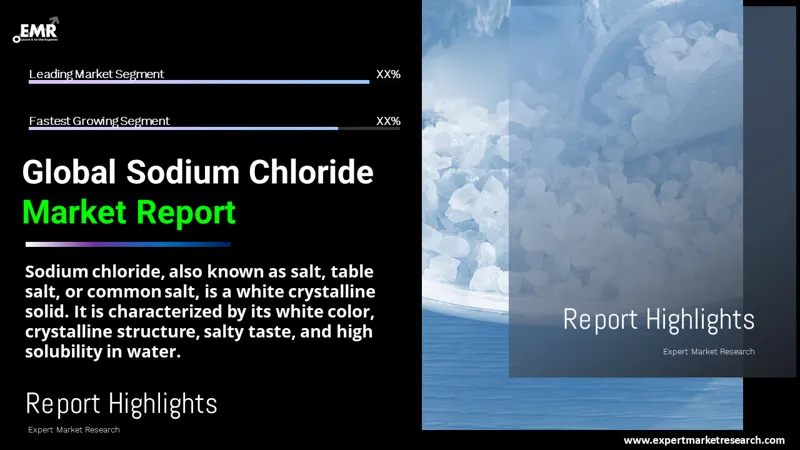
The global sodium chloride market attained a value of USD 32.12 Billion in 2025 and is projected to expand at a CAGR of 2.30% through 2035. The market is further expected to achieve USD 40.32 Billion by 2035. Growing consumption of sodium chloride in water-treatment facilities for resin regeneration and desalination pretreatment is emerging as a key growth factor, especially as municipalities expand investments to counter water-stress challenges globally.
Water-treatment plants, chlor-alkali producers, and metal-processing facilities are now looking beyond basic salt supply and actively prioritizing high-purity, application-specific grades because they help improve process efficiency and conserve resources. In December 2024, Goyal Salt Limited, leading FMCG player which specializes in salt, announced the launch of its newest product, “Goyal Black Salt”. This is designed specifically for high-temperature chemical synthesis, targeting chlor-alkali and metal-processing plants that struggle with purity losses during continuous production cycles. This upgrade matters commercially because global chemical manufacturers are increasingly linking procurement decisions to material stability, boosting the sodium chloride market value.
The increasing demand for food and pharmaceutical products drives market potential. Food manufacturers use large quantities of sodium chloride to preserve food and maintain moisture levels. However, companies are now seeking sodium chloride products with more consistent antimicrobial activity due to rapid increases in the need for an extended shelf life for both frozen and processed foods. Likewise, pharmaceutical manufacturers are increasing volume production of saline solutions used for infusion therapy, as well as Oral Rehydration Solutions (ORS), and are looking for sodium chloride that has consistent trace element profiles in order to minimize variations between batches, thereby reshaping the sodium chloride market trends and dynamics. In July 2024, Lupin announced that it has received tentative approval from the United States Food and Drug Administration for its Abbreviated New Drug Application for Sodium Chloride. Contract manufacturing hubs in India and Southeast Asia are procuring sodium chloride in larger sealed formats to reinforce sterility protocols.
Base Year
Historical Period
Forecast Period
The demand for sodium chloride in de-icing applications remains robust, especially in colder regions. The U.S. domestic production of salt reached 42 million tons in 2023, as per the USGS, indicating the increasing reliance on sodium chloride for winter road maintenance, supporting both safety and infrastructure.
In India, the average annual production of salt is 307 lakh tonnes, with a peak of 391.13 lakh tonnes recorded in 2022-23, according to industry reports. This highlights the growing importance of sodium chloride in agriculture for soil conditioning and pest control, benefiting the agricultural sector and contributing to improved crop yields.
China, the world’s largest producer of salt, yields around 64 million metric tons annually. Sodium chloride is widely used in industrial applications such as chemical production and water treatment, driving demand and expanding the market. This positions sodium chloride as a vital resource in multiple industries.
Compound Annual Growth Rate
2.3%
Value in USD Billion
2026-2035
*this image is indicative*
| Global Sodium Chloride Market Report Summary | Description | Value |
| Base Year | USD Billion | 2025 |
| Historical Period | USD Billion | 2019-2025 |
| Forecast Period | USD Billion | 2026-2035 |
| Market Size 2025 | USD Billion | 32.12 |
| Market Size 2035 | USD Billion | 40.32 |
| CAGR 2019-2025 | Percentage | XX% |
| CAGR 2026-2035 | Percentage | 2.30% |
| CAGR 2026-2035 - Market by Region | Asia Pacific | 2.6% |
| CAGR 2026-2035 - Market by Country | India | 2.8% |
| CAGR 2026-2035 - Market by Country | China | 2.5% |
| CAGR 2026-2035 - Market by Source | Rock Salt | 2.8% |
| CAGR 2026-2035 - Market by End Use | Food Grade Salt | 2.6% |
| Market Share by Country 2025 | Canada | 3.1% |
The chlor-alkali market and associated chemicals account for a large share of market growth through their continued capacity expansion. Large chlor-alkali producers enter into long-term contracts for brine or vacuum salt supplies to enable new C/A plants to be constructed at their facilities, which, in turn, enables them to expand their production of caustic soda, chlorine and PVC. In September 2025, Bondalti Chemicals launched advanced chlor-alkali plant in Portugal, using Asahi Kasei's electrolyzers to enhance efficiency and sustainability. Petrochemical industries in Asia and the Middle East also favor integrated salt, power, and chemical complexes for feedstock risk mitigation, driving the sodium chloride market growth. Policy-driven investment in water infrastructure, plastics, and construction materials indirectly boosts demand in the market.
Winter road maintenance and climate resilience programs remain a stable pillar for bulk consumption. Highway agencies and municipalities rely on rock salt and treat brines to keep traffic flowing and logistics networks functioning during snow and ice events. Products like Ice Away Rock Salt, featuring specially sized halite crystals, offer efficient ice melting and easy spreading. With its effectiveness down to 5°F, it is highly recommended for parking lots, providing a reliable solution for winter maintenance needs. This sodium chloride market trend sustains long-term volume contracts for suppliers positioned near transport corridors and are able to guarantee reliable deliveries during peak winter demand windows each season.
Healthcare and pharmaceutical expansion add higher value to the sodium chloride market scope. Hospitals, dialysis centers, and infusion therapy providers depend on pharmaceutical-grade salt for saline solutions. Public health campaigns promoting oral rehydration solutions in emerging economies also draw on consistent salt supply chains. For manufacturers capable of meeting tight impurity, packaging, and documentation requirements, this category offers attractive margins.
Water treatment and desalination investments increasingly shape long-term sodium chloride strategies. Municipal and industrial plants rely on salt for ion-exchange resin regeneration and as part of pretreatment steps before reverse osmosis. In July 2023, Nornickel introduced palladium for water disinfection using innovative technology. Producers close to coastal or brine resources can tailor grades and logistics packages for utilities, EPC contractors, and plant operators. This sodium chloride market trend turns a once-commoditized product into a managed input within water-security planning, linking salt suppliers more tightly with infrastructure and environmental policy agendas in many regions.
Environmental concerns are driving the search for sustainable and eco-friendly alternatives to traditional sodium chloride products. To reduce environmental harm, especially regarding soil and water contamination, alternatives are being developed. In February 2022, Morton Salt partnered with Salt-Science, Inc. to introduce a line of electrolyzed sanitizing equipment, which uses only salt and water to disinfect. This sustainable alternative to chemical cleaners allows businesses and households to create cleaners on demand, addressing eco-friendly demands in the market.
Read more about this report - REQUEST FREE SAMPLE COPY IN PDF
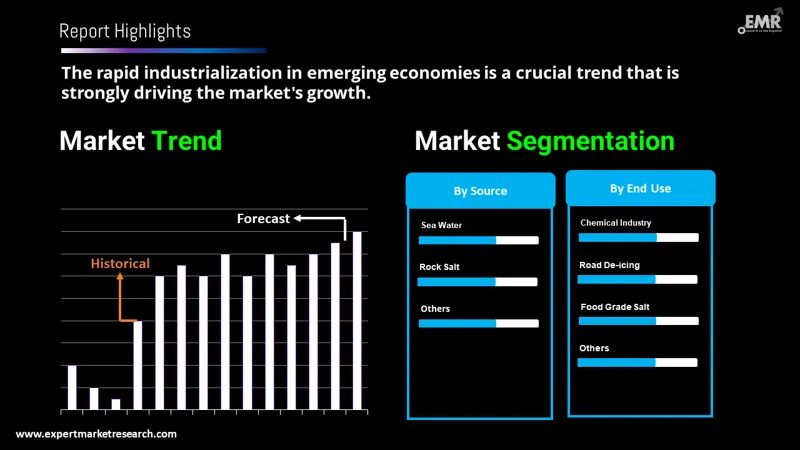
The EMR’s report titled “Global Sodium Chloride Market Report and Forecast 2026-2035” offers a detailed analysis of the market based on the following segments:
Market Breakup by Source
Key Insight: As per the sodium chloride market report, sea water operations focus on scale, sunshine, and access to industrial clusters that can absorb steady vacuum or solar salt output. Rock salt producers emphasize secure concessions, efficient mining technology, and transport links into inland chemical, de-icing, and industrial users. Other categories including solution-mined brine and specialty evaporated routes, serve more tailored applications where purity and consistency matter more than absolute tonnage.
Market Breakup by End Use
Key Insight: While chemical producers place the highest value on brine consistency and supply security because their plants run continuously, food processors look for precise functionality as they reformulate products. Road de-icing agencies prioritize dependable winter logistics and storage, keeping procurement grounded in risk management. Other end uses such as water treatment, agriculture, and softening, value compatibility with equipment and operating routines.
Market Breakup by Region
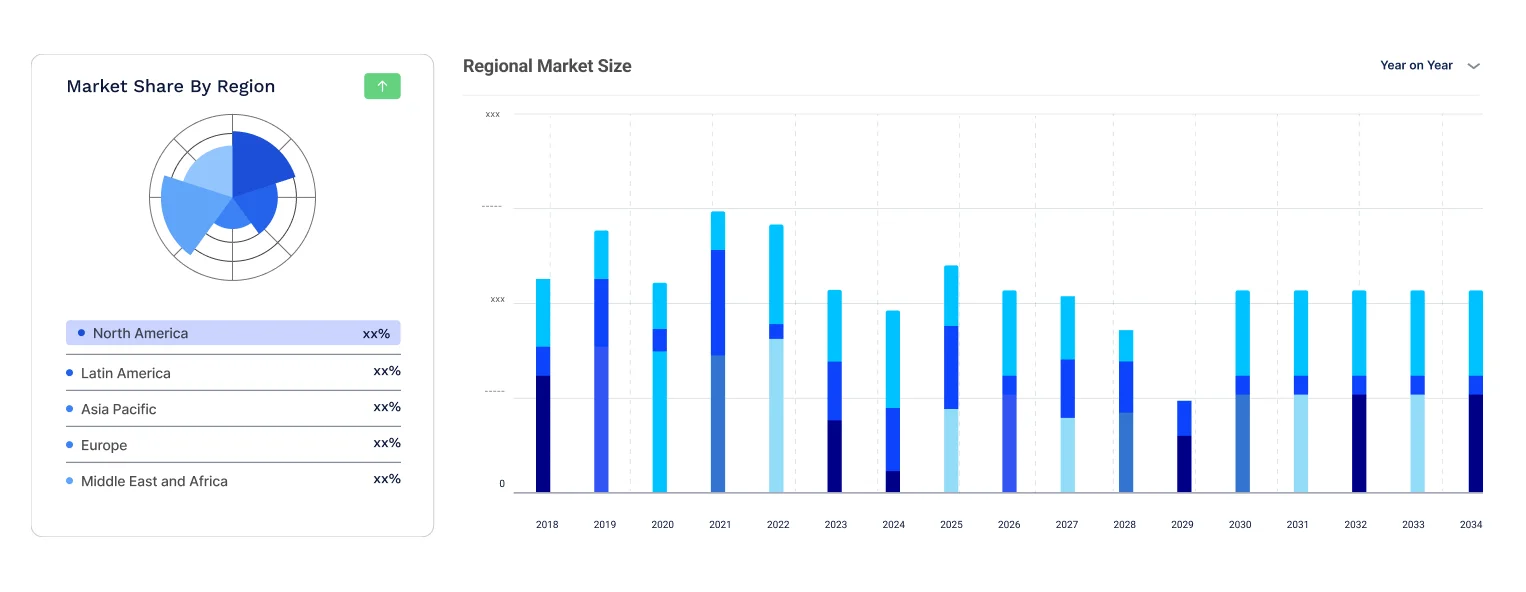
Key Insight: Regional sodium chloride market dynamics reflect how each economy builds and maintains its industrial base. North America balances mature chemical corridors with steady de-icing needs and regulated food processing. Europe leans on high-specification industrial and food uses, tempered by sustainability debates around mining and winter road treatment. Asia Pacific’s scalability dominates volumes, while Latin America adds growth opportunities around coastal chemical and food hubs. The Middle East and Africa region focuses on desalination, plastics, and food security.
Read more about this report - REQUEST FREE SAMPLE COPY IN PDF
By source, sea water accounts for the largest market share owing to scalable evaporation
Sea water-based production holds the dominant position in the market because it supports large, low-cost volumes for both industrial and food applications. Solar evaporation ponds and mechanically enhanced crystallization units along coastlines give producers scale and flexibility that underground mines cannot always match. Many facilities operate as part of integrated salt-chemical clusters, sending brine directly into chlor-alkali plants or vacuum salt units without heavy inland transport. In regions with strong sunshine and suitable land, operators can adjust pond layouts and harvesting cycles to match seasonal demand in the sodium chloride market.
Rock salt represents the fastest-growing source category as operators modernize mining methods and upgrade processing to meet higher purity and sizing requirements. Deep-shaft and solution mining projects increasingly feed both de-icing and chemical customers. Investment in continuous miners, conveyor systems, and real-time geological mapping helps reduce safety incidents and improves yield.
Chemical industry, supported by expanding chlor-alkali output, dominates the market by a high margin
The chemical industry holds the dominant share of sodium chloride consumption as salt is the key feedstock for chlor-alkali and several downstream value chains. Producers of caustic soda, chlorine, and soda ash require constant, predictable brine quality to keep electrolysis and synthesis units stable. Integrated chemical parks typically lock in long-term salt agreements, sometimes even investing directly in upstream assets to secure supply.
Food grade salt is one fast-growing end-use categories observing sodium chloride market expansion as brands upgrade formulations and packaging to meet shifting consumer and regulatory expectations. Snack, meat, and bakery manufacturers experiment with finer crystal profiles, surface application techniques, and blends that maintain flavor while supporting sodium-reduction targets.
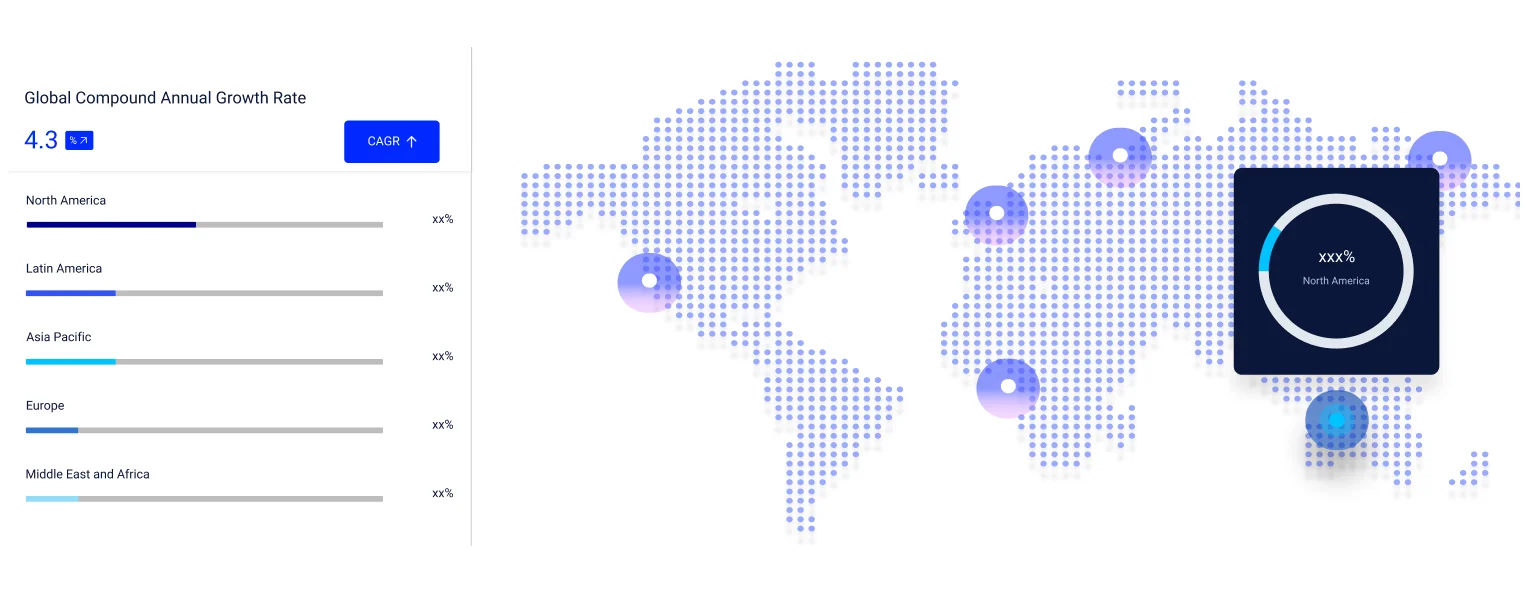
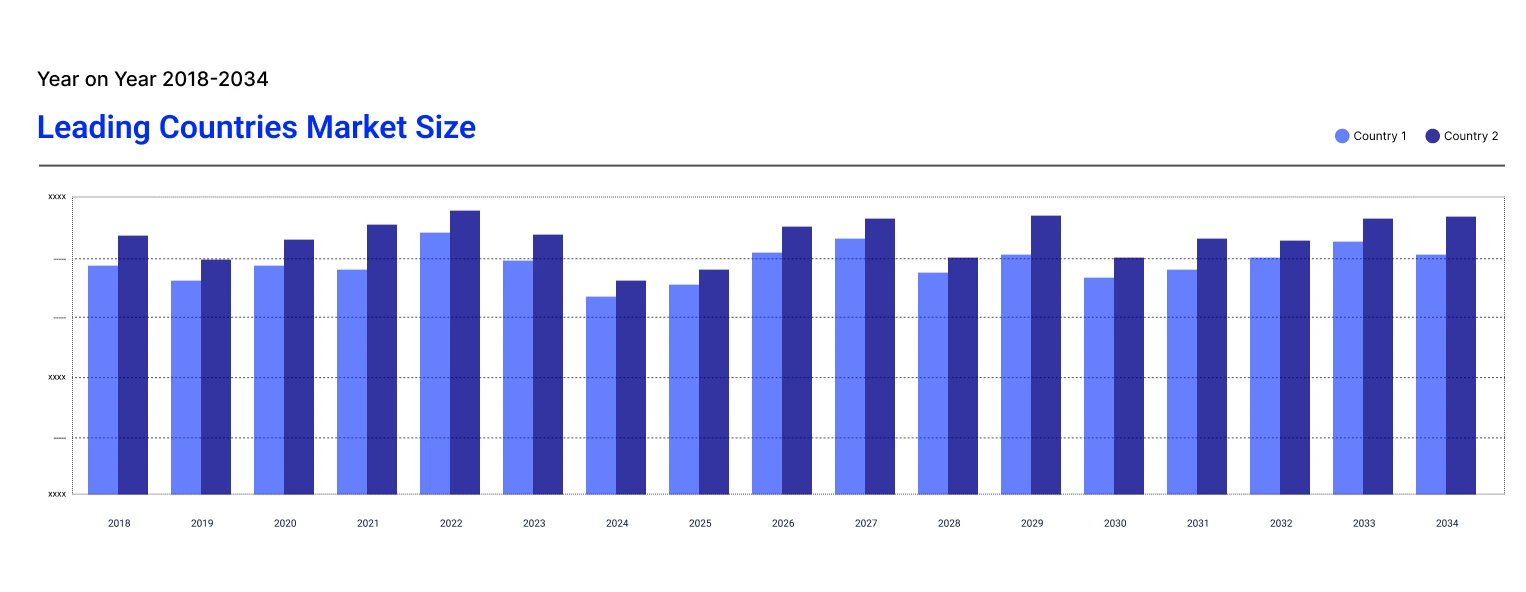
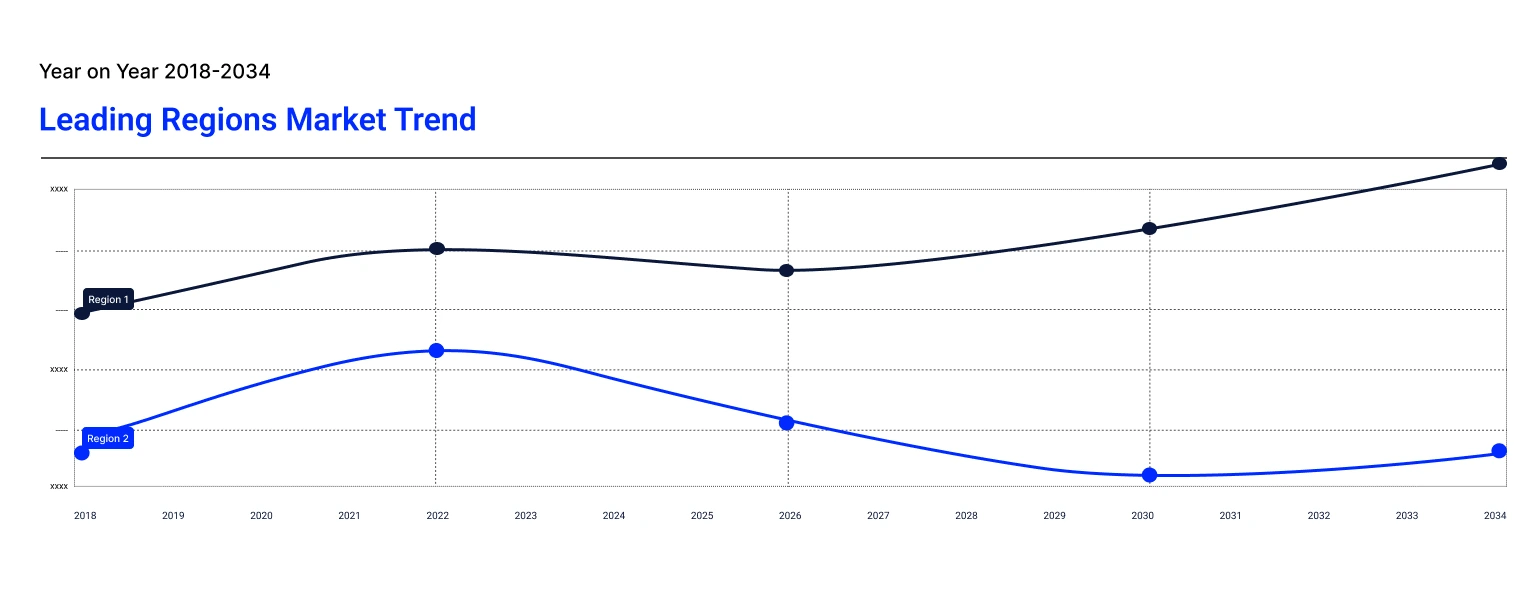
By region, Asia Pacific registers the leading position with a significant market share backed by rapid industrialization
Due to the concentration of major chemical clusters, rapidly expanding food processing hubs, and growing water-treatment infrastructure, the Asia Pacific remains the leading regional sodium chloride market. Countries along the coast have developed large-scale solar evaporation fields that serve both local and foreign markets. Industrial corridors that are fully integrated connect salt production with the chlor-alkali, PVC, and detergent sectors, thus, enhancing logistics efficiency. The increasing urban populations of India, China, and Southeast Asia contribute to the continual rise of food-grade and pharmaceutical salt consumption.
The Middle East and Africa region is emerging as one of the fastest-growing sodium chloride markets, driven by desalination, chemical investments, and infrastructure build-out. The Gulf countries have implemented large-scale evaporation and brine-handling facilities that meet the requirements of industrial usage and water-treatment operations. As a result of integrated planning, new chlor-alkali, PVC, and downstream plastics projects are increasingly pointing to the need for a reliable salt supply. In certain regions of Africa, urbanization and the consumption of packaged foods increase the demand for refined edible salt, thereby adding further potential to the market growth.
| CAGR 2026-2035 - Market by | Country |
| India | 2.8% |
| China | 2.5% |
| Brazil | 2.4% |
| Canada | 2.2% |
| UK | 2.0% |
| USA | XX% |
| Germany | 1.8% |
| France | XX% |
| Italy | XX% |
| Japan | XX% |
| Australia | XX% |
| Saudi Arabia | XX% |
| Mexico | XX% |
Leading sodium chloride market players no longer focus only on output tonnage, they are investing in purification upgrades, specialty formulations, and downstream service models that help customers run more predictable operations. Chemical-grade players emphasize brine stability and contamination control, pitching sodium chloride as a performance input rather than bulk feedstock. Food-grade suppliers explore finer granulation, surface-coating technology, and fortified blends to support reformulation trends across processed foods, which create long-term partnerships with major brands.
Road-de-icing businesses work on corrosion-controlled additives and logistics efficiency because municipalities increasingly award tenders based on lifecycle and environmental metrics. A major opportunity for sodium chloride companies lies in water treatment and desalination where buyers look for reliability, traceability, and scalable packaging formats. Companies that align salt supply with infrastructure planning and industrial risk management are positioned to lead the market in the coming years.
K.G. International, Inc. is a prominent global player in the import and distribution of industrial materials, particularly in the chemical and construction industries. Headquartered in the United States, the company was established in 1960 and has since expanded its reach, offering products and services to a variety of industries.
Cargill Inc. is an American multinational corporation that focuses on food production, agriculture, and industrial products, catering to the sodium chloride market. Established in 1865 and headquartered in Minnesota, United States the company is one of the largest privately held businesses globally, with diverse operations including trading, processing, and distribution of various commodities.
The China National Salt Industry Corporation (CNSIC) is the state-owned entity responsible for the production and distribution of salt and related products in China. Founded in 1995 and based in Beijing, China, CNSIC is a leading player in the global salt industry, also involved in chemical and energy markets.
Compass Minerals is a global leader in the production of essential minerals, primarily salt, plant nutrients, and magnesium chloride. Established in 2003 and headquartered in Kansas, United States, Compass Minerals serves a wide range of industries, focusing on high-quality products for agriculture, de-icing, and industrial applications.
*Please note that this is only a partial list; the complete list of key players is available in the full report. Additionally, the list of key players can be customized to better suit your needs.*
Other key players in the market include State enterprise Artyomsol, Nobian, Südwestdeutsche Salzwerke AG, Salins Group, Mitsui Group, and Rio Tinto Group.
Unlock the latest insights with our sodium chloride market trends 2026 report. Discover regional growth patterns, consumer preferences, and key industry players. Stay ahead of competition with trusted data and expert analysis. Download your free sample report today and drive informed decisions in the market.


Upto 15% Off
USD
$2499 $2249
$3999 $3599
$4999 $4249
$5999 $5099


*While we strive to always give you current and accurate information, the numbers depicted on the website are indicative and may differ from the actual numbers in the main report. At Expert Market Research, we aim to bring you the latest insights and trends in the market. Using our analyses and forecasts, stakeholders can understand the market dynamics, navigate challenges, and capitalize on opportunities to make data-driven strategic decisions.*
Get in touch with us for a customized solution tailored to your unique requirements and save upto 35%!
In 2025, the market reached an approximate value of USD 32.12 Billion.
The market is projected to grow at a CAGR of 2.30% between 2026 and 2035.
The market is estimated to witness a healthy growth in the forecast period of 2026-2035 to reach USD 40.32 Billion by 2035.
Stakeholders are expanding application-specific salt grades, strengthening long-term supply contracts, improving purification efficiency, investing in sustainable mining technologies, and integrating digital logistics tracking to secure customer loyalty and defend margins.
Specialized high-purity salts, corrosion-controlled de-icing blends, fortified food-grade formulations, pharmaceutical packaging upgrades, and desalination-linked supply partnerships are collectively redefining demand beyond traditional bulk sodium chloride consumption.
The Asia Pacific, North America, Europe, Latin America, and the Middle East and Africa are the major regions in the market.
The leading sources of sodium chloride in the market are sea water and rock salt, among others.
The significant end use sectors in the industry are chemical market, food grade salt, and road de-icing, among others.
The key players in the market include K.G. International, Inc., Cargill Inc, China National Salt Industry Corporation (CNSIC), Compass Minerals, State enterprise Artyomsol, Nobian, Südwestdeutsche Salzwerke AG, Salins Group, Mitsui Group, and Rio Tinto Group.
Explore our key highlights of the report and gain a concise overview of key findings, trends, and actionable insights that will empower your strategic decisions.
| REPORT FEATURES | DETAILS |
| Base Year | 2025 |
| Historical Period | 2019-2025 |
| Forecast Period | 2026-2035 |
| Scope of the Report |
Historical and Forecast Trends, Industry Drivers and Constraints, Historical and Forecast Market Analysis by Segment:
|
| Breakup by Source |
|
| Breakup by End Use |
|
| Breakup by Region |
|
| Market Dynamics |
|
| Competitive Landscape |
|
| Companies Covered |
|
| Report Price and Purchase Option | Explore our purchase options that are best suited to your resources and industry needs. |
| Delivery Format | Delivered as an attached PDF and Excel through email, with an option of receiving an editable PPT, according to the purchase option. |
Datasheet
One User
USD 2,499
USD 2,249
tax inclusive*
Single User License
One User
USD 3,999
USD 3,599
tax inclusive*
Five User License
Five User
USD 4,999
USD 4,249
tax inclusive*
Corporate License
Unlimited Users
USD 5,999
USD 5,099
tax inclusive*
*Please note that the prices mentioned below are starting prices for each bundle type. Kindly contact our team for further details.*
Flash Bundle
Small Business Bundle
Growth Bundle
Enterprise Bundle
*Please note that the prices mentioned below are starting prices for each bundle type. Kindly contact our team for further details.*
Flash Bundle
Number of Reports: 3
20%
tax inclusive*
Small Business Bundle
Number of Reports: 5
25%
tax inclusive*
Growth Bundle
Number of Reports: 8
30%
tax inclusive*
Enterprise Bundle
Number of Reports: 10
35%
tax inclusive*
How To Order

Select License Type
Choose the right license for your needs and access rights.

Click on ‘Buy Now’
Add the report to your cart with one click and proceed to register.

Select Mode of Payment
Choose a payment option for a secure checkout. You will be redirected accordingly.
Gain insights to stay ahead and seize opportunities.

Get insights & trends for a competitive edge.

Track prices with detailed trend reports.

Analyse trade data for supply chain insights.

Leverage cost reports for smart savings

Enhance supply chain with partnerships.

Connect For More Information
Our expert team of analysts will offer full support and resolve any queries regarding the report, before and after the purchase.
Our expert team of analysts will offer full support and resolve any queries regarding the report, before and after the purchase.
We employ meticulous research methods, blending advanced analytics and expert insights to deliver accurate, actionable industry intelligence, staying ahead of competitors.
Our skilled analysts offer unparalleled competitive advantage with detailed insights on current and emerging markets, ensuring your strategic edge.
We offer an in-depth yet simplified presentation of industry insights and analysis to meet your specific requirements effectively.





Share