

Consumer Insights
Uncover trends and behaviors shaping consumer choices today
Procurement Insights
Optimize your sourcing strategy with key market data
Industry Stats
Stay ahead with the latest trends and market analysis.

The global sodium alginates market attained a value of USD 199.33 Billion in 2025. The market is expected to grow at a CAGR of 4.00% during the forecast period of 2026-2035. By 2035, the market is expected to reach USD 295.06 Billion.
The production of sodium alginate relies on the cultivation of brown seaweed. Increased investments in seaweed farming, particularly in North America and Europe, secure supply chains and enhance sustainability. Ocean Rainforest raised USD 6.2 million in February 2023 to scale up kelp farming in the North Atlantic and Pacific, driving product and market growth. This farming generates revenue to coastal communities and decreases the use of wild harvests, conserving marine ecosystems. Sustainable sourcing not only provides consistent quality but also ensures certification standards demanded by the global food and pharma industries.
Sustainability drives the sodium alginates demand significantly. Having been extracted from brown seaweed, it provides a biodegradable and renewable substitute for petrochemical additives. It is beneficial to industries wanting to curb the use of plastics, particularly edible packaging and biodegradable films. Environmental policies by governments further driving greener materials fuel this. The role of sodium alginate in curbing carbon footprints and plastic waste resonates with environmentally conscious consumers and companies, fostering innovation in greener applications outside conventional industries.
Base Year
Historical Period
Forecast Period
Compound Annual Growth Rate
4%
Value in USD Billion
2026-2035
*this image is indicative*
Increased urbanization, growing disposable incomes, and expanding health and wellness awareness among emerging markets are generating new opportunities for the sodium alginates market. According to United Nations, 68% of the global population could live in cities by 2050. These markets are developing processed food businesses, pharmaceuticals, and personal care industries, all of which consume sodium alginate. Expansion of local seaweed farming and processing facilities further sustains market growth, facilitating low-cost supply chains for local consumption.
The latest technological developments in alginate extraction enhance yield, quality, and functionality. As an example, Alginor constructed a world-class greenfield facility in Norway with a focus on the production of pharmaceutical-grade alginate through novel purification technologies. New environmentally friendly extraction technologies minimize energy consumption, which resonates with green chemistry principles. Advances such as microfluidic spinning generate niche alginate fibers, and enhanced purification technology increases pharmaceutical-grade alginate availability.
Plastic pollution issues drive research on edible, biodegradable packaging, contributing to the sodium alginates industry value. Its film-forming and gelation characteristics enable the development of coatings, sachets, and wraps that are compostable or edible. This packaging has increased shelf life, minimized waste, and conforms to circular economy objectives. Growing collaborations among alginate manufacturers and packaging innovators signal robust future growth in sustainable packaging applications.
The wound dressing market is growing with the launch of alginate-based dressings that absorb exudate, retain moisture, and facilitate healing. The increase in chronic wounds, diabetic ulcers, and elderly populations fuels demand. In July 2025, ConvaTec announced that its Aquacel™ ConvaFiber™ would be launching in 2026 as a next-gen HydroFiber® dressing that controls many types of wounds like alginate-based dressings. Regulatory clearances and new product launches continue to fuel the sodium alginates market growth.
Tight regulatory environments in food, pharma, and cosmetics guarantee sodium alginate adheres to very high purity and safety standards, enhancing consumer trust. Approvals such as GRAS (Generally Recognized as Safe) and pharmaceutical-grade approvals open the markets further. Continuous quality checks and manufacturing process upgrading ensure continued compliance. These regulatory drivers encourage manufacturers to invest in quality assurance, making sodium alginate a vendor favorite among global manufacturers.

Read more about this report - REQUEST FREE SAMPLE COPY IN PDF
The EMR’s report titled “Sodium Alginates Market Report and Forecast 2026-2035” offers a detailed analysis of the market based on the following segments:
Market Breakup by Application
Key Insight: The stabilizer segment leads the market due to sodium alginate’s ability to maintain uniformity and prevent ingredient separation, making it invaluable in food, pharmaceuticals, and cosmetics. This wide-ranging application across industries drives high demand. Growing processed food consumption and innovations in pharmaceutical formulations sustain the stabilizer segment’s leading market share. The increasing consumer preference for clean-label and natural ingredients also accelerates the sodium alginates market share.
Market Breakup by End Use
Key Insight: The food and beverage industry is the largest consumer of sodium alginate, due to its versatility as a stabilizer, thickener, gelling agent, and emulsifier in products like dairy, bakery, sauces, and beverages. Sodium alginate improves texture, shelf life, and consistency while meeting clean-label demands. Rising consumer interest in plant-based and low-fat foods further boosts its use. In February 2023, Ashland introduced the Benecel™ MX 100 methylcellulose, tailored for plant-based protein food applications, enhancing texture and processing efficiency in meat alternatives.
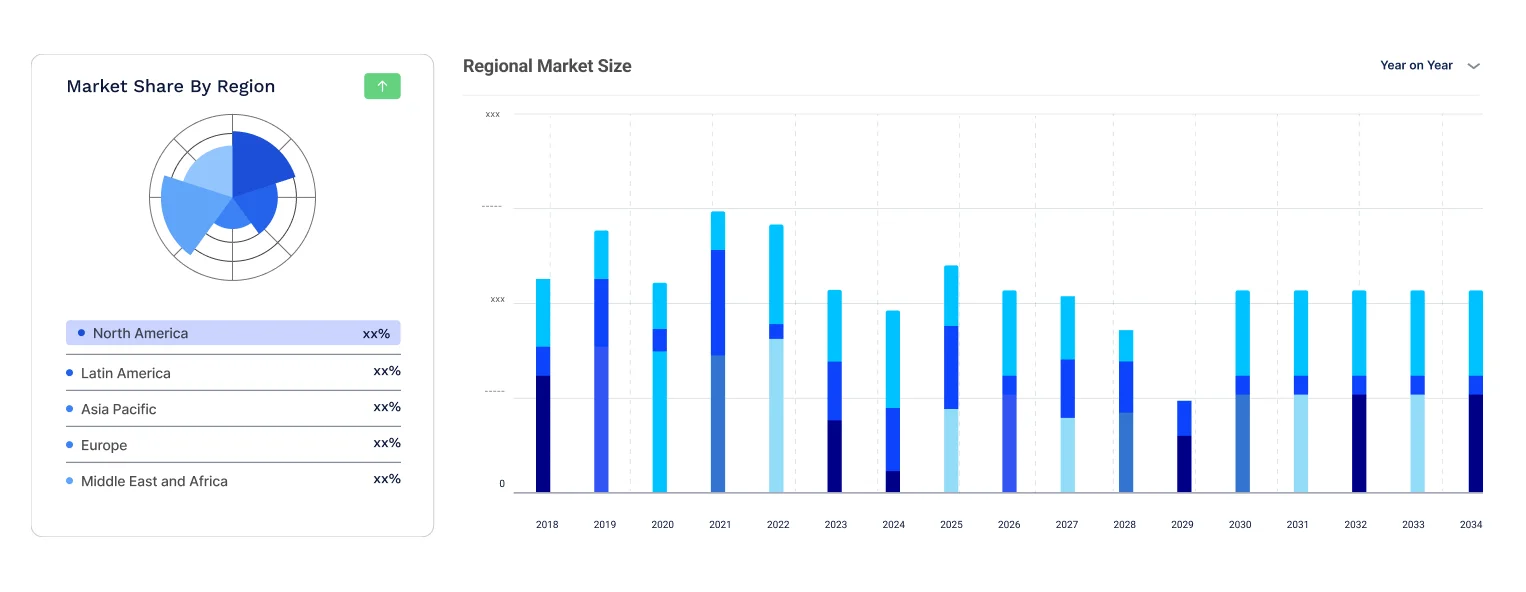
Market Breakup by Region
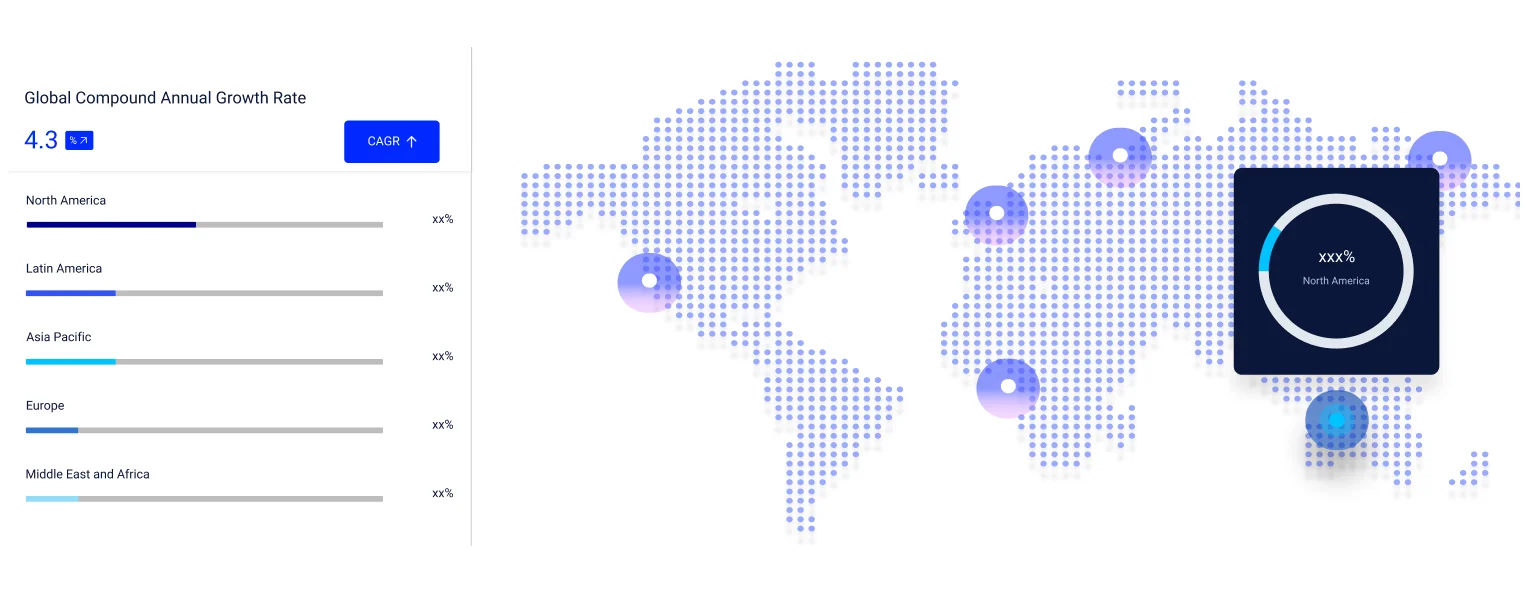
Key Insight: North America is favoring the sodium alginates market expansion, driven by strong demand from the food and beverage, pharmaceutical, and healthcare sectors. The region’s well-established food processing industry extensively uses sodium alginate for stabilizing, thickening, and gelling applications. Consumer preference for clean-label, natural ingredients also supports demand. Moreover, increasing investments in biotechnology and healthcare infrastructure bolster market expansion.
Surging Sodium Alginates Uses as Thickener & Gelling Agents
The thickener segment of the sodium alginates market enhances viscosity and mouthfeel in food products. The demand for plant-based and clean-label thickeners supports sodium alginate’s preference over synthetic alternatives. For instance, in 2024, Nestlé introduced a new plant-based dairy alternative that includes sodium alginate as a natural thickening agent to improve texture and stability, resonating with consumer preferences for clean-label ingredients. In personal care, it thickens creams and gels without compromising stability.
Sodium alginate’s gelling properties carve out an important niche market. It forms strong, heat-stable gels used in food for texture modification, such as in jelly candies, restructured foods, and low-fat products. In biomedical applications, alginate gels are vital for wound dressings and drug delivery systems. The versatility of alginate gels in creating new textures and biomedical scaffolds drives steady demand, positioning gelling as a promising segment.
Growing Sodium Alginates Applications in Pharmaceuticals & Textiles
The pharmaceutical sector represents a major segment for sodium alginates industry due to its biocompatibility and multifunctional properties. It is used as a binder, stabilizer, and controlled-release agent in tablets, capsules, and wound dressings. Alginate’s gel-forming ability is vital in drug delivery systems, especially for oral and topical formulations. Increasing demand for natural, safe excipients and advancements in biomedical applications such as tissue engineering and wound care are expanding this segment.
Sodium alginate plays an important role in the textile industry as a thickening agent for reactive dyes and printing pastes. For instance, Sylic Sodium Alginate 316SE launched by Ningbo Inno Pharmchem is an eco conscious textile thickener, marketed as a more sustainable alternative to synthetic agents. Alginate-based thickeners are preferred due to their natural origin, biodegradability, and compatibility with various dye types. The rising demand for eco-friendly and sustainable textile processing chemicals supports its steady growth, especially in countries with large textile manufacturing sectors like India and China.
Thriving Sodium Alginates Demand in Europe & Asia Pacific
Europe is a significant sodium alginate market, with strong applications in food processing, pharmaceuticals, and cosmetics. The region’s emphasis on sustainability and clean-label products has driven adoption in food and beverage applications, especially in plant-based and organic segments. Regulatory frameworks promoting natural and safe ingredients encourage innovation and product launches. Europe’s advanced pharmaceutical sector uses sodium alginate in drug delivery and wound care products.
The Asia Pacific region is an emerging and rapidly growing market for sodium alginate, fueled by expanding food processing industries in China, India, Japan, and Southeast Asia. Rising urbanization and changing dietary habits increase demand for processed foods, where sodium alginate’s stabilizing and thickening properties are crucial. As per Asian Development Bank, 55% of Asia’s population will be urban by 2030. The pharmaceutical sector is also expanding, with growing use of alginate-based drug formulations and wound care products.
Key players in the sodium alginates market are implementing different approaches to improve their market position and drive growth. At the core of their approaches is product innovation. The players in the market are developing specialty grades of alginates targeted to specific end-use industries such as food, pharmaceutical, and biomedical. The key themes for product innovation are clean-label, natural, and high-purity. Furthermore, other techniques include, but are not limited to, partnerships and acquisitions to build and improve technical capability and reach new markets.
Geographically, many players are investing money and time to reach new markets with an emphasis on developing countries particularly in Asia Pacific where demand for processed food and pharmaceuticals is on the rise. Key strategies involving sustainability focused on harnessing more environmentally friendly extraction, production, and processing methods reduce the negative impact on the environment while complying with legal and consumer expectations. Leaders in the sodium alginates market are investing heavily in research & development to develop knowledgeable portfolios of applications, such as wound care, drug delivery, and new textures in food. Many platform thinking players are partnering with customers and engaging them in technical conversations and customized solutions to generate long lasting relationships.
J. Rettenmaier & Söhne is a well-known global manufacturer based in Rosenberg, Germany, with roots reaching back to 1954. The company has a track history of innovation in its products, starting with a focus on seaweed extracts and alginate-based hydrocolloids. The company focuses on sustainably sourcing raw products and utilizes high-quality, renewable resources to manufacture food, pharmaceutical, and industrial products.
Headquartered in Tokyo, Japan since 1949, KIMICA specializes in the production of sodium alginate and other marine-based ingredients, as well as a historical focus on high-purity alginate also. A pioneer in alginate, the corporation continues to innovate and improve their extraction technologies to develop and produce clean-label alginate ingredients suitable for the food, pharmaceutical, and cosmetics sectors there applied globally.
Founded in 2004, Wangfei Seaweed Tech is located in Zibo, China, and only focuses on the extraction and processing of seaweed into products used for food and industrial purposes. The company has recently made strides in expanding the range of alginate-based products by developing multiple grades of alginate for food applications.
Based in Qingdao, China, and operating since 2005, Gfuri Seaweed Industrial is vertically integrated into the process of manufacturing sodium alginate and other seaweed-based products. The company invests significantly in research & development which serves to create new and innovative products that can improve the quality of alginate and further improve versatility for use in multiple applications across food, pharmaceutical, and textile sectors.
*Please note that this is only a partial list; the complete list of key players is available in the full report. Additionally, the list of key players can be customized to better suit your needs.*
Other players in the sodium alginates market are Meron Group, and SNP, Inc., among others.
Unlock key insights into the sodium alginates market trends 2026 with our expert-driven report. Understand growth forecasts, regional demand, and competitive dynamics to stay ahead. Download your free sample report on the sodium alginates market today and make informed, strategic decisions backed by trusted industry analysis. Don’t miss out, get started now.


Upto 15% Off
USD
$2499 $2249
$3999 $3599
$4999 $4249
$5999 $5099


*While we strive to always give you current and accurate information, the numbers depicted on the website are indicative and may differ from the actual numbers in the main report. At Expert Market Research, we aim to bring you the latest insights and trends in the market. Using our analyses and forecasts, stakeholders can understand the market dynamics, navigate challenges, and capitalize on opportunities to make data-driven strategic decisions.*
Get in touch with us for a customized solution tailored to your unique requirements and save upto 35%!
The market is projected to grow at a CAGR of 4.00% between 2026 and 2035.
The market is estimated to witness a healthy growth in the forecast period of 2026-2035 to reach about USD 295.06 Billion by 2035.
Key strategies driving the market include product innovation, sustainable seaweed sourcing, expansion into emerging markets, and strategic partnerships. Companies focus on clean-label formulations, advanced applications in pharmaceuticals and food, and R&D to enhance functionality. Mergers and acquisitions also support growth by strengthening supply chains and technological capabilities.
The key market trends guiding the growth of the market include the rising demand for bio-based fibres, rapid technological advancements, and increasing R&D activities.
The major regions in the industry are North America, Latin America, the Middle East and Africa, Europe, and the Asia Pacific.
The leading application segments in the market are stabilizer, thickener, gelling agent, and emulsifier, among others.
The major end use sectors in the industry are food and beverage, pharmaceuticals, textile, pulp and paper, and coating, among others.
The key players in the market report include J. Rettenmaier & Söhne GmbH + Co KG, KIMICA Corporation, Zibo Wangfei Seaweed Tech. Co., Ltd., Qingdao Gfuri Seaweed Industrial Co., Ltd., Meron Group, and SNP, Inc., among others.
In 2025, the market reached an approximate value of USD 199.33 Billion.
The food and beverage segment dominates, due to its versatility as a stabilizer, thickener, gelling agent, and emulsifier in products like dairy, bakery, sauces, and beverages.
Explore our key highlights of the report and gain a concise overview of key findings, trends, and actionable insights that will empower your strategic decisions.
| REPORT FEATURES | DETAILS |
| Base Year | 2025 |
| Historical Period | 2019-2025 |
| Forecast Period | 2026-2035 |
| Scope of the Report |
Historical and Forecast Trends, Industry Drivers and Constraints, Historical and Forecast Market Analysis by Segment:
|
| Breakup by Application |
|
| Breakup by End Use |
|
| Breakup by Region |
|
| Market Dynamics |
|
| Competitive Landscape |
|
| Companies Covered |
|
| Report Price and Purchase Option | Explore our purchase options that are best suited to your resources and industry needs. |
| Delivery Format | Delivered as an attached PDF and Excel through email, with an option of receiving an editable PPT, according to the purchase option. |
Datasheet
One User
USD 2,499
USD 2,249
tax inclusive*
Single User License
One User
USD 3,999
USD 3,599
tax inclusive*
Five User License
Five User
USD 4,999
USD 4,249
tax inclusive*
Corporate License
Unlimited Users
USD 5,999
USD 5,099
tax inclusive*
*Please note that the prices mentioned below are starting prices for each bundle type. Kindly contact our team for further details.*
Flash Bundle
Small Business Bundle
Growth Bundle
Enterprise Bundle
*Please note that the prices mentioned below are starting prices for each bundle type. Kindly contact our team for further details.*
Flash Bundle
Number of Reports: 3
20%
tax inclusive*
Small Business Bundle
Number of Reports: 5
25%
tax inclusive*
Growth Bundle
Number of Reports: 8
30%
tax inclusive*
Enterprise Bundle
Number of Reports: 10
35%
tax inclusive*
How To Order

Select License Type
Choose the right license for your needs and access rights.

Click on ‘Buy Now’
Add the report to your cart with one click and proceed to register.

Select Mode of Payment
Choose a payment option for a secure checkout. You will be redirected accordingly.
Gain insights to stay ahead and seize opportunities.

Get insights & trends for a competitive edge.

Track prices with detailed trend reports.

Analyse trade data for supply chain insights.

Leverage cost reports for smart savings

Enhance supply chain with partnerships.

Connect For More Information
Our expert team of analysts will offer full support and resolve any queries regarding the report, before and after the purchase.
Our expert team of analysts will offer full support and resolve any queries regarding the report, before and after the purchase.
We employ meticulous research methods, blending advanced analytics and expert insights to deliver accurate, actionable industry intelligence, staying ahead of competitors.
Our skilled analysts offer unparalleled competitive advantage with detailed insights on current and emerging markets, ensuring your strategic edge.
We offer an in-depth yet simplified presentation of industry insights and analysis to meet your specific requirements effectively.





Share