

Consumer Insights
Uncover trends and behaviors shaping consumer choices today
Procurement Insights
Optimize your sourcing strategy with key market data
Industry Stats
Stay ahead with the latest trends and market analysis.

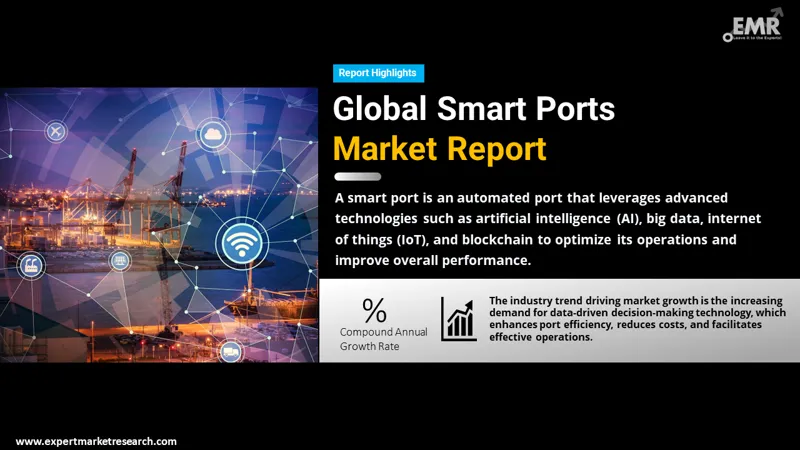
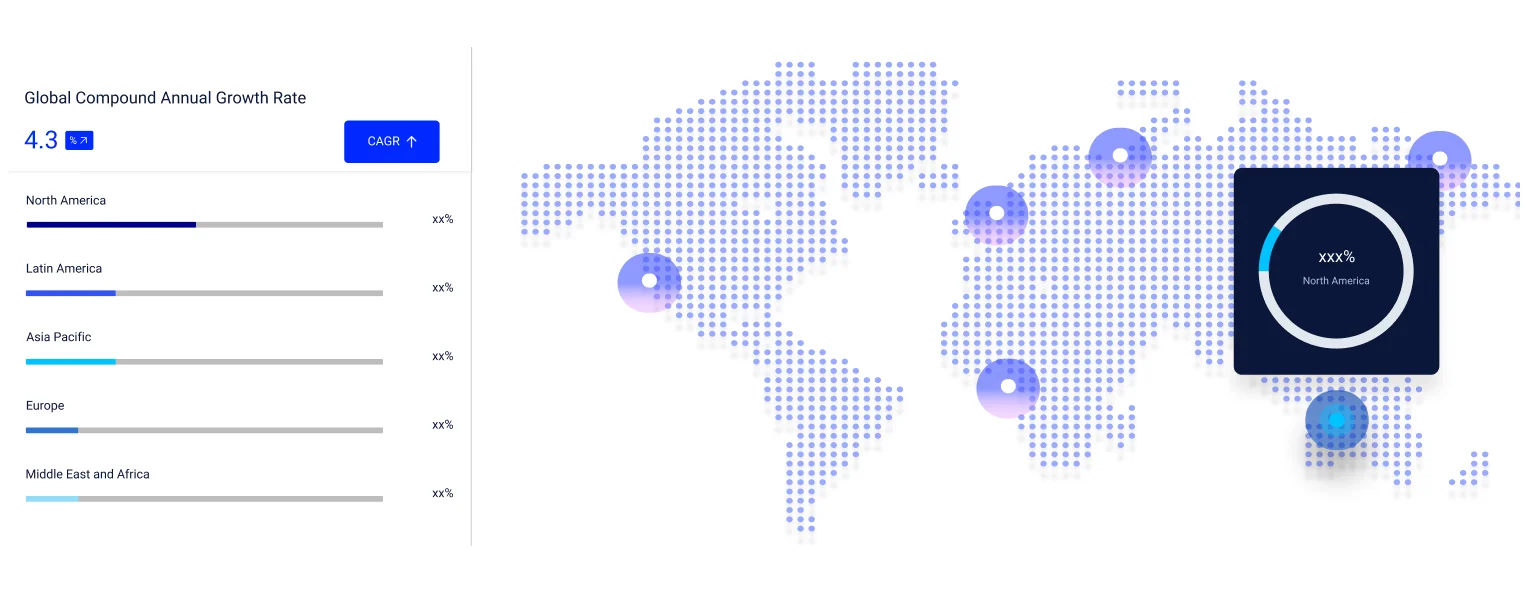
The smart ports market attained a value of USD 3.81 Billion in 2025. The market is expected to grow at a CAGR of 27.90% during the forecast period of 2026-2035. By 2035, the market is expected to reach USD 44.63 Billion.
Digital transformation is revolutionizing port operations through technologies, such as AI, IoT, big data, and automation. Smart ports use real-time data to monitor cargo, manage traffic, and predict maintenance needs, drastically improving efficiency and reducing delays. In May 2022, Awake.AI launched its Smart Port as a Service platform to optimize port operations using AI, automation, and real-time data. As ports adopt cloud-based platforms and integrated systems, they are becoming smarter, more connected, and capable of handling increased cargo volumes with greater accuracy and speed.
Public-private partnerships are playing a pivotal role in the smart ports market development. Governments and private sector companies are collaborating to fund and implement advanced technologies, infrastructure upgrades, and sustainable initiatives. In August 2025, Kerala Maritime Board (KMB) partnered with the private sector to develop essential port-related infrastructure near the Vizhinjam International Seaport. These alliances also ensure that port developments align with national trade strategies and sustainability goals.
Base Year
Historical Period
Forecast Period
Compound Annual Growth Rate
27.9%
Value in USD Billion
2026-2035
*this image is indicative*
Internet of Things (IoT) is a major driver of the smart ports market, enabling seamless connectivity between port equipment, vehicles, and cargo. Sensors and smart devices collect and transmit data on equipment status, cargo conditions, and environmental factors. This connectivity allows for real-time tracking, predictive maintenance, and intelligent asset management. IoT also supports better inventory control, energy usage monitoring, and automation of routine tasks.
Automation is central to the evolution of smart ports. Automated cranes, guided vehicles, and robotic sorting systems increase cargo handling speed and reduce human error. In May 2024, China rapidly built intelligent, automated ports using AI, 5G, and robotics to boost efficiency, safety, and global trade capacity. These technologies help lower labor costs, enhance safety, and ensure more efficient operations, especially in high-traffic ports. Automation also minimizes downtime and improves the accuracy of cargo placement and tracking.
Sustainability is driving the smart ports industry growth due to the adoption of green technologies to reduce emissions, manage waste, and improve energy efficiency. By transitioning to cleaner energy and smarter resource management, ports contribute to national and global climate goals. In October 2022, United Kingdom ports launched a data cluster to share insights, boosting sustainability, innovation, and efficiency in transitioning to smart green ports. This green transformation is not only beneficial for the environment but also enhances long-term economic and operational resilience.
The global increase in maritime trade is driving the need for smarter port infrastructure. Rising cargo volumes put pressure on traditional port systems, leading to bottlenecks, delays, and inefficiencies. As global trade continues to expand, smart port solutions become essential to maintaining competitiveness and meeting the demands of modern supply chains. This growth trend is especially significant in Asia-Pacific and emerging markets, where port development is central to economic expansion.
5G technology is revolutionizing the smart ports market dynamics by providing ultra-fast, low-latency communication. With 5G, ports can support advanced use cases like autonomous vehicles, remote crane operations, and high-resolution surveillance systems. In July 2025, Hutchison Ports deployed private 5G at Felixstowe and Harwich, creating one of the United Kingdom’s largest private port networks. As more ports invest in 5G networks, they unlock the full potential of digital automation and intelligent infrastructure.
Read more about this report - REQUEST FREE SAMPLE COPY IN PDF
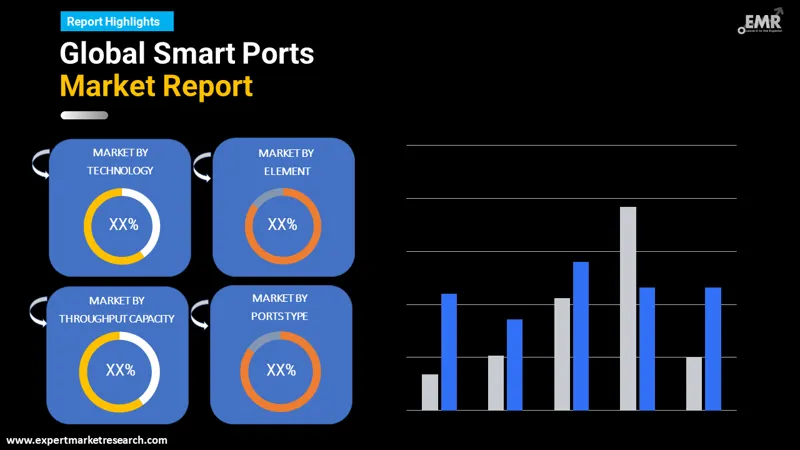
The EMR’s report titled “Smart Ports Market Report and Forecast 2026-2035” offers a detailed analysis of the market based on the following segments:
Market Breakup by Technology
Key Insight: Process automation leads, accounting for a massive share of the total smart ports’ technology revenue. This segment includes robotic cranes, automated guided vehicles (AGVs), and computer-driven workflows for cargo handling, scheduling, and machinery management. In March 2023, stc Group and Saudi Ports Authority launched Smart Ports Initiative to automate operations, boosting efficiency, safety, and economic competitiveness. These systems reduce human error, enhance safety, and lower long-term operational costs.
Market Breakup by Element
Key Insight: The smart port infrastructure is the foundational category of the smart ports industry that covers digital infrastructure, such as data centers, sensor networks, and energy-efficient systems. These controls are vital for smart operations, predictive maintenance, and sustainability initiatives, including smart lighting and green power deployment. Additionally, robust digital infrastructure enables real-time data flow, supports automation technologies like AI and IoT, and ensures seamless integration across all port functions. Smart infrastructure also supports future scalability and resilience against cyber and climate-related threats.
Market Breakup by Throughput Capacity
Key Insight: Extensively busy ports, handling massive cargo volumes annually, lead the market. These include mega ports adopt advanced automation, IoT sensors, and AI-driven analytics to manage high traffic efficiently. In August 2024, Shanghai Port expanded its capacity by launching a new automated terminal, enhancing efficiency, reducing turnaround times, and boosting cargo handling. Investments in smart infrastructure are substantial, driven by the need for operational excellence and environmental compliance.
Market Breakup by Ports Type
Key Insight: Seaports dominate the smart ports market due to their critical role in global trade and high cargo volumes. Large seaports lead in adopting technologies, such as automated cranes, AI-driven berth management, and blockchain for secure cargo tracking. In July 2025, The Port of Yantian disclosed plans to add three 200,000 tonnes-class automated container berths by 2026. The transition toward smart seaports is essential for maintaining competitiveness in the increasingly digitized maritime industry.
Market Breakup by Region
Key Insight: The Asia Pacific region is driven by the presence of some of the world’s busiest and most advanced ports, including Shanghai, Singapore, and Busan. Massive trade volumes and rapid industrialization have pushed ports to adopt cutting-edge automation, AI, and IoT technologies. Governments in China, South Korea, and Japan are heavily investing in smart port infrastructure to support economic growth and sustainability goals. In July 2025, the South Korean government disclosed plans to invest 31 billion won by 2028 for the development of smart port technologies.
Read more about this report - REQUEST FREE SAMPLE COPY IN PDF
Internet of Things & Artificial Intelligence to Boost Smart Ports Demand
Internet of Things (IoT) is influencing the smart ports market outlook as it offers real-time monitoring via sensors embedded on cranes, containers, and infrastructure. Serving as the largest revenue-generating technology in several reports, this technology enables predictive maintenance by identifying equipment failures before they occur to provide insights into cargo handling patterns.
Artificial Intelligence (AI) is the fastest-growing segment as it complements automated systems by offering predictive analytics, berth planning, and intelligent resource allocation. In July 2025, the Spanish Transport Association launched a new AI-driven port platform to enhance logistics efficiency, cargo tracking, and operational automation. AI also enhances security with surveillance analytics and optimizes logistics, especially in heavily trafficked ports.
Port Community Systems & Terminal Automation and Cargo Handling to Gain Traction
Port community system (PCS) platforms are recording a massive share as they create an integrated digital environment for stakeholders like shipping lines, customs, transport operators to exchange data seamlessly. In May 2025, the Port Community System Initiative helped to digitally integrate Hong Kong’s port operations, improving efficiency, transparency, and stakeholder collaboration. These platforms also enable real-time coordination of schedules, documentation, and logistics flows.
The smart ports industry revenue is growing from the terminal automation and cargo handling segment due to the need to boost efficiency, reduce labor dependency, and manage rising cargo volumes. Automated cranes, AGVs, and robotics streamline container movements and reduce turnaround times. These technologies also lower operational costs, improve safety, and ensure consistency in cargo handling.
Growing Prominence of Moderately & Scarcely Busy Ports
Moderately busy ports represent mid-sized operations handling moderate cargo volumes. These ports are increasingly adopting smart technologies to improve operational efficiency and attract more business. They typically implement scalable automation solutions, PCS, and IoT-enabled traffic management to boost productivity without the scale of mega ports. Examples include ports like Baltimore and Valencia, where modernization efforts focus on balancing cost with technology benefits. These ports serve regional markets and benefit from smart upgrades that optimize resource use and reduce operational bottlenecks.
Scarcely busy ports, with low cargo volumes, are the smallest segment in smart ports industry as they face budget constraints limiting extensive automation and IoT deployment. Many are beginning to implement foundational smart infrastructure, such as sensor networks and basic process automation to improve safety and regulatory compliance. In March 2025, the Port of Hirtshals, Denmark deployed drone surveillance systems to bolster port security. These smart port initiatives typically focus on gradual digital transformation to support operational visibility and incremental efficiency gains rather than full-scale automation.
Inland Ports to Lead Market Growth
Inland ports, serving as logistical hubs away from coastal areas, represent a growing segment. Smart technologies in inland ports emphasize traffic management systems, port community platforms, and connectivity solutions to streamline cargo flow between inland terminals and seaports. In April 2024, Portbase and RheinPorts launched a pioneering project to digitally connect seaports with Rhine inland ports, combining Portbase’s PCS with RheinPorts’ RiverPorts Planning & Information System. Inland ports are also crucial for efficient supply chains and are gradually adopting smart infrastructure to improve coordination and reduce bottlenecks.
Thriving Smart Ports Deployment in Europe & North America
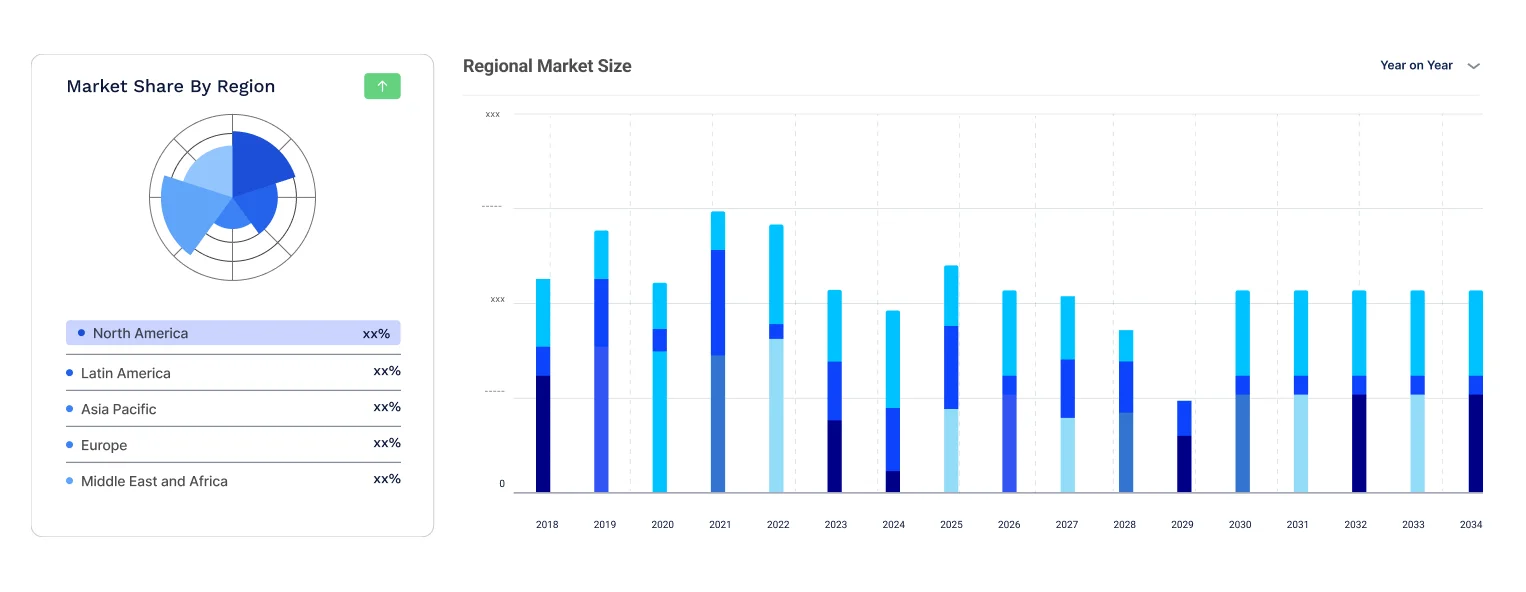
Europe maintains a leading position in the smart ports industry, with large ports such as Rotterdam, Hamburg, and Antwerp being at the forefront of automation and sustainability. The Port of Rotterdam uses digital twins and blockchain to maximize cargo handling and supply chain visibility. European ports are focused on environment compliance, employing smart lighting, green power programs, and energy-efficient systems as part of their smart infrastructure development. Europe also takes the lead in combining sustainability with technology in port modernization.
North America records an expanding market share with main ports, including Los Angeles, Long Beach, and Vancouver launching automated cranes, AI-terminal management, and blockchain pilot projects for secure cargo tracking. For example, in June 2024, PACECO Corp. launched the world's first hydrogen fuel cell–powered rubber-tired gantry crane at the Port of Los Angeles. Terminal automation, traffic management system, and cybersecurity investments also contribute to regional market expansion.
Major players in the smart ports market are adopting strategic measures for increasing efficiency, sustainability, and competitiveness. A major strategy is digitalization of port activities through superior technologies such as IoT, AI, machine learning, and big data analytics. Such technologies allow real-time monitoring, predictive maintenance, and decision-making based on data, minimizing delays and operational expenses. Another key area is automation of cargo handling, traffic management, and administrative operations to enhance turnaround time and reduce human intervention.
Sustainability is enabling players to invest in green technologies, such as electrified equipment, shore-to-ship power systems, and renewable energy sources to reduce carbon emissions and meet environmental regulations. Strategic collaborations and public-private partnerships are fostering innovation and expanding technological capabilities. Additionally, investment in robust cybersecurity measures is essential to protect critical digital infrastructure.
Founded in 1945 and headquartered in Bengaluru, India, Wipro Limited is a global leader in information technology, consulting, and business process services. Wipro is recognized for its commitment to sustainability and digital transformation across sectors, including its contributions to smart infrastructure solutions.
Accenture, established in 1989 and headquartered in Dublin, Ireland, is a global professional services company. Accenture has played a key role in modernizing port operations through advanced analytics, IoT integration, and strategic consulting services worldwide.
Founded in 1988 and headquartered in Zurich, Switzerland, ABB is a global technology leader in electrification and automation. ABB supports smart port development by delivering solutions that enhance efficiency, sustainability, and connectivity across maritime and industrial operations.
Ramboll Group A/S, founded in 1945 and based in Copenhagen, Denmark, is a leading engineering, design, and consultancy company. Ramboll has been instrumental in advancing smart port planning, environmental assessments, and integrating green technologies into maritime and urban development projects.
*Please note that this is only a partial list; the complete list of key players is available in the full report. Additionally, the list of key players can be customized to better suit your needs.*
Other players in the smart ports market are IBM Corporation, and Ikusi Redes de Telecomunicaciones, S.L., among others.
Unlock actionable insights with our Smart Ports Market Report 2026. Download your free sample now to explore current smart port technologies, regional forecasts, and emerging trends in port automation. Stay ahead with expert-driven research on AI, IoT, and sustainability shaping the smart ports market trends 2026. Maximize operational efficiency with strategic foresight, request your report today.


Upto 15% Off
USD
$2499 $2249
$3999 $3599
$4999 $4249
$5999 $5099


*While we strive to always give you current and accurate information, the numbers depicted on the website are indicative and may differ from the actual numbers in the main report. At Expert Market Research, we aim to bring you the latest insights and trends in the market. Using our analyses and forecasts, stakeholders can understand the market dynamics, navigate challenges, and capitalize on opportunities to make data-driven strategic decisions.*
Get in touch with us for a customized solution tailored to your unique requirements and save upto 35%!
In 2025, the market reached an approximate value of USD 3.81 Billion.
The market is projected to grow at a CAGR of 27.90% between 2026 and 2035.
The market is estimated to witness a healthy growth in the forecast period of 2026-2035 to reach about USD 44.63 Billion by 2035.
The key strategies driving the market include digitalization of port operations, adoption of IoT and AI technologies, automation for improved efficiency, integration of sustainable energy solutions, enhanced cybersecurity, and investment in smart infrastructure. These efforts aim to reduce costs, increase throughput, and improve environmental sustainability across global port operations.
The key trends guiding the market include the growing demand for efficient data-driven decision making technologies, rapid industrialisation, and the increasing number of mega ports.
The major regions in the market are North America, Latin America, the Middle East and Africa, Europe, and the Asia Pacific.
The leading technologies of smart ports in the market include process automation, internet of things, artificial intelligence, and blockchain, among others.
The significant element segments in the market are terminal automation and cargo handling, port community system, traffic management system, smart port infrastructure, and smart safety and security.
The major throughput capacity segments in the market are extensively busy, moderately busy, and scarcely busy.
Seaport and inland port, among others, are the various port types considered in the market report.
The key players in the market report include Wipro Limited, Accenture, ABB, Ramboll Group A/S, IBM Corporation, and Ikusi Redes de Telecomunicaciones, S.L., among others.
Seaports dominate the market due to their critical role in global trade and high cargo volumes.
Explore our key highlights of the report and gain a concise overview of key findings, trends, and actionable insights that will empower your strategic decisions.
| REPORT FEATURES | DETAILS |
| Base Year | 2025 |
| Historical Period | 2019-2025 |
| Forecast Period | 2026-2035 |
| Scope of the Report |
Historical and Forecast Trends, Industry Drivers and Constraints, Historical and Forecast Market Analysis by Segment:
|
| Breakup by Technology |
|
| Breakup by Element |
|
| Breakup by Throughput Capacity |
|
| Breakup by Ports Type |
|
| Breakup by Region |
|
| Market Dynamics |
|
| Competitive Landscape |
|
| Companies Covered |
|
| Report Price and Purchase Option | Explore our purchase options that are best suited to your resources and industry needs. |
| Delivery Format | Delivered as an attached PDF and Excel through email, with an option of receiving an editable PPT, according to the purchase option. |
Datasheet
One User
USD 2,499
USD 2,249
tax inclusive*
Single User License
One User
USD 3,999
USD 3,599
tax inclusive*
Five User License
Five User
USD 4,999
USD 4,249
tax inclusive*
Corporate License
Unlimited Users
USD 5,999
USD 5,099
tax inclusive*
*Please note that the prices mentioned below are starting prices for each bundle type. Kindly contact our team for further details.*
Flash Bundle
Small Business Bundle
Growth Bundle
Enterprise Bundle
*Please note that the prices mentioned below are starting prices for each bundle type. Kindly contact our team for further details.*
Flash Bundle
Number of Reports: 3
20%
tax inclusive*
Small Business Bundle
Number of Reports: 5
25%
tax inclusive*
Growth Bundle
Number of Reports: 8
30%
tax inclusive*
Enterprise Bundle
Number of Reports: 10
35%
tax inclusive*
How To Order

Select License Type
Choose the right license for your needs and access rights.

Click on ‘Buy Now’
Add the report to your cart with one click and proceed to register.

Select Mode of Payment
Choose a payment option for a secure checkout. You will be redirected accordingly.
Gain insights to stay ahead and seize opportunities.

Get insights & trends for a competitive edge.

Track prices with detailed trend reports.

Analyse trade data for supply chain insights.

Leverage cost reports for smart savings

Enhance supply chain with partnerships.

Connect For More Information
Our expert team of analysts will offer full support and resolve any queries regarding the report, before and after the purchase.
Our expert team of analysts will offer full support and resolve any queries regarding the report, before and after the purchase.
We employ meticulous research methods, blending advanced analytics and expert insights to deliver accurate, actionable industry intelligence, staying ahead of competitors.
Our skilled analysts offer unparalleled competitive advantage with detailed insights on current and emerging markets, ensuring your strategic edge.
We offer an in-depth yet simplified presentation of industry insights and analysis to meet your specific requirements effectively.





Share