

Consumer Insights
Uncover trends and behaviors shaping consumer choices today
Procurement Insights
Optimize your sourcing strategy with key market data
Industry Stats
Stay ahead with the latest trends and market analysis.

The global sesame seeds market was valued at USD 7.51 Billion in 2025. The industry is expected to grow at a CAGR of 2.30% during the forecast period of 2026-2035 to reach a value of USD 9.43 Billion by 2035.
The sesame seeds market growth is powered by rising demand for oil-rich superfoods and sustainable agricultural solutions. In the recent years, emerging economies have actively promoted sesame seed cultivation through digital traceability platforms, climate-resilient seed varieties, and blockchain-led export reforms. In India, the government’s Integrated Scheme for Oilseeds includes sesame under National Food Security Mission, offering cluster-based support and seed hubs across Telangana and Gujarat. According to industry reports, India exported over 600,000 tonnes in FY24, a 5% increase over the previous year, showing solid momentum.
Africa’s participation in the global sesame seeds market is also deepening. Ethiopia and Sudan are now integrating agri-drones and satellite soil scanning to modernise sesame farming. Ethiopia’s Agricultural Transformation Institute reported a significant increase in yield after AI-led seed monitoring tools were introduced in Amhara. Meanwhile, Japan’s soaring demand for white sesame is driving contract-farming partnerships in Nigeria and Tanzania, where solar-powered processing units are gaining traction for value-added exports.
Buyers across Europe and North America are now valuing non-GMO certification, carbon-neutral farming and deforestation-free sourcing in sesame trade agreements. This is shifting the global competitive landscape, away from volume-based trade toward traceability-led value chains, boosting the sesame seeds market development. High-protein sesame flour and spray-dried tahini powders are also disrupting conventional bakery and snack markets.
Base Year
Historical Period
Forecast Period
Compound Annual Growth Rate
2.3%
Value in USD Billion
2026-2035
*this image is indicative*
Blockchain is transforming the sesame seed supply chain by improving traceability and fraud prevention. Nigeria launched its National Blockchain Policy in 2023, which has encouraged sesame exporters to adopt QR-coded traceability platforms. Technological firms like Cimbria have helped automate sesame batch histories from farm-to-port in Benue and Nasarawa states. This digitisation ensures transparency for European importers enforcing stricter sustainability checks under the European Union Green Deal. Exporters leveraging blockchain see quicker clearances, reduced rejections, and premium pricing. Kenya has also piloted a blockchain traceability initiative with the UNDP to validate organic sesame exports to the Gulf, boosting confidence among halal-certified buyers.
Climate-smart sesame varieties are gaining increasing attention amid erratic rainfall and soil salinity, accelerating the sesame seeds market value. ICAR-Indian Institute of Oilseeds Research is developing high-yielding, drought-tolerant sesame strains, under the country’s climate adaptive oilseed initiative. These strains require less water and mature quicker, reducing crop losses in arid belts like Rajasthan and Karnataka. Uganda and Burkina Faso are similarly working with ICRISAT to develop resilient local breeds. Such cultivars help expand acreage in marginal lands, especially under agro-ecological farming missions that align with Zero Hunger goals, driving consistent supply without compromising soil health.
As per the sesame seeds market report, innovative processing methods are extracting new functional ingredients from sesame by-products. Food tech firms like Equinom in collaboration with Dipasa are developing high-protein defatted sesame flour for gluten-free applications. Similarly, Japan’s Nisshin Oillio is investing in microencapsulated lignans from sesame hulls for use in nutraceuticals. These side-opportunities tap into waste valorisation trends, reducing processing losses. Israel’s SESAME initiative, supported by the Innovation Authority, is commercialising sesame-based peptides for anti-inflammatory skincare. Such cross-industry innovations create fresh revenue streams and enable processors to sell beyond traditional tahini and oil, pushing the sesame market into novel consumer categories.
Modern post-harvest systems are improving sesame seed quality and export-readiness, accelerating the sesame seeds market revenue. Ethiopia’s Gonder region witnessed the rollout of solar-powered graders and optical colour sorters, funded by the African Development Bank. These setups reduce impurity levels. In Mexico, companies like Dipasa installed AI-led moisture control units to maintain uniform seed drying. Automation not only increases output but also ensures compliance with international standards. Moreover, machine-based hulling units are now being deployed in Uganda and Mozambique, offering smallholder processors better shelf-life outcomes and enabling contract tie-ups with global traders.
Contract farming is evolving from bulk procurement to precision-grade sesame seed sourcing. Olam International expanded its programme in Burkina Faso and India, where farmers receive digital soil health reports, customised fertiliser packs, and yield-linked bonuses. In addition, the company has introduced a programme to train 1,500 sesame farmers in Nigeria on efficient application of inputs has led to increases of up to 35% in yield, and reduced production costs. These initiatives lower rejection rates and ensure crop uniformity. In Tanzania, CRDB Bank introduced agricultural loans bundled with buy-back guarantees in partnership with food processors. Such models ensure predictable raw material pipelines for manufacturers while giving growers upfront pricing assurance.
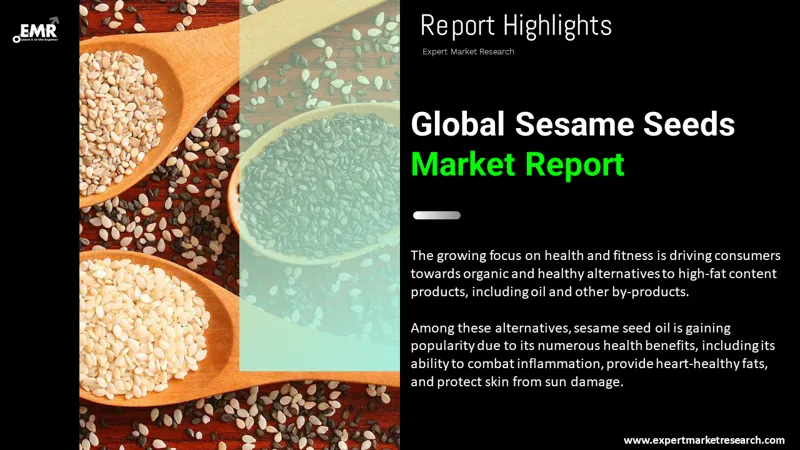
Read more about this report - REQUEST FREE SAMPLE COPY IN PDF
The EMR’s report titled “Global Sesame Seeds Market Report and Forecast 2026-2035” offers a detailed analysis of the market based on the following segments:
Market Breakup by Region
Key Insight: The Asia Pacific sesame market remains dominant in the global industry due to integrated farming systems and robust export infrastructure, particularly in India and China. Middle East and Africa are expanding rapidly with institutional and digital reforms transforming sesame into a high-value export. North America’s market grows steadily with focus on non-GMO, organic, and tahini-based innovation. Europe’s preference for sustainable, traceable sourcing drives imports from Africa and Asia. Latin America’s sesame production, notably in Paraguay and Mexico, is supported by automation and biotechnology adoption. Each region’s growth is shaped by a distinct blend of domestic consumption trends, export capacity, and regulatory ecosystems that determine its global influence.
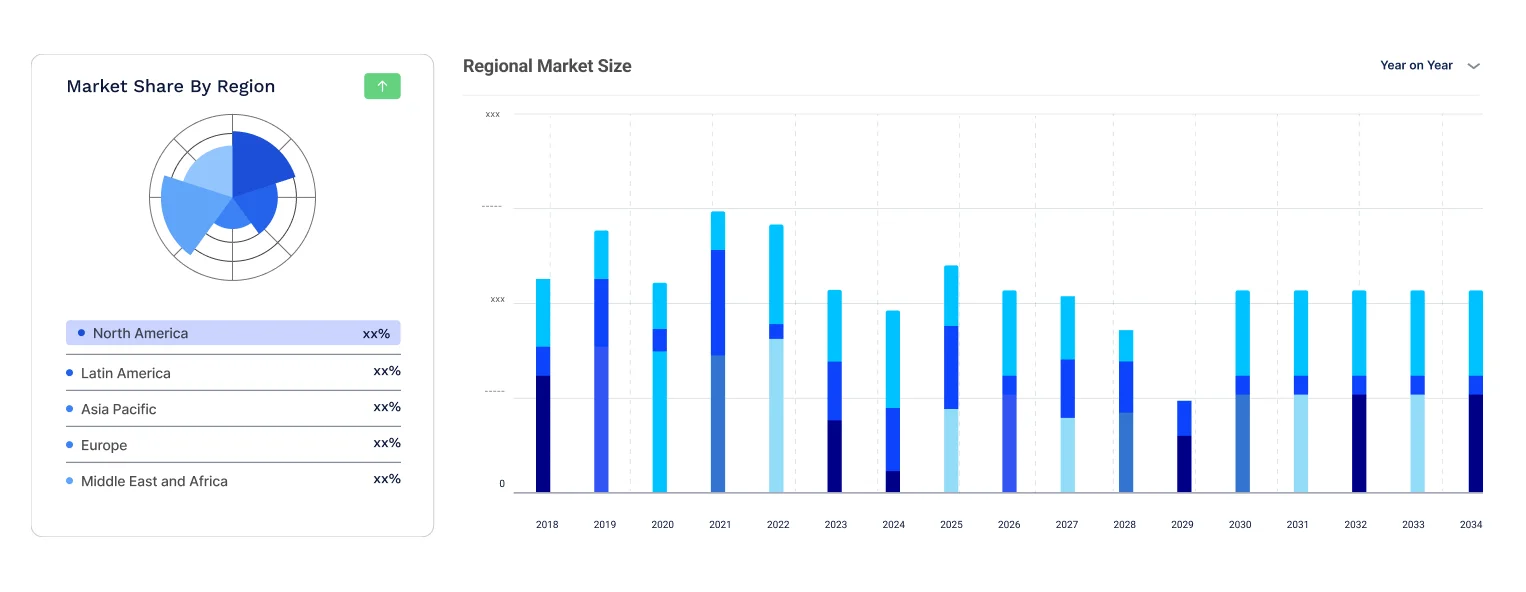
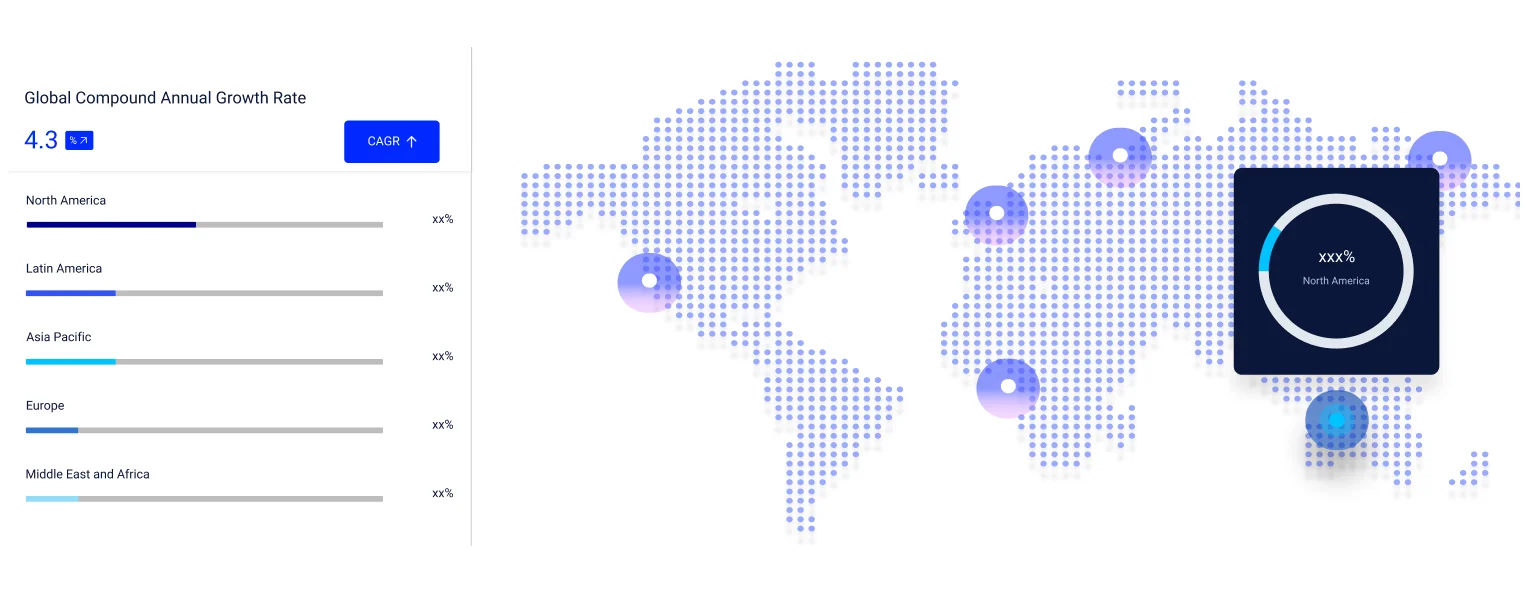
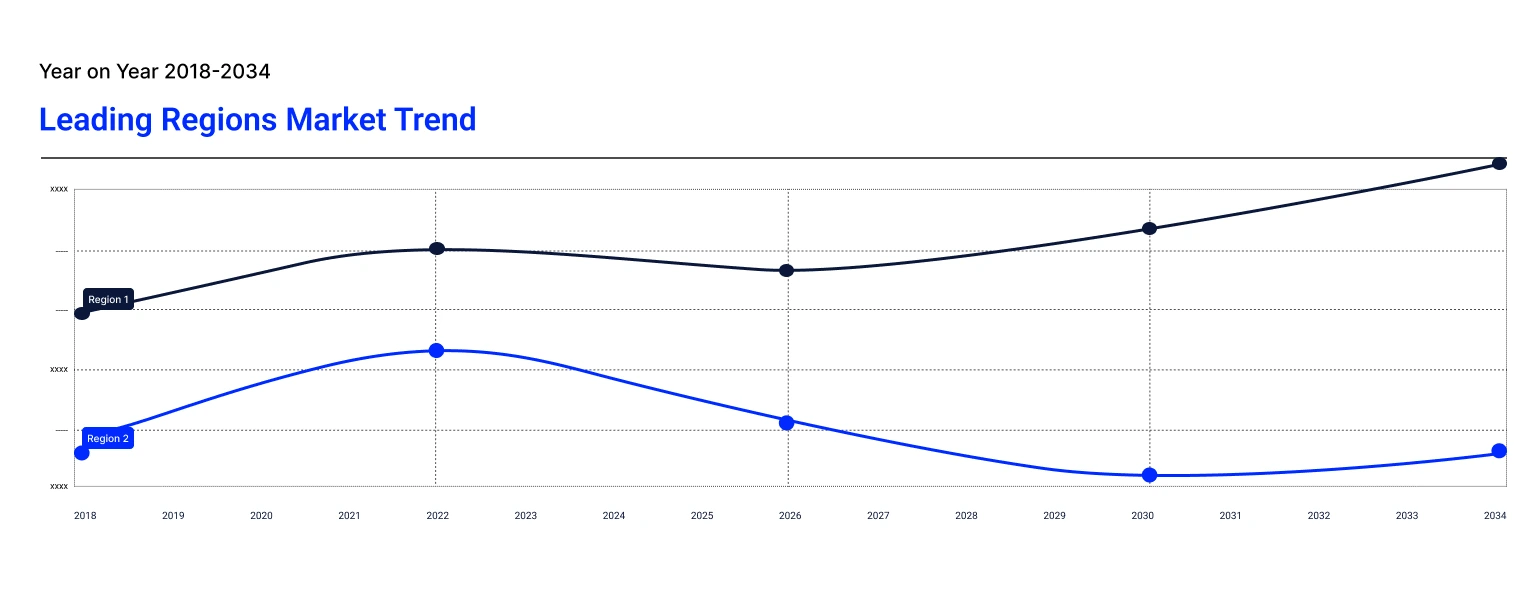
By Region, Asia Pacific Accounts for the Dominant Share of the Market
Asia Pacific continues to dominate the sesame seeds market owing to its large cultivation base, institutional support, and strong intra-regional demand. Myanmar and China lead exports, while India is benefiting from schemes like Rashtriya Krishi Vikas Yojana. The rise of sesame oil as a wellness product in Japan and South Korea further fuels demand. Additionally, Thailand and Vietnam are importing sesame for snack and sauce processing. Smart irrigation and mechanised harvesting in Tamil Nadu and Yunnan have enhanced yields by a significant extent. Agro-export zones and digital marketplaces like eNAM in India simplify trade formalities, attracting SMEs. Hence, the current market dynamics solidify the region's dominance on both volume and value fronts.
Middle East and Africa are emerging as the fastest-growing sesame seeds market, propelled by export-led agricultural reforms and climatic advantage. Sudan, Ethiopia, Nigeria, and Tanzania are scaling sesame production through initiatives like Ethiopia’s Home-Grown Economic Reform Agenda and Nigeria’s Anchor Borrowers’ Programme. Gulf nations, led by the UAE and Saudi Arabia, are increasing imports to meet rising demand for tahini, energy bars, and cold-pressed oils. Solar-powered hulling units and regional quality labs in Addis Ababa and Lagos are improving traceability. Export incentives, coupled with investments in agritech startups, are catalysing contract farming models across Sub-Saharan Africa.
Read more about this report - REQUEST FREE SAMPLE COPY IN PDF
The sesame seeds market players are focused on direct farm engagement, quality differentiation, and by-product innovation. Firms are investing in AI-backed agronomy tools and traceability software to meet evolving import regulations. Carbon-neutral and organic certifications are opening up premium export channels. Technological upgrades in hulling, cleaning, and packaging are enabling mid-sized firms to compete in value-added segments.
Blockchain traceability, climate-resilient seeds, contract farming, AI-led processing, and functional by-products are reshaping the global trade from bulk raw exports to value-driven, traceability-led supply chains. Innovation is also emerging in sesame-based functional ingredients like protein powders, nutraceutical lignans, and cold-pressed condiments. As processors move closer to farms, contract models and microfinancing schemes are opening up opportunities for new partnerships. With EU tightening its pesticide residue limits, and the Middle East demanding high-purity tahini inputs, sesame seeds companies are inclining towards to smarter, vertically integrated sourcing and sustainable farming practices to gain a clear competitive edge.
Established in 1989, headquartered in Singapore, Olam International runs contract sesame farming in India, Nigeria, and Burkina Faso under its “AtSource” sustainability programme. Its end-to-end model includes digital yield forecasting, climate analytics, and traceability apps for buyers.
Founded in 1974, Dipasa Europe B.V. produces refined sesame oils and gluten-free flours. Thr company runs an automated processing facility in Mexico and supports clean-label sesame innovation across EU bakeries and snack sectors.
Founded in 2008, Unicorn Ingredients focuses on importing cleaned, hulled sesame from India and Africa. It supplies to food manufacturers in the United Kingdom and Germany with strict quality, pesticide, and allergen control protocols.
Founded in 1995, headquartered in Gujarat, India, Virdhara specialises in export-grade sesame and spices. It offers sterilised, sortex-cleaned seeds with BRC and ISO certifications. The firm has expanded solar-powered hulling units in its contract clusters in Gujarat.
*Please note that this is only a partial list; the complete list of key players is available in the full report. Additionally, the list of key players can be customized to better suit your needs.*
Other key players in the market are Tradin Organic Agriculture B.V., and Akay Agro Allied, among others.
Explore the latest trends shaping the Sesame Seeds Market 2026-2035 with our in-depth report. Gain strategic insights, future forecasts, and key market developments that can help you stay competitive. Download a free sample report or contact our team for customized consultation on Sesame Seeds Market trends 2026.


Upto 15% Off
USD
$2499 $2249
$3999 $3599
$4999 $4249
$5999 $5099


*While we strive to always give you current and accurate information, the numbers depicted on the website are indicative and may differ from the actual numbers in the main report. At Expert Market Research, we aim to bring you the latest insights and trends in the market. Using our analyses and forecasts, stakeholders can understand the market dynamics, navigate challenges, and capitalize on opportunities to make data-driven strategic decisions.*
Get in touch with us for a customized solution tailored to your unique requirements and save upto 35%!
The market is projected to grow at a CAGR of 2.30% between 2026 and 2035.
Key strategies driving the market include expanding digital farm advisory, investing in by-product R&D, scaling blockchain tracking, enabling post-harvest tech upgrades, and strengthening certification processes.
The key sesame seeds market trends include growing demand from food industries, rising demand for variety of sesame seeds, antioxidant property, ability to resist unfavourable weather conditions, and rising applications in cosmetics and personal care products.
The major regional markets for sesame seeds are North America, Europe, Asia Pacific, Latin America, and the Middle East and Africa.
Sesame seeds are edible seeds obtained from sesamum indicum plant, considered to be one of the oldest oilseed crops in the world.
The health benefits of sesame seeds include lower cholesterol levels, aid in fighting infections, improved oral health, and aid in treating diabetes.
Sesame seeds can typically be harvested around 95-110 days after plantation of the crop, with drying taking place around 120-150 days after plantation.
The major market players, according to the report, are Olam International, Dipasa Europe B.V., Unicorn Ingredients Limited, Virdhara International, Tradin Organic Agriculture B.V., and Akay Agro Allied, among others.
In 2025, the sesame seeds market reached an approximate value of USD 7.51 Billion.
The key challenges are volatile weather, pesticide residue compliance, and limited traceability frameworks strain production and global trade partnerships.
Explore our key highlights of the report and gain a concise overview of key findings, trends, and actionable insights that will empower your strategic decisions.
| REPORT FEATURES | DETAILS |
| Base Year | 2025 |
| Historical Period | 2019-2025 |
| Forecast Period | 2026-2035 |
| Scope of the Report |
Historical and Forecast Trends, Industry Drivers and Constraints, Historical and Forecast Market Analysis by Segment:
|
| Breakup by Region |
|
| Market Dynamics |
|
| Competitive Landscape |
|
| Companies Covered |
|
Datasheet
One User
USD 2,499
USD 2,249
tax inclusive*
Single User License
One User
USD 3,999
USD 3,599
tax inclusive*
Five User License
Five User
USD 4,999
USD 4,249
tax inclusive*
Corporate License
Unlimited Users
USD 5,999
USD 5,099
tax inclusive*
*Please note that the prices mentioned below are starting prices for each bundle type. Kindly contact our team for further details.*
Flash Bundle
Small Business Bundle
Growth Bundle
Enterprise Bundle
*Please note that the prices mentioned below are starting prices for each bundle type. Kindly contact our team for further details.*
Flash Bundle
Number of Reports: 3
20%
tax inclusive*
Small Business Bundle
Number of Reports: 5
25%
tax inclusive*
Growth Bundle
Number of Reports: 8
30%
tax inclusive*
Enterprise Bundle
Number of Reports: 10
35%
tax inclusive*
How To Order

Select License Type
Choose the right license for your needs and access rights.

Click on ‘Buy Now’
Add the report to your cart with one click and proceed to register.

Select Mode of Payment
Choose a payment option for a secure checkout. You will be redirected accordingly.
Gain insights to stay ahead and seize opportunities.

Get insights & trends for a competitive edge.

Track prices with detailed trend reports.

Analyse trade data for supply chain insights.

Leverage cost reports for smart savings

Enhance supply chain with partnerships.

Connect For More Information
Our expert team of analysts will offer full support and resolve any queries regarding the report, before and after the purchase.
Our expert team of analysts will offer full support and resolve any queries regarding the report, before and after the purchase.
We employ meticulous research methods, blending advanced analytics and expert insights to deliver accurate, actionable industry intelligence, staying ahead of competitors.
Our skilled analysts offer unparalleled competitive advantage with detailed insights on current and emerging markets, ensuring your strategic edge.
We offer an in-depth yet simplified presentation of industry insights and analysis to meet your specific requirements effectively.





Share