

Consumer Insights
Uncover trends and behaviors shaping consumer choices today
Procurement Insights
Optimize your sourcing strategy with key market data
Industry Stats
Stay ahead with the latest trends and market analysis.

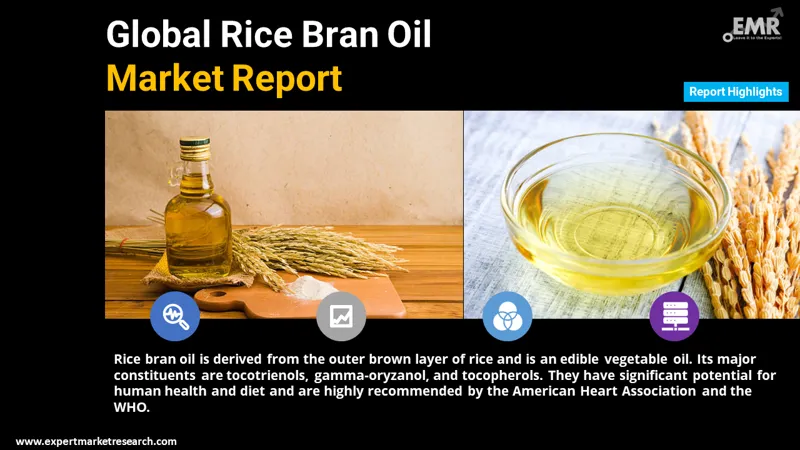
The global rice bran oil market attained a volume of 1.77 Million Tons in 2025. Growing consumer preference for cleaner label oils is compelling food manufacturers and private labels to incorporate rice bran oil, owing to its neutral flavour and naturally occurring antioxidants like oryzanol. In turn, the market is expected to grow at a CAGR of 2.40% during the forecast period of 2026-2035 to reach a volume of 2.24 Million Tons by 2035.
The continuous market growth is powered by the demand for heart-friendly edible oils and industrial applications in cosmetics and lubricants. In October 2024, the National Mission on Edible Oils-Oilseeds (NMEO-Oilseeds), a historic project to increase domestic oilseed production, was authorised by the Indian Union Cabinet. In addition to increasing the efficiency of collection and extraction from secondary sources like cottonseed, rice bran, and tree-borne oils, the initiative has left a significant supply chain gap with untapped potential. This is considerably drawing investments from food-tech start-ups and chemical manufacturers alike.
India and Japan remain at the forefront of the rice bran oil industry, with India’s government extending support via schemes like the Technology Mission on Oilseeds and Pulses (TMOP), which promotes rice bran oil production through decentralised units. Meanwhile, Japan, where rice bran oil enjoys long-standing culinary relevance, is leveraging advanced enzymatic degumming technology to produce higher yield and improve oxidative stability, ideal for export to European markets sensitive to shelf-life concerns.
The rising consumer awareness and the use of enzyme-based extraction and molecular distillation to enhance oil quality and eliminate anti-nutrients is further reshaping the market dynamics. These innovations not only increase extraction yield but also maintain tocopherol and oryzanol content, essential for cholesterol management and metabolic regulation. Players like Ricela and RiceBran Technologies are now integrating AI-based moisture monitoring in storage and production to limit rancidity issues.
Base Year
Historical Period
Forecast Period
Food processors increasingly demand healthier alternatives to oil. Providing bulk rice bran oil to food processors places B2B businesses in a position to obtain long-term agreements and stable demand, guaranteeing steady revenue and margin levels.
B2B businesses can partner with retail brands for private labeling of rice bran oil. This enables businesses to produce at an efficient scale while leveraging established consumer pools, enhancing profitability without incurring direct brand-building costs, thereby increasing the growth of the rice bran oil market.
Providing refined, cold-pressed, or fortified variations of rice bran oil enables B2B businesses to meet diversified industrial requirements. These value-added versions fetch better prices and enhance competitiveness in local and overseas markets.
Compound Annual Growth Rate
2.4%
Value in Million Tons
2026-2035
*this image is indicative*
Read more about this report - REQUEST FREE SAMPLE COPY IN PDF
Conventional solvent-based extraction of rice bran oil leads to quality loss. However, enzymatic extraction technologies are now revolutionising the rice bran oil market dynamics. This innovation meets rising demand for non-GMO and minimally processed oils in Europe. Moreover, enzymes are sourced from green biotechnology, reducing reliance on harsh chemicals. The trend is drawing attention from nutraceutical players like Ricela Group, BCL Industries Ltd., Cargill Inc., and 3F Industries Ltd., aiming to preserve antioxidant content. Backed by government R&D subsidies in Japan and South Korea, this method is gaining traction across Asia Pacific and gradually in European Union markets.
Rice bran oil is penetrating the bio-lubricant and cosmetic sectors. Among many other vegetable oils, rice bran oil is proven to be an ideal option for a base stock for industrial lubricants owing to its fatty acid makeup, which produces excellent tribological qualities. The Philippines Department of Science and Technology (DOST) co-funded a programme in August 2024 focusing on RBO’s use in bioplastics and surfactants. These new frontiers are opening rice bran oil market opportunities. As sustainability mandates intensify across Europe, bio-alternatives like RBO derivatives are aligning with green procurement policies, especially in automotive and packaging industries.
India’s push for Atmanirbhar Bharat is indirectly benefitting the global market. Such initiatives have given rise to the Mega Food Park Scheme, which is based on the "Cluster" strategy. This development aims to construct modern food processing facilities in the park's industrial plots with a proven supply chain by building state-of-the-art support infrastructure in a clearly defined agri-horticultural zone. Additionally, RBO (rice bran oil) was included in the FSSAI’s list of healthy edible oils under its ‘Eat Right Movement’. These developments, supported by subsidies and training programmes, are encouraging SMEs to adopt modern production models. Moreover, the localisation of supply chains is stimulating regional economies while satisfying national demand for heart-healthy oils.
Urban consumers are shifting towards functional oils rich in phytosterols and antioxidants, boosting the demand in the rice bran oil market. Supermarkets across London and Manchester have added premium RBO variants from India and Japan. This shift is fuelling private label launches and import opportunities. Furthermore, QR-code-based traceability and nutrition scores are emerging on RBO packaging, offering transparency, a growing concern in the European Union and United Kingdom food retail space.
To ensure shelf-stability and quality, firms are embedding IoT sensors in storage units to monitor humidity and temperature, crucial for avoiding rancidity. For example, in order to promote high-yielding and climate-smart rice hybrids and enhance food security and sustainable agriculture, in March 2025, the International Rice Research Institute (IRRI) introduced a new AI-powered digital platform that can advance and speed up hybrid rice breeding and parental selection globally. Such tech-led innovations are reshaping operational efficiency and appeal especially to export-oriented manufacturers.
Read more about this report - REQUEST FREE SAMPLE COPY IN PDF
The EMR’s report titled “Global Rice Bran Oil Market Report and Forecast 2026-2035” offers a detailed analysis of the market based on the following segments:
Market Breakup by End Use
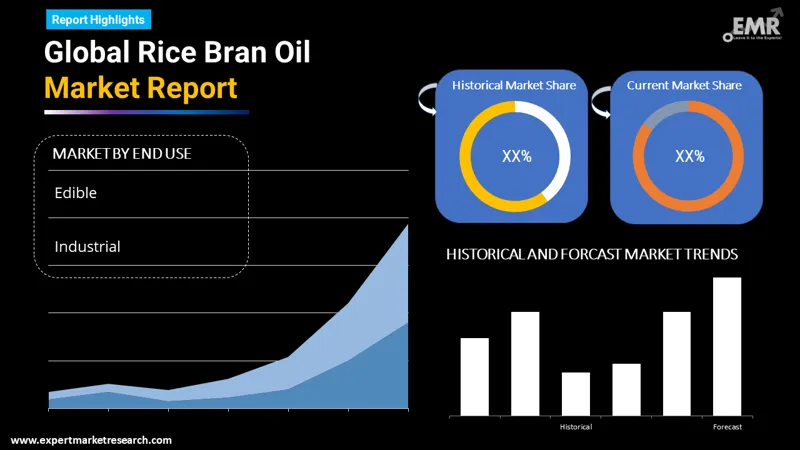
Key Insight: The global market report is segmented into edible and industrial uses, each gaining traction for distinct reasons. Edible use remains dominant, driven by consumer health consciousness and government nutritional endorsements. Industrial applications, though smaller in base, are fast growing in popularity due to innovation in cosmetics and biodegradable lubricants. As sustainability and functionality converge, both categories are expanding beyond traditional geographies and entering new end-use categories. Companies are now focusing on dual-stream processing facilities to cater to both categories, maximising byproduct utility and market reach while ensuring compliance with evolving international standards.
Market Breakup by Region
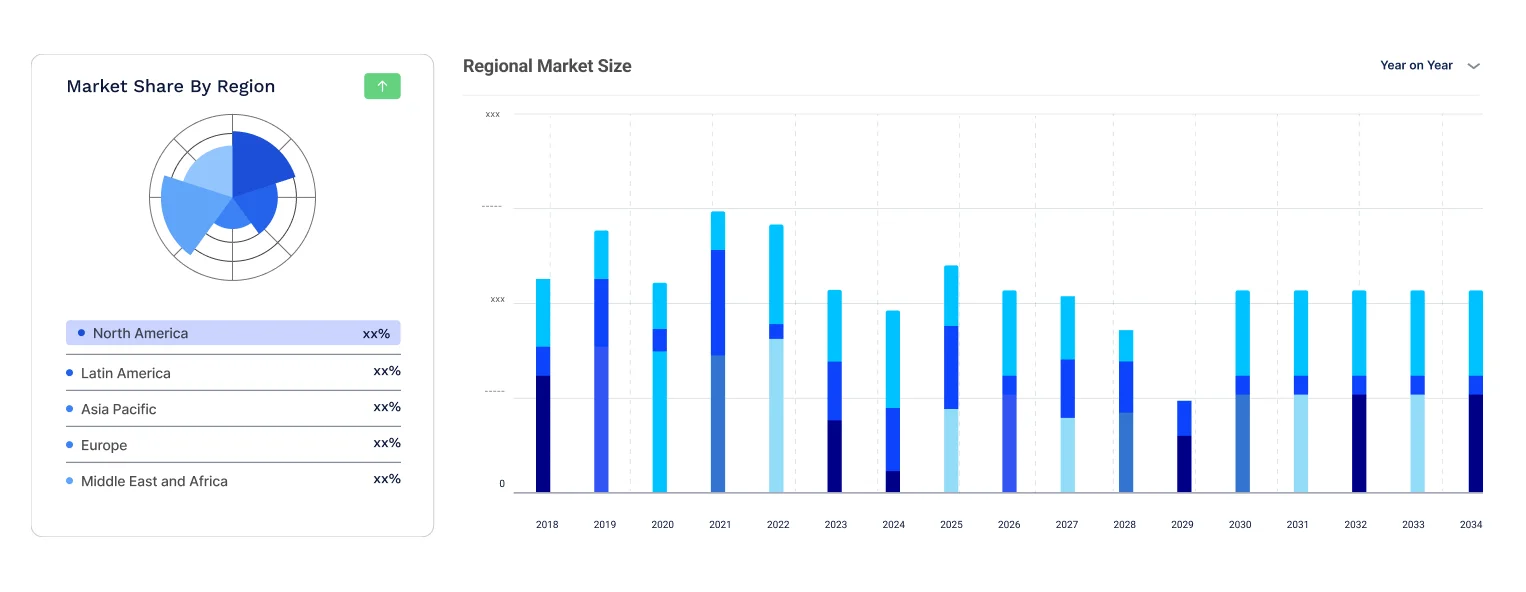
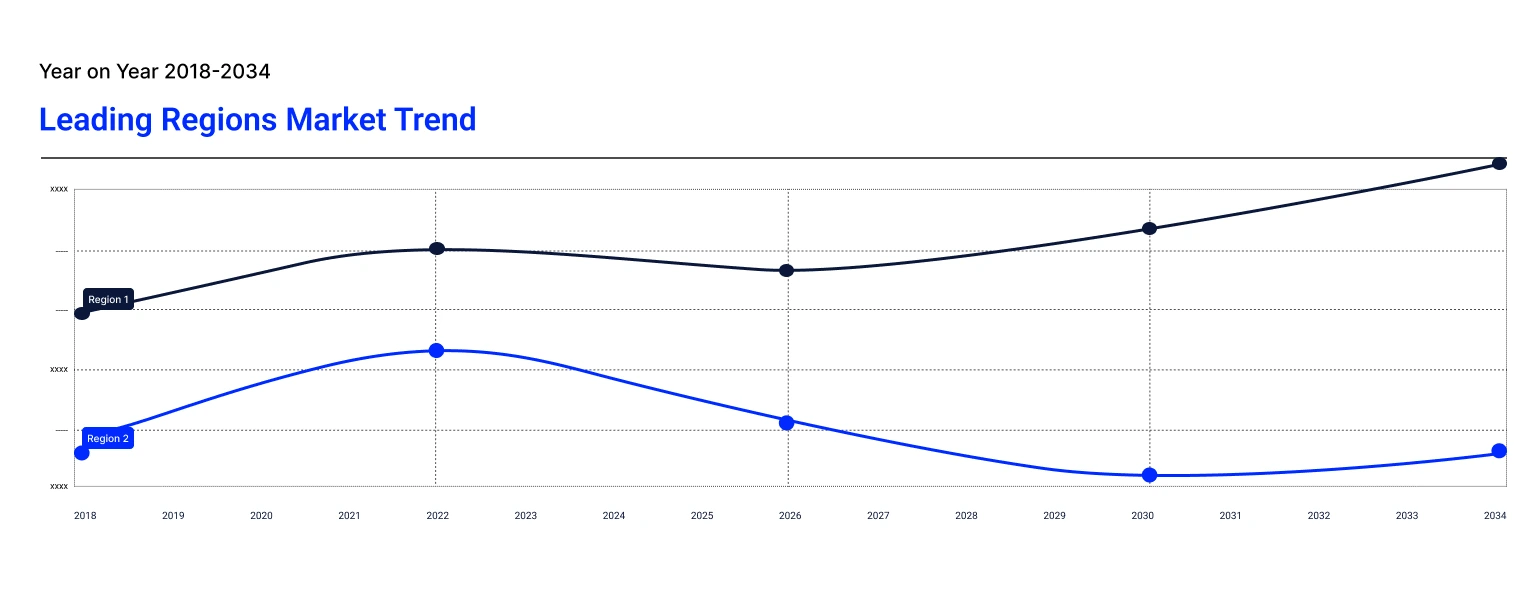
Key Insight: The rice bran oil industry spans across Asia Pacific, Europe, North America, Latin America, and the Middle East & Africa. Asia Pacific leads the industry due to supply-side advantages, while Europe is booming with clean-label demand. North America is driven by the organic and gourmet demand, whereas Latin America is experiencing interest from biodiesel producers. In the Middle East, the halal-certified RBO market is growing. Each region's trajectory is shaped by health trends, industrial R&D, and trade regulations. Players are customising processing and packaging to suit regional mandates, enabling deeper penetration and diversified applications.
Read more about this report - REQUEST FREE SAMPLE COPY IN PDF
By End Use, the Edible Category Accounts for the Dominant Share of the Market
The edible segment dominates in the global market due to the oil’s health benefits and affordability. In India, brands like Fortune and Emami Agrotech have successfully positioned RBO as a heart-friendly oil, supported by FSSAI’s endorsement. Nutraceuticals firms like ORYZA OIL & FAT CHEMICAL CO., LTD. and RCM Consumer Products Pvt. Ltd. are launching cholesterol-lowering supplements using γ-oryzanol derived from edible-grade RBO. Moreover, the United Kingdom-based B2B food service companies have begun importing it as a frying oil due to its high smoke point and light flavour. These factors have sustained its position across QSRs, home kitchens, and health-focused food brands, while accelerating the overall rice bran oil market revenue.
Industrial applications of the oil are expanding rapidly, especially in biodegradable lubricants, cosmetics, and surfactants. The Philippines and Vietnam are witnessing a growing trend of commercialising rice bran wax for lipstick and skincare emulsifiers. In the European Union, rice bran oil derivatives have gained REACH compliance, unlocking new opportunities. With the global push towards petroleum-free ingredients, RBO’s high oxidative stability has become an asset. Even in non-cosmetic B2B sectors like hydraulic systems and bioplastics, its potential is being explored, with R&D grants pouring in across ASEAN nations and Germany.
By Region, Asia Pacific Registers the Leading Position in the Market
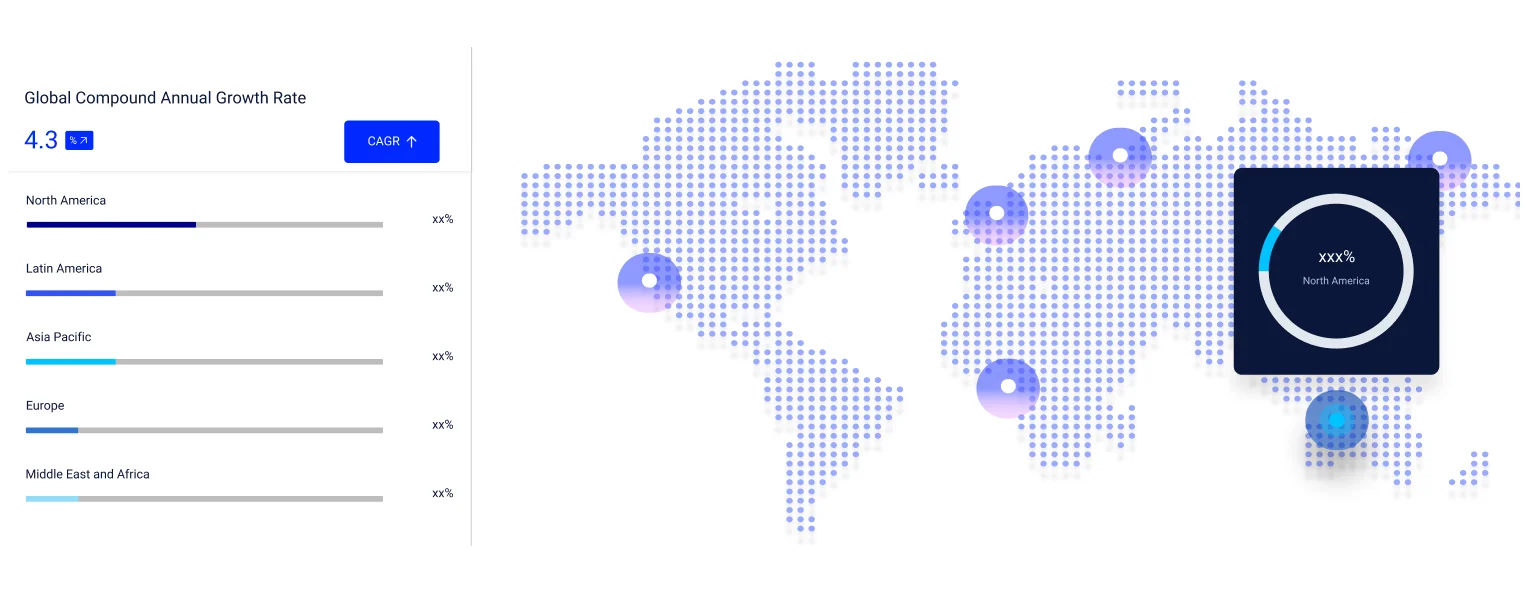
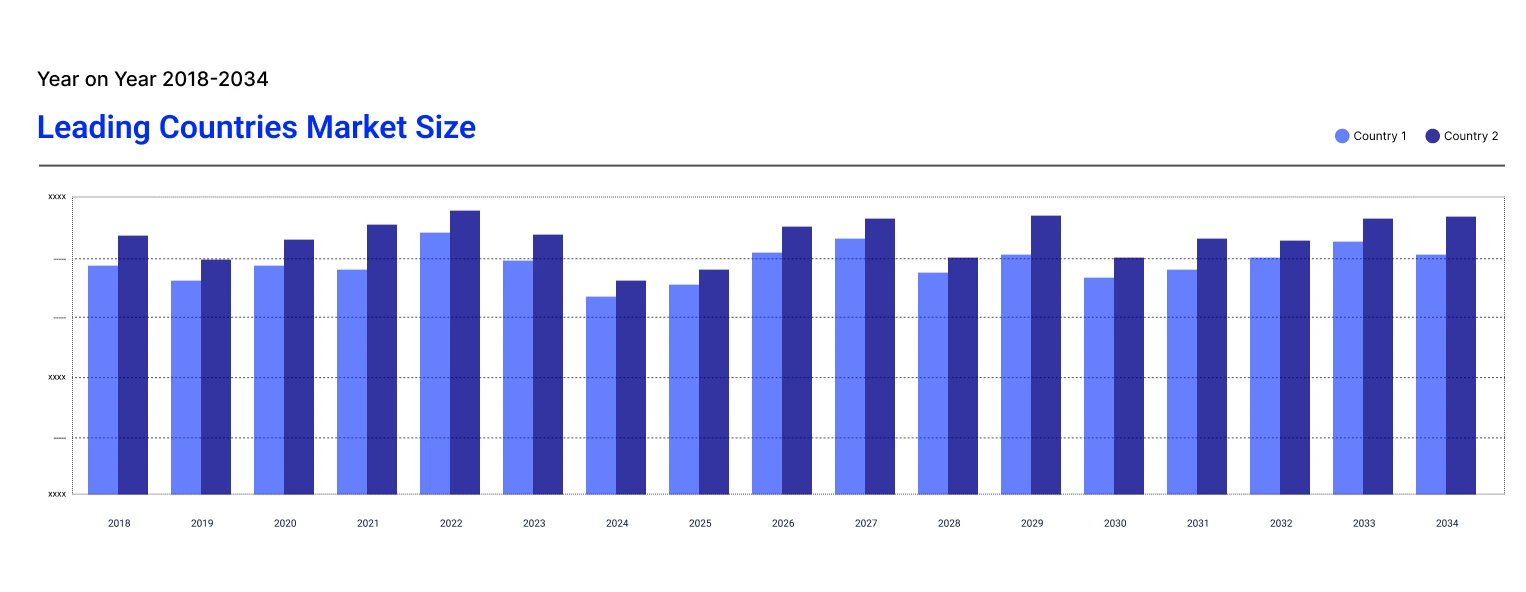
India and Japan are the leading countries, boosting the Asia Pacific market, due to established rice milling infrastructure and cultural preference for RBO. India’s TMOP programme and Japan’s tech-driven refining innovations are supporting large-scale processing. With regional trade agreements like RCEP in place, intra-Asia trade of rice bran oil and its derivatives is expected to intensify.
Europe significantly boosts the rice bran oil consumption, due to increasing demand for clean-label and plant-based ingredients. This oil gained traction in Germany, the United Kingdom, and Italy for use in vegan foods and sustainable cosmetics. Regulatory clarity under EFSA and REACH for rice bran derivatives has further encouraged imports. Companies are now investing in local bottling facilities using bulk imports from Asia, enabling shorter lead times and improved shelf life, appealing particularly to B2B distributors in food and cosmetics sectors.
Leading rice bran oil market players like Ricela, Marico, and RiceBran Technologies are investing in tech-led process optimisation, such as AI-based spoilage prediction and membrane filtration. There is also a visible trend of vertical integration, from rice mills to refined oil bottling, to secure quality and control costs. Key market trends include enzymatic extraction, AI in processing, industrial RBO for cosmetics, regional policy support for local oil sourcing, and eco-lubricants development.
Moreover, rice bran oil companies in Japan and South Korea are exploring micro-refining units for small-scale producers, unlocking rural B2B supply chains. Meanwhile, European firms are forming strategic import alliances to meet sustainability targets. Opportunities lie in proprietary RBO derivatives for pharma and cosmetic use, particularly in REACH-compliant geographies. Firms that invest in traceability and transparency technology such as blockchain-powered sourcing logs, are likely to build B2B trust and brand differentiation.
Ricela Health Foods Ltd, founded in 1993 in India, is an oil major that produces rice bran oil products in various forms, ranging from refined and fortified types. The organisation focuses on health advantages, seeking to offer healthy cooking oils for the hearts of customers.
DELEKANG, a 1989-established Chinese company, has expertise in manufacturing quality rice bran oil in cold-pressed and organic forms. DELEKANG aims to supply natural, healthy oils to health-oriented consumers with a well-established brand in domestic as well as overseas markets.
Gustav Heess GmbH, founded in 1851 and based in Germany, manufactures high-quality rice bran oil for food, cosmetic, and pharmaceutical applications. The firm provides refined and unrefined oil varieties, with an emphasis on supplying natural, high-quality oils to various markets around the world.
Kasisuri Co., Ltd., headquartered in Thailand and established in 2004, sells rice bran oil in numerous product forms such as cooking oil and specialty oil. Its products emphasise healthy, high-quality oil and distribute within the local as well as export markets in high-grade versions.
*Please note that this is only a partial list; the complete list of key players is available in the full report. Additionally, the list of key players can be customized to better suit your needs.*
Explore the latest trends shaping the global rice bran oil market 2026-2035 with our in-depth report. Gain strategic insights, future forecasts, and key market developments that can help you stay competitive. Download a free sample report or contact our team for customised consultation on rice bran oil market trends 2026.
Latin America Vegetable Oil Market
South Korea Rice Bran Oil Market
Latin America Palm Oil Market
Reserve Crude Oil Market
Vegetable Oil Market
Soybean Oil Market
Peanut Oil Market
Castor Oil Market
Jojoba Oil Market
Palm Oil Market


Upto 15% Off
USD
$2499 $2249
$3999 $3599
$4999 $4249
$5999 $5099


*While we strive to always give you current and accurate information, the numbers depicted on the website are indicative and may differ from the actual numbers in the main report. At Expert Market Research, we aim to bring you the latest insights and trends in the market. Using our analyses and forecasts, stakeholders can understand the market dynamics, navigate challenges, and capitalize on opportunities to make data-driven strategic decisions.*
Get in touch with us for a customized solution tailored to your unique requirements and save upto 35%!
In 2025, the rice bran oil market reached an approximate volume of 1.77 Million Tons.
The market is projected to grow at a CAGR of 2.40% between 2026 and 2035.
The market is estimated to witness healthy growth in the forecast period of 2026-2035 to reach a volume of around 2.24 Million Tons by 2035.
Key strategies driving the market include building decentralised units, adopting green extraction methods, co-developing industrial formulations, expanding region-specific marketing, and integrating AI-led storage monitoring to ensure quality control and reduce post-harvest losses.
The rising penetration of the product in developed and emerging due to aggressive marketing campaigns is a leading trend expected to guide the market growth.
The Asia Pacific is the leading in the market for the product. North America, Europe, Latin America, and the Middle East and Africa are the other major regions in the market.
The major end-use sector in the market is the edible sector.
The major players in the global rice bran oil market are Ricela Health Foods Ltd, DELEKANG, Gustav Heess GmbH, and Kasisuri Co., Ltd., among others.
The key challenges are susceptibility to rancidity, low awareness in non-Asian markets, and unstable raw material pricing due to seasonal rice production variations.
Explore our key highlights of the report and gain a concise overview of key findings, trends, and actionable insights that will empower your strategic decisions.
| REPORT FEATURES | DETAILS |
| Base Year | 2025 |
| Historical Period | 2019-2025 |
| Forecast Period | 2026-2035 |
| Scope of the Report |
Historical and Forecast Trends, Industry Drivers and Constraints, Historical and Forecast Market Analysis by Segment:
|
| Breakup by End Use |
|
| Breakup by Region |
|
| Market Dynamics |
|
| Competitive Landscape |
|
| Companies Covered |
|
| Report Price and Purchase Option | Explore our purchase options that are best suited to your resources and industry needs. |
| Delivery Format | Delivered as an attached PDF and Excel through email, with an option of receiving an editable PPT, according to the purchase option. |
Datasheet
One User
USD 2,499
USD 2,249
tax inclusive*
Single User License
One User
USD 3,999
USD 3,599
tax inclusive*
Five User License
Five User
USD 4,999
USD 4,249
tax inclusive*
Corporate License
Unlimited Users
USD 5,999
USD 5,099
tax inclusive*
*Please note that the prices mentioned below are starting prices for each bundle type. Kindly contact our team for further details.*
Flash Bundle
Small Business Bundle
Growth Bundle
Enterprise Bundle
*Please note that the prices mentioned below are starting prices for each bundle type. Kindly contact our team for further details.*
Flash Bundle
Number of Reports: 3
20%
tax inclusive*
Small Business Bundle
Number of Reports: 5
25%
tax inclusive*
Growth Bundle
Number of Reports: 8
30%
tax inclusive*
Enterprise Bundle
Number of Reports: 10
35%
tax inclusive*
How To Order

Select License Type
Choose the right license for your needs and access rights.

Click on ‘Buy Now’
Add the report to your cart with one click and proceed to register.

Select Mode of Payment
Choose a payment option for a secure checkout. You will be redirected accordingly.
Gain insights to stay ahead and seize opportunities.

Get insights & trends for a competitive edge.

Track prices with detailed trend reports.

Analyse trade data for supply chain insights.

Leverage cost reports for smart savings

Enhance supply chain with partnerships.

Connect For More Information
Our expert team of analysts will offer full support and resolve any queries regarding the report, before and after the purchase.
Our expert team of analysts will offer full support and resolve any queries regarding the report, before and after the purchase.
We employ meticulous research methods, blending advanced analytics and expert insights to deliver accurate, actionable industry intelligence, staying ahead of competitors.
Our skilled analysts offer unparalleled competitive advantage with detailed insights on current and emerging markets, ensuring your strategic edge.
We offer an in-depth yet simplified presentation of industry insights and analysis to meet your specific requirements effectively.





Share