

Consumer Insights
Uncover trends and behaviors shaping consumer choices today
Procurement Insights
Optimize your sourcing strategy with key market data
Industry Stats
Stay ahead with the latest trends and market analysis.

The global procurement software market size was valued at USD 8.30 Billion in 2025. The industry is expected to grow at a CAGR of 12.00% during the forecast period of 2026-2035 to reach a value of USD 25.78 Billion by 2035.
The procurement software market is currently undergoing a structural shift as digital transformation and cost-optimisation pressures become non-negotiables for enterprises. From supplier collaboration to contract automation, businesses are rapidly adopting platforms that offer more than spend management. A new Central Digital Platform, launched in 2025, has transformed public sector procurement in the United Kingdom, highlighting rising adoption at scale.
As per the procurement software market analysis, nearly 30 to 40% reduction in procurement cycle time can be executed via AI-driven platforms. Markets such as India and Singapore are leveraging AI, NLP, and blockchain to streamline tendering processes, enforce vendor compliance, and reduce fraud. According to the data from the Australian Bureau of Statistics (ABS), the number of Financial and Insurance Services businesses in Australia has increased by 2.8% in 2022-2023, significantly driving the demand as it will simplify processes and activities.
The procurement software market is seeing traction from mid-sized firms seeking modular procurement stacks, while larger enterprises are prioritising supplier diversity algorithms, ESG integration, and hyperlocal sourcing analytics. Innovations like generative AI for RFP creation, autonomous negotiations, and predictive vendor performance scoring are redefining the application of procurement software beyond basic ERP plug-ins.
Base Year
Historical Period
Forecast Period
The manufacturing sector's net turnover in the EU business economy reached 8.3 trillion, up 16% from 2020.
Germany automotive industry generated a total revenue volume of EUR410.9 billion in 2021 increased by 8% from 2020.
As per the National Retail Foundation, the United States has annual retail sales growth of $5.1 trillion in 2023.
Compound Annual Growth Rate
12%
Value in USD Billion
2026-2035
*this image is indicative*
Procurement teams are experimenting with generative AI to auto-draft RFPs and streamline documentation. Companies in the procurement software market like JAGGAER and Ivalua are offering AI extensions that generate custom RFX templates by analysing past contracts and compliance frameworks. This is especially transformative for public sector bodies that are restricted by fixed templates and deadlines. AI-backed auto-suggestion tools for scoring criteria, bid evaluation, and pricing benchmarks are making procurement software a strategic partner in decision-making, rather than a digital ledger.
The EU Corporate Sustainability Reporting Directive (CSRD) has accelerated the integration of ESG compliance modules into procurement platforms, boosting further development in the procurement software market. SAP Ariba’s ESG risk profiler and Coupa’s Scope 3 emissions tracker are being deployed across large FMCG chains in Germany and France. This trend is catalysed by investor pressure and government mandates. For example, Sweden’s Public Procurement Act requires suppliers to declare environmental impact, making ESG-ready procurement systems a necessity.
Procurement systems using blockchain are emerging as game-changers in vendor validation. IBM’s Trust Your Supplier (TYS) blockchain platform is being increasingly onboarded by global firms for real-time supplier onboarding and compliance audit trails, shaping up the procurement software market dynamics. Smart contracts embedded into procurement software are automating payments, tracking delivery milestones, and triggering penalties for non-performance. Singapore’s InfoComm Media Development Authority (IMDA) is supporting blockchain pilots in B2B procurement under its Open Innovation Platform. These efforts aim to lower procurement fraud risks while fostering transparent multi-tier supplier relationships across the Asia Pacific region.
Software vendors are rolling out verticalised procurement solutions tailored to industries like pharma, construction, and aerospace, increasing the scope of the procurement software market expansion. For instance, Medius recently launched a life sciences procurement suite with compliance workflows tailored for FDA regulations. Construction firms are embracing systems that integrate real-time pricing for volatile materials like steel or cement. This trend reflects growing demand for procurement software that caters to sector-specific challenges.
Demand for procurement software is increasing rapidly, as these are being equipped with predictive analytics to assess supply chain disruptions, pricing volatility, and geopolitical risks. Tools like Zycus’ iRisk and Oracle’s Procurement Cloud now integrate supplier intelligence feeds with geopolitical data. The U.S. Department of Defence, for instance, is trialling AI-driven procurement dashboards to manage defence supplier dependencies. These platforms not only enable proactive supplier diversification but also allow procurement managers to simulate “what-if” scenarios before committing to long-term contracts.
Read more about this report - REQUEST FREE SAMPLE COPY IN PDF
The EMR’s report titled “Global Procurement Software Market Report and Forecast 2026-2035” offers a detailed analysis of the market based on the following segments:
Market Breakup by Deployment
Key Insight: The deployment segmentation of the procurement software market report showcases a clear divide: while large entities with complex security needs gravitate toward on-premises procurement systems for tighter control, cloud solutions are fast becoming the ideal option for agile, cost-sensitive firms. On-premises deployment offers custom workflows and full ownership, particularly valued in defence and public sector spaces. Meanwhile, cloud platforms provide unmatched scalability, collaborative features, and AI add-ons that are attracting fast-growing organisations across sectors.
Market Breakup by End Use
Key Insight: Retail continues to dominate the global procurement software market due to its fast-moving supply chains and high-volume vendor transactions. Healthcare is gaining momentum due to digital mandates and public sector reforms. Manufacturing relies on procurement systems for BOM alignment and raw material cost forecasts, while transportation and logistics firms benefit from automated freight procurement and carrier scorecards. Food and beverage sectors adopt procurement platforms for inventory freshness, compliance, and contract farming. The ‘others’ category including education, public works, and hospitality, leans on procurement tools for budget control and vendor visibility.
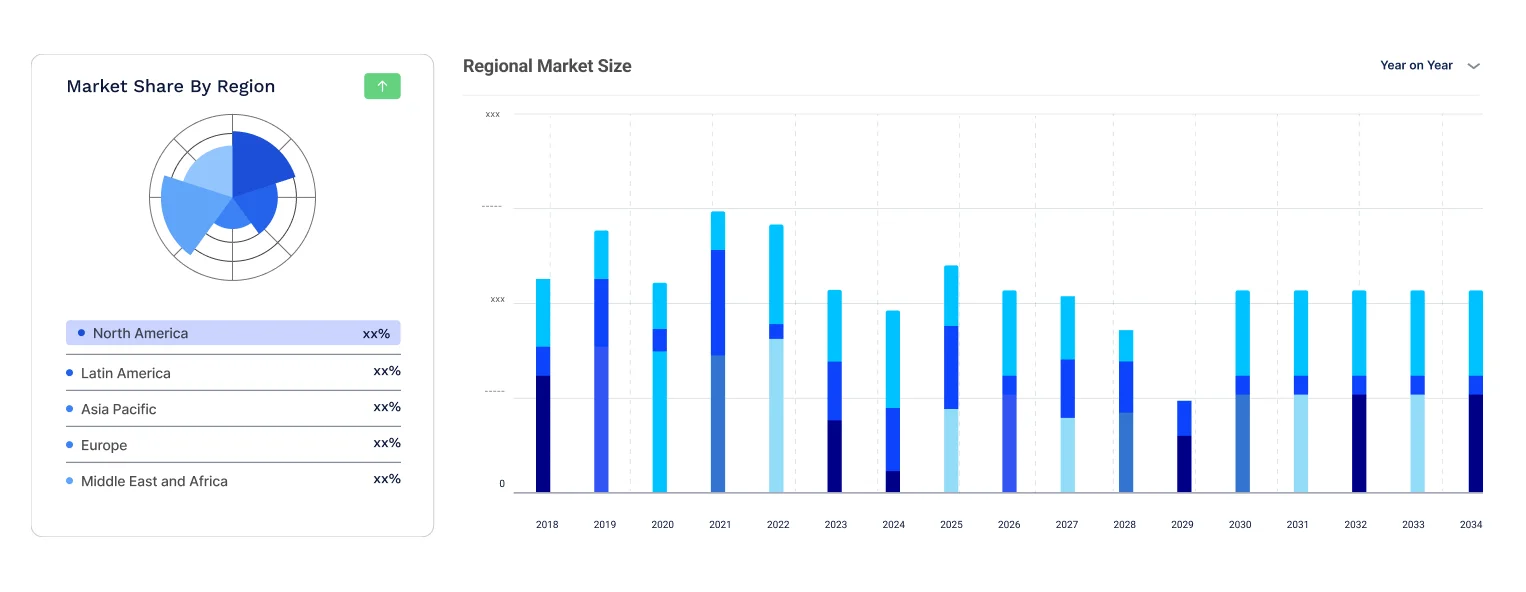
Market Breakup by Region
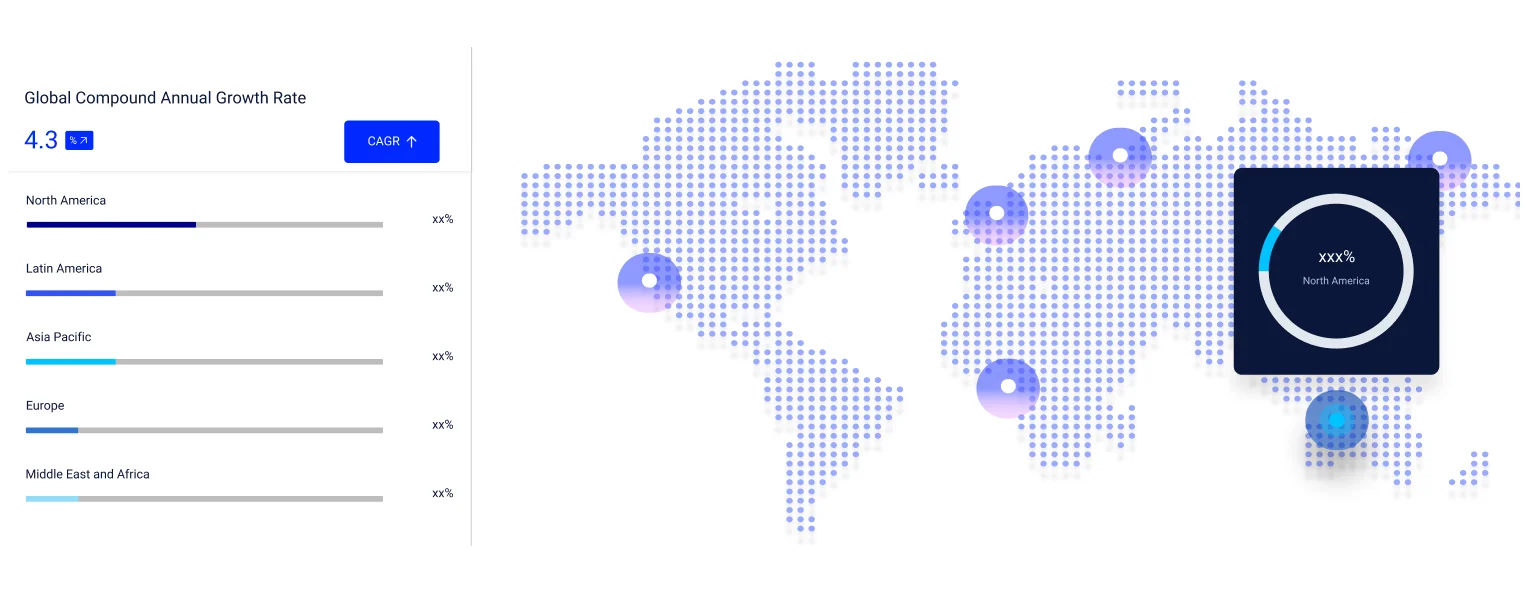
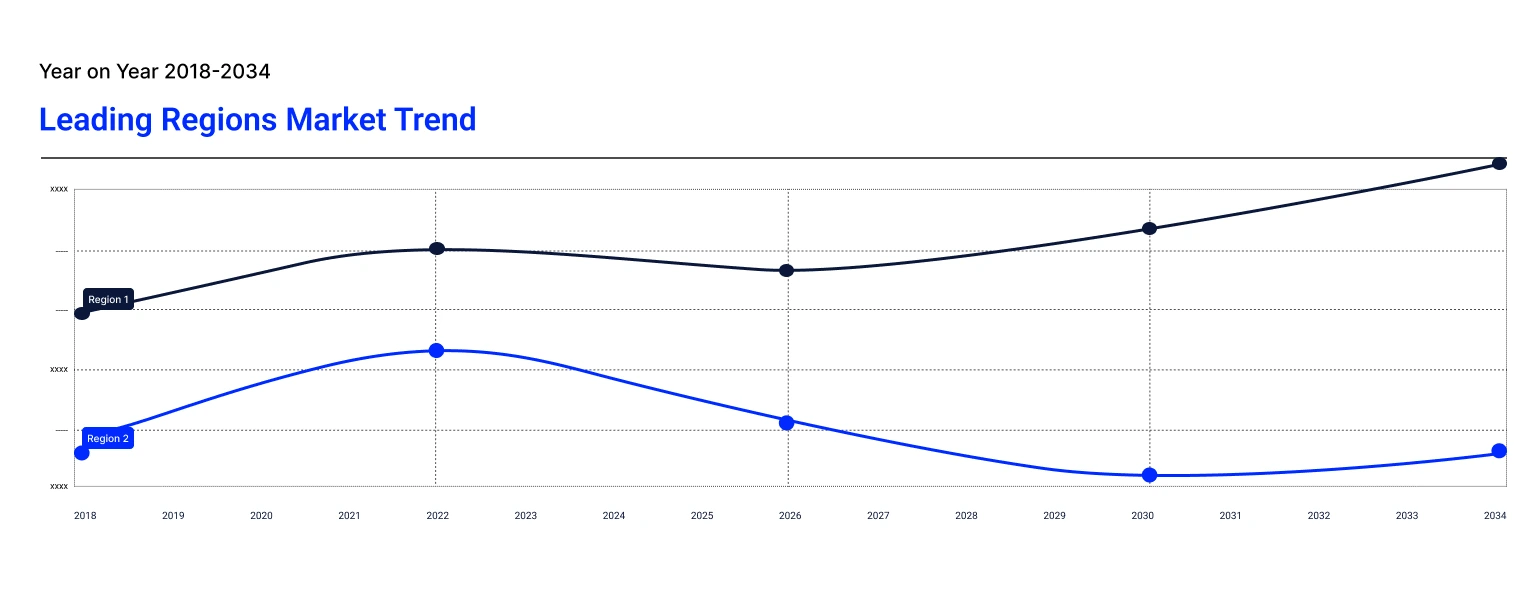
Key Insight: North America remains dominant in the procurement software market due to its enterprise technology maturity, federal investments, and vendor consolidation. Asia Pacific witnesses the fastest growth pace with grassroots digitisation, local SaaS innovations, and government-backed procurement overhauls. Europe follows closely with a strong push on ESG compliance and public sector digital initiatives. Latin America is adopting procurement tools for infrastructure and FMCG supply chain streamlining, while the Middle East & Africa are gradually entering the space through oil & gas, healthcare, and urban development procurement digitisation.
Read more about this report - REQUEST FREE SAMPLE COPY IN PDF
By Deployment, the On-Premises Segment Accounts for the Bigger Share of the Market
On-premises solutions continue to hold dominance among large-scale manufacturers, government institutions, and defence contractors that prioritise data sovereignty and bespoke configurations, boosting the procurement software market value. These platforms offer full control over data, integration, and security protocols, which is critical for sectors where vendor data confidentiality cannot be risked on third-party cloud servers. In the United Kingdom Ministry of Defence, for example, procurement tools are hosted in on-premises environments to comply with classified data handling norms. Factors like reduced latency, custom AI capabilities, and full ownership over upgrade cycles have propelled growth in this segment.
Cloud-based solutions are rapidly accelerating the overall procurement software adoption, especially among mid-sized enterprises and startups looking for cost-effective, scalable solutions. Cloud suites allow plug-and-play AI modules, third-party integrations, and real-time updates without manual overheads. For instance, Workday’s sourcing module is being adopted by United Kingdom universities through the G-Cloud 13 framework, allowing seamless updates and modular licensing. Cloud deployment has also enabled real-time supplier communication and remote onboarding. With embedded ML models, collaborative dashboards, and mobile compatibility, cloud procurement platforms are enabling companies to shift from transactional buying to strategic sourcing with minimal infrastructure burden.
By End Use, the Retail Segment Registers the Bigger Share of the Market Revenue
Retail businesses have largely contributed to procurement software market revenue due to their complex multi-vendor networks and time-sensitive demand patterns. Platforms like Coupa and JDA offer real-time inventory synchronization, contract digitisation, and supplier scoring to drive efficiency. For example, Tesco has improved stock accuracy and decreased dwell times at 3,000 locations by utilizing the AI-powered Roambee technology. Dynamic procurement engines help align seasonal demand with local supplier capabilities. Additionally, retail firms are prioritising systems with built-in ESG scorecards to meet evolving consumer and regulatory pressures.
The healthcare sector has seen a sharp rise in procurement software adoption, driven by post-COVID supply chain reforms. NHS Digital’s EUR 500 million funding recovery plan is enabling opportunities to modernise procurement and reduce PPE wastage via smart sourcing tools. Platforms like Prodigo and GHX are being integrated to manage medical supplier compliance, monitor expiry tracking, and optimise tender cycles. Software systems are also being used to automate procurement for clinical trials and pharmaceuticals, ensuring regulatory compliance.
North America Holds the Dominant Position in the Market
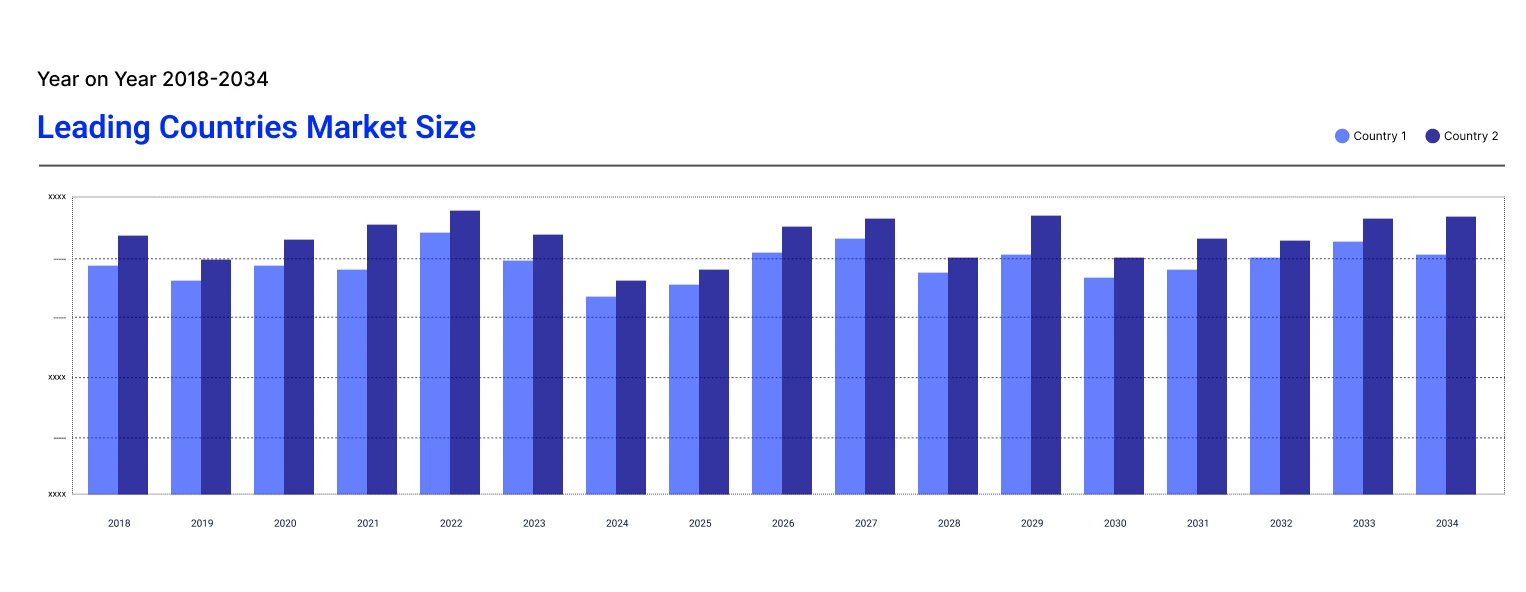
The continued dominance of the North America procurement software market is propelled by robust enterprise adoption and government-led digital transformation initiatives. In the United States, the Federal Acquisition Service is actively digitising contracts through AI-based procurement platforms. Private sector adoption is high across technology and healthcare sectors, with players like Amazon Business and Pfizer deploying tailored procurement ecosystems. Canadian firms are investing in bilingual procurement tools to align with national compliance norms. Moreover, North American vendors are increasingly acquiring or investing in niche procurement startups to enhance their offerings, making the region a hub of innovation. High cloud penetration and regulatory compliance frameworks further boost adoption.
The procurement software market in Asia Pacific is registering exponential growth, spurred by government digital initiatives and rapid SME adoption. India’s GeM, Singapore’s GovTech, and Japan’s smart procurement pilots are reshaping public procurement practices. Chinese e-procurement platforms such as Alibaba Cloud are being extended to cross-border trade procurement. The rise of local SaaS providers offering multilingual, mobile-first procurement tools has democratised access for smaller firms.
The procurement software market players are all focusing on AI augmentation, vertical specialisation, and platform unification. Major vendors like SAP Ariba, Coupa, and Oracle are expanding AI-native features like autonomous negotiation agents, predictive pricing tools, and risk scoring engines. Meanwhile, newer entrants such as Archlet and Fairmarkit are offering agile, plug-and-play modules for specific workflows like tail-spend management and ESG tracking.
Regional procurement software companies are gaining ground by localising offerings such as language compatibility, tax rule compliance, and government audit support. Cloud-first platforms are offering embedded marketplaces where users can directly connect with pre-vetted suppliers, reducing the need for separate onboarding. Open API ecosystems are also in focus, as procurement software evolves into procurement-as-a-service, enabling seamless integration with ERP, logistics, and sustainability platforms. Additionally, partnerships with banks are helping vendors enable embedded finance options like dynamic discounting and supply chain credit scoring.
Founded in 1972, with its headquarters in the United States, Epicor provides industry-specific software to a variety of sectors and verticals, such as manufacturing, distribution, retail, and service.
Founded in 1985, with its headquarters in Finland, Basware develops and provides automated technologies to help make finance and procurement procedures easier and more efficient.
Founded in 1998, with its headquarters in the United States, Zycus assists businesses in achieving significant cost reductions, risk reduction, and compliance enhancements through its solutions.
Founded in 1975, with its headquarters in the United States, Microsoft Corporation manufactures various software for computers, tablets, servers, and mixed reality, including Internet search, digital services, cloud computing, and software development.
*Please note that this is only a partial list; the complete list of key players is available in the full report. Additionally, the list of key players can be customized to better suit your needs.*
Other key players in the market are Fraxion, GEP, Kissflow Procurement Cloud, Jaggaer, SAP SE, Proactis Holdings Limited., Procurify Technologies Inc., Ivalua Inc., among others.
Explore the latest trends shaping the Procurement Software Market 2026-2035 with our in-depth report. Gain strategic insights, future forecasts, and key market developments that can help you stay competitive. Download a free sample report or contact our team for customized consultation on Procurement Software Market Trends 2026.


Upto 15% Off
USD
$2499 $2249
$3999 $3599
$4999 $4249
$5999 $5099


*While we strive to always give you current and accurate information, the numbers depicted on the website are indicative and may differ from the actual numbers in the main report. At Expert Market Research, we aim to bring you the latest insights and trends in the market. Using our analyses and forecasts, stakeholders can understand the market dynamics, navigate challenges, and capitalize on opportunities to make data-driven strategic decisions.*
Get in touch with us for a customized solution tailored to your unique requirements and save upto 35%!
In 2025, the procurement software market reached an approximate value of USD 8.30 Billion.
The market is projected to grow at a CAGR of 12.00% between 2026 and 2035.
The revenue generated from the procurement software market is expected to reach USD 25.78 Billion in 2035.
The market is categorised according to the end use, which includes retail, manufacturing, transportation and logistics, healthcare, food and beverage, and others.
The market key players are Fraxion, GEP, Kissflow Procurement Cloud, Epicor Software Corporation, Jaggaer, Basware Inc., SAP SE, Proactis Holdings Limited., Procurify Technologies Inc., Zycus Inc., Ivalua Inc., and Microsoft Corporation among others.
Based on the deployment, the market is divided into on-premise and cloud.
The market is broken down into North America, Europe, Asia Pacific, Latin America, and Middle East and Africa.
Key strategies driving the market include focusing on enabling hyperlocal compliance, integrating ESG at source, embedding GenAI copilots, offering pay-as-you-grow models, and co-developing vertical modules with clients to ensure faster ROI.
The key challenges are data integration, supplier resistance to digitisation, compliance misalignment across regions, and low AI maturity among procurement staff.
Explore our key highlights of the report and gain a concise overview of key findings, trends, and actionable insights that will empower your strategic decisions.
| REPORT FEATURES | DETAILS |
| Base Year | 2025 |
| Historical Period | 2019-2025 |
| Forecast Period | 2026-2035 |
| Scope of the Report |
Historical and Forecast Trends, Industry Drivers and Constraints, Historical and Forecast Market Analysis by Segment:
|
| Breakup by Deployment |
|
| Breakup by End User |
|
| Breakup by Region |
|
| Market Dynamics |
|
| Competitive Landscape |
|
| Companies Covered |
|
Datasheet
One User
USD 2,499
USD 2,249
tax inclusive*
Single User License
One User
USD 3,999
USD 3,599
tax inclusive*
Five User License
Five User
USD 4,999
USD 4,249
tax inclusive*
Corporate License
Unlimited Users
USD 5,999
USD 5,099
tax inclusive*
*Please note that the prices mentioned below are starting prices for each bundle type. Kindly contact our team for further details.*
Flash Bundle
Small Business Bundle
Growth Bundle
Enterprise Bundle
*Please note that the prices mentioned below are starting prices for each bundle type. Kindly contact our team for further details.*
Flash Bundle
Number of Reports: 3
20%
tax inclusive*
Small Business Bundle
Number of Reports: 5
25%
tax inclusive*
Growth Bundle
Number of Reports: 8
30%
tax inclusive*
Enterprise Bundle
Number of Reports: 10
35%
tax inclusive*
How To Order

Select License Type
Choose the right license for your needs and access rights.

Click on ‘Buy Now’
Add the report to your cart with one click and proceed to register.

Select Mode of Payment
Choose a payment option for a secure checkout. You will be redirected accordingly.
Gain insights to stay ahead and seize opportunities.

Get insights & trends for a competitive edge.

Track prices with detailed trend reports.

Analyse trade data for supply chain insights.

Leverage cost reports for smart savings

Enhance supply chain with partnerships.

Connect For More Information
Our expert team of analysts will offer full support and resolve any queries regarding the report, before and after the purchase.
Our expert team of analysts will offer full support and resolve any queries regarding the report, before and after the purchase.
We employ meticulous research methods, blending advanced analytics and expert insights to deliver accurate, actionable industry intelligence, staying ahead of competitors.
Our skilled analysts offer unparalleled competitive advantage with detailed insights on current and emerging markets, ensuring your strategic edge.
We offer an in-depth yet simplified presentation of industry insights and analysis to meet your specific requirements effectively.





Share