

Consumer Insights
Uncover trends and behaviors shaping consumer choices today
Procurement Insights
Optimize your sourcing strategy with key market data
Industry Stats
Stay ahead with the latest trends and market analysis.

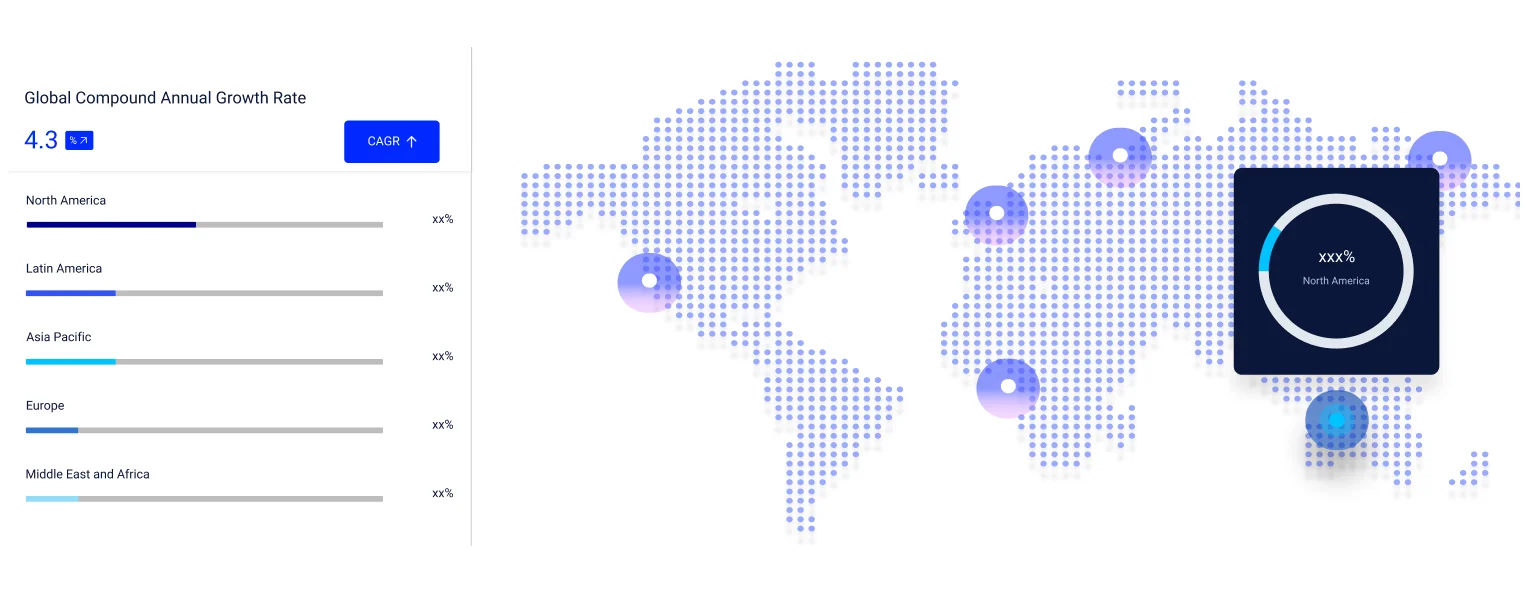
The processed meat market attained a value of USD 369.62 Billion in 2025. The market is expected to grow at a CAGR of 4.90% during the forecast period of 2026-2035. By 2035, the market is expected to reach USD 596.36 Billion.
With surging urban population and rising incomes worldwide, demand for convenient, processed meat is growing steadily. As per the United Nations, 68% of the global population is projected to reside in urban areas by 2050. Urban lifestyles tend to be busier, with less time for traditional cooking, increasing reliance on quick and easy meal solutions like processed meats. This urban shift is particularly pronounced in emerging markets, where expanding middle classes seek modern food options that fit fast-paced lives.
The increasing emphasis on protein-rich diets, driven by health-conscious consumers and fitness trends, boosts processed meat demand significantly. Meats are widely regarded as a vital, convenient source of high-quality protein, essential for muscle building and overall health. This has led to a surge in product innovation, with manufacturers developing diverse processed meat options that combine nutrition with convenience, such as low-fat sausages and protein-enriched deli slices. The popularity of lifestyles like keto and paleo diets further accelerates the appeal of processed meats as go-to protein sources, sustaining market growth globally.
Base Year
Historical Period
Forecast Period
Compound Annual Growth Rate
4.9%
Value in USD Billion
2026-2035
*this image is indicative*
Technological advancements, such as vacuum sealing, HPP, MAP, robotics, and HACCP systems to enhance safety, freshness, and shelf life is driving the processed meat market growth. These innovations help reduce spoilage and contamination risks while maintaining flavor and texture, which builds consumer trust and satisfaction. Automation in processing increases efficiency and consistency, allowing producers to scale while meeting stringent regulatory standards. In January 2024, a team of researchers explored the use of collaborative robot arms in meat processing to address labor shortages and improve automation.
Modern consumers increasingly prioritize speed and ease in meal preparation, driving strong demand for processed meats. Products like deli meats, sausages, and pre-cooked bacon offer quick, tasty solutions for busy households seeking hassle-free meals. This trend is amplified by the rapid growth of online grocery shopping and home delivery services. The ready-to-eat nature and versatile use of these products make them staples in kitchens worldwide, fueling steady market expansion and product innovation.
Expanding cold-chain logistics support broader distribution in the processed meat industry, especially in developing regions. Improved refrigerated storage and transportation allow these products to maintain quality across longer distances, fueling market growth. In July 2025, Williams Refrigeration launched a meat ageing refrigerator at Host 2025, optimizing temperature and humidity to enhance meat flavor. As cold-chain networks strengthen, consumers in emerging economies gain greater access to diverse processed meat products, accelerating market penetration and growth.
To appeal to flexitarians, food companies are creating hybrid meats that blend traditional meat with plant ingredients. In January 2023, Swedish food-tech company Mycorena partnered with Nybergs Deli and ICA to develop a hybrid meat product blending mycoprotein with traditional meat. This innovation helps retain flavor while reducing environmental footprint, broadening appeal amidst shifting dietary preferences. By combining the best of both worlds, these hybrid products offer familiar taste and texture to meat lovers while providing a more sustainable and health-conscious option.
Consumers are becoming more attuned to animal welfare and environmental impact, adding to the processed meat market revenue. Brands that improve supply-chain transparency, use eco-friendly packaging, or emphasize humane sourcing earn loyalty and often price premiums. This growing awareness drives demand for products that align with ethical values, encouraging companies to adopt more responsible practices throughout their operations. Transparent communication about sourcing and production not only builds trust but also empowers consumers to make informed choices.
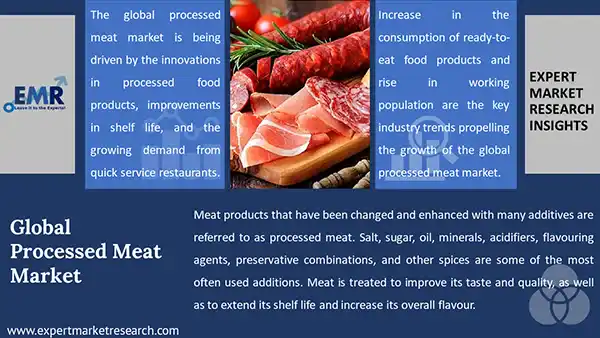
Read more about this report - REQUEST FREE SAMPLE COPY IN PDF
The EMR’s report titled “Processed Meat Market Report and Forecast 2026-2035” offers a detailed analysis of the market based on the following segments:
Market Breakup by Meat Type
Key Insight: Poultry dominates the market growth, primarily due to its low cost, faster production cycle, and wide consumer acceptance across different regions and religions. As per ReportLinker, The United States led the global chicken meat consumption in 2023 with 21.19 million metric tons. Products like chicken nuggets, sausages, and deli slices are commonly consumed in both developed and emerging markets. Health-conscious consumers also prefer poultry due to its lower fat content compared to red meat.
Market Breakup by Product Type
Key Insight: Frozen processed meat market value is growing, owing to its long shelf life, ease of transport, and widespread consumer acceptance. Items like frozen chicken nuggets, meatballs, burger patties, and sausages are staples in homes, restaurants, and quick-service chains worldwide. The frozen segment is particularly strong in North America, Europe, and growing rapidly in Asia-Pacific. Technological advancements in freezing methods have also helped maintain flavor and texture, increasing consumer confidence.
Market Breakup by Application
Key Insight: The commercial segment leads the industry driven by rising demand from hotels, restaurants, cafés, fast-food chains, and institutional catering services. Processed meats, such as burger patties, hot dogs, sausages, and deli meats are integral to quick-service restaurants. In August 2025, Greggs and KFC collaborated to launch a limited-time Gravy Roll using Greggs’ sausage roll. With urbanization and the increasing popularity of dining out, especially in Asia-Pacific and North America, commercial demand continues to rise.
Market Breakup by Distribution Channel
Key Insight: The HoReCa segment is driving the growth of the processed meat market, especially in regions with strong foodservice industries. Hotels, fast-food chains, and casual dining restaurants rely heavily on bulk purchases of frozen and pre-cooked meat products due to their consistency, ease of use, and cost efficiency. In February 2022, Brazilian processor Seara Foods introduced Seara Shawaya, a frozen, marinated whole chicken targeted at the Middle Eastern and Latin American hotel and foodservice markets. With the global rise in food delivery and takeaway culture, HoReCa’s demand for processed meat is projected to remain strong, especially for quick-prep items like patties and sausages.
Market Breakup by Region
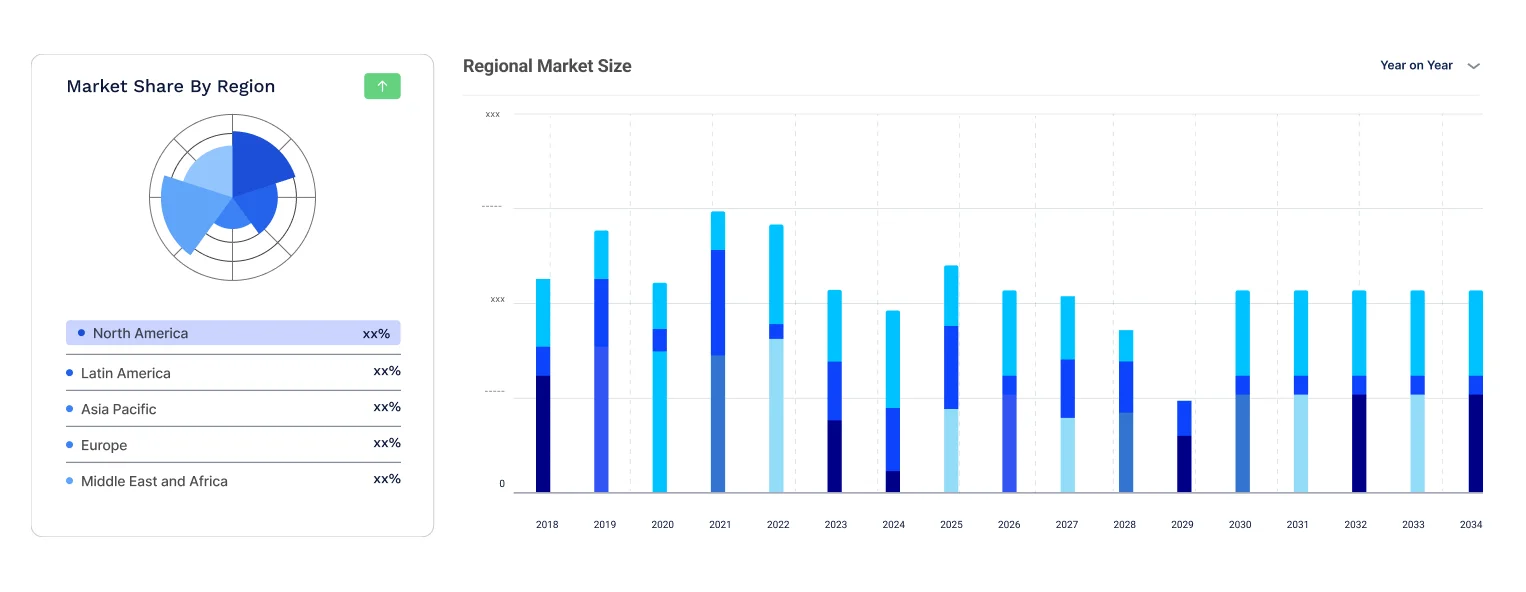
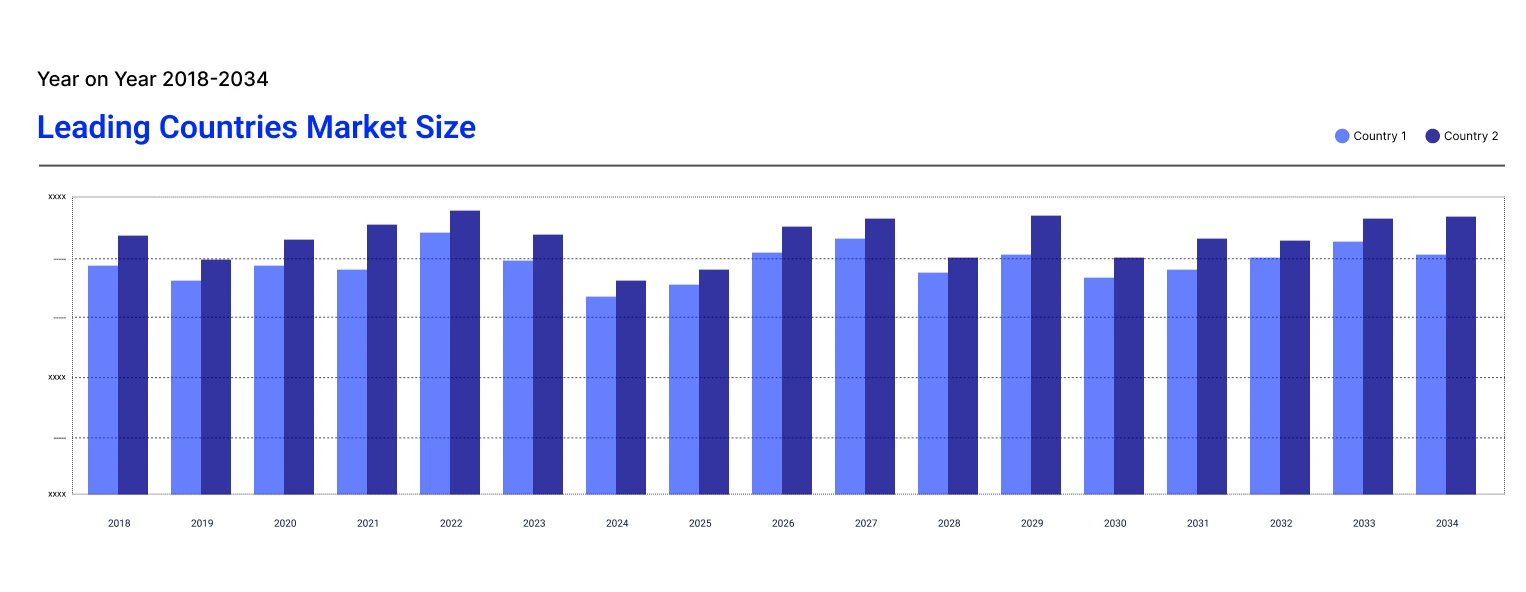
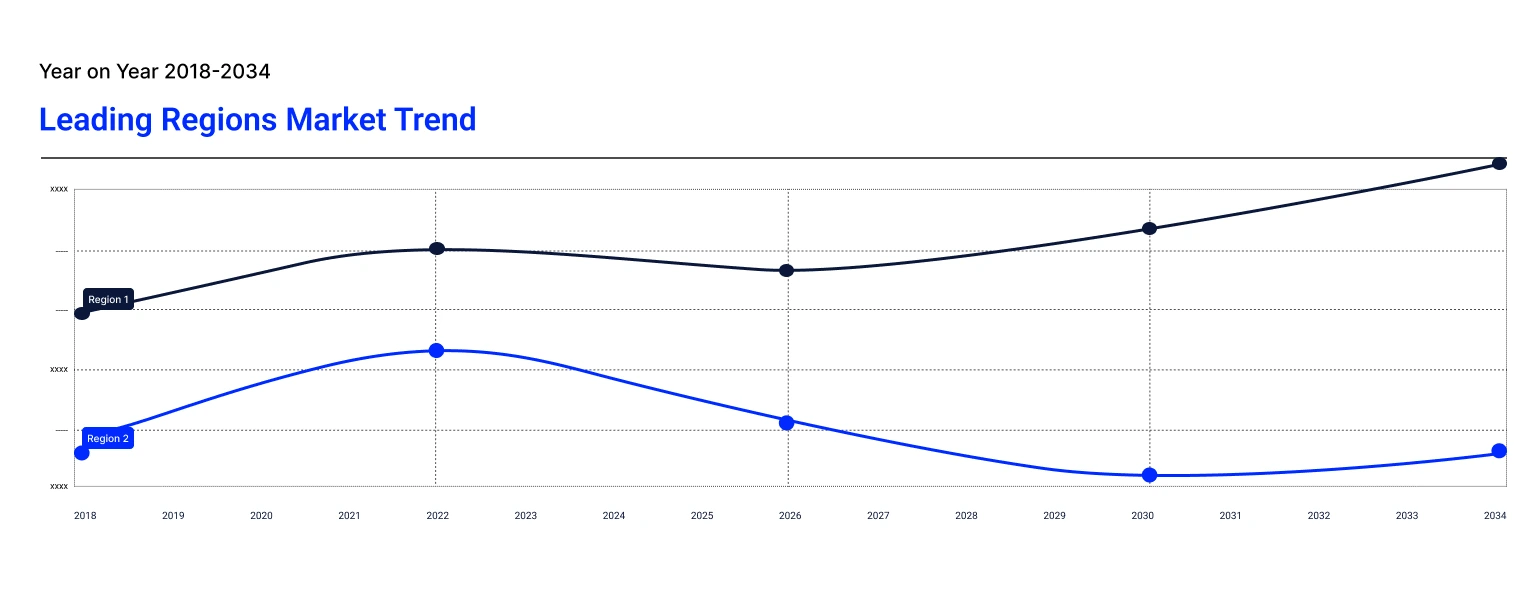
Key Insight: North America is the most dominating region in the processed meat market, driven by high consumer demand for convenience foods and strong foodservice industries. The United States leads with extensive consumption of poultry, beef, and pork-based processed meats like sausages, deli slices, and ready-to-eat meals. In June 2025, JBS USA is invested USD 135 million to build a new sausage plant in Iowa, driven by increasing pork demand. The well-established cold chain infrastructure supports widespread distribution through supermarkets, convenience stores, and HoReCa channels, making processed meats a staple in North American diets.
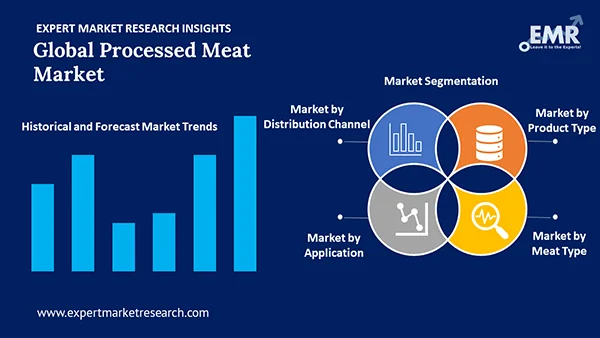
Read more about this report - REQUEST FREE SAMPLE COPY IN PDF
Surging Popularity of Beef & Pork
Beef holds a significant market share, especially in North and South America, Australia, and parts of Europe. Popular products include beef jerky, corned beef, burger patties, and smoked beef. In September 2024, Jack Link’s launched a limited-edition beef jerky flavor, “Red Light Green Light,” combining sweet and spicy Korean flavors. The rich taste and protein content of beef makes it a favorite for processed items intended for grilling, snacking, or convenience meals. Premium and organic beef products are also gaining traction in urban centers.
Pork is a major player in the global processed meat market, especially in Europe and East Asia as it is commonly used in bacon, ham, sausages, and salami, and is integral to many regional cuisines. Germany, China, and Spain are major consumers of processed pork. However, pork is more prone to food safety concerns, which has occasionally impacted consumer trust. Despite these challenges, pork remains highly profitable in markets where it is accepted, due to its flavor profile, variety of applications, and established processing infrastructure.
Chilled & Canned Processed Meat to Gain Popularity
Chilled processed meats are recording dominance, prized for their freshness and high quality. Common products include cold cuts, deli meats, marinated steaks, and ready-to-cook roasts, which are especially popular in urban and developed regions. These meats are often sold in vacuum-sealed or modified-atmosphere packaging to extend freshness without freezing. Supermarkets, gourmet stores, and premium food brands frequently stock chilled items to cater to health-conscious and convenience-seeking consumers.
Canned processed meat industry value is expanding, driven by increasing consumer preference for convenient, ready-to-eat protein sources with extended shelf life. In July 2025, Gants launched Gants Chunky Chicken, a canned, value-added chicken breast range offering convenient, innovative options in the growing canned meat sector. Advances in packaging and preservation technologies have improved product quality and safety, encouraging wider adoption. Additionally, the growth of online retail channels has made canned meats more accessible, especially in urban areas.
Residential Sector to Witness Huge Processed Meat Demand
The growth of the residential segment is driven by growing consumer preference for convenience foods at home. Busy lifestyles and dual-income households have led to increased purchases of ready-to-cook or ready-to-eat meat products. In September 2022, Delfrez launched Ready-to-Eat and Ready-to-Cook chicken, mutton, and marinade products, enhancing convenience for omni-channel fresh meat consumers. Supermarkets and online retailers have made these products easily accessible. While urban homes in developed regions lead this trend, middle-class growth in emerging markets is contributing significantly.
Supermarkets/Hypermarkets & Convenience Stores to Boost Processed Meat Sales
Supermarkets and hypermarkets are leading distribution channels of the processed meat market, offering a wide range of processed meat products for retail consumers. These stores attract households looking for convenience and variety, stocking frozen, chilled, and even deli counter options. Consumers often rely on these outlets for weekly grocery shopping, and promotional strategies such as discounts, loyalty programs, and sample tastings further drive sales. As refrigeration and cold chain infrastructure improve in developing countries, this channel is rapidly growing, especially for mid-priced and premium meat brands.
Convenience stores serve as a practical outlet for small-quantity, on-the-go purchases of processed meats. These stores typically stock ready-to-eat products like packaged sausages, salami sticks, and microwave-ready meat meals. In March 2024, 7-Eleven expanded foodservice with keto-friendly salami meat and cheese deli stacks in Colby Jack and Pepper Jack varieties. Their 24/7 availability and urban locations make them attractive to working professionals and students. Convenience stores are vital in urban areas across Asia, particularly Japan and South Korea, where they play a strong role in the retail ecosystem.
Thriving Processed Meat Industry in Europe & Asia Pacific
Europe has a mature processed meat market characterized by diverse product offerings and regional specialties like German sausages, Spanish cured ham, and Italian salami. Consumers in Western Europe show increasing interest in premium and organic processed meats, while Eastern Europe relies heavily on traditional, affordable options. Germany, France, and Spain have strong food safety regulations and well-developed retail networks, including supermarkets and local butcher shops. Sustainability and health concerns have further prompted innovation in low-fat, nitrate-free, and plant-based alternatives.
Asia Pacific is the fastest-growing region due to rapid urbanization, rising disposable incomes, and changing lifestyles. China, India, Japan, and South Korea fuel demand for convenient, ready-to-eat processed meats. Market growth is also supported by expanding cold chain logistics and supermarket penetration. In August 2025, Leon Grocery launched bold-flavored chicken nuggets in Korea, available exclusively at Ocado. Companies are adapting by introducing region-specific flavors and halal-certified products to capture diverse consumer bases.
Major players in the processed meat market are employing several key strategies to stay competitive and meet evolving consumer demands. One primary approach is development of healthier, low-fat, and preservative-free options to cater to health-conscious consumers. Many companies are also investing in plant-based and alternative protein products, capitalizing on the growing demand for sustainable and ethical food choices. Expansion into emerging markets is enabling companies to tap into new customer bases and diversify revenue streams. Alongside geographic growth, firms focus on strengthening supply chains to ensure consistent quality and reduce costs.
Companies also prioritize strategic partnerships and acquisitions, allowing them to enhance product portfolios and gain access to advanced technologies. Moreover, marketing efforts emphasize branding and consumer engagement through transparency about sourcing, sustainability practices, and nutritional benefits, building trust and loyalty. Lastly, adherence to stringent food safety regulations and investment in modern processing technologies ensure compliance and improve operational efficiency, helping market players maintain a competitive edge in the evolving processed meat landscape.
Established in 1946 and based in Wisconsin, the United States, American Foods Group LLC is a prominent beef processor. Known for its commitment to quality and food safety, the company has advanced processing technologies and built strong partnerships with retail and foodservice industries, enhancing its market presence and operational efficiency.
Founded in 1865 with headquarters in Minnetonka, the United States, Cargill, Inc. is a global leader in agriculture and food production. The company drives innovation in sustainable protein sources, including plant-based and cultivated meats, and emphasizes supply chain transparency and environmental responsibility to address global food security challenges.
Hormel Foods Corporation, launched in 1891 and headquartered in Austin, the United States, is recognized for iconic brands. The firm continually innovates in protein products, expanding into healthier and plant-forward options, while earning accolades for sustainability and corporate responsibility, solidifying its role as a major player in the food industry.
JBS USA Food Company Holdings, formed in 2007 and based in Greeley, the United States, is a leading meat processor in North America. Part of Brazil’s JBS S.A., it integrates advanced technologies and sustainability initiatives while expanding into alternative proteins, maintaining a strong position in beef, pork, and poultry markets.
*Please note that this is only a partial list; the complete list of key players is available in the full report. Additionally, the list of key players can be customized to better suit your needs.*
Other players in the processed meat market are Koch Foods, OSI Industries, LLC, Perdue Farms, Inc, Smithfield Foods, Inc., Tyson Foods, Inc., and Swiss Meat and Sausage Co., among others.
Discover the latest Processed Meat Market Trends 2026 with our expert report. Get comprehensive insights on market growth drivers, key players, and regional dynamics to stay ahead. Download your free sample now and make informed business decisions with up-to-date data and forecasts. Don’t miss out on valuable market intelligence designed to fuel your strategic planning and competitive advantage.


Upto 15% Off
USD
$2499 $2249
$3999 $3599
$4999 $4249
$5999 $5099


*While we strive to always give you current and accurate information, the numbers depicted on the website are indicative and may differ from the actual numbers in the main report. At Expert Market Research, we aim to bring you the latest insights and trends in the market. Using our analyses and forecasts, stakeholders can understand the market dynamics, navigate challenges, and capitalize on opportunities to make data-driven strategic decisions.*
Get in touch with us for a customized solution tailored to your unique requirements and save upto 35%!
In 2025, the market reached an approximate value of USD 369.62 Billion.
The market is projected to grow at a CAGR of 4.90% between 2026 and 2035.
The market is estimated to witness a healthy growth in the forecast period of 2026-2035 to reach over USD 596.36 Billion by 2035.
Key strategies driving the market include product innovations like low-fat or organic options, expansion into emerging markets, investment in cold chain logistics, strategic partnerships with foodservice providers, and strong retail distribution networks. Marketing focused on convenience, taste, and health-conscious alternatives also plays a vital role in market growth.
Increase in the consumption of ready-to-eat food products and rise in working population are the key industry trends propelling the growth of the market.
The major regions in the industry are North America, Latin America, the Middle East and Africa, Europe, and the Asia Pacific.
The major meat types of processed meat are poultry, beef, and pork, among others.
The different product types of processed meat are frozen, chilled, and canned.
The leading applications of processed meat are commercial and residential.
The various distribution channels of processed meat are HoReCa, supermarkets/hypermarkets, convenience stores, and independent retailers, among others.
The key players in the market report include American Foods Group LLC, Cargill, Inc, Hormel Foods Corporation, JBS USA Food Company Holdings, Koch Foods, OSI Industries, LLC, Perdue Farms, Inc, Smithfield Foods, Inc., Tyson Foods, Inc., and Swiss Meat and Sausage Co., among others.
Poultry dominates the market growth, primarily due to its low cost, faster production cycle, and wide consumer acceptance.
Explore our key highlights of the report and gain a concise overview of key findings, trends, and actionable insights that will empower your strategic decisions.
| REPORT FEATURES | DETAILS |
| Base Year | 2025 |
| Historical Period | 2019-2025 |
| Forecast Period | 2026-2035 |
| Scope of the Report |
Historical and Forecast Trends, Industry Drivers and Constraints, Historical and Forecast Market Analysis by Segment:
|
| Breakup by Meat Type |
|
| Breakup by Product Type |
|
| Breakup by Application |
|
| Breakup by Distribution Channel |
|
| Breakup by Region |
|
| Market Dynamics |
|
| Competitive Landscape |
|
| Companies Covered |
|
| Report Price and Purchase Option | Explore our purchase options that are best suited to your resources and industry needs. |
| Delivery Format | Delivered as an attached PDF and Excel through email, with an option of receiving an editable PPT, according to the purchase option. |
Datasheet
One User
USD 2,499
USD 2,249
tax inclusive*
Single User License
One User
USD 3,999
USD 3,599
tax inclusive*
Five User License
Five User
USD 4,999
USD 4,249
tax inclusive*
Corporate License
Unlimited Users
USD 5,999
USD 5,099
tax inclusive*
*Please note that the prices mentioned below are starting prices for each bundle type. Kindly contact our team for further details.*
Flash Bundle
Small Business Bundle
Growth Bundle
Enterprise Bundle
*Please note that the prices mentioned below are starting prices for each bundle type. Kindly contact our team for further details.*
Flash Bundle
Number of Reports: 3
20%
tax inclusive*
Small Business Bundle
Number of Reports: 5
25%
tax inclusive*
Growth Bundle
Number of Reports: 8
30%
tax inclusive*
Enterprise Bundle
Number of Reports: 10
35%
tax inclusive*
How To Order

Select License Type
Choose the right license for your needs and access rights.

Click on ‘Buy Now’
Add the report to your cart with one click and proceed to register.

Select Mode of Payment
Choose a payment option for a secure checkout. You will be redirected accordingly.
Gain insights to stay ahead and seize opportunities.

Get insights & trends for a competitive edge.

Track prices with detailed trend reports.

Analyse trade data for supply chain insights.

Leverage cost reports for smart savings

Enhance supply chain with partnerships.

Connect For More Information
Our expert team of analysts will offer full support and resolve any queries regarding the report, before and after the purchase.
Our expert team of analysts will offer full support and resolve any queries regarding the report, before and after the purchase.
We employ meticulous research methods, blending advanced analytics and expert insights to deliver accurate, actionable industry intelligence, staying ahead of competitors.
Our skilled analysts offer unparalleled competitive advantage with detailed insights on current and emerging markets, ensuring your strategic edge.
We offer an in-depth yet simplified presentation of industry insights and analysis to meet your specific requirements effectively.





Share