

Consumer Insights
Uncover trends and behaviors shaping consumer choices today
Procurement Insights
Optimize your sourcing strategy with key market data
Industry Stats
Stay ahead with the latest trends and market analysis.

The global PEX (crossed-linked polyethylene) market was valued at USD 8.26 Billion in 2025. The market is expected to grow at a CAGR of 7.10% during the forecast period of 2026-2035 to reach a value of USD 16.40 Billion by 2035. Growing use of PEX in medical devices is fueling consistent adoption across healthcare applications, offering biocompatibility, durability, and resistance to sterilization, which supports innovation in surgical tools and fluid management systems.
The surging demand for energy-efficient plumbing and heating systems is one of the major factors contributing to the market growth. Cross-linked polyethylene pipes are rapidly replacing traditional copper and PVC, owing to their durability, flexibility, and lower installation cost. According to the PEX (crossed-linked polyethylene) market analysis, 10-30% of residential energy losses are linked to inefficient piping networks, making PEX solutions increasingly relevant. Government programs such as the United States EPA’s WaterSense initiative are further promoting water-efficient systems, indirectly supporting PEX adoption across both residential and commercial buildings.
Apart from plumbing, infrastructure development across Asia-Pacific has positioned PEX as a material of choice in district heating and cooling systems. China’s National Development and Reform Commission reported a USD 111.8 billion investment pipeline in smart city infrastructure by 2025, a large share of which integrates sustainable piping, further accelerating the PEX (crossed-linked polyethylene) market opportunities. Meanwhile, in Europe, regulatory frameworks like the EU’s Renovation Wave target renovation for 35 million buildings by 2030, opening significant growth opportunities for PEX-based retrofitting solutions.
Base Year
Historical Period
Forecast Period
Compound Annual Growth Rate
7.1%
Value in USD Billion
2026-2035
*this image is indicative*
Global construction spending is fueling the PEX (crossed-linked polyethylene) demand, especially as governments accelerate housing projects. In June 2025 alone, the United States Census Bureau reported construction expenditure at a seasonally adjusted annual rate of USD 2,136.2 billion. PEX pipes are being increasingly specified in new builds due to their corrosion resistance and faster installation versus copper. Countries like India are also experiencing similar boosts, where the government’s "Housing for All" mission targets construction of 20 million affordable homes, pushing piping material demand to new highs.
Water scarcity is now shaping industrial material demand. PEX systems reduce leaks and allow for high-pressure applications, aligning with regulatory frameworks promoting water efficiency. In the United States, the Safe Drinking Water Act (SDWA) encourages use of advanced piping that can withstand chlorine and other chemical treatments, transforming the PEX (crossed-linked polyethylene) market dynamics. Similarly, Saudi Arabia’s Vision 2030 highlights reducing water loss in urban supply networks, pushing investments into durable pipeline infrastructure.
PEX has found new applications in district heating systems across Europe and Asia, where sustainability is a top priority. As per the PEX (crossed-linked polyethylene) market analysis, Finland derives over 50% of its residential heating demand from district heating, and lightweight, flexible PEX systems are preferred due to easy underground installation. Japan has also piloted smart energy zones integrating PEX-based pipelines to distribute heating and cooling in dense cities. These projects not only highlight functional benefits but also reveal PEX’s role in decarbonizing urban energy usage, directly aligning with net-zero commitments by 2050.
The construction industry is embracing PEX as part of smart building solutions, where plumbing and heating systems are integrated with IoT sensors for leak detection, flow monitoring, and energy optimization. Pilot projects in Europe and North America are showcasing PEX-based “smart piping grids” connected to digital dashboards, allowing real-time maintenance alerts and predictive water usage insights, reshaping the PEX (crossed-linked polyethylene) market trends. This development goes beyond traditional material benefits, positioning PEX as a key enabler of smart infrastructure.
PEX’s non-toxic, chemical-resistant properties are positioning it as a promising material in the medical tubing market. PEX-based components for specific healthcare applications include dialysis systems and IV fluid transfer. Europe has already launched research initiatives under Horizon Europe exploring biocompatible polymers for healthcare, opening the path for cross-industry collaborations.
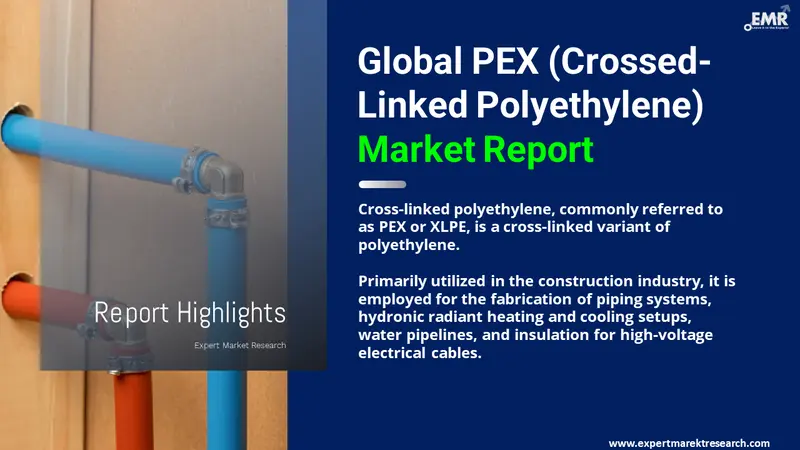
Read more about this report - REQUEST FREE SAMPLE COPY IN PDF
The EMR’s report titled “Global PEX (Crossed-Linked Polyethylene) Market Report and Forecast 2026-2035” offers a detailed analysis of the market based on the following segments:
Market Breakup by Type
Key Insight: High-Density Polyethylene (HDPE) dominates the market with its exceptional strength and pressure resistance, making it a preferred choice for demanding applications. Meanwhile, Low-Density Polyethylene (LDPE) is experiencing rapid growth in the PEX (crossed-linked polyethylene) market, valued for its flexibility, lightweight nature, and ease of installation in modern construction projects. Other polyethylene variants simultaneously cater to niche applications within specialty sectors, creating a balanced demand portfolio that sustains diverse industrial growth opportunities.
Market Breakup by Process
Key Insight: Chemical cross-linking drives the market owing to its scalability, stability, and reliability for mass production. Physical cross-linking on the other hand, is currently growing rapidly as industries seek to become more eco-friendly by eliminating solvents and potentially reducing their environmental impact. This hybridization will provide varying degrees of flexibility in addressing industrial demands as they continue to evolve while keeping in synch with regulatory patterns and sustainability-driven building practices globally.
Market Breakup by Technology
Key Insight: PEXA leads the PEX (crossed-linked polyethylene) market due to its superior heat resistance and long-lasting structural reliability, while PEXC is gaining momentum with its eco-friendly electron-beam crosslinking process. PEXB, based on silane grafting, also maintains a significant share as it combines cost efficiency with ease of large-scale production, making it popular in standard plumbing and cable insulation uses. All these three technologies cater to diverse application demands. PEXA is applied for durability under heat, PEXB for balance between performance and cost, and PEXC for sustainable, precision-driven solutions.
Market Breakup by Application
Key Insight: Within the application spectrum considered in the PEX (crossed-linked polyethylene) market report, wires and cables dominate due to their critical role in energy and communication infrastructure, leveraging PEX’s strong insulation properties. Plumbing is growing at the fastest pace, as builders and homeowners alike favor its flexible and cost-saving installation benefits. Automotive applications continue to expand with lightweight and heat-resistant tubing requirements. In the medical field, PEX is valued for its biocompatibility and resistance to sterilization processes. Chemical industries rely on its resistance to corrosion and aggressive substances, while miscellaneous uses extend across niche industrial systems.
Market Breakup by Region
Key Insight: Regionally, Asia Pacific leads the PEX (crossed-linked polyethylene) market as a result of large construction projects, urban migration, and increased domestic manufacturing of PEX materials. North America is benefiting from energy-efficient building codes and urban renovations. Europe maintains steady growth trajectory with sustainable construction practices and desire for high-performing plumbing systems. Latin America benefits with gradual urban infrastructure growth; the Middle East and Africa benefit from evolving demand for engineered piping in both commercial and residential projects.
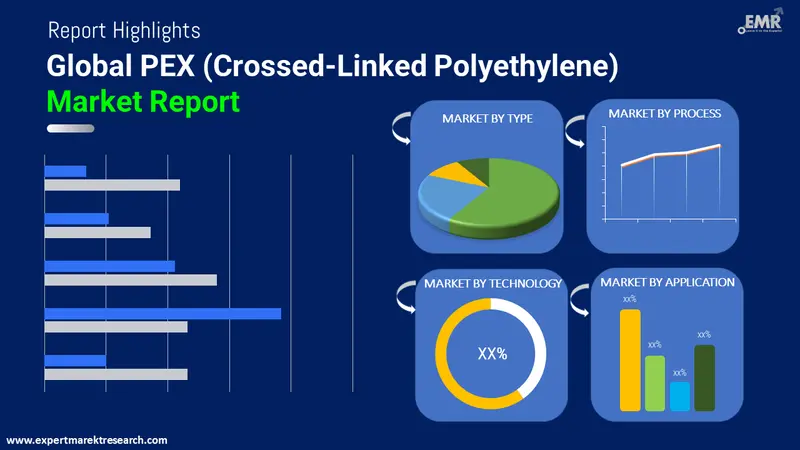
Read more about this report - REQUEST FREE SAMPLE COPY IN PDF
By type, High-Density Polyethylene (HDPE) secures largest share of the market due to structural strength
HDPE-based PEX, with its superior tensile strength and long service life, currently holds the dominant position in the global market. It is extensively used in plumbing, gas distribution, and district heating systems where durability under pressure is critical. In the United States residential construction sector, HDPE-based PEX is a preferred substitute for copper due to its lower cost and resistance to scaling. Asia-Pacific developers also favor HDPE for high-rise water supply systems, where consistent pressure handling is essential. Its ability to withstand aggressive conditions has secured its position as the most widely adopted type of PEX across industries.
LDPE-based PEX is gaining shares in the PEX (crossed-linked polyethylene) market revenue, particularly in flexible tubing and underfloor heating applications. Its lower density makes it highly adaptable for installations requiring tight bends and reduced weight load. Europe has seen rising adoption of LDPE-based PEX in radiant floor heating, aligning with energy-efficient building regulations. Similarly, Japanese housing projects are turning to LDPE PEX for compact piping designs that reduce space consumption.
By process, chemical process secures largest share of the market due to scalability
The chemical cross-linking process dominates the market, primarily because it enables mass production of pipes with consistent quality and durability. Large-scale manufacturers across North America and Europe rely on this method to serve commercial and residential infrastructure projects. Its ability to deliver stable products that can withstand extreme temperatures has positioned it as the backbone of PEX manufacturing. Moreover, chemical processes align with automation-friendly production systems, ensuring efficiency at scale.
The physical process, though relatively newer, is emerging as the fastest-growing category due to its environmentally friendly approach and reduced use of chemical additives, thereby stimulating the PEX (crossed-linked polyethylene) market value. Governments promoting sustainable manufacturing, such as Germany’s “Green Industry Initiative,” are encouraging adoption of less chemical-intensive production methods.
By technology, PEXA (Peroxide Method) dominates the market due to superior thermal resistance
PEXA, produced using the peroxide method, is the leading technology in the market owing to its stability and durability. Peroxide cross-linking creates a uniform molecular structure, making it ideal for demanding applications such as underfloor heating and hot-water piping. It also offers superior resistance to stress cracking, ensuring reliable performance in long-term installations where durability is essential. enhancing the PEX (crossed-linked polyethylene) demand forecast.
PEXC, manufactured via the electron-beam method, is growing in the market with the fastest momentum due to its clean, solvent-free, and green manufacturing platform. This process can create precise, controlled cross-linking for pipes that are flexible with high impact strength and excellent crack resistance. The E-beam process produces fewer chemical residues than traditional methods, supporting green certifications and enabling projects to meet sustainable mandates and green building codes. This advantage extends to PEXC pipes, which are increasingly preferred in applications that demand lightweight materials with consistent dimensional stability, such as advanced plumbing and HVAC systems.
By application, wires and cables hold substantial market share due to electrical safety demand
Wires and cables represent the largest application for PEX, owing to the material’s excellent dielectric strength, abrasion resistance, and thermal stability. PEX insulation ensures reliable performance in both high-voltage and low-voltage applications, making it a preferred choice across power transmission, telecommunications, and data infrastructure projects. Unlike conventional insulations, PEX withstands higher temperatures without deformation, which is vital for ensuring operational safety and efficiency. Their demand in the PEX (crossed-linked polyethylene) market is further reinforced by growing electrification trends and renewable energy integration, where reliable cabling is indispensable.
Plumbing applications are witnessing rapid PEX adoption due to its flexibility, corrosion resistance, and ease of installation compared to copper or steel alternatives. PEX piping systems are gaining popularity in residential and commercial construction as they reduce labor costs and minimize joint leakage risks. For example, GF Piping Systems offers ALUPEX, which is a multilayer piping system that includes multilayer pipes and brass press fittings. The material’s ability to handle both hot and cold water with minimal scaling ensures its growing relevance in modern plumbing systems.
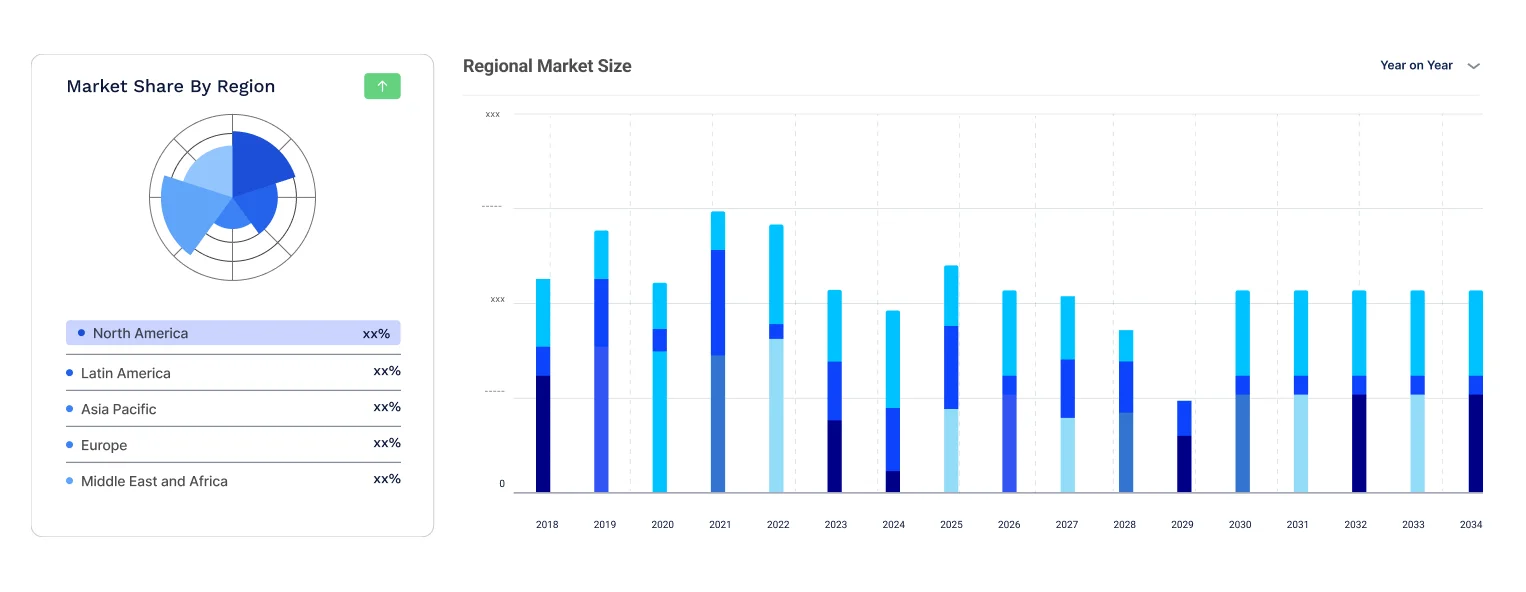
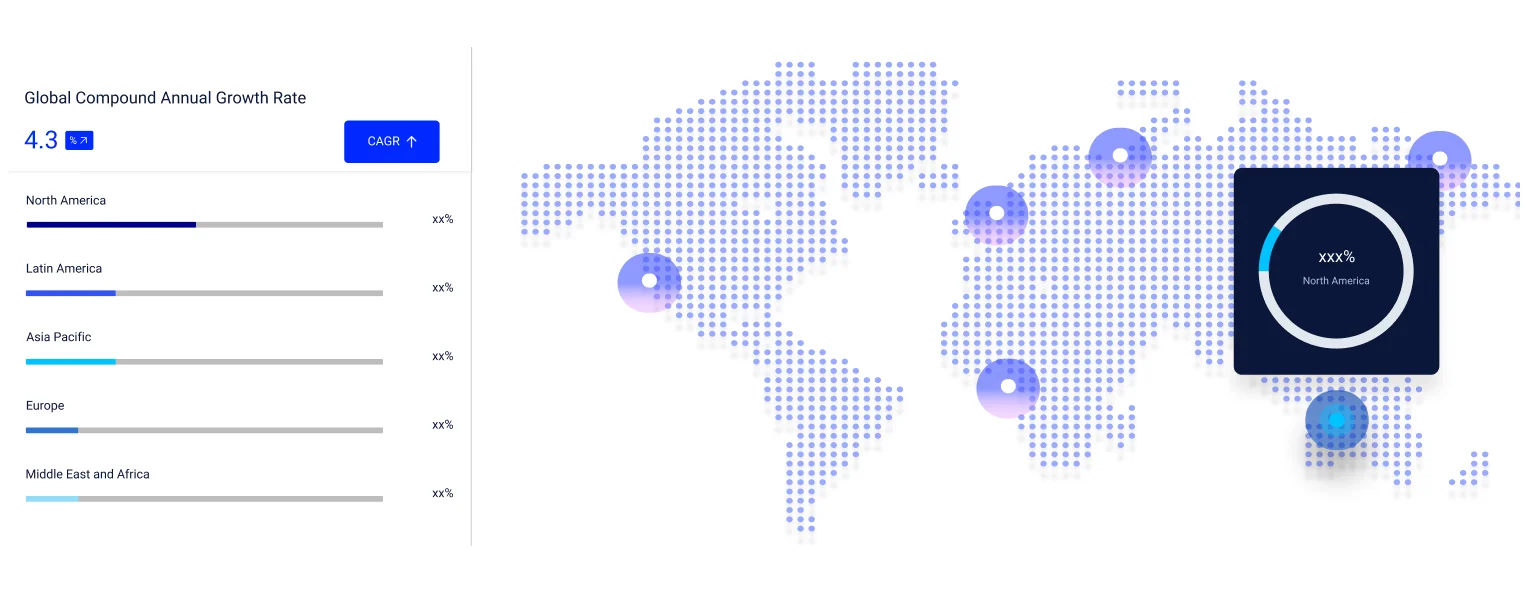
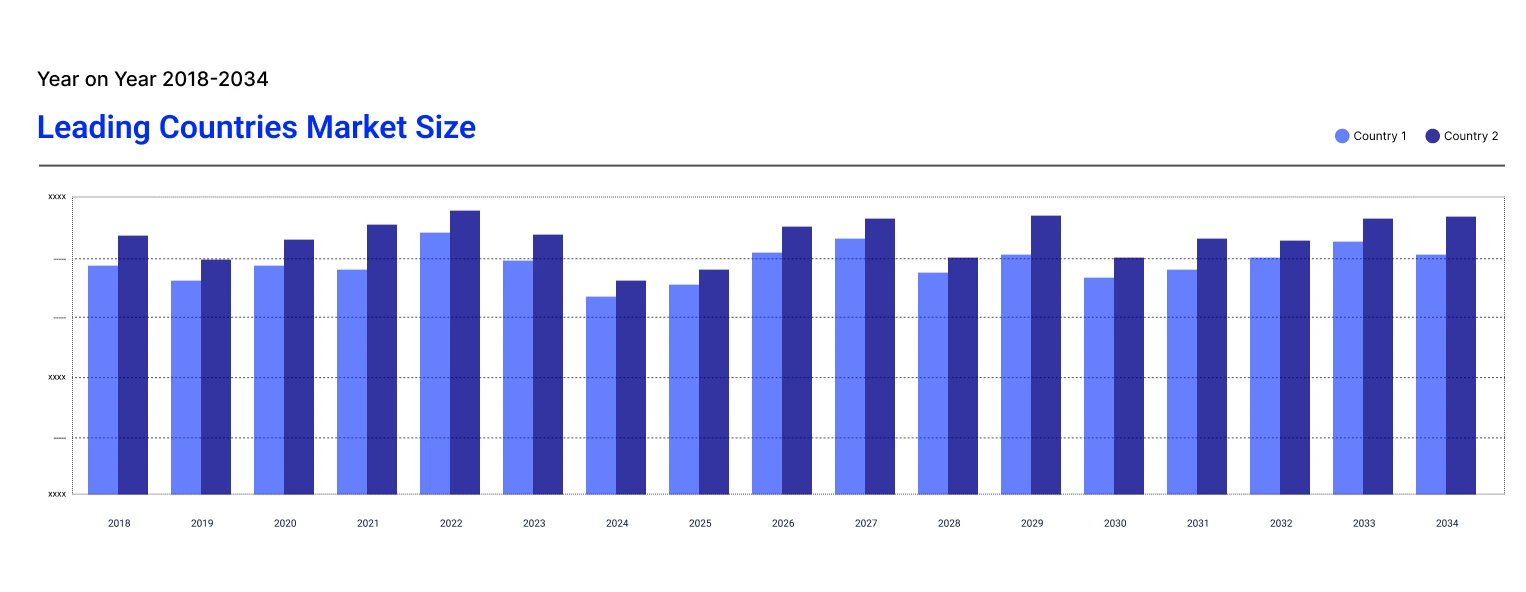
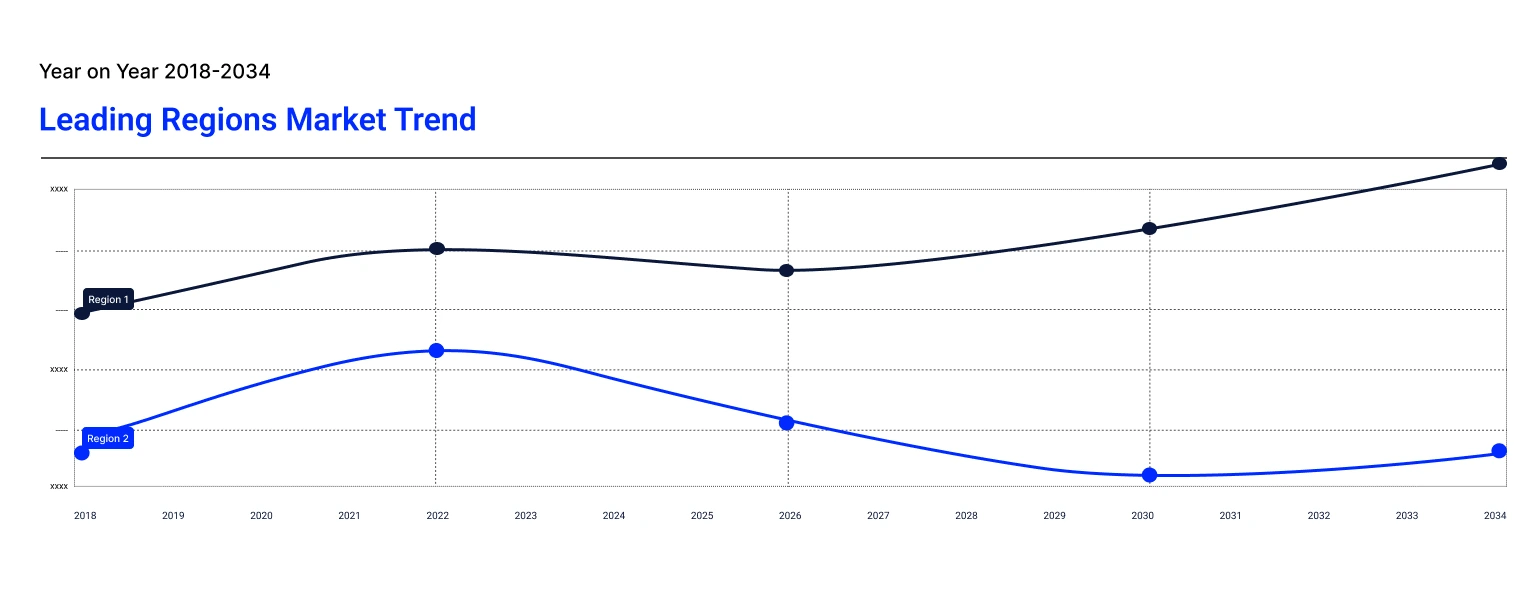
Asia Pacific leads the market due to rapid construction and infrastructure growth
Asia Pacific leads the global industry, fueled by massive urbanization, infrastructural expansion, and rising housing demand across countries like China and India. Government investments in smart cities, coupled with a booming middle-class population, are amplifying demand for advanced plumbing, heating, and electrical systems. Manufacturers are ramping up efficient production methods which makes PEX solutions more readily available to both high-end and low-end construction markets.
The PEX (crossed-linked polyethylene) market in North America is rapidly growing in terms of adoption mostly due to demand for energy-efficient housing and updated water systems. Tighter building safety and performance regulations are speeding up the migration from traditional piping solutions to PEX for its regulatory compliance and durability. Additionally, renovation projects on aging housing stock, such as in Toronto, along with growing awareness of long-term cost savings, have driven increased adoption of PEX.
Global PEX (crossed-linked polyethylene) market players are looking into performance, cost-effectiveness, and sustainability. Companies are focusing their efforts on sustainable cross-linking processes, recyclable PEX materials, and new and advanced pipe designs for smart water systems. They can find significant growth opportunities in expanding projects that include sustainable construction, light weight PEX applications in automobiles, and fulfilling the high demand for tubing used in healthcare applications.
PEX (crossed-linked polyethylene) companies are looking into digital integration for smart monitoring of piping networks to differentiate. Additionally, partnering with construction companies and governments on innovative sustainable infrastructure projects opens up growth opportunities for firms. Companies are pushing boundaries by developing bio-based feedstocks, hybrid cross-linking methods, and AI-driven design tools that enhance durability and optimize material properties.
Founded in 1897 and headquartered in Michigan, United States, Dow Chemical Company is a leading innovator in advanced polymer technologies. The company has been at the forefront of peroxide-based PEX cross-linking, producing high-performance PEX materials that are thermally stable and widely used in various plumbing applications.
Established in 1994 and located in Vienna, Austria, Borealis AG has been at the forefront of polyolefin innovation with its proprietary silane-based PEXB technology. Borealis' solutions are widely applied in plumbing and wire insulation applications. Borealis concentrates on developing advanced cross-linking technologies that minimize the environmental impact and energy consumption to make the products.
Founded in 1863 and based in Brussels, Belgium, Solvay S.A is a leading materials science company, specializing in high-performance polymers. Solvay's PEX portfolio is specifically developed for demanding medical and automotive applications with requirements of chemical resistance, sterilization, and extreme environments in mind. Solvay is innovating by developing bio-based alternative cross-linking with a less reliance on petrochemical feedstocks.
LyondellBasell Industries N.V. was founded in 2007 and based in the United States. LyondellBasell Industries N.V. is recognized as being one of the largest plastics and chemicals companies in the world and is a significant player in the PEX markets. LyondellBasell Industries N.V. focuses on advanced peroxide and E-beam cross-linking technologies to develop more flexible and thermally durable materials.
*Please note that this is only a partial list; the complete list of key players is available in the full report. Additionally, the list of key players can be customized to better suit your needs.*
Other key players in the PEX (crossed-linked polyethylene) market are ExxonMobil Chemical Company, Inc., AkzoNobel N.V., and Avient Corporation, among others.
Explore the latest trends shaping the global PEX (crossed-linked polyethylene) market 2026-2035 with our in-depth report. Gain strategic insights, future forecasts, and key market developments that can help you stay competitive. Download a free sample report or contact our team for customized consultation on PEX (crossed-linked polyethylene) market trends 2026.


Upto 15% Off
USD
$3999 $3599
$2499 $2249
$4999 $4249
$5999 $5099


*While we strive to always give you current and accurate information, the numbers depicted on the website are indicative and may differ from the actual numbers in the main report. At Expert Market Research, we aim to bring you the latest insights and trends in the market. Using our analyses and forecasts, stakeholders can understand the market dynamics, navigate challenges, and capitalize on opportunities to make data-driven strategic decisions.*
Get in touch with us for a customized solution tailored to your unique requirements and save upto 35%!
In 2025, the PEX (crossed-linked polyethylene) market reached an approximate value of USD 8.26 Billion.
The market is projected to grow at a CAGR of 7.10% between 2026 and 2035.
The market is estimated to witness a healthy growth in the forecast period of 2026-2035 to reach about USD 16.40 Billion by 2035.
Companies are expanding R&D in eco-friendly cross-linking, forming strategic partnerships, enhancing circular economy solutions, integrating smart technologies in piping, and customizing PEX materials for diverse applications across construction and automotive industries.
The launch of weather, heat, and moisture resistant material with improved durability is the key market trend guiding the growth of the PEX (crossed-linked polyethylene) market.
The major regional markets of PEX (crossed-linked polyethylene) are North America, Europe, the Asia Pacific, Latin America, and the Middle East and Africa.
High-density polyethylene (HDPE) and low-density polyethylene (LDPE), among others, are the significant types of PEX (crossed-linked polyethylene) in the market.
The leading processes used in the market are chemical and physical.
The major technologies used in PEX (crossed-linked polyethylene) are PEXA (peroxide method), PEXB (silane method) and PEXC (e-beam method).
Wires and cables, plumbing, automotive, medical, and the chemical industry, among others, are the leading applications of PEX (crossed-linked polyethylene) in the market.
The key players in the market include The Dow Chemical Company, Borealis AG, Solvay S.A, LyondellBasell Industries N.V., ExxonMobil Chemical Company, Inc., AkzoNobel N.V., and Avient Corporation, among others.
Companies in the PEX (crossed-linked polyethylene) market face challenges in scaling recyclable PEX technologies, balancing cost competitiveness, and meeting strict environmental compliance while ensuring consistent performance across diverse construction and industrial applications.
Explore our key highlights of the report and gain a concise overview of key findings, trends, and actionable insights that will empower your strategic decisions.
| REPORT FEATURES | DETAILS |
| Base Year | 2025 |
| Historical Period | 2019-2025 |
| Forecast Period | 2026-2035 |
| Scope of the Report |
Historical and Forecast Trends, Industry Drivers and Constraints, Historical and Forecast Market Analysis by Segment:
|
| Breakup by Type |
|
| Breakup by Process |
|
| Breakup by Technology |
|
| Breakup by Application |
|
| Breakup by Region |
|
| Market Dynamics |
|
| Competitive Landscape |
|
| Companies Covered |
|
| Report Price and Purchase Option | Explore our purchase options that are best suited to your resources and industry needs. |
| Delivery Format | Delivered as an attached PDF and Excel through email, with an option of receiving an editable PPT, according to the purchase option. |
Single User License
One User
USD 3,999
USD 3,599
tax inclusive*
Datasheet
One User
USD 2,499
USD 2,249
tax inclusive*
Five User License
Five User
USD 4,999
USD 4,249
tax inclusive*
Corporate License
Unlimited Users
USD 5,999
USD 5,099
tax inclusive*
*Please note that the prices mentioned below are starting prices for each bundle type. Kindly contact our team for further details.*
Flash Bundle
Small Business Bundle
Growth Bundle
Enterprise Bundle
*Please note that the prices mentioned below are starting prices for each bundle type. Kindly contact our team for further details.*
Flash Bundle
Number of Reports: 3
20%
tax inclusive*
Small Business Bundle
Number of Reports: 5
25%
tax inclusive*
Growth Bundle
Number of Reports: 8
30%
tax inclusive*
Enterprise Bundle
Number of Reports: 10
35%
tax inclusive*
How To Order

Select License Type
Choose the right license for your needs and access rights.

Click on ‘Buy Now’
Add the report to your cart with one click and proceed to register.

Select Mode of Payment
Choose a payment option for a secure checkout. You will be redirected accordingly.
Gain insights to stay ahead and seize opportunities.

Get insights & trends for a competitive edge.

Track prices with detailed trend reports.

Analyse trade data for supply chain insights.

Leverage cost reports for smart savings

Enhance supply chain with partnerships.

Connect For More Information
Our expert team of analysts will offer full support and resolve any queries regarding the report, before and after the purchase.
Our expert team of analysts will offer full support and resolve any queries regarding the report, before and after the purchase.
We employ meticulous research methods, blending advanced analytics and expert insights to deliver accurate, actionable industry intelligence, staying ahead of competitors.
Our skilled analysts offer unparalleled competitive advantage with detailed insights on current and emerging markets, ensuring your strategic edge.
We offer an in-depth yet simplified presentation of industry insights and analysis to meet your specific requirements effectively.





Share