

Consumer Insights
Uncover trends and behaviors shaping consumer choices today
Procurement Insights
Optimize your sourcing strategy with key market data
Industry Stats
Stay ahead with the latest trends and market analysis.

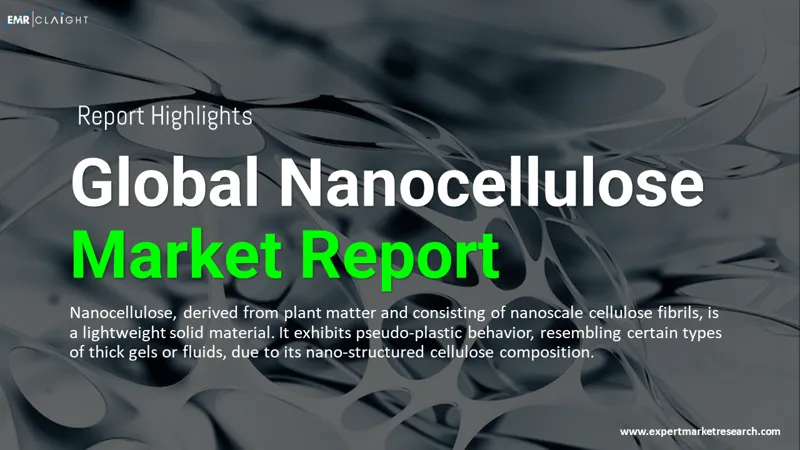
The global nanocellulose market attained a value of USD 682.12 Million in 2025 and is projected to expand at a CAGR of 21.70% through 2035. The market is further set to achieve USD 4861.46 Million by 2035. Increasing use of nanocellulose in flexible electronics and bio-based 3D printing materials is creating lucrative opportunities across advanced material innovation sectors.
The industry is gathering momentum as manufacturers push the boundaries of material innovation through sustainable and high-performance composites. In September 2021, Stora Enso unveiled its NeoFiber NX nanocellulose platform, engineered for advanced packaging and biopolymer applications. This innovation delivers a considerable improvement in tensile strength compared to conventional micro fibrillated cellulose. It also enables lightweight yet durable alternatives to petroleum-based plastics, accelerating demand in the nanocellulose market. In addition, according to the United States Department of Energy, bio-based materials could replace nearly 41% of petroleum-derived plastics by 2030 , reflecting strong policy backing for cellulose-based innovations. The European Union’s “Bio-Based Industries Joint Undertaking” is also advancing nanocellulose processing and commercial scaling, underscoring its growing industrial significance.
Apart from packaging, leading companies are redirecting R&D budgets toward functional coatings, biomedical materials, and 3D printing resins utilizing nanocellulose as a key component. Nippon Paper Industries, for instance, partnered with Mitsubishi Chemical to develop transparent nanocellulose films with high oxygen barriers, targeting electronics and flexible display segments, in September 2022. Similarly, companies like American Process Inc. and Borregaard have been investing in enzymatic process optimization to achieve cost-effective, high-yield nanofiber extraction, reshaping the overall nanocellulose market trends.
Base Year
Historical Period
Forecast Period
Compound Annual Growth Rate
21.7%
Value in USD Million
2026-2035
*this image is indicative*
Nanocellulose is increasingly adopted in the packaging industry due to its biodegradability, high strength-to-weight ratio, and oxygen-barrier properties. Major FMCG players like Nestlé and Unilever are investing in nanocellulose-reinforced films to reduce plastic use, driving the nanocellulose market expansion. In September 2025, CelluForce announced the launch of CelluShield, a high-performance, bio-based barrier coating that enables recyclable flexible packaging without sacrificing shelf life or product protection . Moreover, the United States EPA reports that packaging waste accounts for over 69 million tons of total municipal solid waste as per reports published in September 2025, prompting stricter sustainability mandates. This shift has accelerated R&D in cellulose-based alternatives capable of replacing synthetic polymers while maintaining durability and printability.
The biomedical sector is one of the fastest-growing areas for nanocellulose. Its high biocompatibility and moisture retention make it ideal for wound dressings, tissue scaffolds, and drug delivery systems. Researchers at the University of Helsinki developed nanocellulose-based hydrogel that improves tissue regeneration, highlighting its advanced clinical potential. Nanocellulose offers a cost-effective, eco-safe material alternative supporting healthcare innovation.
Government-backed initiatives are accelerating nanocellulose commercialization. The United States National Nanotechnology Initiative (NNI) and Canada’s Bioeconomy Strategy both fund pilot-scale projects aimed at integrating nanocellulose in energy storage and construction materials. Moreover, in February 2025, CD Bioparticles introduced a new range of Cellulose Nanoparticles, encompassing bacterial cellulose, cellulose nanocrystals, and cellulose nanofibrils. These advanced nanomaterials offer outstanding mechanical strength, biodegradability, and adaptable surface functionality, broadening the nanocellulose market scope.
Automotive and aerospace sectors are embracing nanocellulose-reinforced composites to achieve higher strength with minimal weight. For instance, Birla Carbon and GranBio Technologies offer their patent-pending NDC rubber masterbatch for qualification by tire and rubber companies . Companies like BMW and Ford have conducted trials using nanocellulose composites to replace petroleum-based fillers in dashboards and panels.
Advanced manufacturing techniques are transforming the scope for nanocellulose market expansion. New enzymatic and mechanical fibrillation processes reduce energy consumption and improve yield efficiency. In September 2022, Sulzer partnered with CELLiCON to scale up its groundbreaking manufacturing technology for nano structured cellulose. Other companies like CelluForce and Stora Enso are leveraging AI-driven process control for consistent quality output.
Read more about this report - REQUEST FREE SAMPLE COPY IN PDF
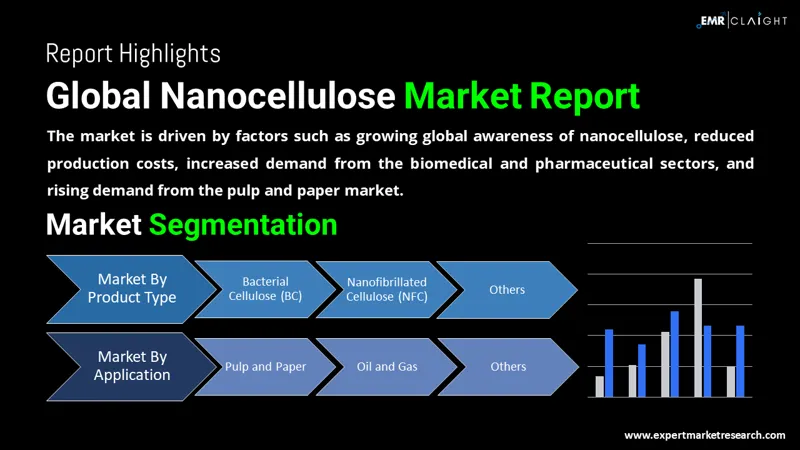
The EMR’s report titled “Global Nanocellulose Market Report and Forecast 2026-2035” offers a detailed analysis of the market based on the following segments:
Market Breakup by Product Type
Key Insight: Nanocrystalline cellulose (NCC) continues to dominate the market revenue due to its uniform morphology and high crystallinity, making it ideal for coatings, films, and high-barrier packaging. Nanofibrillated cellulose (NFC) is gaining momentum as industries explore its rheological control and reinforcement potential in composites and paints. Bacterial cellulose (BC) finds growing relevance in biomedical fields for wound dressings and tissue scaffolds, while other forms, including TEMPO-oxidized variants, are being customized for specific industrial needs.
Market Breakup by Application
Key Insight: Among all the applications considered in the nanocellulose market report, composites and packaging continue to lead adoption, driven by the shift toward recyclable and bio-based materials in consumer goods. Pulp and paper manufacturers use nanocellulose as a performance enhancer to improve strength and reduce chemical dependency. Meanwhile, the food, paints, and coatings industries are integrating it for stabilization, rheology, and eco-label advantages. Biomedical and pharmaceutical uses are accelerating with clinical validation of nanocellulose-based hydrogels.
Market Breakup by Region
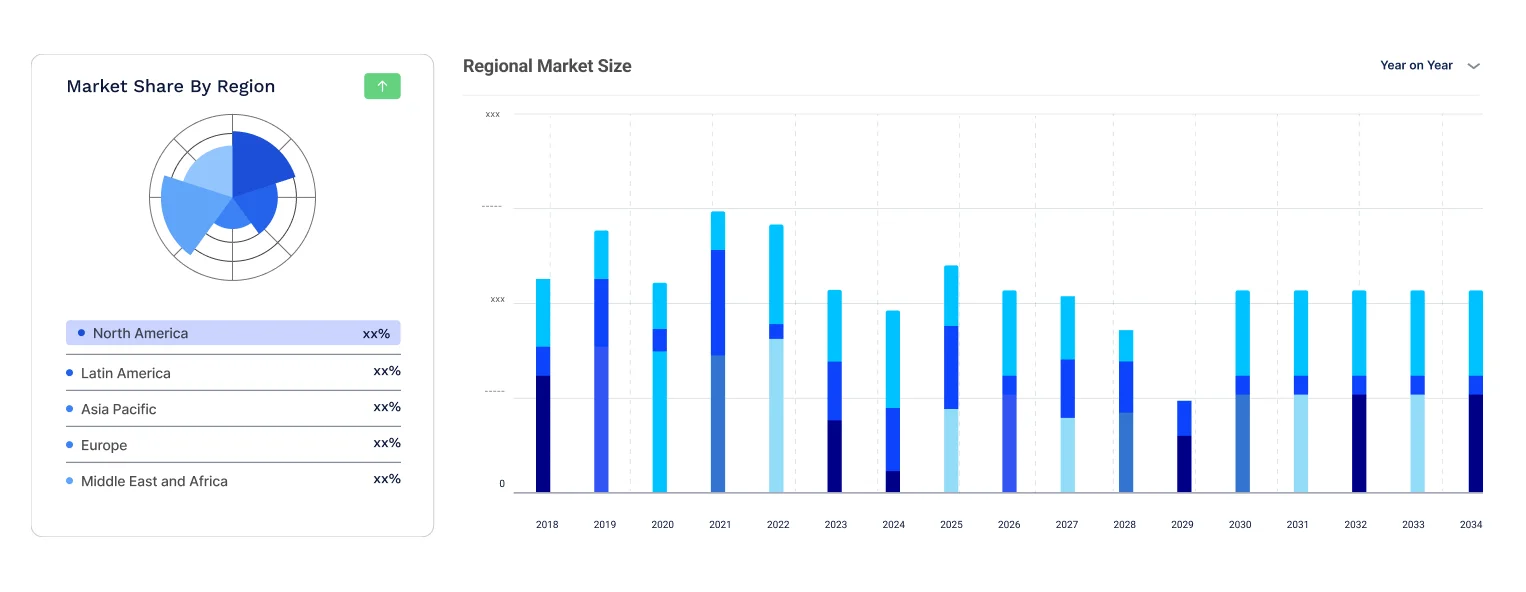
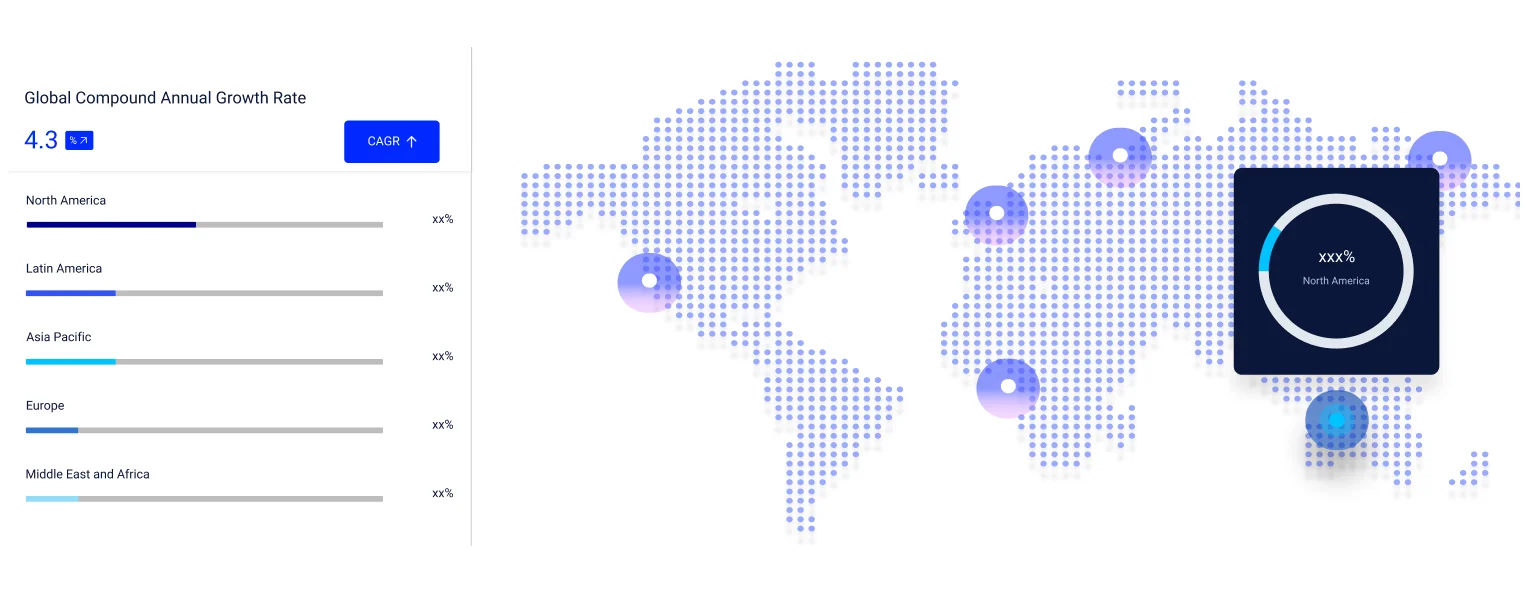
Key Insight: Regional trends in the nanocellulose industry indicate that North America and Europe lead in technological development and commercialization, supported by strong research infrastructure and early regulatory clarity. Asia Pacific is emerging rapidly, backed by government investments in bioeconomy initiatives and abundant cellulose feedstock. Latin America shows potential with growing pulp-based industries and expanding biorefineries, while the Middle East and Africa are exploring nanocellulose for sustainable construction and packaging.
Read more about this report - REQUEST FREE SAMPLE COPY IN PDF
Nanocrystalline Cellulose (NCC) registers the largest market share due to its superior mechanical strength and optical transparency
NCC dominates the global market owing to its remarkable tensile strength, crystallinity, and application in reinforcing composites, films, and coatings. The material’s ability to enhance product rigidity while maintaining lightness makes it ideal for automotive, construction, and packaging sectors. Recent R&D efforts are exploring NCC’s use in transparent display films, flexible screens, and bio-based sensors, reflecting its integration into high-value applications.
Nanofibrillated Cellulose (NFC) is experiencing rapid expansion due to its superior flexibility, moisture absorption, and film-forming capabilities. The surge in demand for sustainable packaging and functional paper coatings has strengthened NFC’s presence in the nanocellulose market dynamics. Performance BioFilaments Inc. announced the opening of the largest commercial nanofibrillated cellulose (NFC) production facility in Quebec in May 2023. Other manufacturers are also using NFC in biomedical scaffolds and cosmetic formulations due to its non-toxic and renewable nature, positioning it as a versatile material with expanding industrial use.
Composites and packaging account for the largest market share due to rapid adoption of sustainable materials by FMCG brands
The composites and packaging application dominates due to global sustainability commitments and consumer shift toward biodegradable solutions. Nanocellulose provides packaging strength, transparency, and oxygen-barrier properties ideal for food, cosmetic, and pharmaceutical applications. Leading global brands are integrating nanocellulose-based films into eco-friendly packaging, aligning with net-zero plastic initiatives.
The biomedical sector’s growth in the nanocellulose market is propelled by nanocellulose’s biocompatibility, high purity, and tunable surface chemistry. It is being increasingly used in drug delivery systems, wound dressings, and surgical materials. In October 2024, UPM Biomedicals announced the introduction of FibGelTM, a natural injectable hydrogel for long-term implantable medical devices. The rise in regenerative medicine and tissue engineering is creating new opportunities for nanocellulose in medical-grade formulations.
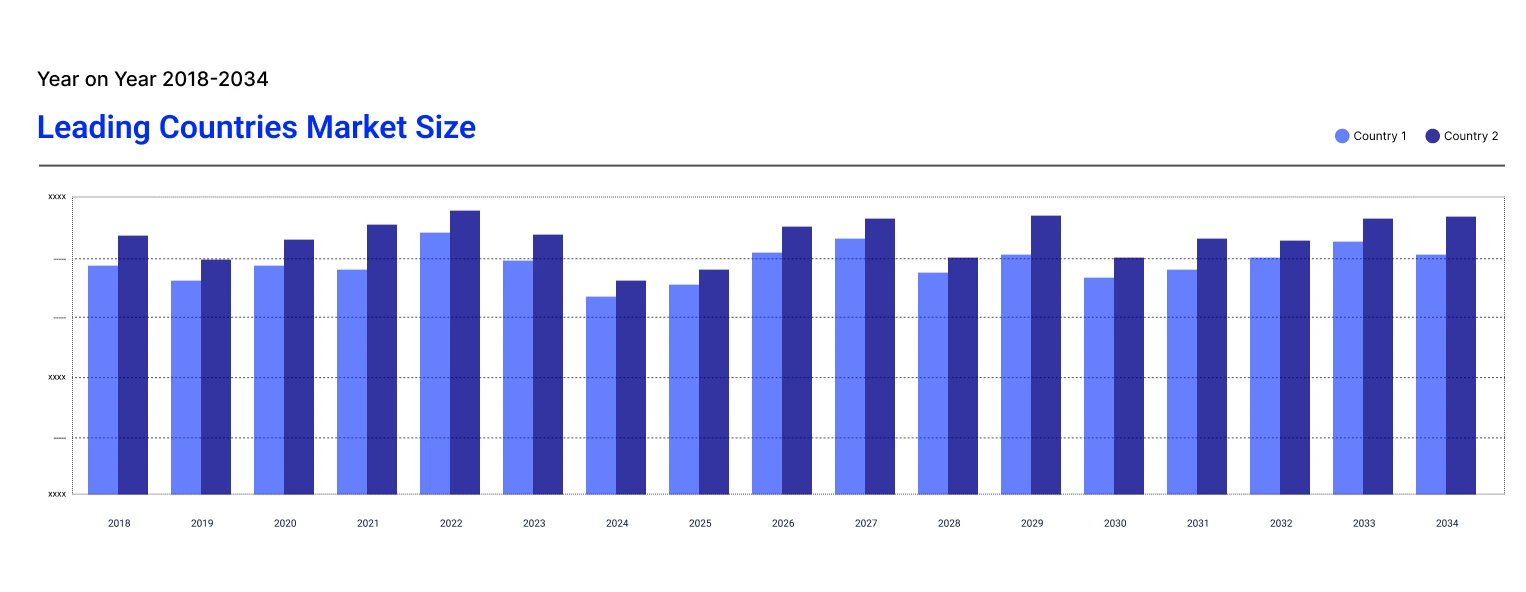
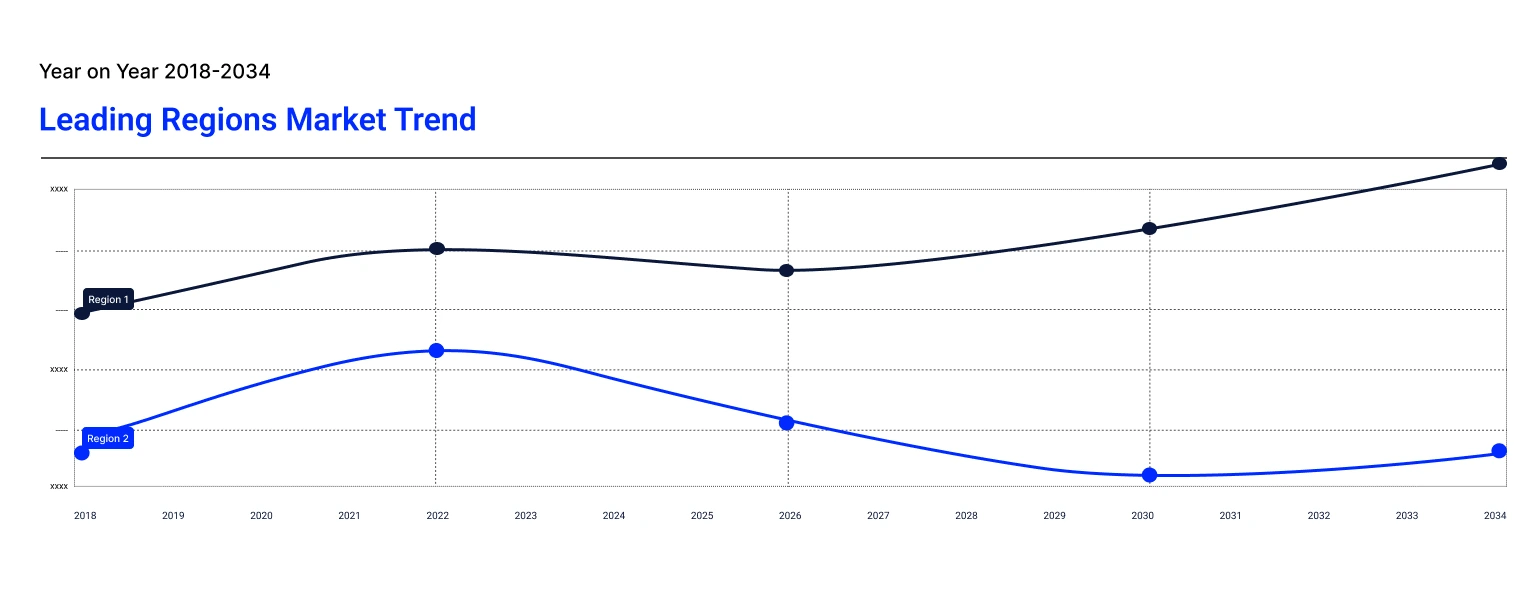
Europe leads the market due to strong policy support and industrial R&D programs
The nanocellulose market in Europe currently dominates the global scope, driven by stringent sustainability regulations and public-private R&D programs. Nations like Sweden and Finland are front-runners in nanocellulose production, powered by companies like Stora Enso and UPM. The European Green Deal’s bioeconomy focus further supports market growth through funding and pilot facilities aimed at substituting fossil-based materials with cellulose alternatives.
Asia Pacific is the fastest-growing regional nanocellulose market, supported by rising industrialization, government investment in green materials, and increasing demand for biodegradable packaging. Japan, China, and South Korea are investing heavily in nanocellulose for electronics and energy storage applications, enhancing regional competitiveness and export potential. For example, with the opening of the world's first commercial-scale ionic liquid-based regenerated cellulose fiber facility in Henan Province in July 2025 , China made significant progress in manufacturing and set new standards for sustainable textile production.
The industry is witnessing strategic collaborations, product innovation, and capacity expansion. Key nanocellulose market players are investing in cost-efficient production methods, emphasizing sustainability and diversification. Companies are focusing on applications beyond packaging, particularly electronics, biomedicine, and automotive components. Partnerships between research institutes and manufacturers are accelerating technology transfer and commercialization.
Nanocellulose companies are also exploring hybrid materials combining nanocellulose with graphene or chitosan for advanced composites. As end-user industries demand high-performance, low-impact materials, opportunities lie in scaling production without compromising uniformity and quality. Expanding pilot-scale plants into full commercial operations, developing novel surface modification techniques, and enhancing energy efficiency in processing remain priority areas for global competitors.
CelluForce Inc. was established in 2010 and is headquartered in Montréal, Canada. The company produces cellulose nanocrystals at pilot and commercial scale and is focusing on high-purity applications for coatings, composites, and barrier films. CelluForce is investing in process optimization and collaboration with academic labs to develop surface-modified CNC grades for targeted performance.
Nippon Paper Industries Co., Ltd. was founded in 1949 and is headquartered in Tokyo, Japan. The company is leveraging its integrated pulp and paper assets to develop nanocellulose grades for packaging, paper-strength improvement, and composites. Nippon Paper is piloting transparent NFC films for flexible displays and collaborating with electronics firms to test conductive inks reinforced with nanocellulose.
Kruger Inc. was established in 1904 and is headquartered in Canada. The company is expanding nanocellulose initiatives through its pulp and tissue operations, producing NFC and NCC for packaging and reinforcement applications. Kruger is partnering with automotive suppliers to trial lightweight interior panels and piloting nanocellulose-reinforced adhesives for stronger bonds at lower weight.
Sappi Europe SA was established in 1936 and is headquartered in South Africa. Sappi is developing nanocellulose-enabled barrier coatings and specialty papers for premium packaging and labels. The company is integrating nanocellulose into fiber-based composites for lightweight components and collaborating with startups on bio-based resin hybrids.
*Please note that this is only a partial list; the complete list of key players is available in the full report. Additionally, the list of key players can be customized to better suit your needs.*
Other key players in the nanocellulose market report include UPM-Kymmene Corporation, Melodea Ltd., CelluComp Ltd, Weidmann Holding AG, Nature Costech Co., Ltd., FiberLean Technologies Ltd., and others.
Unlock the latest insights with our global nanocellulose market trends 2026 report. Discover regional growth patterns, consumer preferences, and key industry players. Stay ahead of competition with trusted data and expert analysis. Download your free sample report today and drive informed decisions in the market.


Upto 15% Off
USD
$2499 $2249
$3999 $3599
$4999 $4249
$5999 $5099


*While we strive to always give you current and accurate information, the numbers depicted on the website are indicative and may differ from the actual numbers in the main report. At Expert Market Research, we aim to bring you the latest insights and trends in the market. Using our analyses and forecasts, stakeholders can understand the market dynamics, navigate challenges, and capitalize on opportunities to make data-driven strategic decisions.*
Get in touch with us for a customized solution tailored to your unique requirements and save upto 35%!
In 2025, the market reached an approximate value of USD 682.12 Million.
The market is projected to grow at a CAGR of 21.70% between 2026 and 2035.
The market is estimated to witness a healthy growth in the forecast period of 2026-2035, reaching a value of around USD 4861.46 Million by 2035.
Stakeholders are investing in pilot-to-commercial scale projects, are partnering with OEMs, are adopting enzymatic processing, are securing feedstock contracts, are developing certified, application-specific grades, and are piloting circular business models.
The key trends guiding the market are increasing investments in renovation projects, the growing demand for biodegradable and lightweight packaging, and the introduction of favourable governments aimed at driving sustainability.
The major regions in the market are North America, Latin America, the Middle East and Africa, Europe, and the Asia Pacific.
The different product types considered in the market report include nanocrystalline cellulose (NCC), nanofibrillated cellulose (NFC), and bacterial cellulose (BC), among others.
The several applications of nanocellulose include composites and packaging, pulp and paper, food and beverages, paints and coatings, biomedical and pharmaceuticals, and oil and gas, among others.
The key players in the market include CelluForce Inc., Nippon Paper Industries Co., Ltd., Kruger Inc., Sappi Europe SA, UPM-Kymmene Corporation, Melodea Ltd., CelluComp Ltd, Weidmann Holding AG, Nature Costech Co., Ltd., FiberLean Technologies Ltd., and others.
High production costs, inconsistent quality metrics, limited pilot-to-commercial scale pathways, regulatory complexity for food and medical uses, feedstock variability, competition from synthetics, and logistics bottlenecks hampering timely deliveries too.
Explore our key highlights of the report and gain a concise overview of key findings, trends, and actionable insights that will empower your strategic decisions.
| REPORT FEATURES | DETAILS |
| Base Year | 2025 |
| Historical Period | 2019-2025 |
| Forecast Period | 2026-2035 |
| Scope of the Report |
Historical and Forecast Trends, Industry Drivers and Constraints, Historical and Forecast Market Analysis by Segment:
|
| Breakup by Product Type |
|
| Breakup by Application |
|
| Breakup by Region |
|
| Market Dynamics |
|
| Competitive Landscape |
|
| Companies Covered |
|
Datasheet
One User
USD 2,499
USD 2,249
tax inclusive*
Single User License
One User
USD 3,999
USD 3,599
tax inclusive*
Five User License
Five User
USD 4,999
USD 4,249
tax inclusive*
Corporate License
Unlimited Users
USD 5,999
USD 5,099
tax inclusive*
*Please note that the prices mentioned below are starting prices for each bundle type. Kindly contact our team for further details.*
Flash Bundle
Small Business Bundle
Growth Bundle
Enterprise Bundle
*Please note that the prices mentioned below are starting prices for each bundle type. Kindly contact our team for further details.*
Flash Bundle
Number of Reports: 3
20%
tax inclusive*
Small Business Bundle
Number of Reports: 5
25%
tax inclusive*
Growth Bundle
Number of Reports: 8
30%
tax inclusive*
Enterprise Bundle
Number of Reports: 10
35%
tax inclusive*
How To Order

Select License Type
Choose the right license for your needs and access rights.

Click on ‘Buy Now’
Add the report to your cart with one click and proceed to register.

Select Mode of Payment
Choose a payment option for a secure checkout. You will be redirected accordingly.
Gain insights to stay ahead and seize opportunities.

Get insights & trends for a competitive edge.

Track prices with detailed trend reports.

Analyse trade data for supply chain insights.

Leverage cost reports for smart savings

Enhance supply chain with partnerships.

Connect For More Information
Our expert team of analysts will offer full support and resolve any queries regarding the report, before and after the purchase.
Our expert team of analysts will offer full support and resolve any queries regarding the report, before and after the purchase.
We employ meticulous research methods, blending advanced analytics and expert insights to deliver accurate, actionable industry intelligence, staying ahead of competitors.
Our skilled analysts offer unparalleled competitive advantage with detailed insights on current and emerging markets, ensuring your strategic edge.
We offer an in-depth yet simplified presentation of industry insights and analysis to meet your specific requirements effectively.





Share