

Consumer Insights
Uncover trends and behaviors shaping consumer choices today
Procurement Insights
Optimize your sourcing strategy with key market data
Industry Stats
Stay ahead with the latest trends and market analysis.

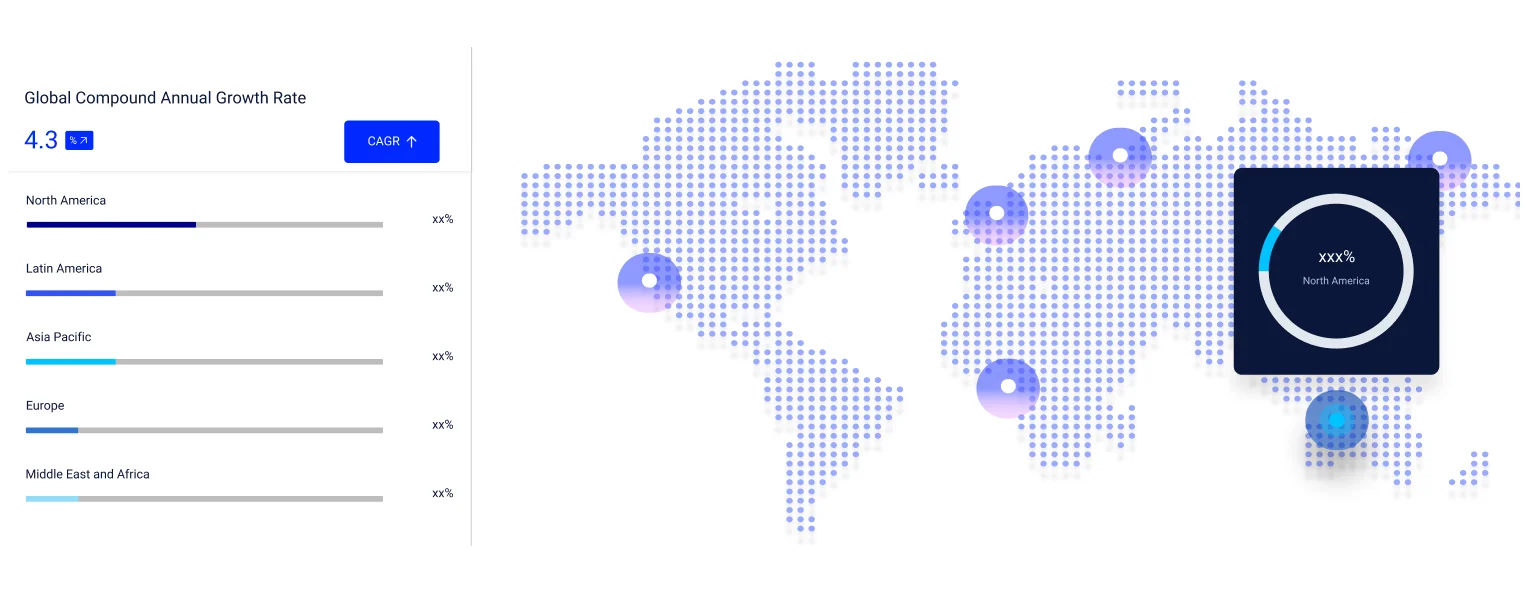
The microelectronics market attained a value of USD 481.87 Billion in 2025. The market is expected to grow at a CAGR of 5.70% during the forecast period of 2026-2035. By 2035, the market is expected to reach USD 838.84 Billion.
Governments globally are recognizing the strategic importance of microelectronics and are investing heavily in domestic semiconductor capabilities. Initiatives like the U.S. CHIPS Act, Europe’s Chips for Europe Initiative, and similar programs in Asia are driving funding into research & development, manufacturing, and supply chain resilience. These policies reduce dependency on foreign suppliers, secure national infrastructure, and boost innovation. As geopolitical tensions and supply chain disruptions continue, public-private partnerships are becoming critical for ensuring long-term technological leadership.
The push for smaller, faster, and more efficient electronic devices is adding to the microelectronics market revenue. Consumers demand compact gadgets with advanced capabilities, which pushes manufacturers to develop highly integrated circuits and multi-chip modules. Technologies, such as 3D IC packaging and system-on-chip (SoC) solutions are becoming more common. In November 2023, Samsung launched SAINT, a 3D AI chip packaging technology for advanced chip manufacturing. This trend enables better performance in smaller form factors, especially in wearables, smartphones, and IoT devices.
Base Year
Historical Period
Forecast Period
Compound Annual Growth Rate
5.7%
Value in USD Billion
2026-2035
*this image is indicative*
The shift toward materials beyond traditional silicon, such as gallium nitride (GaN), silicon carbide (SiC), and graphene, is reshaping the microelectronics market dynamics. These materials offer superior performance for high-speed, high-power, and high-temperature applications. In September 2024, STMicroelectronics launched Gen 4 SiC MOSFETs to offer higher efficiency, smaller size, less weight, and longer EV range than traditional silicon chips.The move to new materials supports the demand for more durable, energy-efficient devices while enabling innovation in previously limited use cases.
The rapid growth of the Internet of Things (IoT) is fueling demand for advanced microelectronics. This is driving innovation in microcontrollers, wireless chips, MEMS, and power management ICs. In December 2024, Morse Microelectronics launched a new IoT connectivity platform offering faster speeds, lower power use, and extended range for smart devices. As IoT adoption expands in smart cities, agriculture, and healthcare, the need for reliable and cost-effective microelectronic components continues to grow.
As energy efficiency becomes a priority across industries, the microelectronics industry is designed to consume less power without sacrificing performance. In June 2025, The GENESIS Project united 58 partners to drive sustainable semiconductor manufacturing through emission control, materials innovation, and waste reduction. In low-power processors and portable electronics, the need for greener electronics is influencing design and materials. Manufacturers are also focusing on reducing the environmental footprint of semiconductor production through cleaner processes and recyclable materials.
Microelectronics are increasingly merging with photonics to support faster data transmission and processing. Optical components integrated into chips, such as lasers, photodetectors, and modulators enable ultrafast interconnects in data centers, telecom, and sensor systems. This hybrid integration reduces latency, increases bandwidth, and lowers power consumption compared to traditional electronic-only systems. As the boundaries blur between electronics and photonics, new classes of optoelectronic chips are emerging to handle the massive growth in global data traffic.
The global rollout of 5G is a significant driver for the microelectronics market growth, requiring new RF chips, antennas, power amplifiers, and signal processors. 5G demands higher frequency bands and greater bandwidth, which requires advanced semiconductor materials and miniaturized components. Microelectronics must meet performance expectations for latency, reliability, and speed in everything from smartphones to industrial automation. In November 2024, ASR Microelectronics launched the ASR1903, a high-performance 5G RedCap chip platform designed for efficient, low-power, and cost-effective connectivity.
The EMR’s report titled “Microelectronics Market Report and Forecast 2026-2035” offers a detailed analysis of the market based on the following segments:
Market Breakup by Product Type
Key Insight: Lighting control is the most dominant segment due to the global push for energy efficiency and smart infrastructure. Microcontrollers, sensors, and power management ICs enable adaptive lighting systems that reduce electricity consumption in commercial, industrial, and residential settings. In January 2023, Nichia and Infineon unveiled the first high-definition micro-LED matrix with 16,384 LEDs, transforming precision and adaptability in automotive lighting. Integration with IoT and AI allows for centralized control via mobile apps or voice assistants, is also driving widespread adoption.
Market Breakup by Type
Key Insight: Transistors are the backbone of the microelectronics market. They function as the basic switching and amplification elements in integrated circuits (ICs), powering everything from smartphones to satellites. Advanced transistors, such as FinFETs and gate-all-around (GAA) designs, enable smaller, faster, and more efficient chips. Their application spans across microprocessors, memory, RF circuits, and power devices. Innovations in transistor technology directly impact chip performance, making them vital to the evolution of semiconductors.
Market Breakup by Vertical Type
Key Insight: The automotive sector leads the market due to the rapid shift toward electric vehicles (EVs), autonomous driving, and connected mobility. As per the International Energy Agency, the sales of electric cars topped 17 million worldwide in 2024. Microcontrollers, sensors, power semiconductors, and radar chips are critical to advanced driver assistance systems (ADAS), infotainment, and battery management. Companies like Tesla, Toyota, and BMW are integrating cutting-edge microelectronics to improve safety, efficiency, and performance.
Market Breakup by Region
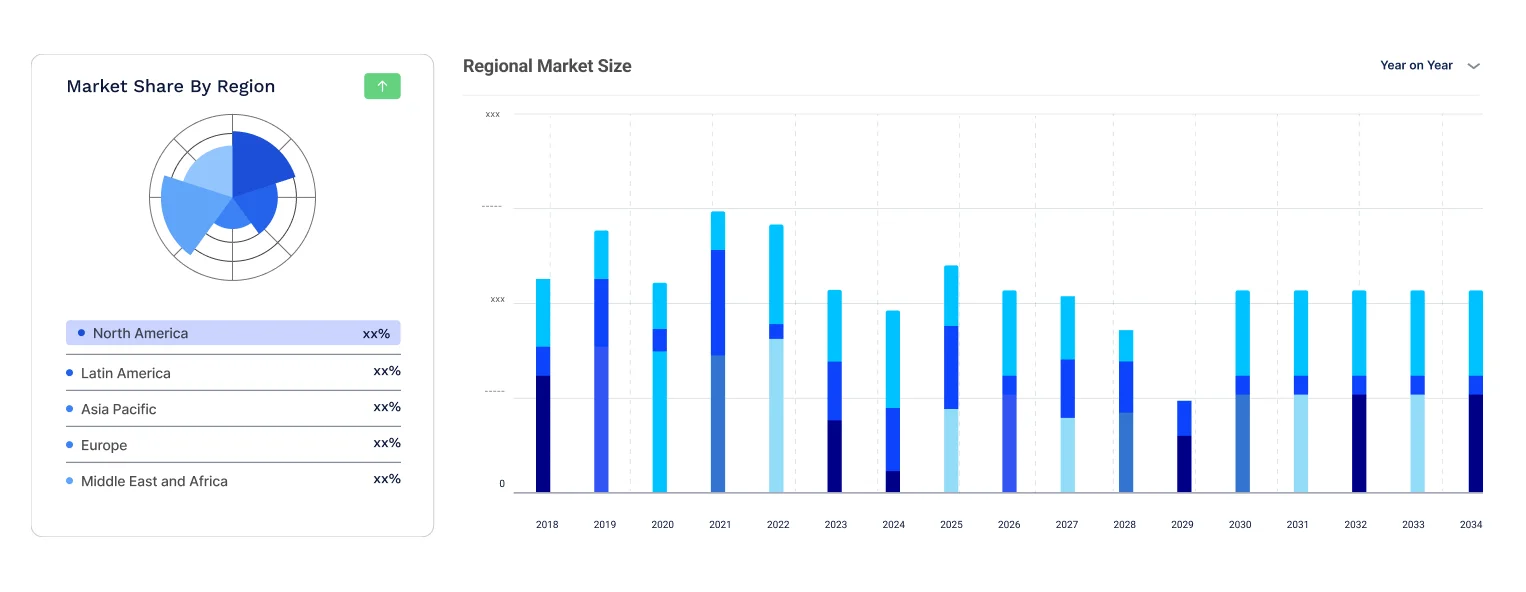
Key Insight: Asia Pacific dominates the global microelectronics market, led by manufacturing powerhouses like China, Taiwan, South Korea, and Japan. These countries host major players, producing semiconductors, sensors, and microcontrollers at scale. In August 2025, Rapidus Corporation, a Japanese semiconductor firm, unveiled its first 2nm wafer at the IIM-1 facility in Chitose, Hokkaido. Rapid industrialization, smart city development, and massive consumer electronics demand fuel growth. Government support in India and Vietnam is also expanding the region’s role in chip design and fabrication.
Security and Access & HVAC Control to Gain Traction
Security and access control systems heavily rely on the microelectronics industry to power surveillance cameras, biometric scanners, smart locks, and alarm systems. As urbanization increases and workplace security becomes more stringent, demand for intelligent access control solutions rises. Advancements in AI and cloud integration enable real-time threat detection and remote access management, boosting the growth of this segment. Increasing investments in smart homes and public safety infrastructure globally are other key drivers.
HVAC control systems deploy microelectronics to deliver better energy efficiency, environmental comfort, and remote operability. In June 2025, Getek unveiled CHEMSORB R: modular, refillable HVAC chemical filter that efficiently removes AMCs/VOCs while reducing energy use and maintenance. These systems optimize energy usage and reduce costs, making them popular in both residential and commercial settings. The trend toward green buildings and stricter building codes further accelerates demand.
Rising Adoption of Capacitors & Inductors
Capacitors are essential passive components of the microelectronics industry that store and release energy, smooth power supply fluctuations, and manage signal filtering in electronic circuits. As miniaturization progresses, the need for high-capacitance, small-footprint components increases, boosting capacitors demand. In November 2024, Murata opened a new 200 mm silicon capacitor production line in Caen, France, boosting compact, high-performance capacitor output for mobile devices.
Inductors are critical in power electronics, RF applications, and EMI filtering. They store energy in a magnetic field when current passes through them and are often used in DC-DC converters, power amplifiers, and tuning circuits. Inductors are key in high-frequency devices, such as smartphones, and in automotive powertrains where power conversion efficiency is critical. Inductors are also indispensable in specific high-performance or power-sensitive applications, maintaining their relevance in the evolving microelectronics ecosystem.
Huge Microelectronics Demand in Medical & Construction Sector
The medical sector is experiencing robust growth in microelectronics demand. Devices, such as wearable monitors, diagnostic imaging equipment, and implantable devices rely on ultra-small, high-performance microelectronics. Examples include pacemakers using micro-sized semiconductors and wearable glucose monitors with real-time connectivity. Telehealth and remote monitoring further expand the scope, with low-power chips enabling prolonged device life. Companies like Medtronic and Abbott are leading this charge.
The construction industry is increasingly integrating microelectronics through smart building solutions, such as automated lighting, HVAC systems, and energy management. In October 2024, Trane Technologies introduced several redesigned HVAC products to ease decarbonization efforts in building operations Smart city projects are accelerating the adoption of microelectronics in urban infrastructure. As sustainability and energy efficiency become construction priorities, this segment is set to grow steadily, with significant opportunities in green buildings and infrastructure modernization.
North America & Europe to Favor Microelectronics Growth
North America is a leader in microelectronics market, housing tech giants like Intel, NVIDIA, and Qualcomm. Government initiatives aim to reshore semiconductor manufacturing and reduce dependence on Asia. In December 2024, the United States Department of Energy committed USD 179 million to fund advanced microelectronics research centers, boosting innovation and technology development. The region’s strength lies in high-end applications such as aerospace, autonomous vehicles, and medical devices. North America also plays a crucial role in defining next-generation microelectronic technologies.
Europe has a well-established microelectronics ecosystem, supported by robust research & development infrastructure, skilled talent, and industrial leadership in automotive, aerospace, and power electronics. The region is home to leading players like Infineon, STMicroelectronics, NXP, and ASML, and benefits from strong public-private collaboration through initiatives such as the European Chips Act. With strategic investments in 300mm fabs, advanced packaging, and RISC-V architecture, Europe aims to strengthen semiconductor sovereignty and reduce dependency on global supply chains.
Major microelectronics industry players are focusing on innovation, cost efficiency, and strategic partnerships. Companies prioritize research and development to enhance chip performance, reduce size, and lower power consumption, enabling competitive advantages in consumer electronics, automotive, and healthcare. Miniaturization and integration are central to meeting the growing demand for compact and multifunctional devices. To maintain market relevance, players are adopting advanced manufacturing technologies, such as 3nm and below semiconductor nodes, and explore emerging materials like gallium nitride (GaN) and silicon carbide (SiC) for high-performance applications.
Vertical integration allows better control over the supply chain, especially amidst global chip shortages. Strategic mergers, acquisitions, and alliances help expand product portfolios and access new markets or technologies. Firms also emphasize geographical expansion, targeting high-growth regions in Asia-Pacific and Europe. Furthermore, many companies invest in sustainability and energy-efficient designs to align with global regulatory standards and consumer preferences. Customization and application-specific solutions are increasingly offered to cater to industry-specific needs.
Founded in 1906 and headquartered in Charlotte, the United States, Honeywell International Inc. is renowned for innovations in aerospace systems, automation, and advanced materials. Honeywell developed groundbreaking technologies in industrial IoT and building management systems, enhancing energy efficiency, safety, and productivity across multiple sectors globally.
Established in 2008, Jotrin Electronics Limited is headquartered in Hong Kong. The company specializes in distributing electronic components and semiconductors. Known for its vast global supply chain network, Jotrin supports manufacturers by offering hard-to-find components and ensuring timely deliveries, helping customers maintain production flow and reduce sourcing challenges.
Ingersoll Rand Inc., founded in 1859, has its headquarters in Davidson, the United States. The company is a global leader in mission-critical flow creation and industrial technologies. Its achievements include innovations in air compression systems, fluid management, and sustainable industrial solutions that improve energy efficiency and operational reliability.
Founded in 1836, Schneider Electric SE is based in Rueil-Malmaison, France and excels in energy management and automation solutions. Key innovations include EcoStruxure™, a digital platform that integrates IoT, AI, and analytics to optimize efficiency and sustainability in buildings, data centers, and industrial environments worldwide.
*Please note that this is only a partial list; the complete list of key players is available in the full report. Additionally, the list of key players can be customized to better suit your needs.*
Other players in the microelectronics market are Cisco Systems Inc., ACUITY BRANDS, INC., and Johnson Controls, among others.
Discover the latest microelectronics market trends 2026 and gain a competitive edge with Expert Market Research. Download your free sample report today to explore detailed market forecasts, emerging technology insights, and comprehensive regional analysis. Stay ahead in this rapidly evolving industry with trusted data and expert guidance. Don’t miss out on critical information shaping the future of microelectronics!


Upto 15% Off
USD
$2499 $2249
$3999 $3599
$4999 $4249
$5999 $5099


*While we strive to always give you current and accurate information, the numbers depicted on the website are indicative and may differ from the actual numbers in the main report. At Expert Market Research, we aim to bring you the latest insights and trends in the market. Using our analyses and forecasts, stakeholders can understand the market dynamics, navigate challenges, and capitalize on opportunities to make data-driven strategic decisions.*
Get in touch with us for a customized solution tailored to your unique requirements and save upto 35%!
In 2025, the market reached an approximate value of USD 481.87 Billion.
The market is projected to grow at a CAGR of 5.70% between 2026 and 2035.
The market is estimated to witness a healthy growth in the forecast period of 2026-2035 to reach about USD 838.84 Billion by 2035.
Key strategies driving the market include continuous innovation in semiconductor technologies, miniaturization for smaller, more efficient devices, and advanced manufacturing techniques. Companies focus on vertical integration, strategic partnerships, and geographical expansion to capture new markets. Additionally, sustainability initiatives and customized solutions for specific industries enhance competitiveness and growth.
The key trends of the market include the development of more efficient and compact devices using microelectronics, rising use of artificial intelligence in production processes, and favourable government policies.
The various product types include lighting control, security and access control, HVAC control, and entertainment control, among others.
The major regions in the market are North America, Europe, the Asia Pacific, Latin America, and the Middle East and Africa.
The key players in the market report include Honeywell International Inc., Jotrin Electronics Limited, Ingersoll Rand Inc., Schneider Electric SE, Cisco Systems Inc., ACUITY BRANDS, INC., and Johnson Controls, among others.
Lighting control is the most dominant segment due to the global push for energy efficiency and smart infrastructure.
Explore our key highlights of the report and gain a concise overview of key findings, trends, and actionable insights that will empower your strategic decisions.
| REPORT FEATURES | DETAILS |
| Base Year | 2025 |
| Historical Period | 2019-2025 |
| Forecast Period | 2026-2035 |
| Scope of the Report |
Historical and Forecast Trends, Industry Drivers and Constraints, Historical and Forecast Market Analysis by Segment:
|
| Breakup by Product Type |
|
| Breakup by Type |
|
| Breakup by Vertical Type |
|
| Breakup by Region |
|
| Market Dynamics |
|
| Competitive Landscape |
|
| Companies Covered |
|
Datasheet
One User
USD 2,499
USD 2,249
tax inclusive*
Single User License
One User
USD 3,999
USD 3,599
tax inclusive*
Five User License
Five User
USD 4,999
USD 4,249
tax inclusive*
Corporate License
Unlimited Users
USD 5,999
USD 5,099
tax inclusive*
*Please note that the prices mentioned below are starting prices for each bundle type. Kindly contact our team for further details.*
Flash Bundle
Small Business Bundle
Growth Bundle
Enterprise Bundle
*Please note that the prices mentioned below are starting prices for each bundle type. Kindly contact our team for further details.*
Flash Bundle
Number of Reports: 3
20%
tax inclusive*
Small Business Bundle
Number of Reports: 5
25%
tax inclusive*
Growth Bundle
Number of Reports: 8
30%
tax inclusive*
Enterprise Bundle
Number of Reports: 10
35%
tax inclusive*
How To Order

Select License Type
Choose the right license for your needs and access rights.

Click on ‘Buy Now’
Add the report to your cart with one click and proceed to register.

Select Mode of Payment
Choose a payment option for a secure checkout. You will be redirected accordingly.
Gain insights to stay ahead and seize opportunities.

Get insights & trends for a competitive edge.

Track prices with detailed trend reports.

Analyse trade data for supply chain insights.

Leverage cost reports for smart savings

Enhance supply chain with partnerships.

Connect For More Information
Our expert team of analysts will offer full support and resolve any queries regarding the report, before and after the purchase.
Our expert team of analysts will offer full support and resolve any queries regarding the report, before and after the purchase.
We employ meticulous research methods, blending advanced analytics and expert insights to deliver accurate, actionable industry intelligence, staying ahead of competitors.
Our skilled analysts offer unparalleled competitive advantage with detailed insights on current and emerging markets, ensuring your strategic edge.
We offer an in-depth yet simplified presentation of industry insights and analysis to meet your specific requirements effectively.





Share