

Consumer Insights
Uncover trends and behaviors shaping consumer choices today
Procurement Insights
Optimize your sourcing strategy with key market data
Industry Stats
Stay ahead with the latest trends and market analysis.

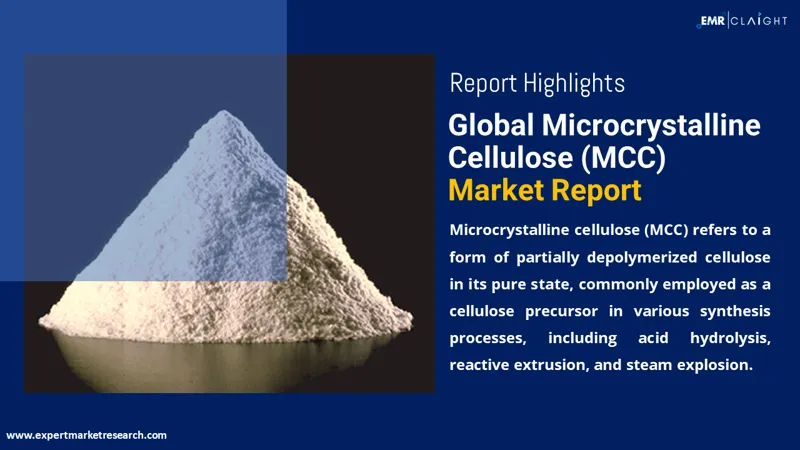
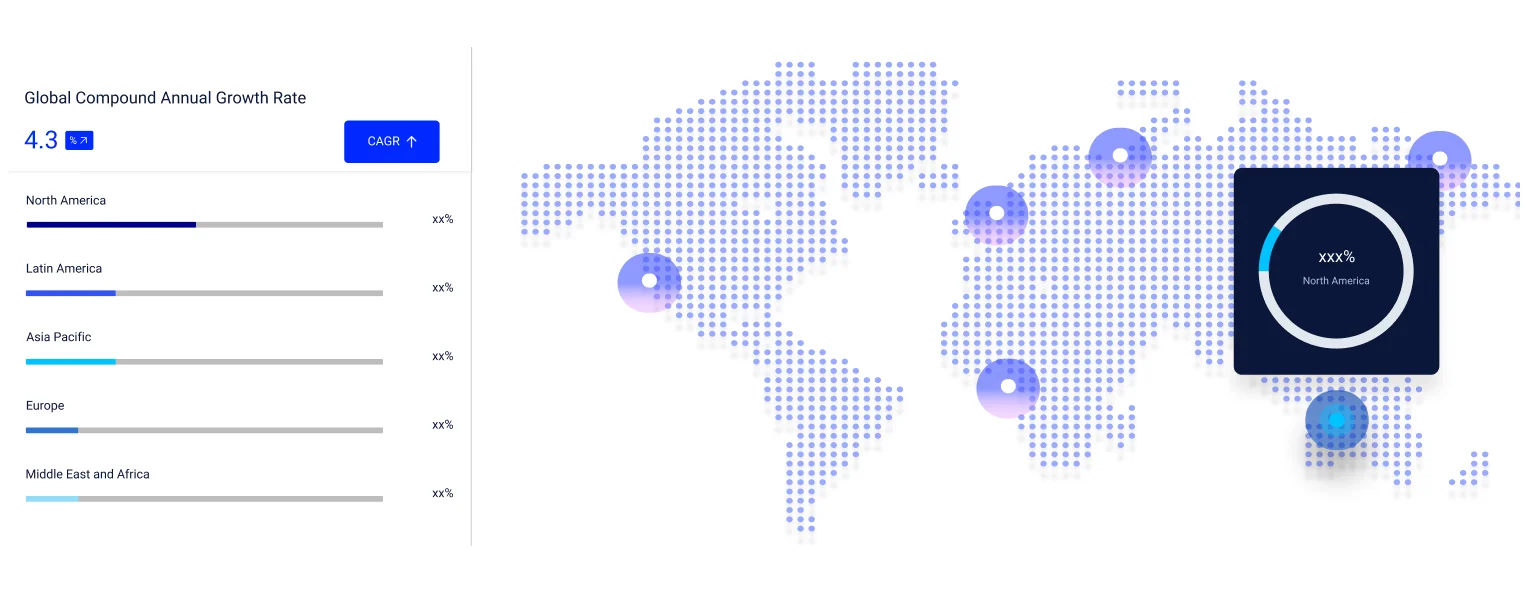
The microcrystalline cellulose (MCC) market attained a value of USD 1.30 Billion in 2025. The market is expected to grow at a CAGR of 5.50% during the forecast period of 2026-2035. By 2035, the market is expected to reach USD 2.22 Billion.
Advanced manufacturing methods are boosting the microcrystalline cellulose (MCC) market expansion for improving product quality, sustainability, and production efficiency. With these technological improvements, manufacturers can develop bespoke grades of MCC that target the pharmaceuticals, 3D printing, cosmetics and food sectors. For instance, in June 2024, Nordic Bioproducts Group received EXCiPACT® certification confirming the manufacture of pharmaceutical grade MCC from its new Lappeenranta plant. Escalated efficiencies, in terms of scalability and automation, also lower costs and create greater international supply capacity which further enhances MCC competitively in the Asia Pacific and Latin America, two high growth opportunities.
Collaborative relationships between manufacturers and key stakeholders in pharmaceuticals, foods, cosmetics, and packaging is also assisting in the development of new products and access to market. MCC manufacturers are working collectively with formulators, ingredient manufacturers and research partners to develop targeted excipients and functional ingredients with different levels of customization to meet industry needs. For example, in September 2024, VTT announced a collaboration with a researcher partner Aalto University and the University of Helsinki on a new research project called CELLIGHT that focuses on developing cellulose-based sustainable opacifiers as replacements for titanium dioxide that are exploring new eco-friendly and sustainable developments in the MCC industry space.
Base Year
Historical Period
Forecast Period
Compound Annual Growth Rate
5.5%
Value in USD Billion
2026-2035
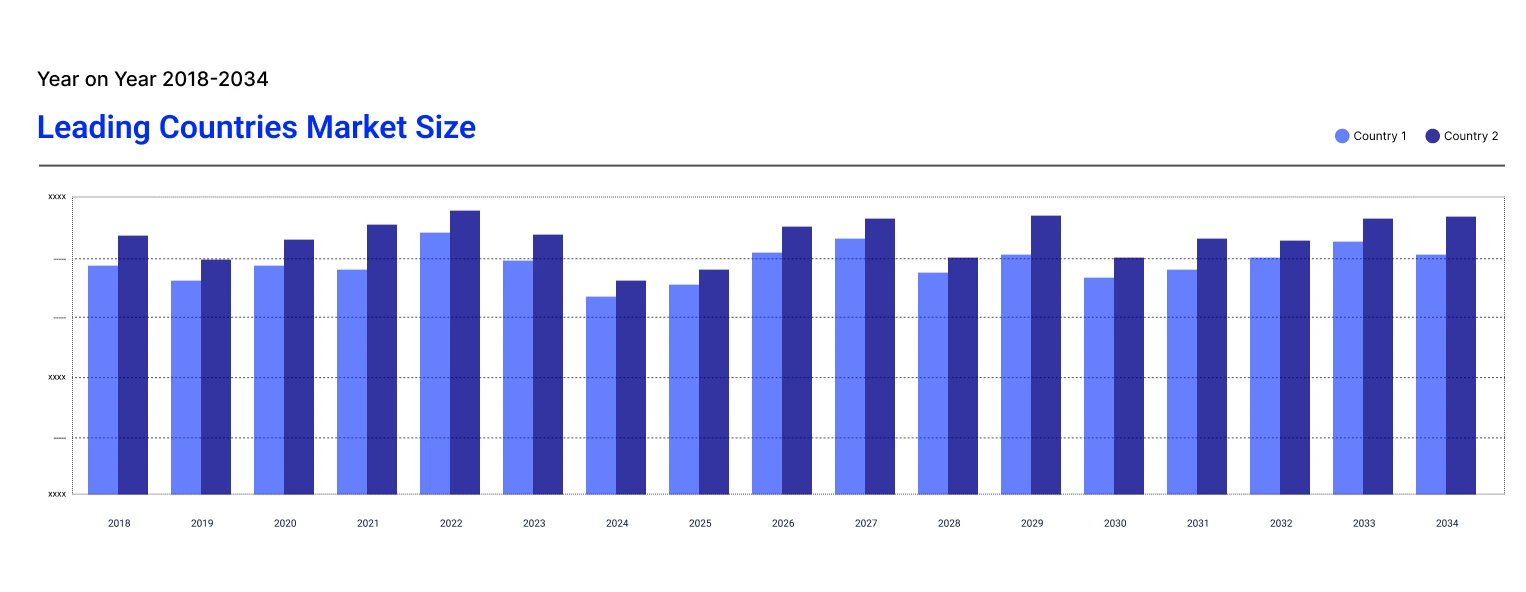
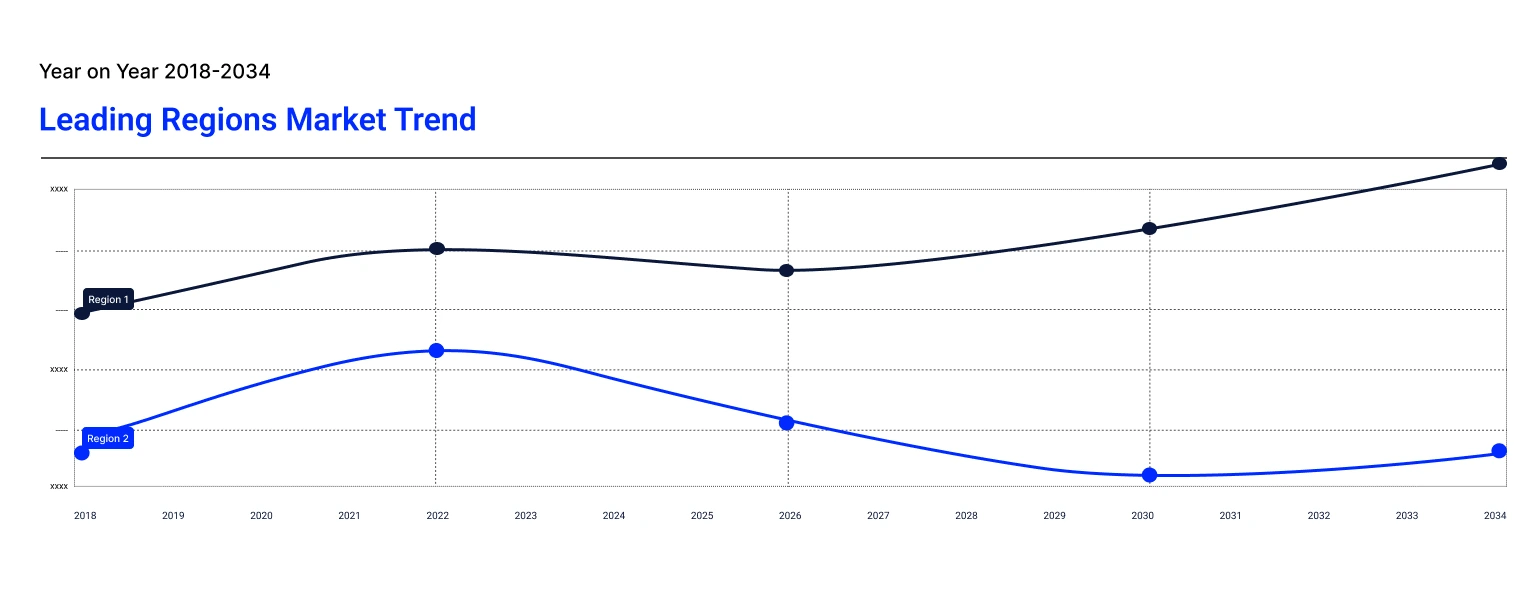
*this image is indicative*
Across the microcrystalline cellulose (MCC) industry, manufacturers are engineering specialized MCC variants, such as ultra-fine, moisture-resistant, or spherical forms, to meet specific functional demands. In December 2023, Roquette added three new excipient grades, including MICROCEL 113 SD MCC to cater to pharmaceutical and nutraceutical applications. These enhancements broaden application scopes and increase the value of MCC in high-performance pharmaceutical formulations.
As consumers increasingly seek clean-label and natural ingredients, MCC is gaining popularity in the food and beverage sector, where transparency and minimal ingredient lists influence purchasing decisions. According to industry reports, 30% of food and beverage launches globally in 2024 featured a clean label claim. Microcrystalline cellulose aligns perfectly with these trends. MCC also helps manufacturers to maintain texture, structure, and shelf-life in low-fat or reduced-calorie foods without compromising taste or quality.
Beyond traditional uses, the microcrystalline cellulose (MCC) market is increasingly explored for next-generation applications. Some of these include biodegradable composites, reinforcing agents, and eco-friendly 3D printing filaments. In October 2022, Research and industry pilots started launching PLA/MCC bio composite filaments for 3D printing by blending microcrystalline cellulose with polylactic acid. These emerging uses present novel revenue streams and signal MCC’s versatility beyond pharma and foods.
Environmental concerns are driving the shift toward sustainable MMC feedstocks, such as cotton linter, bamboo, and agricultural residue. In September 2023, sustainably focused cellulose fibre producer Birla Cellulose introduced new variant of viscose Birla Viscose Ecosoft, made exclusively from bamboo pulp. Non wood MCC reduces reliance on wood pulp, supports circular economy initiatives, and helps meet regulatory and consumer demands for green ingredients. Such innovations position the non wood MCC segment to outperform wood-based counterparts in coming years.
The microcrystalline cellulose industry revenue is growing with consumers increasingly demanding eco-friendly and transparent products. MCC firms are responding with green branding efforts, certifications, and digital outreach. For instance, in May 2024, India’s Amster Microcell became EXCiPACT-certified for Good Manufacturing Practice (GMP) and Good Distribution Practice (GDP), further validating its excellence in MCC production and supply. Positioning MCC as a natural, plant-based ingredient with reputable traceability supports market growth, especially among environmentally conscious B2B and B2C clients.
Read more about this report - REQUEST FREE SAMPLE COPY IN PDF
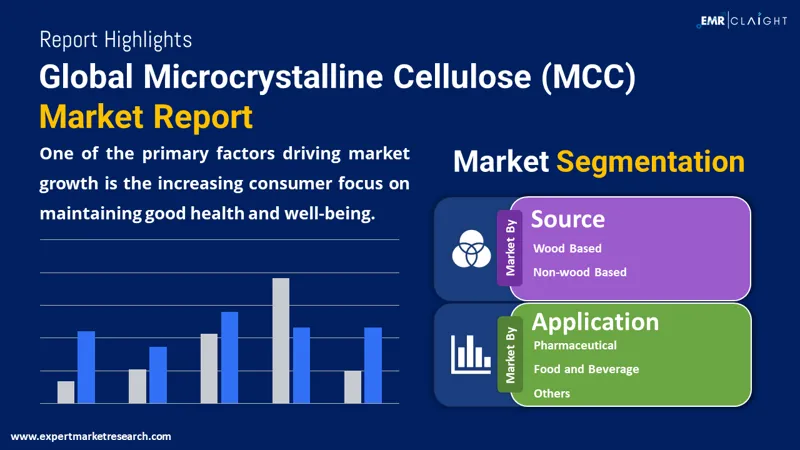
The EMR’s report titled “Microcrystalline Cellulose (MCC) Market Report and Forecast 2026-2035” offers a detailed analysis of the market based on the following segments:
Breakup by Source
Key Insight: Wood-Based microcrystalline cellulose (MCC) market is driven by its well-established production processes, abundant raw material supply, and consistent quality. Leading companies use wood-based sources to manufacture high-purity MCC, such as Avicel® and Ceolus™. In January 2023, Asahi Kasei completed construction of its second wood based Ceolus™ MCC facility at Mizushima Works, reinforcing its supply of high purity excipients. The segment dominance is further reinforced by decades of technological optimization, sustainable forestry practices, and global acceptance across healthcare and manufacturing industries.
Breakup by Application
Key Insight: Pharmaceutical remains the most dominant segment in the microcrystalline cellulose (MCC) industry, driven by its critical role as an excipient in tablet formulation. MCC improves tablet compressibility, binding, and disintegration, making it essential for solid dosage forms. Leading pharmaceutical companies rely heavily on MCC from major producers. In November 2023, BASF Pharma Solutions and IFF Pharma Solutions collaborated to integrate IFF's Avicel microcrystalline cellulose into BASF's ZoomLab platform. Regulatory standards in North America and Europe ensure high-quality MCC use, reinforcing its dominance.
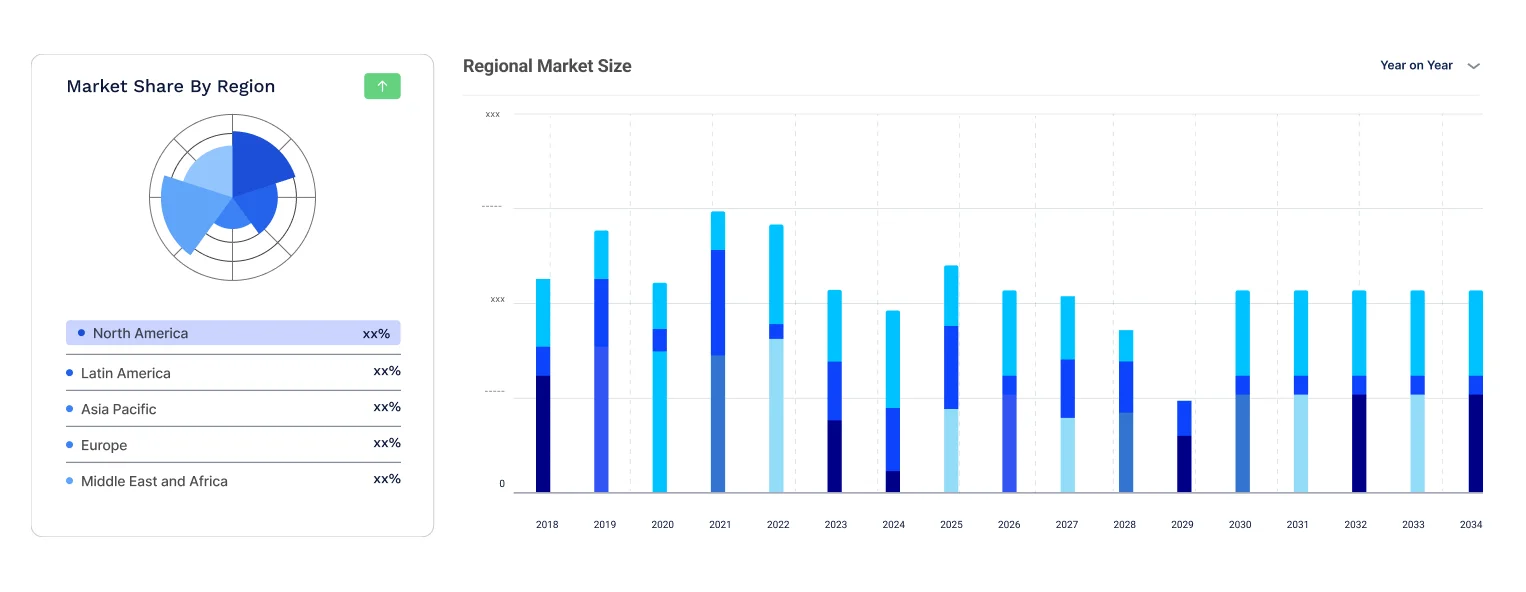
Breakup by Region
Key Insight: North America leads the microcrystalline cellulose market growth due to its robust pharmaceutical, food, and cosmetic industries. The United States drives demand for MCC in tablets, dietary supplements, and food additives. Major players have expanded production capacity. For instance, in December 2022, JRS Pharma announced plans to construct a new MCC manufacturing facility in Cedar Rapids, Iowa, to cater to the pharmaceutical sector. Strong regulatory frameworks ensure product safety and quality, encouraging innovation. Additionally, partnerships highlight strategic supply chain enhancements for supporting North American demand, reinforcing its dominant market position.
Read more about this report - REQUEST FREE SAMPLE COPY IN PDF
Non-wood Based Microcrystalline Cellulose to Gain Popularity
Non-wood based microcrystalline cellulose demand is a growing due to sustainability concerns and alternative raw material research. Sourced from agricultural residues like cotton linters, wheat straw, or bamboo, this MCC type supports circular economy goals and reduces reliance on forestry. Recent innovations have showcased its environmental advantages, including lower carbon footprints and zero-waste processes. In April 2025, a Chinese specialty chemical manufacturer commercial produced high-purity MCC extracted from bamboo pulp. With rising eco-friendly mandates, non-wood MCC is likely to gradually expand.
Magnifying MCC Application in Food and Beverages & Cosmetics and Personal Care
Food and beverage is gaining traction in the microcrystalline cellulose market for its functional properties as a stabilizer, anti-caking agent, and fat replacer. MCC enhances texture and shelf life in bakery goods, processed foods, and powdered beverages. The growing demand for low-calorie, clean-label foods is encouraging manufacturers to adopt MCC as a natural, plant-based ingredient. Companies have expanded their food-grade MCC portfolios to meet these trends. The segment’s growth is strong in regions like Asia Pacific, driven by rising processed food consumption and increasing health awareness among consumers.
Cosmetics and personal care represent a steadily growing MCC segment with rising need for natural thickener, absorbent, and texturizer in creams, powders, and lotions. Sustainability concerns and consumer preference for natural ingredients are boosting the demand for wood- and non-wood-based MCC variants. In January 2025, Nordic Bioproducts Group partnered with Southern European distributors to expand eco-friendly MCC supply for beauty and personal care markets. Increasing green formulations and strict regulations on synthetic additives further promote MCC adoption as a safer, eco-conscious alternative in personal care formulations.
Surging MCC Demand in Europe & Asia Pacific
Europe holds a significant share of the microcrystalline cellulose (MCC) industry, driven by pharmaceutical manufacturing hubs in Germany, France, and the United Kingdom. The region’s stringent environmental and quality regulations push manufacturers toward eco-friendly MCC variants. In April 2024, Nordic Bioproducts Group launched large-scale MCC production in Finland using AaltoCell™ technology for reducing emissions by 72% with a continuous, zero-waste process. Europe also benefits from cross-border trade within the EU, boosting MCC availability. Europe’s strong focus on innovation and sustainability secures its influential role in the overall market.
Asia Pacific represents the fastest-growing regional segment, fuelled by rising pharmaceutical production in India, China, and Southeast Asia. The region's rapid urbanization, rising healthcare expenditure, and expanding pharmaceutical and food industries are fueling demand for high-quality excipients. Governments are investing heavily in healthcare infrastructure, boosting domestic pharmaceutical production and thereby increasing MCC consumption. Moreover, cost-effective manufacturing, favorable regulatory environments, and a growing focus on exports position Asia Pacific as a global hub for MCC production. This momentum makes it the most dynamic region in the MCC landscape.
Key players in the microcrystalline cellulose (MCC) market are leveraging key strategies to maximize their growth potential, anticipate future demand, and remain competitive. A principle strategy is product diversification relating to the development of different grades of MCC for use in pharmaceutical, food, cosmetic and industrial applications to create opportunity to supply a wide range of customers across several industries, connecting with new customers, and reducing their reliance on one market. Another retained strategy is to engage in the geographic expansion tactic, which includes establishing manufacturing units and alliances in areas where demand is rapidly increasing and imposing lower transportation logistics costs.
Sustainability is a key driver for companies within the MCC landscape with the rise in investments into sustainable sourcing to meet the increasing demand for green initiatives and regulatory requirements, such as non-wood by-products and agricultural by-products. Strategic collaboration, mergers and acquisitions continue to be attractive options for players in the MCC market to improve their market share and invest in R&D. Investments in improved production methods reduce production costs and improve production consistency. These strategies allow these MCC producers to be agile in meeting the diverse demands of their customers, while allowing for innovation, improvement, and sustainability in the management of MCC production.
Founded in 1802 and headquartered in, Delaware, the United States, DuPont de Nemours, Inc. has pioneered materials, such as neoprene, nylon, Teflon, Kevlar, Mylar, Tyvek, and Sorona. The company has earned multiple National Medals of Technology, notably for Kevlar and CFC replacements, and received over seven R&D 100 and Edison awards by 2024 for innovations in sustainability and high-performance materials.
Established in May 1931 with headquarters in Tokyo’s Yurakuchō district, Asahi Kasei Corporation is a Japanese chemical and materials giant renowned for its diverse offerings, including performance polymers, medical devices, and electronics materials. The company continues to innovate in food safety, healthcare, and energy, backed by extensive R&D and global production across Asia, Europe, and North America.
Sigachi Industries Limited was founded in 1989 and is headquartered in Hyderabad, India, with multiple manufacturing sites in Telangana, Gujarat, and Karnataka. The firm has pioneered microcrystalline cellulose production, earning national entrepreneurship and innovation awards, achieving global certifications and expanding exports to 65+ countries.
Accent Microcell Pvt. Ltd. began operations in 2012 in Ahmedabad, Gujarat and specializes in cellulose excipients, earned ISO, GMP and FSSC 22000 certifications. The company has set up advanced labs and plants in Pirana and Dahej while going public in 2022, and exports globally to 36+ countries.
*Please note that this is only a partial list; the complete list of key players is available in the full report. Additionally, the list of key players can be customized to better suit your needs.*
Other players in the microcrystalline cellulose (MCC) market are DFE Pharma GmbH & Co.KG, among others.
Download your free sample report today to explore microcrystalline cellulose (MCC) market trends 2026, competitive insights, and future growth forecasts. Get expert analysis on demand drivers, pricing dynamics, and regional performance. Whether you're an investor or industry stakeholder, this report offers valuable knowledge to guide your business strategy.


Upto 15% Off
USD
$3999 $3599
$2499 $2249
$4999 $4249
$5999 $5099


*While we strive to always give you current and accurate information, the numbers depicted on the website are indicative and may differ from the actual numbers in the main report. At Expert Market Research, we aim to bring you the latest insights and trends in the market. Using our analyses and forecasts, stakeholders can understand the market dynamics, navigate challenges, and capitalize on opportunities to make data-driven strategic decisions.*
Get in touch with us for a customized solution tailored to your unique requirements and save upto 35%!
The market is projected to grow at a CAGR of 5.50% between 2026 and 2035.
The key strategies driving the market include product innovation via the development of high-performance, specialty MCC grades tailored to specific applications in pharmaceuticals, food, and cosmetics. Companies are expanding geographically through partnerships and acquisitions to tap into emerging markets. Additionally, diversification across industries helps reduce dependency on any single sector, enhancing market stability and growth.
The key trends guiding the market growth include the rising health consciousness among consumers and an upsurge in demand for personal care products.
The major regions in the market are North America, Latin America, Europe, the Middle East and Africa, and the Asia Pacific.
The major sources include wood based and non-wood based.
The significant applications include pharmaceutical, food and beverage, and cosmetics and personal care, among others.
The key players in the market report include DuPont de Nemours, Inc., Asahi Kasei Corporation, Sigachi Industries Limited, Accent Microcell Pvt. Ltd., and DFE Pharma GmbH & Co.KG, among others.
In 2025, the market reached an approximate value of USD 1.30 Billion.
The market is estimated to witness healthy growth in the forecast period of 2026-2035 to reach a value of around USD 2.22 Billion by 2035.
Pharmaceutical remains the most dominant segment in the market, driven by its critical role as an excipient in tablet formulation.
Explore our key highlights of the report and gain a concise overview of key findings, trends, and actionable insights that will empower your strategic decisions.
| REPORT FEATURES | DETAILS |
| Base Year | 2025 |
| Historical Period | 2019-2025 |
| Forecast Period | 2026-2035 |
| Scope of the Report |
Historical and Forecast Trends, Industry Drivers and Constraints, Historical and Forecast Market Analysis by Segment:
|
| Breakup by Source |
|
| Breakup by Application |
|
| Breakup by Region |
|
| Market Dynamics |
|
| Competitive Landscape |
|
| Companies Covered |
|
| Report Price and Purchase Option | Explore our purchase options that are best suited to your resources and industry needs. |
| Delivery Format | Delivered as an attached PDF and Excel through email, with an option of receiving an editable PPT, according to the purchase option. |
Single User License
One User
USD 3,999
USD 3,599
tax inclusive*
Datasheet
One User
USD 2,499
USD 2,249
tax inclusive*
Five User License
Five User
USD 4,999
USD 4,249
tax inclusive*
Corporate License
Unlimited Users
USD 5,999
USD 5,099
tax inclusive*
*Please note that the prices mentioned below are starting prices for each bundle type. Kindly contact our team for further details.*
Flash Bundle
Small Business Bundle
Growth Bundle
Enterprise Bundle
*Please note that the prices mentioned below are starting prices for each bundle type. Kindly contact our team for further details.*
Flash Bundle
Number of Reports: 3
20%
tax inclusive*
Small Business Bundle
Number of Reports: 5
25%
tax inclusive*
Growth Bundle
Number of Reports: 8
30%
tax inclusive*
Enterprise Bundle
Number of Reports: 10
35%
tax inclusive*
How To Order

Select License Type
Choose the right license for your needs and access rights.

Click on ‘Buy Now’
Add the report to your cart with one click and proceed to register.

Select Mode of Payment
Choose a payment option for a secure checkout. You will be redirected accordingly.
Gain insights to stay ahead and seize opportunities.

Get insights & trends for a competitive edge.

Track prices with detailed trend reports.

Analyse trade data for supply chain insights.

Leverage cost reports for smart savings

Enhance supply chain with partnerships.

Connect For More Information
Our expert team of analysts will offer full support and resolve any queries regarding the report, before and after the purchase.
Our expert team of analysts will offer full support and resolve any queries regarding the report, before and after the purchase.
We employ meticulous research methods, blending advanced analytics and expert insights to deliver accurate, actionable industry intelligence, staying ahead of competitors.
Our skilled analysts offer unparalleled competitive advantage with detailed insights on current and emerging markets, ensuring your strategic edge.
We offer an in-depth yet simplified presentation of industry insights and analysis to meet your specific requirements effectively.





Share