

Consumer Insights
Uncover trends and behaviors shaping consumer choices today
Procurement Insights
Optimize your sourcing strategy with key market data
Industry Stats
Stay ahead with the latest trends and market analysis.

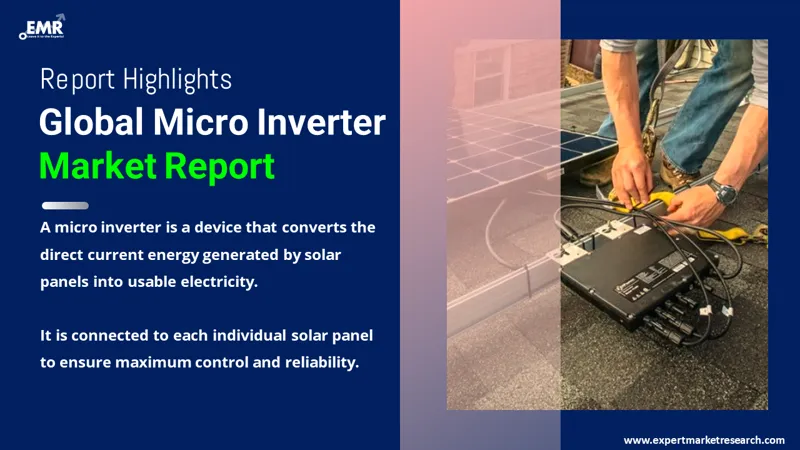
The global micro inverter market size was valued at USD 2928.12 Million in 2025. The industry is expected to grow at a CAGR of 14.42% during the forecast period of 2026-2035 to reach a value of USD 11261.81 Million by 2035. The growth of the market is the result of the ongoing development of solar modules along with the demand for cost-effective, high-performance microinverters.
When modules reach higher wattages and better efficiency, manufacturers are upgrading power handling, reliability, and overall system performance to be on a par with the technological advances in the micro inverter market . Meanwhile, affordable solutions are very important for a wider adoption to be possible in the residential and small commercial applications. As a matter of fact, Enphase Energy expanded its IQ8HC/IQ8X microinverter lineup in January 2024, enabling higher power modules while still ensuring strong reliability.
In the same way, Hoymiles Power Electronics Inc. came up with cost-efficient microinverters in January 2023, aimed at budget-conscious installers but without a feature of output quality compromise. These innovations signal a dual strategy of the players in the market: enhancing product performance for the next-generation modules while increasing the accessibility level for the diverse markets. The mix of innovation and cost optimization is still the main reason behind the global microinverter market development.
Base Year
Historical Period
Forecast Period
Compound Annual Growth Rate
14.42%
Value in USD Million
2026-2035
*this image is indicative*
The consumer trend in micro inverter market is to install solar panels on their roofs to cut power bills and bolster energy independence. As a result, microinverter manufacturers are extending their distribution networks to satisfy that need. A case in point is when, in March 2023, APsystems inked a global distribution agreement with OSW (Australia's largest solar distributor) to facilitate the residential market worldwide with APsystems microinverter solutions. By doing this, the company emphasizes the vendor's commitment to changing their market approach to get in touch with the expanding residential homeowner segment which is the most per panel monitoring and modular systems user-friendly.
The micro inverter market growth is influenced by the ongoing efforts of the market players investing in local production as a way of being more responsive and delivering at lower cost. To be specific, Hoymiles opened a 6,700 m² Monterrey, Mexico, factory in September 2024, the space dedicated to microinverters with the initial output set at 500 000 units per year. With production closer to the North and Latin American markets, Hoymiles is catering to the consumers' expectation of shorter lead times, regional support and competitive prices, which eventually become adoption facilitators
In order to satisfy the rising needs of homeowners which has surged the demand for microinverter, manufacturers are reinforcing their relations with the distribution and wholesaler networks across the micro inverter market. To illustrate, Enphase extended its relationship with BayWa r.e. in July 2023 to include the distribution of the entire IQ8 microinverter family, with new high-powered models, in Poland. Collaborating this closely with the local installer networks enables the brands to react faster to the consumer trend toward buying locally available, installer certified, brand-backed products.
Commercial rooftop and small-scale industrial users are looking for high power as well as multi-module micro-inverter solutions. In this regard, APsystems unveiled its EZ1 WiFi& Bluetooth microinverter series in May 2023, a product line targeting DIY or smaller installs with integrated connectivity for monitoring. This single residential/DIY segment-oriented example serves as a hint on how vendors are widening their product tiers, expanding the micro inverter market scope to not only accommodate C&I capable multi module microinverters but also to tackle the consumer trend of flexible, scalable solar systems across different use cases.
Home-owners solar system is an investment, thus reliability and long term support will be the deciding purchase factors. On that note, Enphase Energy declared in October 2024, that all its IQ8 series microinverters activated in Australia are covered by a 25 year limited warranty, thus, it is the longest standard residential inverter warranty in that market. With the company providing extended warranty, it becomes a brand that consumers can rely on since they expect a performance of several decades, therefore diminishing the risk perception and increasing the speed of microinverter-based systems adoption.
Read more about this report - REQUEST FREE SAMPLE COPY IN PDF
The EMR’s report titled “Global Micro Inverter Market Report and Forecast 2026-2035” offers a detailed analysis of the market based on the following segments:
Market Breakup by Technology
Key Insights: Wired systems continue to lead in segments requiring proven reliability and stable communications infrastructure, with manufacturers launching new high-power units to support next generation modules. For example, Sungrow Power Supply Co., Ltd. secured the world’s first VDE EMC certificate for its microinverter in December 2024, underscoring its emphasis on electromagnetic compatibility and long-term reliability. Meanwhile, wireless microinverter solutions are gaining momentum among homeowners and installers seeking easy installation, minimal cabling and smart system integration. Vendors are developing WiFi/Bluetooth enabled microinverters and plug and play modules to capture the DIY and retrofit sector, thereby boosting the micro inverter market growth.
Market Breakup by Type
Key Insights: In the single-phase segment, market players are developing user-friendly, high-efficiency units, integrating smart-home compatibility, and expanding distribution networks to reach homeowners and small installers. In the three-phase segment, companies are focusing on higher power, modular designs, and grid-compliant solutions for commercial rooftops. Across both segments, vendors are investing in research and development, partnerships, and system-level innovations to capture diverse demand in the micro inverter market.
Market Breakup by Connection
Key Insights: The market divides into standalone (off grid) and grid connected microinverter systems, each backed by distinct trends and vendor strategies. In the standalone segment, manufacturers are developing microinverters with integrated storage compatibility and backup capable operation to serve remote locations and resilient homes. In the grid connected segment, vendors are enhancing export capable models, monitoring connectivity and utility interface capabilities. For example, Havells India Ltd. launched in October 2023 its dual mode microinverter (ONGrid/OffGrid) to cover both connection types.
Market Breakup by End-Use
Key Insights: The residential sector contributes significantly to the micro inverter market revenue as homeowners are increasingly gravitating toward “smart,” hassle-free solar solutions, driving manufacturers to offer integrated inverter-plus-storage systems that simplify installation and enhance energy management. Reflecting this trend, Generac Holdings Inc. unveiled its PWRmicro 820 W microinverter in September 2025, designed to maximize rooftop solar yield for homeowners. Meanwhile, the commercial segment is seeing the rollout of high-capacity, grid-compliant microinverters with advanced monitoring and O&M capabilities. By innovating across both segments, vendors are ensuring tailored solutions that meet the distinct needs of residential and commercial solar users.
Market Breakup by Region
Key Insights: In North America micro inverter market, rising rooftop solar adoption and storage ready systems are driving vendor expansions. Europe is seeing high powered module support and local manufacturing ramp up, for instance, Enphase Energy, Inc. launched its IQ8P microinverter in Italy & Switzerland in July 2025. In Asia Pacific and Latin America, manufacturers are localising production to improve affordability and reach remote segments; in the Middle East & Africa, firms are designing microinverters with resilience to harsh conditions and offgrid capability. Across all regions market players are adapting to regional incentives, installer networks and consumer trends to boost penetration.
Read more about this report - REQUEST FREE SAMPLE COPY IN PDF
By technology, wired microinverters continue to attract more and more consumers
Wired microinverters are leading with a demand for stable, long-term performance and compatibility with high watt rooftop modules. Manufacturers are working on the new models to enhance their durability and make them more friendly for the installers. To illustrate, at Intersolar Europe June 2024 Sungrow Power Supply Co., Ltd. presented its S450S/S800S/S1600S wired microinverters designed for effortless installation with a reliable communication feature. These new products offer more opportunities for wired setups to get connected in residential and commercial systems which can be a robust wired setup.
On the other hand, wireless micro inverters market continues to witness consistent demand among users that appreciate simplicity of installation, modularity, and smart connectivity. Vendors are coming up with WiFi/Bluetooth enabled models for retrofitting and smart-home integration. For example, Areswatt New Energy Co., Ltd. introduced wireless monitoring equipped microinverters in Brazil in April 2025, that also offer strong local support. It is a reflection of how the manufacturers adopt the wireless technology to meet the needs of convenience-focused homeowners and DIY installers by providing them with wireless technology.
By type, single phase micro inverters are steadily receiving consistent attention
Expansion of the single-phase segment is largely credited to the increased residential and small business rooftop solar uptake, models for DIY installers and smart home integration. Vendors publicly announce the release of more efficient, powerful, plug and play single-phase microinverters with connectivity features and high energy conversion rate. Thus, at the Open Energies exhibition in France in January TSUN unveiled a 3,000 W single-phase microinverter. This micro inverter market trend is a signal that there will be more efforts to make single-phase solutions technically advanced yet easy to install, thereby widening their appeal among homeowners and small installers.
Commercial and industrial rooftop systems that are mainly driving growth of the three-phase segment as they seek higher capacity, grid-level compatibility, and efficiency gains. Manufacturers are starting to build three-phase micro-inverters powered with advanced semiconductors and transformer less design. A good example is when Enphase announced that it opened pre-orders in the United States in September 2025 for its IQ9N 3P commercial three-phase micro-inverter, employing GaN technology. Such advancements showcase how vendors are elevating product capabilities to not only meet the demand of larger installations but also to facilitate the transition to three-phase solutions.
By connection, standalone registers robust growth
The stand-alone micro inverter market is driven by the demand for independence of energy supply, backup power, and the deployment of remote sites where the grid is not accessible. To address these needs, manufacturers are creating integrated solarstorage + micro inverter solutions with features like automatic islanding, compatibility with the generator, and synergy with the battery. In October 2025, for instance, Enphase Energy introduced a complete off-grid solar storage solution that combines microinverters, batteries, and generator control. The moves of these vendors towards the grid beyond the tied models demonstrate how companies are preparing to serve customers who seek stand-alone reliability.
Growth in the grid connected micro inverter segment is mainly attributed to the increase in the number of rooftop solar installations, export incentives, and the grid interoperability requirements. Micro inverter producers are preparing their products to be compatible with the high voltage, three-phase export, advanced monitoring, and utility-grade safety. For example, in September 2025, Enphase unveiled its IQ9N 3P three-phase micro-inverter, which offers 97.5 % efficiency and meets grid standards set by UL/IEEE. These changes indicate that manufacturers are positioning the capabilities of their products to meet the scale of the grid-connected system and the regulatory requirements.
By end-use, residential category show significant uptake
The residential category accounts for the major share of the global microinverter market due to the increasing need of solar solutions that are simple, intelligent, and compatible with storage. Top-tier companies like Sungrow Power Supply, Enphase Energy, and Generac Holdings are investing in the creation of performance-efficient, installation-easy microinverters that come with mobile monitoring and energy management features. Moreover, the sellers are collaborating with solar panel installers and energy storage providers to facilitate the turnkey systems provision and thereby making solar-given benefits more convenient, reliable, and accessible to homeowners.
The commercial micro-inverter segment is expanding as a result of the requirements for higher capacity, grid-compliant solutions, and modular scalability in offices, retail spaces, and industrial rooftops. Market participants like Enphase Energy, Huawei, and Tigo Energy are concentrating on the development of the three-phase microinverters that offer advanced monitoring, O&M platforms, and compatibility with energy storage systems. Besides that, organizations are optimizing their products for the large rooftop arrays and utility compliance, thus, ensuring the efficient and reliable flow of energy for their commercial customers.
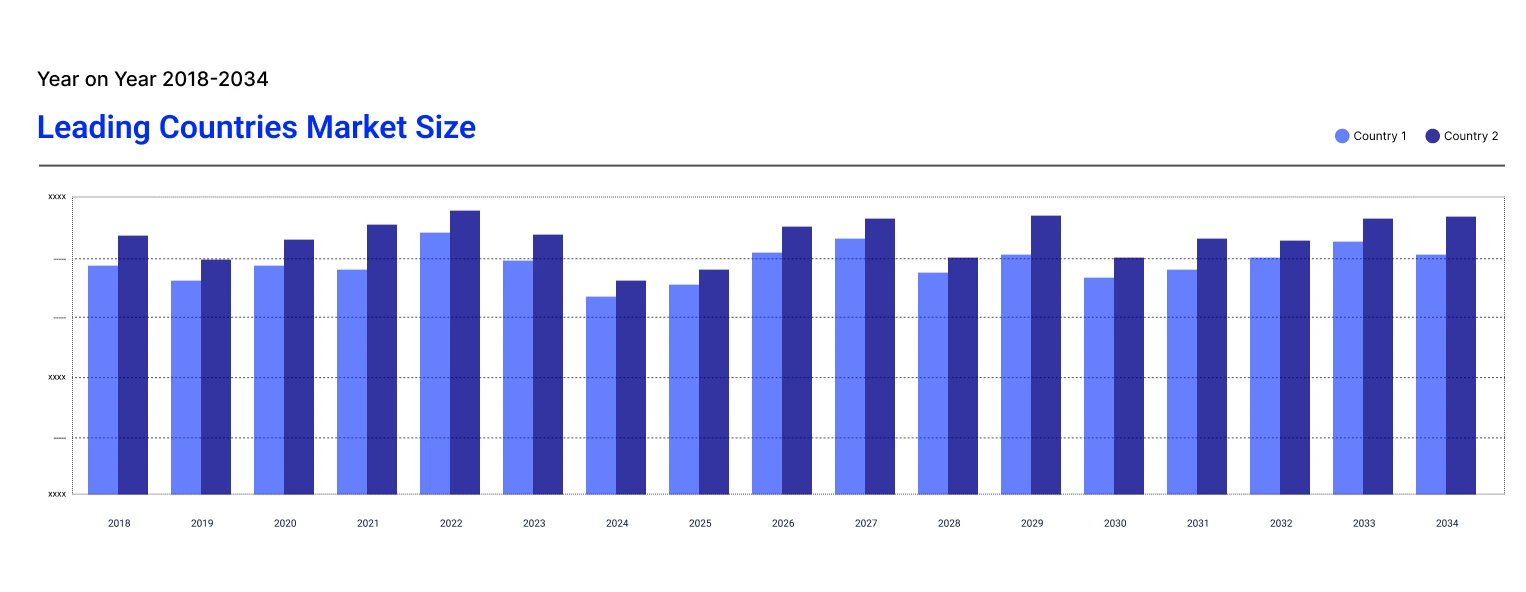
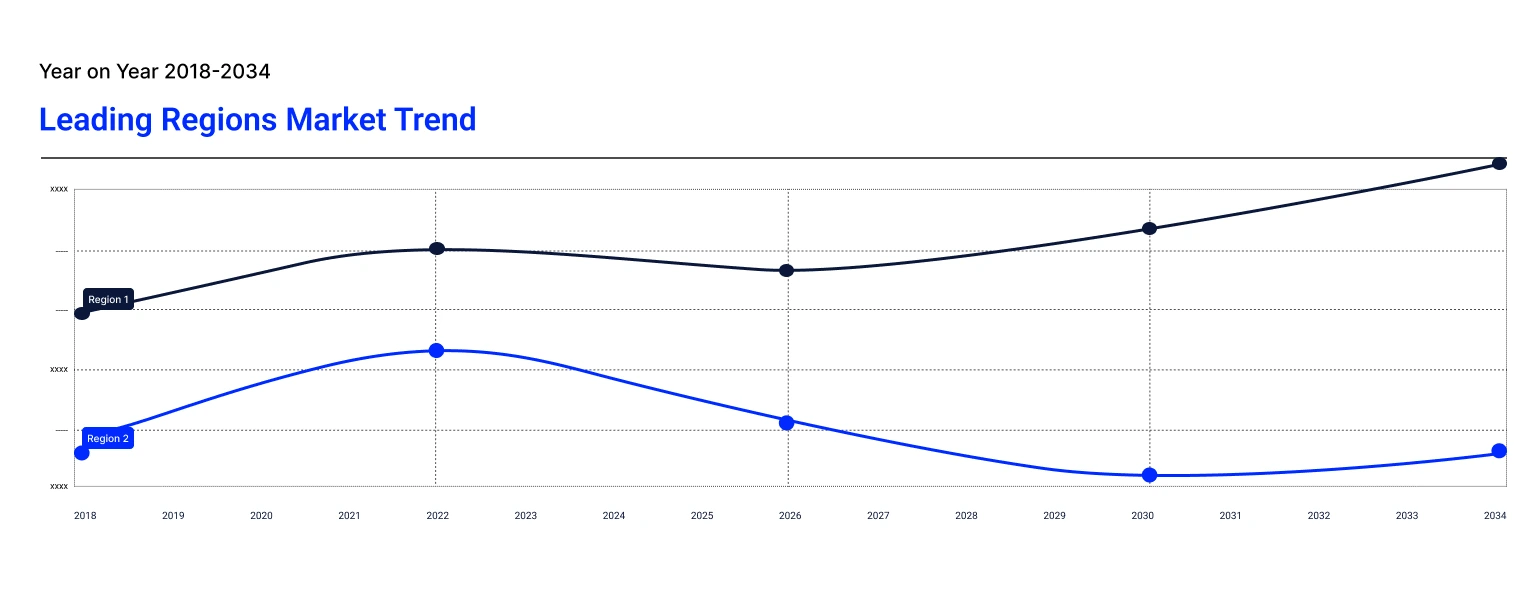
By regions, North America is the main contributor to the overall revenue
Micro inverter companies in North America are significantly increasing their output, improving their product portfolios, and forming partnerships with installers in order to meet the growing demand for solar both in the residential and commercial sectors. As a result of this, SolarEdge Technologies and Enphase Energy are two companies that are developing storage-compatible and smart-home integrated solutions. For example, SolarEdge expanded its microinverter manufacturing facility in the United States in June 2025, thus increasing local production capacity and enabling a shorter delivery time to residential and commercial customers.
In the Asia Pacific micro inverter market, the vendors are concentrating on local production, high-capacity three-phase systems, and smart monitoring platforms so as to be able to serve industrial, commercial, and residential rooftops. Huawei Digital Power and Sungrow Power Supply are two companies that are strengthening regional partnerships, improving after-sales services, and integrating storage-ready capabilities into microinverters. As an illustration, Huawei's Smart PV Technology Workshop in April 2025 unveiled advanced grid-forming solar + storage solutions that are specifically designed for the Asia Pacific markets.
Top micro inverter market players are directing their attention to product innovation and technological improvement to attract both residential and commercial clients. Such companies as Enphase Energy, Siemens AG, and Chilicon Power are raising inverter efficiency, enabling storage-ready features, and providing module-level monitoring systems. Collaborations with solar installers and smart-home platform providers thus facilitate installation, real-time energy management, and solar performance optimization for the end-users.
The major micro inverter companies are choosing to spread their operations in different parts of the world and broaden the range of products to satisfy the local customers. Sparq Systems, Darfon Electronics, and Altenergy Power System are introducing high-capacity, grid-compliant microinverters, creating scalable modular solutions, and upgrading after-sales services. Their tactics revolve around product reliability, smart connectivity, and user-friendly installation; thus, these firms are well-positioned to adjust to changing consumer preferences and regulations in the micro inverter market across the major regions.
Enphase Energy was founded in 2006 and is located in Fremont, California, USA. The company is a leader in microinverter systems, energy storage, and smart solar solutions. Its main focus is on the residential and commercial solar markets, where it integrates advanced monitoring and energy management platforms to maximize performance and efficiency.
Siemens AG was founded in 1847 and is headquartered in Munich, Germany. It is a global technology leader that provides solutions in industrial automation, energy, and smart infrastructure. In renewable energy, the company offers solar inverters, grid solutions, and energy management systems for both large-scale and distributed solar applications.
Chilicon Power was established in 2006 and is in Austin, Texas, USA. The company is involved in the design and manufacture of high efficiency microinverters and solar optimization solutions. It is committed to scalable systems for residential and small commercial sectors, integrating module-level monitoring with user-friendly safety and reliability features.
Sparq Systems is a Burnaby-located company in Canada that was founded in 2008. They are specialists in microinverters, power electronics, and solar monitoring solutions. Their main customer base is residential and commercial solar installations, for which they provide a plug-and-play inverter system complete with performance tracking and grid compliance integration.
*Please note that this is only a partial list; the complete list of key players is available in the full report. Additionally, the list of key players can be customized to better suit your needs.*
Other players in the market include Darfon Electronics Corporation, Altenergy Power System Inc., and several other regional and emerging manufacturers.
Explore the latest trends shaping the Global Micro Inverter Market 2026-2035 with our in-depth report. Gain strategic insights, future forecasts, and key market developments that can help you stay competitive. Download a free sample report or contact our team for customized consultation on Global Micro Inverter Market trends 2026.


Upto 15% Off
USD
$2499 $2249
$3999 $3599
$4999 $4249
$5999 $5099


*While we strive to always give you current and accurate information, the numbers depicted on the website are indicative and may differ from the actual numbers in the main report. At Expert Market Research, we aim to bring you the latest insights and trends in the market. Using our analyses and forecasts, stakeholders can understand the market dynamics, navigate challenges, and capitalize on opportunities to make data-driven strategic decisions.*
Get in touch with us for a customized solution tailored to your unique requirements and save upto 35%!
In 2025, the global micro inverter market reached an approximate value of USD 2928.12 Million.
The market is projected to grow at a CAGR of 14.42% between 2026 and 2035.
The market is estimated to witness a healthy growth in the forecast period of 2026-2035 to reach about USD 11261.81 Million by 2035.
Key strategies driving the market include product innovation, introduction of high-efficiency and hybrid microinverters, expansion of distribution networks, strategic partnerships with installers and distributors, and regional manufacturing to meet local demand.
The market is being determined by the technological innovations in the market.
The major regions in the industry are North America, Latin America, the Middle East and Africa, Europe, and the Asia Pacific.
The major technologies of micro inverters are wired and wireless.
The different types of micro inverters in the market are single phase and three phase.
Based on connection, the different types of micro-inverters are stand -alone and grid-connected.
The major end uses of micro inverters include residential and commercial.
The key players in the market include Enphase Energy, Inc., Siemens AG, Chilicon Power, LLC, Sparq Systems Inc., Darfon Electronics Corporation, Altenergy Power System Inc., and several other regional and emerging manufacturers.
North America holds the largest share of the global micro inverter market, driven by high rooftop solar adoption, advanced residential and commercial systems, and established vendor networks.
Explore our key highlights of the report and gain a concise overview of key findings, trends, and actionable insights that will empower your strategic decisions.
| REPORT FEATURES | DETAILS |
| Base Year | 2025 |
| Historical Period | 2019-2025 |
| Forecast Period | 2026-2035 |
| Scope of the Report |
Historical and Forecast Trends, Industry Drivers and Constraints, Historical and Forecast Market Analysis by Segment:
|
| Breakup by Technology |
|
| Breakup by Type |
|
| Breakup by Connection |
|
| Breakup by End Use |
|
| Breakup by Region |
|
| Market Dynamics |
|
| Competitive Landscape |
|
| Companies Covered |
|
| Report Price and Purchase Option | Explore our purchase options that are best suited to your resources and industry needs. |
| Delivery Format | Delivered as an attached PDF and Excel through email, with an option of receiving an editable PPT, according to the purchase option. |
Datasheet
One User
USD 2,499
USD 2,249
tax inclusive*
Single User License
One User
USD 3,999
USD 3,599
tax inclusive*
Five User License
Five User
USD 4,999
USD 4,249
tax inclusive*
Corporate License
Unlimited Users
USD 5,999
USD 5,099
tax inclusive*
*Please note that the prices mentioned below are starting prices for each bundle type. Kindly contact our team for further details.*
Flash Bundle
Small Business Bundle
Growth Bundle
Enterprise Bundle
*Please note that the prices mentioned below are starting prices for each bundle type. Kindly contact our team for further details.*
Flash Bundle
Number of Reports: 3
20%
tax inclusive*
Small Business Bundle
Number of Reports: 5
25%
tax inclusive*
Growth Bundle
Number of Reports: 8
30%
tax inclusive*
Enterprise Bundle
Number of Reports: 10
35%
tax inclusive*
How To Order

Select License Type
Choose the right license for your needs and access rights.

Click on ‘Buy Now’
Add the report to your cart with one click and proceed to register.

Select Mode of Payment
Choose a payment option for a secure checkout. You will be redirected accordingly.
Gain insights to stay ahead and seize opportunities.

Get insights & trends for a competitive edge.

Track prices with detailed trend reports.

Analyse trade data for supply chain insights.

Leverage cost reports for smart savings

Enhance supply chain with partnerships.

Connect For More Information
Our expert team of analysts will offer full support and resolve any queries regarding the report, before and after the purchase.
Our expert team of analysts will offer full support and resolve any queries regarding the report, before and after the purchase.
We employ meticulous research methods, blending advanced analytics and expert insights to deliver accurate, actionable industry intelligence, staying ahead of competitors.
Our skilled analysts offer unparalleled competitive advantage with detailed insights on current and emerging markets, ensuring your strategic edge.
We offer an in-depth yet simplified presentation of industry insights and analysis to meet your specific requirements effectively.





Share