

Consumer Insights
Uncover trends and behaviors shaping consumer choices today
Procurement Insights
Optimize your sourcing strategy with key market data
Industry Stats
Stay ahead with the latest trends and market analysis.

The Mexico confectionery market was valued at USD 3.95 Billion in 2025. The industry is expected to grow at a CAGR of 3.70% during the forecast period of 2026-2035 to reach a value of USD 5.68 Billion by 2035. The market growth is attributed to the ongoing shift as consumers increasingly prioritize health, natural ingredients, and transparency in their snacking choices.
Growing awareness of the impacts of sugar, artificial additives, and synthetic colors is driving demand for products that are both indulgent and perceived as healthier. Manufacturers are responding by innovating across their portfolios, reformulating existing products, and introducing new offerings that align with these consumer preferences.
For example, in July 2024, Mars Wrigley North America announced plans to launch versions of M&M’s, Skittles, STARBURST, and Extra without FD&C colors, from 2026 reflecting the broader clean-label trend and increasing demand for natural alternatives.
Likewise, the introduction of Welch’s® ZERO SUGAR Fruity Bites in May 2023, highlights the growing market for sugar-free treats, offering consumers indulgent yet fat-free, gluten-free, and preservative-free options without compromising taste or texture. These initiatives underscore how confectionery companies are leveraging innovation to meet health-conscious consumer needs while maintaining brand appeal.
In Mexico, this trend is especially relevant given the expanding middle-class consumer base, heightened focus on wellness, and interest in functional and minimally processed foods. Brands introducing sugar-free and clean-label options are not only catering to domestic demand but also positioning the Mexico confectionery market as a hub for scalable, globally relevant innovations.
Base Year
Historical Period
Forecast Period
Seasonal chocolates are expected to gain increasing popularity over the forecast period.
An average Mexican consumes 5.8 kg of confectionery annually while spending USD 28.
The demand for healthy yet indulgent confectionery is expected to increase in Mexico in the forecast period.
Compound Annual Growth Rate
3.7%
Value in USD Billion
2026-2035
*this image is indicative*
Strategic event-based partnerships are fueling growth in Mexico confectionery market, as brands connect directly with consumers through immersive experiences. Nestlé’s KitKat, debuting as the Official Chocolate Bar of Formula 1 at the 2025 Mexico City Grand Prix, exemplifies this trend. Through fan zone activations, on-pack promotions, limited-edition merchandise, and social media engagement, KitKat leverages the excitement of a major sporting event to enhance brand visibility and appeal to younger consumers. Such experiential marketing drives trial, loyalty, and overall chocolate consumption in the region.
The Mexican government’s launch of wellness-focused chocolate products under the Sembrando Vida program illustrates how public initiatives can drive growth in the confectionery sector. By introducing cocoa bars and powders made from natural ingredients, sourced from small-scale agroforestry producers in Chiapas and Tabasco, the government promotes healthier consumption while supporting rural development. Distribution through 27,000 Tiendas Bienestar outlets ensures wide accessibility. This combination of health-oriented products, sustainable sourcing, and expansive public distribution is fostering demand and creating new growth opportunities in Mexico’s chocolate market.
Trade policies and tariffs are emerging as a key driver in the Mexico confectionery market, reshaping competitiveness and supply dynamics. United States tariffs on cocoa imports have raised costs for domestic chocolate producers, while Canada and Mexico benefit from tariff-free exports under the USMCA, allowing them to produce and supply chocolate more cost-effectively. As a result, Canadian and Mexican manufacturers are increasingly gaining market share, prompting U.S. firms to reconsider sourcing and production strategies. This driver highlights how government trade measures can create market advantages and influence strategic decisions across the confectionery sector.
The demand for culturally authentic and heritage-inspired products is emerging as a core growth driver in the Mexican and Hispanic cookie segment. Consumers increasingly seek snacks that deliver both premium quality and a sense of nostalgia, prompting brands to innovate around traditional recipes while maintaining high standards of ingredients and preparation. This trend encourages market expansion by attracting both loyal and new customers who value authenticity, flavor, and artisanal appeal. For example, in November 2024, La Monarca Bakery’s assorted Mexican cookie collection, including Wedding Cookies, Polvorones, and Orejitas, leverages these preferences, offering small-batch, preservative-free cookies sold through Costco to maximize reach.
Strategic investments and infrastructure development are driving growth in the Mexico confectionery market. Companies are expanding production capacity, modernizing facilities, and strengthening distribution networks to meet rising consumer demand for high-quality products. Nestlé’s USD 1 billion investment in Mexico, announced in February 2025, illustrates this trend, with plans to enhance production lines across multiple states, establish a new distribution hub, and support local farmers through responsible sourcing programs. Such initiatives boost operational efficiency, supply chain resilience, and innovation, positioning companies to capture growth opportunities in the expanding confectionery market.
The EMR’s report titled “Mexico Confectionery Market Report and Forecast 2026-2035” offers a detailed analysis of the market based on the following segments:
Market Breakup by Product Type
Key Insight: Chocolate continues to dominate the market, with milk chocolate leading in mass appeal while dark and white chocolate attract premium consumers seeking artisanal experiences. For example, Mexico City’s Casa Bosques Chocolate debuted its limited-edition coffee caramel chocolate bar at Washington D.C.’s Hirshhorn Museum in April 2025, highlighting growing demand for high-quality, artisanal Mexican chocolate. Sugar confectionery, including hard-boiled sweets, caramels, toffees, and mints, is the fastest-growing segment, driven by convenience and flavor variety. Snack bars are also expanding, supported by health-conscious and functional ingredients.
Market Breakup by Distribution Channel
Key Insight: Supermarkets and hypermarkets are the largest distribution channel in the Mexico confectionery market, offering wide assortments and promotional strategies that attract bulk purchases. Convenience stores are rapidly gaining traction, particularly in urban regions, due to easy accessibility and small-format packaging. Specialty stores and online channels are emerging as fast-growing avenues, catering to niche consumers seeking premium or customized products. E-commerce expansion, coupled with digital marketing campaigns, enables players to reach younger, tech-savvy shoppers, making online retail one of the most dynamic channels.
Market Breakup by Region
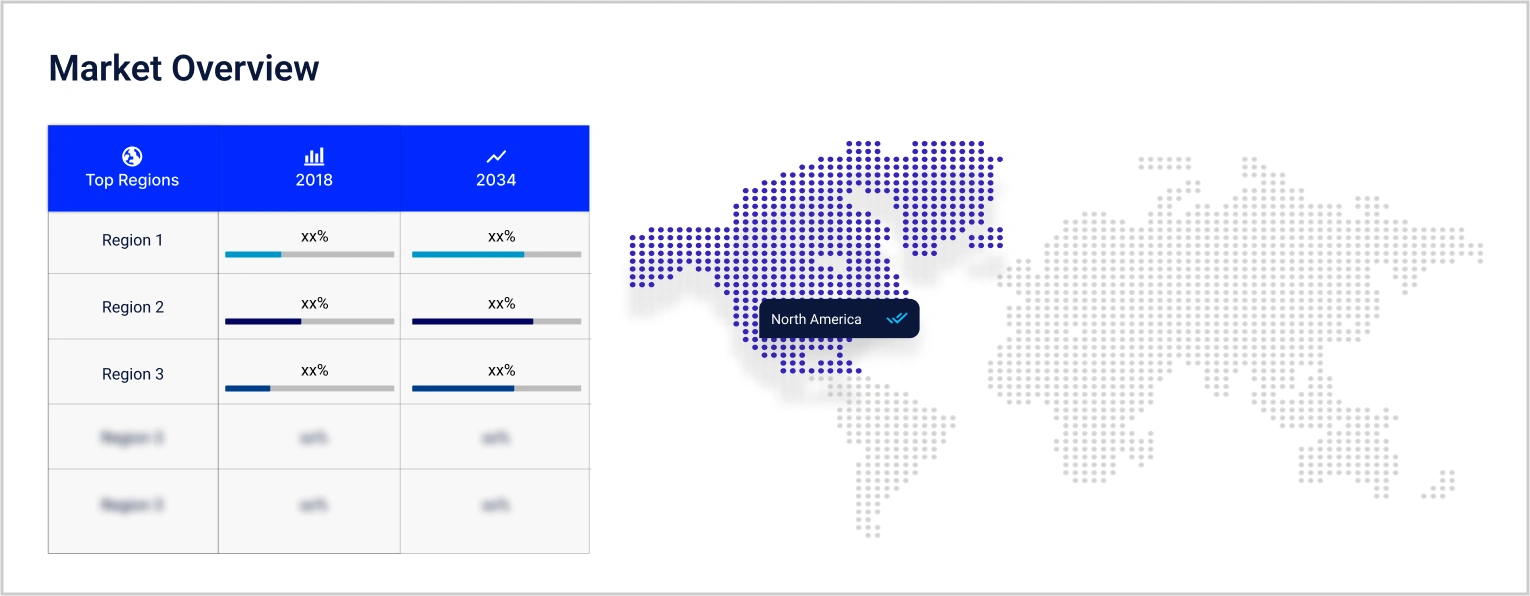
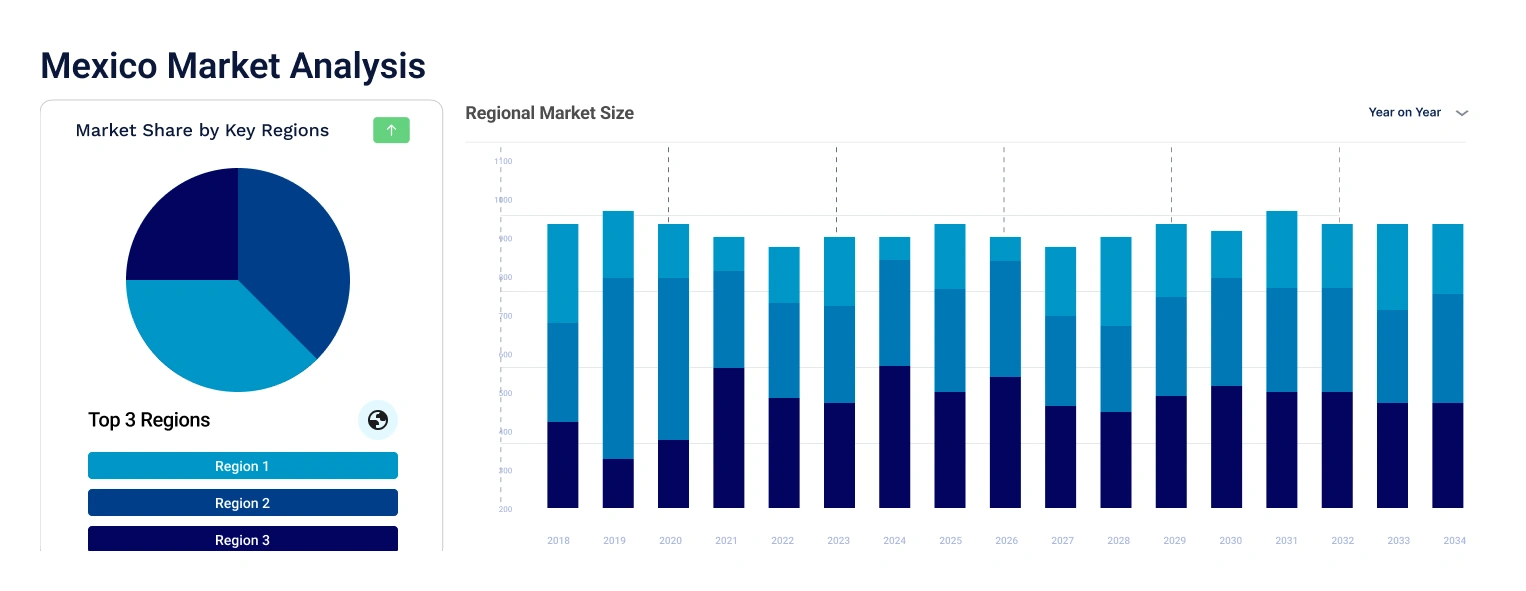
Key Insight: Central Mexico is the hotspot for the largest region for the Mexico confectionery market, driven by dense urban populations, high retail penetration, and strong consumer purchasing power. The Bajío and Northern Mexico are emerging as the fastest-growing regions, supported by rising disposable incomes and modern retail expansions. Baja California, Pacific Coast, and the Yucatan Peninsula contribute steadily through regional consumption patterns and tourism-driven sales. Market growth in these regions is fueled by product innovation, local flavor preferences, and increased presence of national and international confectionery brands across Mexico.
By product type, chocolates to witness the highest demand
Chocolate remains the largest segment in the Mexico confectionery market, strongly driven by its role in cultural traditions and gift-giving occasions. Premium assortments, seasonal collections, and artisanal packaging make chocolate the centerpiece of festivals and celebrations, appealing to both mass and luxury consumers. For instance, GODIVA’s 2024 Belgian Heritage Collection highlights how brands enhance gifting value through heritage and exclusivity. Such initiatives reinforce chocolate’s dual position as a daily indulgence and a symbolic gesture, securing its dominance across both domestic and premium retail channels.
On the other hand, sugar confectionery record steady demand driven by affordability, flavor innovation, and strong impulse-buying behavior. Products, such as caramels, toffees, and mint-based candies appeal to diverse consumer groups, from children to adults seeking quick refreshment. Manufacturers are increasingly experimenting with tropical flavors, spicy-sweet fusions, and locally inspired variations to capture younger demographics. The growing popularity of pocket-sized, on-the-go packs further accelerates adoption in urban areas.
By distribution channels, supermarkets and hypermarkets to amass substantial revenue
Supermarkets and hypermarkets lead the Mexico confectionery market by leveraging convenience, wide product assortments, and attractive promotions that drive bulk purchases. These outlets cater to urban and suburban consumers seeking one-stop shopping solutions, ensuring consistent sales of chocolate, sugar confectionery, and snack bars. Retail giants like Walmart and Chedraui strengthen their presence through expansive networks and loyalty programs, making them the primary distribution hubs. The combination of accessibility, competitive pricing, and regular promotional campaigns massively contribute to the segment growth.
Convenience stores demonstrate the fastest growth as distribution channel in the market, attributed to the consumer preference for quick, accessible, and small-format purchases. Urban shoppers increasingly prefer outlets such as OXXO and 7-Eleven for on-the-go treats, including chocolates, gums, and snack bars. Their strategic locations, extended operating hours, and focus on impulse buying enhance sales velocity. Coupled with urbanization and increasing disposable incomes, convenience stores offer an agile retail model, enabling brands to test new products and limited editions, thereby fueling product sales.
By Region, Central Mexico to represent the biggest market share
Central Mexico dominates the Mexico confectionery market driven by consumers inclination towards high-quality, artisanal, and ethically sourced confectionery. Collaborations between local chocolatiers and international designers or brands are creating a ‘luxury’ and experiential angle, elevating chocolate consumption beyond traditional offerings. Limited-edition releases, innovative flavor profiles, and visually striking packaging cater to urban, affluent consumers who value exclusivity and craftsmanship. Such strategies enhance brand perception while driving confectionery demand in the city.
The Bajío is emerging as the fastest-growing region, driven by rising disposable incomes and rapid modern retail expansion. Walmart de México y Centroamérica (Walmex) announced plans to invest over USD 6 billion in 2025. The plan includes the construction of two advanced distribution centers in the Bajío that incorporate robotics and AI technologies to streamline operations and improve supply chain efficiency. This expansion boosts the availability of supermarkets and other modern retail outlets, enabling confectionery brands to reach more consumers. Brands are introducing innovative products to cater to evolving tastes, solidifying the Bajío as a key growth hub.
The Mexico confectionery market is witnessing significant innovation and expansion driven by major confectionery companies like Nestlé, Ferrero, Mondelez, and Hershey. These companies are investing in product diversification, launching new chocolate and sugar-free variants, and introducing clean-label options to cater to evolving consumer preferences. Strategic collaborations with local suppliers and retailers help optimize distribution, while R&D initiatives focus on flavor innovation, premium ingredients, and sustainable sourcing practices, reinforcing brand loyalty and market presence across urban and rural regions.
Local and regional confectionery companies, such as Canels Group, Dulcerama de México, and Chocolatera Ibarra, are also strengthening their foothold through targeted strategies. They leverage culturally relevant flavors, affordable packaging, and partnerships with convenience stores and supermarkets to reach a wider consumer base. Investments in production efficiency, quality control, and export-oriented operations further enhance competitiveness. By combining traditional recipes with modern marketing techniques, these players are contributing to the sustained growth and dynamic evolution of the Mexico confectionery market.
Founded in 1866, Nestlé is headquartered in Vevey, Switzerland. It is a global leader in food and beverages, offering a diverse portfolio from dairy to confectionery. The company operates in over 190 countries, serving millions of consumers daily.
Established in 1946, Ferrero is based in Alba, Italy. It is renowned for iconic products like Nutella, Ferrero Rocher, and Tic Tac. Ferrero combines traditional Italian craftsmanship with global expansion in the confectionery sector.
Mondelez International was founded in 2012 and is headquartered in Chicago, the United States. The company focuses on snacks, biscuits, and chocolate, with brands like Oreo and Cadbury. It serves markets worldwide, emphasizing innovation and consumer engagement.
Founded in 1894, Hershey is headquartered in Pennsylvania, the United States and is a leading chocolate and confectionery manufacturer in North America. The company is known for iconic products such as Hershey’s Kisses, Reese’s, and Hershey bars.
*Please note that this is only a partial list; the complete list of key players is available in the full report. Additionally, the list of key players can be customized to better suit your needs.*
Other players in the Mexico confectionery market include Mars, Incorporated, Canels Group, Grupo Industrial Sweets SA de CV, Dulcerama de México, VIBERSA SA DE CV, Chocolatera Ibarra, and S.A.P.I. de C.V.
Explore the latest trends shaping the Mexico Confectionery Market 2026-2035 with our in-depth report. Gain strategic insights, future forecasts, and key market developments that can help you stay competitive. Get a free sample report or contact our team for customized consultation on Mexico Confectionery Market Trends 2026.
North America Confectionery Market
Asia Pacific Confectionery Market
Latin America Confectionery Market


Upto 15% Off
USD
$3999 $3599
$2499 $2249
$4999 $4249
$5999 $5099


*While we strive to always give you current and accurate information, the numbers depicted on the website are indicative and may differ from the actual numbers in the main report. At Expert Market Research, we aim to bring you the latest insights and trends in the market. Using our analyses and forecasts, stakeholders can understand the market dynamics, navigate challenges, and capitalize on opportunities to make data-driven strategic decisions.*
Get in touch with us for a customized solution tailored to your unique requirements and save upto 35%!
The market is projected to grow at a CAGR of 3.70% between 2026 and 2035.
The different market segments based on product type include chocolate, sugar confectionery, and snack bars, among others.
The different distribution channels in the market are supermarkets and hypermarkets, convenience stores, speciality stores, and online, among others.
The major regions in the market include Baja California, Northern Mexico, The Bajío, Central Mexico, Pacific Coast, and Yucatan Peninsula.
The key players in the market include Nestlé S.A., Ferrero International S.A., Mondelez International Inc., Hershey Co., Mars, Incorporated, Canels Group, Grupo Industrial Sweets SA de CV, Dulcerama de México, VIBERSA SA DE CV, Chocolatera Ibarra, S.A.P.I. de C.V., and other regional and local manufacturers.
In 2025, the market reached an approximate value of USD 3.95 Billion.
Key strategies driving the market include continuous product innovation, expansion of sugar-free and clean-label offerings, strategic partnerships with event organizers and retailers, and significant investments in production capacity and distribution networks to strengthen supply chains and meet evolving consumer demand.
Chocolate products record the highest demand in the Mexico confectionery market, supported by its deep cultural relevance, gifting traditions, and the growing popularity of premium assortments and artisanal varieties that appeal to both mass and luxury consumers.
Explore our key highlights of the report and gain a concise overview of key findings, trends, and actionable insights that will empower your strategic decisions.
| REPORT FEATURES | DETAILS |
| Base Year | 2025 |
| Historical Period | 2019-2025 |
| Forecast Period | 2026-2035 |
| Scope of the Report |
Historical and Forecast Trends, Industry Drivers and Constraints, Historical and Forecast Market Analysis by Segment:
|
| Breakup by Product Type |
|
| Breakup by Distribution Channel |
|
| Breakup by Region |
|
| Market Dynamics |
|
| Competitive Landscape |
|
| Companies Covered |
|
Single User License
One User
USD 3,999
USD 3,599
tax inclusive*
Datasheet
One User
USD 2,499
USD 2,249
tax inclusive*
Five User License
Five User
USD 4,999
USD 4,249
tax inclusive*
Corporate License
Unlimited Users
USD 5,999
USD 5,099
tax inclusive*
*Please note that the prices mentioned below are starting prices for each bundle type. Kindly contact our team for further details.*
Flash Bundle
Small Business Bundle
Growth Bundle
Enterprise Bundle
*Please note that the prices mentioned below are starting prices for each bundle type. Kindly contact our team for further details.*
Flash Bundle
Number of Reports: 3
20%
tax inclusive*
Small Business Bundle
Number of Reports: 5
25%
tax inclusive*
Growth Bundle
Number of Reports: 8
30%
tax inclusive*
Enterprise Bundle
Number of Reports: 10
35%
tax inclusive*
How To Order

Select License Type
Choose the right license for your needs and access rights.

Click on ‘Buy Now’
Add the report to your cart with one click and proceed to register.

Select Mode of Payment
Choose a payment option for a secure checkout. You will be redirected accordingly.
Gain insights to stay ahead and seize opportunities.

Get insights & trends for a competitive edge.

Track prices with detailed trend reports.

Analyse trade data for supply chain insights.

Leverage cost reports for smart savings

Enhance supply chain with partnerships.

Connect For More Information
Our expert team of analysts will offer full support and resolve any queries regarding the report, before and after the purchase.
Our expert team of analysts will offer full support and resolve any queries regarding the report, before and after the purchase.
We employ meticulous research methods, blending advanced analytics and expert insights to deliver accurate, actionable industry intelligence, staying ahead of competitors.
Our skilled analysts offer unparalleled competitive advantage with detailed insights on current and emerging markets, ensuring your strategic edge.
We offer an in-depth yet simplified presentation of industry insights and analysis to meet your specific requirements effectively.





Share