

Consumer Insights
Uncover trends and behaviors shaping consumer choices today
Procurement Insights
Optimize your sourcing strategy with key market data
Industry Stats
Stay ahead with the latest trends and market analysis.

The global lignin market attained a value of USD 1054.29 Million in 2025. The market is expected to grow at a CAGR of 2.00% during the forecast period of 2026-2035. By 2035, the market is expected to reach USD 1285.17 Million.
Emerging economies in Asia, Latin America, and Africa are witnessing increased interest in lignin due to growing industrialization and bioeconomy investments. These regions have abundant biomass resources and are developing infrastructure for biorefineries and pulp processing. In October 2024, Brazilian pulp giant Suzano expanded its bio based material applications into China with Ecolig®, a kraft lignin product from eucalyptus. Local companies are further exploring lignin applications in agriculture, textiles, and construction.
A major driver for the lignin market expansion is the global shift toward bio-based products. As environmental concerns grow, industries are actively seeking alternatives to fossil-based materials. Governments, corporations, and consumers are increasingly favoring materials with lower carbon footprints, subsequently encouraging lignin-based product development. This demand is accelerating investments in lignin valorization technologies and supporting its integration into mainstream industrial applications, creating long-term opportunities for innovation and market expansion.
Base Year
Historical Period
Forecast Period
Compound Annual Growth Rate
2%
Value in USD Million
2026-2035
*this image is indicative*
Technological innovations in extraction and processing are adding to the lignin market revenue. Newer techniques like enzymatic hydrolysis, organosolv, and advanced depolymerization have improved lignin purity and consistency. These advancements allow better control over molecular weight and chemical functionality, making lignin suitable for high-value applications such as carbon fibers, thermoplastics, and performance additives. In August 2025, researchers at the Joint BioEnergy Institute developed a new solvent system using cyclic amines to efficiently extract lignin from biomass.
The packaging industry is actively transitioning toward sustainable materials, and lignin is emerging as a viable component in biodegradable and recyclable packaging solutions. Lignin can be used in coatings, films, and barrier materials to enhance moisture resistance and mechanical strength. As major brands commit to plastic reduction goals, the need for innovative bio-based packaging materials grows. In October 2024, Brisbane-based startup Earthodic has developed a fully recyclable protective coating for paper and cardboard packaging, utilizing lignin.
Government regulations and policy frameworks promoting renewable and sustainable materials are fueling the growth of the lignin market. Incentives, such as tax credits, bioeconomy funding programs, and green procurement mandates encourage the development and adoption of lignin-based products. The European Union’s Green Deal and the U.S. Department of Energy’s Bioenergy Technologies Office are examples of institutional support that fosters innovation in lignin valorization. These policy drivers create a favorable environment for investment and commercialization of lignin-derived materials.
Strategic collaborations among chemical companies, startups, academic institutions, and governments are accelerating the development and commercialization of lignin-based technologies. In June 2025, Croatian packaging manufacturer Modepack partnered with Swedish biomaterial firm Lignin Industries to develop the "Lignin Mailing Bag." Partnerships help share research & development costs, scale pilot projects, and access complementary expertise. These alliances are also vital for overcoming technical and market-entry barriers, such as lignin variability and supply chain logistics.
The growing interest in integrated biorefineries is fueling the lignin demand. Biorefineries convert biomass into fuels, power, and chemicals, with lignin as a major residual stream. Instead of burning lignin for energy, many facilities are exploring its use in higher-value applications. This shift is economically and environmentally beneficial. Investment in biorefineries across Europe, North America, and Asia is increasing, driven by policy support and the desire for energy independence.
Read more about this report - REQUEST FREE SAMPLE COPY IN PDF
The EMR’s report titled “Lignin Market Report and Forecast 2026-2035” offers a detailed analysis of the market based on the following segments:
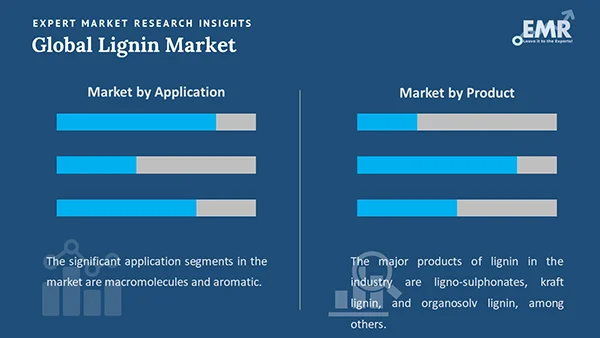
Market Breakup by Product
Key Insight: Ligno-Sulphonates are the most dominant product segment. Derived from the sulfite pulping process, they are widely used as dispersants, binders, and emulsifiers in various industries, such as construction, agriculture, and mining. Their versatility and cost-effectiveness make them a preferred choice for many applications, driving their large lignin industry share globally. In March 2024, the European Food Safety Authority (EFSA) renewed authorization for Borregaard's lignosulfonate products as feed additives across all animal species.
Market Breakup by Application
Key Insight: Lignin-derived macromolecules are large polymer chains that serve as essential building blocks for producing bio-based materials. These macromolecules are used extensively in creating adhesives, coatings, and composite materials, replacing conventional petrochemical-based polymers. The ability to modify lignin’s macromolecular structure allows manufacturers to tailor properties like strength, flexibility, and thermal stability, making them highly valuable for sustainable applications in construction, automotive, and packaging industries.
Market Breakup by Region
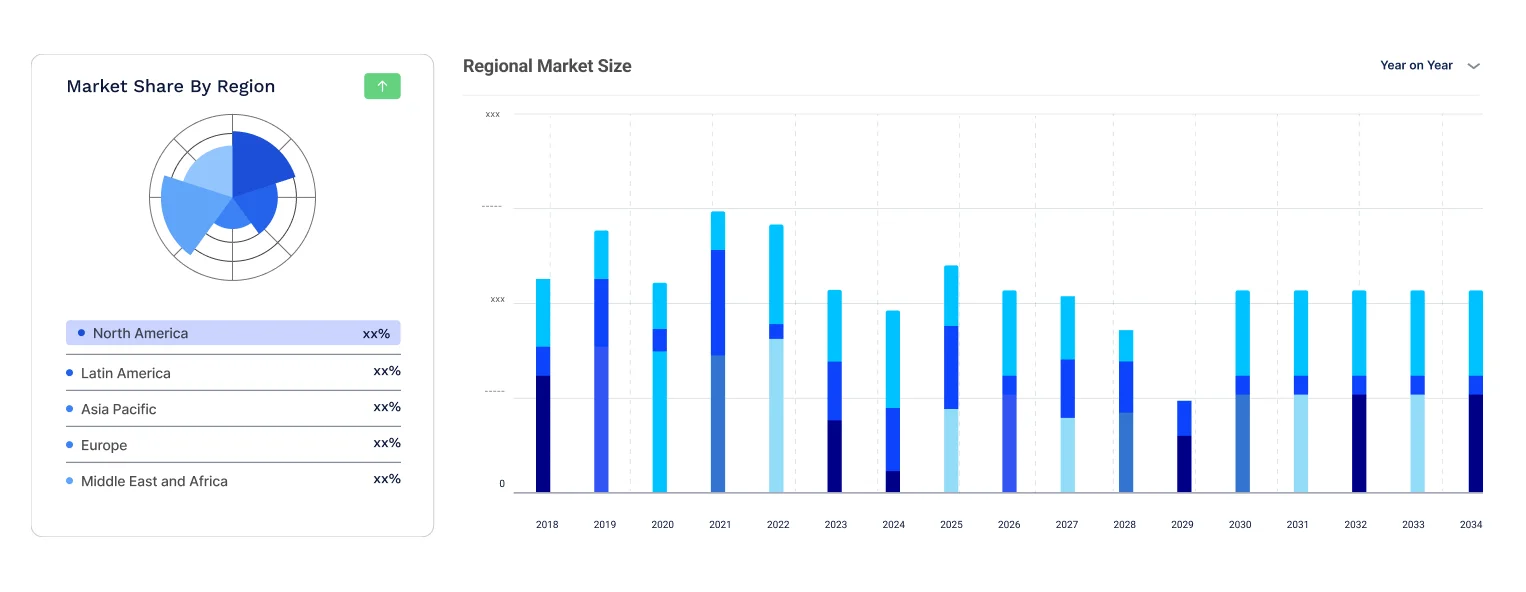
Key Insight: Europe leads in the lignin market development, supported by robust bioeconomy policies, well-established pulp and paper sectors, and strong environmental regulations. Sweden, Finland, and Germany are at the forefront, with major projects. In March 2024, Metsä Group announced plans to build a demo plant for lignin refining at its Äänekoski bioproduct mill in Finland, with equipment supplied by ANDRITZ. The region’s focus on sustainability and circular economy principles drives investments in lignin valorization technologies, making Europe the most dominant market globally.
Kraft & Organosolv Lignin to Garner Widespread Popularity
Kraft lignin is a significant segment and is obtained from the kraft pulping process. It is extensively produced due to the dominance of kraft pulping in the paper industry. Kraft lignin is increasingly being valorized for producing bio-based chemicals, adhesives, and energy. Its availability and growing application in sustainable materials, such as carbon fibers and resins, contribute to its expanding market presence.
The Organosolv lignin industry represents a growing segment. Produced using organic solvents in pulping, it offers high purity and low contamination, making it attractive for high-value applications. Its use in advanced materials like carbon fiber production, specialty polymers, and fine chemicals is driving interest, especially in industries aiming for high-performance bio-based alternatives. In November 2023, CIMV operated an organosolv type plant for processing various biomass sources to produce lignin.
Rising Application Scope of Aromatic Lignin
Aromatic compounds from lignin are critical for producing renewable chemicals like phenols, vanillin, and bio-based resins. As demand for sustainable raw materials grows, lignin’s aromatic fraction is becoming important in advancing green chemistry and circular economy initiatives. In April 2024, Comstock Fuels partnered with the Massachusetts Institute of Technology (MIT) and the National Renewable Energy Laboratory (NREL) to license a patented process to convert lignin into aromatic hydrocarbons suitable for sustainable aviation fuel (SAF).
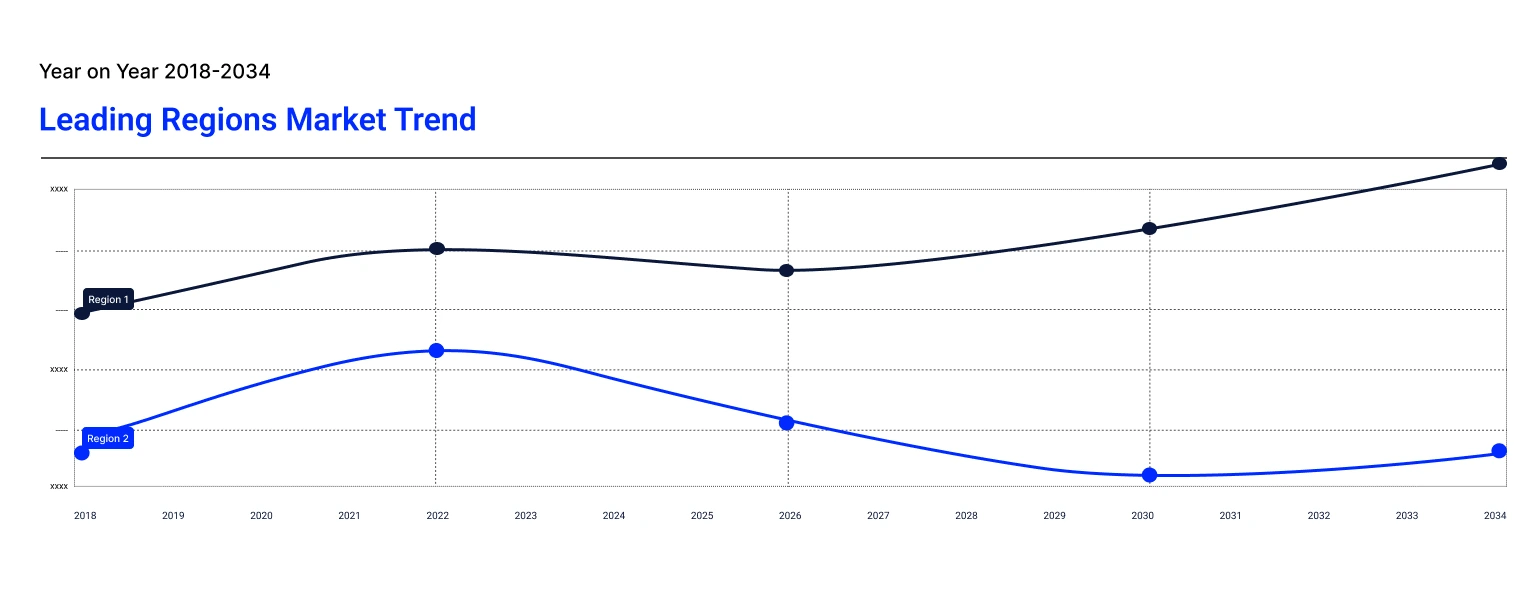
North America & Asia Pacific to Drive Significant Lignin Demand
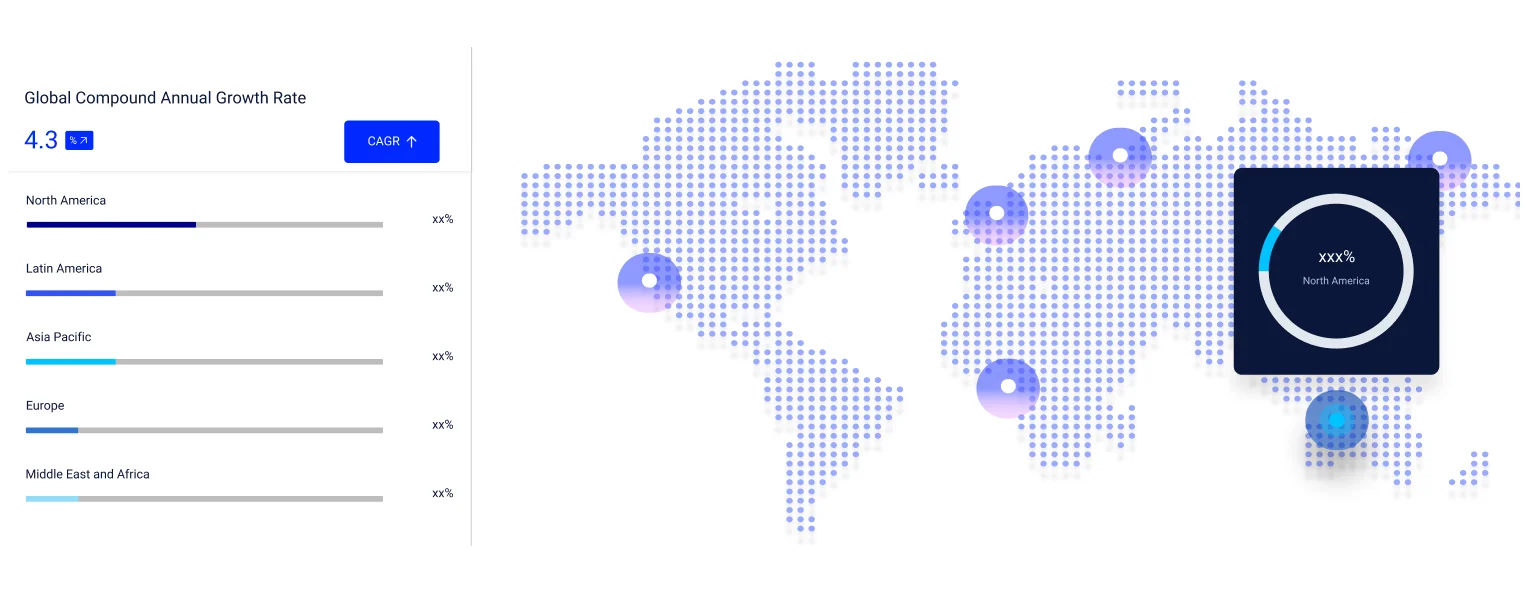
North America holds a massive lignin market share, propelled by increasing biorefinery developments and growing demand for sustainable materials. Companies like Hexion partnering with startups such as Bloom for native lignin extraction illustrate innovation and commercialization efforts. The United States and Canada are investing in advanced lignin processing technologies for applications in bio-based chemicals, adhesives, and carbon fibers, fostering market growth.
Asia Pacific is an emerging player in the market. Driven by industrialization and government incentives, China and India are leveraging abundant biomass resources to develop lignin applications in agriculture, textiles, packaging, and bio-chemicals. In December 2024, India’s first national highway stretch using lignin-based bio‑bitumen was inaugurated, replacing fossil-derived bitumen. Increasing infrastructure for pulp processing and biorefineries signals significant growth potential in this region, poised to become a major lignin consumer in the near future.
Leading players in the lignin market are adopting several key strategies to strengthen their market position and capitalize on the growing demand for sustainable, bio-based materials. Strategic partnerships and collaborations are a primary approach, enabling companies to combine expertise in lignin extraction, processing, and application development. Companies are developing high-value lignin-based materials such as adhesives, dispersants, carbon fibers, and bioplastics to expand into industries like automotive, construction, agriculture, and packaging. This helps reduce reliance on fossil-based inputs.
Capacity expansion and technological scale-up are also crucial. Players are investing in large-scale production facilities and advanced depolymerization technologies to make lignin valorization commercially viable. Additionally, sustainability positioning and regulatory alignment play key roles. Lignin companies emphasize the low-carbon footprint and renewable nature of lignin, aligning their offerings with environmental policies and consumer demand for greener products. These strategies collectively aim to transform lignin from a low-value by-product into a cornerstone of the circular bioeconomy.
Founded in 1889 and headquartered in Sarpsborg, Norway, Borregaard specializes in producing advanced bio-based chemicals from wood, particularly lignin. Notable innovations include Exilva microfibrillated cellulose and sustainable lignin-based dispersants are reinforcing Borregaard’s leadership in green chemistry and high-performance, eco-friendly solutions.
Established in 1848 and based in Fort Mill, the United States, Domtar is a prominent pulp and paper manufacturer. Through its BioChoice® lignin brand, Domtar has advanced lignin commercialization for industrial applications. The company is recognized for integrating sustainable forestry with innovations in bio-based materials.
Headquartered in Mumbai, India, and founded in 1857, Aditya Birla Group operates across diverse sectors, including chemicals and pulp. Its subsidiary, Aditya Birla Chemicals, has been instrumental in lignin production, offering innovative solutions for agriculture, construction, and textiles, promoting circular practices and bio-based chemical development globally.
Founded in 1959 and headquartered in New Jersey, the United States, the Dallas Group of America is known for its chemical solutions, particularly adsorbents for food and pharmaceutical applications. The company supports sustainability through purification technologies that align with bio-based industry goals and environmental standards.
*Please note that this is only a partial list; the complete list of key players is available in the full report. Additionally, the list of key players can be customized to better suit your needs.*
Other players in the lignin industry are Nippon Paper Industries Co., Ltd., and The Lenzing Group, among others.
Stay ahead of the curve with our in-depth report on lignin market trends 2026. Download your free sample now to explore key growth drivers, innovation roadmaps, and regional performance. Ideal for manufacturers, investors, and research & development teams, this report provides essential insights to shape your bio-based strategy. Access the latest lignin market forecast today.


Upto 15% Off
USD
$2499 $2249
$3999 $3599
$4999 $4249
$5999 $5099


*While we strive to always give you current and accurate information, the numbers depicted on the website are indicative and may differ from the actual numbers in the main report. At Expert Market Research, we aim to bring you the latest insights and trends in the market. Using our analyses and forecasts, stakeholders can understand the market dynamics, navigate challenges, and capitalize on opportunities to make data-driven strategic decisions.*
Get in touch with us for a customized solution tailored to your unique requirements and save upto 35%!
In 2025, the market reached an approximate value of USD 1054.29 Million.
The market is projected to grow at a CAGR of 2.00% between 2026 and 2035.
The market is estimated to witness a healthy growth in the forecast period of 2026-2035 to reach about USD 1285.17 Million by 2035.
Key strategies driving the market include increasing investment in bio-based chemicals, expanding applications in concrete additives and animal feed, technological advancements in lignin extraction, partnerships between research institutions and industry, and a growing demand for sustainable alternatives to petrochemicals.
The development of new separation methods and the use of lignin in the production of aromatic monomers are the key trends propelling the market demand.
The major regions in the market are North America, Latin America, the Middle East and Africa, Europe, and the Asia Pacific.
The major products included in the market report are ligno-sulphonates, kraft lignin, and organosolv lignin, among others.
Macromolecules and aromatic are the significant applications of lignin.
The key players in the market report include Borregaard AS, Domtar Corporation, Aditya Birla Group, The Dallas Group of America, Nippon Paper Industries Co., Ltd., and The Lenzing Group, among others.
Ligno-sulphonates are the most dominant product segment as they are widely used as dispersants, binders, and emulsifiers in various industries, such as construction, agriculture, and mining.
Explore our key highlights of the report and gain a concise overview of key findings, trends, and actionable insights that will empower your strategic decisions.
| REPORT FEATURES | DETAILS |
| Base Year | 2025 |
| Historical Period | 2019-2025 |
| Forecast Period | 2026-2035 |
| Scope of the Report |
Historical and Forecast Trends, Industry Drivers and Constraints, Historical and Forecast Market Analysis by Segment:
|
| Breakup by Product |
|
| Breakup by Application |
|
| Breakup by Region |
|
| Market Dynamics |
|
| Competitive Landscape |
|
| Companies Covered |
|
Datasheet
One User
USD 2,499
USD 2,249
tax inclusive*
Single User License
One User
USD 3,999
USD 3,599
tax inclusive*
Five User License
Five User
USD 4,999
USD 4,249
tax inclusive*
Corporate License
Unlimited Users
USD 5,999
USD 5,099
tax inclusive*
*Please note that the prices mentioned below are starting prices for each bundle type. Kindly contact our team for further details.*
Flash Bundle
Small Business Bundle
Growth Bundle
Enterprise Bundle
*Please note that the prices mentioned below are starting prices for each bundle type. Kindly contact our team for further details.*
Flash Bundle
Number of Reports: 3
20%
tax inclusive*
Small Business Bundle
Number of Reports: 5
25%
tax inclusive*
Growth Bundle
Number of Reports: 8
30%
tax inclusive*
Enterprise Bundle
Number of Reports: 10
35%
tax inclusive*
How To Order

Select License Type
Choose the right license for your needs and access rights.

Click on ‘Buy Now’
Add the report to your cart with one click and proceed to register.

Select Mode of Payment
Choose a payment option for a secure checkout. You will be redirected accordingly.
Gain insights to stay ahead and seize opportunities.

Get insights & trends for a competitive edge.

Track prices with detailed trend reports.

Analyse trade data for supply chain insights.

Leverage cost reports for smart savings

Enhance supply chain with partnerships.

Connect For More Information
Our expert team of analysts will offer full support and resolve any queries regarding the report, before and after the purchase.
Our expert team of analysts will offer full support and resolve any queries regarding the report, before and after the purchase.
We employ meticulous research methods, blending advanced analytics and expert insights to deliver accurate, actionable industry intelligence, staying ahead of competitors.
Our skilled analysts offer unparalleled competitive advantage with detailed insights on current and emerging markets, ensuring your strategic edge.
We offer an in-depth yet simplified presentation of industry insights and analysis to meet your specific requirements effectively.





Share