

Consumer Insights
Uncover trends and behaviors shaping consumer choices today
Procurement Insights
Optimize your sourcing strategy with key market data
Industry Stats
Stay ahead with the latest trends and market analysis.
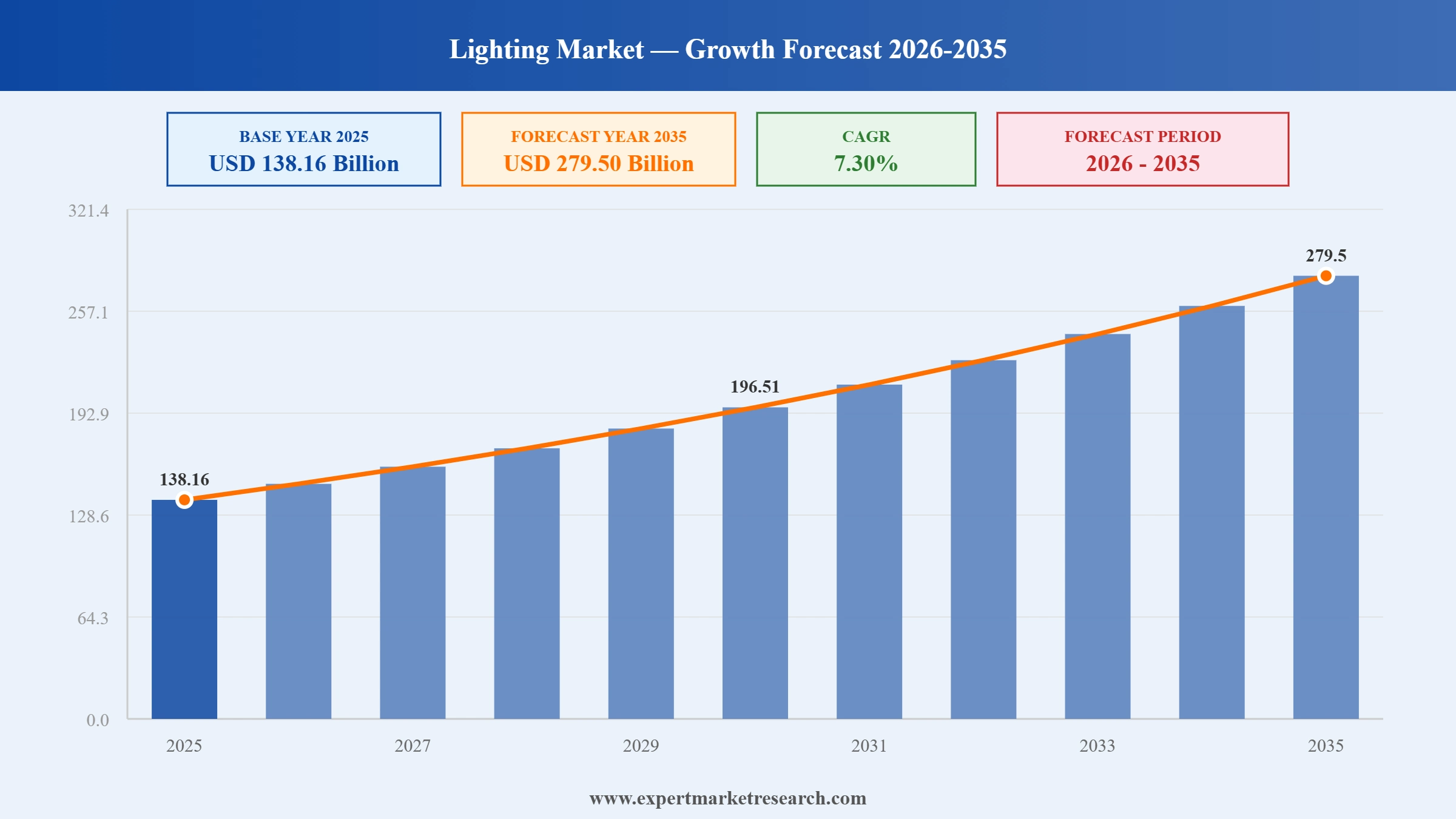
The global lighting market attained a value of USD 138.16 Billion in 2025 and is projected to expand at a CAGR of 7.30% through 2035. The market is further expected to achieve USD 279.50 Billion by 2035. With growing investment in smart buildings, automation of industries, and energy-saving infrastructure, the need for lighting systems that can yield tangible savings is growing around the world.
The first driving factor that is boosting the lighting market growth is increasing energy efficiency standards that are being implemented by governments of major countries, which are motivating businesses to switch to new lighting technology from older one. The second factor is that there is significant expansion of warehouses, data centers, and e-commerce fulfillment facilities, which is resulting in greater need for energy-saving and efficient lighting systems.
The global lighting market is developing under the influence of intelligent controls, efficient LED bulbs, and building automation. Manufacturers are working on providing products that can increase energy efficiency, implement occupancy controls, and be able to work together with other building systems. For example, in March 2025, Enlighted launched Eazy smart lighting featuring laser-based commissioning, app-based controls, gateway-free deployment, and energy-efficient lighting management for SMBs. Commercial property owners, logistics companies, municipalities and industries are becoming major customers of such lighting solutions since they are looking for ways to reduce operational costs and increase sustainability performance. Human centric lighting technologies which increase the comfort and performance of people in workplaces are becoming highly demanded as well.
In March 2026, Signify added more connected lighting products to their offerings as the company launched Interact applications of smart lighting to be used in industrial and logistics sites which can monitor the energy usage and conduct predictive maintenance in the case of large-scale lighting installations. This development indicates the trend of making the data-driven infrastructure of the lighting industry, which implies using luminaires not only as sources of illumination but as sensors gathering intelligence. According to the lighting market analysis, lighting uses up about 15% of global electricity in buildings which gives ample room for smart lighting systems cutting down energy usage.
Read more about this report - REQUEST FREE SAMPLE COPY IN PDF
| Global Lighting Market Report Summary | Description | Value |
| Base Year | USD Billion | 2025 |
| Historical Period | USD Billion | 2019-2025 |
| Forecast Period | USD Billion | 2026-2035 |
| Market Size 2025 | USD Billion | 138.16 |
| Market Size 2035 | USD Billion | 279.50 |
| CAGR 2019-2025 | Percentage | XX% |
| CAGR 2026-2035 | Percentage | 7.30% |
| CAGR 2026-2035 - Market by Region | Asia Pacific | 9.5% |
| CAGR 2026-2035 - Market by Country | India | 10.9% |
| CAGR 2026-2035 - Market by Country | India | 9.0% |
| CAGR 2026-2035 - Market by Distribution Channel | Online | 8.2% |
| CAGR 2026-2035 - Market by End Use | Commercial | 8.3% |
| Market Share by Country 2025 | India | 3.1% |
American Lighting added Twilight Trim permanent under-eave lighting to its Spektrum line, featuring intelligent controls, customizable color and year-round architectural lighting. Other companies can make use of permanent smart outdoor lighting products that feature customizability through an app to meet the rising demand for such smart lighting.
In collaboration with Silicon Labs, Signify upgraded the Philips Hue Matter compatibility, ensuring rapid interoperability and integration into smart homes and connected lighting solutions. Companies can therefore focus on improving partnership within the ecosystems and leveraging the Matter protocol, accelerating the lighting market value.
IKEA announced Matter-compliant neon lights along with STYRSTRECK controls that further expand smart lighting solutions that work in interoperability in connected homes. The other companies can develop cost-effective Matter-ready decorative lights to appeal to buyers who desire smart homes ecosystems.
Panasonic announced Honeycomb LED Down Light TRI-CCT offering selectable color temperatures and a stylish appearance with energy-efficient lighting for residential and commercial spaces. Aligning with such trends in the lighting market, companies can design customizable LED lighting with variable color temperatures to satisfy changing architectural and interior design needs.
Advanced lighting control systems are becoming an essential element of smart buildings and industrial sites. The demand is for lighting solutions that can collect information about occupancy, power usage, and environment to streamline operations. Leading lighting market players are incorporating sensors, cloud technologies, and AI to produce valuable insights from collected data. For example, Signify keeps extending the Interact ecosystem in offices, warehouses, and urban infrastructure projects for better energy management and maintenance scheduling. On the other hand, in April 2023, Kontakt.io partnered with Signify to integrate BLE-powered IoT sensors and real-time location services into connected smart lighting infrastructure.
Transitioning from traditional lighting to LED solutions continues to be a significant growth factor in the global lighting market. Government regulations aimed at reducing energy consumption and CO2 emissions encourage mass adoption of LED luminaries. The United States Department of Energy keeps stressing the efficiency of LEDs among existing lighting technologies in use in commercial and industrial facilities. Moreover, several Asian and European countries are introducing more stringent energy performance requirements in construction. Companies like Acuity Brands and Zumtobel Group react by offering new LED products for retrofit and new construction projects. In October 2024, ams OSRAM launched EVIYOS HD 25 Gen2 with enhanced brightness, reduced stray light, and improved adaptive automotive lighting.
The lighting market witnesses an increase in investments in human-centric lighting systems by organizations to ensure the health, focus, and productivity of their employees. With advanced technology in lighting systems, color temperature and luminance can be altered depending on the time of the day in order to follow the rhythm of the day and night cycle. This type of investment is evident in office buildings, hospitals, and learning centers. Manufacturers like Fagerhult and Signify are launching new product ranges for occupant wellness and adaptability in terms of lighting control. In June 2024, Signify launched NatureConnect biophilic lighting, recreating natural daylight indoors to improve wellbeing, comfort, productivity, and energy-efficient workplace illumination. There are also governments and organizations that promote healthier living conditions through revised workplace and building codes.
Cities around the world are investing in intelligent street lightings systems which improve energy efficiency, security, and infrastructure management. The new streetlights are equipped with sensors and connectivity features that make it possible to monitor and manage lighting systems effectively. Many cities in Europe, Middle East and Asia, for example, are incorporating adaptive streetlights into smart cities initiatives, thereby stimulating demand in the lighting market. Leading companies such as Schréder and Signify are among many companies that are collaborating with cities in implementing smart cities initiatives and reducing maintenance costs. In May 2026, Signify launched traffic-adaptive lighting using real-time traffic monitoring, automatically optimizing illumination, improving road safety, and reducing energy consumption.
The fast growth in the lighting market of controlled environment agriculture is leading to a need for efficient horticulture lighting solutions. The use of cutting-edge LED technology in horticulture allows growers to enhance their output, control growth cycles, and save resources. There are governmental policies that aim to enhance food safety, which encourage investment in vertical farms and greenhouses. In North America, Europe, and even some regions of Asia, there are programs aimed at agricultural modernization, and they favor the adoption of energy-efficient cultivation solutions. ams OSRAM and Signify represent some of the leading firms that are launching complex solutions dedicated specifically to some crops and conditions. In December 2025, Cree LED partnered with SANlight to develop high-efficiency horticulture luminaires, improving crop yields, energy efficiency, and vertical farming performance.
The Expert Market Research’s report titled “Global Lighting Market Report and Forecast 2026-2035” offers a detailed analysis of the market based on the following segments:
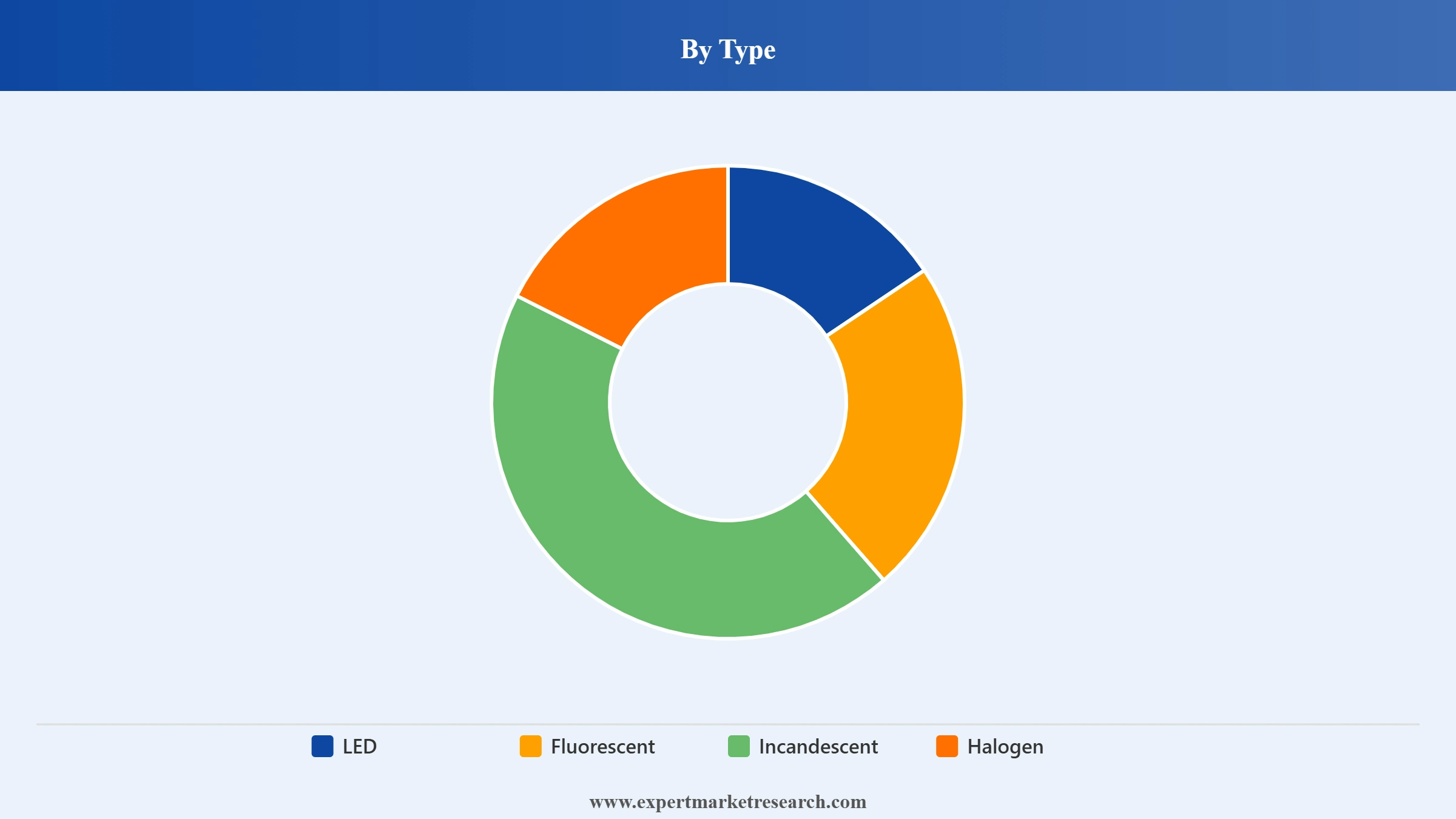
Breakup by Type
Key Insight: LED lighting leads the industry growth because of its energy efficiency, capability of being integrated into the digital environment, and adaptability for smart infrastructure applications. Fluorescent lighting provides solutions to commercially focused, budget-conscious applications where already existing setups are being installed. Incandescent lighting offers niche applications for lighting that are meant to be aesthetically pleasing, boosting demand in the lighting market. Halogen lighting profits from being used in high-quality architecture, hospitality, and retail settings. In May 2026, BASF launched a high-efficiency yellow-light solution for semiconductor manufacturing, reducing energy consumption, carbon emissions, and operating costs.
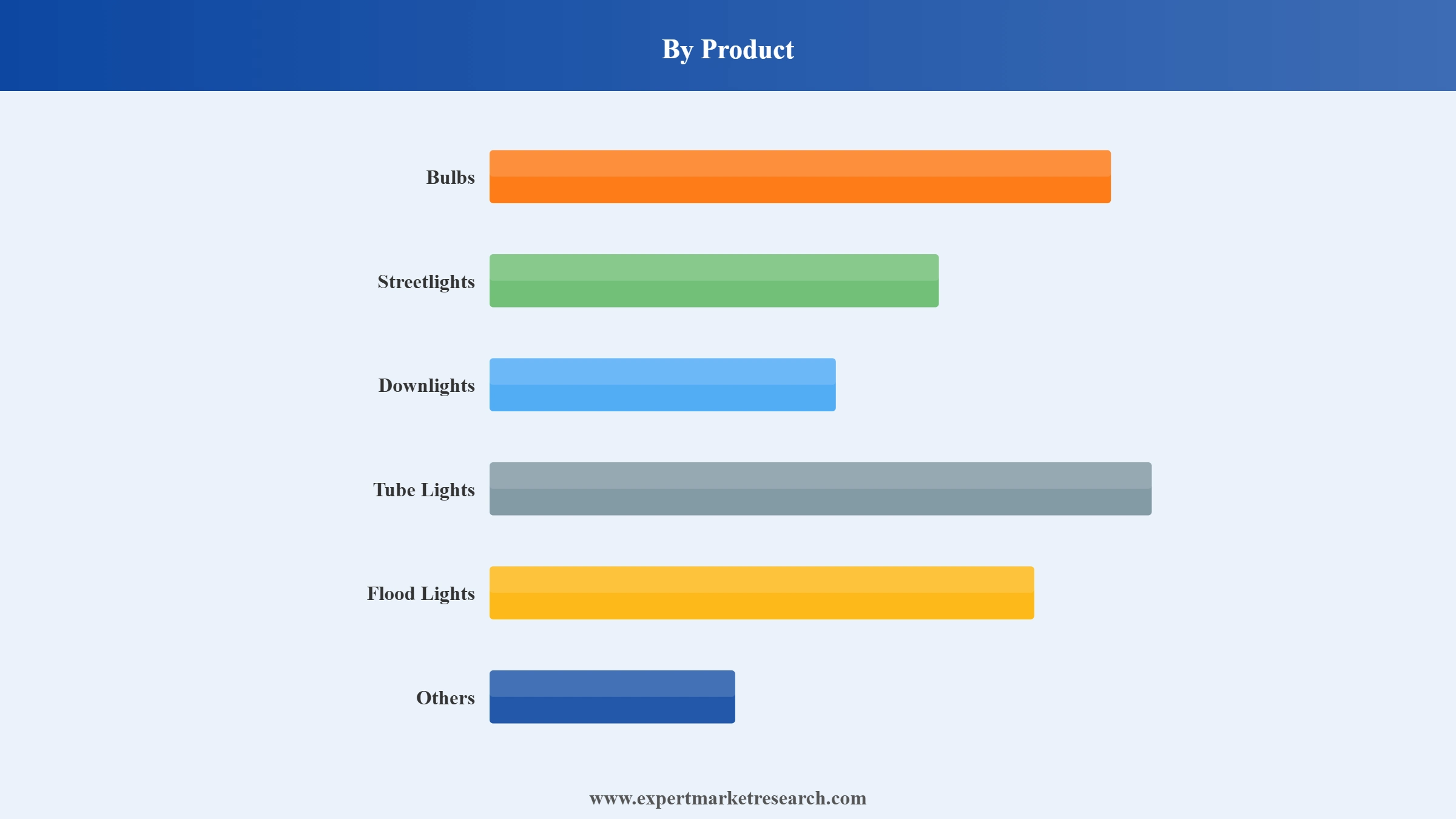
Breakup by Product
Key Insight: Bulbs lead the lighting market growth owing to their wide usage and replacement demand. Streetlights are seeing a sharp rise as cities work toward achieving their vision for digitization and sustainability. Downlights are gaining popularity due to growth in the construction industry and attractive interiors. Tube lights find their significance in schools, factories, and other institutions where uniform lighting is required. Flood lights are finding applications in infrastructure, sports, logistics, and security installations, which need high-powered lights.
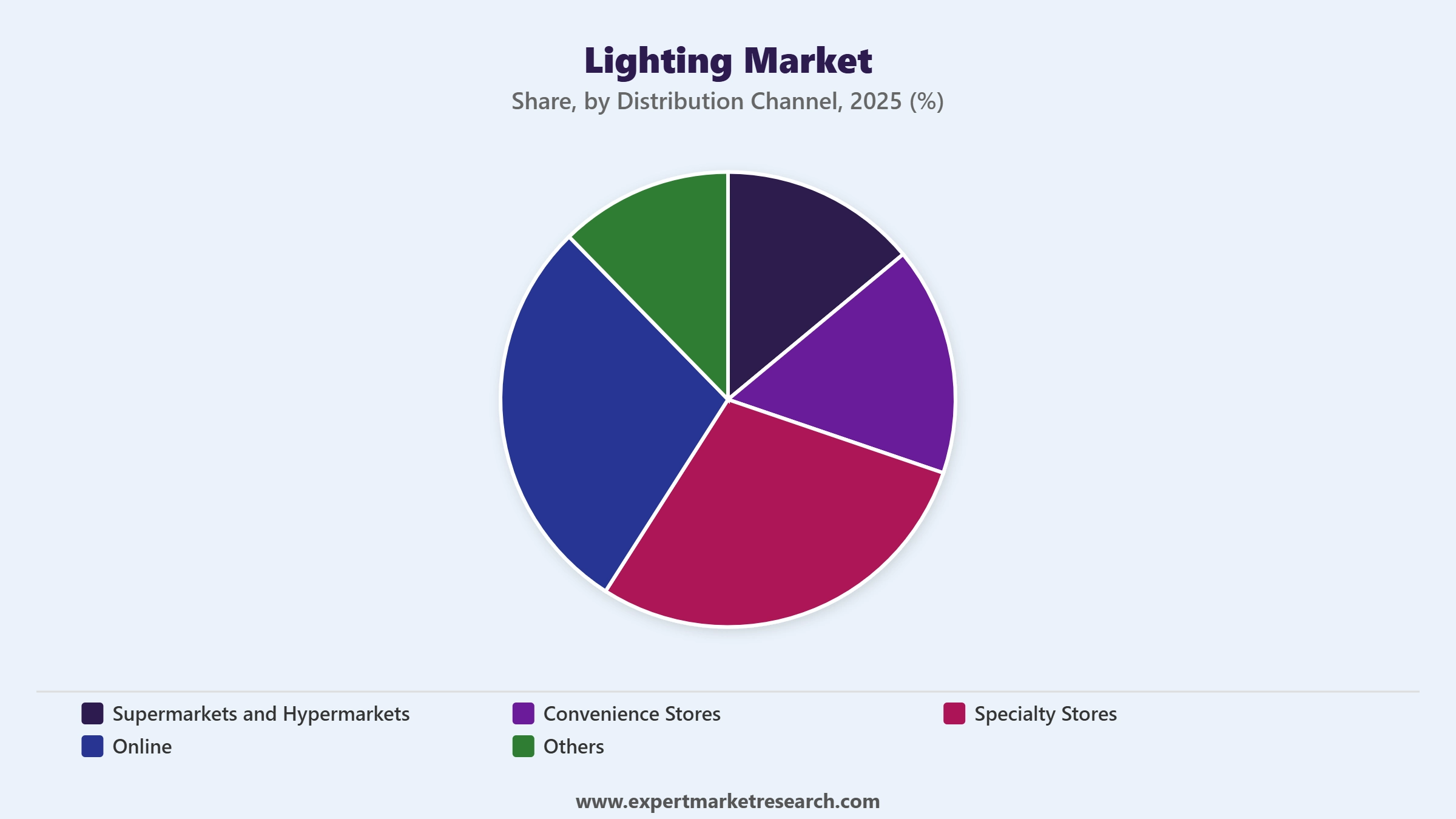
Breakup by Distribution Channel
Key Insight: The offline channels continue to take the lead in the lighting market due to the need for technical guidance in most lighting projects. There is an improvement in the online channel due to the ongoing digital transformation, increased availability of products, and improved buying process. The existence of both channels is an indication of changing consumer trends in the residential, commercial, and industrial markets. While the offline channels continue to play a vital role in sales and customer relations, the online channels facilitate effective buying decisions and product discovery among other functions. In April 2025, GILE partnered with Yang’s Lighting, integrating AI-powered multilingual marketing, livestream commerce, and cross-border e-commerce to expand global lighting sales.
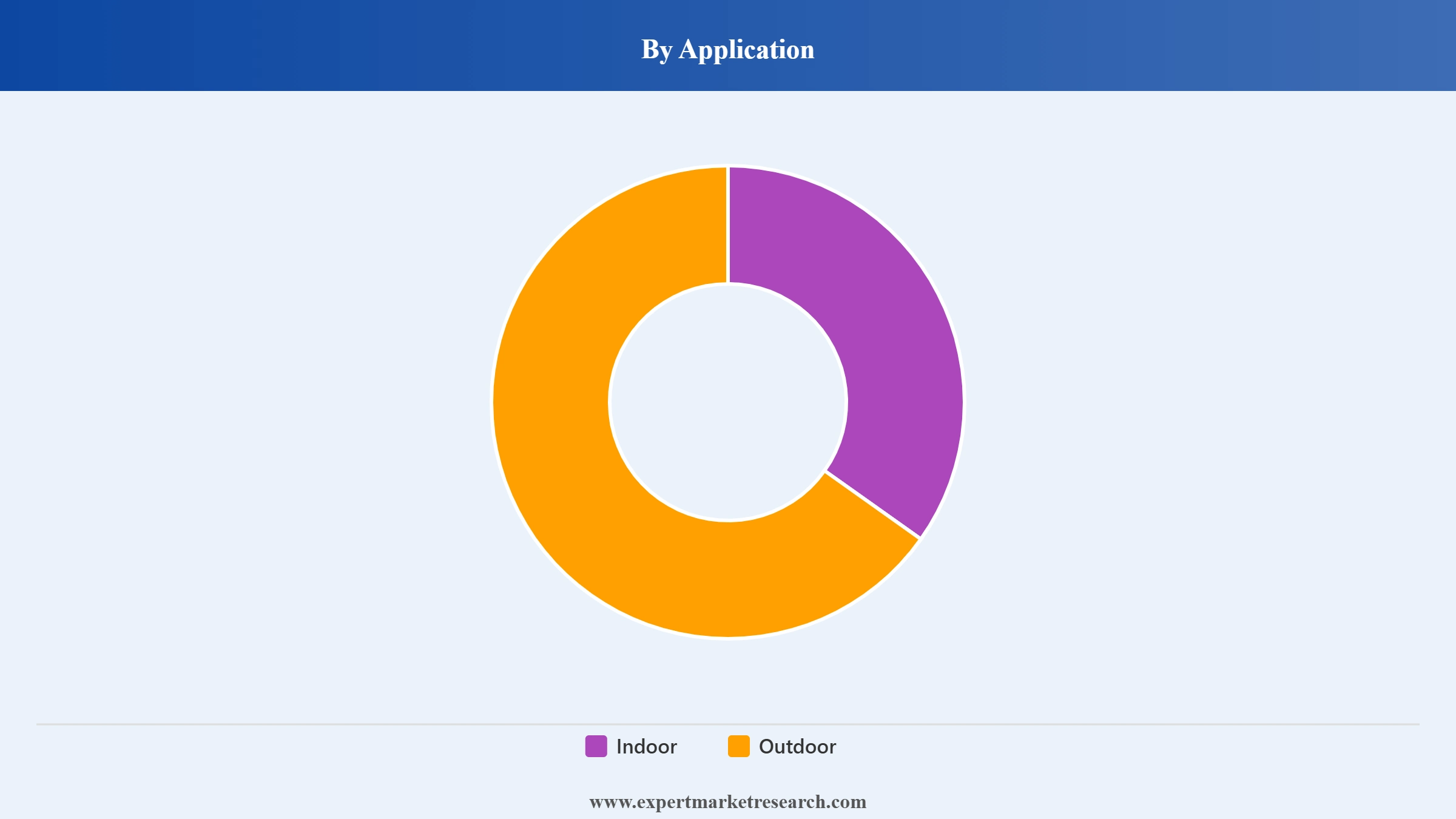
Breakup by Application
Key Insight: The indoor lighting market is retaining its leadership position due to its extensive use in commercial, industrial, institutional, and residential settings. The outdoor lighting segment is growing as a result of modernization efforts, safety concerns, and development of smart cities. Both of these markets are being increasingly driven by energy efficiency demands, connectivity, and sustainability objectives. Indoor lighting solutions focus on comfort, performance, and smart management systems, while outdoor lighting solutions place special emphasis on durability and visibility.
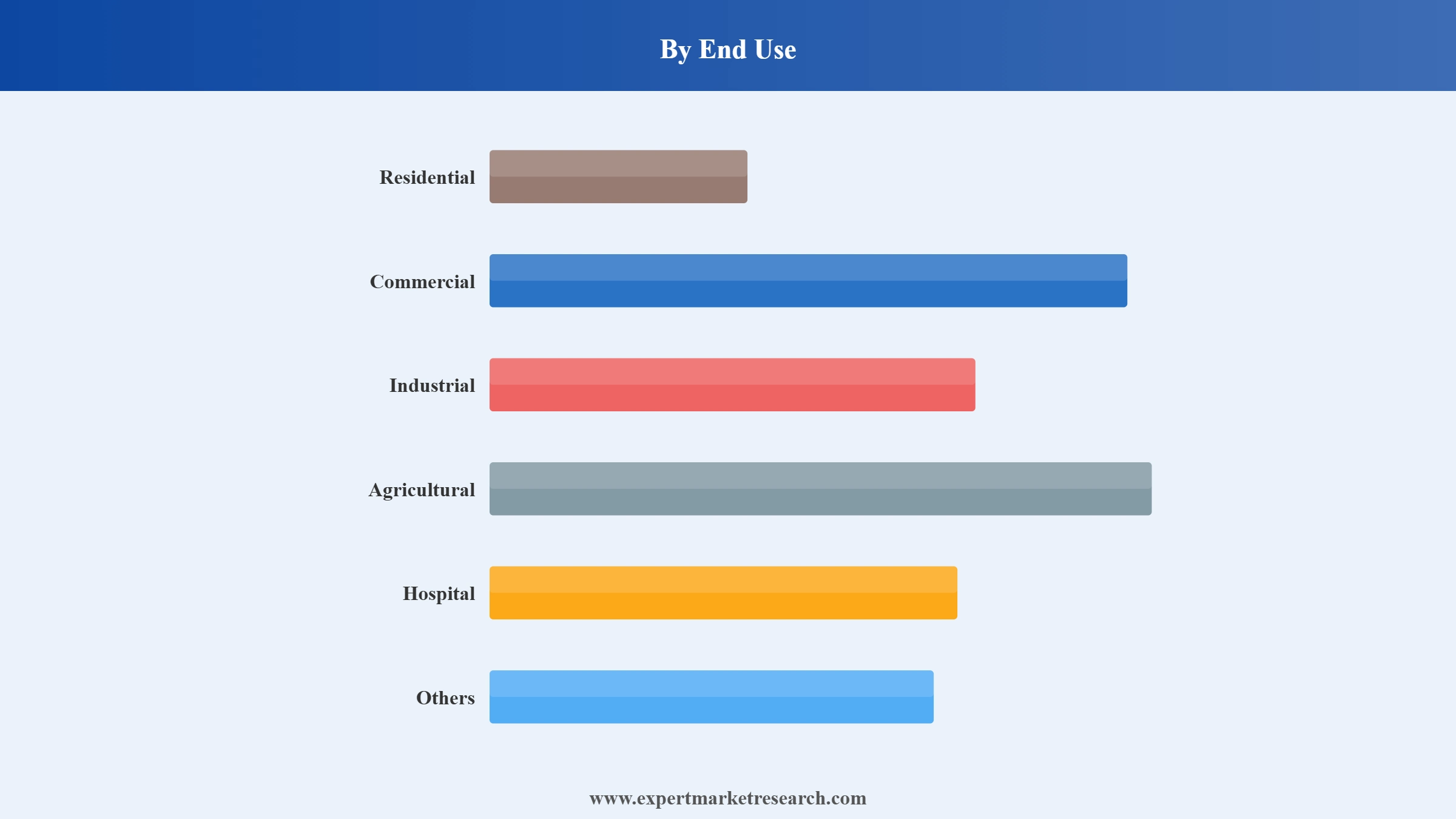
Breakup by End-Use
Key Insight: Commercial applications dominate because of wide usage in offices, retail spaces, schools, and hospitality businesses. The residential lighting application is expected to improve through renovation processes, smart homes, and eco-friendly customers. Applications in industrial lighting are developing at a high pace with increased automation and efficiency programs. Applications in agriculture might increase with controlled agriculture and greenhouse lighting systems. Hospital settings require specific lighting solutions that enhance medical care. There are other applications that will offer new possibilities for custom lighting solutions.
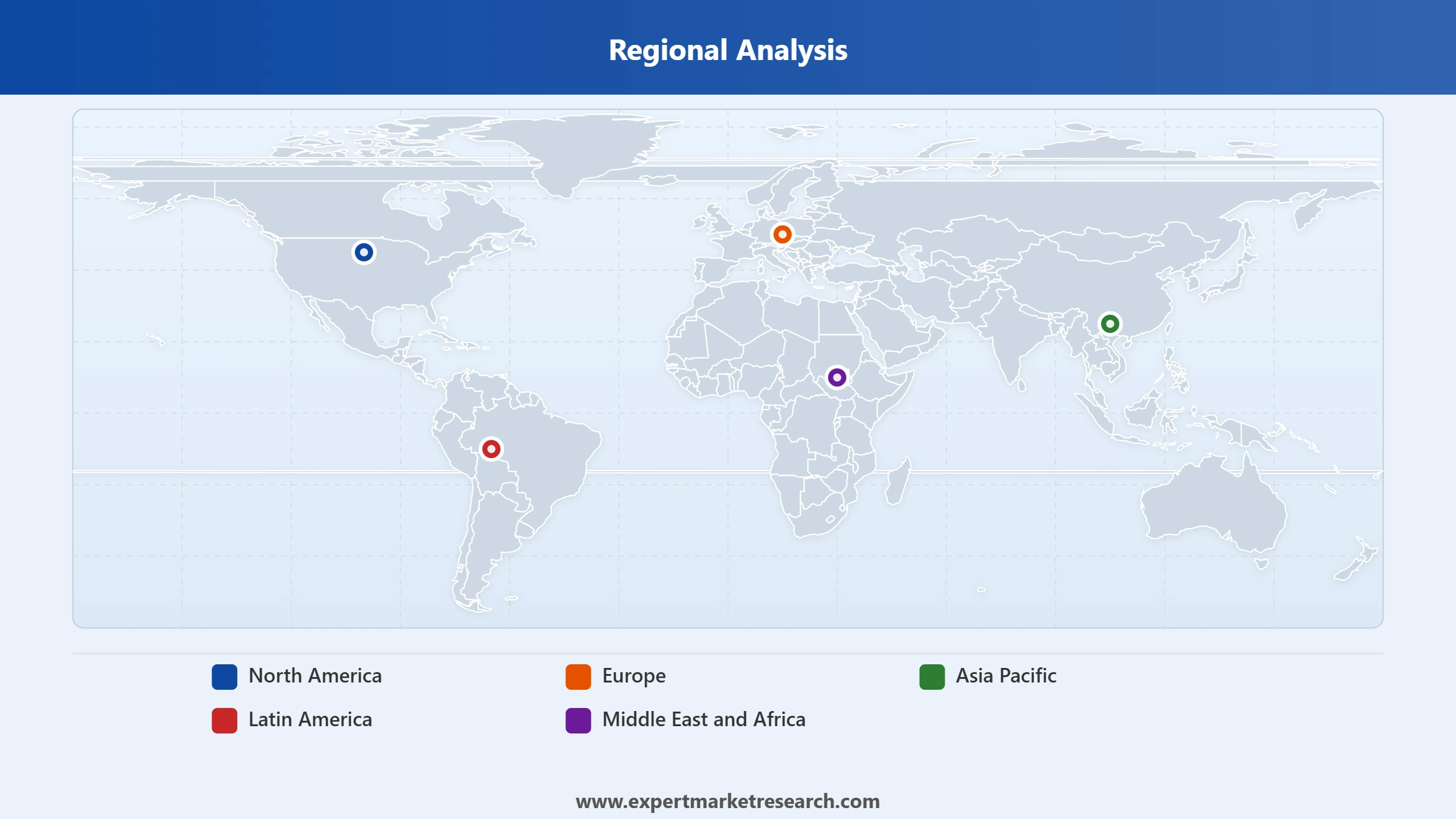
Breakup by Region
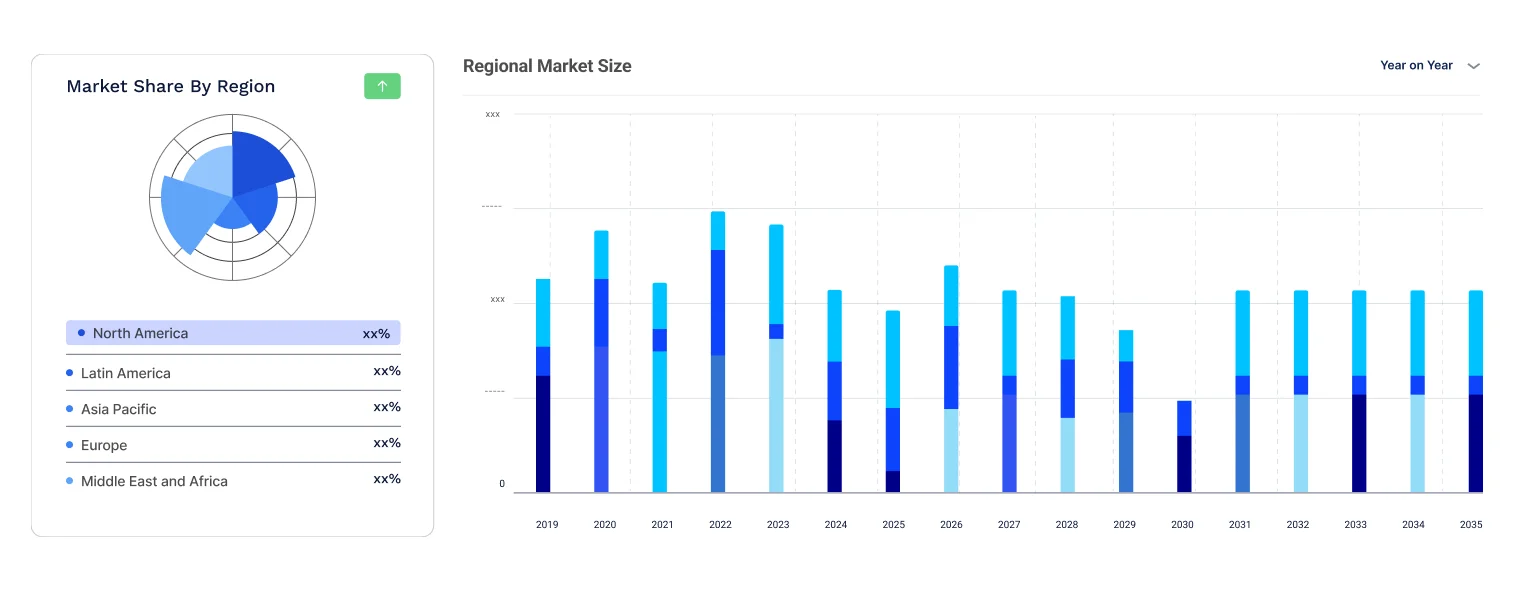
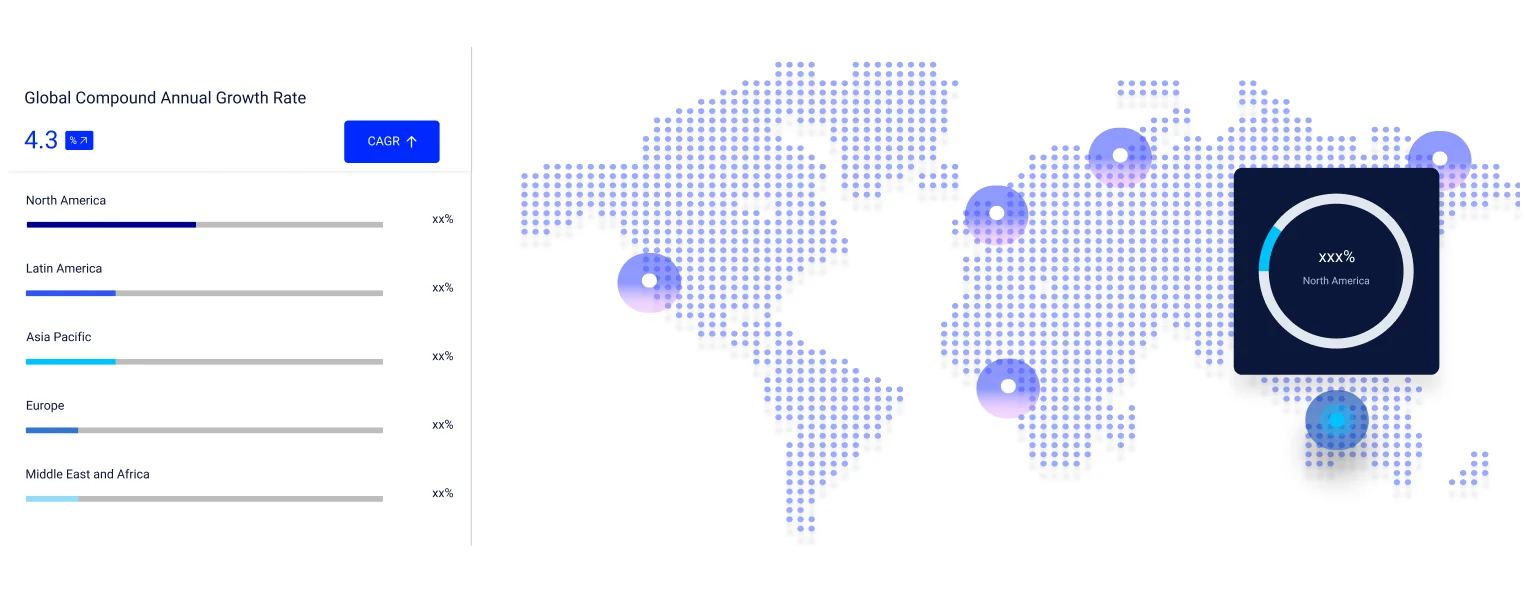
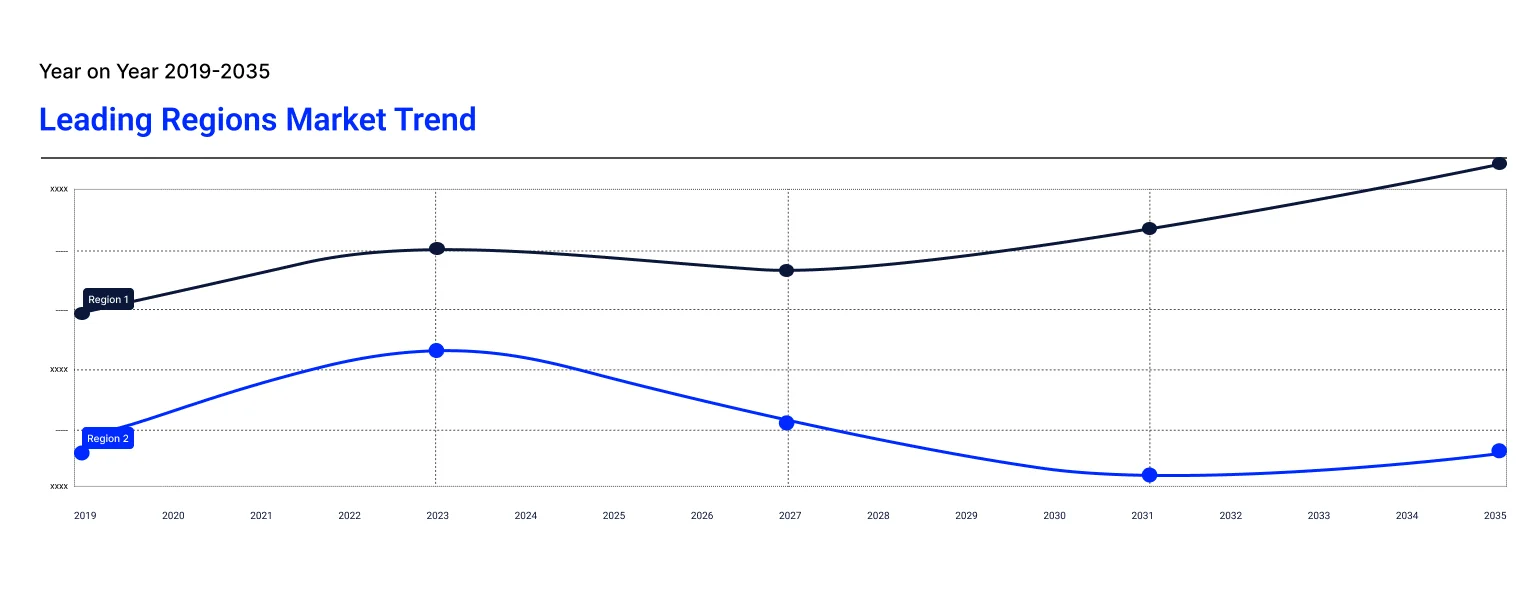
Key Insight: Asia Pacific leads the global industry due to the high level of industrialization, urbanization, and construction. North America is supported by the use of intelligent buildings, energy upgrading programs, and technological developments. The lighting market in Europe thrives because of the sustainability policies and energy efficiency standards, as well as the smart city development. Latin America witnesses the rise in demand due to urbanization and commercial construction projects. Middle East and African regions are witnessing rapid growth owing to its modernization and infrastructure developments. Each market has its own unique opportunities for growth based on their respective priorities and demands.
Read more about this report - REQUEST FREE SAMPLE COPY IN PDF
By type, LED registers the largest share of the market due to superior efficiency
LED lighting is prevalent in the lighting market due to its efficiency in energy, low maintenance needs, and ease of integration with technology. In addition, more manufacturers are incorporating LEDs with sensors, wireless controllers, and smart building solutions. They are therefore applicable in commercial offices and industrial settings besides urban infrastructures. Their longer operating hours and capabilities to provide interconnected lighting solutions continue influencing their adoption. Large-scale programs and sustainability efforts further promote the adoption of LED Lighting in both developed and developing countries. In June 2026, Häfele launched Loox LED strip lights featuring 50-metre lengths, multiple color temperatures, cost savings, and uniform illumination.
Read more about this report - REQUEST FREE SAMPLE COPY IN PDF
Halogen lighting is experiencing growth in the lighting market through specialized uses where it is needed to achieve particular lighting effects. Retail outlets, hotels, museums, and high-end residential constructions use halogen lights for enhancing lighting designs. Manufacturers of halogen lights are offering improved solutions that outperform those made through conventional methods. Additionally, remodeling projects that require a particular aesthetic lighting solution are fueling the demand for halogen lights.
Bulbs account for the largest market share due to widespread usage
Bulbs continue to be the major product line due to their wide application in residences, businesses, and industries for almost all types of lighting. Innovation and development in the field of LED bulbs are increasing energy efficiency, longevity, and connectivity options, thus creating high demand for replacements throughout the world. Smart bulbs that can be monitored and controlled remotely are becoming more popular among companies. Producers are concentrating on developing products that demonstrate higher efficiency and are compatible with connected environments. Street lighting is also being upgraded as part of modernization initiatives in residential and business buildings. In June 2026, Philips Hue showcased app-based smart bulb timers, enabling automated visual alerts, schedules, and personalized lighting routines for connected homes.
Read more about this report - REQUEST FREE SAMPLE COPY IN PDF
The fast growth of the street lighting market is connected to modernization projects in cities that aim at building smart city technologies with energy-efficient infrastructure. Modern streetlights include adaptive controls, remote monitoring options, and environmental sensors that help manage urban space. Government authorities pay attention to the development of street lighting facilities for the sake of decreasing energy consumption and improving the safety of their citizens. Producers of such devices are able to get long-term contracts through integration projects. In November 2025, Itron partnered with Connected Lighting Solutions to expand smart street lighting, enabling connected controls, remote monitoring, adaptive lighting, and energy-efficient urban infrastructure.
By application, indoor lighting dominates the market due to extensive building applications
The indoor lighting segment holds the leading lighting market share owing to their extensive installation in residential, commercial, institutional, and industrial buildings. The rising demand for smart buildings, modernized workplaces, and better health conditions of the occupants is expected to further drive the growth of the segment in the coming years. The manufacturers are developing advanced indoor lighting systems that can offer automation capabilities, energy management, and personalization. Furthermore, continuous investment in commercial real estate and building renovation projects is helping this segment maintain its dominance in developed and emerging countries.
Read more about this report - REQUEST FREE SAMPLE COPY IN PDF
The outdoor segment is witnessing rapid growth in the lighting market owing to the rising investment by the government and private organizations in transportation infrastructure, smart cities, industrial areas, and other public places. The advanced outdoor lighting systems offer benefits like energy efficiency, remote management, and high safety performance. Adaptive roadway lighting systems, security applications at the periphery of any site, and beautification of the urban areas are among the key areas driving the demand for the products. In October 2025, Orient Electric launched next-generation lighting products featuring smart controls, decorative designs, high-CRI LEDs, and energy-efficient illumination for modern homes.
Commercial applications secure the largest of the global industry share due to extensive lighting requirements
The largest share of the lighting market revenue held by commercial applications owing to the need for ample lighting in offices, retail stores, hotels, educational institutions, and other public spaces. Companies prefer energy-saving and connected lightings systems that help achieve efficiency and sustainability goals. The needs of manufacturers are further driven by trends related to workplace modernization and development of smart building technology. They develop lighting systems that help ensure greater occupant comfort, efficient use of energy, and gather data. For example, in June 2026, Anolis introduced Calumma Arts and Calumma UN architectural lighting solutions, expanding premium, high-performance illumination for built environment applications.
Read more about this report - REQUEST FREE SAMPLE COPY IN PDF
The fastest-growing application area for LED lighting systems is expected to be the industrial lighting market owing to the ongoing automation processes and development of digital manufacturing. Factories and warehouses need more sophisticated lighting systems that help enhance visibility and efficiency of operations and reduce maintenance costs. Smart industrial lighting is becoming increasingly intelligent as they are able to provide analytical information that helps with the planning of preventive maintenance. Specialized lighting solutions for industrial purposes are developed for demanding conditions.
Offline distribution channels lead the market growth due to strong professional procurement
The offline distribution model is dominant as large-scale lighting projects usually require consulting, product demonstration, technical evaluation, and after-sales services. Contractors, facility managers, architects, and commercial customers tend to choose offline channels while evaluating performance specifications and installation. Well-established dealer networks and specialist distributors have an important role in project procurement. Manufacturers are improving their offline channels to better penetrate the lighting market and foster relationships with customers. These factors make offline distribution models relevant in the industry.
Read more about this report - REQUEST FREE SAMPLE COPY IN PDF
Online distribution models are developing quickly as an increasing number of consumers use online channels to research, compare and purchase lighting products. E-commerce channels provide a wide variety of products, clear price information, and easy access to technical specifications. Manufacturers are improving their websites and direct-to-consumer sales to target more customers, propelling the overall lighting market penetration. Commercial customers also use online procurement tools to acquire standard lighting products. The convenience of online shopping and increasing consumer confidence in online purchases fuel the development of online distribution channels. In December 2025, SUNROOOF launched an e-commerce platform offering science-backed wellness lighting, expert consultations, customized solutions, and seamless digital purchasing experiences.
Asia Pacific dominates the market due to manufacturing and urbanization
The Asia Pacific region takes the lead in the lighting market owing to the rapid rate of urbanization, robust manufacturing capability, infrastructure developments, and increasing construction activities. All countries in this region are actively pursuing energy-efficient measures and promoting the use of new lighting technologies. Also contributing to the leadership position is the presence of leading lighting manufacturers in the region, developed supply chain, and high demands from the commercial and industrial sectors.
Read more about this report - REQUEST FREE SAMPLE COPY IN PDF
The Middle East and Africa lighting market is growing at the fastest pace due to large-scale infrastructure development programs, smart city plans, and commercial construction projects. The government is building new and upgrading existing transportation and tourism facilities in the region which necessitates the need for advanced lighting equipment. Increasing the efficiency of energy usage and enhancing public infrastructure is adding to the demand for lighting technology in this region. In May 2026, Hansa Green expanded manufacturing capacity beyond one million LED lighting fixtures annually, supporting regional demand and infrastructure lighting projects.
The global industry is becoming extremely competitive as lighting companies shift from the traditional lighting offerings in favor of developing lighting ecosystems. Manufacturers are embracing developments such as connected lighting platforms, AI-driven controls, adaptive streetlights, horticulture lighting, and human-centric lighting, among others. One main point of contention for the manufacturers involves converting lighting infrastructure into information-producing elements used in managing energy, predicting maintenance, and managing building automation.
There is also a trend in forging strategic relationships with software developers, smart cities, and industries to secure deals. The areas where leading lighting market players can generate revenue include smart warehouses, data centers, controlled environment agriculture, and sustainable infrastructure development. With the government enforcing tougher energy efficiency laws and legislations, there is an increasing pressure for manufacturers to develop innovations in advanced LEDs, sensors, and cloud-based management systems.
Since its foundation in 2016 and with headquarters located in Eindhoven, the Netherlands, Signify Holding puts a strong emphasis on connected lighting, smart cities, and innovative LED technologies. In this way, the company increases the reach of the Interact platform, allowing customers to track energy usage and performance.
Founded in 1919 and headquartered in Austria, OSRAM GmbH caters to the lighting market through innovative semiconductor technology, automobile lighting, and intelligent LED products. OSRAM GmbH pays particular attention to digital lighting, sensor technologies, and application areas aimed at smart buildings and industrial automation.
Founded in 1911, Eaton Corporation has its headquarters in Dublin, Ireland, and provides lighting solutions through integration with building management and electrical solutions. Eaton Corporation's product range includes solutions for connected control, emergency lighting, and energy-efficient commercial solutions.
Founded in 1982, Cree Lighting has its headquarters in Racine, Wisconsin, United States. It produces high-performance LED lighting solutions for commercial, industrial, and municipal clients. Its products are characterized by innovations related to optical performance, energy efficiency, and lighting controls.
Other key players in the market include Nichia Corporation, GE Lighting, Seoul Semiconductor Co., Ltd., Everlight Electronics Co., Ltd., Hubbell Incorporated, Zumtobel Group, Siteco GmbH, Panasonic Holdings Corporation, and Havells India Ltd., among others.
*Please note that this is only a partial list; the complete list of key players is available in the full report. Additionally, the list of key players can be customized to better suit your needs.*
Unlock the latest insights with our lighting market trends 2026 report. Discover regional growth patterns, consumer preferences, and key industry players. Stay ahead of competition with trusted data and expert analysis. Download your free sample report today and drive informed decisions in the market.
Middle East and Africa LED Lighting Market
United Arab Emirates LED Lighting Market
Vietnam LED Lighting Market
Mexico Lighting Market
UAE Lighting Market


Upto 15% Off
USD
$2999 $2699
$4839 $4355
$5999 $5099
$7259 $6170


*While we strive to always give you current and accurate information, the numbers depicted on the website are indicative and may differ from the actual numbers in the main report. At Expert Market Research, we aim to bring you the latest insights and trends in the market. Using our analyses and forecasts, stakeholders can understand the market dynamics, navigate challenges, and capitalize on opportunities to make data-driven strategic decisions.*
In 2025, the market reached an approximate value of USD 138.16 Billion.
The market is projected to grow at a CAGR of 7.30% between 2026 and 2035.
The market is estimated to witness healthy growth in the forecast period of 2026-2035 to reach a value of around USD 279.50 Billion by 2035.
The major drivers of the market are the rising disposable incomes, increasing population, rapid urbanisation, and growing infrastructure projects.
The key trends aiding the market expansion include growing health awareness, improving food production capabilities, and growing demand for plant-based and natural products with the rising trend of veganism.
The different lighting products in the market are bulbs, streetlights, downlights, tube lights, and flood lights, among others.
The major regions in the market are North America, Latin America, the Middle East and Africa, Europe, and the Asia Pacific.
The major players are Signify Holding, OSRAM GmbH, Eaton Corporation, Cree Lighting, Nichia Corporation, GE Lighting, Seoul Semiconductor Co., Ltd., Everlight Electronics Co., Ltd., Hubbell Incorporated, Zumtobel Group, Siteco GmbH, Panasonic Holdings Corporation, and Havells India Ltd., among others.
Explore our key highlights of the report and gain a concise overview of key findings, trends, and actionable insights that will empower your strategic decisions.
| REPORT FEATURES | DETAILS |
| Base Year | 2025 |
| Historical Period | 2019-2025 |
| Forecast Period | 2026-2035 |
| Scope of the Report |
Historical and Forecast Trends, Industry Drivers and Constraints, Historical and Forecast Market Analysis by Segment:
|
| Breakup by Type |
|
| Breakup by Product |
|
| Breakup by Application |
|
| Breakup by End Use |
|
| Breakup by Distribution Channel |
|
| Breakup by Region |
|
| Market Dynamics |
|
| Trade Data Analysis |
|
| Competitive Landscape |
|
| Companies Covered |
|
Datasheet
One User
USD 2,999
USD 2,699
tax inclusive*
Single User License
One User
USD 4,839
USD 4,355
tax inclusive*
Five User License
Five User
USD 5,999
USD 5,099
tax inclusive*
Corporate License
Unlimited Users
USD 7,259
USD 6,170
tax inclusive*
*Please note that the prices mentioned below are starting prices for each bundle type. Kindly contact our team for further details.*
Flash Bundle
Small Business Bundle
Growth Bundle
Enterprise Bundle
*Please note that the prices mentioned below are starting prices for each bundle type. Kindly contact our team for further details.*
Flash Bundle
Number of Reports: 3
20%
tax inclusive*
Small Business Bundle
Number of Reports: 5
25%
tax inclusive*
Growth Bundle
Number of Reports: 8
30%
tax inclusive*
Enterprise Bundle
Number of Reports: 10
35%
tax inclusive*
How To Order

Select License Type
Choose the right license for your needs and access rights.

Click on ‘Buy Now’
Add the report to your cart with one click and proceed to register.

Select Mode of Payment
Choose a payment option for a secure checkout. You will be redirected accordingly.
Strategic Solutions for Informed Decision-Making
Gain insights to stay ahead and seize opportunities.

Get insights & trends for a competitive edge.

Track prices with detailed trend reports.

Analyse trade data for supply chain insights.

Leverage cost reports for smart savings

Enhance supply chain with partnerships.

Connect For More Information
Our expert team of analysts will offer full support and resolve any queries regarding the report, before and after the purchase.
Our expert team of analysts will offer full support and resolve any queries regarding the report, before and after the purchase.
We employ meticulous research methods, blending advanced analytics and expert insights to deliver accurate, actionable industry intelligence, staying ahead of competitors.
Our skilled analysts offer unparalleled competitive advantage with detailed insights on current and emerging markets, ensuring your strategic edge.
We offer an in-depth yet simplified presentation of industry insights and analysis to meet your specific requirements effectively.




