

Consumer Insights
Uncover trends and behaviors shaping consumer choices today
Procurement Insights
Optimize your sourcing strategy with key market data
Industry Stats
Stay ahead with the latest trends and market analysis.

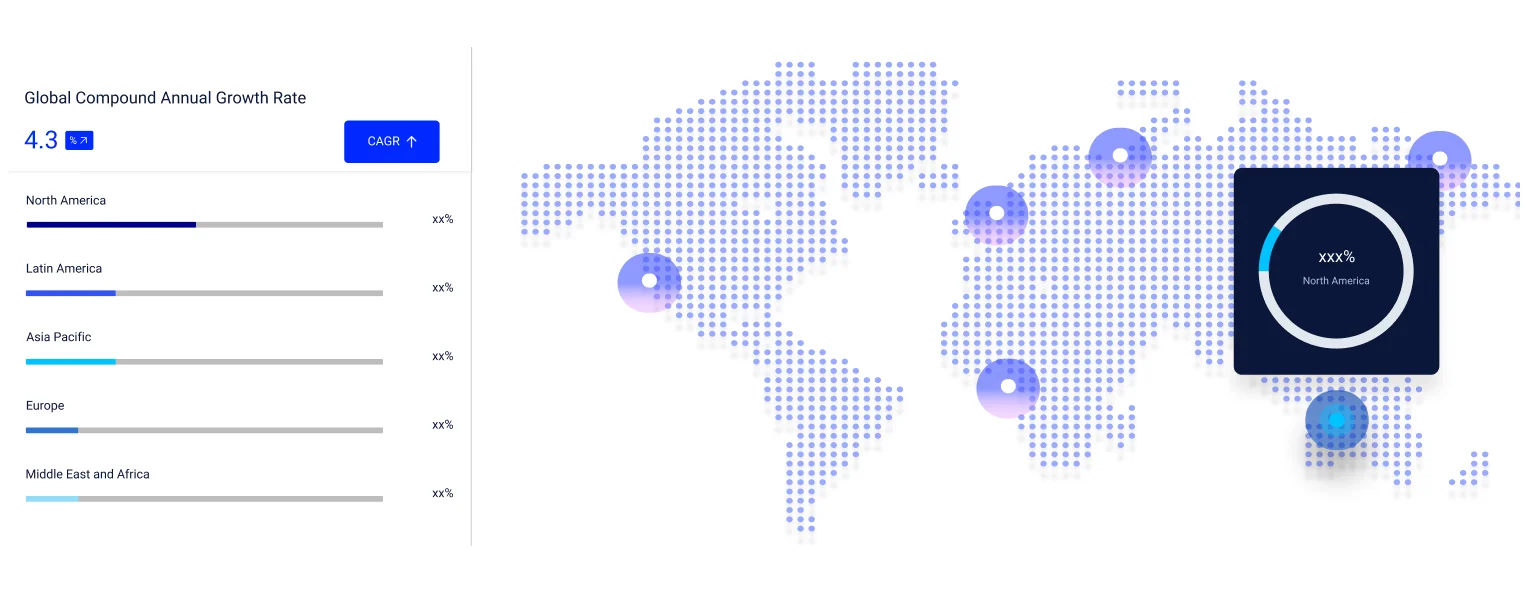
The global leisure travel market was valued at USD 1.47 Trillion in 2025. The market is expected to grow at a CAGR of 6.00% during the forecast period of 2026-2035 to reach a value of USD 2.63 Trillion by 2035. This is fueled by a surge in international tourist arrivals, especially in Europe and Asia Pacific, growing middle-class populations in emerging economies, and robust travel infrastructure investments.
Travel operators are capitalizing on personalized offerings and value-added services, enhancing both booking convenience and travel satisfaction. Additionally, the rise of wellness travel and eco-tourism is broadening the appeal of leisure travel globally. Major travel platforms also reported record gross travel bookings, driven by pent-up demand and flexible travel policies. Hybrid work models have further blurred the lines between leisure and business travel, boosting long-stay tourism
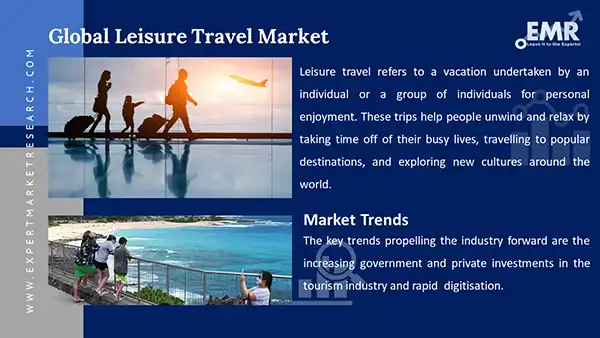
The leisure travel market revenue is growing steadily, supported by rising disposable incomes, expanding digital travel platforms, and increasing prioritization of experiences over material goods. In June 2025, Vodafone launched its new digital travel platform to offer Travel eSIM with mobile data access in 200+ destinations across 700 global networks. Leisure travel includes personal trips taken for relaxation, recreation, or cultural enrichment, and has become a key segment of the tourism and hospitality industry.
Governments are easing visa restrictions and promoting their destinations through global tourism campaigns, contributing to market expansion. Travel providers are responding with customized, digitally enhanced experiences and sustainability-focused packages. As the industry adapts to evolving traveler preferences, tech adoption, and sustainability imperatives, the leisure travel industry is poised for continued growth.
Base Year
Historical Period
Forecast Period
Compound Annual Growth Rate
6%
Value in USD Trillion
2026-2035
*this image is indicative*
The leisure travel market outlook is impacted by the rise of mobile apps, AI-driven recommendations, and integrated travel platforms for streamlining planning. In April 2023, Expedia rolled out AI travel planners using ChatGPT integrations, allowing users to receive tailored itineraries and book directly. Platforms like Hopper and Trip.com are leveraging predictive analytics to offer price tracking and flash deals. Digital wallets, embedded travel insurance, and virtual concierge services further contribute to higher engagement, particularly among millennials and Gen Z travelers.
Modern travelers are seeking meaningful, immersive experiences over conventional sightseeing. Experience-led tourism, encompassing food trails, heritage stays, local artisan workshops, and adventure sports is gaining traction globally. In May 2025, Airbnb launched redesigned app along with Airbnb Services and Airbnb Experiences to enhance booking, hosting, and immersive travel offerings. This shift is attracting repeat travelers and extending average stay durations, supporting local economies and driving demand for niche tourism offerings.
Environmental awareness is influencing choices in the global leisure travel market. Tourists are opting for low-impact activities, sustainable hotels, and carbon-offset travel packages. For instance, Booking.com introduced the Travel Sustainable badge to assist travelers in identifying eco-friendly accommodations. Airlines like Lufthansa and Delta introduced SAF ticket options, while destinations like Costa Rica and Bhutan are leveraging eco-tourism for high-value, low-footprint visitor models. Regulatory support, such as European Unions’ Fit for 55 policies, is nudging operators to reduce emissions and adopt circular tourism practices.
The rise of remote work and hybrid models has created demand for “bleisure” (business + leisure) and long-stay travel. Destinations like Portugal, Thailand, and Mexico have introduced digital nomad visas, attracting tech professionals and freelancers. In 2023, Marriott signed 164,000 new rooms in 2023, achieving 4.7% net rooms growth globally. This trend benefits mid-market hotels, co-living accommodations, and serviced apartments. The leisure travel market is also increasingly being blended with productivity, leading to longer, off-season bookings and flexible travel spending.
Governments are investing heavily in travel infrastructure and destination branding. Saudi Arabia’s Vision 2030 includes USD 800 billion for tourism, with NEOM and Red Sea Project as flagship developments. Indonesia's “Wonderful Indonesia” and Japan's digital tourism campaigns are targeting international travelers with immersive multimedia outreach. In 2025, the European Union launched a €400 million post-COVID tourism recovery fund focused on small towns and nature-based tourism. Improved airports, regional connectivity, and visa reforms are making leisure travel more seamless and attractive globally.
Read more about this report - REQUEST FREE SAMPLE COPY IN PDF
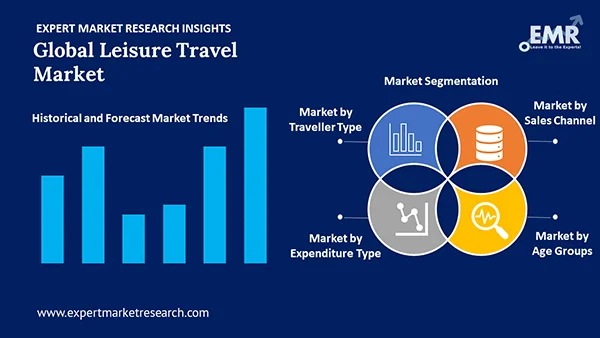
The EMR’s report titled “Global Leisure Travel Market Report and Forecast 2026-2035” offers a detailed analysis of the market based on the following segments:
Market Breakup by Traveller Type
Key Insight: Solo travel is gaining popularity, especially among Gen Z and millennials seeking flexible and introspective experiences. Women travelers, in particular, are driving this segment, supported by safe stay options and solo-traveler communities. In contrast, group travel remains strong for families, corporate getaways, and student tours. Group packages benefit from bundled pricing and curated itineraries. For instance, Trafalgar and Contiki expanded group-focused offerings in Asia and Latin America, highlighting demand for culturally immersive and multi-country trips.
Market Breakup by Sales Channel
Key Insight: Online channels dominate with the leisure travel market with the proliferation of OTAs, travel apps, and aggregator sites. Mobile-first platforms and digital wallets are streamlining bookings. In 2025, nearly 72% of leisure bookings were projected to be made online. However, conventional travel agencies still play a role in luxury, senior, and complex itinerary segments, offering personalized service and trust-based bookings. High-touch service providers like Abercrombie & Kent and Kuoni cater to premium travelers seeking exclusive, end-to-end experiences.
Market Breakup by Age Group
Key Insight: Millennials and Gen Z are driving volume through frequent, short-duration trips focused on value, convenience, and experiences, adding to the leisure travel market share. They prefer flexible bookings, adventure travel, and wellness retreats. Baby Boomers, with higher disposable income, favor cruise packages, heritage tours, and medical tourism. Gen X balances family-oriented and bucket-list travel. Platforms now tailor content and promotions by age group, offering all-inclusive cruise deals to boomers and influencer-led campaign trips to Gen Z.
Market Breakup by Expenditure Type
Key Insight: Lodging accounts for the highest expenditure as travelers seek comfort, location, and unique experiences. Boutique hotels and eco-resorts witnessed growing preference over traditional hotels. Transportation, including airfare, rail passes, and rentals is influenced by travel distance and duration. Food and beverage spending is rising due to culinary tourism. Travelers are allocating more budget to concerts, festivals, and local experiences, highlighting the importance of event and entertainment segments.
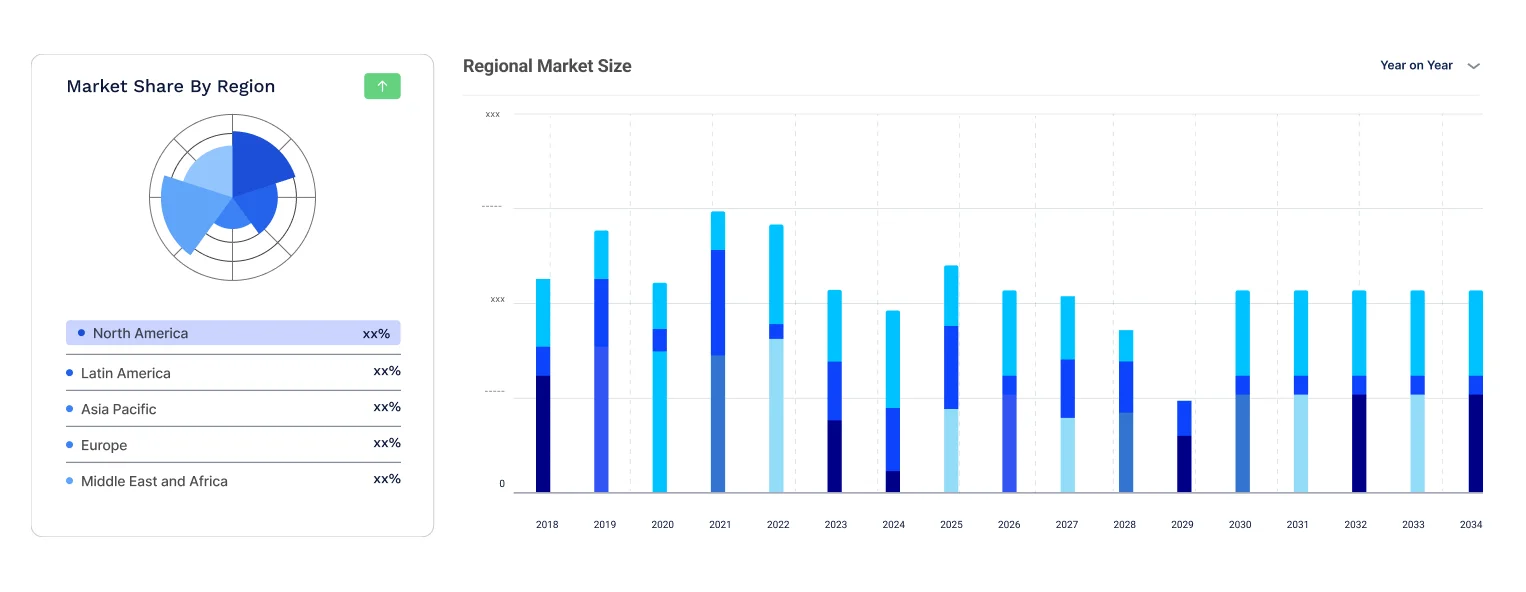
Market Breakup by Region
Key Insight: The North America leisure travel market dominates globally, driven by strong domestic tourism, high disposable income, and well-established infrastructure. Europe follows, fueled by cultural tourism and seamless cross-border travel via rail and low-cost airlines. Asia Pacific ranks third, rapidly growing due to rising middle-class populations and destinations like Bali, Japan, and Thailand. Latin America, while rich in biodiversity and cultural heritage, faces infrastructure and safety challenges limiting broader growth. The Middle East and Africa industry is expanding with luxury offerings in Dubai and safari experiences in Kenya.
Read more about this report - REQUEST FREE SAMPLE COPY IN PDF
Group travel to lead the market due to affordable packages
Group travel dominates the leisure travel market development, particularly among families, friends, and organized tours. This segment benefits from economies of scale, shared experiences, and convenience. Tour operators often curate packages including transportation, accommodation, and guided activities, making it ideal for cultural trips, cruises, and destination weddings. Group travel is especially strong in destinations offering historical significance or adventure, such as Egypt, Italy, or Costa Rica, where shared experiences heighten the overall travel value.
Solo travel is rapidly growing driven by increasing independence, flexible work lifestyles, and a desire for self-discovery. This segment focuses on wellness retreats, backpacking, and digital nomad experiences. Airbnb and Hostelworld cater to solo travelers with personalized recommendations and community-based stays. In April 2022 Hostelworld introduced The Solo System, a toolkit of social features in its app to help solo travelers connect. The rise of solo female travel has encouraged platforms to introduce safety features and support networks.
Online channels to capture significant share due to higher mobile usage
The online channel is the dominant force in the leisure travel market, driven by convenience, transparency, and mobile accessibility. Platforms like Booking.com, Expedia, Airbnb, and Trip.com allow travelers to book flights, accommodations, and activities with real-time availability and user reviews. In May 2025, Vrbo launched a new Promotions Suite for offering tailored discounts for different traveler types with dedicated filters and visibility. The rise of AI and personalized recommendation engines further enhances the booking experience.
The conventional channel, comprising travel agents, tour operators, and physical booking offices still plays a vital role, particularly for complex itineraries and luxury travel. Older demographics and travelers seeking curated, stress-free experiences often prefer human interaction and expert advice. For example, companies like Thomas Cook India and American Express Travel continue to serve customers needing visa assistance, multi-leg tours, or group bookings. These channels also provide assurance and support during disruptions.
Millennials to hold massive share due to surging need for tech-savviness
Millennials are contributing to the leisure travel industry value, driven by their passion for experiences, digital engagement, and flexibility. Several platforms cater to their tech-savviness with mobile-first features and personalized recommendations. In December 2024, Contiki introduced “Sober Curious” departures aimed at younger travelers, including millennials wanting more mindful, alcohol free experiences. Millennials also embrace “bleisure” and solo travel. Destinations like Bali, Lisbon, and Thailand are top picks.
Generation X travelers are in their peak earning years and typically favor comfort, convenience, and family-oriented experiences. Often booking well in advance, they prioritize value and quality, making them loyal customers to brands like Marriott, Expedia, and Booking.com. Gen X is also driving demand in the cruise sector and all-inclusive resorts, especially in destinations like the Caribbean, Europe, and Southeast Asia. Travel for this group often includes multigenerational vacations, combining leisure with family bonding. While less digitally dependent than younger groups, Gen X is increasingly embracing online booking platforms and travel apps, contributing significantly to stable and high-value travel bookings.
Lodging to lead the market growth with rise in budget stays
Lodging is the leading segment in the leisure travel market, forming the foundation of any trip. It includes hotels, resorts, vacation rentals, hostels, and alternative accommodations. Platforms like Booking.com, Airbnb, and Marriott cater to diverse traveler preferences from luxury resorts to budget stays and unique local experiences. Sustainable and lifestyle-focused brands like Moxy and eco-resorts are gaining popularity among millennials and Gen Z.
Transportation is enabling access to and movement within destinations. The rise of low-cost carriers has expanded accessibility for budget-conscious travelers. Electric vehicle rentals and carbon offset options are reflecting eco-conscious travel behaviors. In September 2025, Evera (India) launched a multi service electric cab platform, offering EV rentals for hourly rides, airport transfers, long distance journeys, targeting corporates & individual users. Transportation choices greatly influence itinerary planning and travel frequency.
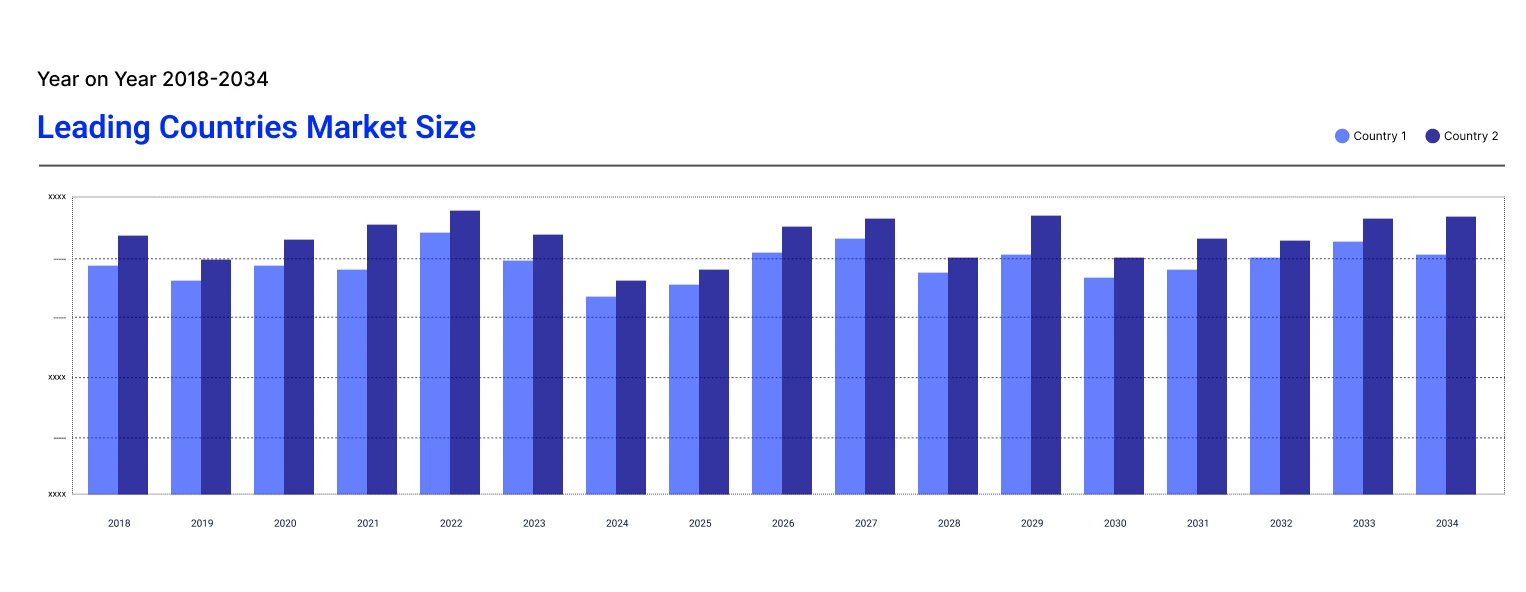
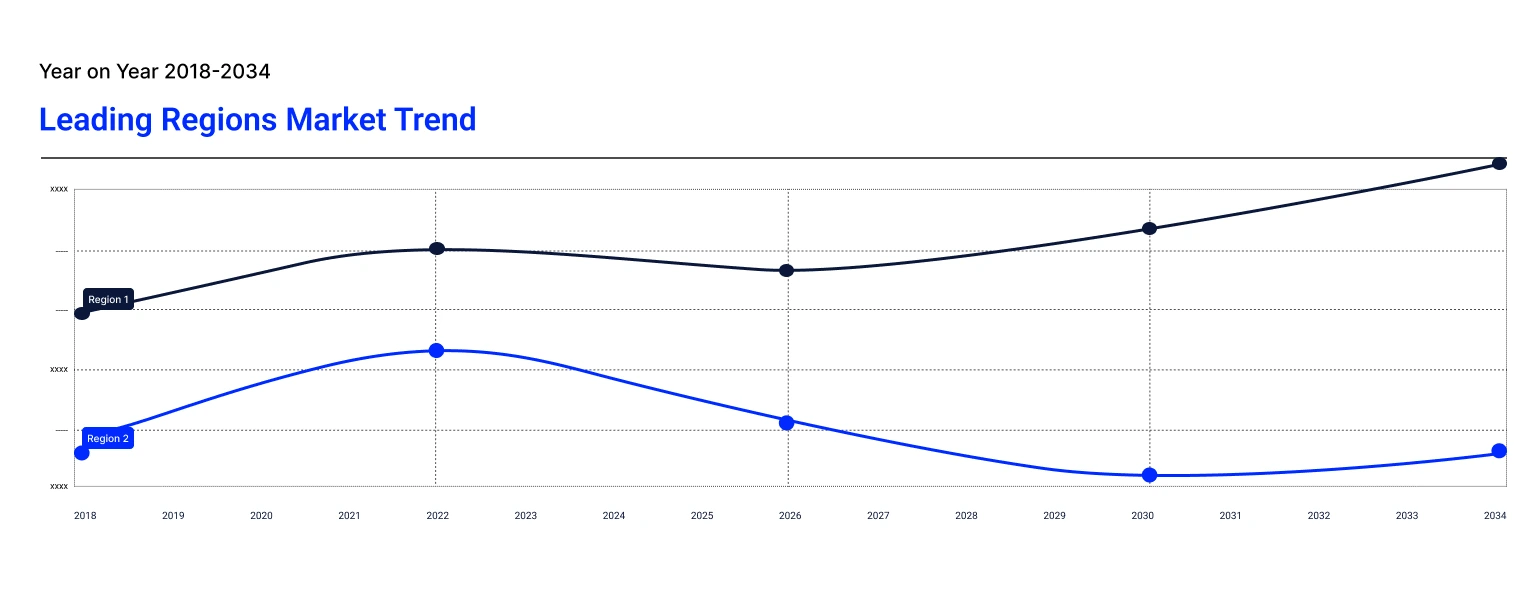
Europe claims the dominant market position owing to government support
Europe leads the global leisure travel market due to its dense network of tourist destinations, efficient inter-country transport, and cultural richness. In 2024, France, Spain, and Italy remained among the top-visited nations globally, with UNESCO heritage circuits and culinary tourism attracting high-spending travelers. Rail-based tourism (Eurail) and EU-wide visa facilities support intra-regional travel. Governments are investing in regional tourism marketing, infrastructure enhancement, and sustainability.
Asia Pacific is the fastest-growing region, with Thailand, Japan, Vietnam, and India seeing a surge in domestic and international tourist arrivals. As per Trading Economics, tourist arrivals in Thailand surged from 2322.77 in June 2025 to 2610.37 in July 2025. This growth is fueled by improved air connectivity, digital visa systems, and government-led tourism campaigns. Increasing disposable income, and a rising preference for short-haul regional travel among intra-Asia travelers are further accelerating momentum.
The global leisure travel market is highly competitive, comprising major online travel agencies (OTAs), hospitality brands, tourism boards, and niche tour operators. Key players focus on expanding destination portfolios, integrating AI and personalization, and forming strategic partnerships to enhance traveler experience. Digital travel platforms like Booking Holdings, Trip.com, and Expedia dominate bookings, offering bundled deals and dynamic pricing.
Airlines and hotel chains are leveraging loyalty programs and mobile apps to retain travelers. Marriott, Hilton, and Accor are expanding leisure offerings, while Emirates and Qatar Airways are promoting stopover packages. D2C travel models and influencer marketing are increasingly used to target millennials and Gen Z. Sustainability, health safety, and hybrid travel packages are emerging as competitive differentiators. Players are also investing in immersive content, VR-based previews, and blockchain-backed travel insurance to attract tech-savvy travelers.
Founded in 1997 and headquartered in Connecticut, the United States, Booking Holdings is a global leader in online travel. Through brands like Booking.com and Kayak, it revolutionized digital hotel and flight booking. Known for its AI-driven personalization and vast inventory, it continues to innovate sustainable travel and seamless user experiences.
Expedia Group, established in 1996 and based in Seattle, the United States, is a major player in online travel services. With brands such as Expedia, Vrbo, and Hotels.com, it offers extensive travel solutions. The company pioneers virtual trip planning, loyalty programs, and smart tools to enhance customer convenience and choice.
Launched in 2008 and headquartered in San Francisco, the United States, Airbnb transformed short-term lodging by connecting hosts with travelers. Its platform popularized home-sharing and peer-to-peer hospitality. Innovations include Airbnb Experiences and Airbnb Icons, expanding travel beyond stays to immersive cultural engagement.
Trip.com Group, founded in 1999 and based in Shanghai, China, is a leading travel service provider in Asia. Operating platforms like Trip.com and Ctrip, it integrates AI to personalize itineraries. Known for Trip.Planner, it streamlines complex bookings and supports multilingual, global travel solutions for millions of international users.
*Please note that this is only a partial list; the complete list of key players is available in the full report. Additionally, the list of key players can be customized to better suit your needs.*
Other key players in the leisure travel market are TUI Group, Carnival Corporation & plc, Marriott International, Inc., Hilton Worldwide Holdings Inc., Accor S.A. and MakeMyTrip Ltd.
Unlock key insights into the Global Leisure Travel Market Trends 2026 with our comprehensive report. Stay informed on evolving traveler preferences, regional opportunities, and leading travel brands shaping the future of tourism. Download a free sample or connect with our analysts today for a customized overview of the global leisure travel market forecast 2026–2035.


Upto 15% Off
USD
$2499 $2249
$3999 $3599
$4999 $4249
$5999 $5099


*While we strive to always give you current and accurate information, the numbers depicted on the website are indicative and may differ from the actual numbers in the main report. At Expert Market Research, we aim to bring you the latest insights and trends in the market. Using our analyses and forecasts, stakeholders can understand the market dynamics, navigate challenges, and capitalize on opportunities to make data-driven strategic decisions.*
Get in touch with us for a customized solution tailored to your unique requirements and save upto 35%!
In 2025, the market reached an approximate value of USD 1.47 Trillion.
The market is projected to grow at a CAGR of 6.00% between 2026 and 2035.
Key strategies driving the market include personalization through AI and data analytics, expansion of sustainable and eco-friendly offerings, integration of immersive cultural experiences, strategic partnerships with local operators, and digital transformation via mobile platforms. Loyalty programs and flexible booking policies also play a critical role in attracting and retaining travelers.
The key trends propelling the market forward are the rising investments by various governments in the tourism industry and increasingly stressful lifestyles led by people which are encouraging more people to travel for leisure.
The major regions in the market are North America, Latin America, Europe, Middle East and Africa, and the Asia Pacific.
The leading traveller types include solo and group.
The dominant types of sales channels in the market include conventional channel and online channel.
The different age groups in the market include baby boomers, generation X, millennials, and generation Z.
The various expenditure types include lodging, transportation, food and beverage, event and entertainment, among others.
The key players in the market include Booking Holdings Inc., Expedia Group, Inc., Airbnb, Inc., Trip.com Group Ltd., TUI Group, Carnival Corporation & plc, Marriott International, Inc., Hilton Worldwide Holdings Inc., Accor S.A. and MakeMyTrip Ltd.
Key challenges for market players include economic uncertainty, fluctuating travel demand, geopolitical tensions, and rising operational costs. Additionally, adapting to evolving consumer preferences, ensuring health and safety, managing environmental impact, and navigating complex regulations across regions add significant pressure.
Explore our key highlights of the report and gain a concise overview of key findings, trends, and actionable insights that will empower your strategic decisions.
| REPORT FEATURES | DETAILS |
| Base Year | 2025 |
| Historical Period | 2019-2025 |
| Forecast Period | 2026-2035 |
| Scope of the Report |
Historical and Forecast Trends, Industry Drivers and Constraints, Historical and Forecast Market Analysis by Segment:
|
| Breakup by Traveller Type |
|
| Breakup by Sales Channel |
|
| Breakup by Age Groups |
|
| Breakup by Expenditure Type |
|
| Breakup by Region |
|
| Market Dynamics |
|
| Competitive Landscape |
|
| Companies Covered |
|
| Report Price and Purchase Option | Explore our purchase options that are best suited to your resources and industry needs. |
| Delivery Format | Delivered as an attached PDF and Excel through email, with an option of receiving an editable PPT, according to the purchase option. |
Datasheet
One User
USD 2,499
USD 2,249
tax inclusive*
Single User License
One User
USD 3,999
USD 3,599
tax inclusive*
Five User License
Five User
USD 4,999
USD 4,249
tax inclusive*
Corporate License
Unlimited Users
USD 5,999
USD 5,099
tax inclusive*
*Please note that the prices mentioned below are starting prices for each bundle type. Kindly contact our team for further details.*
Flash Bundle
Small Business Bundle
Growth Bundle
Enterprise Bundle
*Please note that the prices mentioned below are starting prices for each bundle type. Kindly contact our team for further details.*
Flash Bundle
Number of Reports: 3
20%
tax inclusive*
Small Business Bundle
Number of Reports: 5
25%
tax inclusive*
Growth Bundle
Number of Reports: 8
30%
tax inclusive*
Enterprise Bundle
Number of Reports: 10
35%
tax inclusive*
How To Order

Select License Type
Choose the right license for your needs and access rights.

Click on ‘Buy Now’
Add the report to your cart with one click and proceed to register.

Select Mode of Payment
Choose a payment option for a secure checkout. You will be redirected accordingly.
Gain insights to stay ahead and seize opportunities.

Get insights & trends for a competitive edge.

Track prices with detailed trend reports.

Analyse trade data for supply chain insights.

Leverage cost reports for smart savings

Enhance supply chain with partnerships.

Connect For More Information
Our expert team of analysts will offer full support and resolve any queries regarding the report, before and after the purchase.
Our expert team of analysts will offer full support and resolve any queries regarding the report, before and after the purchase.
We employ meticulous research methods, blending advanced analytics and expert insights to deliver accurate, actionable industry intelligence, staying ahead of competitors.
Our skilled analysts offer unparalleled competitive advantage with detailed insights on current and emerging markets, ensuring your strategic edge.
We offer an in-depth yet simplified presentation of industry insights and analysis to meet your specific requirements effectively.





Share