

Consumer Insights
Uncover trends and behaviors shaping consumer choices today
Procurement Insights
Optimize your sourcing strategy with key market data
Industry Stats
Stay ahead with the latest trends and market analysis.
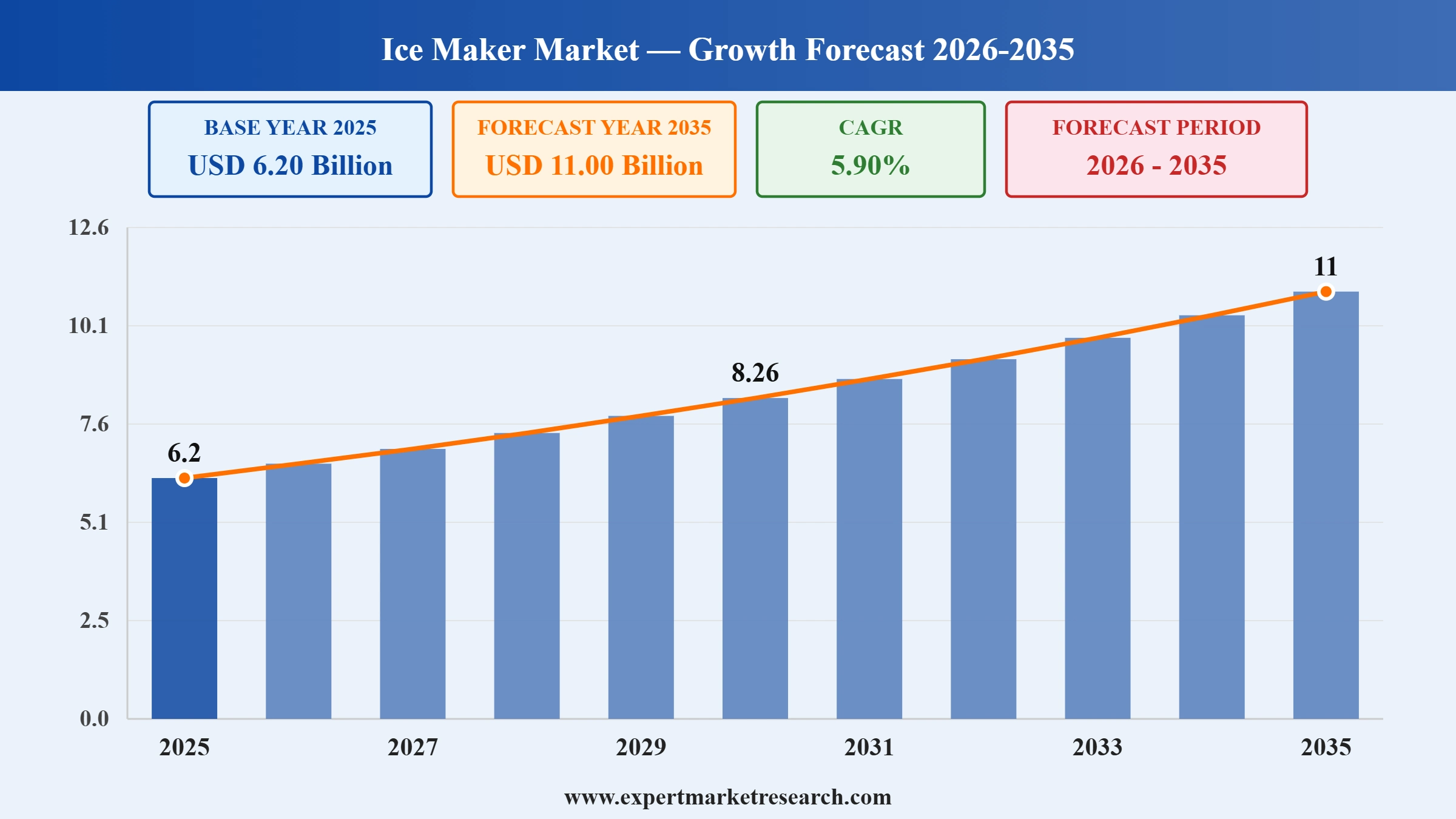
The global ice maker market was valued at USD 6.20 Billion in 2025. The industry is expected to grow at a CAGR of 5.90% during the forecast period of 2026-2035 to reach a value of USD 11.00 Billion by 2035.
The continuous growth of the ice maker market can be attributed to automation, energy efficiency, and rising demand across hospitality and healthcare. The market is evolving beyond traditional cold chain utility and entering sectors like medical cryogenics and smart vending. According to the U.S. Energy Department, next-gen commercial models are 30% more energy-efficient, reflecting government-backed eco-initiatives. The EU’s EcoDesign directive has also pushed manufacturers toward integrating low-GWP refrigerants, influencing purchasing decisions among institutional buyers.
In Asia Pacific, India's Ministry of Food Processing Industries is funding cold storage chains that include automated ice production facilities, aiding local seafood exporters, fuelling the ice maker market development. In Japan, IoT-enabled ice makers are being used in high-precision pharma logistics. Such integrations of real-time monitoring and predictive maintenance are pushing the boundaries of how these machines are used. As remote diagnostics become a norm, ice maker is becoming a part of smart infrastructure. With custom-size ice shaping and modular stackable designs gaining traction, manufacturers are innovating for specific client verticals.
The thriving food and beverage industry significantly contributes to demand for ice makers, particularly in restaurants, cafes, and bars that require a consistent supply of ice for beverages. Major chains like McDonald's and Starbucks rely heavily on commercial ice makers to meet customer needs for cold drinks and iced coffees. Additionally, the healthcare sector's increasing requirement for ice in applications such as cold therapy and transporting medical supplies further boosts market growth. Innovations such as smart ice makers from brands like Whirlpool, which offer app connectivity for monitoring ice production, are attracting tech-savvy consumers, leading to further growth in the market.
Read more about this report - REQUEST FREE SAMPLE COPY IN PDF
Hoshizaki debuted their latest line of Cube ice machines. The improved motor in the new designs is expected to provide energy and water-saving capabilities. Optional features like UV sanitation and an integrated internal drain pump will also be available on some of the new models.
Ecozy, a leading global home appliance brand, announced the launch of two new commercial ice makers: the Ecozy Commercial Undercounter Ice Maker and the Ecozy Commercial Ice Maker Champion. This launch marks a significant milestone in Ecozy's growth for its expertise in countertop ice makers.
GoveeLife announced the launch of Smart Countertop Ice Maker 1s, designed to enhance the home bar experience with advanced features and technology. This innovative ice maker boasts rapid ice production capabilities, generating nine bullet ice cubes in just six minutes and producing up to 26 pounds of ice daily.
Easy Ice announced the successful acquisition of the ice machine rental operations from Clinton Ice, LLC, based in Oklahoma, the USA. This move marks a significant expansion for Easy Ice, enhancing its footprint in the ice machine rental market.
Advanced AI modules are being integrated into commercial ice makers to monitor real-time temperature, wear-and-tear, and output variations, reshaping the ice maker market dynamics. Startups like SmartFreez are using machine learning algorithms to predict component failure and auto-adjust water input during fluctuating external temperatures. Governments in the EU are incentivising digitalisation in refrigeration technology under the Horizon Europe programme, pushing AI adoption in industrial cooling systems. This is transforming operational maintenance from reactive to predictive, ensuring uptime in high-demand environments like hospitals and commercial kitchens.
There is a significant focus on energy-efficient designs in ice machines. Manufacturers are adopting advanced refrigeration systems and environmentally friendly refrigerants to minimise energy consumption and reduce environmental impact. For instance, Hoshizaki is known for its commitment to sustainability and energy efficiency in ice machines. Their products often feature Energy Star ratings, indicating that they consume significantly less energy compared to standard models. Hoshizaki's continuous-type ice makers are approximately 16% more energy efficient, helping businesses reduce their electricity and water costs while minimising their carbon footprint. This trend of ice maker market aligns with broader sustainability goals across various industries, as businesses seek to lower operational costs while meeting regulatory standards for energy use and emissions. Additionally, some machines are equipped with sensors that detect when the ice bin is full, preventing overproduction and waste.
The integration of smart technology is revolutionising the ice maker market. Many modern ice machines now feature connectivity options that allow for remote monitoring and diagnostics via smartphone apps. This capability enables users to track ice production, receive maintenance alerts, and adjust settings from anywhere, enhancing operational efficiency and boosting the ice maker demand. For instance, Kooler Ice offers a the IceTalk™ remote monitoring system, enabling users to manage their ice vending machines from anywhere using a smartphone or computer. Additionally, IceHouse America offers a SmartIce technology with cloud-based remote access to ice machines, allowing operators to manage various aspects of their equipment from a smartphone or computer.
Countertop ice makers are becoming increasingly popular due to their convenience, compact size, and affordability, boosting the growth of ice makers market. These machines are particularly appealing to consumers who need quick access to ice without the need for a full-sized ice-making unit. They are ideal for home use, small offices, and outdoor gatherings. For instance, the Chefman Iceman Dual-Size Countertop Ice Maker can produce ice in just six minutes and offers two different sizes of ice cubes, catering to various preferences for drinks. Its portability and ease of use make it preferable among consumers who value efficiency in their kitchen appliances. Similarly, the GoveeLife Smart Ice Maker integrates modern technology by allowing users to control it via a smartphone app, enhancing user experience with features like scheduling and maintenance reminders. The versatility of these machines is further exemplified by models like the Frigidaire EFIC103, which produces bullet-shaped ice that is ideal for cocktails and soft drinks. With its ability to churn out 26 pounds of ice per day, it meets the demands of both casual users and those hosting larger gatherings.
The foodservice industry is a significant driver of demand for ice makers, as establishments require large quantities of ice for beverages, food preservation, and presentation. This trend is particularly strong in restaurants, bars, and cafes where ice plays a crucial role in customer service. Many restaurants are now investing in ice makers that produce nugget or pebble ice, which has become a popular choice due to its chewable texture and ability to cool drinks quickly. The Ecozy Nugget Ice Maker is one such example of this trend as it can produce up to 33 pounds of nugget ice daily. Additionally, the introduction of machines like the GE Profile Opal 2.0 not only produces high volumes of nugget ice but also features a built-in UV light for sanitation purposes.
The EMR’s report titled “Global Ice Maker Market Report and Forecast 2026-2035” offers a detailed analysis of the market based on the following segments:
Market Breakup by Product Type
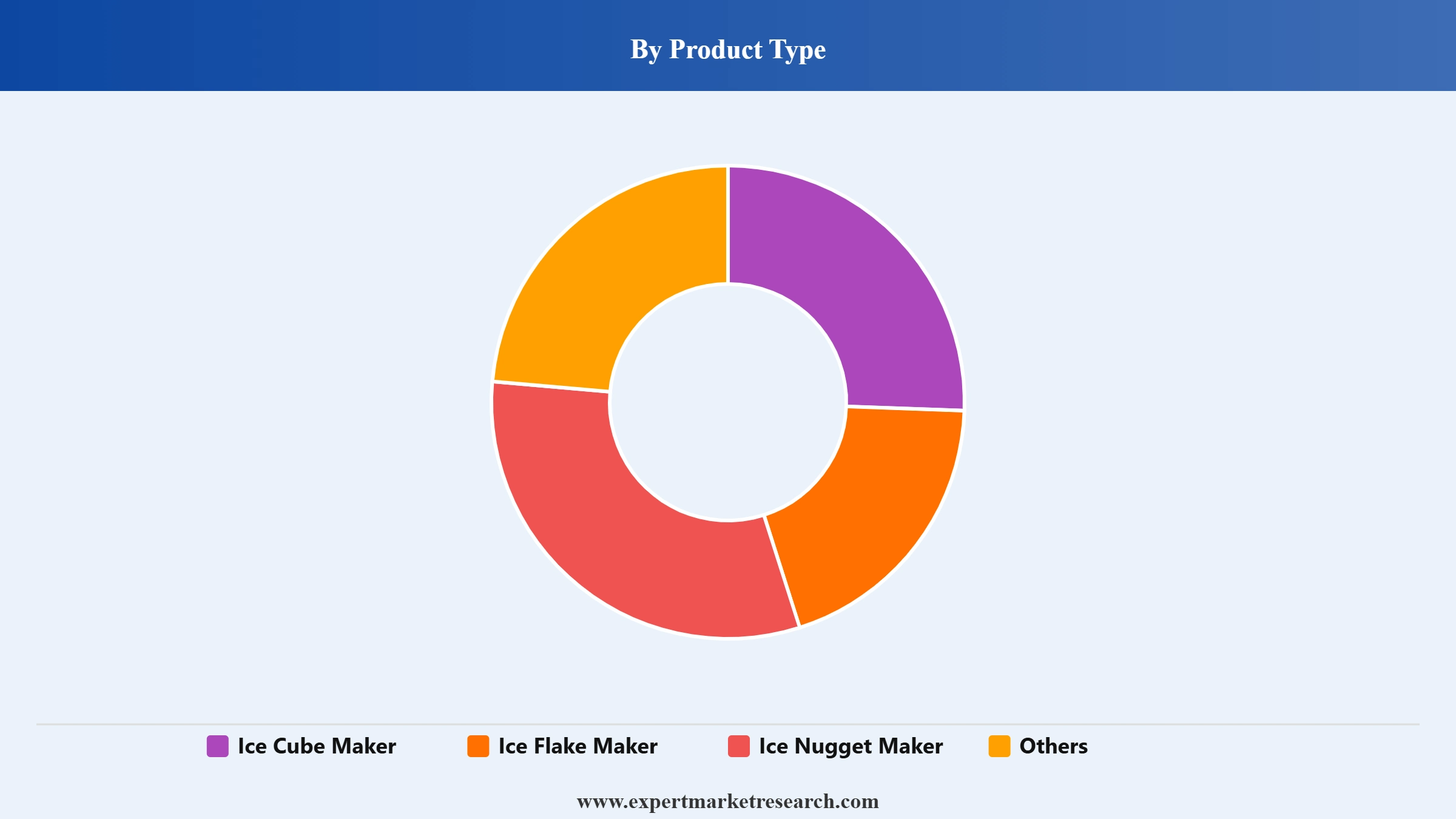
Key Insight: Ice cube makers occupy a significant share of the ice maker market due to their unmatched utility in hospitality and beverage operations, offering consistent output and ease of maintenance. Flake makers are preferred in seafood logistics and medical storage where temperature control is delicate. Nugget ice makers are quickly expanding in use, particularly in retail kiosks and healthcare centres where chewable texture and hygiene matter. Other subsegments, including dual-mode and hybrid models, serve niche industrial functions like offshore rigs and mobile kitchens.
Market Breakup by End Use
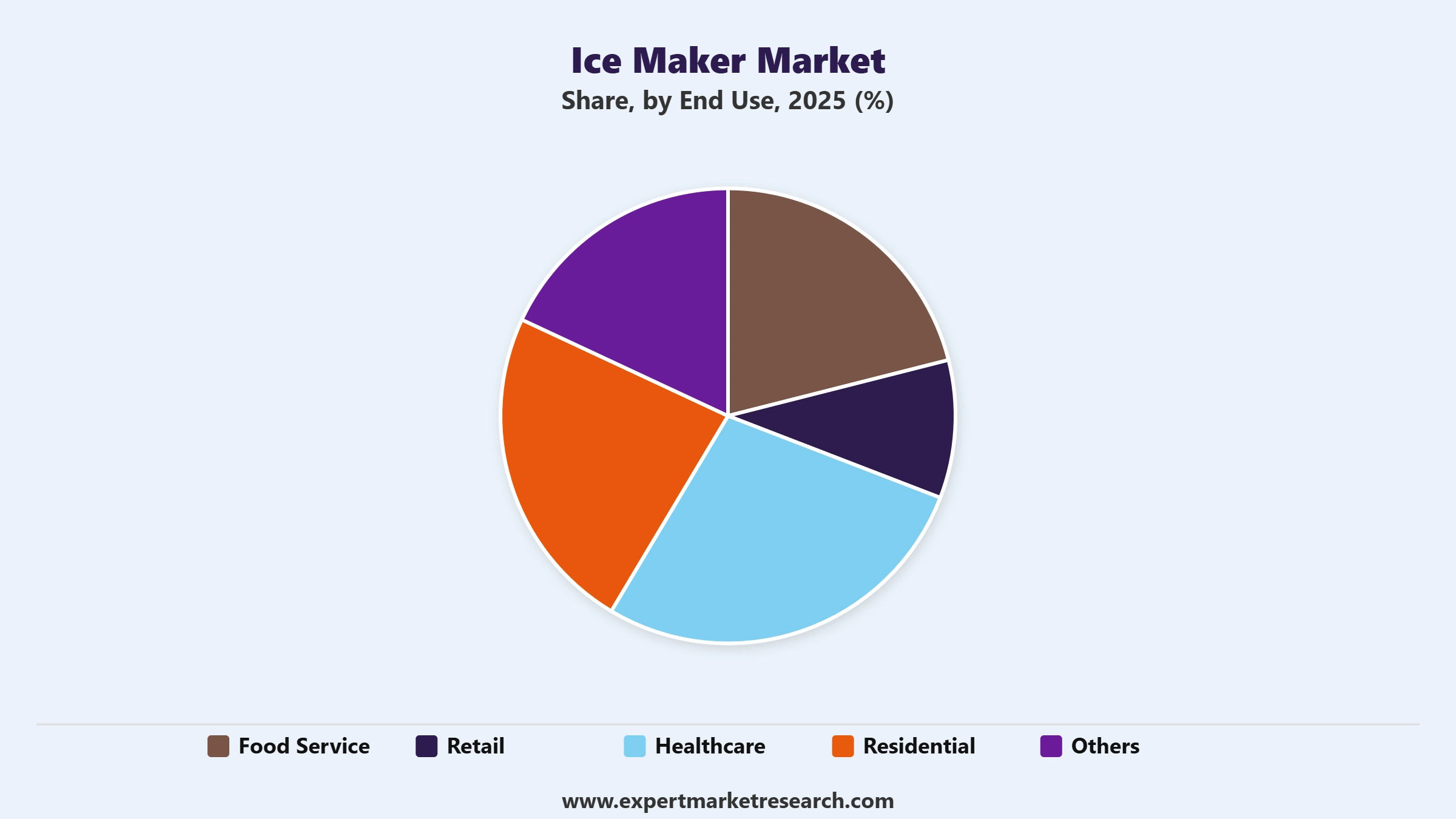
Key Insight: Food service remains the dominant end-use sector in the ice maker market, powered by strict safety protocols and continuous operational needs. Healthcare, though growing rapidly, is being shaped by precision-led cold chain logistics and biotech expansion. Retail settings are blending convenience with interactivity through automated vending models. Residential usage, while selective, is increasing in high-end urban homes with connected kitchens. The ‘others’ category, including logistics, maritime supply, and mobile infrastructure, is gaining relevance where consistent ice supply is a critical utility.
Market Breakup by Region
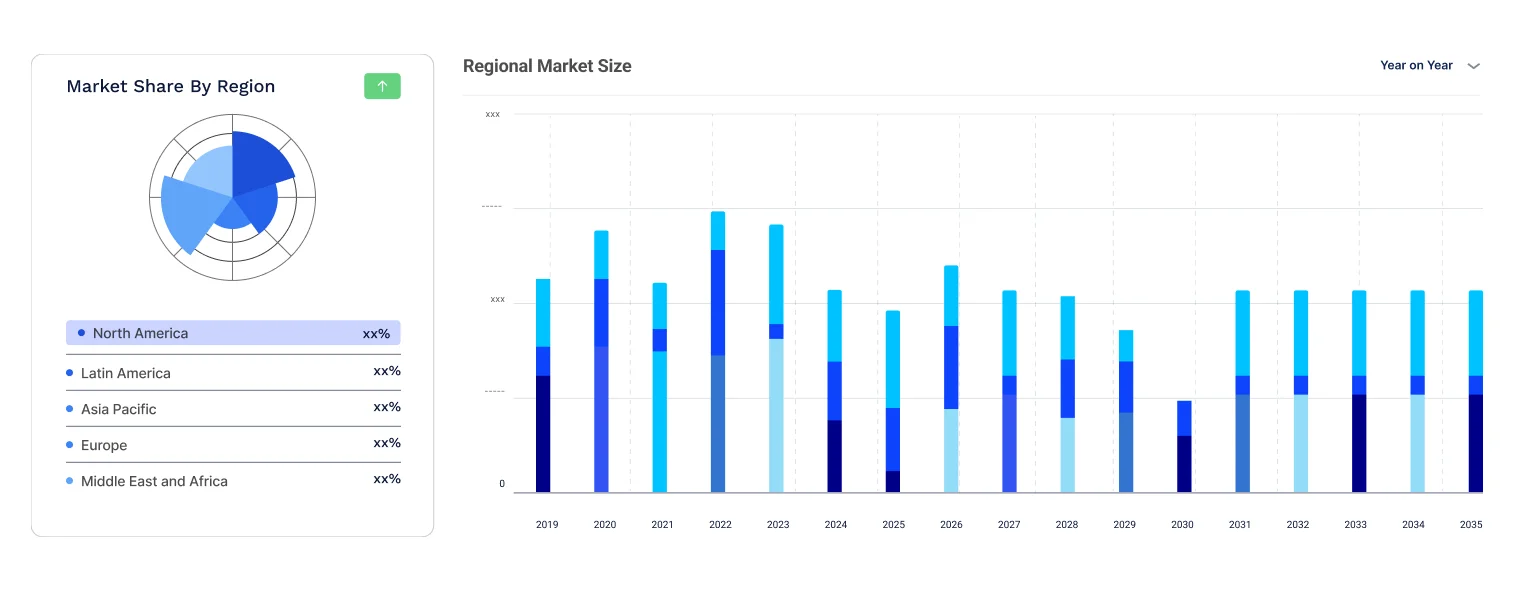
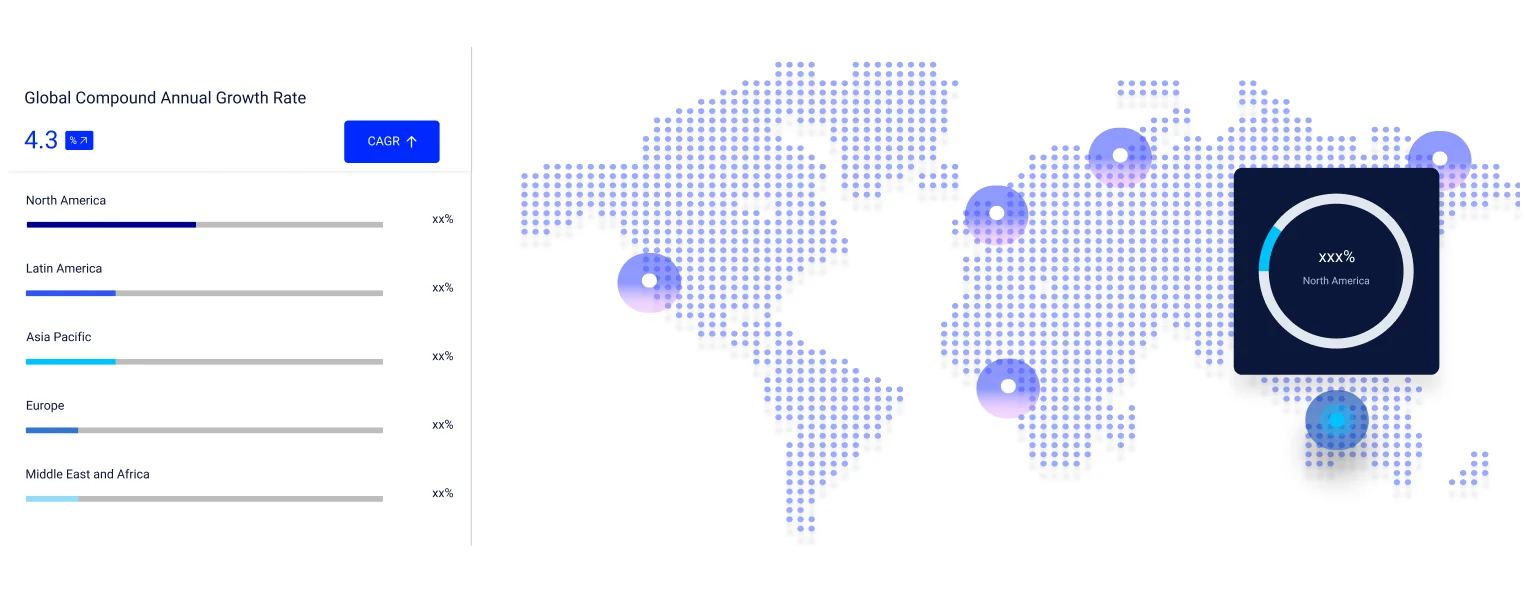
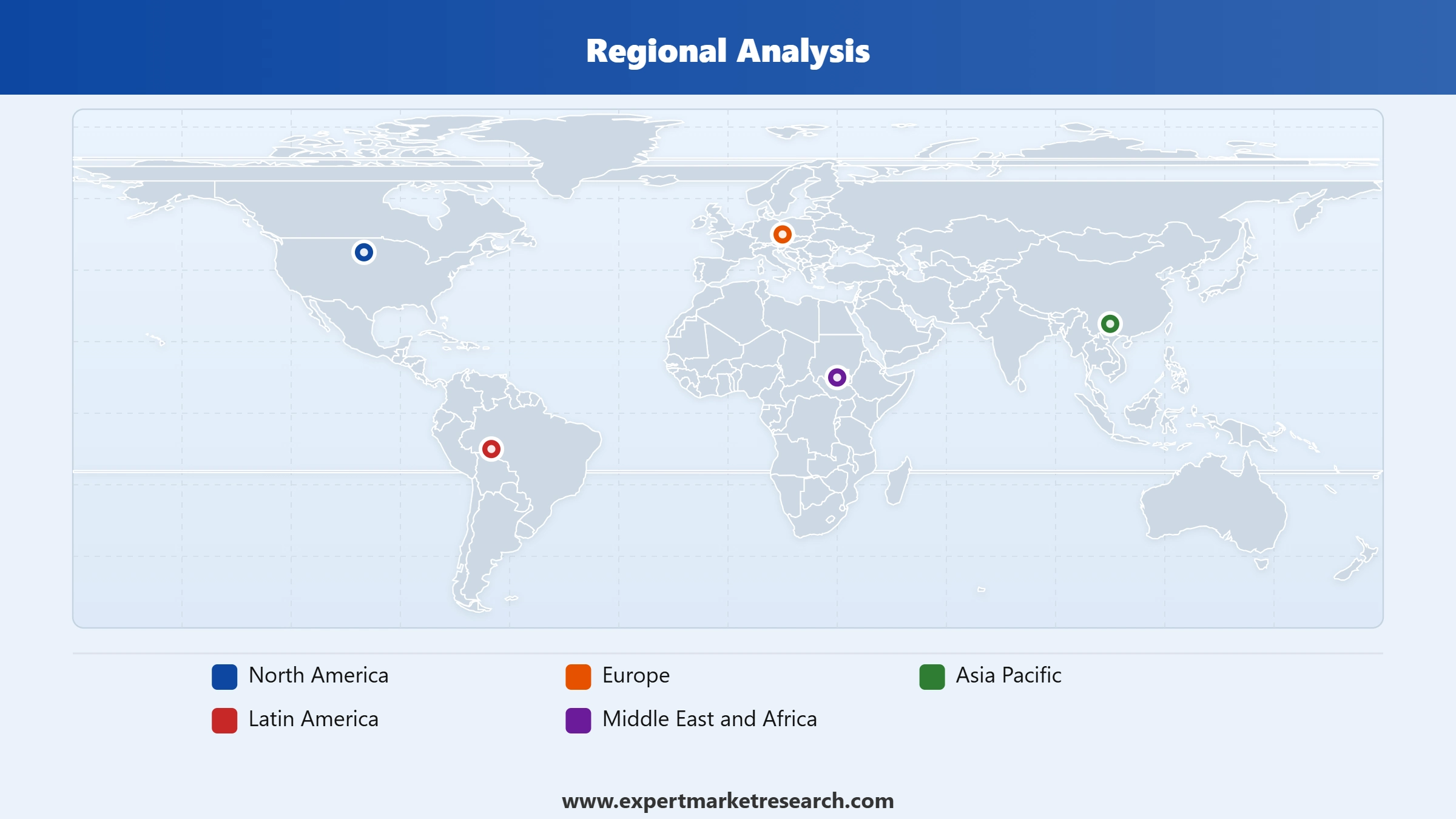
Key Insight: North America dominates the global ice maker market owing to advanced compliance frameworks and premium hospitality experiences. Asia Pacific's momentum is driven by government-funded infrastructure and the rapid rise of technology-led food service formats. Europe remains a stable market, influenced heavily by environmental regulations and demand for refrigerant innovation. Latin America’s demand is anchored in fisheries and cross-border perishables trade, while Middle East and Africa show growing interest due to climate conditions and expanding tourism assets.
Read more about this report - REQUEST FREE SAMPLE COPY IN PDF
By Product Type, Ice Cube Maker Account for the Dominant Share of the Market
Ice cube makers hold the major share of the ice maker market, especially in commercial foodservice and hospitality. These machines are widely adopted for their rapid freeze cycles, consistent cube output, and efficient water usage. Innovations like dual-mode freezing and remote refill alerts are improving operational agility. Recently, Manitowoc launched its ‘Neo Undercounter’ with smart diagnostics and UV-C sanitation for restaurant backends. Their mass appeal and enhanced hygiene features are keeping them at the core of most beverage and culinary operations.
Read more about this report - REQUEST FREE SAMPLE COPY IN PDF
Ice nugget makers are witnessing a sharp growth in the ice maker industry, particularly in healthcare and convenience retail. Known for their chewable texture and rapid cooling effect, they are favoured in patient care and self-serve formats. Follett’s Symphony Plus series is gaining traction in clinics and upscale beverage kiosks. These units often include antimicrobial dispensers and energy-saving compressors. Their growth is spurred by rising demand for interactive, health-centric food and beverage setups in outpatient centres and automated vending outlets.
By End Use, Food Service Register a Significant Share of the Market
The food service sector largely contributes to the ice maker market revenue. Restaurants, hotels, and event caterers demand scalable ice solutions with high hygiene standards. Recent health codes mandate HACCP-compliant freezing units. Operators now prefer machines with air filtration systems and auto-clean features. For example, Trufrost launched a modular cube system with IoT-enabled scheduling to meet fluctuating crowd sizes in banquet halls.
Read more about this report - REQUEST FREE SAMPLE COPY IN PDF
Ice makers in healthcare are essential for medical procedures such as cooling injuries, preparing ice baths, and storing temperature-sensitive medicines. According to a 2023 World Health Organization (WHO) report, global healthcare infrastructure improvements, particularly in developing regions, have driven a rise in demand for ice machines. Hospitals and clinics are increasingly investing in these machines for emergency care and for storage of vaccines requiring cold storage, boosting the ice maker market scope. The U.S. Department of Health and Human Services (HHS) also noted a 5% increase in medical facilities upgrading their equipment to meet rising patient care demands.
North America Holds the Leading Position in the Industry
The North America ice maker market dominates the global industry due to a mature HoReCa sector and regulatory-driven upgrades. The U.S. Department of Energy's 2023 standards on commercial ice machines have led to a new wave of energy-efficient launches. Brands like Kold-Draft are popular for their block and sphere systems used in craft bars. Further, cold-chain applications in pharma and seafood are pushing for more modular, portable units across the region. Moreover, the increasing popularity of chilled drinks has further fuelled this demand. For instance, as one of the largest coffeehouse chains in the world, Starbucks has seen a rising demand for iced beverages, including iced coffees and teas. The company has reported that iced drinks now account for over 75% of its beverage sales during warmer months. This trend necessitates a consistent supply of ice.
Read more about this report - REQUEST FREE SAMPLE COPY IN PDF
The Asia Pacific ice maker market is showing fast-paced growth, fuelled by rising quick-service restaurant chains, hospital expansions, and digitised retail. India’s Pradhan Mantri Kisan SAMPADA Yojana is subsidising cold infrastructure including automated ice units for agro exporters. In China, smart vending machines with embedded nugget ice modules are being tested across Tier-1 cities. Japan’s integration of ice machines into robotic convenience stores also marks a unique development. The affordability of compact, tech-integrated machines is unlocking new applications in urban and rural zones alike.
The ice maker market players are increasingly focusing on integrating predictive analytics, plug-and-play modules, and sanitation technologies. A key shift is the development of decentralised and mobile units for disaster zones and field clinics. Firms are also tailoring solutions for industry-specific needs from UV-sanitised flakes for blood banks to ultra-clear cubes for fine dining. OEMs are partnering with software firms to enable remote diagnostics and automatic refill triggers.
Another growth lever is geographic customisation. Ice maker companies are releasing region-specific models that align with climate profiles, power stability, and water quality. Additionally, aftermarket services such as AI-led maintenance contracts and sustainability audits are gaining traction. Leasing options for small businesses and startups are also on the rise, allowing cash-strapped players to access premium machines. These developments show that the competitive focus is shifting from just production capacity to service ecosystems, sustainability compliance, and client-specific configurations.
Founded in 1981 and based in California, United States, Hoshizaki America, Inc. is a prominent manufacturer specialising in ice machines and refrigeration products. The company is recognised for its commitment to quality and innovation, producing a wide range of commercial ice makers, dispensers, refrigerators, and related products.
Founded in 1950, Scotsman Ice Systems is one of the largest manufacturers of ice-making machines globally, known for pioneering the development of affordable and reliable ice machines. The company introduced nugget ice to the market and has since expanded its product line to include over 300 models of ice machines and dispensers.
Manitowoc Ice is a division of The Manitowoc Company, which was founded in 1902. The Manitowoc Ice division produces high-quality ice machines designed for foodservice applications and is known for its reliability and performance.
Newair, established in 2002 and headquartered in California, United States focuses on compact, portable ice makers for residential and small business use. Their AI-integrated ‘ClearIce40’ model supports self-cleaning, smart refill alerts, and sleek countertop designs tailored for luxury suites and boutique cafes.
*Please note that this is only a partial list; the complete list of key players is available in the full report. Additionally, the list of key players can be customized to better suit your needs.*
Another key player in the market is Cornelius, Inc, among others.
Explore the latest trends shaping the Ice Maker Market 2026-2035 with our in-depth report. Gain strategic insights, future forecasts, and key market developments that can help you stay competitive. Download a free sample report or contact our team for customized consultation on Ice Maker Market trends 2026.


Upto 15% Off
USD
$2499 $2249
$3999 $3599
$4999 $4249
$5999 $5099


*While we strive to always give you current and accurate information, the numbers depicted on the website are indicative and may differ from the actual numbers in the main report. At Expert Market Research, we aim to bring you the latest insights and trends in the market. Using our analyses and forecasts, stakeholders can understand the market dynamics, navigate challenges, and capitalize on opportunities to make data-driven strategic decisions.*
In 2025, the ice maker market reached an approximate value of USD 6.20 Billion.
The market is projected to grow at a CAGR of 5.90% between 2026 and 2035.
The market is estimated to witness healthy growth in the forecast period of 2026-2035 to reach a value of around USD 11.00 Billion by 2035.
Key strategies driving the market include expanding eco-friendly portfolios, embedding IoT features, forming partnerships with healthcare and retail chains, and customising units for geography-specific demand while offering AI-powered maintenance support.
The key trends guiding the growth of the market includes the rising product development activities by key players and rising disposable incomes.
The major regions in the market are North America, Latin America, the Middle East and Africa, Europe, and the Asia Pacific.
The significant product types considered in the market are ice cube maker, ice flake maker, and ice nugget maker, among others.
The major end uses in ice maker are food service, retail, healthcare, and residential, among others.
The major players in the global ice maker market are Hoshizaki America, Inc., Scotsman Ice Systems, Manitowoc Ice, Newair, and Cornelius, Inc., among others.
The key challenges are regulatory compliance around refrigerants, high maintenance costs, and inconsistent water quality in emerging markets.
Explore our key highlights of the report and gain a concise overview of key findings, trends, and actionable insights that will empower your strategic decisions.
| REPORT FEATURES | DETAILS |
| Base Year | 2025 |
| Historical Period | 2019-2025 |
| Forecast Period | 2026-2035 |
| Scope of the Report |
Historical and Forecast Trends, Industry Drivers and Constraints, Historical and Forecast Market Analysis by Segment:
|
| Breakup by Product Type |
|
| Breakup by End Use |
|
| Breakup by Region |
|
| Market Dynamics |
|
| Competitive Landscape |
|
| Companies Covered |
|
| Report Price and Purchase Option | Explore our purchase options that are best suited to your resources and industry needs. |
| Delivery Format | Delivered as an attached PDF and Excel through email, with an option of receiving an editable PPT, according to the purchase option. |
Datasheet
One User
USD 2,499
USD 2,249
tax inclusive*
Single User License
One User
USD 3,999
USD 3,599
tax inclusive*
Five User License
Five User
USD 4,999
USD 4,249
tax inclusive*
Corporate License
Unlimited Users
USD 5,999
USD 5,099
tax inclusive*
*Please note that the prices mentioned below are starting prices for each bundle type. Kindly contact our team for further details.*
Flash Bundle
Small Business Bundle
Growth Bundle
Enterprise Bundle
*Please note that the prices mentioned below are starting prices for each bundle type. Kindly contact our team for further details.*
Flash Bundle
Number of Reports: 3
20%
tax inclusive*
Small Business Bundle
Number of Reports: 5
25%
tax inclusive*
Growth Bundle
Number of Reports: 8
30%
tax inclusive*
Enterprise Bundle
Number of Reports: 10
35%
tax inclusive*
How To Order

Select License Type
Choose the right license for your needs and access rights.

Click on ‘Buy Now’
Add the report to your cart with one click and proceed to register.

Select Mode of Payment
Choose a payment option for a secure checkout. You will be redirected accordingly.
Strategic Solutions for Informed Decision-Making
Gain insights to stay ahead and seize opportunities.

Get insights & trends for a competitive edge.

Track prices with detailed trend reports.

Analyse trade data for supply chain insights.

Leverage cost reports for smart savings

Enhance supply chain with partnerships.

Connect For More Information
Our expert team of analysts will offer full support and resolve any queries regarding the report, before and after the purchase.
Our expert team of analysts will offer full support and resolve any queries regarding the report, before and after the purchase.
We employ meticulous research methods, blending advanced analytics and expert insights to deliver accurate, actionable industry intelligence, staying ahead of competitors.
Our skilled analysts offer unparalleled competitive advantage with detailed insights on current and emerging markets, ensuring your strategic edge.
We offer an in-depth yet simplified presentation of industry insights and analysis to meet your specific requirements effectively.




