

Consumer Insights
Uncover trends and behaviors shaping consumer choices today
Procurement Insights
Optimize your sourcing strategy with key market data
Industry Stats
Stay ahead with the latest trends and market analysis.

The global hybrid cloud market was approximately USD 54.77 Billion in 2025 and is expected to witness substantial growth. With a projected CAGR of 21.20% from 2026 and 2035, the market size is anticipated to reach USD 374.60 Billion by 2035.
This rapid growth is driven by increasing demand for flexible IT infrastructure, seamless data flow across platforms, and enhanced data security. Organisations are also adopting hybrid cloud solutions to meet evolving regulatory requirements, balancing public and private cloud benefits to optimise operations in a complex digital environment.
Base Year
Historical Period
Forecast Period
Compound Annual Growth Rate
21.2%
Value in USD Billion
2026-2035
*this image is indicative*
Read more about this report - REQUEST FREE SAMPLE COPY IN PDF
| Global Hybrid Cloud Market Report Summary | Description | Value |
| Base Year | USD Billion | 2025 |
| Historical Period | USD Billion | 2019-2025 |
| Forecast Period | USD Billion | 2026-2035 |
| Market Size 2025 | USD Billion | 54.77 |
| Market Size 2035 | USD Billion | 374.60 |
| CAGR 2019-2025 | Percentage | XX% |
| CAGR 2026-2035 | Percentage | 21.20% |
| CAGR 2026-2035 - Market by Region | Asia Pacific | 24.4% |
| CAGR 2026-2035 - Market by Country | India | 28.0% |
| CAGR 2026-2035 - Market by Country | China | 23.4% |
| CAGR 2026-2035 - Market by Components | Solution | 23.3% |
| CAGR 2026-2035 - Market by Industry Vertical | IT and Telecom | 24.2% |
| Market Share by Country 2025 | Germany | 4.6% |
Market Growth and Size
The global hybrid cloud market is experiencing robust expansion, driven by increasing demand for flexible, scalable IT solutions. Organisations are adopting hybrid cloud strategies to enhance efficiency, data security, and agility, contributing to significant growth across various industry sectors worldwide.
Major Market Drivers
Key drivers of the hybrid cloud market include the growing demand for scalable IT infrastructure, improved data flow, and enhanced data security. Businesses are adopting hybrid cloud models to efficiently manage workloads while complying with strict regulatory requirements, boosting market expansion across sectors.
Regional Trends
North America leads the hybrid cloud market, fuelled by robust digital transformation efforts and a mature IT sector. Europe is experiencing consistent growth, influenced by increasing cloud adoption and stringent regulatory demands. In contrast, the Asia-Pacific region is anticipated to expand swiftly, driven by substantial government investment in digital infrastructure, a surge in enterprise cloud usage, and a rising need for hybrid cloud solutions across various industries and markets.
Competitive Landscape
The hybrid cloud market is highly competitive, with major players like Microsoft, Amazon Web Services, Google Cloud, IBM, and Oracle leading innovation. These companies invest in advanced cloud solutions to improve performance, security, and compliance. Strategic partnerships and acquisitions also shape the evolving competitive environment.
Accelerating Digital Transformation and Cloud Service Adoption
The hybrid cloud market growth is being significantly driven by rapid digitization and the widespread adoption of cloud-computing services. As organisations embrace digital transformation, the demand for flexible and scalable cloud solutions continues to rise. The hybrid cloud model offers improved accessibility, cost-effectiveness, and efficient resource provisioning, helping businesses reduce infrastructure costs while enhancing operational efficiency. The integration of cloud-based services with advanced technologies such as AI, IoT, and data analytics is accelerating this shift. Ongoing digital disruption and increasing cloud adoption across industries are expected to further fuel market expansion in the coming years. In April 2025, Google made a major move towards hybrid AI integration, unveiling the deployment of Gemini generative AI models on Nvidia hardware. Unlike other providers, Google emphasised collaboration and flexibility, enabling businesses to integrate AI across various platforms. This initiative aimed to foster cloud adoption, offering secure, cost-effective cloud solutions while addressing data sovereignty and interoperability challenges.
Improved Scalability and Increased Business Flexibility
The global hybrid cloud market is experiencing significant growth, driven by the increasing demand for agile and scalable solutions. Organisations are adopting economical computing infrastructures to optimise their hybrid cloud business, combining on-premises infrastructure with cloud-based services for greater flexibility. As businesses face changing workloads, flexible solutions that support operational efficiency and modularity are crucial. The technological environment is evolving rapidly, fostering innovation and enabling organisations to scale efficiently. This approach supports sustainable growth, as enterprises can easily adapt to market demands while maintaining cost-effectiveness and operational performance in a dynamic business landscape. In April 2025, OpenMetal introduced Private GPU servers and clusters featuring Nvidia H100 and A100 GPUs for AI, machine learning, and HPC workloads. Offering full control and transparent pricing, OpenMetal targets sectors needing high data locality and compliance, expanding to Europe and Asia later in 2025.
Hybrid Cloud Solutions in a Post-Pandemic Landscape
The COVID-19 pandemic significantly accelerated the adoption of hybrid cloud solutions worldwide, as organisations sought to support remote work and enhance digital collaboration. This shift highlighted the need for secure IT infrastructures that offer both scalability and high performance to meet changing demands. Hybrid cloud models allowed businesses to maintain data control while ensuring adaptability in uncertain times. By combining on-premises and cloud-based systems, enterprises improved business continuity, supporting operations during disruptions. As a result, the global hybrid cloud market experienced notable growth, becoming a vital component of modern digital strategies. In November 2024, Microsoft launched Azure Local, enabling enterprises to run Azure services in hybrid cloud and edge environments. Replacing Azure Stack HCI, it offered unified cloud resource management across locations. It addressed demand for secure, on-premises cloud setups, supporting sensitive data handling and seamless integration with Azure Arc and Azure Monitor.
The global hybrid cloud market has seen rapid development, driven by technological advancements and shifting enterprise needs. According to recent analysis, the market reveals key trends such as increased demand for scalability, flexibility, and cost-efficiency. Market forecasts indicate strong growth over the coming years. Detailed segmentation includes component, service, service type, service model, organisation size, and vertical, allowing stakeholders to better understand evolving market dynamics and tailor strategies to specific business requirements.
Breakup by Component
In the global hybrid cloud market, solutions provide enterprises with the tools and platforms needed to manage and integrate on-premises infrastructure with cloud-based environments. These solutions offer enhanced scalability, enabling businesses to expand operations easily without heavy capital investment. They support modularity, allowing tailored deployments to meet unique requirements. Additionally, hybrid cloud solutions enable better data management, ensuring security, compliance, and seamless data flow. In April 2025, Oracle and Google Cloud announced a partner program and new capabilities for Oracle Database@Google Cloud. They expanded support with Exadata X11M, introduced interconnect services for U.S. government users, and planned 11 new global regions. These efforts aimed to enhance multicloud flexibility, scalability, and database management.
Services in the global hybrid cloud market play a crucial role in supporting the deployment, integration, and maintenance of hybrid infrastructures. Managed services, consulting, and support services help businesses maximise value from hybrid environments by ensuring smooth migration, ongoing management, and technical support. These services reduce operational burdens on internal teams, increase operational efficiency, and ensure business continuity. Service providers also offer expertise in compliance, security, and optimisation, allowing companies to stay current with evolving technologies. Furthermore, hybrid cloud services facilitate resource provisioning and cost control, empowering organisations to focus on innovation and core objectives while maintaining a secure, flexible IT ecosystem.
Breakup by Service
Professional services in the hybrid cloud market offer expert consultancy, design, and implementation services to businesses seeking to optimise their cloud environments. These services help organisations assess their current IT infrastructure, create tailored hybrid cloud strategies, and seamlessly integrate various cloud platforms. By leveraging professional services, businesses benefit from reduced deployment risks, improved operational efficiency, and enhanced scalability. In January 2024, Lenovo launched its enhanced hybrid cloud platform, incorporating ThinkAgile hyperconverged solutions and ThinkSystem servers to boost AI capabilities. These solutions offer improved performance, AI acceleration, and hybrid connectivity. With partnerships like Microsoft, Nutanix, and VMware, Lenovo's platform helps businesses optimise AI workloads, enhancing cloud agility and reducing IT footprint.
Managed services in the hybrid cloud market allow businesses to outsource the management of their cloud infrastructure to trusted third-party providers. These services ensure continuous monitoring, support, and optimisation of hybrid cloud environments, enabling organisations to focus on core business operations. By utilising managed services, companies gain access to specialised expertise without the need for in-house IT resources. Benefits include improved performance, reduced downtime, enhanced security, and proactive maintenance. Managed services also provide scalability, allowing businesses to easily adjust resources based on demand. This approach helps organisations maximise the efficiency of their hybrid cloud environments, while controlling costs and mitigating risks.
Breakup by Service Type
Cloud management and orchestration play a vital role in the hybrid cloud market by enabling centralised control of diverse cloud resources across on-premises and public cloud environments. This ensures consistent performance, seamless workload migration, and optimal resource allocation. It enhances operational efficiency through automation, improves visibility, and reduces manual intervention. Businesses benefit from simplified policy enforcement, security compliance, and cost management. In April 2025, cloud startup env0 launched Cloud Analyst, an AI-powered infrastructure intelligence tool. It enabled DevOps teams to query complex cloud environments using natural language. The tool identified issues like IaC drift, tracked performance, and built dynamic dashboards, improving visibility and decision-making in hybrid and multi-cloud deployments.
Disaster recovery in the hybrid cloud market ensures business continuity by providing secure and scalable backup and recovery solutions across distributed environments. It minimises downtime during outages, cyberattacks, or natural disasters by replicating critical data and applications to geographically diverse locations. Hybrid cloud models offer flexible recovery options, allowing businesses to restore operations quickly without significant infrastructure investment. Automated failover and testing capabilities enhance preparedness and reliability. By integrating disaster recovery into hybrid cloud strategies, organisations benefit from reduced risk, regulatory compliance, and peace of mind, knowing essential services can be restored promptly and securely, maintaining trust and operational resilience.
Breakup by Service Model
In the hybrid cloud market, Software as a Service (SaaS) offers significant benefits by delivering applications over the internet without requiring local installation. It provides businesses with cost-effective and scalable solutions, enabling easy access to tools from any location. SaaS ensures automatic updates, seamless integration, and minimal maintenance. It supports collaboration across distributed teams and enhances agility by reducing time to deploy software. In April 2025, Interactive EQ launched SaaS IEQ, an AI-based emotional intelligence platform for SaaS firms. It assessed soft skills through interactive videos, aiming to improve hiring, retention, and leadership development. The tool supported productivity and reduced turnover in sales teams.
Infrastructure as a Service (IaaS) provides core computing resources such as servers, storage, and networking on a pay-as-you-go basis, making it ideal for hybrid cloud strategies. IaaS enables businesses to scale infrastructure quickly according to demand, supporting changing workloads and business agility. It reduces the need for significant capital investment in on-premises infrastructure, offering greater cost-efficiency. IaaS also supports disaster recovery, backup, and development environments with enhanced flexibility. Within a hybrid setup, IaaS facilitates seamless integration between cloud and on-premises systems, enabling enterprises to maintain control over critical data while benefiting from the elasticity of the cloud.
Breakup by Organization Size
Hybrid cloud solutions provide SMEs with cost-effective, scalable infrastructure, enabling them to access enterprise-level technologies without significant upfront investment. SMEs benefit from flexibility in managing workloads, as they can use private clouds for sensitive data and public clouds for less critical operations. This model enhances business agility, supports remote work, and enables rapid scaling in line with business growth. In January 2025, Wolters Kluwer launched Genya, a cloud-based business management solution tailored for Italian SMEs. The software integrates accounting, invoicing, document management, and reporting, aiming to enhance collaboration with accountants and simplify business processes. It provides SMEs with flexibility, security, and scalability through Microsoft Azure.
Large enterprises benefit from hybrid cloud by integrating their existing on-premises infrastructure with scalable cloud resources. This provides greater flexibility, allowing them to optimise workloads across public and private clouds, ensuring compliance with industry regulations while maintaining security. Hybrid cloud helps large enterprises streamline operations, innovate faster, and manage complex IT environments. The ability to easily scale operations while maintaining control over critical data ensures business continuity, enhances disaster recovery, and supports diverse business applications. This model allows enterprises to leverage the best of both private and public cloud environments.
Breakup by Vertical
In the hybrid cloud market, healthcare organisations benefit from enhanced data storage, security, and accessibility through cloud solutions. Hybrid cloud allows for secure patient data management while meeting compliance regulations such as HIPAA. It supports faster, more efficient data processing, improving patient care through real-time access to medical records. In January 2025, T-Systems launched the Health Hybrid Cloud (HHC) solution, powered by NetApp, to address healthcare IT challenges such as data growth, security, compliance, and operational inefficiencies. The solution offered scalable, secure, and flexible cloud options, ensuring improved patient care and business continuity while reducing costs.
In the BFSI sector, hybrid cloud enables enhanced security, scalability, and compliance. It offers flexibility for managing sensitive financial data while meeting regulatory requirements. Hybrid cloud solutions allow financial institutions to optimise costs by combining public and private cloud services. They can scale operations seamlessly, enhancing performance, data analytics, and real-time decision-making. With disaster recovery features and robust backup solutions, BFSI companies ensure business continuity. Hybrid cloud also supports innovation through seamless integration of new financial services and technologies, empowering businesses to improve customer experiences and operational efficiency.
Enhanced Flexibility: With a hybrid cloud model, companies can store sensitive data in private clouds while benefiting from the flexibility and cost savings of public cloud services.
Improved Data Management: Hybrid cloud solutions enable companies to handle large volumes of data more efficiently with cloud-based applications and ensure a more secure environment for storing and processing data.
Scalability: Companies can quickly scale their IT infrastructure using cloud computing services without investing in expensive hardware, making hybrid cloud solutions highly attractive for growing enterprises.
Reduced Downtime: Hybrid cloud allows businesses to ensure uptime by distributing workloads across both private and public environments, leading to better cloud performance optimization and data availability.
Breakup by Region
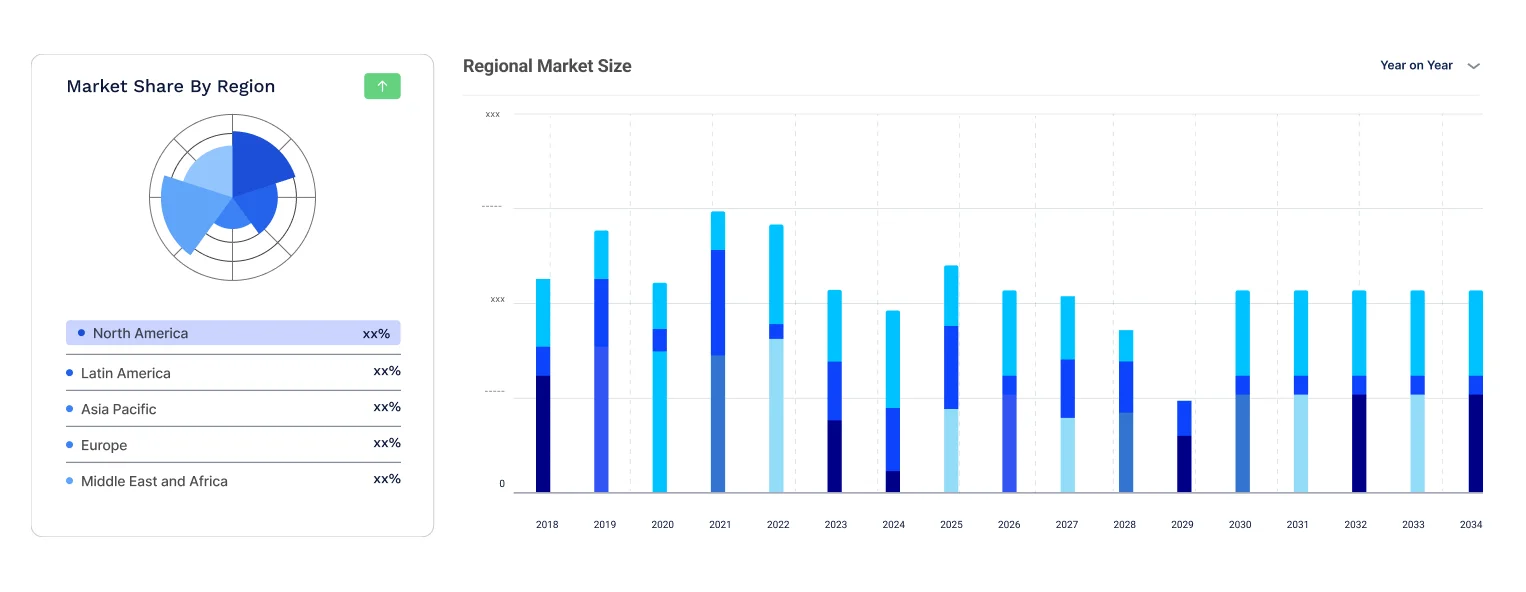
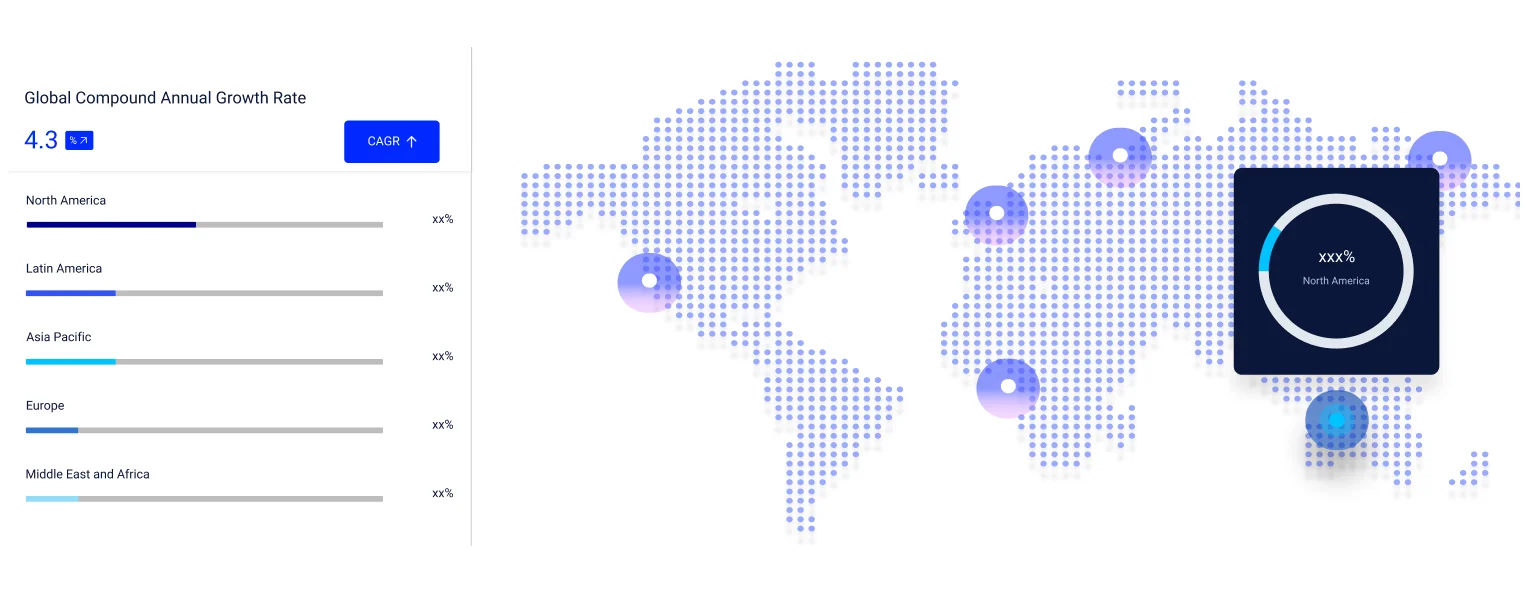
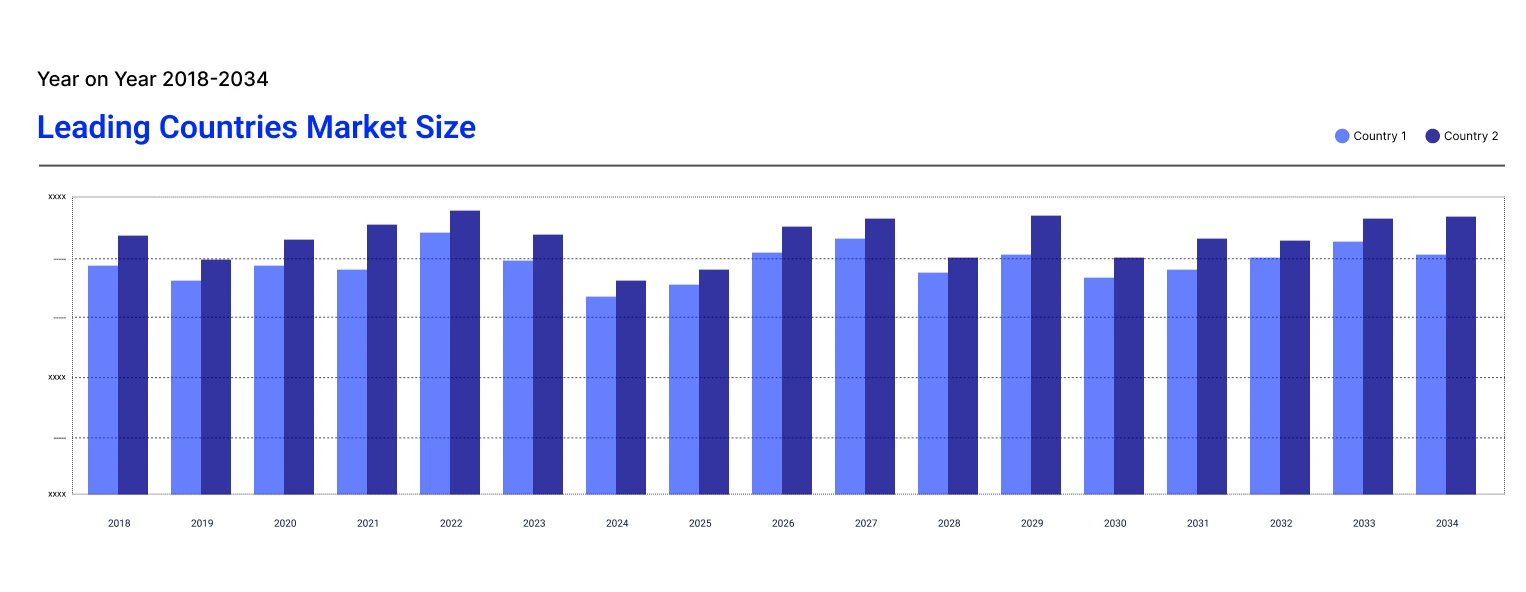
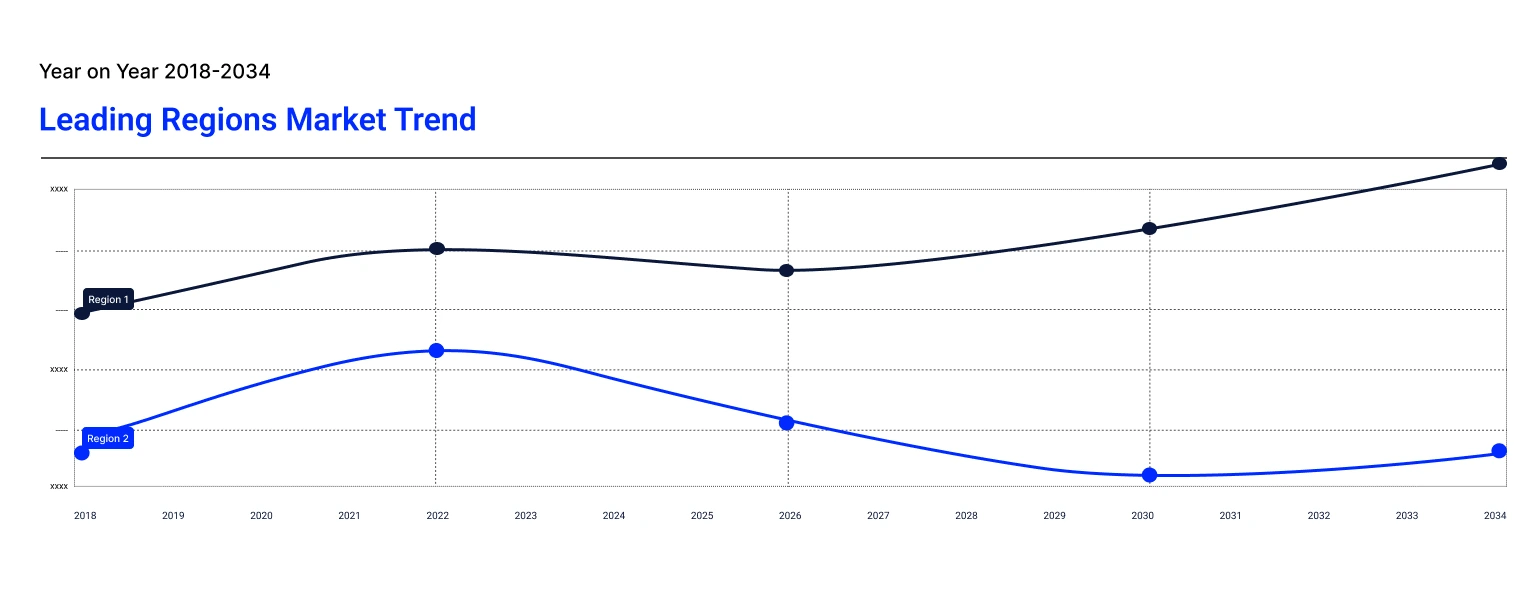
North America Leads, Holding the Largest Share of the Hybrid Cloud Market
North America has established itself as a dominant force in the hybrid cloud market, driven by the region's robust technological infrastructure and early adoption of cloud technologies. Companies in the United States and Canada are increasingly leveraging hybrid cloud solutions to streamline operations, enhance scalability, and optimise costs. The presence of major cloud service providers such as Amazon Web Services (AWS), Microsoft Azure, and Google Cloud, combined with a strong focus on innovation, has contributed to the region's leadership. Additionally, businesses across various sectors, including healthcare, finance, and manufacturing, are rapidly adopting hybrid cloud to address their unique needs for flexibility and security.
The growing demand for hybrid cloud solutions in North America is also supported by a favourable regulatory environment and a highly skilled workforce. Enterprises in the region benefit from seamless integration between public and private clouds, enabling enhanced data management and compliance with industry regulations. In November 2024, Adtran partnered with Dell Technologies to launch scalable AI private cloud solutions for US federal agencies. The collaboration delivered the DELL AI Network Cloud (AINC) Factory ON-RAMP, offering secure, high-performance connectivity and cost-effective infrastructure. This solution accelerated AI deployments, enabling agencies to achieve their AI objectives with greater speed, security, and flexibility.
| CAGR 2026-2035 - Market by | Country |
| India | 28.0% |
| China | 23.4% |
| UK | 19.4% |
| USA | 18.9% |
| Italy | 14.9% |
| Canada | XX% |
| Germany | XX% |
| France | XX% |
| Japan | 14.6% |
| Australia | XX% |
| Saudi Arabia | XX% |
| Brazil | XX% |
| Mexico | XX% |
The global hybrid cloud market is witnessing intense competition as cloud service providers and tech companies strive to meet the evolving demands of businesses. The competitive environment is shaped by key factors such as scalability, data protection, and integration features, with organisations increasingly seeking hybrid cloud solutions that offer flexibility and security. Market competition is driven by the need for cost-effectiveness, with tech companies focusing on delivering services that align with customer preferences while adhering to regulatory frameworks. Partnerships and alliances between cloud service providers are becoming more common, fostering innovation and improving service offerings. Additionally, emerging market trends highlight the growing importance of hybrid clouds in supporting digital transformation. As businesses look to optimise their IT infrastructure, the demand for flexible, secure, and cost-efficient hybrid cloud solutions will continue to rise, further intensifying the competition within the sector. Alibaba Cloud’s Hybrid Cloud solution offers businesses seamless integration between on-premises and cloud environments, ensuring scalability, flexibility, and data security. With over 50 full-stack products, it enhances operational efficiency and reduces costs through centralised management. It supports various industries, meets security and compliance standards, and accelerates digital transformation.
Microsoft Corporation is a technology company founded in 1975, that is engaged in developing a range of software products, services, devices, and solutions. Its product range includes operating systems, server applications, software development tools, cross-device productivity applications, business solution applications, and cloud computing services such as Azure AI services and or Microsoft Azure.
Amazon Web Services, Inc. is a pioneer in the database management services sector, established in 2006. AWS Cloud Services offers processing power, storage, and databases on-demand basis from a cloud provider like Amazon Web Services (AWS).
Alphabet Inc., founded in 2015, is a multinational technology conglomerate that provides hybrid cloud services to almost every sector, including retail, manufacturing, automotive, supply chain, and logistics, among others. Google Cloud’s incorporation of AI is offering enhanced security and protections. Business and organisations are proactively incorporating such services into their systems.
*Please note that this is only a partial list; the complete list of key players is available in the full report. Additionally, the list of key players can be customized to better suit your needs.*


Upto 15% Off
USD
$2499 $2249
$3999 $3599
$4999 $4249
$5999 $5099


*While we strive to always give you current and accurate information, the numbers depicted on the website are indicative and may differ from the actual numbers in the main report. At Expert Market Research, we aim to bring you the latest insights and trends in the market. Using our analyses and forecasts, stakeholders can understand the market dynamics, navigate challenges, and capitalize on opportunities to make data-driven strategic decisions.*
Get in touch with us for a customized solution tailored to your unique requirements and save upto 35%!
In 2025, the market reached an approximate value of USD 54.77 Billion.
The market is projected to grow at a CAGR of 21.20% between 2026 and 2035.
The market is estimated to witness a healthy growth in the forecast period of 2026-2035 to reach USD 374.60 Billion by 2035.
The market is being driven by advancements in artificial intelligence (AI) and machine learning (ML), the growing digitalisation, and data protection provided by such hybrid cloud services.
The key trends of the market include the growing adoption of multi-cloud management and growth in information technology.
The major regions in the market are North America, Latin America, the Middle East and Africa, Europe, and the Asia Pacific.
By component, the global hybrid cloud market has been divided into solutions and services, with solutions currently accounting for the largest share of the overall market.
The major players in the market are Amazon Web Services, Microsoft Corporation, IBM Corporation, Alphabet Inc., Oracle Corporation, Alibaba Cloud International, Dell Inc., VMware, Inc., Cisco Systems, Inc., Hewlett Packard Enterprise Development LP, CenturyLink Inc., Citrix Systems Inc., DXC Technology Company, Fujitsu Ltd. (Furukawa Group), Inc., and Rackspace Inc., among others.
The sudden emergence of the COVID-19 pandemic resulted in a growing demand for hybrid cloud systems to ensure business continuity, driven by the widespread adoption of remote working models and the increased use of video conferencing tools.
By service type, the global hybrid cloud market can be categorised into professional services and managed services, with managed services holding a dominant position in the market.
By service type, the global hybrid cloud market has been divided into cloud management and orchestration, disaster recovery, and hybrid hosting. Of these segments, hybrid hosting represents the largest share of the global market.
The global hybrid cloud market, when segmented by service model, includes infrastructure as a service, platform as a service, and software as a service. At present, software as a service commands the largest share of the market.
The global hybrid cloud market, according to organisation size, has been divided into small and medium enterprises (SMEs) and large enterprises. At present, SMEs demonstrate a clear lead in the market.
The global hybrid cloud market, when segmented by industry vertical, includes government and public sector, healthcare, banking, financial services and insurance (BFSI), retail, information and communication technology, manufacturing, and various other sectors.
Explore our key highlights of the report and gain a concise overview of key findings, trends, and actionable insights that will empower your strategic decisions.
| REPORT FEATURES | DETAILS |
| Base Year | 2025 |
| Historical Period | 2019-2025 |
| Forecast Period | 2026-2035 |
| Scope of the Report |
Historical and Forecast Trends, Industry Drivers and Constraints, Historical and Forecast Market Analysis by Segment:
|
| Breakup by Components |
|
| Breakup by Service |
|
| Breakup by Service Type |
|
| Breakup by Service Model |
|
| Breakup by Organisation Size |
|
| Breakup by Vertical |
|
| Breakup by Region |
|
| Market Dynamics |
|
| Competitive Landscape |
|
| Companies Covered |
|
Datasheet
One User
USD 2,499
USD 2,249
tax inclusive*
Single User License
One User
USD 3,999
USD 3,599
tax inclusive*
Five User License
Five User
USD 4,999
USD 4,249
tax inclusive*
Corporate License
Unlimited Users
USD 5,999
USD 5,099
tax inclusive*
*Please note that the prices mentioned below are starting prices for each bundle type. Kindly contact our team for further details.*
Flash Bundle
Small Business Bundle
Growth Bundle
Enterprise Bundle
*Please note that the prices mentioned below are starting prices for each bundle type. Kindly contact our team for further details.*
Flash Bundle
Number of Reports: 3
20%
tax inclusive*
Small Business Bundle
Number of Reports: 5
25%
tax inclusive*
Growth Bundle
Number of Reports: 8
30%
tax inclusive*
Enterprise Bundle
Number of Reports: 10
35%
tax inclusive*
How To Order

Select License Type
Choose the right license for your needs and access rights.

Click on ‘Buy Now’
Add the report to your cart with one click and proceed to register.

Select Mode of Payment
Choose a payment option for a secure checkout. You will be redirected accordingly.
Gain insights to stay ahead and seize opportunities.

Get insights & trends for a competitive edge.

Track prices with detailed trend reports.

Analyse trade data for supply chain insights.

Leverage cost reports for smart savings

Enhance supply chain with partnerships.

Connect For More Information
Our expert team of analysts will offer full support and resolve any queries regarding the report, before and after the purchase.
Our expert team of analysts will offer full support and resolve any queries regarding the report, before and after the purchase.
We employ meticulous research methods, blending advanced analytics and expert insights to deliver accurate, actionable industry intelligence, staying ahead of competitors.
Our skilled analysts offer unparalleled competitive advantage with detailed insights on current and emerging markets, ensuring your strategic edge.
We offer an in-depth yet simplified presentation of industry insights and analysis to meet your specific requirements effectively.





Share