

Consumer Insights
Uncover trends and behaviors shaping consumer choices today
Procurement Insights
Optimize your sourcing strategy with key market data
Industry Stats
Stay ahead with the latest trends and market analysis.

The global grain silos and storage system market was valued at USD 1.53 Billion in 2025 and is projected to grow at a CAGR of 4.70% during the forecast period of 2026-2035. Climate-induced yield volatility is prompting agri-cooperatives to invest in decentralised grain storage, improving buffer capacity and reducing post-harvest losses during transportation lags and procurement delays, aiding the market to reach a value of USD 2.42 Billion by 2035.
The global market is also driven by the increasing shifting agricultural priorities, government-backed food security goals, and innovations in grain preservation technology. The market is witnessing heightened activity in regions prone to post-harvest losses, particularly across Asia and Africa, where 20–30% of grains are lost due to inadequate storage infrastructure. According to the World Bank report, sub-Saharan Africa loses nearly USD 4 billion worth of grain annually due to poor storage. This loss has catalysed several African governments to initiate silo infrastructure projects with international funding, fuelling the overall grain silos and storage system market development.
In India, the Food Corporation of India (FCI) partnered with private players to establish modern steel silos with a total capacity of 10 million metric tonnes under the Public-Private Partnership (PPP) model in March 2017. Meanwhile, the European Commission has also allocated grants toward grain storage upgrades in Eastern Europe, especially Poland and Romania, to combat grain inflow disruptions triggered by the Ukraine conflict. This, paired with a growing reliance on automation and IoT-enabled inventory tracking in modern silos, is redefining the priorities of B2B stakeholders.
As global consumption of grains steadily increases, particularly wheat and maize, the pressure to maintain grain quality during storage is mounting. Grain silos and storage system industry players are innovating with sealed, temperature-controlled systems and AI-driven moisture controls. These are fast becoming essentials for agricultural businesses and cooperatives aiming to sustain their profit margins and maintain export quality in a volatile global trade environment.
Base Year
Historical Period
Forecast Period
Compound Annual Growth Rate
4.7%
Value in USD Billion
2026-2035
*this image is indicative*
Read more about this report - REQUEST FREE SAMPLE COPY IN PDF
Nearly all of the nations that export agricultural products to foreign markets, including the United States, Canada, Mexico, China, India, Germany, and the United Kingdom, are concentrating on preserving the quality of their grains for an extended length of time. As farmers increasingly use large-scale farmlands and store vast quantities of crops for longer periods of time, these storage units are used more frequently in developed countries. Some of the major companies, including Rostfrei Steels, PRADO Silos, and Symaga, are concentrating on creating silos that cater to farmers in various regions, thereby boosting the growth of the grain silos and storage system market.
Governments are stepping in as primary catalysts, accelerating the market growth. In Nigeria, the Federal Ministry of Agriculture launched a USD 200 million programme to build new silos under the Strategic Grain Reserve. The goal is not only focused on food security but also to stabilise grain prices by controlling seasonal glut. Similarly, Brazil’s Ministry of Agriculture is offering low-interest loans for rural cooperatives to upgrade to modern silos, driving market penetration across South America. These interventions are fuelling regional demand and reshaping procurement strategies for agricultural businesses.
As per the grain silos and storage system market report, with climate change disrupting harvest patterns, emergency grain storage has become a critical necessity. Floods in Pakistan and droughts in Argentina have resulted in abrupt harvest shifts, demanding flexible and mobile silos. Companies like AGCO are introducing modular silos that can be rapidly deployed and relocated, making them indispensable for agri-suppliers navigating erratic production schedules. This demand surge is shaping investment in adaptive storage infrastructure globally.
Smart silos equipped with sensors and AI-based moisture control systems are changing how grain is stored and monitored, reshaping the grain silos and storage system market dynamics. Companies like Symaga SA are offering systems with predictive analytics to detect spoilage risks before they occur. In South Australia, an ongoing pilot project uses 5G IoT sensors embedded in silo walls for real-time data transmission. For example, 5G satellite IoT is used for agricultural monitoring, including soil moisture levels and microclimatic conditions in vineyards, and environmental monitoring like air quality and bushfire detection in Adelaide. These technology integrations allow stakeholders to reduce human error, reduce operational losses, and optimise logistics.
Automation is reducing dependency on manual handling, boosting further demand in the grain silos and storage system market. New robotic systems can now load and unload silos autonomously, improving both safety and speed. For instance, Silos Córdoba offers robotic grain sweepers that operate inside flat-bottom silos, considerably reducing the time required for emptying processes. This development is gaining traction in Europe and the Middle East, where labour costs are high and operational downtime is costly for millers and exporters alike.
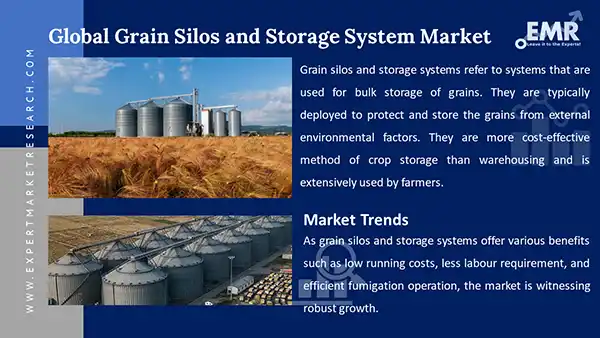
The EMR’s report titled “Global Grain Silos and Storage System Market Report and Forecast 2026-2035” offers a detailed analysis of the market based on the following segments:
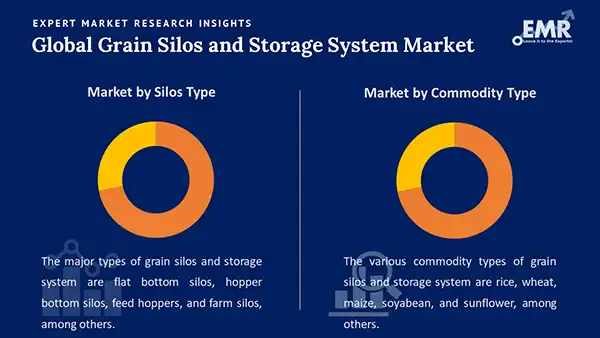
Market Breakup by Silos Type
Key Insight: The global market report is segmented into flat bottom, hopper bottom, feed hoppers, farm silos, and others. Flat bottom silos dominate the market due to large storage capacity and automation potential. Hopper bottom silos are preferred for shorter storage cycles and faster discharge. Feed hoppers are essential for livestock-heavy regions needing consistent feed grain dispensing. Farm silos cater to on-site, smaller-volume storage, especially in Europe. Other silo types include modular or custom-built solutions, appealing to B2B clients with specific grain types or climates in mind.
Market Breakup by Commodity Type
Key Insight: The commodity categorisation considered in the grain silos and storage system market report covers rice, wheat, maize, soybean, sunflower, and others. Wheat dominates the industry due to volume and global trade flows. The maize category witnesses fast growth, driven by its dual use in food and fuel. Rice storage requires high-humidity resistance and remains critical in Asia Pacific. Soybean storage is expanding in Brazil and the United States, influenced by livestock feed demand. Sunflower continues to be niche but the category is growing due to increasing oilseed exports from Eastern Europe. Each grain type demands unique conditions, guiding silo design and technology adoption.
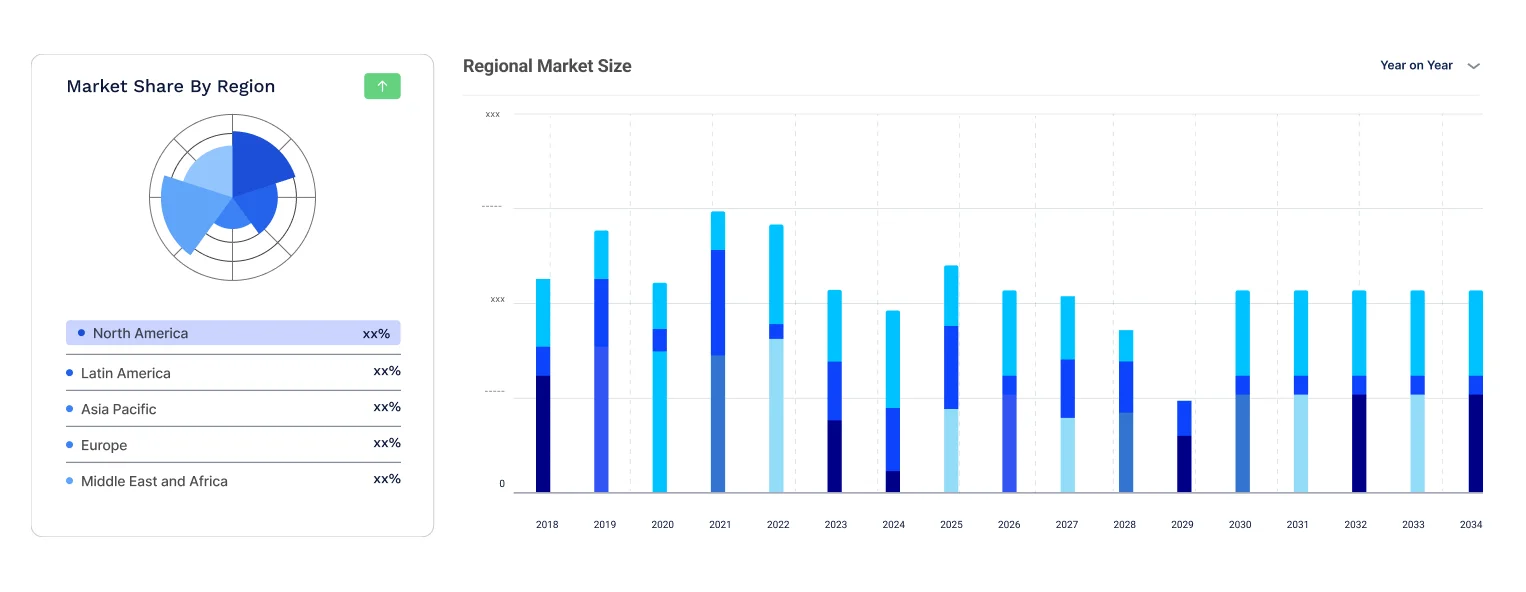
Market Breakup by Region
Key Insight: The regional breakdown of the grain silos and storage system industry includes North America, Europe, Asia Pacific, Latin America, and the Middle East & Africa. Asia Pacific dominates the market due to production volume and infrastructure investments. Middle East and Africa observes fast-paced growth, led by food security initiatives and import reliance. North America remains a technology innovation hub. Europe is modernising old infrastructure to align with energy-efficient standards. Latin America, led by Brazil and Argentina, is expanding rural silos to cater export demands and crop diversity.
Read more about this report - REQUEST FREE SAMPLE COPY IN PDF
By Silos Type, Flat Bottom Silos Secure Sizeable Portion of the Market
Flat bottom silos remain the dominant category in the global market. These are mostly adopted for long-term, large-capacity grain storage. They are widely preferred in centralised grain handling facilities and export terminals due to their ability to handle bulk volumes. The United Kingdom and German cooperatives have ramped up investments in flat bottom silos, integrating temperature management and aeration systems to reduce spoilage. Their compatibility with automated unloading systems and cost-efficient construction makes them the ideal of large agricultural storage operations.
Hopper bottom silos observe fast-paced growth in the grain silos and storage system market. These are adopted mostly in regions where short-term grain storage and fast turnover is critical. Their self-emptying design minimises grain residues and suits operations dealing in multiple grain types. Canada and Argentina are investing in hopper-bottom systems for decentralised facilities, where speed and sanitation are top priorities.
By Commodity Type, Wheat Secures the Largest Share of the Market Revenue
Wheat accounts for the largest share of the market, driven by its strategic importance in global food security and extensive export channels. Countries like Egypt and Turkey, being top importers, rely on massive silo infrastructure for stockpiling. In the United Kingdom, DEFRA-supported cooperatives are adding capacity to buffer against post-Brexit import challenges. Wheat requires highly controlled environments due to its vulnerability to pests and moisture, prompting investments in sealed steel silos with advanced aeration and fumigation capabilities.
The maize category is accelerating the grain silos and storage system market revenue is expanding rapidly due to surging global demand for both food and biofuel purposes. Latin America and sub-Saharan Africa, where maize is a staple, are experiencing widespread adoption of mid-sized storage silos. In India, ethanol production policies have compelled grain traders to store maize year-round, increasing reliance on modern systems. With maize's sensitivity to mould, silo upgrades now focus on dehumidification systems and solar-powered ventilation.

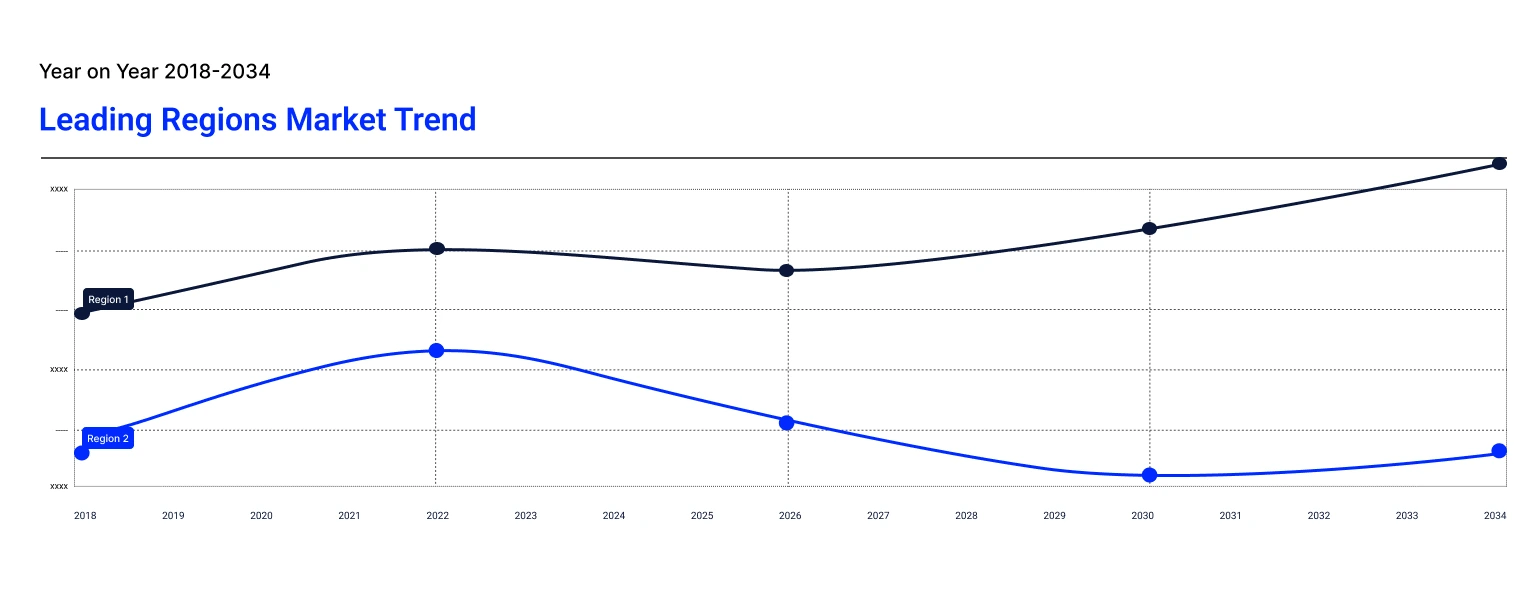
By Region, the Asia Pacific Region Registers the Dominant Position in the Market
The dominance of the Asia Pacific market is driven by vast grain production volumes in China, India, and Southeast Asia. Governments are funnelling investments into smart storage under digital agriculture missions. China’s National Grain Reserve project includes over 50 million tonnes of food production capacity by 2030. China has responded by creating the first five 9,000-ton air-supported grain storage silos. With dimensions of 24 meters in diameter and 33 meters in height, each silo has the capacity to hold 9,000 tonnes of grain, which is sufficient to feed 23 million people for a single day. On the other hand, in India, state-owned FCI is building silo networks across rural belts under PPP models. The region’s reliance on grain subsidies and strategic reserves pushes continuous silo system upgrades.
Middle East and Africa observes heavy demand in the grain silos and storage system market due to a critical need for food security and rising grain imports. The UAE and Saudi Arabia are investing in high-capacity silos near ports to secure stable supply chains. In Africa, donor-funded projects like World Food Programme (WFP) and AGRA (Alliance for a Green Revolution in Africa), and pan-African grain banks are establishing modern storage in Nigeria, Ethiopia, and Kenya. Mobile, solar-powered silos are also gaining traction, suiting areas with inconsistent power infrastructure.
Major grain silos and storage system market players are prioritising AI-driven monitoring, corrosion-resistant materials, and off-grid power systems for silos. A notable focus is on turnkey project delivery, where players not only supply silos but also install automation and train local staff. For B2B buyers like food processors, co-operatives, and grain exporters, the emphasis is shifting from capacity to quality control, traceability, and maintenance ease. M&A activity has also accelerated, with larger firms acquiring regional players to boost presence in growth markets like Africa and Southeast Asia.
Furthermore, grain silos and storage system companies are emphasising localisation including manufacturing components in-country to reduce costs and lead times. Smart silos, robotic grain handlers, digital co-ops, emergency mobile silos, and PPP-driven infrastructure upgrades are shaping the global market, aligning storage with modern agri-tech and climate-resilient solutions. As the agricultural sector becomes increasingly integrated, silo systems are fast becoming a critical link in a wider digital supply chain. This shift opens strong opportunities for tech-silo hybrid firms and logistics integrators.
Established in 1990 and headquartered in the United States, AGCO Corporation is a key innovator in modular silo systems with integrated climate control. Its GSI division supplies silos to emerging markets, particularly Africa and Southeast Asia. The company is pushing smart silos with solar-powered control panels, enhancing grain preservation in remote zones.
Founded in 1975 and based in Córdoba, Spain, Silos Córdoba focuses on galvanised steel silos engineered for high humidity zones. Its portfolio includes automated loading and unloading systems. The company is expanding across Latin America, supplying turnkey storage solutions to cooperatives and medium-sized agri firms.
Established in the year 1840 and headquartered in North Lincolnshire, United Kingdom, Bentall Rowlands is a veteran in flat-bottom silo systems. The firm recently began retrofitting traditional silos with IoT sensors, aiming to modernise Europe’s legacy infrastructure. It serves large-scale farms and food processors across the United Kingdom and Northern Europe.
Symaga SA, founded in 1980, provides custom-engineered silos with robotic installation units. Their product line includes large-scale silos with self-diagnosing structural sensors. The firm is especially strong in the MENA region, offering solutions aligned with local environmental conditions and grain types.
*Please note that this is only a partial list; the complete list of key players is available in the full report. Additionally, the list of key players can be customized to better suit your needs.*
Other key players in the market are Sioux Steel Company, and SCAFCO Grain Systems Co., among others.
Explore the latest trends shaping the global grain silos and storage system market 2026-2035 with our in-depth report. Gain strategic insights, future forecasts, and key market developments that can help you stay competitive. Download a free sample report or contact our team for customised consultation on grain silos and storage system market trends 2026.


Upto 15% Off
USD
$2499 $2249
$3999 $3599
$4999 $4249
$5999 $5099


*While we strive to always give you current and accurate information, the numbers depicted on the website are indicative and may differ from the actual numbers in the main report. At Expert Market Research, we aim to bring you the latest insights and trends in the market. Using our analyses and forecasts, stakeholders can understand the market dynamics, navigate challenges, and capitalize on opportunities to make data-driven strategic decisions.*
Get in touch with us for a customized solution tailored to your unique requirements and save upto 35%!
In 2025, the grain silos and storage system market reached an approximate value of USD 1.53 Billion.
The market is projected to grow at a CAGR of 4.70% between 2026 and 2035.
The market is estimated to witness a healthy growth in the forecast period of 2026-2035 to reach almost USD 2.42 Billion by 2035.
Key strategies driving the market include expanding regional footprints, customising silos for climate zones, integrating AI-driven monitoring, offering leasing models to smallholders, and forming alliances with agri-tech startups.
The industry is projected to be bolstered by the extensive storage capacity offered by grain silos and storage systems, the development of innovative and advanced systems, and the increasing investments in grain silos and storage systems by small farmers.
The major regional markets for grain silos and storage system are North America, Latin America, the Asia Pacific, Europe, and the Middle East and Africa.
The major types of grain silos and storage system are flat bottom silos, hopper bottom silos, feed hoppers, and farm silos, among others.
The various commodity types of grain silos and storage system are rice, wheat, maize, soyabean, and sunflower, among others.
The major players in the industry are AGCO Corporation, Silos Córdoba, Bentall Rowlands Silo Storage Ltd, Symaga SA, Sioux Steel Company, and SCAFCO Grain Systems Co., among others.
The key challenges are rising raw material costs, silo maintenance in extreme climates, slow tech adoption in rural areas, and navigating local compliance for construction and grain quality protocols.
Explore our key highlights of the report and gain a concise overview of key findings, trends, and actionable insights that will empower your strategic decisions.
| REPORT FEATURES | DETAILS |
| Base Year | 2025 |
| Historical Period | 2019-2025 |
| Forecast Period | 2026-2035 |
| Scope of the Report |
Historical and Forecast Trends, Industry Drivers and Constraints, Historical and Forecast Market Analysis by Segment:
|
| Breakup by Silos Type |
|
| Breakup by Commodity Type |
|
| Breakup by Region |
|
| Market Dynamics |
|
| Competitive Landscape |
|
| Companies Covered |
|
| Report Price and Purchase Option | Explore our purchase options that are best suited to your resources and industry needs. |
| Delivery Format | Delivered as an attached PDF and Excel through email, with an option of receiving an editable PPT, according to the purchase option. |
Datasheet
One User
USD 2,499
USD 2,249
tax inclusive*
Single User License
One User
USD 3,999
USD 3,599
tax inclusive*
Five User License
Five User
USD 4,999
USD 4,249
tax inclusive*
Corporate License
Unlimited Users
USD 5,999
USD 5,099
tax inclusive*
*Please note that the prices mentioned below are starting prices for each bundle type. Kindly contact our team for further details.*
Flash Bundle
Small Business Bundle
Growth Bundle
Enterprise Bundle
*Please note that the prices mentioned below are starting prices for each bundle type. Kindly contact our team for further details.*
Flash Bundle
Number of Reports: 3
20%
tax inclusive*
Small Business Bundle
Number of Reports: 5
25%
tax inclusive*
Growth Bundle
Number of Reports: 8
30%
tax inclusive*
Enterprise Bundle
Number of Reports: 10
35%
tax inclusive*
How To Order

Select License Type
Choose the right license for your needs and access rights.

Click on ‘Buy Now’
Add the report to your cart with one click and proceed to register.

Select Mode of Payment
Choose a payment option for a secure checkout. You will be redirected accordingly.
Gain insights to stay ahead and seize opportunities.

Get insights & trends for a competitive edge.

Track prices with detailed trend reports.

Analyse trade data for supply chain insights.

Leverage cost reports for smart savings

Enhance supply chain with partnerships.

Connect For More Information
Our expert team of analysts will offer full support and resolve any queries regarding the report, before and after the purchase.
Our expert team of analysts will offer full support and resolve any queries regarding the report, before and after the purchase.
We employ meticulous research methods, blending advanced analytics and expert insights to deliver accurate, actionable industry intelligence, staying ahead of competitors.
Our skilled analysts offer unparalleled competitive advantage with detailed insights on current and emerging markets, ensuring your strategic edge.
We offer an in-depth yet simplified presentation of industry insights and analysis to meet your specific requirements effectively.





Share