

Consumer Insights
Uncover trends and behaviors shaping consumer choices today
Procurement Insights
Optimize your sourcing strategy with key market data
Industry Stats
Stay ahead with the latest trends and market analysis.

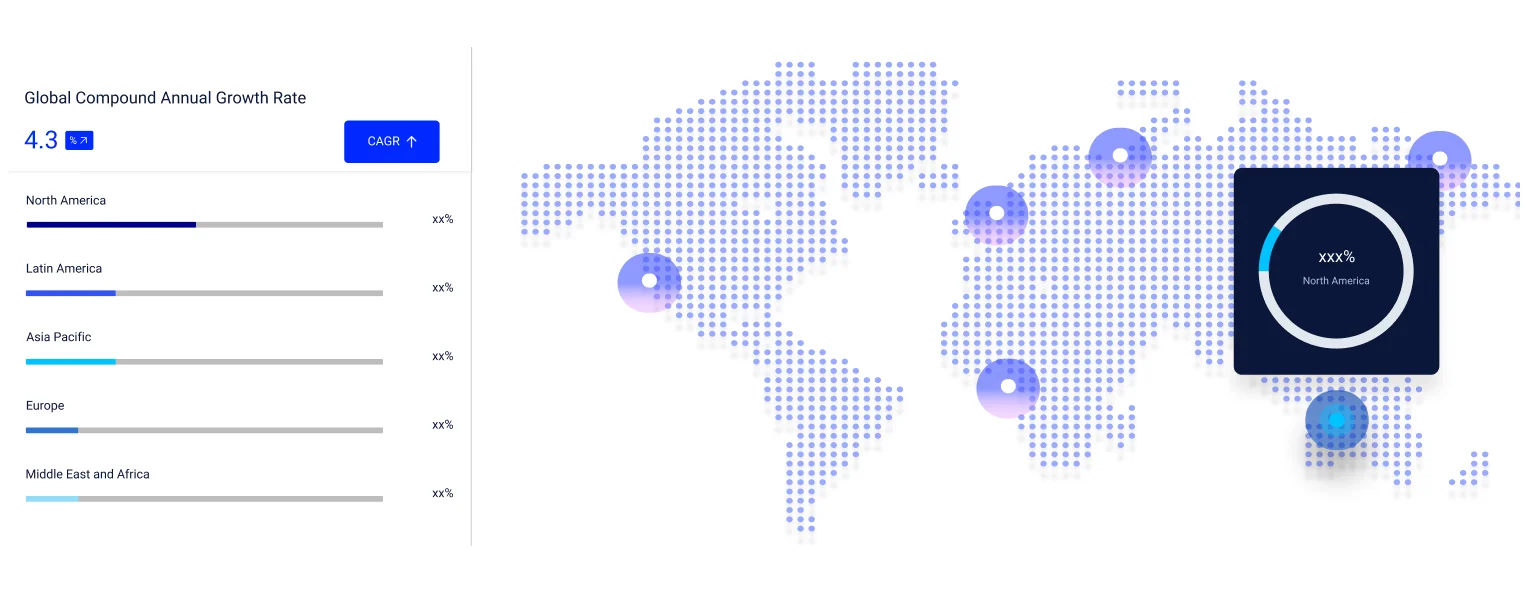
The global freight forwarding market size reached around USD 230.68 Billion in 2025. The market is projected to grow at a CAGR of 4.70% between 2026 and 2035 to reach nearly USD 365.15 Billion by 2035. The market growth can be attributed to the growing volume of container shipments worldwide and the soaring appeal of air freight among customers. The increasing adoption of digital tools for streamlining supply chain management and the growth of B2B shipments are also favourably impacting the market growth rate.
Base Year
Historical Period
Forecast Period
As supply chains have increasingly become time-sensitive worldwide, businesses are switching towards air transport for delivering goods as per customer expectations. The growth of e-commerce platforms selling fashion and electronics items is also driving the shift towards air transport to ensure timely product deliveries.
The sustained recovery of international trade, increasing consumer demand for goods, and growing supply chain development are creating a favourable freight forwarding market outlook. Consequently, major companies are expected to invest more in infrastructure development and technological advancement to manage the rising volumes of containers. For instance, in February 2024, DHL Supply Chain announced a USD 200 million investment to construct advanced warehouse facilities and invest in innovative technologies to optimise operations and enhance resilience in the life sciences and healthcare sectors.
The growing focus on enhancing digital capabilities is favourably shaping the market dynamics. The increasing use of AI-powered tools by freight and logistics companies is enabling them to reduce costs, improve transparency, and streamline supply chain management. The adoption of AI tools has also increased seamless communication, thereby supporting smarter decision making and better data management practices.
Compound Annual Growth Rate
4.7%
Value in USD Billion
2026-2035
*this image is indicative*
| Global Freight Forwarding Market Report Summary | Description | Value |
| Base Year | USD Billion | 2025 |
| Historical Period | USD Billion | 2019-2025 |
| Forecast Period | USD Billion | 2026-2035 |
| Market Size 2025 | USD Billion | 230.68 |
| Market Size 2035 | USD Billion | 365.15 |
| CAGR 2019-2025 | Percentage | XX% |
| CAGR 2026-2035 | Percentage | 4.70% |
| CAGR 2026-2035 - Market by Region | Asia Pacific | 5.4% |
| CAGR 2026-2035 - Market by Country | India | 5.7% |
| CAGR 2026-2035 - Market by Country | China | 5.3% |
| CAGR 2026-2035 - Market by Mode of Transport | Air | 5.5% |
| CAGR 2026-2035 - Market by Customer Type | B2C | 5.2% |
| Market Share by Country 2025 | UK | 3.3% |
To minimise supply chain disruptions, boost efficiency, and improve inventory management practices, businesses are focusing on improving their visibility of supply chain operations. As per industrial analysis, the number of medium-sized businesses (employing 2,500-5,000 employees) focusing on improving supply chain visibility increased from 30% in 2022 to 55% in 2023. For around 55% of large businesses, visibility has consistently remained the topmost business priority. This is expected to favourably influence the freight forwarding market dynamics in the upcoming years.
Seaways is one of the most important means of freight forwarding globally. Nearly 76% of all US trade involves maritime routes, and around USD 1.5 trillion worth of goods are traded through American ports annually. There are nearly 15,000 miles of commercially navigable waterways in the United States. Moreover, as per the freight forwarding market analysis, around 90% of global trade is involved in maritime transportation. Nearly 11 billion tons of items (1.35 tons per person) are shipped annually through waterways. Over the forecast period, mass consumerism and rapid economic growth are expected to bolster the market growth.
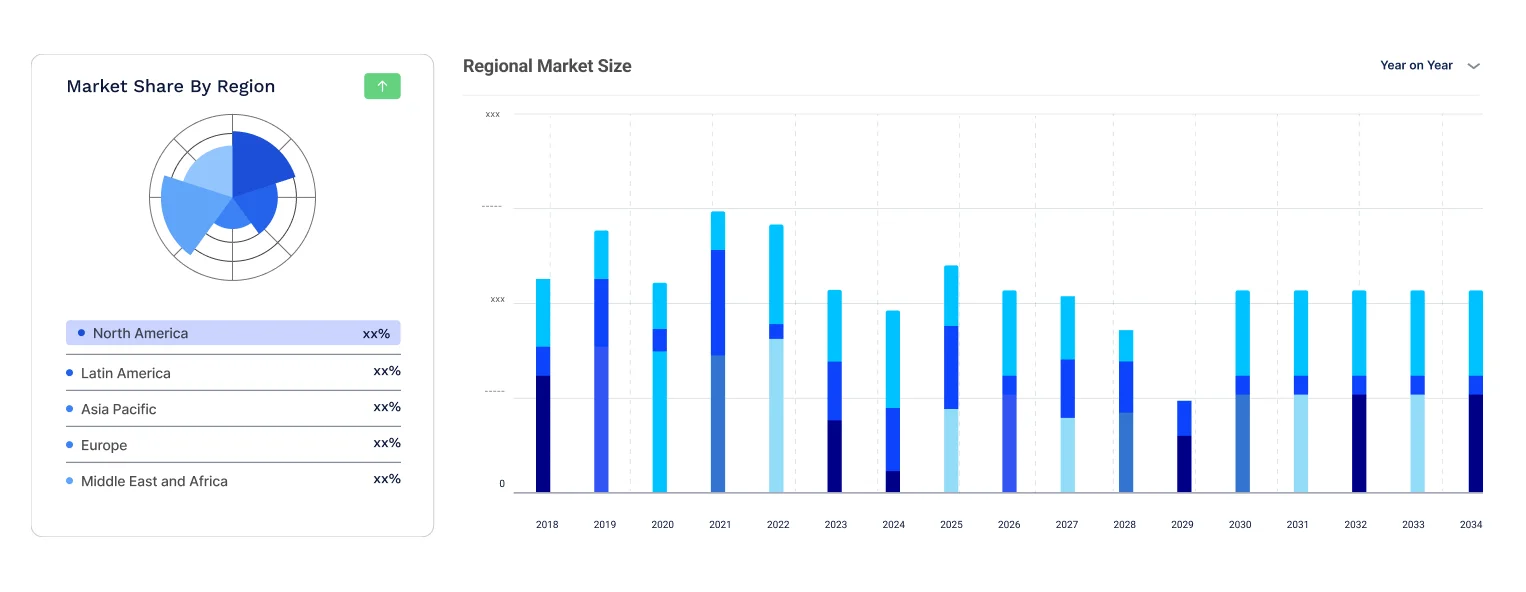
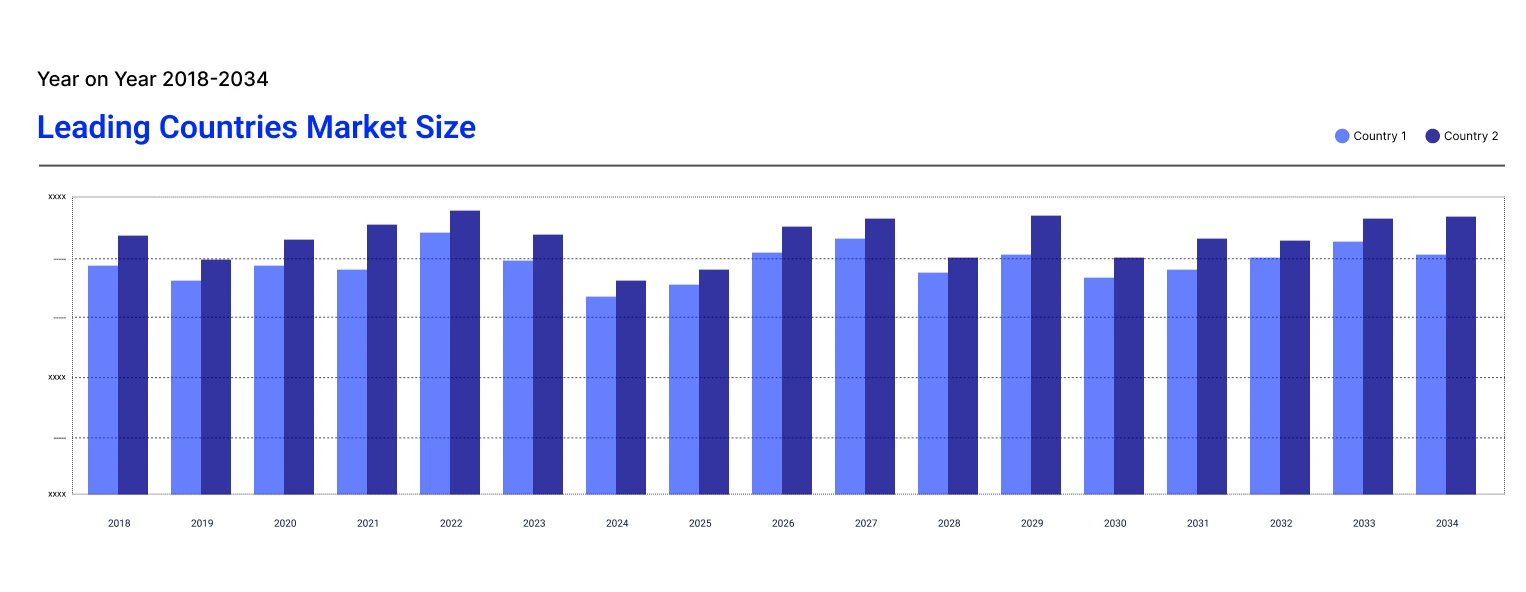
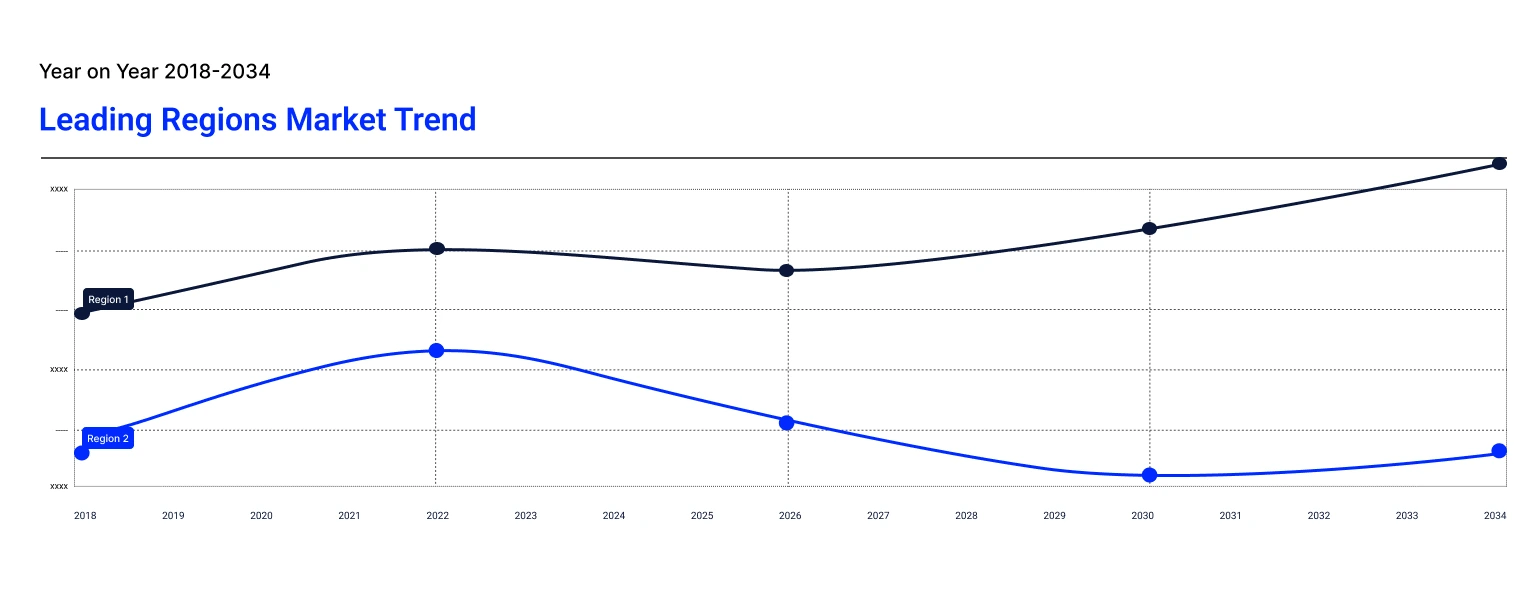
Growing emphasis on sustainability; rising marine fleet size; the surging trend of market consolidation; and increasing investments in supply chain management are the major factors favouring the freight forwarding market growth.
Due to increasing environmental consciousness among consumers, reportedly 48% of manufacturers are working to improve the sustainability of supply chain operations. This includes investments in low-emission vehicle fleets, carbon offset programs, and recyclable packaging. This is expected to favourably impact the freight forwarding market dynamics.
As per BIMCO, an international shipping association, the size of the global ocean fleet is expected to increase substantially by over 2.7 million TEU in the coming years. This is expected to surge the freight forwarding market value, as larger fleets can facilitate efficient routing and scheduling, thereby reducing the cost and time of goods’ transportation. Moreover, the integration of new digital platforms into marine fleets is expected to considerably improve service delivery and drive market growth in the coming years.
Many independent freight forwarders are collaborating with different companies to achieve business success. These mergers are enhancing their access to bigger networks, shared resources, and advanced technologies, thereby boosting competitiveness in an evolving market. This has streamlined supply chain operations and improved customer satisfaction, driving the freight forwarding market development.
Climate change and geopolitical tensions pose a significant challenge to the market growth, which is prompting market players to make increasing investments in supply chain optimisation. This enhances their flexibility in adapting to different market conditions and maintaining business stability.
Growing demand for freight forwarding services from Europe
The European Union supports seamless cross-border trade as it has a supportive regulatory framework and international trade agreements to facilitate the smooth exchange of goods. Its strategic location as a global trade hub with an excellent infrastructure has led to a sustained increase in the demand for logistical services, thereby driving the freight forwarding market development. The growth of international trade and the e-commerce industry is further expected to necessitate the need for fast delivery options and efficient supply chains, thereby driving the market growth.
Shift towards sustainability
Amid rising environmental consciousness, freight forwarding companies are transitioning to sustainable manufacturing practices by focusing on electrification and ensuring natural resource management, which is boosting the freight forwarding market revenue. Besides, companies are attempting to reduce water consumption, switch towards renewable energy resources, and lower Scope 3 emissions.
The EMR’s report titled “Global Freight Forwarding Market Report and Forecast 2026-2035” offers a detailed analysis of the market based on the following segments:
Breakup by Mode of Transport
Breakup by Customer Type
Breakup by End Use
Breakup by Region
| CAGR 2026-2035 - Market by | Country |
| India | 5.7% |
| China | 5.3% |
| Mexico | 5.0% |
| Australia | 4.9% |
| Canada | 4.7% |
| USA | XX% |
| UK | 4.3% |
| France | XX% |
| Italy | XX% |
| Japan | XX% |
| Saudi Arabia | XX% |
| Brazil | XX% |
| Germany | 4.0% |
Based on region, the market is segmented into North America, Europe, the Asia Pacific, Latin America, and the Middle East and Africa. Over the forecast period of 2026-2035, the demand for freight forwarding solutions in the Asia Pacific and Latin America is expected to grow at a CAGR of 5.4% and 5.1% respectively. The growth of the freight forwarding market in these regions can be attributed to the growth of international trade and increasing government investments in port and infrastructure development.
Based on the mode of transport, the market can be divided into road, maritime, rail, and air. Over the forecast period of 2026-2035, air and rail are expected to grow at a CAGR of 5.5% and 5.1% respectively, due to the growth of the global aviation sector and the expansion of existing logistical infrastructure worldwide.
Major freight forwarding market players are focusing on increasing supply chain visibility and adopting greener strategies. They are also expanding their existing global networks while leveraging various digital platforms to improve their operational efficiency. Increasing investments for the establishment of automated warehouses and AI-driven solutions can optimise supply chain management, thereby driving the market growth in the coming years.
CEVA Logistics was founded in 1946 and is headquartered in Marseille, France. It specialises in providing 3PL, freight forwarding, warehousing, and contract logistics services worldwide.
Nippon Express Co., Ltd. was founded in 1937 and is headquartered in Tokyo, Japan. Its network of freight forwarding spans 57 countries and it is amongst the top 10 logistics companies worldwide.
Expeditors International of Washington, Inc. was founded in 1979 and is headquartered in the United States. It is a Fortune 500 company which is engaged in providing logistics services in 100+ countries in over 350 locations.
DB Schenker was founded in 1872 and is headquartered in Essen, Germany. It has over 725 warehouses worldwide and is engaged in providing logistical services in over 1,800 locations worldwide.
*Please note that this is only a partial list; the complete list of key players is available in the full report. Additionally, the list of key players can be customized to better suit your needs.*
Other players included in the freight forwarding market report are Kuehne+Nagel International AG, Deutsche Post AG, DSV A/S, FedEx Corp., United Parcel Service of America, Inc., and Manitoulin Global Forwarding, among others.


Upto 15% Off
USD
$2499 $2249
$3999 $3599
$4999 $4249
$5999 $5099


*While we strive to always give you current and accurate information, the numbers depicted on the website are indicative and may differ from the actual numbers in the main report. At Expert Market Research, we aim to bring you the latest insights and trends in the market. Using our analyses and forecasts, stakeholders can understand the market dynamics, navigate challenges, and capitalize on opportunities to make data-driven strategic decisions.*
Get in touch with us for a customized solution tailored to your unique requirements and save upto 35%!
In 2025, the market reached an approximate value of USD 230.68 Billion.
The market is projected to grow at a CAGR of 4.70% between 2026 and 2035.
The market is estimated to witness healthy growth in the forecast period of 2026-2035 to reach a value of around USD 365.15 Billion by 2035.
The different regions considered in the market report include North America, Europe, Asia Pacific, Latin America, and the Middle East and Africa.
The different modes of transportation in the market are road, maritime, rail, and air.
The different end uses of freight forwarding are industrial and manufacturing, retail, healthcare, oil and gas, and food and beverages, among others.
The different customers of freight forwarding are B2B and B2C.
Key players in the market are Kuehne+Nagel International AG, Deutsche Post AG, DB Schenker, Expeditors International of Washington, Inc., CEVA Logistics, DSV A/S, FedEx Corp., United Parcel Service of America, Inc., Nippon Express Co., Ltd., and Manitoulin Global Forwarding, among others.
Explore our key highlights of the report and gain a concise overview of key findings, trends, and actionable insights that will empower your strategic decisions.
| REPORT FEATURES | DETAILS |
| Base Year | 2025 |
| Historical Period | 2019-2025 |
| Forecast Period | 2026-2035 |
| Scope of the Report |
Historical and Forecast Trends, Industry Drivers and Constraints, Historical and Forecast Market Analysis by Segment:
|
| Breakup by Mode of Transportation |
|
| Breakup by Customer Type |
|
| Breakup by End Use |
|
| Breakup by Region |
|
| Market Dynamics |
|
| Competitive Landscape |
|
| Companies Covered |
|
Datasheet
One User
USD 2,499
USD 2,249
tax inclusive*
Single User License
One User
USD 3,999
USD 3,599
tax inclusive*
Five User License
Five User
USD 4,999
USD 4,249
tax inclusive*
Corporate License
Unlimited Users
USD 5,999
USD 5,099
tax inclusive*
*Please note that the prices mentioned below are starting prices for each bundle type. Kindly contact our team for further details.*
Flash Bundle
Small Business Bundle
Growth Bundle
Enterprise Bundle
*Please note that the prices mentioned below are starting prices for each bundle type. Kindly contact our team for further details.*
Flash Bundle
Number of Reports: 3
20%
tax inclusive*
Small Business Bundle
Number of Reports: 5
25%
tax inclusive*
Growth Bundle
Number of Reports: 8
30%
tax inclusive*
Enterprise Bundle
Number of Reports: 10
35%
tax inclusive*
How To Order

Select License Type
Choose the right license for your needs and access rights.

Click on ‘Buy Now’
Add the report to your cart with one click and proceed to register.

Select Mode of Payment
Choose a payment option for a secure checkout. You will be redirected accordingly.
Gain insights to stay ahead and seize opportunities.

Get insights & trends for a competitive edge.

Track prices with detailed trend reports.

Analyse trade data for supply chain insights.

Leverage cost reports for smart savings

Enhance supply chain with partnerships.

Connect For More Information
Our expert team of analysts will offer full support and resolve any queries regarding the report, before and after the purchase.
Our expert team of analysts will offer full support and resolve any queries regarding the report, before and after the purchase.
We employ meticulous research methods, blending advanced analytics and expert insights to deliver accurate, actionable industry intelligence, staying ahead of competitors.
Our skilled analysts offer unparalleled competitive advantage with detailed insights on current and emerging markets, ensuring your strategic edge.
We offer an in-depth yet simplified presentation of industry insights and analysis to meet your specific requirements effectively.





Share