

Consumer Insights
Uncover trends and behaviors shaping consumer choices today
Procurement Insights
Optimize your sourcing strategy with key market data
Industry Stats
Stay ahead with the latest trends and market analysis.

The global freight brokerage market attained a value of USD 63.14 Billion in 2025 and is projected to expand at a CAGR of 5.90% through 2035. The market is further expected to achieve USD 112.01 Billion by 2035. Expanding demand for lane-level emissions reporting is encouraging shippers to employ brokers that provide verified carbon dashboards, cleaner-capacity partnerships, and routing models.
The global market is moving through a sharp reset as digital networks, smarter pricing tools, and asset-light capacity models reshape how shippers secure transportation. A notable development came in February 2024, when C.H. Robinson expanded its Navisphere Vision automation suite to include real-time delay prediction using multimodal data streams. The update got strong attention from enterprise logistics teams, accelerating the overall freight brokerage market growth.
Brokers are also shifting from transactional load-matching into integrated capacity orchestration. Many providers now invest in AI-driven tender acceptance tools, dynamic pricing engines, and carrier scorecards that reduce service volatility. For example, in November 2025, Freight Technologies, Inc. announced the commercial launch of Zayren, an artificial intelligence- based, machine learning pricing-prediction tool and carrier-matching platform designed specifically for cross-border and domestic over-the-road freight shipments across Mexico and the United States, redefining the freight brokerage market trends and dynamics. Mid-sized brokers are partnering with telematics firms to capture live truck data, giving them more reliable ETAs and improving on-time performance for complex freight.
Base Year
Historical Period
Forecast Period
Compound Annual Growth Rate
5.9%
Value in USD Billion
2026-2035
*this image is indicative*
Predictive visibility and AI-powered ETAs are transforming brokers into long-term supply chain partners. Platforms that fuse telematics, weather, and port data now predict delays and suggest re-routing, reducing detention costs. C.H. Robinson’s Navisphere Vision offers live delay prediction and carrier load-matching, used by enterprise shippers to cut exceptions, thereby driving the freight brokerage market value. In September 2025, ITF Group unveiled its ForwardNow platform, an integrated logistics and freight-forwarding solution that the company positions as a game changer in an industry too often burdened by fragmentation and opacity. Brokers integrating these predictive feeds are winning long-term contracts because they lower variability and operational surprises, and secure service-level commitments.
Dynamic pricing and marketplace liquidity are redefining brokerage margins and carrier behavior. Brokers deploying real-time algorithms adjust their leverage by lane, capacity and fuel prices, capturing price volatility while preserving service reliability. Convoy and other digital brokers are emphasizing value-based pricing and automatic tendering to reduce manual touchpoints, accelerating the freight brokerage market opportunities. For example, in September 2025, Trimble announced the launch of Transporeon Visibility in North America. Carriers and shippers in the road, ocean, and air transportation sectors can access the locations of their shipments and vehicles in real time in addition to having accurate ETA information created with powerful AI capabilities.
Sustainability and carbon emission transparency are becoming procurement filters. Shippers are insisting on lane-level carbon numbers and scope-3 attribution, prompting brokers to incorporate verified emissions dashboards into offerings. The EU Data Act and emerging reporting rules are easing primary data sharing, making carrier telematics usable for accurate accounting, accelerating the overall demand in the freight brokerage market. In September 2025, C.H. Robinson introduced a new service that gives shippers freight visibility up to 48 hours earlier than before. Maritime and modal ETS schemes are increasing the cost-sensitivity of certain lanes, so brokers who can propose lower-carbon routings or cleaner-capacity partnerships win tenders.
Multimodal orchestration and drayage optimization give brokers differentiated value in cross-border logistics. Brokers are integrating rail intermodal booking, port appointment systems, and drayage pools to reduce dwell and handoff failures. C.H. Robinson and other platforms are adding automated tendering and live port-status feeds to coordinate cross-modal moves, shaping the freight brokerage market trends. In September 2025, LunaPath launched an AI platform built to help freight brokers and 3PLs slash routine work and save on operational costs. Public investments under the IIJA and EPA port programs are modernizing terminals and near-port infrastructure, which reduces choke-point latency and makes multimodal planning more reliable.
Consolidation and fleet-as-a-service financing models are reshaping brokerage economics. Investors and strategic buyers are acquiring regional freight brokers so they can merge their carrier ties into wider capacity pools and strengthen network resilience. Digital freight brokerage firms are packaging analytics, claims handling, and capacity guarantees as bundled services that reduce shipper procurement cycles, expanding the freight brokerage market scope. In November 2025, OTR Solutions formed a strategic partnership with LoadConnect to integrate freight broker credit data and fraud-prevention insights.

Read more about this report - REQUEST FREE SAMPLE COPY IN PDF
The EMR’s report titled “Global Freight Brokerage Market Report and Forecast 2026-2035” offers a detailed analysis of the market based on the following segments:
Market Breakup by Services
Key Insight: The intermodal category serves long-haul lanes where cost stability and sustainability matter the most. Truckload handles volatility, urgent replenishment, and tight delivery promises. LTL supports diversified shipment profiles and multi-stop distribution. Shippers choose service types based on lane combination, cost pressure, and internal planning discipline, driving the freight brokerage market expansion. Brokers win accounts by integrating all three services under unified visibility and pricing engines.
Market Breakup by Customer Type
Key Insight: B2B and B2C both drive freight brokerage demand growth but in different ways. B2B consumers focus more on contract stability, compliance, and predictable cost control. The B2C category values speed, flexible replenishment, and surge-responsive routing. Brokers supporting both these categories balance multimodal portfolios, dynamic pricing, and carrier diversification. Those offering integrated technology platforms and real-time communication tools create higher retention.
Market Breakup by Mode of Transport
Key Insight: According to the freight brokerage market report, roadways remain the operational core for everyday freight, while waterways are expanding in terms of market shares owing to shifting sourcing patterns and multimodal planning needs. Other modes play supporting roles in specialized lanes. Brokers select modes based on transit reliability, cost exposure, and geographic constraints. Hybrid-mode strategies allow brokers to reduce risk and provide resilient solutions to clients.
Market Breakup by End-Use Industry
Key Insight: While the retail sector values speed and predictable replenishment, the manufacturing industry prioritizes precision and inbound reliability. Healthcare needs regulatory-compliant carriers, while automotive demands sequencing and high-volume, timed flows, consistently driving growth of the freight brokerage market. Brokers winning majority of the contracts across the sectors tend to provide tailored workflows, mixed capacity strategies, and exception management. Integrating real-time visibility, lane modelling, and flexible pricing allows brokers to deliver value to each industry’s operational rhythm.
Market Breakup by Region
Key Insight: North America leads the freight brokerage market through technology maturity and structural freight demand. Europe emphasizes compliance and multimodal sustainability. Asia Pacific expands quickly with manufacturing diversification. Latin America seeks stability and multimodal solutions, while MEA focuses on trade corridors and port-linked logistics. Brokers are mostly localizing support, integrating with regional infrastructure, and building carrier networks suited to local constraints. Regional diversification enhances revenue stability and helps brokers navigate economic cycles.
Intermodal services dominate the market due to lane stability, cost efficiency, and multimodal reliability
Intermodal brokerage holds the dominant position in the market because shippers want predictable cost structures and reduced volatility during fluctuating capacity cycles. Brokers coordinating rail–truck combinations help large manufacturers and retailers stabilize costs without losing service integrity. They use real-time visibility tools to manage dwell duration, rail interchange, and chassis constraints more effectively than single-mode players, contributing to the freight brokerage market revenue. In November 2025, Schneider National, Inc. introduced Schneider Fast Track, a premium solution designed for shippers with time-sensitive and high-service freight needs.
Truckload brokerage is gaining momentum at a quick pace because shippers rely on brokers to absorb volatility in spot markets and secure reliable capacity across fragmented carrier networks. Brokers deploy dynamic pricing, automated tender acceptance, and telematics-driven scorecards to match loads to carriers in real time. This makes truckload essential for surge periods, promotional cycles, and tight delivery windows. Brokers offering guaranteed-capacity programs and rapid exception management stand out in contract negotiations.
By customer type, the Business-to-Business (B2B) category secures the larger share of the market due to contract volumes and complex service-level requirements
B2B customers continue to dominate the freight brokerage market dynamics because enterprise shippers depend on brokers for scalable capacity and disciplined service-level performance. Manufacturers, distributors, and large retailers all operate with contractual obligations that require consistent tender acceptance and proactive issue handling. Brokers managing B2B freight invest in carrier scorecards, compliance workflows, and multimodal planning teams to keep performance stable. They also provide pricing intelligence to help these shippers manage budgets during volatile cycles.
The B2C customer category, on the other hand, grows faster because e-commerce fulfillment cycles move unpredictably and require brokers who can support rapid replenishment into parcel hubs and regional distribution centers. In November 2024, Uber Freight launched Broker Access, a new program that allows freight brokers to book and execute loads digitally. Many consumer brands rely on brokers to secure time-sensitive replenishment loads as promotional demand fluctuates. Brokers are adding APIs, real-time ETA tools, and micro-carrier networks to keep B2C inventories balanced.
By mode of transport, roadways account for the significant share of the market value as flexible nationwide capacity solves near-term shipper volatility
Road transport currently holds the larger share of the market because it delivers unmatched flexibility, nationwide coverage, and faster cycle times for most shippers. Brokers leveraging road networks can adapt capacity quickly across seasonal peaks, promotional surges, and unplanned disruptions. Road carriers also integrate telematics easily, allowing brokers to deliver real-time ETAs and exception alerts.
Waterway brokerage observes fast-paced growth in the freight brokerage market as near-shoring, import diversification, and port-to-port consolidation strategies gain traction. Shippers facing unpredictable ocean schedules rely on brokers to coordinate drayage, terminal appointments, and multimodal transfers more tightly. Brokerage platforms now integrate port congestion feeds, vessel tracking data, and chassis availability into their workflows.
Retail and e-commerce industry registers the largest share of the market revenue owing to high-frequency replenishment and fast-cycle delivery needs
Retail and e-commerce dominate the global industry because these sectors generate continuous, high-frequency loads tied to inventory rotation and promotional cycles. Brokers serve these industries by coordinating truckload, LTL, and intermodal flows into distribution centers. Retailers want brokers who can stabilize on-time delivery and reduce exceptions during high-volume events. Many brokers build specialized retail teams that handle vendor compliance, appointment scheduling, and carton-level tracking.
Manufacturing industries widely contribute to the freight brokerage market revenue because plants operate on rigid production schedules where downtime turns out to be unnecessarily expensive. Manufacturers outsource logistics to brokers who can secure time-sensitive inbound flows and support just-in-time inventory needs. As supply chains regionalize, manufacturing plants rely on brokers for cross-border planning, multimodal routing, and contingency capacity.
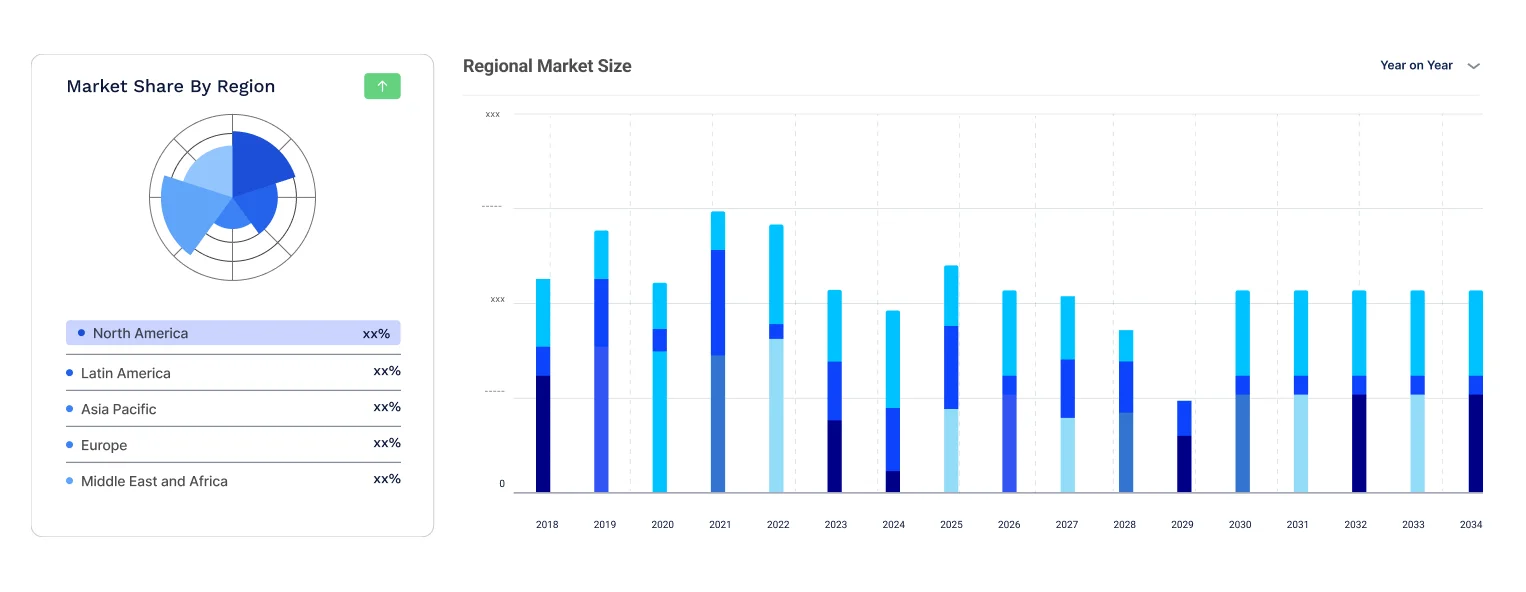
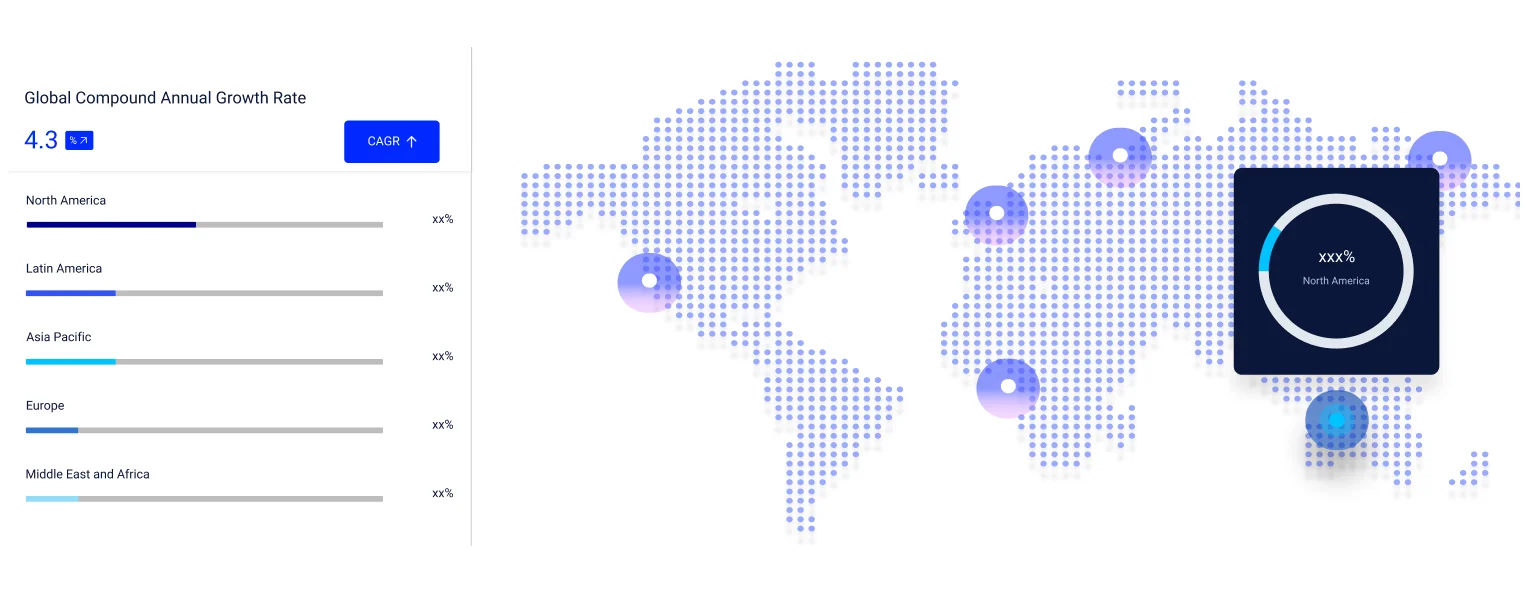
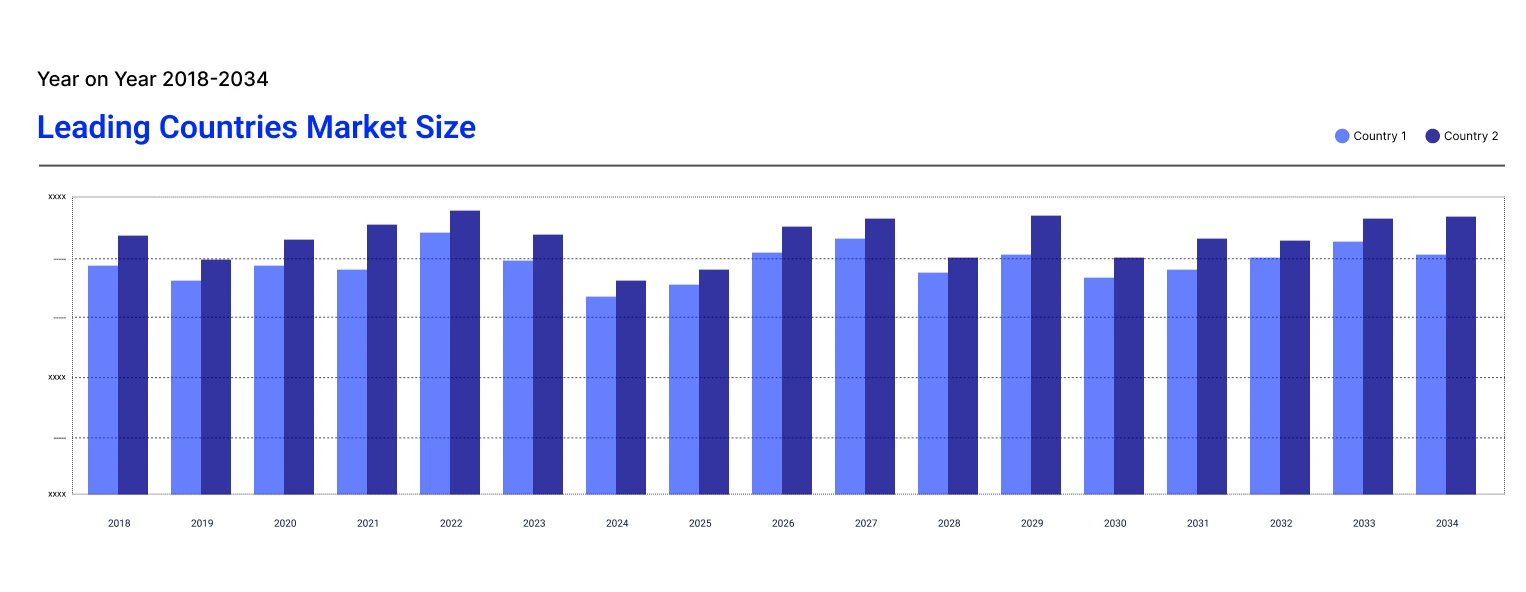
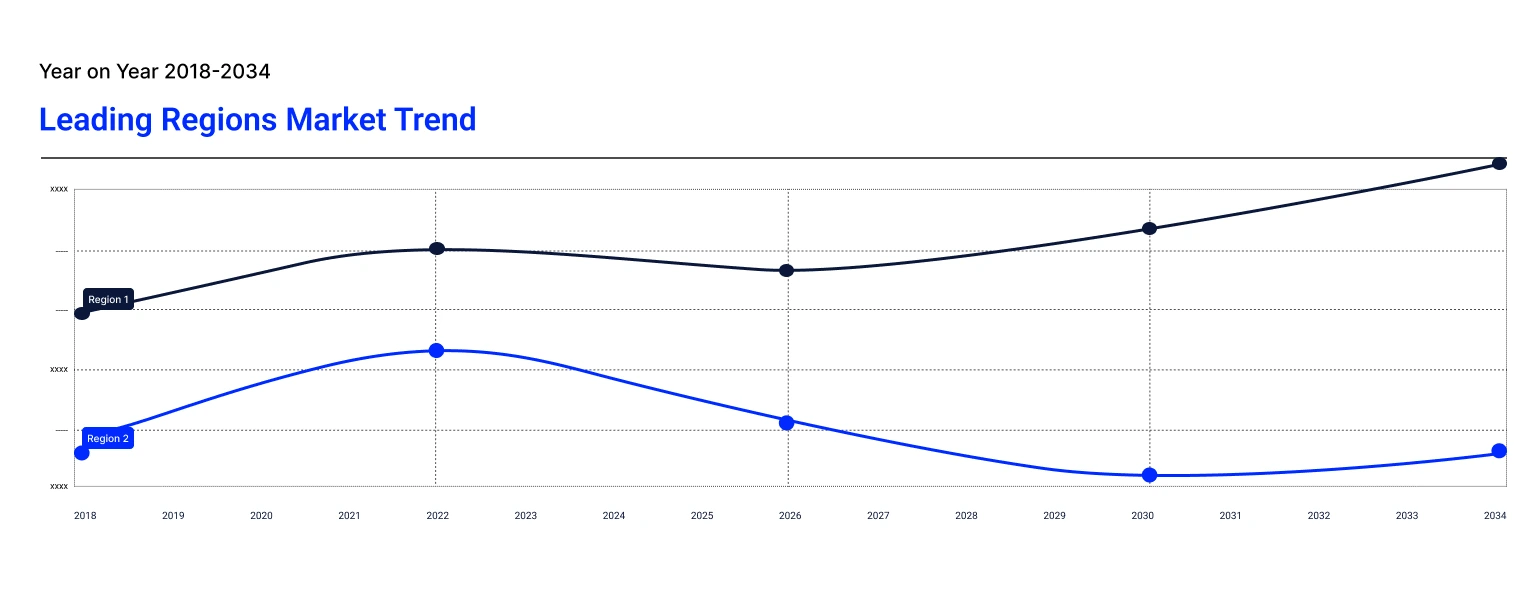
By region, North America secures the leading position in the market, strengthened by mature logistics networks and tech-driven brokerage adoption
North America sustains its market dominance with its advanced carrier infrastructure, dense road networks, and widespread adoption of digital brokerage platforms. Shippers rely on brokers for capacity smoothing, multimodal optimization, and cross-border coordination with Mexico and Canada. The region’s regulatory environment supports data transparency, which strengthens predictive pricing and performance models.
The freight brokerage market in Asia Pacific grows at an accelerated pace as manufacturing shifts across India, Vietnam, Indonesia, and regional hubs. This creates complex cross-border freight requirements that brokers are uniquely positioned to manage. Rising digital adoption, expanding port infrastructure, and government-backed logistics modernization are accelerating brokerage penetration. Brokers offering multimodal orchestration, customs coordination, and flexible capacity sourcing are capturing emerging trade flows.
The global industry is shifting from transactional load matching to proactive capacity orchestration and predictive exception management. Leading freight brokerage market players are investing in AI pricing engines, telematics integration, and carrier analytics to protect margins while ensuring service. Asset-light platforms are bundling guaranteed-capacity contracts with subscription visibility, lowering shipper risk during volatile cycles.
Opportunities in multimodal orchestration, emissions-aware routing for scope-3 reporting, and automated drayage at congested ports are being explored. Mid-tier freight brokerage companies are scaling with tender-guarantee products and carrier financing while large brokers monetize data via analytics suites. Investors are funding consolidation and fleet-as-a-service pilots to capture recurring revenue.
C.H. Robinson Worldwide, Inc established in 1905 and headquartered in the United States, is expanding its technology suite to deliver predictive visibility and automated tendering, tying telematics-driven intelligence into Navisphere to reduce exceptions. It sells capacity orchestration and analytics to enterprise shippers, while piloting guaranteed-capacity products for seasonal lanes.
Founded in 1997 and headquartered in Ohio, United States, Total Quality Logistics is focusing on talent, technology, and regional expansion to support capacity programs, opening new offices and investing in carrier engagement. It bundles load-matching and cargo insurance, targeting manufacturers and retailers needing reliable truckload capacity. The firm is piloting carrier financing and shared-asset pools to smooth seasonal volatility.
XPO, Inc. was established in 2000 and is headquartered in Greenwich, Connecticut, United States. The company is combining LTL strength with brokerage technology, deploying AI for routing and utilization to improve yield. XPO is integrating its LTL network with digital freight matching to control capacity and improve service.
Echo Global Logistics, founded in 2005 and is headquartered in Illinois, United States, is building EchoSync automation to streamline booking and tracking, reducing manual touch and speeding exception resolution. The firm offers emissions reporting and inbound optimization for multi-factory clients.
*Please note that this is only a partial list; the complete list of key players is available in the full report. Additionally, the list of key players can be customized to better suit your needs.*
Other key players in the market include Worldwide Express, LLC, Coyote Logistics, LLC, Landstar System Holdings, Inc., Mode Global, LLC, GlobalTranz Enterprises, LLC, and Hub Group, Inc., among others.
Unlock the latest insights with our freight brokerage market trends 2026 report. Discover regional growth patterns, consumer preferences, and key industry players. Stay ahead of competition with trusted data and expert analysis. Download your free sample report today and drive informed decisions in the market.
United States Freight Brokerage Market
Digital Freight Brokerage Market


Upto 15% Off
USD
$2499 $2249
$3999 $3599
$4999 $4249
$5999 $5099


*While we strive to always give you current and accurate information, the numbers depicted on the website are indicative and may differ from the actual numbers in the main report. At Expert Market Research, we aim to bring you the latest insights and trends in the market. Using our analyses and forecasts, stakeholders can understand the market dynamics, navigate challenges, and capitalize on opportunities to make data-driven strategic decisions.*
Get in touch with us for a customized solution tailored to your unique requirements and save upto 35%!
In 2025, the market reached an approximate value of USD 63.14 Billion.
The market is projected to grow at a CAGR of 5.90% between 2026 and 2035.
The market is estimated to witness a healthy growth in the forecast period of 2026-2035 to reach around USD 112.01 Billion by 2035.
Freight brokerage market players are integrating telematics, offering guaranteed-capacity subscriptions, expanding multimodal orchestration services, and establishing carrier financing while scaling training academies to secure flexible capacity.
The market is augmented by the rising adoption of automation and data analytics and the rapid growth of the e-commerce sector, enhancing the demand for freight services.
The major regional markets include North America, Europe, the Asia Pacific, Latin America, and the Middle East and Africa.
The major end-use industries considered in the market report include retail and e-commerce, manufacturing, healthcare, and automotive, among others.
The key players in the market include C.H. Robinson Worldwide, Inc., Total Quality Logistics, LLC, XPO, Inc., Echo Global Logistics, Inc., Worldwide Express, LLC, Coyote Logistics, LLC, Landstar System Holdings, Inc., Mode Global, LLC, GlobalTranz Enterprises, LLC, and Hub Group, Inc., among others.
Key challenges include capacity fragility, carrier fragmentation, regulatory complexity, rising fuel and equipment costs, technology integration gaps, and pressure to prove emissions reductions while protecting margins and service reliability simultaneously.
Explore our key highlights of the report and gain a concise overview of key findings, trends, and actionable insights that will empower your strategic decisions.
| REPORT FEATURES | DETAILS |
| Base Year | 2025 |
| Historical Period | 2019-2025 |
| Forecast Period | 2026-2035 |
| Scope of the Report |
Historical and Forecast Trends, Industry Drivers and Constraints, Historical and Forecast Market Analysis by Segment:
|
| Breakup by Services |
|
| Breakup by Customer Type |
|
| Breakup by Mode of Transport |
|
| Breakup by End-Use Industry |
|
| Breakup by Region |
|
| Market Dynamics |
|
| Competitive Landscape |
|
| Companies Covered |
|
Datasheet
One User
USD 2,499
USD 2,249
tax inclusive*
Single User License
One User
USD 3,999
USD 3,599
tax inclusive*
Five User License
Five User
USD 4,999
USD 4,249
tax inclusive*
Corporate License
Unlimited Users
USD 5,999
USD 5,099
tax inclusive*
*Please note that the prices mentioned below are starting prices for each bundle type. Kindly contact our team for further details.*
Flash Bundle
Small Business Bundle
Growth Bundle
Enterprise Bundle
*Please note that the prices mentioned below are starting prices for each bundle type. Kindly contact our team for further details.*
Flash Bundle
Number of Reports: 3
20%
tax inclusive*
Small Business Bundle
Number of Reports: 5
25%
tax inclusive*
Growth Bundle
Number of Reports: 8
30%
tax inclusive*
Enterprise Bundle
Number of Reports: 10
35%
tax inclusive*
How To Order

Select License Type
Choose the right license for your needs and access rights.

Click on ‘Buy Now’
Add the report to your cart with one click and proceed to register.

Select Mode of Payment
Choose a payment option for a secure checkout. You will be redirected accordingly.
Gain insights to stay ahead and seize opportunities.

Get insights & trends for a competitive edge.

Track prices with detailed trend reports.

Analyse trade data for supply chain insights.

Leverage cost reports for smart savings

Enhance supply chain with partnerships.

Connect For More Information
Our expert team of analysts will offer full support and resolve any queries regarding the report, before and after the purchase.
Our expert team of analysts will offer full support and resolve any queries regarding the report, before and after the purchase.
We employ meticulous research methods, blending advanced analytics and expert insights to deliver accurate, actionable industry intelligence, staying ahead of competitors.
Our skilled analysts offer unparalleled competitive advantage with detailed insights on current and emerging markets, ensuring your strategic edge.
We offer an in-depth yet simplified presentation of industry insights and analysis to meet your specific requirements effectively.





Share