

Consumer Insights
Uncover trends and behaviors shaping consumer choices today
Procurement Insights
Optimize your sourcing strategy with key market data
Industry Stats
Stay ahead with the latest trends and market analysis.

The enterprise WLAN market attained a value of USD 15.46 Billion in 2025. The market is expected to grow at a CAGR of 24.60% during the forecast period of 2026-2035. By 2035, the market is expected to reach USD 139.44 Billion.
Artificial intelligence (AI) and machine learning are playing an increasing role in enterprise WLAN. Vendors are integrating AI into network management tools to provide real-time analytics, automate troubleshooting, optimize bandwidth, and predict network failures. In April 2025, Ericsson launched an AI-led enterprise wireless-first branch architecture combining Release 17 5G, Wi Fi 6/7, and LEO satellite. This shift toward AI-driven orchestration reduces IT workload and enhances user experience by ensuring consistent connectivity.
Edge AI is transforming the enterprise WLAN market dynamics by enabling smarter, localized data processing. WLAN access points are increasingly equipped with computing capabilities to run AI algorithms at the network edge. In February 2025, CommScope rolled out RUCKUS’ Wi‑Fi 7 portfolio featuring IntentAI™, EquiFlex™, and GenAI Zero‑Touch. These edge AI capabilities automate onboarding, congestion control, and performance based on business goals, all managed through the RUCKUS One platform. This trend supports greater autonomy, faster insights, and reduced bandwidth use. As edge AI matures, enterprise WLANs are becoming more intelligent and context aware.
Base Year
Historical Period
Forecast Period
Compound Annual Growth Rate
24.6%
Value in USD Billion
2026-2035
*this image is indicative*
The enterprise WLAN market is rapidly evolving with the widespread adoption of Wi-Fi 6, 6E, and now Wi-Fi 7. As per Intel, over 5000 Wi-Fi 6E and Wi-Fi 7 devices released since 2021. These newer standards offer higher data rates, lower latency, better power efficiency, and greater capacity, making them ideal for dense environments like offices, hospitals, and campuses. These enhancements also support modern bandwidth-heavy applications, such as video conferencing, VR/AR, and cloud services.
Cloud-managed WLAN solutions are increasingly preferred by enterprises due to their scalability, ease of deployment, and centralized control. Unlike traditional hardware-based controllers, cloud platforms enable IT teams to configure, monitor, and manage networks remotely across multiple locations. In June 2025, EnGenius (Japan) introduced its new Wi‑Fi 7 access points for delivering up to 19 Gbps with MLO support, fully managed via EnGenius Cloud. This is particularly valuable for organizations with hybrid or remote workforces.
The proliferation of IoT devices, from smart cameras and sensors to industrial machinery, requires robust and secure infrastructure, driving the enterprise WLAN industry share to handle the sheer volume and variety of connected devices. Modern access points support protocols like Zigbee, Bluetooth Low Energy (BLE), and Wi-Fi simultaneously, enabling seamless IoT integration. Edge computing is also being used in conjunction with WLAN to process data locally, reducing latency and improving responsiveness.
5G and Wi-Fi are increasingly viewed as complementary technologies rather than competitors. Enterprises are leveraging both to build hybrid private networks that deliver seamless connectivity. Wi-Fi provides high-capacity indoor coverage, while 5G offers low-latency and wide-area mobility. In March 2025, ALE launched a turnkey Private 5G solution in partnership with Celona, designed to provide ultra-reliable connectivity in complex industrial environments, such as manufacturing plants, refineries, logistics warehouses, and ports. This convergence is reshaping enterprise networking strategies toward unified wireless architectures.
Sustainability and the rising green push are fostering the enterprise WLAN market development. Vendors are designing access points with low-power components, efficient heat dissipation, and energy-saving modes. In May 2025, Huawei launched an Intelligent AP Energy-Saving Solution that leverages Wi-Fi 7 technology to enhance energy efficiency in enterprise networks. Enterprises are also looking to consolidate infrastructure by integrating WLAN, switching, and IoT into unified platforms to minimize hardware and power usage.
Read more about this report - REQUEST FREE SAMPLE COPY IN PDF
The EMR’s report titled “Enterprise WLAN Market Report and Forecast 2026-2035” offers a detailed analysis of the market based on the following segments:
Market Breakup by Component
Key Insight: The hardware segment includes access points (APs), controllers, switches, and related networking devices essential for WLAN infrastructure. It remains the largest revenue contributor due to ongoing demand for high-performance Wi-Fi 6/6E/7 APs capable of handling dense environments and IoT devices. For example, Cisco’s Catalyst series and Aruba’s Wi-Fi 6E APs showcase hardware innovations enabling faster speeds and better coverage.
Market Breakup by Organisation Size
Key Insight: Large enterprises dominate the enterprise WLAN industry revenue due to rising need for robust, scalable solutions to support thousands of users across multiple sites and complex environments. They prioritize advanced security, high throughput, and integration with existing IT infrastructure. For instance, in February 2025, Juniper extended its Mist AI platform with enhanced AI-driven WLAN analytics and automation, ideal for large enterprises requiring seamless roaming and predictive maintenance.
Market Breakup by End Use
Key Insight: The BFSI sector demands ultra-secure and reliable WLAN solutions to support sensitive transactions, remote work, and digital banking services. Enterprises deploy advanced WLANs with robust encryption, AI-driven threat detection, and seamless connectivity for mobile banking apps and customer service kiosks. For instance, global banks utilize Cisco’s secure Wi-Fi 6E infrastructure to maintain regulatory compliance while supporting thousands of concurrent users across branches and data centres.
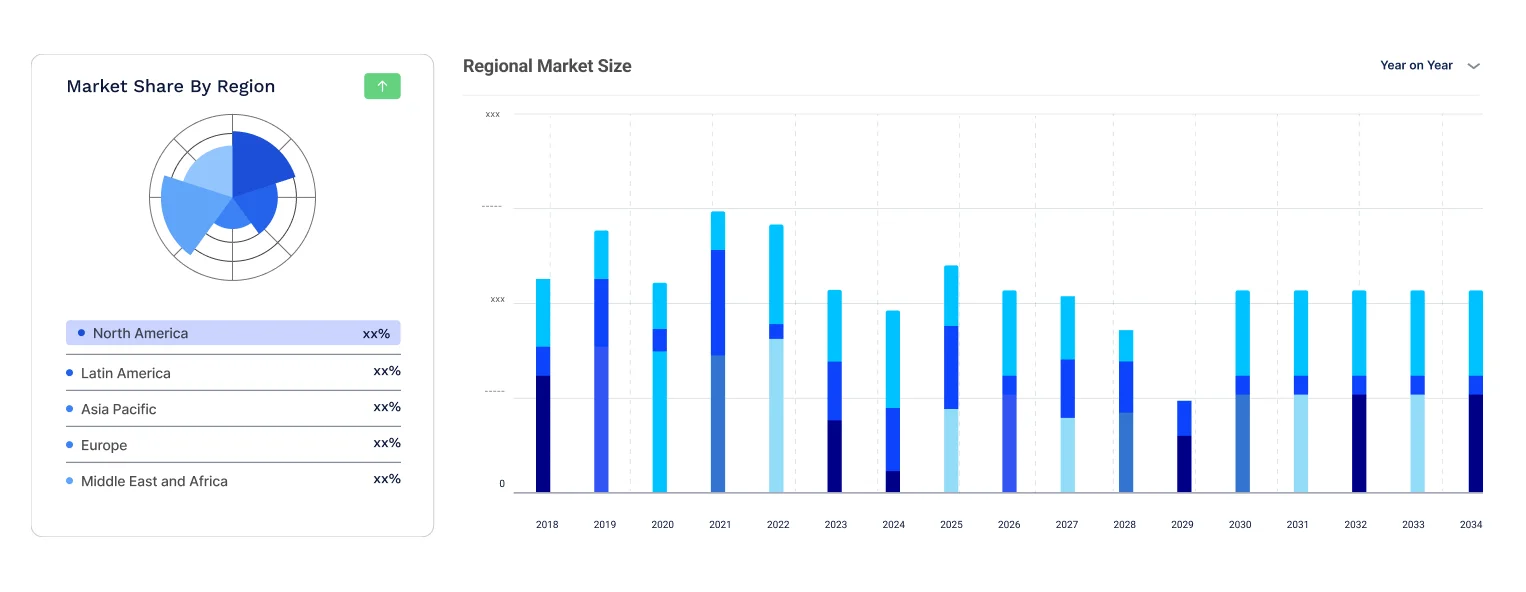
Market Breakup by Region
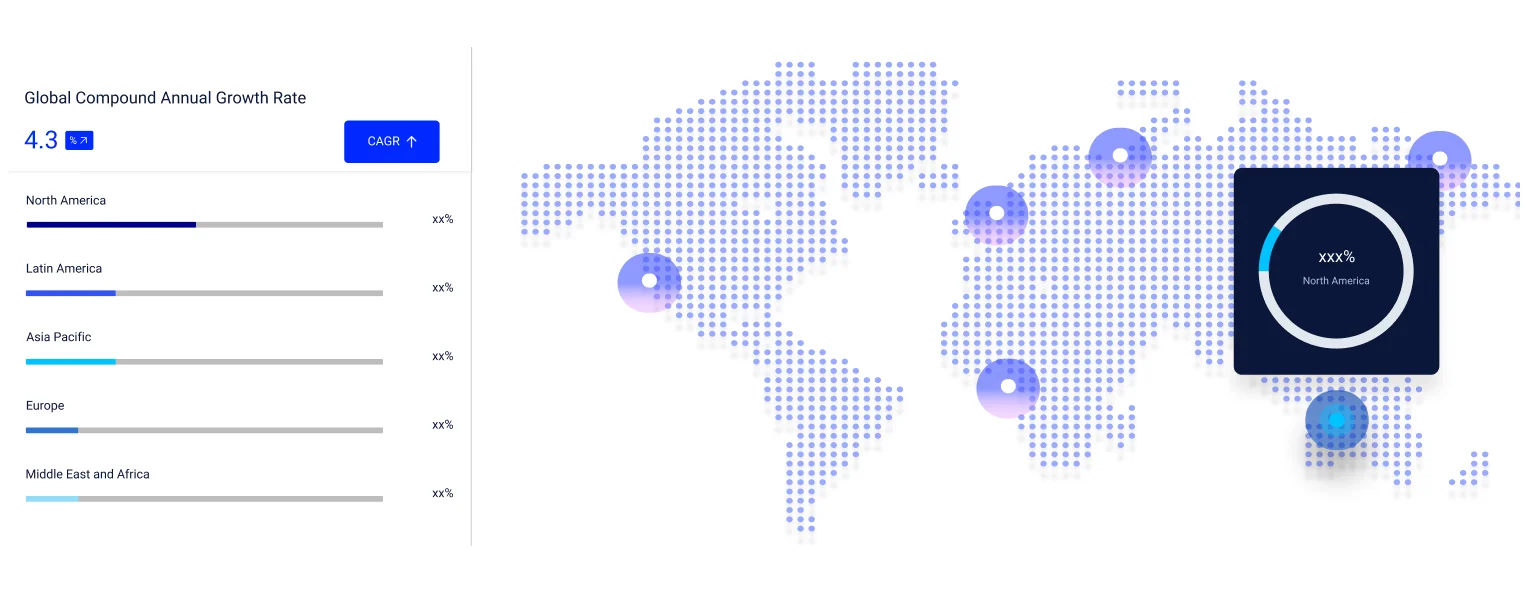
Key Insight: North America is driving the enterprise WLAN demand forecast due to advanced IT infrastructure, large-scale digital transformation, and high need for Wi-Fi 6/7 solutions. In July 2025, TELUS launched Wi-Fi 7 in Canada, offering speeds up to four times faster than Wi-Fi 6. The presence of key vendors like Cisco, Juniper, and Aruba fuels innovation. Enterprises in the United States and Canada prioritize security, cloud-managed WLANs, and AI-driven automation, particularly in BFSI, healthcare, and retail sectors.
Surging Demand for Enterprise WLAN Software & Services
The software segment includes network management, security, analytics, and AI-driven automation tools. These solutions optimize WLAN performance and enhance security against cyber threats. Platforms like Cisco DNA Center and Aruba Central provide cloud-based, AI-powered network orchestration, enabling zero-touch provisioning and predictive maintenance, significantly improving user experience.
The services segment of the enterprise WLAN industry covers professional services, such as network design, installation, monitoring, and managed services. Increasingly, enterprises outsource WLAN lifecycle management to providers to ensure expert handling, scalability, and 24/7 support. In April 2024, HPE Aruba launched enhanced Managed WLAN Services, focusing on outsourced lifecycle management for large enterprises and campuses. This helps in reducing internal IT burden and improving network reliability.
Growing Enterprise WLAN Presence in SMEs
SMEs focus on cost-effective, easy-to-manage WLAN solutions that balance performance and affordability. Cloud-managed WLAN offerings from vendors like EnGenius and Ubiquiti have gained popularity among SMEs for their simple deployment, subscription-based pricing, and remote management capabilities. In November 2024, EnGenius launched the ECW Lite series, comprising the ECW516L, ECW212L, and ECW210L access points for small businesses. The segment is further growing with increasing adoption Wi-Fi 6 APs to support growing device counts and enhance productivity without heavy upfront investments.
Thriving Enterprise WLAN Deployment in Retail & IT and Telecommunications Sectors
The retail segment is adding to the enterprise WLAN market revenue for enhancing customer experiences through mobile POS, inventory management, and in-store analytics. Wi-Fi 7-enabled APs support dense shopper environments, while cloud-managed WLAN platforms provide centralized control across multiple store locations. Leading chains deploy solutions form firms, like Extreme Networks to enable personalized marketing, seamless checkout, and real-time stock tracking.
IT and telecom enterprises require scalable WLAN infrastructure to support large workforces and data-intensive operations. They leverage AI-driven network management and high-throughput APs to ensure uninterrupted service delivery. Telecom operators also integrate AI WLAN to optimize network performance and automate troubleshooting across sprawling campuses. In November 2024, Telecom Italia announced plans to build a new data centre near Rome as part of its strategy to expand its cloud business with a EUR 130 million investment to enhance its existing cloud infrastructure across Italy.
Huge Enterprise WLAN Adoption in Europe & Asia Pacific
Europe shows strong enterprise WLAN industry growth driven by stringent data privacy regulations and investments in smart city and Industry 4.0 initiatives. Countries, such as Germany, the United Kingdom, and France focus on deploying energy-efficient WLAN infrastructure and integrating WLAN with 5G networks. European enterprises increasingly adopt cloud-based WLAN management for agility and compliance.
The Asia Pacific region experiences rapid market expansion due to rising digitalization, IoT adoption, and government initiatives in China, India, Japan, and Australia. Enterprises here prioritize scalable, cost-effective WLAN solutions supporting large populations and diverse applications, from manufacturing automation to smart retail. In December 2024, India’s Bharti Airtel signed a multi-billion-dollar deal with Ericsson to deploy centralized and Open-RAN-ready solutions and upgrade 4G/5G radios.
Key players in the enterprise WLAN market are adopting a range of strategic approaches to stay competitive and address the evolving needs of businesses. One of the foremost strategies is technological innovation. Companies continuously invest in research and development to integrate advanced features, such as Wi-Fi 6/6E/7, AI-driven network optimization, and enhanced performance capabilities. This ensures their solutions meet enterprise demands for faster speeds, lower latency, and higher reliability. Cloud platforms allow for centralized management, real-time analytics, and easier scalability, making them attractive for distributed enterprises.
Strategic partnerships and acquisitions are commonly used to expand market presence and accelerate innovation. By acquiring niche tech companies or forming alliances, market leaders can integrate new capabilities quickly and broaden their solution offerings. Security enhancement is letting players to embed features like Zero Trust Architecture, encryption, and threat detection to address growing cybersecurity threats. Additionally, players are creating industry-specific solutions, tailored for verticals, such as healthcare, education, and retail. This helps address unique regulatory and operational needs.
Founded in 1984 and headquartered in San Jose, the United States, Cisco is a global leader in networking solutions. It pioneered the development of internet routers and continues to innovate in enterprise networking, security, and collaboration technologies, driving digital transformation across industries worldwide.
Established in 1984 and based in Round Rock, the United States, Dell is renowned for its personal computers, servers, and IT infrastructure solutions. It has significantly advanced supply chain management and direct-to-consumer sales models, while expanding its portfolio into enterprise solutions, cloud computing, and data storage.
Founded in 1996 with headquarters in Sunnyvale, the United States, Juniper specializes in high-performance networking equipment and software. It is recognized for its innovation in scalable routers, security appliances, and AI-driven network automation, serving service providers and enterprises globally.
Founded in 1987 and headquartered in Shenzhen, China, Huawei is a leading telecommunications and ICT solutions provider. It has pioneered 5G technology, cloud infrastructure, and AI-powered networking, playing a key role in advancing global digital connectivity and smart city initiatives.
*Please note that this is only a partial list; the complete list of key players is available in the full report. Additionally, the list of key players can be customized to better suit your needs.*
Other players in the enterprise WLAN market are ZTE Corporation, among others.
Stay ahead in the rapidly evolving connectivity landscape—download your free sample of the Enterprise WLAN Market Report 2026 today! Explore key insights, forecasts, and competitive intelligence tailored for strategic decision-making. Discover the latest enterprise WLAN market trends 2026, innovations, and regional growth patterns driving enterprise networking transformation.
North America Enterprise WLAN Market
Europe Enterprise WLAN Market


Upto 15% Off
USD
$3999 $3599
$2499 $2249
$4999 $4249
$5999 $5099


*While we strive to always give you current and accurate information, the numbers depicted on the website are indicative and may differ from the actual numbers in the main report. At Expert Market Research, we aim to bring you the latest insights and trends in the market. Using our analyses and forecasts, stakeholders can understand the market dynamics, navigate challenges, and capitalize on opportunities to make data-driven strategic decisions.*
Get in touch with us for a customized solution tailored to your unique requirements and save upto 35%!
In 2025, the market reached an approximate value of USD 15.46 Billion.
The market is projected to grow at a CAGR of 24.60% between 2026 and 2035.
The market is estimated to witness healthy growth in the forecast period of 2026-2035 to reach about USD 139.44 Billion by 2035.
The key strategies driving the market include AI-driven automation, cloud-managed solutions, Wi-Fi 6/7 upgrades, strategic partnerships, scalability for IoT, and lifecycle outsourcing for seamless network performance and management.
The key trends propelling the market growth are the inclusion of advanced technologies like cloud-based services in enterprise WLAN, the rising adoption of the latest technologies in the healthcare sector, and the surging demand for high-quality bandwidth for uninterrupted connection to monitor real-time updates.
The major regional markets for enterprise WLAN are North America, Latin America, the Asia Pacific, Europe, and the Middle East and Africa.
The different components of enterprise WLAN are hardware, software, and services.
The various organisation sizes considered in the market report are large enterprises and small and medium enterprises.
The major end uses of enterprise WLAN are banking, financial services and insurance, healthcare, retail, and IT and telecommunications, among others.
The key players in the market report include Cisco Systems Inc., Dell Inc., Juniper Networks, Inc., Huawei Technologies Co., Ltd., and ZTE Corporation, among others.
Large enterprises dominate the market due to rising need for robust, scalable solutions to support thousands of users across multiple sites and complex environments.
Explore our key highlights of the report and gain a concise overview of key findings, trends, and actionable insights that will empower your strategic decisions.
| REPORT FEATURES | DETAILS |
| Base Year | 2025 |
| Historical Period | 2019-2025 |
| Forecast Period | 2026-2035 |
| Scope of the Report |
Historical and Forecast Trends, Industry Drivers and Constraints, Historical and Forecast Market Analysis by Segment:
|
| Breakup by Component |
|
| Breakup by Organisation Size |
|
| Breakup by End Use |
|
| Breakup by Region |
|
| Market Dynamics |
|
| Competitive Landscape |
|
| Companies Covered |
|
| Report Price and Purchase Option | Explore our purchase options that are best suited to your resources and industry needs. |
| Delivery Format | Delivered as an attached PDF and Excel through email, with an option of receiving an editable PPT, according to the purchase option. |
Single User License
One User
USD 3,999
USD 3,599
tax inclusive*
Datasheet
One User
USD 2,499
USD 2,249
tax inclusive*
Five User License
Five User
USD 4,999
USD 4,249
tax inclusive*
Corporate License
Unlimited Users
USD 5,999
USD 5,099
tax inclusive*
*Please note that the prices mentioned below are starting prices for each bundle type. Kindly contact our team for further details.*
Flash Bundle
Small Business Bundle
Growth Bundle
Enterprise Bundle
*Please note that the prices mentioned below are starting prices for each bundle type. Kindly contact our team for further details.*
Flash Bundle
Number of Reports: 3
20%
tax inclusive*
Small Business Bundle
Number of Reports: 5
25%
tax inclusive*
Growth Bundle
Number of Reports: 8
30%
tax inclusive*
Enterprise Bundle
Number of Reports: 10
35%
tax inclusive*
How To Order

Select License Type
Choose the right license for your needs and access rights.

Click on ‘Buy Now’
Add the report to your cart with one click and proceed to register.

Select Mode of Payment
Choose a payment option for a secure checkout. You will be redirected accordingly.
Gain insights to stay ahead and seize opportunities.

Get insights & trends for a competitive edge.

Track prices with detailed trend reports.

Analyse trade data for supply chain insights.

Leverage cost reports for smart savings

Enhance supply chain with partnerships.

Connect For More Information
Our expert team of analysts will offer full support and resolve any queries regarding the report, before and after the purchase.
Our expert team of analysts will offer full support and resolve any queries regarding the report, before and after the purchase.
We employ meticulous research methods, blending advanced analytics and expert insights to deliver accurate, actionable industry intelligence, staying ahead of competitors.
Our skilled analysts offer unparalleled competitive advantage with detailed insights on current and emerging markets, ensuring your strategic edge.
We offer an in-depth yet simplified presentation of industry insights and analysis to meet your specific requirements effectively.





Share