

Consumer Insights
Uncover trends and behaviors shaping consumer choices today
Procurement Insights
Optimize your sourcing strategy with key market data
Industry Stats
Stay ahead with the latest trends and market analysis.

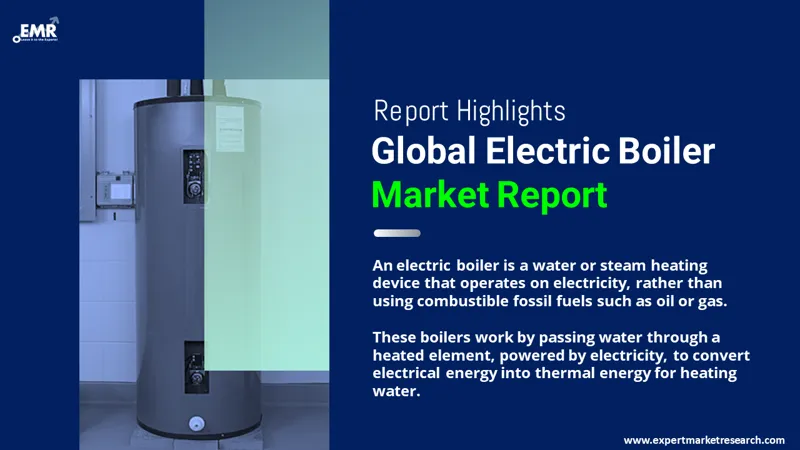
The global electric boiler market attained a value of USD 10.55 Billion in 2025 and is projected to expand at a CAGR of 9.40% through 2035. The market is further expected to achieve USD 25.91 Billion by 2035. Growth is also fueled by rising demand for low-noise, low-maintenance steam systems across hospitals, chemical plants, and food processors where fewer mechanical components decrease downtime and staffing requirements.
A defining development in the market surfaced in February 2025, when Bosch Industriekessel GmbH unveiled its E-LSB industrial electric steam boiler series featuring electrode conductivity modulation and predictive load management for variable renewable grids. This series eases energy contract penalties for users who operate in multiple shifts. Industrial buyers are now treating electric boilers as grid-interactive assets rather than simply emission-free heating equipment, propelling the electric boiler market trends. The move also reflects a deeper focus on carbon reporting pressure, where electric steam generation aligns better with Scope 1 reduction targets.
The market is also gathering traction across heavy manufacturing, district heating, textiles, and pharmaceuticals sectors. Operators want equipment that avoids combustion risks and passes ESG audits without complex permitting. For example, Babcock Wanson offers LV-Pack low-voltage industrial electric boiler, with steam outputs from 600 kg/h to 8400 kg/h and a design pressure of up to 18 barg. At the same time, grid operators and utilities are encouraging electrification of heat loads to absorb nighttime renewable oversupply, which indirectly favors high-capacity electric boilers, accelerating the electric boiler market value. Companies are responding with smart sequencing controls, integrated storage tanks, and modular skid systems that allow stepwise electrification without downtime.
Base Year
Historical Period
Forecast Period
Compound Annual Growth Rate
9.4%
Value in USD Billion
2026-2035
*this image is indicative*
Governments across the world are directing their focus on heat electrification as part of their climate strategies. The shift toward electric boilers supports the decarbonization of industrial and building heating sectors, helping reduce CO₂ emissions significantly. In regions such as Europe, tightening building-energy and emissions rules make electric boilers more attractive than gas or oil-fired boilers. For example, AERCO offers Benchmark E, a powerful zero-emissions commercial electric boiler that delivers the superior reliability and energy savings, broadening the electric boiler market scope. As companies and utilities aim for cleaner energy footprints, they are deploying electric systems that offer a viable low-emission route, making electric boilers a key asset for heavy-industry, commercial buildings, and district heating transitions.
Electric boilers are being increasingly used to absorb variable renewable power such as wind and solar, when supply exceeds demand. High-voltage boilers and similar systems provide rapid load adaptability that helps stabilize the grid during renewable oversupply periods. In November 2025, Oekoboiler Swiss AG advanced sustainable hot water solutions through enhanced integration capabilities with photovoltaic systems across Switzerland. This flexibility appeals to utilities and industrial customers. Companies installing boilers can capitalize on cheaper off-peak electricity or surplus renewable energy generation, catering to the demand in the electric boiler market. This synergy between power supply and heat demand is drawing interest from large-scale industrial users, district heating operators, and energy service providers looking to optimize both costs and emissions.
Compared to traditional combustion boilers, electric boilers have fewer moving parts, no fuel supply lines, and no combustion emissions. This translates into lower maintenance burden, reduced downtime, and simpler compliance with environmental regulations. For industrial facilities and commercial properties, that means more predictable operating costs, easier permitting, and fewer environmental hazards, accelerating the electric boiler market value. In July 2025, Rheem added to its portfolio of boilers with the unveiling of its highly anticipated FT Series. In sectors such as food processing, textiles or institutional heating, where downtime or pollution risk is costly or sensitive, these advantages make electric boilers increasingly attractive.
As fuel prices fluctuate and often increase, operating costs for oil or gas boilers rise significantly. Electric boilers offer a hedge against volatile fuel prices, especially in regions with stable electricity tariffs or subsidies for clean energy. For example, Fischer's Eco Electric boiler, launched in June 2024, features self-modulating technology which can automatically reduce power by up to 50%. Moreover, as utilities and governments incentivize electrification, total lifecycle cost for electric boilers becomes more favorable, driving the electric boiler market revenue. This cost dynamic attracts large-scale building owners, industrial plants, and district heating operators who need predictable heating costs over long-term planning horizons.
Manufacturers are adding smart controls, IoT-enabled monitoring, demand-response capabilities and modular designs that allow scaling as demand in the electric boiler market grows rapidly. This trend fits well with Industry 4.0 efforts in factories, data centers, and commercial campuses. Buyers now demand data-backed energy management, remote maintenance, load scheduling, and automated fault diagnostics. In September 2025, Baxi launched the Amptec S, a state-of-the-art electric system boiler to provide an energy-efficient alternative heating. Electric boilers have become part of a broader digital energy infrastructure, making them more than standalone equipment. This capability aligns with corporate sustainability reporting, facility management dashboards, and energy-cost optimization strategies.
Read more about this report - REQUEST FREE SAMPLE COPY IN PDF
The EMR’s report titled “Global Electric Boiler Market Report and Forecast 2026-2035” offers a detailed analysis of the market based on the following segments:
Market Breakup by Product
Key Insight: Across all the products considered in the electric boiler market report, buyers usually decide between electric steam and hot water boilers based on the temperature levels and continuity their processes need. Steam units dominate heavier industry and district networks that already run pressurized loops and want a low friction route into electrification. Hot water versions gain ground in buildings and campus style sites where comfort heat and domestic hot water are key priorities.
Market Breakup by Category
Key Insight: Category choice often reflects how far along an organization is on its digital and decarbonization journey. The traditional electric boiler market is growing as these suit buyers that mainly want to remove flues, simplify compliance and reduce local emissions without changing daily routines to a great extent. Smart units fit customers who already track energy in dashboards and want their heat plant to behave like any other controllable asset.
Market Breakup by End-Use
Key Insight: End use patterns differ depending on how heat is produced and governed inside each site. Industrial users lean on electric boilers to decarbonize steam, support process reliability and satisfy investor pressure on emissions. Commercial buildings focus on comfort heat and domestic hot water, using electric units to clean up central plants without replacing the whole HVAC system. Residential adoption increases in areas where smaller electric boilers and favorable tariff structures make direct-resistance heating practical, especially in multifamily housing projects.
Market Breakup by Distribution Channel
Key Insight: Distribution models in the electric boiler market blend traditional relationships with newer digital tools. Offline channels stay crucial where projects are complex, safety critical and integrated into wider mechanical packages. Contractors rely on local representatives for technical interpretation and on wholesalers for credit and emergency support. Online channels, by contrast, are growing their shares with smaller or repeatable orders where specification is already clear. They suit installers who prioritize speed, transparency and self-service.
Market Breakup by Region
Key Insight: Regional momentum in the electric boiler market largely reflects the speed of grid decarbonization and the severity of local air-quality regulations. Europe remains the frontrunner, supported by mature policy frameworks and infrastructure that enable deep electrification. North America is progressing more selectively, with strong uptake concentrated in progressive states and industrial hubs. Asia Pacific blends rapid urban growth with large-scale industrial investment, creating space for modern electric systems in both buildings and manufacturing. Latin America and the Middle East & Africa are still in early adoption phases, yet projects located near renewable clusters, ports, and industrial parks are beginning to surface.
Read more about this report - REQUEST FREE SAMPLE COPY IN PDF
By product, electric steam boilers dominate the market, replacing fossil units in industrial heat
Electric steam boilers hold the dominant share of the market because they line up with industrial decarbonization plans and process steam requirements that cannot tolerate long downtime. Large food plants, chemical sites and district heating operators already run high pressure networks, so swapping combustion boilers for electric units is more prioritized than redesigning whole systems. In June 2025, Alfa Laval launched fuel-flexible marine boiler solutions that can be delivered as electric hybrid or hybrid-ready boilers. Vendors focus on high-capacity electrode designs, fast response and integration with energy management software.
Hot water electric boilers are observing fast growth in the electric boiler market as building owners and campus managers look for clean replacements for aging gas and oil systems. These boilers fit neatly into low temperature hydronic loops already serving radiators, fan coils and underfloor heating. Manufacturers add modular skids, weather compensation controls and connectivity with building management platforms, so that upgrades can run one zone at a time instead of full shutdowns.
By category, traditional electric boilers account for the biggest share of the market due to proven designs and prices
Traditional electric boilers continue to hold the largest installation base because they mirror the layout and controls that maintenance teams already understand. These units use familiar resistance elements, straightforward contactor panels and simple thermostatic or pressure controls. That makes them easy to slot into retrofit projects where the main goal is eliminating combustion equipment without rewriting every operating procedure, thereby stimulating the electric boiler market expansion.
Smart electric boilers are the fastest growing category as buyers look for equipment that fits broader digital energy strategies. These models ship with integrated metering, remote diagnostics, and interfaces for building management systems or industrial control platforms. In June 2024, Electric Heating manufacturer Fischer Future Heat announced the launch of a brand called Eco Electric Boiler. The Eco Electric Boiler is Fischer's latest offering in their range of electric heating products, featuring self-modulation technology, wireless control and zero emissions at the point of use.
Industrial end use dominates the market as factories electrify high pressure steam
Industrial end use secures the dominant share of the electric boiler market revenue because heavy plants operate organized steam and hot water networks where combustion phaseout has become a board level concern. Refineries, chemical sites, food processors and pharmaceutical plants see electric units as a practical route to cut Scope 1 emissions. These facilities value precise temperature control, quick turndown and the absence of onsite fuel handling.
Commercial buildings represent the fastest growing end use for electric boilers as owners and operators compete to meet tightening building energy and emissions codes. Office towers, hotels, hospitals and universities all run central plant rooms that can swap combustion boilers for electric units with less disruption than full HVAC redesigns. Facility managers prefer the low noise, absence of flues and reduced safety checks around fuel storage.
By distribution channel, offline channels secure a substantial share of the market as contractors source boilers through installer networks
Offline distribution continues to dominate the electric boiler market as most projects are tied to mechanical contractors, EPCs and local installers who prefer dealing with wholesalers and manufacturer reps. These intermediaries help with sizing, code interpretation and integration with existing plant equipment, which reduces risk for both sides. For larger schemes, specification engineers and consultants include named products into tender documents, so procurement naturally flows through established channels.
Online channels are the fastest growing route boosting the electric boiler demand, especially in the small commercial and residential sectors. Manufacturers and large distributors now run e-commerce portals where installers can check stock, configure kits and place orders outside traditional office hours. Price transparency and quick comparison tools help smaller contractors and facility teams benchmark options without lengthy back and forth. Some platforms combine product selection with simple load calculators and documentation libraries, reducing time spent on datasheets.
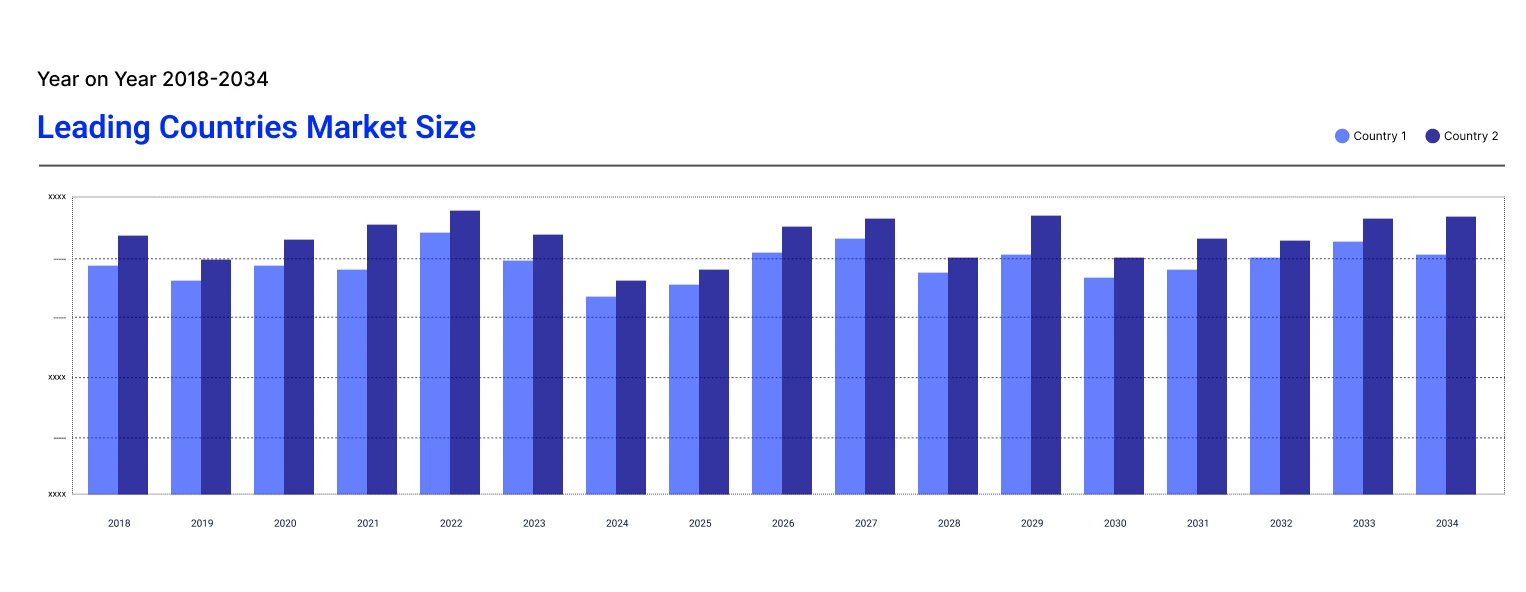
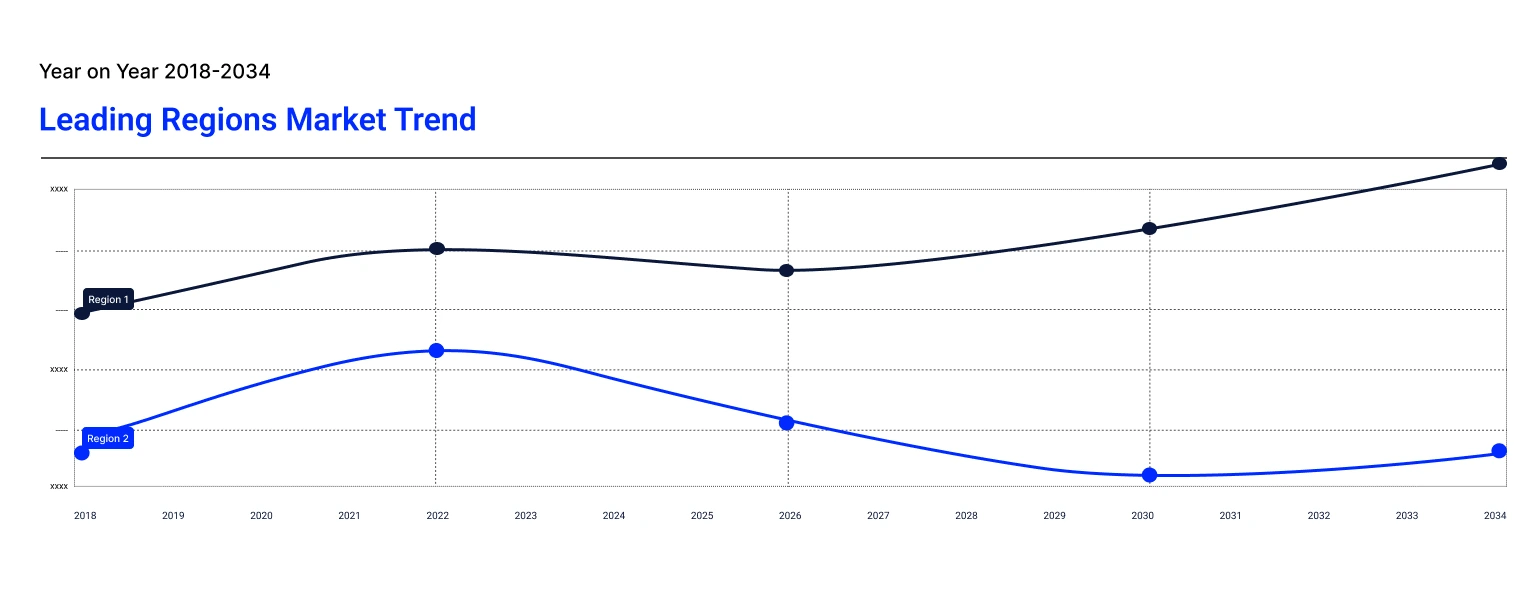
Europe secures the leading position of the market driven by strict building emissions rules and subsidies
Europe holds the largest share of the electric boiler market because policy pressure and energy price signals are strongly nudging both building owners and industrial users toward electrified heating. Tightened emissions limits for combustion in dense urban areas, plus carbon pricing schemes, make electric heat a practical compliance route. District heating operators in countries like Denmark, Germany and the Netherlands increasingly deploy large electrode boilers to soak up surplus wind and solar while keeping heat flowing.
Asia Pacific is the fastest growing regional electric boiler market as governments and corporates address air quality, energy security and industrial modernization at the same time. Many cities struggle with pollution from small combustion boilers in dense areas, which pushes regulators toward electrification schemes. New industrial parks, data centers and high-rise campuses often design electric heating capacity from the start, especially when they can link it to local renewable projects.
Competition in the global industry is intensifying as manufacturers pivot from basic resistance heating toward grid-interactive, automation-rich systems that fit ESG goals and flexible energy pricing. Electric boiler market players are focusing on electrification, decarbonization, and easier compliance. The strongest opportunities lie in modular systems that let commercial buildings and factories electrify heat in phases without ripping out existing infrastructure.
Other clear opportunities for electric boiler companies lie in remote diagnostics, predictive heating, and tariff-aware controls. Installers and EPC partners expect shorter commissioning times, transparent ROI conversations, and global service footprints. There is also room for suppliers who can help customers participate in clean-heat incentives while reducing demand-charge exposure. Industrial buyers are especially drawn to products that combine uptime guarantees with a carbon-reporting interface.
Nibe Energy Systems Limited, founded in 2006 and based in the United Kingdom, supplies electric boilers as part of its wider renewable heating portfolio, including heat pumps and hybrid plant solutions. The company focuses on smart load-balancing boilers that sync with building management systems and rooftop solar, helping commercial clients cut consumption during expensive peak hours.
Elnur UK Ltd, established in 1973 and headquartered in the United Kingdom, is known for electric boilers designed for modern low-temperature hydronic systems. Its catalog includes digitally controlled smart boilers that pair with room-by-room zoning systems and tariff automation. Elnur positions itself well in retrofit markets, especially where gas or oil removal deadlines apply.
Precision Boilers, LLC, founded in 1946 and headquartered in Tennessee, United States, specializes in industrial and commercial electric steam and hot water boilers. The business focuses on skid-mounted, custom-engineered systems with PLC-based controls for factories, universities and district energy operators.
Reimers Electra Steam, Inc., founded in 1908 and headquartered in Clear Brook, Virginia, United States, manufactures small to medium-capacity electric steam boilers widely used in healthcare, food processing, laboratories, and packaging. The firm focuses on compact electric boilers with fast warm-up and stainless-steel pressure vessels for clean-steam environments.
*Please note that this is only a partial list; the complete list of key players is available in the full report. Additionally, the list of key players can be customized to better suit your needs.*
Other key players in the market include Thermo 2000 Inc, Acme Engineering Products Ltd., ACV UK Ltd, Babcock Wanson Ltd, Robert Bosch GmbH, and Cerney S.A., among others.
Unlock the latest insights with our electric boiler market trends 2026 report. Discover regional growth patterns, consumer preferences, and key industry players. Stay ahead of competition with trusted data and expert analysis. Download your free sample report today and drive informed decisions in the market.


Upto 15% Off
USD
$2499 $2249
$3999 $3599
$4999 $4249
$5999 $5099


*While we strive to always give you current and accurate information, the numbers depicted on the website are indicative and may differ from the actual numbers in the main report. At Expert Market Research, we aim to bring you the latest insights and trends in the market. Using our analyses and forecasts, stakeholders can understand the market dynamics, navigate challenges, and capitalize on opportunities to make data-driven strategic decisions.*
Get in touch with us for a customized solution tailored to your unique requirements and save upto 35%!
In 2025, the market reached an approximate value of USD 10.55 Billion.
The market is projected to grow at a CAGR of 9.40% between 2026 and 2035.
The market is estimated to witness a healthy growth in the forecast period of 2026-2035 to reach USD 25.91 Billion by 2035.
Stakeholders are investing in modular boiler banks, integrating demand-response controls, building installer training hubs, offering financing with performance guarantees, and targeting carbon-focused commercial and industrial portfolios for predictable repeat adoption.
The rising adoption of energy-efficient heating systems and surging costs of fossil fuels are the key trends propelling the growth of the market.
The major regions in the market are North America, Europe, the Asia Pacific, Latin America, and the Middle East and Africa.
The primary products of electric boilers in the market are hot water boiler and electric steam boiler.
The key players in the market include Nibe Energy Systems Limited, Elnur UK Ltd, Precision Boilers, LLC, Reimers Electra Steam, Inc., Thermo 2000 Inc, Acme Engineering Products Ltd., ACV UK Ltd, Babcock Wanson Ltd, Robert Bosch GmbH, and Cerney S.A., among others.
High upfront electrification costs, grid-capacity constraints, demand-charge penalties, lack of skilled installers and long approval timelines slow adoption even when users are motivated to eliminate combustion from plant rooms.
Explore our key highlights of the report and gain a concise overview of key findings, trends, and actionable insights that will empower your strategic decisions.
| REPORT FEATURES | DETAILS |
| Base Year | 2025 |
| Historical Period | 2019-2025 |
| Forecast Period | 2026-2035 |
| Scope of the Report |
Historical and Forecast Trends, Industry Drivers and Constraints, Historical and Forecast Market Analysis by Segment:
|
| Breakup by Product |
|
| Breakup by Category |
|
| Breakup by End-Use |
|
| Breakup by Distribution Channel |
|
| Breakup by Region |
|
| Market Dynamics |
|
| Competitive Landscape |
|
| Companies Covered |
|
Datasheet
One User
USD 2,499
USD 2,249
tax inclusive*
Single User License
One User
USD 3,999
USD 3,599
tax inclusive*
Five User License
Five User
USD 4,999
USD 4,249
tax inclusive*
Corporate License
Unlimited Users
USD 5,999
USD 5,099
tax inclusive*
*Please note that the prices mentioned below are starting prices for each bundle type. Kindly contact our team for further details.*
Flash Bundle
Small Business Bundle
Growth Bundle
Enterprise Bundle
*Please note that the prices mentioned below are starting prices for each bundle type. Kindly contact our team for further details.*
Flash Bundle
Number of Reports: 3
20%
tax inclusive*
Small Business Bundle
Number of Reports: 5
25%
tax inclusive*
Growth Bundle
Number of Reports: 8
30%
tax inclusive*
Enterprise Bundle
Number of Reports: 10
35%
tax inclusive*
How To Order

Select License Type
Choose the right license for your needs and access rights.

Click on ‘Buy Now’
Add the report to your cart with one click and proceed to register.

Select Mode of Payment
Choose a payment option for a secure checkout. You will be redirected accordingly.
Gain insights to stay ahead and seize opportunities.

Get insights & trends for a competitive edge.

Track prices with detailed trend reports.

Analyse trade data for supply chain insights.

Leverage cost reports for smart savings

Enhance supply chain with partnerships.

Connect For More Information
Our expert team of analysts will offer full support and resolve any queries regarding the report, before and after the purchase.
Our expert team of analysts will offer full support and resolve any queries regarding the report, before and after the purchase.
We employ meticulous research methods, blending advanced analytics and expert insights to deliver accurate, actionable industry intelligence, staying ahead of competitors.
Our skilled analysts offer unparalleled competitive advantage with detailed insights on current and emerging markets, ensuring your strategic edge.
We offer an in-depth yet simplified presentation of industry insights and analysis to meet your specific requirements effectively.





Share