

Consumer Insights
Uncover trends and behaviors shaping consumer choices today
Procurement Insights
Optimize your sourcing strategy with key market data
Industry Stats
Stay ahead with the latest trends and market analysis.

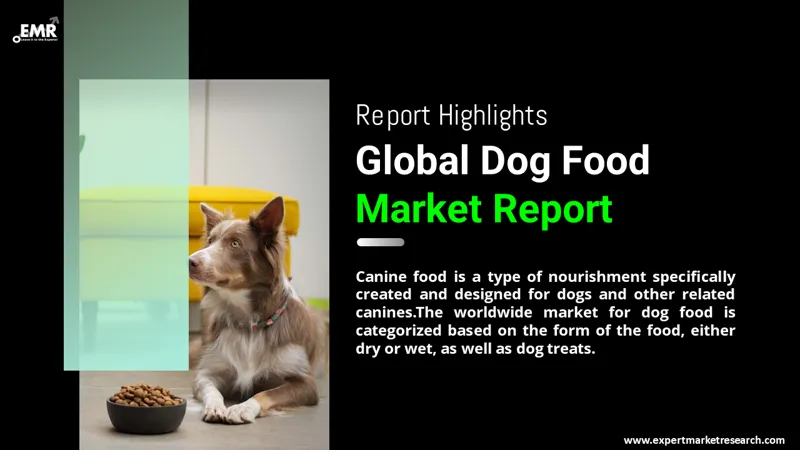
The global dog food market size was USD 65.56 Billion in 2025. Rise in pet adoption among Gen Z and millennial households, who actively seek ethically sourced and nutrient-rich products, is influencing demand for sustainable dog food across online and offline retail channels. As a result, the market is expected to grow at a CAGR of 3.90% during the forecast period of 2026-2035 to reach a value of USD 96.12 Billion by 2035.
Market growth is driven by a rising trend of pet humanisation and a shift towards clean-label, functional foods for dogs. According to the American Pet Products Association, the United States consumers spent over USD 65.8 billion on pet food and treats in 2024, reflecting a strong consumer inclination towards pet wellness. This trend is mirrored globally, with pet ownership rising in Asia-Pacific and Latin America, owing to growing middle-class populations and urban lifestyles.
Several governments are also rolling out regulatory frameworks that favour pet food safety and quality, boosting the dog food market development. For instance, the European Union’s Regulation (EC) No 767/2009 on the marketing and use of feed ensures consistent labelling and transparency across member states. Meanwhile, China's Ministry of Agriculture and Rural Affairs (MARA) has strengthened guidelines for animal food safety, indirectly supporting premium product development in the region.
In addition, the surge in demand for personalised nutrition for dogs has redefined the global dog food market dynamics. Brands are leveraging AI-driven platforms to offer breed-specific, age-based, and condition-focused meals, with players like Nom Nom and Ollie taking the charge. Dog food, which was once a shelf-based commodity, is now a subscription-first, direct-to-consumer (DTC) industry with immense B2B potential. Suppliers, logistics partners, and packaging firms are exploring new touchpoints in this evolving ecosystem.
Base Year
Historical Period
Forecast Period
Advancements in nutrition science and technology are driving innovation in dog food which includes the development of diet formulas.
Functional ingredients, such as probiotics, omega-3 fatty acids, and joint health supplements are becoming common in dog food formulations.
The Saudi Arabia market is growing due to the expanding veterinary network and increasing awareness regarding dog nutrition.
Compound Annual Growth Rate
3.9%
Value in USD Billion
2026-2035
*this image is indicative*
Personalised dog food is an emerging trend in the dog food market. Emerging brands use pet data including DNA tests, activity levels, and allergies to formulate meals. Tailored diets are gaining B2B traction, with companies like Just Right by Purina working directly with vet clinics. Additionally, digital platforms like Barkly or Dogly are helping brands gather behavioural data for better product formulations. This level of customisation aligns well with the wellness trend across pet care, creating lucrative verticals for ingredient suppliers, packaging providers, and formulators alike.
Consumers, especially millennial pet owners, demand full transparency. This trend has triggered a shift toward clean-label food products, free from artificial additives, GMOs, and synthetic preservatives, boosting the demand in the dog food market. Regulatory encouragement like United States FDA’s updated labelling guidelines for pet foods in 2024, is prompting brands to develop treats with natural ingredients. Additionally, players are now incorporating QR-coded traceability on packaging, allowing buyers to track the origin of ingredients.
With sustainability being a top priority, insect-based dog food is gaining momentum in the dog food industry. Companies like Yora and Protix are scaling up production of dog foods using black soldier fly larvae. These products are protein-rich, low-carbon alternatives to conventional meat sources. The European Food Safety Authority (EFSA) has already approved insect protein in pet food. This trend offers opportunities for B2B players in alternative protein technology, scalable farming systems, and sustainable feedstock logistics.
Omnichannel strategies are being increasingly adopted by brands. Subscription models with AI-powered delivery cycles, driven by data analytics, are rising. E-commerce platforms like Chewy and Amazon have accelerated the dog food market revenue. However, they face disruption from niche DTC brands using predictive algorithms to automate refills. This trend opens up technology integration opportunities for logistics partners and SaaS platforms to support seamless, intelligent delivery systems.
The market is currently overlapping with veterinary nutrition and observes a rising demand for functional dog foods that help with obesity, joint issues, and anxiety. Brands like Hill’s Prescription Diet and Royal Canin are working closely with veterinary clinics to co-develop therapeutic lines. For B2B suppliers, this particular trend calls for innovation in bioactive compounds, pharma-grade formulation technology, and R&D collaborations with vet clinics.
Read more about this report - REQUEST FREE SAMPLE COPY IN PDF
The EMR’s report titled “Global Dog Food Market Report and Forecast 2026-2035” offers a detailed analysis of the market based on the following segments:
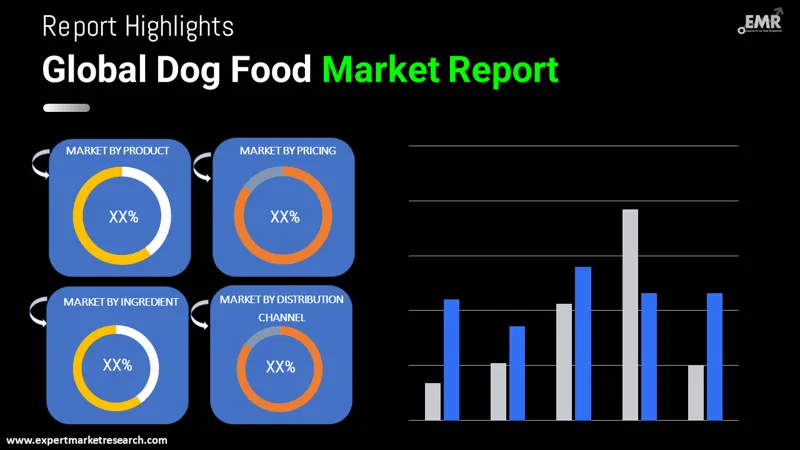
Market Breakup by Product
Key Insight: Dry dog food dominates the industry due to stability and affordability, while dog treats are growing rapidly, offering a gateway into health supplements. Wet dog food caters to senior dogs needing hydration or easy digestion. Product innovation, ingredient transparency, and functional health benefits drive all the product categories. As consumer awareness expands, even conventional products are being reformulated for niche health outcomes. Brands are expected to diversify SKUs while maintaining clear labelling and sustainability concerns.
Market Breakup by Pricing
Key Insight: Mass-market products largely contribute to the dog food market value in terms of volume, while premium ones are rapidly emerging. The former banks on affordability and mass appeal, while the latter depends on differentiation and loyalty. Key motivators across both the pricing categories include transparency, customisation, and enhanced distribution networks.
Market Breakup by Ingredient
Key Insight: Animal-based ingredients significantly accelerate the dog food consumption owing to their taste and performance, while plant-derived inputs are carving their niche in functional, clean-label, and specialty diets. Mixed formulations are becoming more popular, especially for dogs with sensitivities. As sustainability and allergen concerns grow, ingredient transparency becomes central to consumer trust, pushing B2B suppliers to innovate on both nutritional and sourcing fronts.
Market Breakup by Distribution Channel
Key Insight: Supermarkets & hypermarkets dominate the market due to trust, convenience, and bulk availability. Specialty stores offer tailored advice and premium brand assortments, attracting pet owners seeking expert recommendations. Online platforms are rapidly scaling due to tech-savvy pet parents and convenience shopping, becoming the go-to for DTC brands and stabilising the dog food demand forecast. Other channels, like veterinary clinics serve as niche but high-conversion outlets.
Market Breakup by Region
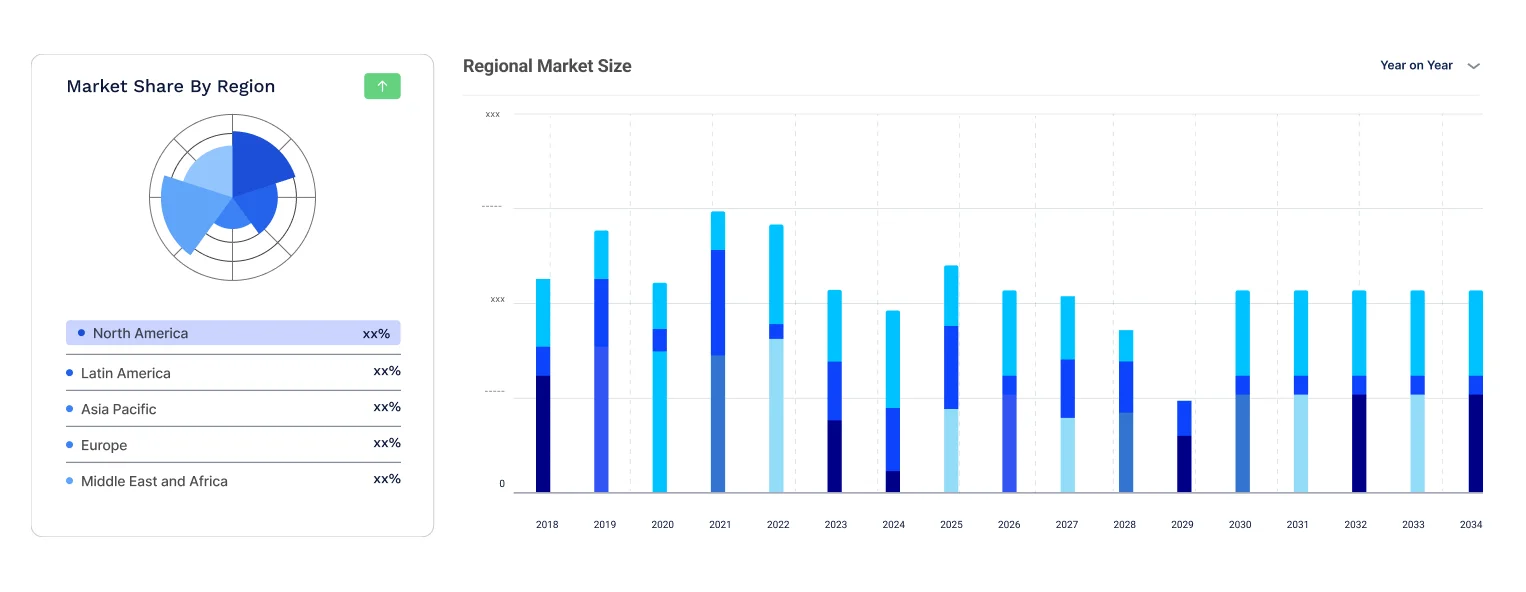
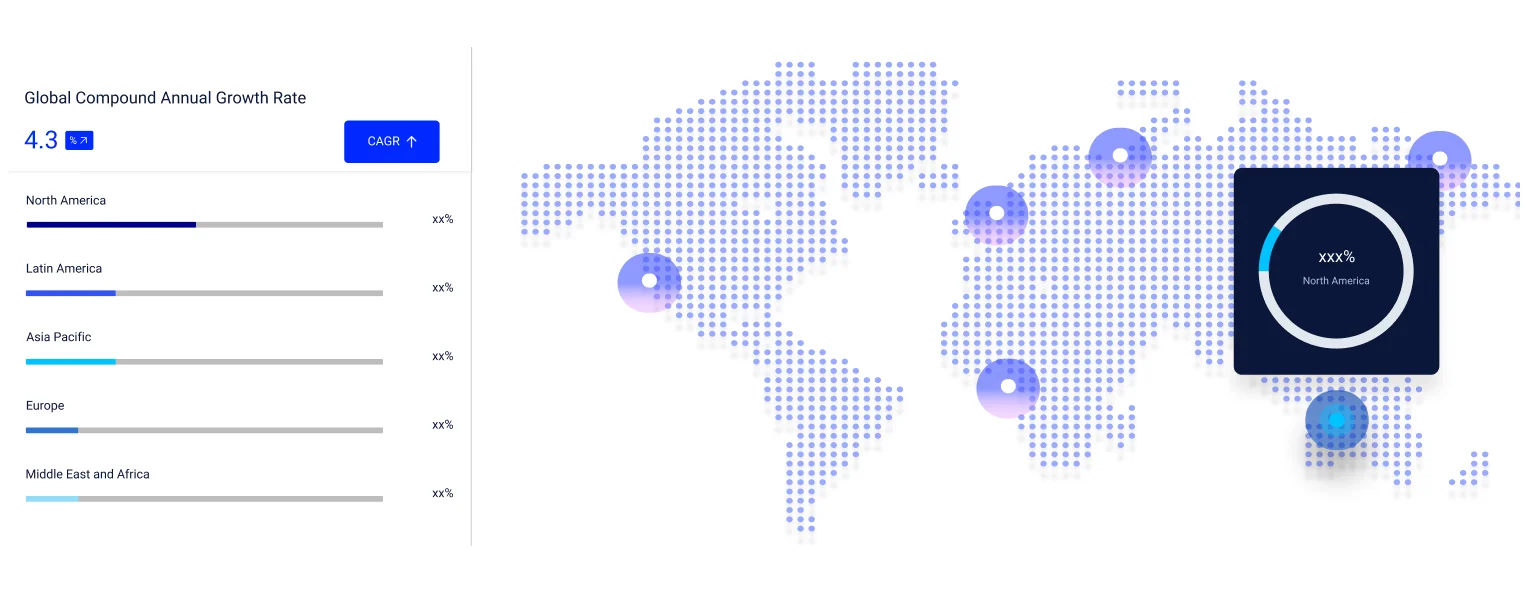
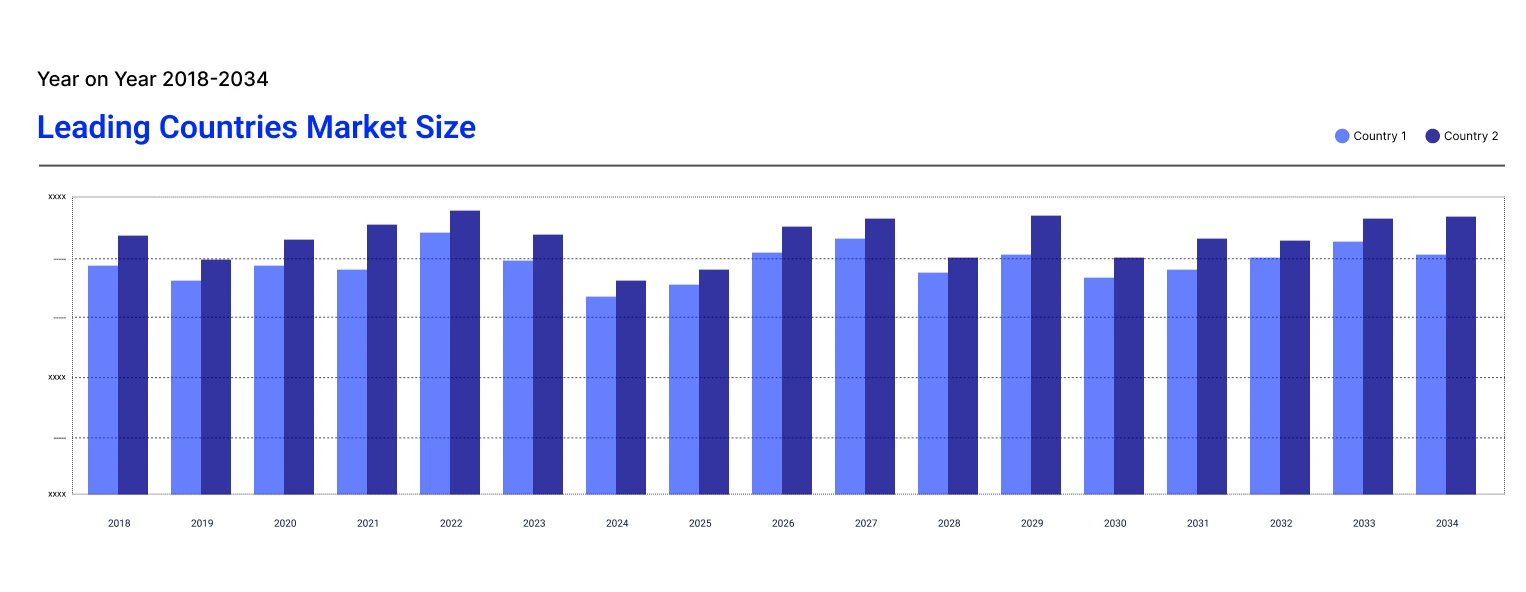
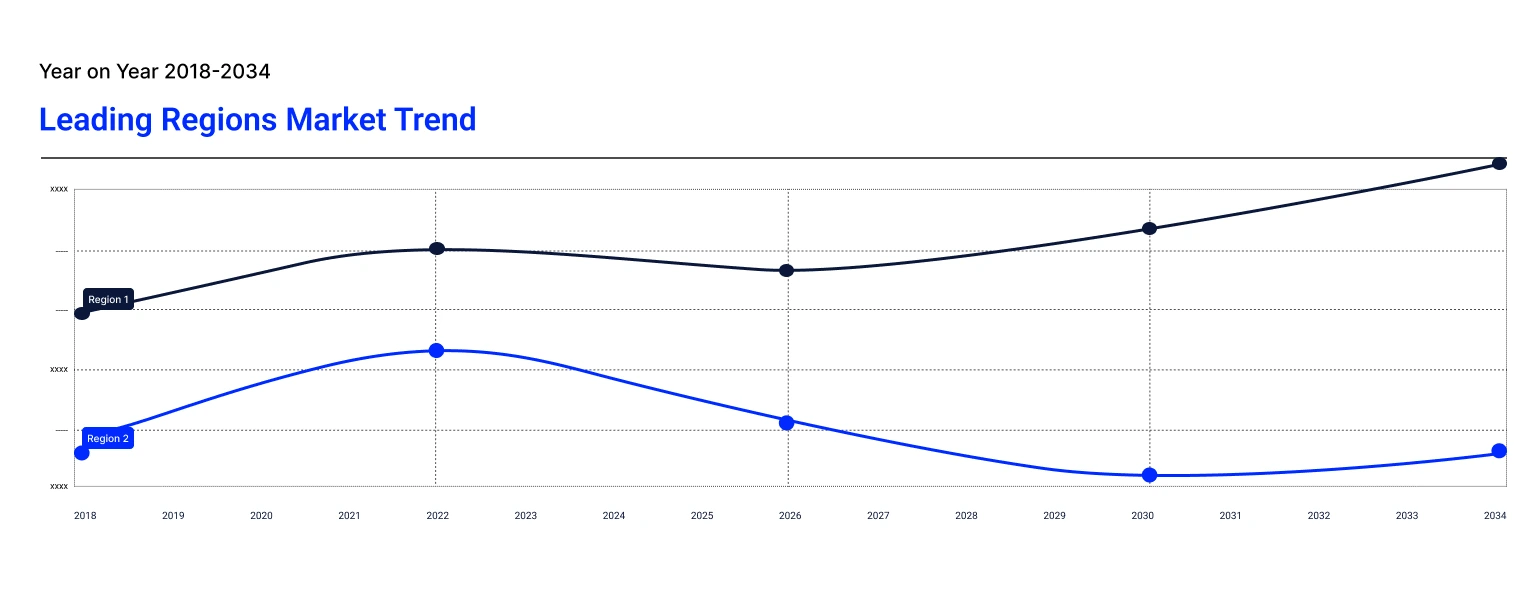
Key Insight: North America holds dominance in the global industry via innovation, infrastructure, and regulation. Asia-Pacific region is thriving with volume growth and a premiumisation trend. The European market remains consistent, especially with its sustainability-driven food laws. Latin America and the Middle East are emerging as niche but high-margin territories. These markets are often underserved, which indicates growth opportunities for local brands. Globally, regulatory alignment, cross-border e-commerce, and rising pet care consciousness are the key focus areas drawing new B2B collaborations across regions.
Read more about this report - REQUEST FREE SAMPLE COPY IN PDF
By Product, Dry Dog Food Accounts for the Dominant Share of the Market
Dry dog food, commonly known as kibble, occupies a substantial share of the market due to its long shelf life, ease of storage, and cost-efficiency. Its popularity spans both mass and premium tiers. Innovations like cold-pressed kibble and freeze-dried formats are bringing a gourmet angle to this category. Brands are also using pressure-cooking to retain nutritional value. For B2B players, this opens new opportunities for offering processing equipment and preservative-free additive development. Moreover, retailers prefer dry formats for higher turnover and lower spoilage risk, making it an appealing product for both traditional and online sales ecosystems, propelling the scope for dog food market expansion.
The dog treats product category is rapidly traction in the market, owing to its role in training, bonding, and health supplement delivery. Functional treats infused with CBD, probiotics, or omega-3 are in high demand. Meanwhile, private label expansion in pet specialty chains is accelerating.
By Pricing, Mass Products Clock in the Larger Share of the Market
Mass-market dog foods capture the largest share of the market revenue, particularly through emerging markets as they are price-competitive and accessible. Their affordability coupled with widespread availability in supermarkets keeps the overall demand stable. Government initiatives like India's FSSAI, are focusing on nutritional adequacy standards even in budget offerings, ensuring quality is not compromised. Multinational players are offering affordable lines without artificial additives to meet evolving buyer expectations.
The premium price range observes stable dog food demand growth. Grain-free, single-protein, and organic options dominate this space. In 2024, a report from Pet Food Institute highlighted that over 41% of United States pet parents purchased premium dog food. These products often require novel ingredients like quinoa, venison, or superfoods. This price category draws investments in product R&D, artisanal production units, and sustainable packaging systems, offering B2B growth avenues.
By Ingredient, the Animal Derived Segment Secures the Larger Share of the Market
Animal-derived ingredients continue to add value to the global market, powered by their high bioavailability and palatability. Ingredients like chicken, lamb, and salmon offer complete protein profiles, essential for active and aging dogs. Global meat processing companies are forming exclusive supply partnerships with pet food firms to ensure quality consistency. USDA’s certification standards for meat sourcing in pet food provide a framework that ensures food safety.
As per the dog food market report, plant-derived ingredients are picking up pace, particularly in hypoallergenic dog foods. Pulses, sweet potatoes, flaxseeds, and algae are now being used to develop nutrient-dense, easily digestible formulas. Companies like Wild Earth are pioneering yeast- and koji-based protein alternatives. In 2023, the European Commission approved pea and broad beans protein for canine consumption. Companies can, hence, find growth opportunities in plant-based protein extraction, emulsion technology, and scaling fermentation processes tailored for companion animal nutrition.
By Distribution Channel, Supermarkets and Hypermarkets Maintain their Dominance
The dominance of supermarkets and hypermarkets is powered by their convenience of one-stop shopping, where consumers can purchase their groceries, household items, and pet food in a single visit. This convenience appeals to busy shoppers who prefer to minimise the time and effort spent shopping by consolidating their purchases. Strategic tie-ups between pet food brands and large retail chains like Walmart, Tesco, and Carrefour allow brands to ensure visibility, promotions, and in-store sampling. Innovations like RFID-enabled inventory and pet food kiosks enhance the consumer experience. Additionally, these retail outlets often introduce private-label dog food lines, boosting competition and expanding choices for budget-conscious and mid-tier buyers.
The online channel is anticipated to gain rapid growth in the dog food market during the forecast period. E-commerce platforms provide access to a broader range of dog food products than might be available in local stores, including specialty and premium brands, imported products, and niche dietary options and this variety ensures that pet owners can find the exact products that meet their dogs' specific nutritional needs and preferences. Platforms like Chewy, Amazon, and Zooplus are redefining convenience by offering subscription models, personalised recommendations, and same-day delivery.
By Region, North America Holds the Leading Position in the Industry
The North American market accounts for the largest revenue share. The United States, in particular, shows high dog food demand across all price tiers, driven by pet humanisation and advanced retail ecosystems. The 2024 Pet Food Manufacturing Association survey reported that 94 million United States households owned at least one pet, with a majority spending on premium, functional, or fresh food products. Regulatory support from the FDA’s Center for Veterinary Medicine further ensures innovation and safety.
Asia Pacific witnesses rapid dog food market expansion due to rising disposable incomes, urbanisation, and changing cultural perceptions of pets. Countries like China, India, and South Korea are showing explosive growth in premium and mid-tier dog food products. Pet ownership in China reached 121.5 million in 2023, according to Daxue Consulting. Additionally, Japan and Australia contribute significantly through demand for functional and organic dog foods. Local manufacturers are increasingly partnering with Western brands to meet quality expectations.
Dog food market players like Mars Petcare, Nestlé Purina, Hill’s Pet Nutrition (Colgate-Palmolive), and Diamond Pet Foods continue to dominate shelf space and veterinary partnerships. These conglomerates invest heavily in R&D and own multiple brands across the pricing spectrum. Meanwhile, startups like The Farmer’s Dog, Spot & Tango, and Sundays are leveraging DTC models with AI-driven personalisation. They often collaborate with tech firms, veterinarians, and logistics providers to build integrated ecosystems. Moreover, several FMCG companies are entering the market through strategic acquisitions or co-manufacturing deals.
Private label dog food companies are growing in specialty chains like Petco and PetSmart, offering affordable yet ingredient-conscious options. Fresh-frozen dog food, insect-based protein integration, AI-powered custom diets, DTC subscription growth, and biotech-driven plant-based recipes are some of the key trends driving the market. Players are also largely focusing on ingredient sourcing, processing innovation, and sustainable packaging.
Nestlé S.A., established in 1866 and headquartered in Vevey, Switzerland, produces a diverse range of products including baby food, bottled water, cereals, chocolate & confectionery, coffee, dairy products, drinks, health science products, ice cream, and pet products.
Mars, Incorporated, founded in 1911 in Virginia, United States, offers Pedigree, Royal Canin, and Cesar. The firm integrates digital health, personalised meal kits, and DNA-based nutrition into its portfolio, along with strong B2B veterinary and retail partnerships.
Founded in 1970, Schell & Kampeter, Inc. operates as Diamond Pet Foods. The company serves mid-tier and premium buyers through independent retailers, leveraging co-manufacturing alliances and new production facilities to meet United States and Latin America’s growing demand.
Based in Massachusetts, United States, and established in 1926, Wellness Pet Company, Inc. offers holistic recipes under Wellness and Old Mother Hubbard brands. The company emphasises functional nutrition, freeze-dried treats, and carbon-neutral production across B2B specialty and export markets.
*Please note that this is only a partial list; the complete list of key players is available in the full report. Additionally, the list of key players can be customized to better suit your needs.*
Other key players in the market are Colgate-Palmolive Company, General Mills, Inc., Champion Petfoods USA Inc., RUSSO MANGIMI SP, H&H Group, Open Farm Inc., Annamaet Pet Foods Inc., Pets Global Inc., Primal Pet Group, Inc., Stella & Chewy’s, LLC, Fromm Family Foods, LLC, Affinity Petcare S.A, Canidae, LLC, Petfood Saladillo S.A., and PremieRpet, among others.
Explore the latest trends shaping the global dog food market 2026-2035 with our in-depth report. Gain strategic insights, future forecasts, and key market developments that can help you stay competitive. Download a free sample report or contact our team for customized consultation on dog food market trends 2026.
United States Dog Food Market
North America Pet Food Market
Latin America Pet Food Market
Saudi Arabia Pet Food Market
South Korea Pet Food Market
Asia Pacific Pet Food Market
Vietnam Pet Food Market
Canada Pet Food Market
Mexico Dog Food Market


Upto 15% Off
USD
$2499 $2249
$3999 $3599
$4999 $4249
$5999 $5099


*While we strive to always give you current and accurate information, the numbers depicted on the website are indicative and may differ from the actual numbers in the main report. At Expert Market Research, we aim to bring you the latest insights and trends in the market. Using our analyses and forecasts, stakeholders can understand the market dynamics, navigate challenges, and capitalize on opportunities to make data-driven strategic decisions.*
Get in touch with us for a customized solution tailored to your unique requirements and save upto 35%!
In 2025, the dog food market reached an approximate value of USD 65.56 Billion.
The market is projected to grow at a CAGR of 3.90% between 2026 and 2035.
The market is likely to reach a value of about USD 96.12 Billion by 2035.
Key strategies driving the market include focusing on sustainable ingredients, expanding DTC and e-commerce channels, investing in AI personalisation, forming regional logistics partnerships, and adopting flexible packaging formats.
The growing consumer perception of natural and organic pet food products has pushed producers to change their emphasis from conventional to natural foods, which was one of the major trends influencing the global dog food market growth.
The major regions in the market are North America, Europe, the Asia Pacific, Latin America, and the Middle East and Africa, with North America leading the market.
The major products in the market are dry dog food, wet dog food, and dog treats.
The pricings in the market are mass products and premium products.
The major ingredients for dog food are animal derived and plant derived.
The leading distribution channels in the market include supermarkets and hypermarkets, speciality stores, and online, among others.
The major players in the market are Nestlé S.A., Mars, Incorporated, Schell & Kampeter, Inc., Wellness Pet Company, Inc., Colgate-Palmolive Company, General Mills, Inc., Champion Petfoods USA Inc., RUSSO MANGIMI SP, H&H Group, Open Farm Inc., Annamaet Pet Foods Inc., Pets Global Inc., Primal Pet Group, Inc., Stella & Chewy’s, LLC, Fromm Family Foods, LLC, Affinity Petcare S.A, Canidae, LLC, Petfood Saladillo S.A., and PremieRpet, among others.
The key challenges are volatile raw material costs, strict labelling regulations, fragmented distribution in emerging markets, and limited cold-chain infrastructure.
Explore our key highlights of the report and gain a concise overview of key findings, trends, and actionable insights that will empower your strategic decisions.
| REPORT FEATURES | DETAILS |
| Base Year | 2025 |
| Historical Period | 2019-2025 |
| Forecast Period | 2026-2035 |
| Scope of the Report |
Historical and Forecast Trends, Industry Drivers and Constraints, Historical and Forecast Market Analysis by Segment:
|
| Breakup by Product |
|
| Breakup by Pricing |
|
| Breakup by Ingredient |
|
| Breakup by Distribution Channel |
|
| Breakup by Region |
|
| Market Dynamics |
|
| Competitive Landscape |
|
| Companies Covered |
|
| Report Price and Purchase Option | Explore our purchase options that are best suited to your resources and industry needs. |
| Delivery Format | Delivered as an attached PDF and Excel through email, with an option of receiving an editable PPT, according to the purchase option. |
Datasheet
One User
USD 2,499
USD 2,249
tax inclusive*
Single User License
One User
USD 3,999
USD 3,599
tax inclusive*
Five User License
Five User
USD 4,999
USD 4,249
tax inclusive*
Corporate License
Unlimited Users
USD 5,999
USD 5,099
tax inclusive*
*Please note that the prices mentioned below are starting prices for each bundle type. Kindly contact our team for further details.*
Flash Bundle
Small Business Bundle
Growth Bundle
Enterprise Bundle
*Please note that the prices mentioned below are starting prices for each bundle type. Kindly contact our team for further details.*
Flash Bundle
Number of Reports: 3
20%
tax inclusive*
Small Business Bundle
Number of Reports: 5
25%
tax inclusive*
Growth Bundle
Number of Reports: 8
30%
tax inclusive*
Enterprise Bundle
Number of Reports: 10
35%
tax inclusive*
How To Order

Select License Type
Choose the right license for your needs and access rights.

Click on ‘Buy Now’
Add the report to your cart with one click and proceed to register.

Select Mode of Payment
Choose a payment option for a secure checkout. You will be redirected accordingly.
Gain insights to stay ahead and seize opportunities.

Get insights & trends for a competitive edge.

Track prices with detailed trend reports.

Analyse trade data for supply chain insights.

Leverage cost reports for smart savings

Enhance supply chain with partnerships.

Connect For More Information
Our expert team of analysts will offer full support and resolve any queries regarding the report, before and after the purchase.
Our expert team of analysts will offer full support and resolve any queries regarding the report, before and after the purchase.
We employ meticulous research methods, blending advanced analytics and expert insights to deliver accurate, actionable industry intelligence, staying ahead of competitors.
Our skilled analysts offer unparalleled competitive advantage with detailed insights on current and emerging markets, ensuring your strategic edge.
We offer an in-depth yet simplified presentation of industry insights and analysis to meet your specific requirements effectively.





Share