

Consumer Insights
Uncover trends and behaviors shaping consumer choices today
Procurement Insights
Optimize your sourcing strategy with key market data
Industry Stats
Stay ahead with the latest trends and market analysis.

The Middle East and Africa dairy market size was valued at USD 23.17 Billion in 2025. The industry is expected to grow at a CAGR of 5.50% during the forecast period of 2026-2035 to reach a valuation of USD 39.58 Billion by 2035.
The Middle East and Africa dairy market holds increasing significance as regional populations grow and consumer preferences shift toward nutritious and value-added products. Rising urbanisation, improved cold chain infrastructure, and government initiatives promoting food security are expanding dairy consumption across both developing and affluent economies in the region. Countries like Saudi Arabia, the UAE, Egypt, and South Africa are investing in domestic production and advanced processing to reduce reliance on imports. For instance, in March 2024 , Saudi Arabia's Almarai planned to invest over USD 4.8 billion by 2028 to enhance supply chain capabilities and food security, aligning with the nation's Vision 2030 economic diversification agenda.
The Middle East and Africa dairy market is experiencing significant growth, driven by increasing demand for diverse and health-conscious dairy products. Global dairy producers are expanding their presence in the region to capitalize on this potential. Qatar's Baladna Food Industries reported a record revenue of USD 316 million in 2024 and is focusing on high-protein dairy products, including a major partnership in Algeria aimed at creating the world's largest dairy farm.
Local players in the Middle East and Africa dairy market are also innovating to meet diverse consumer tastes and dietary needs. In Saudi Arabia, the Public Investment Fund launched Sawani, a camel dairy company, to tap into the niche market of camel milk products. The rise of plant-based alternatives is notable, with companies like IFFCO introducing THRYVE, the GCC’s first fully plant-based meat brand, and Starbucks adding vegan options to its menu in the UAE and Kuwait.
Base Year
Historical Period
Forecast Period
Countries in the MEA are attempting to enhance self-sufficiency in dairy production to reliance the reliance on imports and meet the growing food demands of the rising population levels. In 2023, reportedly, the number of dairy cows at specialised agricultural cow farms in Saudi Arabia reached 234,000, and these cows produced 2.8 billion litres of milk. With increasing dairy production, key players are expected to bolster their investments in farming infrastructure, technologies, and sustainable practices to maintain high-quality output and drive innovations.
In East Africa, Kenya has emerged as a crucial production hub due to its well-established dairy farming tradition, favourable agricultural conditions, and advancements in farming processes and supply chain management. In 2023, Kenya produced nearly 5.76 billion litres of milk. This increase in milk production is enabling Kenya to enhance its supply of raw milk and expand its capacity for value-added dairy products such as yoghurt and cheese.
Key players in the Middle East and Africa dairy market are expanding their production capabilities to ensure consistent availability of dairy products and stabilise their supply in the region. For instance, in October 2023, Nutridor inaugurated its state-of-the-art dairy production facility in Dubai Industrial City to meet the growing demand for dairy products in the Middle East.
Compound Annual Growth Rate
5.5%
Value in USD Billion
2026-2035
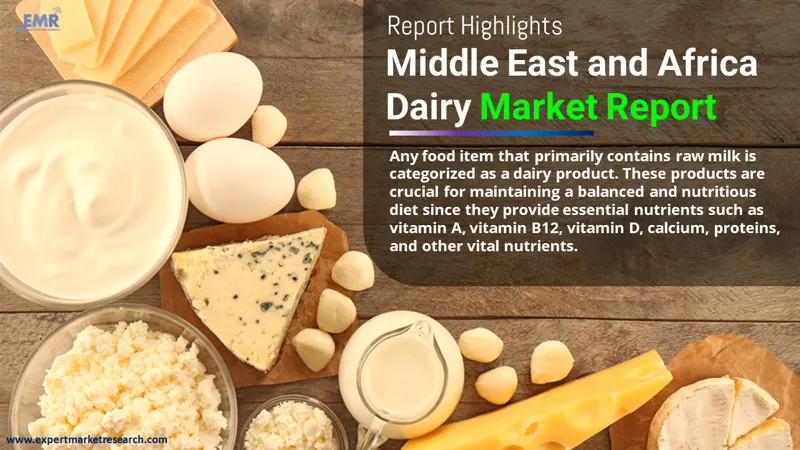
*this image is indicative*
Read more about this report - REQUEST FREE SAMPLE COPY IN PDF
The growing trend of health and wellness is surging the demand for probiotic-rich dairy products, including fermented dairy drinks and yoghurts, that offer benefits such as improved immunity and digestion and better overall health. Moreover, the increasing customer focus on reducing calorie intake and sugar consumption is surging the demand for dairy products with low/no fat and sugar. Brands in the Middle East and Africa dairy market are responding by expanding their product lines to include these healthier alternatives, aligning with the global movement towards better nutrition and wellness. The convergence of these trends underscores a broader transformation in the MEA dairy market, emphasising the importance of health and wellness in consumer choices.
The large Muslim population in the Middle East and Africa is boosting the demand for halal-certified dairy products, including yoghurt, milk, cheese, and ice cream, among others, that adhere to Islamic dietary laws. Dairy manufacturers are also investing in dedicated supply chains or facilities that follow halal guidelines, including sourcing halal-certified feed for livestock and ensuring halal slaughtering practices, supporting the growth of the Middle East and Africa dairy market. In Nigeria, in September 2024, for instance, Danone’s subsidiary, Fan Milk, inaugurated a new ambient dairy production line in Ibadan to produce FanYogo drinking yoghurt, aiming to cater to the increasing demand for dairy products in the region.
The rising emphasis on sustainability and growing environmental consciousness are shaping the Middle East and Africa dairy market landscape. Dairy farmers are increasingly adopting water-efficient farming practices, utilising sustainable feed sources, adopting recyclable and biodegradable packaging solutions, and implementing renewable energy sources and sustainable waste management practices to enhance the sustainability of dairy farming. In June 2024 , Tetra Pak announced that the Department of Agriculture and Livestock (DAL) of the Government of Sharjah, through its commercial division Ektifa, will implement the most recent developments in Tetra Pak's sustainable packaging at its Meliha Dairy Factory, the first farm in the United Arab Emirates to incorporate authentic organic production methods.
The increasing deployment of automated milking systems (AMS), farm management software, and sensors to improve the efficiency of dairy farming is boosting the Middle East and Africa dairy market expansion. In East Africa, smart milking systems have been implemented to reduce manual labour, allowing cows to be milked multiple times daily, thereby increasing milk yields by up to 15%. These systems also improve animal welfare by enabling cows to be milked according to their natural rhythms, reducing stress and enhancing overall health. Besides, advancements in technologies such as artificial insemination and genomic selection aimed at driving milk yield, support herd health, and increasing the profitability of dairy farmers are expected to shape the Middle East and Africa dairy market trends and dynamics in the forecast period.
Read more about this report - REQUEST FREE SAMPLE COPY IN PDF
The Expert Market Research’s report titled “Middle East and Africa Dairy Market Report and Forecast 2026-2035” offers a detailed analysis of the market based on the following segments:
Breakup by Product
Key Insight: As per the Middle East and Africa dairy market report, fluid/UHT/flavoured milk segment remains a staple across MEA, with UHT milk favored for its extended shelf life in regions with limited refrigeration. Flavored variants, especially chocolate and strawberry, are gaining popularity among younger demographics. As customers become more concerned with eating a balanced diet and improving their overall health, flavoured milk, which contains key minerals like calcium, protein, and vitamins, is increasingly viewed as a healthier option to sugary soft beverages.
Market Breakup by Structure
Key Insight: As per the Middle East and Africa dairy market analysis, private enterprises dominate in regions like the UAE and Saudi Arabia, where significant investments in technology and infrastructure enhance production efficiency and product diversification. Furthermore, the UAE's commitment to economic diversification and regulatory reforms supports private sector development, fostering a conducive environment for technological integration in the dairy sector.
Market Breakup by Region
Key Insight: Saudi Arabia is the largest producer in the Middle East and Africa due to a large consumption of dairy products in the country. The Saudi Arabia dairy market is driven by a rising health awareness among women. It is also the largest importer of US dairy products in the area as the local companies mostly produce fresh and chilled products like milk and yoghurt. In 2024, the country's fresh milk production is projected to reach 2.9 million tonnes , underscoring its commitment to self-sufficiency in dairy products.
Rising Demand for Cream and Whey Protein in MEA’s Evolving Food Landscape
Cream consumption is experiencing a notable rise in the Middle East and Africa dairy market, driven by the burgeoning bakery and confectionery sectors, particularly in urban centers. This trend is fueled by the increasing demand for premium and indulgent products, as consumers seek high-quality ingredients for pastries, cakes, and desserts. The influence of Western food culture has introduced new product offerings and flavors, further stimulating the demand for cream-based products.
With the rise of fitness and wellness trends, whey protein (powder and concentrate) is increasingly incorporated into health supplements and functional foods. Nigeria's growing health awareness and interest in fitness have contributed to the market's expansion, with both domestic and international whey protein supplement firms establishing a presence in the country.
Cooperative Models Empowering Small-Scale Dairy Farmers in South Africa
In countries like South Africa, cooperative models support small-scale farmers by providing access to markets and shared resources, fostering community development, thus impacting the Middle East and Africa dairy market. These cooperatives enable farmers to pool resources, share knowledge, and collectively negotiate better prices, which is particularly beneficial in a sector where individual smallholders often face challenges in market access and competitiveness. For instance, in the Eastern Cape province, agricultural cooperatives have been effective in empowering smallholder farmers to participate in sustainable agri-food chains, contributing positively to their livelihoods.
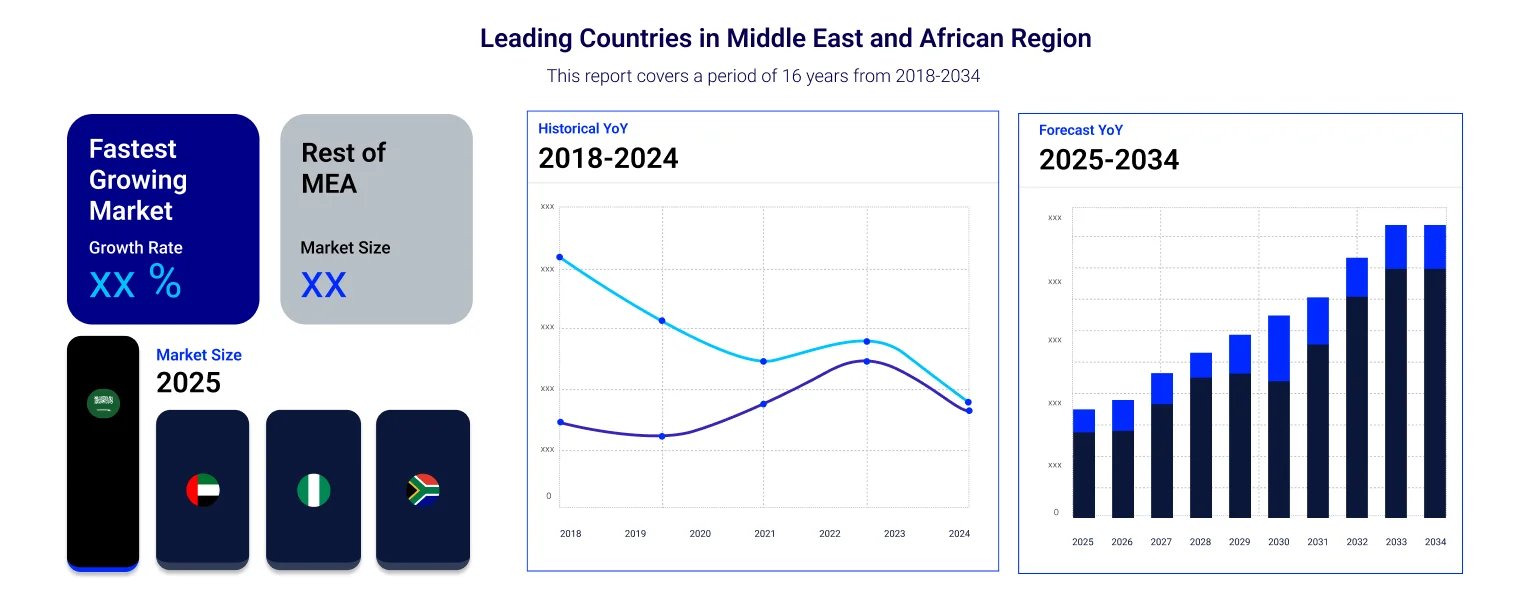
UAE and South Africa are the Leading Dairy Markets in MEA
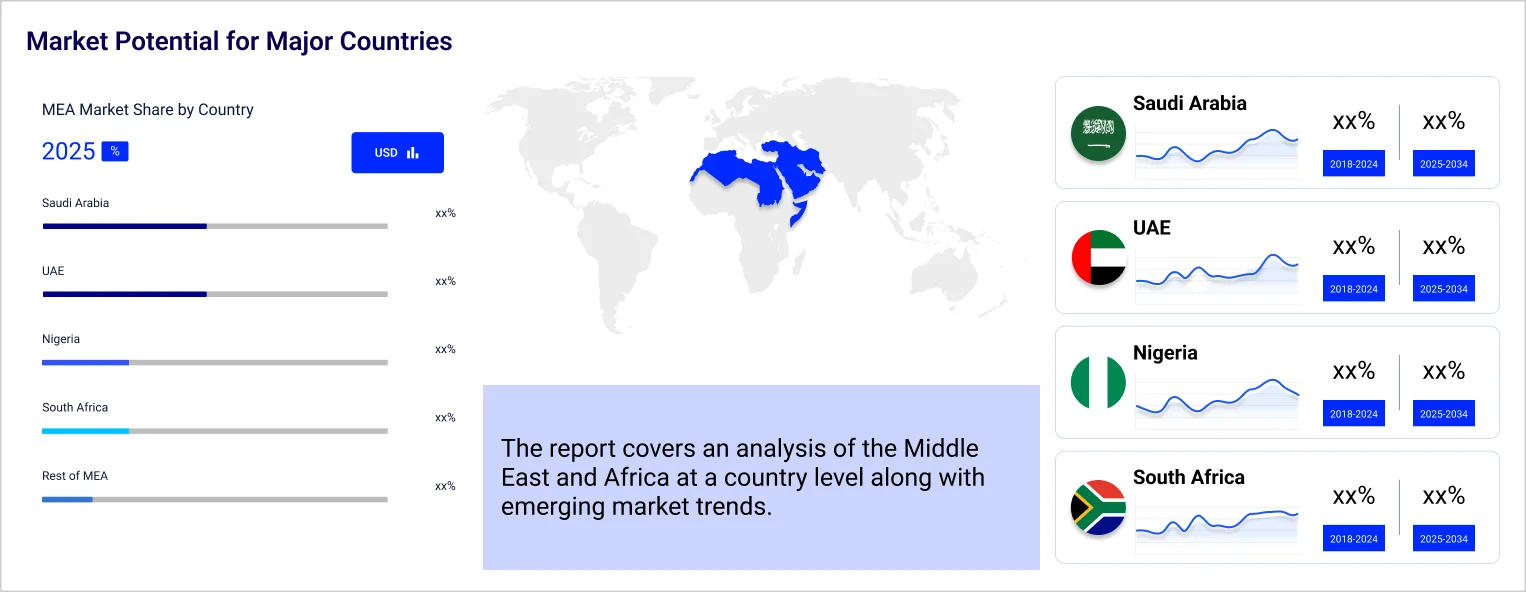
The UAE's dairy market is characterised by innovation, with a focus on health-oriented products and sustainability. The country's strategic location also facilitates dairy exports to neighboring regions. For instance, Al Rawabi Dairy Company has launched products like Protein Plus Milk and Immuno Boost, targeting consumers seeking nutritional benefits. Additionally, the Middle East and Africa dairy market is witnessing a rise in plant-based and lactose-free alternatives, aligning with global dietary trends and catering to diverse consumer preferences.
South Africa's dairy sector is well-established, with a focus on both domestic supply and exports. The industry supports a significant portion of the agricultural workforce and contributes to the national economy. South Africa was a net exporter of dairy products in 2023, the first time since 2014. The country primarily exports to the Southern African Development Community region, with Botswana accounting for 98% of total dairy product exports in 2024.
Key players in the Middle East and Africa dairy market are strengthening their regional presence through localized production facilities and partnerships with distributors to improve supply chain efficiency. They are focusing on enhancing product portfolios with value-added and health-oriented dairy offerings, including lactose-free, fortified, and low-fat variants. Investments are also being directed toward modernizing processing technologies to meet evolving consumer demands and international quality standards. In response to increasing demand for halal and culturally aligned products, leading dairy companies are prioritising compliance with religious and regional dietary requirements. They are also expanding their retail reach through e-commerce platforms and urban retail chains to cater to rising urban populations. Sustainability initiatives, including water-efficient processing and eco-friendly packaging, are gaining attention as companies work to align with environmental goals and secure long-term consumer trust.
Almarai Company, founded in 1977 and headquartered in Riyadh, Saudi Arabia, is one of the world’s largest vertically integrated dairy companies. It is also the largest food and beverage manufacturer and distributor in MENA. Some of its renowned brands are Farm’s Select, 7DAYS, Almarai, Nura, Almarai Refresh, and Premier Chef, among others. In 2023, the company reported net income of SAR 2.049 billion.
Arla Foods amba, founded in 1881 and headquartered in Sønderhøj, Denmark, is a cooperative that is owned by 7,999 dairy farmers in Sweden, Denmark, the UK, Luxembourg, the Netherlands, Belgium, and Germany. Its prominent brands such as Lurpak®, Puck®, Arla®, and Castello® are sold in over 120 countries. In 2023, the company generated revenue of EUR 13.7 billion.
Lactalis Group, established in 1933 and headquartered in Laval, France, is a prominent dairy company. With a presence in around 100 countries, the company 80 000 collaborators and 250 production sites. In 2022, the company generated revenue of EUR 28.3 billion.
Clover Industries Limited, established in 1898 and headquartered in Johannesburg, South Africa, is a leading food and beverage company. Some of its prominent brands include Nutrikids, Clover SnackPack, Numel, Clover Krush, Nolac, and Manhattan Ice Tea, among others. It has an extensive presence in the African continent.
*Please note that this is only a partial list; the complete list of key players is available in the full report. Additionally, the list of key players can be customized to better suit your needs.*
Other key players in the Middle East and A are Nestlé S.A., Fonterra Co-operative Group Limited, and Danone S.A., among others.
Discover the latest Middle East and Africa dairy market trends 2025 with our detailed report. Stay informed on consumer shifts, production developments, and regional growth opportunities. Download a free sample report today or connect with our team to schedule a consultation. Make data-driven decisions and explore new business possibilities in the dynamic MEA dairy sector.
Asia Pacific Dairy Market
Saudi Arabia Dairy Products Market
United States Dairy Packaging Market
Oman Dairy Market
Dairy Processing Equipment Market
United States Dairy Market
North America Dairy Market
Europe Dairy Market
Latin America Dairy Market
Uttar Pradesh Dairy Market


Upto 15% Off
USD
$2499 $2249
$3999 $3599
$4999 $4249
$5999 $5099


*While we strive to always give you current and accurate information, the numbers depicted on the website are indicative and may differ from the actual numbers in the main report. At Expert Market Research, we aim to bring you the latest insights and trends in the market. Using our analyses and forecasts, stakeholders can understand the market dynamics, navigate challenges, and capitalize on opportunities to make data-driven strategic decisions.*
Get in touch with us for a customized solution tailored to your unique requirements and save upto 35%!
The Middle East and Africa dairy market attained a value of USD 23.17 Billion in 2025.
The major drivers of the market, such as rising disposable incomes, increasing population, rising consumption, and the rising health consciousness among consumers, are expected to boost the market growth.
The rising trade of dairy across the globe is expected to be a key trend guiding the growth of the market.
Saudi Arabia, United Arab Emirates, Turkey, and South Africa, among others, are the leading regions in the market.
The major products in the market are fluid milk, UHT milk, flavoured milk, cream, butter, skimmed milk powder/non-fat dry milk, whole milk powder, whey protein (powder and concentrate), lactose, casein, cheese, yoghurt, ice-cream, and probiotic dairy products.
The leading players in the market are Nestlé S.A., Fonterra Co-operative Group Limited, Almarai Company, Danone S.A., Arla Foods amba, Lactalis Group, Lactalis Group, Clover Industries Limited, Others.
The market is projected to grow at a CAGR of 5.50% between 2026 and 2035.
The market is estimated to witness healthy growth in the forecast period of 2026-2035 to reach a value of around USD 39.58 Billion by 2035.
Explore our key highlights of the report and gain a concise overview of key findings, trends, and actionable insights that will empower your strategic decisions.
| REPORT FEATURES | DETAILS |
| Base Year | 2025 |
| Historical Period | 2019-2025 |
| Forecast Period | 2026-2035 |
| Scope of the Report |
Historical and Forecast Trends, Industry Drivers and Constraints, Historical and Forecast Market Analysis by Segment:
|
| Breakup by Product |
|
| Breakup by Structure |
|
| Breakup by Region |
|
| Market Dynamics |
|
| Competitive Landscape |
|
| Companies Covered |
|
| Report Price and Purchase Option | Explore our purchase options that are best suited to your resources and industry needs. |
| Delivery Format | Delivered as an attached PDF and Excel through email, with an option of receiving an editable PPT, according to the purchase option. |
Datasheet
One User
USD 2,499
USD 2,249
tax inclusive*
Single User License
One User
USD 3,999
USD 3,599
tax inclusive*
Five User License
Five User
USD 4,999
USD 4,249
tax inclusive*
Corporate License
Unlimited Users
USD 5,999
USD 5,099
tax inclusive*
*Please note that the prices mentioned below are starting prices for each bundle type. Kindly contact our team for further details.*
Flash Bundle
Small Business Bundle
Growth Bundle
Enterprise Bundle
*Please note that the prices mentioned below are starting prices for each bundle type. Kindly contact our team for further details.*
Flash Bundle
Number of Reports: 3
20%
tax inclusive*
Small Business Bundle
Number of Reports: 5
25%
tax inclusive*
Growth Bundle
Number of Reports: 8
30%
tax inclusive*
Enterprise Bundle
Number of Reports: 10
35%
tax inclusive*
How To Order

Select License Type
Choose the right license for your needs and access rights.

Click on ‘Buy Now’
Add the report to your cart with one click and proceed to register.

Select Mode of Payment
Choose a payment option for a secure checkout. You will be redirected accordingly.
Gain insights to stay ahead and seize opportunities.

Get insights & trends for a competitive edge.

Track prices with detailed trend reports.

Analyse trade data for supply chain insights.

Leverage cost reports for smart savings

Enhance supply chain with partnerships.

Connect For More Information
Our expert team of analysts will offer full support and resolve any queries regarding the report, before and after the purchase.
Our expert team of analysts will offer full support and resolve any queries regarding the report, before and after the purchase.
We employ meticulous research methods, blending advanced analytics and expert insights to deliver accurate, actionable industry intelligence, staying ahead of competitors.
Our skilled analysts offer unparalleled competitive advantage with detailed insights on current and emerging markets, ensuring your strategic edge.
We offer an in-depth yet simplified presentation of industry insights and analysis to meet your specific requirements effectively.





Share