

Consumer Insights
Uncover trends and behaviors shaping consumer choices today
Procurement Insights
Optimize your sourcing strategy with key market data
Industry Stats
Stay ahead with the latest trends and market analysis.

The global cycling helmet market was valued at USD 1.39 Billion in 2025. The market is expected to grow at a CAGR of 6.30% during the forecast period of 2026-2035 to reach a value of USD 2.56 Billion by 2035. Increasing popularity of e-bikes in urban mobility is accelerating demand for advanced helmets with integrated visors, aerodynamic designs, and enhanced safety certification across Europe, North America, and Asia-Pacific.
One of the biggest motivators pushing the market forward is the rapid surge in urban cycling infrastructure. Cities like Paris, Berlin, and Sydney have expanded dedicated cycling lanes, and this is directly reshaping cycling helmet demand. The Insititute for Transportation and Development policy noted that New York City has seen an 8% growth in cycling trips annually in recent years, with safety regulations mandating helmets for all riders. This regulatory push, blended with growing commuter numbers, sets the baseline for a resilient and innovation-driven market.
Another trend worth noting is how public programs are aligning with helmet adoption. For instance, the EU initiated EUR 87 billion for “Social Climate Fund” in 2023 for safer urban mobility, advocating the use of cycling for personal health and the environment while the United States Department of Transportation reported that federal bike safety grants touched USD 50 million in March 2024. These initiatives push helmet makers to integrate lightweight materials and smart impact sensors, targeting both compliance and comfort, boosting the overall cycling helmet market growth. Moreover, the Asia Pacific region has emerged as a strong growth hub, with China producing more than 80 million bicycles annually and simultaneously tightening safety norms.
Base Year
Historical Period
Forecast Period
Compound Annual Growth Rate
6.3%
Value in USD Billion
2026-2035
*this image is indicative*
The fusion of cycling helmets with IoT and artificial intelligence is rapidly gaining ground. Companies like LIVALL and Sena are offering helmets equipped with voice-activated communication, turn indicators, and accident alert sensors. The Indian government has also begun pilot projects under its Smart Cities Mission to encourage tech-enabled safety gear. B2B buyers, particularly urban bike-sharing platforms, are increasingly procuring such helmets to differentiate services while complying with municipal safety standards, accelerating further demand in the cycling helmet market.
Mandatory helmet usage has turned into a firm growth lever across multiple regions. In Australia, strict enforcement has seen compliance rates surge, while Canada and several states in the United States are rolling out universal helmet laws for e-bike riders. The French Ministry of Transport announced in January 2024 a national campaign mandating helmet use for children under 12. These regulatory changes are driving not only volume growth but also product standardization.
As health-conscious commuters and climate-driven policies reshape cities, cycling has transformed into a mainstream urban mobility choice. According to the cycling helmet market analysis, in the United Kingdom, 43% of individuals wanted to cycle more, in 2023, partly influenced by the EUR 2 billion “Active Travel” initiative. Helmets are becoming essential accessories, with a shift towards lighter, breathable designs that appeal to daily commuters. Companies are now working with city councils to distribute subsidized helmets in cycling hotspots.
The booming sports tourism industry is fueling high-performance cycling helmet demand. Nations like Japan and South Korea are investing heavily in cycling parks, while Europe continues to host world-class events like the Tour de France that attract global audiences. Such developments are pushing helmet manufacturers to focus on advanced aerodynamics, visors, and impact absorption. For instance, Giro’s latest sports helmet uses MIPS (Multi-Directional Impact Protection System) technology, now considered a standard among premium players.
Manufacturers are experimenting with plant-based resins, recycled plastics, and biodegradable padding. For example, Urge Bikes launched the Treps is a premium open-face helmet for trail and enduro riders made with over 90% recycled materials in March 2025, drawing attention from policymakers in the EU who are tightening regulations on non-recyclable plastics, reshaping the cycling helmet market trends and dynamics. Meanwhile, India’s Bureau of Indian Standards has proposed guidelines for eco-friendly helmet certifications.
Read more about this report - REQUEST FREE SAMPLE COPY IN PDF
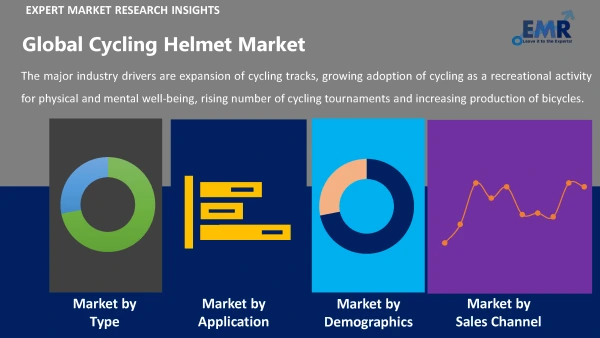
The EMR’s report titled “Global Cycling Helmet Market Report and Forecast 2026-2035” offers a detailed analysis of the market based on the following segments:
Market Breakup by Type
Key Insight: Across all helmet types, the cycling helmet market report indicates different consumer intentions. Road helmets dominate commuter-driven adoption, while sports helmets grow through event-driven demand. MTB helmets continue to attract adventure riders, who value rugged build and off-road safety. The layering of these categories highlights a market where functional needs define adoption patterns.
Market Breakup by Application
Key Insight: Market applications reflect diverse adoption pathways. Daily transportation helmets sustain steady demand through regulatory pressure and commuter needs, while sports/adventure helmets surge on lifestyle-driven purchases. Recreational categories also complement these segments, emphasizing helmets as both utility and leisure products.
Market Breakup by Demographics
Key Insight: Demographic trends in the cycling helmet market highlight different adoption driving factors. Men dominate the market largely due to commuting and sports activities, while women increasingly embrace helmets through lifestyle and fitness cycling. Kids demonstrate the fastest growth, supported by safety initiatives and parental awareness. These distinct consumer groups influence how manufacturers design products, balancing performance, comfort, and style.
Market Breakup by Sales Channel
Key Insight: Sales channels in the cycling helmet market dynamics highlight both traditional and digital strengths. Offline channels remain dominant due to retail experience and compliance-driven trust, while online channels drive accelerated growth through convenience, product variety, and expanding digital adoption across consumer groups.
Market Breakup by Region
Key Insight: Regional dynamics as considered in the cycling helmet market report reveals a diverse landscape. Europe dominates with mature markets and regulatory mandates, North America benefits from commuting adoption, Asia Pacific indicates the fastest growth with urban expansion, while Latin America and Middle East & Africa represent emerging opportunities with growing awareness and rising infrastructure investments.
By type, road helmets secure the largest share of the market due to commuter adoption
Road helmets dominate the market due to their strong association with commuting and recreational cycling in urban regions. These helmets offer ventilation, lightness, and aerodynamic designs suited for city riders. Major manufacturers are focusing on making these helmets affordable without compromising on certifications like CPSC or EN 1078. Additionally, ride-sharing companies are beginning to provide road helmets to users, ensuring both compliance and service differentiation, which further consolidates their dominance.
The sports category showcases fast-paced growth in the cycling helmet industry, fueled by rising interest in competitive cycling, triathlons, and off-road events. These helmets integrate advanced protection features such as MIPS technology, aerodynamic shaping, and visor integration. In 2024, more than one million people in the United States participated in outdoor cycling, boosting demand for high-end helmets. Sponsorships from brands like Specialized and Trek further stimulate awareness and preference among athletes.
By application, daily transportation account for the largest share due to regulatory compliance
Daily transportation helmets occupy the largest share of the cycling helmet market revenue as urban cycling expands rapidly, driven by sustainability policies and tighter traffic regulations. These helmets focus on ventilation, lightweight construction, and comfort, catering to the needs of daily riders covering short city distances. Governments are heavily pushing cycling adoption with subsidies and infrastructure investments, indirectly lifting helmet demand. For instance, Singapore’s Land Transport Authority offers grants for safer commuting gear. This ensures that manufacturers catering to this category secure stable, recurring demand, particularly from city councils and fleet operators managing urban e-bike and bicycle services.
Sports and adventure helmets represent the fastest-growing application, reflecting the explosion of mountain biking, trail cycling, and extreme sports tourism. Adventure cyclists demand helmets with enhanced durability, reinforced shells, and ventilation adapted to rugged terrains. Manufacturers are responding with specialized helmets featuring detachable visors, integrated lighting, and GoPro mounts. Countries like New Zealand and Canada are actively marketing themselves as adventure cycling hubs, further accelerating the cycling helmet market value.
By demographics, men occupy the largest share of the market due to commuting needs
Men dominate the global market, largely due to their strong participation in both daily commuting and sports cycling activities. This demographic benefits from the higher number of male commuters in developed and developing countries where urban cycling adoption is expanding. Helmet makers are focusing on aerodynamic designs and performance-driven features to attract this demographic, particularly for long-distance commuting and road racing. Partnerships with professional cycling teams further reinforce demand in the cycling helmet market.
Factors like rising parental awareness of road safety and increasing government emphasis on child protection contribute to the fast-paced growth in the kid's category. Schools and local councils in several countries now promote helmet use through awareness campaigns, often providing subsidies or free helmets for young riders. Manufacturers are innovating with colorful, themed, and lightweight helmets tailored to children, ensuring higher adoption rates.
Offline channels account for the largest share of the market due to retail dominance
Offline channels dominate cycling helmet sales, driven by the strong presence of sporting goods retailers, specialty cycling stores, and department chains. These outlets offer consumers tangible product experience, including size fitting and expert guidance, which remain crucial in purchasing protective gear, making them dominant in the cycling helmet market. Physical retail also benefits from partnerships with local cycling clubs and organized events, where brands promote their latest helmet lines.
Online channels’ growth is primarily fueled by the rapid expansion of e-commerce platforms and direct-to-consumer strategies. Consumers benefit from a wider variety, competitive pricing, and easy access to international brands online. In addition, B2B procurement platforms are expanding online helmet sales for retailers and sports organizations.
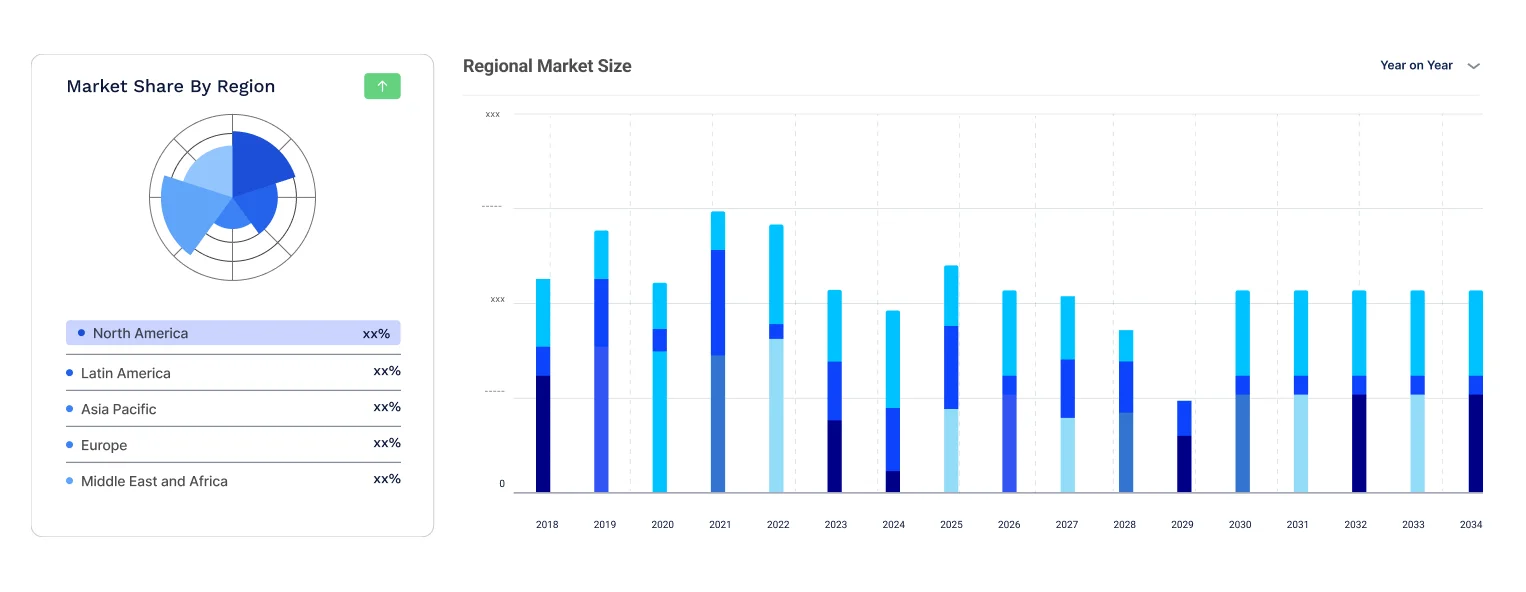
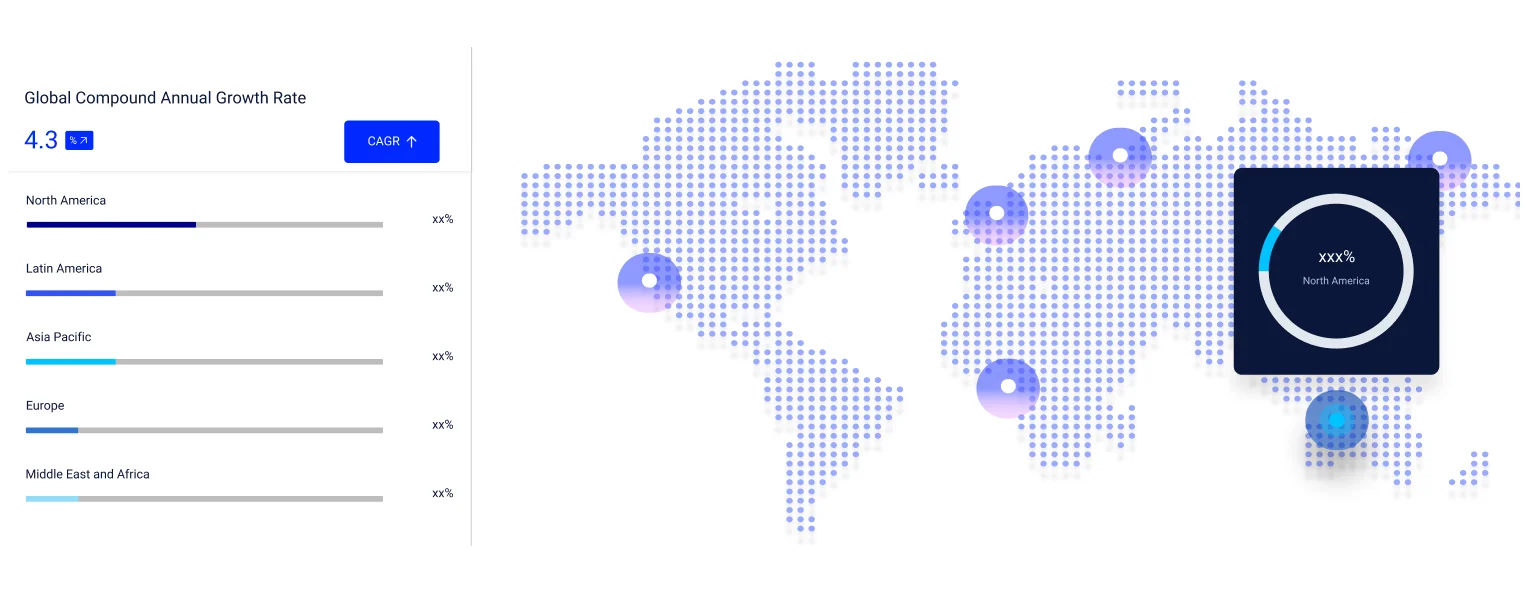
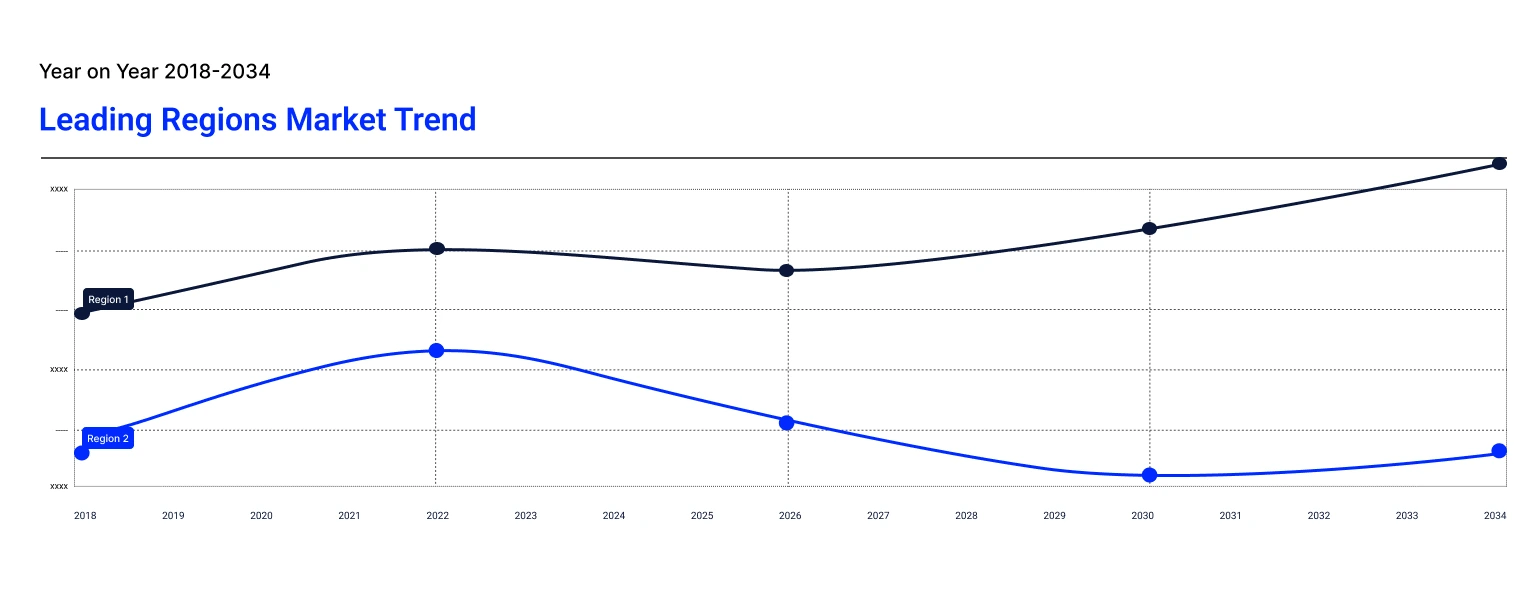
Europe Registers the Largest Share of the Market due to regulatory mandates
Europe leads the global industry revenue, primarily owing to stringent safety regulations and an extensive cycling culture across urban and rural areas. Countries like Germany, France, and the Netherlands have consistently invested in cycling infrastructure, directly fueling helmet adoption. Helmet laws and subsidies further support compliance, making Europe a highly mature market for protective cycling gear. The strong presence of premium helmet brands also contributes to Europe’s leadership.
The cycling helmet market in Asia Pacific is driven by rapid urbanization, increasing bicycle production, and government-backed initiatives promoting cycling. Countries such as China, India, and Japan are witnessing strong growth in both commuting and sports cycling activities. Rising disposable incomes and awareness of road safety are further supporting helmet adoption. Local manufacturers are increasingly innovating with affordable yet certified helmets, making them accessible to a larger consumer base.
The market is becoming highly competitive as global brands and regional players focus on innovation, safety, and sustainability to differentiate themselves. Cycling helmet companies are investing heavily in smart helmet technologies such as crash-detection sensors, Bluetooth connectivity, and aerodynamic designs tailored to commuters and sports enthusiasts. At the same time, sustainability initiatives are gaining traction, with leading manufacturers experimenting with recycled plastics, plant-based resins, and biodegradable paddings to align with environmental policies.
Another key opportunity lies in partnerships with city councils, bike-sharing services, and sporting event organizers who increasingly demand helmets that combine safety with style. Distribution remains another area of focus for cycling helmet market players with online platforms expanding access to global consumers while offline stores continue to dominate experiential sales.
Polisport Group, established in 1978 and headquartered in Portugal, is recognized for its innovative cycling accessories and helmets. The company emphasizes lightweight yet durable designs, often using eco-friendly materials to strengthen its presence in European and global markets.
Vista Outdoor Operations LLC, founded in 2015 and headquartered in the United States, operates a wide portfolio of outdoor products including cycling helmets under brands like Bell and Giro. The company focuses on advanced impact protection systems and expanding global distribution.
Specialized Bicycle Components, Inc., established in 1974 and headquartered in California, United States, is a pioneer in cycling innovation. Specialized is known for high-performance helmets integrating MIPS technology, aerodynamic features, and rider-focused designs tailored for both commuters and athletes.
UVEX WINTER HOLDING GmbH and Co. KG, founded in 1926 and headquartered in Fürth, Germany, offers helmets that combine safety with precision engineering. The company emphasizes advanced protective technologies and sustainable production, serving both professional sports and urban cycling markets worldwide.
*Please note that this is only a partial list; the complete list of key players is available in the full report. Additionally, the list of key players can be customized to better suit your needs.*
Other key players in the market are Trek Bicycle Corporation, MET SPA, and Limar Srl, among others.
Explore the latest trends shaping the global cycling helmet market 2026-2035 with our in-depth report. Gain strategic insights, future forecasts, and key market developments that can help you stay competitive. Download a free sample report or contact our team for customized consultation on global cycling helmet market trends 2026.


Upto 15% Off
USD
$3999 $3599
$2499 $2249
$4999 $4249
$5999 $5099


*While we strive to always give you current and accurate information, the numbers depicted on the website are indicative and may differ from the actual numbers in the main report. At Expert Market Research, we aim to bring you the latest insights and trends in the market. Using our analyses and forecasts, stakeholders can understand the market dynamics, navigate challenges, and capitalize on opportunities to make data-driven strategic decisions.*
Get in touch with us for a customized solution tailored to your unique requirements and save upto 35%!
The market is projected to grow at a CAGR of 6.30% between 2026 and 2035.
Companies are focusing on integrating smart technologies, expanding sustainable production, forming partnerships with city councils, enhancing digital distribution, and customizing helmets for different demographics to strengthen competitiveness and market presence.
The key industry trends guiding the market growth are government initiatives and advancements in the manufacture of cycling helmets by industry players.
The major regions in the industry are North America, Europe, the Asia Pacific, Latin America, and the Middle East and Africa.
The different market divisions, based on type, include road helmets, sports helmets, and MTB helmets.
The various applications of the market are daily transportation and sports/adventure.
The significant market divisions, based on demographics, include men, women, and kids.
The major market divisions, based on sales channel, include online channels and offline channels.
The key players in the market include Polisport Group, Vista Outdoor Operations LLC, Specialized Bicycle Components Inc., UVEX WINTER HOLDING GmbH and Co. KG, Trek Bicycle Corporation, MET SPA, and Limar Srl, among others.
In 2025, the cycling helmet market reached an approximate value of USD 1.39 Billion.
Companies face challenges from strict regulatory compliance, rising raw material costs, and the constant need to balance affordability with integrating new safety technologies in cycling helmets.
Explore our key highlights of the report and gain a concise overview of key findings, trends, and actionable insights that will empower your strategic decisions.
| REPORT FEATURES | DETAILS |
| Base Year | 2025 |
| Historical Period | 2019-2025 |
| Forecast Period | 2026-2035 |
| Scope of the Report |
Historical and Forecast Trends, Industry Drivers and Constraints, Historical and Forecast Market Analysis by Segment:
|
| Breakup by Type |
|
| Breakup by Application |
|
| Breakup by Demographics |
|
| Breakup by Sales Channel |
|
| Breakup by Region |
|
| Market Dynamics |
|
| Trade Data Analysis |
|
| Price Analysis |
|
| Competitive Landscape |
|
| Companies Covered |
|
| Report Price and Purchase Option | Explore our purchase options that are best suited to your resources and industry needs. |
| Delivery Format | Delivered as an attached PDF and Excel through email, with an option of receiving an editable PPT, according to the purchase option. |
Single User License
One User
USD 3,999
USD 3,599
tax inclusive*
Datasheet
One User
USD 2,499
USD 2,249
tax inclusive*
Five User License
Five User
USD 4,999
USD 4,249
tax inclusive*
Corporate License
Unlimited Users
USD 5,999
USD 5,099
tax inclusive*
*Please note that the prices mentioned below are starting prices for each bundle type. Kindly contact our team for further details.*
Flash Bundle
Small Business Bundle
Growth Bundle
Enterprise Bundle
*Please note that the prices mentioned below are starting prices for each bundle type. Kindly contact our team for further details.*
Flash Bundle
Number of Reports: 3
20%
tax inclusive*
Small Business Bundle
Number of Reports: 5
25%
tax inclusive*
Growth Bundle
Number of Reports: 8
30%
tax inclusive*
Enterprise Bundle
Number of Reports: 10
35%
tax inclusive*
How To Order

Select License Type
Choose the right license for your needs and access rights.

Click on ‘Buy Now’
Add the report to your cart with one click and proceed to register.

Select Mode of Payment
Choose a payment option for a secure checkout. You will be redirected accordingly.
Gain insights to stay ahead and seize opportunities.

Get insights & trends for a competitive edge.

Track prices with detailed trend reports.

Analyse trade data for supply chain insights.

Leverage cost reports for smart savings

Enhance supply chain with partnerships.

Connect For More Information
Our expert team of analysts will offer full support and resolve any queries regarding the report, before and after the purchase.
Our expert team of analysts will offer full support and resolve any queries regarding the report, before and after the purchase.
We employ meticulous research methods, blending advanced analytics and expert insights to deliver accurate, actionable industry intelligence, staying ahead of competitors.
Our skilled analysts offer unparalleled competitive advantage with detailed insights on current and emerging markets, ensuring your strategic edge.
We offer an in-depth yet simplified presentation of industry insights and analysis to meet your specific requirements effectively.





Share