

Consumer Insights
Uncover trends and behaviors shaping consumer choices today
Procurement Insights
Optimize your sourcing strategy with key market data
Industry Stats
Stay ahead with the latest trends and market analysis.

The global chocolate spread market was valued at USD 4.63 Billion in 2025. The market is expected to grow at a CAGR of 5.70% during the forecast period of 2026-2035 to reach a value of USD 8.06 Billion by 2035. Increasing awareness around sustainable cocoa sourcing and ethical production practices is driving consumer preference toward responsibly produced chocolate spreads, supporting both brand reputation and long-term market expansion globally.
Market growth is further fueled by rising consumer demand for indulgent yet convenient snacking options. One of the most prominent driving factors is the surge in health-conscious choices, which has prompted manufacturers to introduce innovative offerings like organic, vegan, and low-sugar spreads. For instance, Sweet Freedom’s 2025 launch of CHOC POT Hazelnot in the United Kingdom in May 2025, a nut-free, palm oil-free, fruit-sweetened chocolate spread, reflects this consumer shift. Government programs, including the United Kingdom’s Public Health England initiative to reduce sugar consumption, have further encouraged brands to develop cleaner-label products, emphasizing transparency and nutrition, reshaping the chocolate spread market dynamics.
Simultaneously, the rise of e-commerce and digital retail channels is transforming distribution patterns. Online chocolate spread sales surged significantly in 2024, driven by convenience-focused shopping habits among millennials and Gen Z. Premium and limited-edition launches, such as Bonne Maman’s peanut chocolate spread variants, are capturing the attention of younger, health-conscious consumers seeking gourmet experiences, thereby boosting demand in the chocolate spread market. Strategic collaborations are also shaping market dynamics, exemplified by Tim Hortons’ August 2025 partnership with Nutella to introduce Nutella-infused pastries, demonstrating how chocolate spreads are integrating into mainstream bakery offerings.
Base Year
Historical Period
Forecast Period
Compound Annual Growth Rate
5.7%
Value in USD Billion
2026-2035
*this image is indicative*
The rise of veganism is significantly influencing food innovation. As per the chocolate spread market analysis, over 25.8 million people globally have adopted vegan diets as of January 2025, countries such as India, Mexico, and Europe are experiencing high demand. Brands are introducing plant-based alternatives, like Ferrero’s Nutella Plant-Based, replacing dairy with chickpeas and rice syrup while preserving classic taste. Vegan options are rapidly gaining shelf space in both retail and online platforms.
E-commerce is reshaping chocolate spread accessibility, offering global consumers premium, organic, and health-focused options at home. Brands are leveraging digital platforms for targeted campaigns, exclusive launches, and subscription models. Direct-to-consumer offerings and personalized experiences have become key differentiators, complementing conventional retail. This trend in the chocolate spread market is reinforced by rising smartphone penetration, widespread digital payments, and online grocery initiatives by governments in Asia Pacific, enhancing convenience and driving market penetration in urban centers.
Transparency and fair trade have become central to chocolate spread production. Ferrero sources 99% of its cocoa via Rainforest Alliance and Cocoa Horizons, while Mason & Co. purchases single-origin cacao from smallholder farmers in India. Such practices support sustainable farming, improve community livelihoods, and meet consumer demand for ethically produced ingredients, thus propelling the chocolate spread market scope. Ethical sourcing aligns with global regulations and UN Sustainable Development Goals promoting responsible supply chains.
Consumers increasingly seek artisanal, single-origin, and exotic chocolate spreads. Social media and influencer marketing are driving trial beyond breakfast into desserts and baking. Limited-edition releases and luxurious packaging encourage gifting and self-indulgence, especially among millennials and Gen Z. Premium spreads featuring nuts, superfoods, or organic ingredients are growing in popularity, supported by government-backed quality certifications and labeling programs in Europe and North America. This chocolate spread market trend underlines a shift from volume-driven to value-driven consumption, offering brands opportunities for differentiation and higher-margin product positioning.
Rising health awareness is propelling demand for gluten-free, high-protein, and low-sugar chocolate spreads. Consumers are increasingly avoiding artificial additives and palm oil. Alpino’s Guilt Free Dark Chocolate Spread, for example, contains 70% less sugar and 22g protein per 100g. Governments in Australia and Europe support public health campaigns advocating reduced sugar intake, directly influencing the chocolate spread market growth. Health-conscious urban consumers and fitness enthusiasts are increasingly embracing these offerings, creating opportunities for new product launches and premium positioning while catering to evolving dietary preferences without compromising indulgence.
Read more about this report - REQUEST FREE SAMPLE COPY IN PDF
The EMR’s report titled “Global Chocolate Spread Market Report and Forecast 2026-2035” offers a detailed analysis of the market based on the following segments:
Market Breakup by Source
Key Insight: While conventional spreads dominate due to affordability and wide retail penetration, organic variants experience accelerated growth fueled by health consciousness, sustainability awareness, and premium positioning, shaping the chocolate spread industry value. Growth in both categories is influenced by digital retail adoption, packaging innovation, and evolving consumer lifestyles. As urbanization increases and health trends intensify, organic spreads are expected to gain a larger share, while conventional spreads retain loyal customers through cost-effectiveness and brand familiarity.
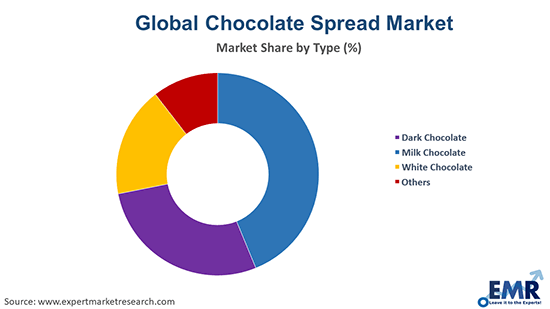
Market Breakup by Type
Key Insight: Milk chocolate spreads command the dominant share of the market due to familiarity, versatility, and widespread acceptance, while the dark chocolate category observes rapid growth in the chocolate spread market, driven by health, vegan, and premium trends. White chocolate and niche flavors appeal to younger demographics, often in desserts and baking. Consumers now prioritize flavor, functional benefits, and ethical sourcing, prompting brands to innovate across all types.
Market Breakup by Packaging Type
Key Insight: Factors like practicality, convenience, and established consumer habits are supporting plastic jars’ dominance in the chocolate spread market, while pouches expand their share rapidly through portability, eco-conscious design, and single-serve appeal. Cups and other packaging formats cater to niche consumption occasions. Packaging innovations, sustainability considerations, and lifestyle-driven preferences continue to shape market dynamics.
Market Breakup by Distribution Channel
Key Insight: Supermarkets and hypermarkets dominate due to product variety, convenience, and established trust, while online retail grows at an accelerated pace through digital accessibility, targeted campaigns, and premium offerings. Convenience stores serve impulse buyers, and specialist stores cater to niche segments. Each channel uniquely contributes to market penetration, revenue growth, and brand visibility.
Market Breakup by Region
Key Insight: Regional trends in the chocolate spread industry indicate that Europe currently dominates the market due to culinary culture, retail infrastructure, and premium consumer preferences, while Asia Pacific leads growth through urbanization, Western adoption, and e-commerce expansion. North America, Latin America, and Middle East & Africa provide additional opportunities based on rising health trends, premiumization, and digital penetration.
By source, conventional chocolate spreads dominate market demand due to affordability and wide availability
Conventional chocolate spreads continue to dominate the market due to their affordability, consistent taste profiles, and wide retail presence. Brands leverage economies of scale, distribution networks, and strong brand loyalty to maintain large market share. Conventional options are favored for household consumption and foodservice applications, appealing to price-sensitive consumers in urban and rural regions alike. Marketing campaigns, seasonal promotions, and bundling strategies further strengthen the chocolate spread demand forecast.
Organic chocolate spreads represent the fastest-growing category, driven by rising health awareness and interest in clean-label, pesticide-free products. Urban millennials and young families prioritize organic certifications, transparent sourcing, and eco-friendly packaging. The premium positioning appeals to consumers seeking functional benefits alongside indulgence. Governments and public health agencies globally encourage consumption of additive-free, natural foods, indirectly supporting organic adoption.
By type, milk chocolate spreads lead the market with universal appeal and culinary versatility
Milk chocolate spreads hold the largest share in the chocolate spread market revenue, benefiting from broad appeal, creamy texture, and versatility across breakfast, snacking, and baking. Extensive distribution, strong brand recognition, and frequent product innovation sustain its dominance in the market. Variants such as duo spreads and flavored mixes attract consumers seeking indulgence without sacrificing familiarity.
The demand for dark chocolate spreads is being increasingly propelled by rising health-consciousness and premium positioning. Rich in antioxidants, lower in sugar, and associated with heart health, dark chocolate is increasingly preferred by adults and young professionals, driving the overall chocolate spread consumption. Vegan and higher-cocoa variants cater to evolving dietary trends. Growth is further supported by wellness campaigns and governmental sugar-reduction initiatives in Europe, North America, and Australia.
By packaging type, plastic jars secure the largest market share due to durability and household convenience
Plastic jars remain the most common packaging type, valued for durability, resealability, and suitability for households and foodservice. They offer varying sizes to accommodate different consumption patterns and price points. Leading brands maintain multiple packaging sizes to capture diverse consumer segments. Marketing strategies emphasize convenience, storage efficiency, and direct usability.
As per the chocolate spread industry report, pouches represent the fastest-growing packaging format, driven by urban lifestyles, on-the-go consumption, and environmental considerations. Lightweight, portable, and often recyclable, pouches appeal to younger, health-conscious consumers. Single-serve and portion-controlled packs support busy routines, snacking trends, and digital sales channels. The convenience and adaptability of pouches enable rapid adoption in both mature and emerging markets.
By distribution channel, supermarkets and hypermarkets capture significant share due to reach and variety
Supermarkets and hypermarkets continue to be the leading distribution channels, offering extensive product variety, promotional campaigns, and large-scale availability. Established logistics networks support consistent supply and seasonal promotions, while broad urban and suburban presence ensures accessibility for both planned and impulse purchases. Retailers collaborate with brands on shelf displays, bundle offers, and festive promotions, reinforcing consumer loyalty.
The online retail sector, offering convenience, premium product access, and home delivery, is boosting the scope for chocolate spread market expansion. E-commerce platforms and brand-specific websites provide rare, organic, and limited-edition spreads, unavailable in conventional stores. Targeted marketing, personalized recommendations, and subscription models enhance engagement, particularly among millennials and Gen Z. Digital penetration, smartphone adoption, and online grocery growth amplify accessibility.
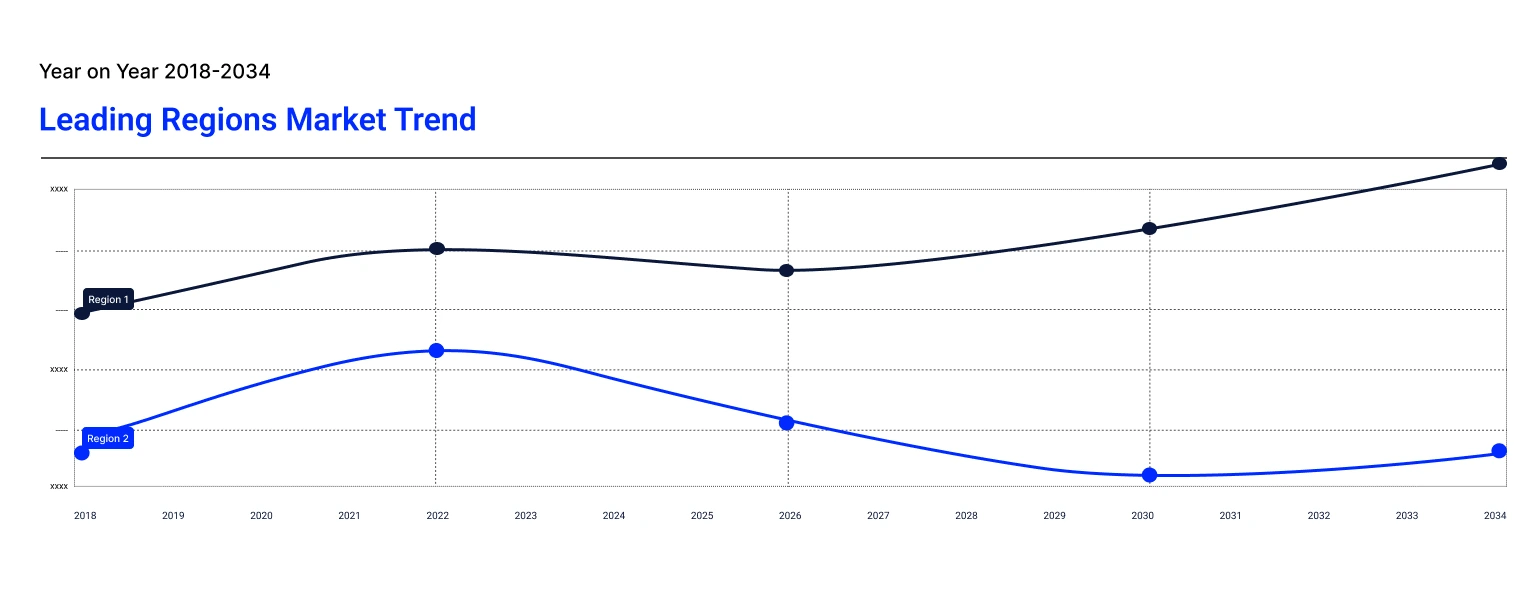
Europe accounts for the leading market position with established chocolate culture and strong retail infrastructure
The European market, underpinned by strong culinary traditions, premium product preferences, and well-developed retail networks. Countries like France, Germany, and Russia are key contributors, emphasizing organic, fair-trade, and ethically sourced spreads. Government initiatives promoting healthy diets and sugar reduction further shape product development. Younger consumers, particularly millennials and Gen Z, drive experimentation with gourmet and limited-edition flavors.
Growth of the Asia Pacific chocolate spread market is fueled by rising urbanization, increasing exposure to Western food cultures, and the expanding middle-class population. Countries like India, China, and Australia are embracing chocolate spreads in breakfast, bakery, and snacking applications. E-commerce platforms, modern retail expansion, and online grocery adoption enhance accessibility. Health-conscious urban consumers drive demand for plant-based, low-sugar, and premium options.
Global chocolate spread market players are actively introducing organic, vegan, low-sugar, and ethically sourced options to differentiate themselves in a competitive environment. Packaging innovation, including pouches and glass jars, enhances brand visibility while meeting sustainability goals. E-commerce and direct-to-consumer channels are leveraged for targeted campaigns, subscriptions, and personalized engagement. Strategic collaborations, acquisitions, and partnerships further strengthen market presence and extend geographic reach.
Chocolate spread companies also invest in functional and indulgent formulations, capturing evolving consumer preferences for health-conscious yet indulgent products. Opportunities lie in expanding digital reach, regional penetration in Asia Pacific, and diversification of plant-based, premium, and limited-edition offerings. Firms prioritizing traceable sourcing, regulatory compliance, and experiential marketing are likely to secure long-term growth and build brand loyalty in a rapidly evolving market landscape.
Ferrero International S.A., founded in 1946 and headquartered in Italy, is leveraging heritage hazelnut expertise to expand premium and health-forward spreads. It is launching palm-oil-free and nut-free SKUs, limited single-origin micro-batches, and traceability pilots with agritech partners to map farm-to-jar data and support bakery supply.
Founded in the year 1894 and headquartered in Pennsylvania, United States, The Hershey Company is broadening its portfolio toward better-for-you spreads and expanded snacking tie-ins. Hershey is integrating acquired health-snack capabilities to produce protein-fortified and reduced-sugar spreads, piloting compostable pouch formats, and building co-branded bakery offerings with retail partners.
Nestlé SA, founded in 1866 and headquartered in Vevey, Switzerland, is applying deep R&D to diversify spreads into functional, regional, and smart-packaged formats. Nestlé is piloting water-resistant laminates for extended shelf life, QR-tagged modular jars for provenance, and novel emulsifiers to reduce sugar while keeping mouthfeel.
Mondelez International, Inc., headquartered in the United States and founded in 2012, is accelerating culinary collaborations and tech-enabled traceability for premium spreads. Mondelez is testing low-glycemic and nut-blend textures, partnering with chefs for limited-run flavors, and using blockchain pilots to secure origins for premium lines.
*Please note that this is only a partial list; the complete list of key players is available in the full report. Additionally, the list of key players can be customized to better suit your needs.*
Other key players in the market are NUTKAO S.r.l., Dr. Oetker India Pvt. Ltd., and Nutiva Inc., among others.
Explore the latest trends shaping the global chocolate spread market 2026-2035 with our in-depth report. Gain strategic insights, future forecasts, and key market developments that can help you stay competitive. Download a free sample report or contact our team for customized consultation on chocolate spread market trends 2026.


Upto 15% Off
USD
$3999 $3599
$2499 $2249
$4999 $4249
$5999 $5099


*While we strive to always give you current and accurate information, the numbers depicted on the website are indicative and may differ from the actual numbers in the main report. At Expert Market Research, we aim to bring you the latest insights and trends in the market. Using our analyses and forecasts, stakeholders can understand the market dynamics, navigate challenges, and capitalize on opportunities to make data-driven strategic decisions.*
Get in touch with us for a customized solution tailored to your unique requirements and save upto 35%!
The global chocolate spread market is projected to grow at a CAGR of 5.70% between 2026 and 2035.
Investing in traceable cocoa, partnering with agritech, reformulating lower-sugar recipes, piloting compostable pouches, and launching DTC subscriptions to capture premium and convenience-focused consumer segments while strengthening retail and bakery partnerships.
The key trends guiding the growth of the market include growing innovations in food products and the introduction of various types of chocolate spread.
The major regions in the industry are North America, Latin America, the Middle East and Africa, Europe, and the Asia Pacific.
The leading sources of chocolate spread in the market are organic and conventional.
The major types of chocolate spread in the industry are bottles, pouches, and cups, among others.
The significant distribution channels in the market are supermarkets and hypermarkets, convenience stores, specialist stores, and online, among others.
The key players in the market include Ferrero International S.A., The Hershey Company, Nestlé SA, Mondelez International, Inc., NUTKAO S.r.l., Dr. Oetker India Pvt. Ltd., and Nutiva Inc., among others.
In 2025, the chocolate spread market reached an approximate value of USD 4.63 Billion.
Rising cocoa costs, volatile supply chains, regulatory sugar reduction, palm oil scrutiny, and retailer price pressure are squeezing margins while forcing complex reformulation, certification, and sustainable sourcing investments across producers.
Explore our key highlights of the report and gain a concise overview of key findings, trends, and actionable insights that will empower your strategic decisions.
| REPORT FEATURES | DETAILS |
| Base Year | 2025 |
| Historical Period | 2019-2025 |
| Forecast Period | 2026-2035 |
| Scope of the Report |
Historical and Forecast Trends, Industry Drivers and Constraints, Historical and Forecast Market Analysis by Segment:
|
| Breakup by Source |
|
| Breakup by Type |
|
| Breakup by Packaging Type |
|
| Breakup by Distribution Channel |
|
| Breakup by Region |
|
| Market Dynamics |
|
| Competitive Landscape |
|
| Companies Covered |
|
| Report Price and Purchase Option | Explore our purchase options that are best suited to your resources and industry needs. |
| Delivery Format | Delivered as an attached PDF and Excel through email, with an option of receiving an editable PPT, according to the purchase option. |
Single User License
One User
USD 3,999
USD 3,599
tax inclusive*
Datasheet
One User
USD 2,499
USD 2,249
tax inclusive*
Five User License
Five User
USD 4,999
USD 4,249
tax inclusive*
Corporate License
Unlimited Users
USD 5,999
USD 5,099
tax inclusive*
*Please note that the prices mentioned below are starting prices for each bundle type. Kindly contact our team for further details.*
Flash Bundle
Small Business Bundle
Growth Bundle
Enterprise Bundle
*Please note that the prices mentioned below are starting prices for each bundle type. Kindly contact our team for further details.*
Flash Bundle
Number of Reports: 3
20%
tax inclusive*
Small Business Bundle
Number of Reports: 5
25%
tax inclusive*
Growth Bundle
Number of Reports: 8
30%
tax inclusive*
Enterprise Bundle
Number of Reports: 10
35%
tax inclusive*
How To Order

Select License Type
Choose the right license for your needs and access rights.

Click on ‘Buy Now’
Add the report to your cart with one click and proceed to register.

Select Mode of Payment
Choose a payment option for a secure checkout. You will be redirected accordingly.
Gain insights to stay ahead and seize opportunities.

Get insights & trends for a competitive edge.

Track prices with detailed trend reports.

Analyse trade data for supply chain insights.

Leverage cost reports for smart savings

Enhance supply chain with partnerships.

Connect For More Information
Our expert team of analysts will offer full support and resolve any queries regarding the report, before and after the purchase.
Our expert team of analysts will offer full support and resolve any queries regarding the report, before and after the purchase.
We employ meticulous research methods, blending advanced analytics and expert insights to deliver accurate, actionable industry intelligence, staying ahead of competitors.
Our skilled analysts offer unparalleled competitive advantage with detailed insights on current and emerging markets, ensuring your strategic edge.
We offer an in-depth yet simplified presentation of industry insights and analysis to meet your specific requirements effectively.





Share