

Consumer Insights
Uncover trends and behaviors shaping consumer choices today
Procurement Insights
Optimize your sourcing strategy with key market data
Industry Stats
Stay ahead with the latest trends and market analysis.

The global bulletproof vest market attained a value of USD 2.35 Billion in 2025 and is projected to expand at a CAGR of 6.30% through 2035. The market is further expected to achieve USD 4.33 Billion by 2035. Growing adoption of lightweight tactical armor for rapid-response law enforcement units is driving expansion.
Agencies prioritize mobility and high-energy rifle protection over traditional heavy plates. A key development that captured major traction in the market was in February 2024, when Point Blank Enterprises introduced a next-generation vest platform built with a hybrid structure of Dyneema fibers and ceramic composite tiles. The release was targeted toward tactical law enforcement units that require lighter armor and higher multi-hit stopping resistance against rifle threats. This launch signals that the bulletproof vest market is leaning toward performance-scaled armor rather than old heavy ballistic plates.
Manufacturers are directing their focus on product development while depending on the customers they want to anchor. For example, companies like Safariland are strengthening military contracts and fielding vest platforms with modular add-ons for drones, communication modules, and body sensors. The MOBAST program, launched in December 2024, aims to equip the German Federal Armed Forces with modern, modular protective vest systems by the end of 2025. Others are focusing on durability and lifecycle economics for extended deployments, trying to reduce vest replacement frequency, accelerating the bulletproof vest market growth. Each strategy revolves around controlled innovation, not mass production.
Base Year
Historical Period
Forecast Period
Compound Annual Growth Rate
6.3%
Value in USD Billion
2026-2035
*this image is indicative*
Lightweight rifle-resistant protection is becoming the central buying priority for police and military agencies. New vest programs seek mobility without sacrificing ballistic performance, which results in the rapid adoption of hybrid armor made from UHMWPE and ceramic composites. Point Blank Enterprises and Safariland are now marketing rifle-rated plates that reduce user fatigue during long missions. Many tenders in the United States and Europe clearly specify weight ceilings, driving the bulletproof vest market value. For example, HyperX offers a customizable fit that boasts adjustable ballistic rifle protection while maintaining thin and lightweight profile. Several procurement notices emphasize physical comfort for patrol units and tactical teams, not only survivability. Lighter tactical armor is shaping the future direction of vest development.
National modernization plans are pushing long-term demand for bulletproof vests. Countries in Asia, the Middle East, and Eastern Europe are renewing personal protection programs as part of broader defense reforms. This bulletproof vest market trend includes replacing legacy steel-based armor with NIJ-certified soft and hard armor systems. Manufacturers like MKU and Larca Armor respond with scalable vest platforms that support multi-year upgrade cycles. Governments also require integrated accessories and compatibility with body-worn electronics, drone controllers, and tactical radios. For example, BCB offers a multi-spectral camouflage cloak for United Kingdom forces.
Growth rates of urban counter-assault and SWAT-style deployments is shifting vest specifications. Law-enforcement tenders now call for multi-hit protection, increased blast resistance, and fast don/doff mechanisms. These needs benefit designers of modular tactical vests such as ArmorSource and UARM that supply configurable plate carriers and scalable protection layers, accelerating growth in the bulletproof vest market. Demand for advanced trauma pads and flexible side plates is also increasing as special units seek improved survivability in aggressive entry scenarios.
The surge in female-specific ballistic vest programs is emerging to be another significant market trend. Law enforcement agencies in North America and Europe are explicitly including gender-responsive armor sizing in their procurement documents. Companies like Canadian Armor have invested in anthropometric mapping to design plates and soft armor panels tailored to female torso geometry. This improves both comfort and ballistic coverage. In September 2025, NP Aerospace announced that the company is set to launch a new specialist women’s body armor range at DSEI UK 2025, designed and manufactured in the United Kingdom, evolving the bulletproof vest market dynamics. Tender requirements now mention injury-reduction benefits linked to accurate fit. Forces that historically used unisex vests are switching to gender-specific designs after field feedback showed fatigue and poor movement control. This trend is also shaping future R&D spending decisions.
Military and law-enforcement programs are exploring protective clothing equipped with body-sensor nodes, trauma monitoring electronics, and location awareness tools that link to command dashboards. Firms like Avon Protection are developing vest infrastructures that can host modular electronics without compromising ballistic performance. In March 2025, Testing laboratory Hohenstein and DuPont joined forces to create innovative and reliable test methods for soft ballistic inserts. This trend in the bulletproof vest market is driven by agencies that want real-time injury status and soldier tracking for rapid medical intervention. Smart armor capability also supports training analytics and mission debriefing. Agencies that invest in digital soldier programs are expected to adopt vests capable of integrating electronics rather than purely passive ballistic panels.
Read more about this report - REQUEST FREE SAMPLE COPY IN PDF
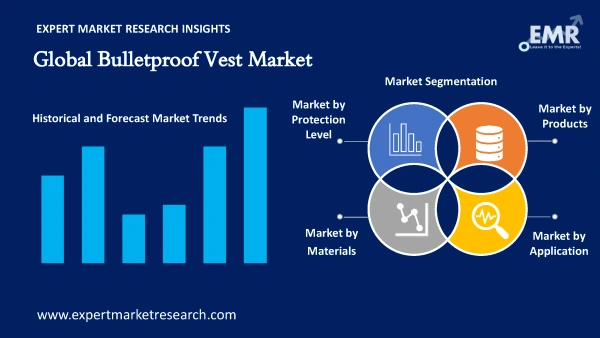
The EMR’s report titled “Global Bulletproof Vest Market Report and Forecast 2026-2035” offers a detailed analysis of the market based on the following segments:
Market Breakup by Material
Key Insight: Kevlar vests remain the popular choice among bulletproof vest fleets because buyers are aware of their testing record and predictable performance. UHMWPE is pushing into both soft armor and plate systems where lower weight and rifle protection widen the operational capabilities for tactical teams, accelerating the bulletproof vest market revenue. Graphene reinforced vests influence market innovations with next generation's ballistic fabrics and heat management.
Market Breakup by Application
Key Insight: Across all the applications, overt vests continue to remain the dominant choice among armor fleets because they carry radios, cameras and magazines on predictable layouts. Covert systems are quickly growing popular where discretion, low bulk and integration with civilian clothing matter more than overt deterrence, catering to the demand in the bulletproof vest market. Agencies often assign covert sets to investigators, protection teams and specialized urban units.
Market Breakup by Protection Level
Key Insight: Lighter soft armor in Level I and II contribute to the bulletproof vest market growth as they cover officers facing mostly handgun threats during routine patrols and checkpoint work. Level III acts as the main rifle solution for mixed threat environments where mobility matters. Level IV fills the top tier, reserved for assault teams, snipers and units expecting armor piercing rounds. Agencies rarely choose one level only. Instead, they build layered inventories, so that commanders can scale protection depending on mission, climate, and fatigue limits.
Market Breakup by Product
Key Insight: Flexible ballistic vests and hard armor plates give agencies a complete protection toolkit rather than a one-size-fits-all solution. Soft armor is used for most daily shifts because it is comfortable inside vehicles, stations, and crowded environments. Hard plates are deployed only when mission briefings indicate higher rifle threats or the need to counter barrier penetration. To streamline operations, manufacturers now design carriers that can hold both soft armor and plates, enabling the same platform to support routine patrols as well as high-risk entries, accelerating bulletproof vest market penetration.
Market Breakup by End User
Key Insight: Militaries set the baseline requirements for ballistic performance, ruggedness and integration with broader soldier systems. Law enforcement shapes comfort, mobility and wear-time expectations as officers carry armor through long shifts in populated areas. Civil buyers, including journalists, private security and high-risk professionals focus on discrete designs and manageable prices, broadening the bulletproof vest market scope. Vendors group product lines by mission profiling so that marketing, testing and support materials match each community.
Market Breakup by Region
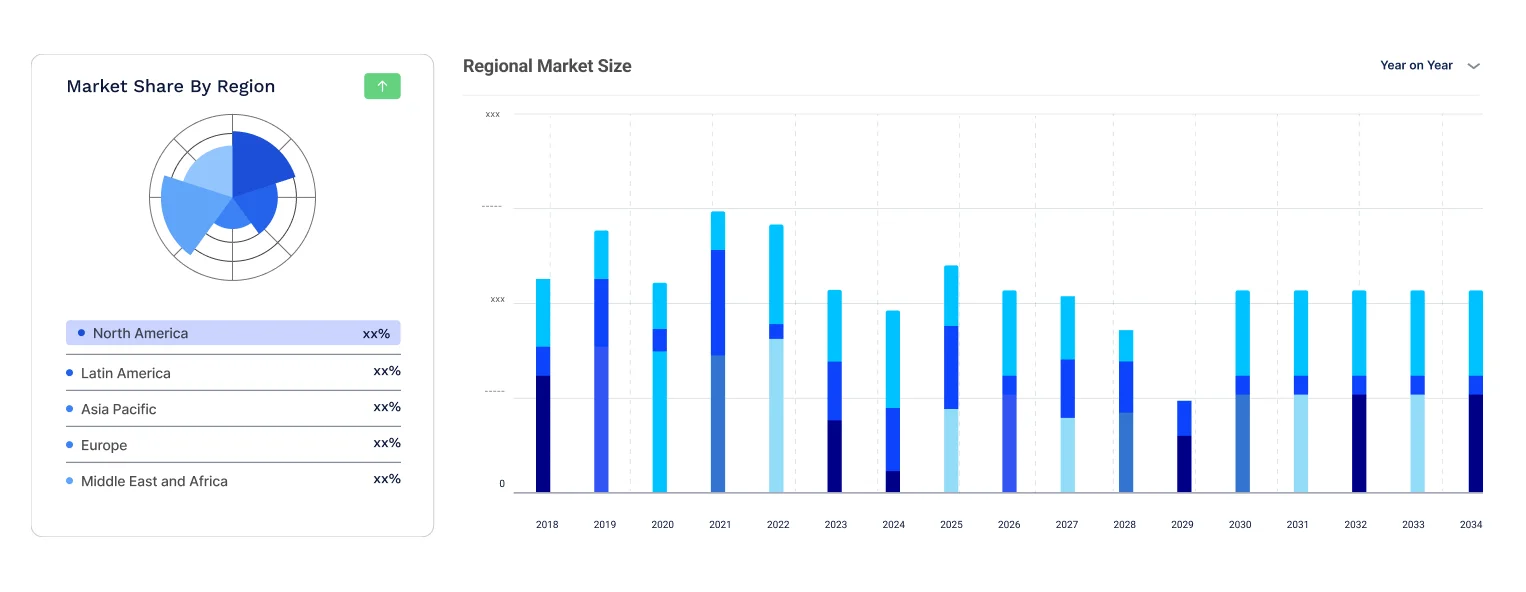
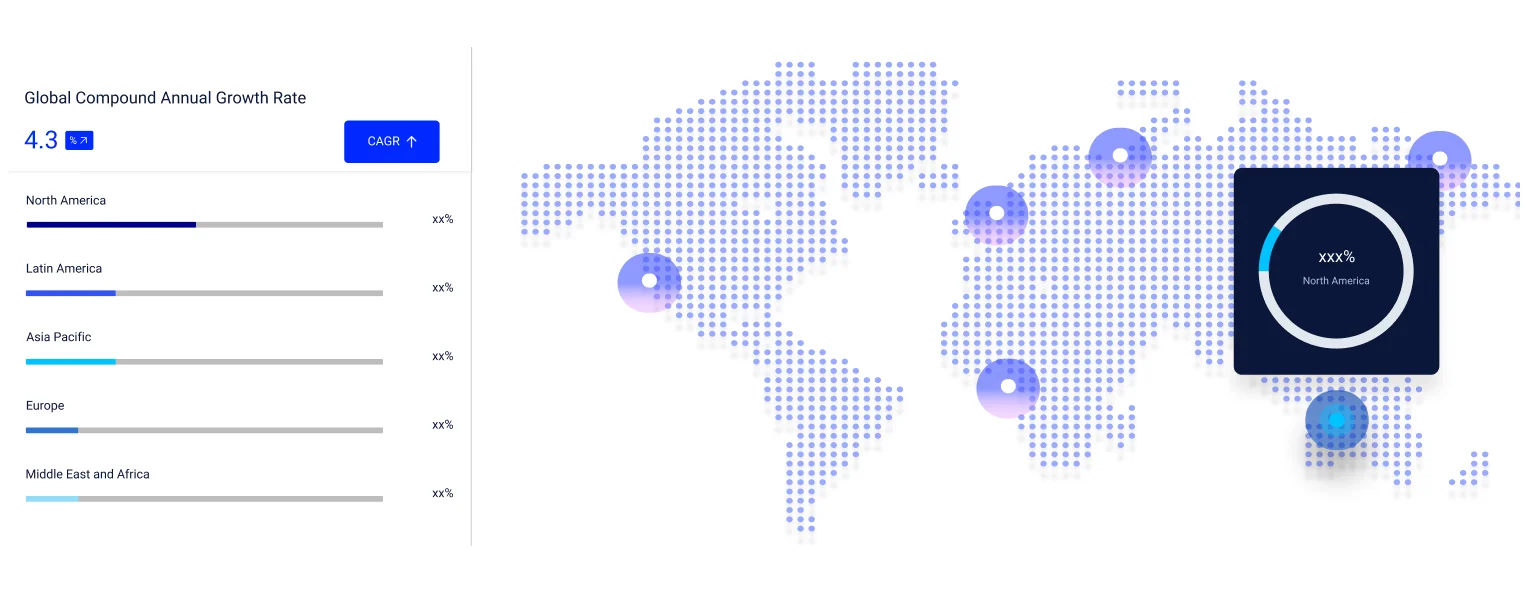
Key Insight: Regionally, North America sets up the majority of the standards and certification practices that shape product development, while ordering large volumes for military and police. The bulletproof vest market in Europe balances modernization with strict procurement oversight, placing high emphasis on comfort, gender fit and integration with communication systems. Asia Pacific adds powerful growth as countries invest in new armor fleets and build local manufacturing bases. Latin America and the Middle East focus on urban security, border control and specialized units. Africa boost market growth through impactful government programs where donor funding and peacekeeping roles support purchases.
By material, Kevlar vests dominate the market due to reliability and mature procurement ecosystems
Kevlar remains the dominant material in bulletproof vests because defense buyers trust its long testing record and predictable performance in soft armor panels. It offers a familiar balance between weight, flexibility and resistance power that procurement teams are aware of. In April 2023, DuPontD unveiled a new version of Kevlar promising lighter, more flexible and more effective body armor. Many national tenders continue to specify aramid-based systems by default, which favors vendors with Kevlar weaving, lamination and stitching capabilities.
The Ultra-High Molecular Weight Polyethylene category experiences fast growth in the bulletproof vest market as agencies want rifle rated protection without extreme weight. UHMWPE panels and hard plates offer strong energy absorption with thinner profiles, which helps tactical teams move faster and stay effective longer on missions. Vendors combine polymer with ceramics or hybrid layups to reach higher protection levels while keeping comfort acceptable for daily wear. Contract documents now mention maximum load on the shoulders and back, a metric where UHMWPE performs well.
By application, overt vests clock in the largest share of the market revenue due to visibility and modular load carriage
Overt bulletproof vests hold the dominant share of the market because they remain a standard issue for patrol officers, gendarmerie forces and many military personnel in conflict zones. Their external carriers support radios, tourniquets, body cameras and rifle magazines, which turn the vest into a central load bearing platform. Agencies value the clear visual deterrent effect in crowd control and checkpoint duties, where visible armor can reduce escalation.
Covert vests represent the fastest growing application category in the bulletproof vest market dynamics because security forces, detectives and executive protection teams need discreet protection that blends with civilian clothing. These vests are placed under shirts or light jackets and come with thin, soft armor packages, often combined with optional ultra slim plates over vital zones. Demand in this category rises through urban policing, transport security and private security contracts where visible armor might alarm the public or compromise low profile surveillance.
By protection level, Level III armor dominates the market due to weight and rifle capability
Level III protection has become the core level for many modern vest programs because it stops common rifle threats while staying lighter than most Level IV configurations. Agencies deploy Level III plates with soft armor backers to cover patrol teams, tactical squads and border units that regularly face carbines. In September 2024, the National Institute of Justice (NIJ) officially validated the GEN7-IIIA-PP soft ballistic panel system, in accordance with Threat Level IIIA, developed by Armor Matrix SystemsTM. Manufacturers optimize ceramic and UHMWPE blends to keep plates thin, while edge protection and multi-hit performance continue to improve, creating new bulletproof vest market opportunities.
Level IV protection is the fastest growing category as more forces anticipate armor piercing and high energy rifle threats in modern conflict and urban assault scenarios. These plates use advanced ceramics and dense backing layers to defeat stronger rounds, which previously meant heavy, bulky designs. New manufacturing techniques and materials have noticeable weight while preserving protection levels, making Level IV more acceptable for longer missions. Special operations units and high-risk response teams drive early demand.
By product, flexible ballistic vests secure the biggest share of the market due to comfort and daily wearability
Flexible ballistic vests dominate product demand because they are worn for the longest hours and across the widest range of duties. Patrol officers, detectives and many soldiers rely on soft armor packages that curve with the body. Manufacturers refine stitch patterns, panel shaping and foam placement to reduce rubbing and heat buildup over long shifts. In August 2022, ACE Link Armor launched a new series of Level IIIA body armor panels featuring a durable ultrasound-sealed TPU outer shell and a Flexcore inner structure for superior burst strength. Female fit solutions and broad size ranges have become the center of focus for manufacturers.
Hard armor plates are widening the bulletproof vest market scope because rifle threats and active shooter scenarios shape planning assumptions in many countries. These plates slot into carriers over soft armor, giving scalable protection that commanders can issue when risks arise. Vendors use ceramics, UHMWPE and hybrid construction to shave weight and increase multi-hit tolerance compared with older steel designs.
Military end users register the bigger market share due to modernization programs and sustained deployments
Military forces represent the dominant end user group because they run the largest, longest and most intensive body armor programs. Armies and special forces units need layered solutions that cover peacekeeping, high intensity conflict and training, often in harsh climates. Although procurement cycles in the defense sector are lengthy, once supply frameworks are approved, they generate steady, repeatable order volumes for many years. Interoperability with helmets, load bearing equipment and vehicle seats also shape design.
As per the bulletproof vest market report, law enforcement is the fastest growing end user category. Urban security challenges, protest management and active shooter risks force agencies to re-examine armor policies. Police departments expand vest coverage from tactical units to regular patrols, detectives and specialist teams. Manufacturers tailor products for long wear in vehicles and stations, with features like adjustable cummerbunds and cooling liners.
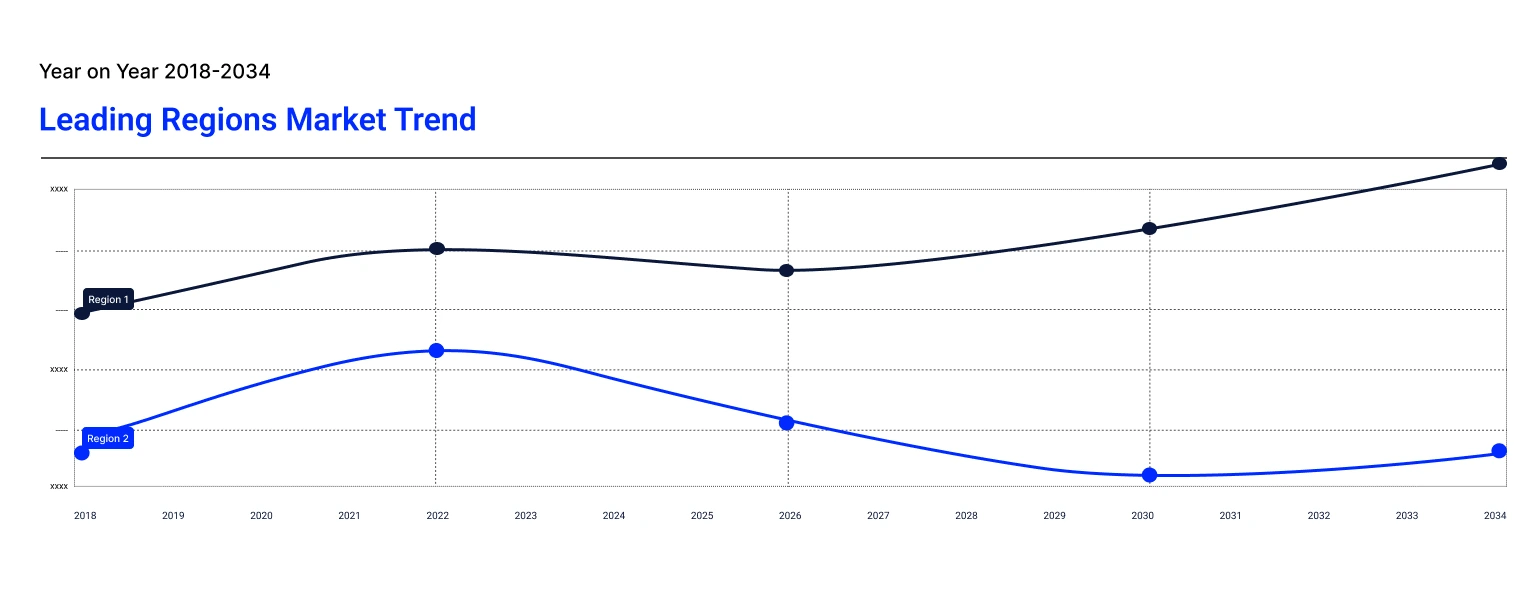
North America secures the leading position of the market due to defense spending and law-enforcement modernization
North America dominates regional demand for bulletproof vests because of sustained defense budgets, federal programs and large municipal law enforcement fleets. The United States drives most volumes through army, marine, air force and homeland security contracts, supported by thousands of local police departments. Standardization efforts and NIJ updates influence product design across the globe, since many other countries follow the same templates.
Growth of the Asia Pacific bulletproof vest market is sustained by countries like China, India and Japan as they ramp up military and internal security modernization. Nations invest in updated body armor for infantry, paramilitary forces and police rapid response units, often moving directly from steel plates to lighter composite vests. Local manufacturers in India, China and Southeast Asia expand capacity and partner with global brands to access advanced materials and certification knowledge.
The market revolves around lighter rifle protection, gender-specific armor, and integration with tactical electronics. Bulletproof vest companies direct their focus on developing modular vests that combine multiple plate shapes so that agencies can scale protection for different missions. They also focus on affordability while improving NIJ-tested rifle inserts for private security and small police departments. Others tend to focus on material innovation, especially with advanced aramids and hybrid composites that reduce fatigue for long-hour users.
Some of the bulletproof vest market players focus on developing tactical products for European police and counter-terror response units, with strong emphasis on multi-hit plate stability and fast-don carrier systems. Opportunities are increasing in special operations policing, urban security deployments and vehicle-compatible vest shapes. Agencies now want customization, ergonomic fitting support, and short delivery cycles rather than one-size-fits-all armor.
Central Lake Armor Express, Inc., established in 2005 and headquartered in Central Lake, Michigan, United States, offers ballistic vests with modular carriers and scalable armor inserts. It focuses on mission-specific builds for law enforcement and military units rather than catalog-only models. The company provides quick-release systems, female-fit panels and multi-curve plates for long wear and fast movement.
BulletSafe Bulletproof Vests, founded in 2013 and headquartered in the United States, delivers NIJ-rated armor at accessible pricing for private security, school officers and smaller police departments. The company emphasizes simple vest models that are easy to issue and replace without extensive training.
DuPont de Nemours, Inc., founded in 1802 and headquartered in Wilmington, United States, remains a core material supplier to the armor industry with advanced aramids and hybrid fiber technologies used in ballistic panels, catering to the bulletproof vest market. DuPont supports OEMs through ballistic testing insights and material R&D rather than producing full vests.
EnGarde B.V., established in 2003 and headquartered in Amsterdam, Netherlands, offers tactical armor for police and special-operations units across Europe and the Middle East. The company builds multi-hit rifle plates, lightweight covert vests and blast-resistant carriers suited for high-risk urban deployments.
*Please note that this is only a partial list; the complete list of key players is available in the full report. Additionally, the list of key players can be customized to better suit your needs.*
Other key players in the market include Honeywell International Inc., MARS Armor, MKU LIMITED, Point Blank Enterprises, Inc., Safariland, LLC, and VestGuard UK Ltd., among others.
Unlock the latest insights with our bulletproof vest market trends 2026 report. Discover regional growth patterns, consumer preferences, and key industry players. Stay ahead of competition with trusted data and expert analysis. Download your free sample report today and drive informed decisions in the market.


Upto 15% Off
USD
$2499 $2249
$3999 $3599
$4999 $4249
$5999 $5099


*While we strive to always give you current and accurate information, the numbers depicted on the website are indicative and may differ from the actual numbers in the main report. At Expert Market Research, we aim to bring you the latest insights and trends in the market. Using our analyses and forecasts, stakeholders can understand the market dynamics, navigate challenges, and capitalize on opportunities to make data-driven strategic decisions.*
Get in touch with us for a customized solution tailored to your unique requirements and save upto 35%!
In 2025, the market reached an approximate value of USD 2.35 Billion.
The market is projected to grow at a CAGR of 6.30% between 2026 and 2035.
The market is estimated to witness healthy growth in the forecast period of 2026-2035 to reach USD 4.33 Billion by 2035.
Manufacturers are prioritizing lighter materials, expanding female sizing, building interchangeable plate systems, partnering with tactical electronics makers and adding in-field fitting support to secure long-term procurement contracts.
The growth in military expenditure and the rising focus of defence agencies on enhancing soldier survivability are the key industry trends propelling the growth of the market.
The major regions in the industry are North America, Latin America, the Middle East and Africa, Europe, and the Asia Pacific.
The different materials include Kevlar, ultra-high molecular weight polyethylene (UHMWPE), and graphene.
The significant applications of the market are overt and covert.
Based on protection level, the market is divided into level I, level II, level III, and level IV.
The various products in the market are divided into flexible ballistic and hard armour plates.
The end-users of the market are military, law enforcement, and civil.
The key players in the market include Central Lake Armor Express, Inc., BulletSafe Bulletproof Vests, DuPont de Nemours, Inc., EnGarde B.V., Honeywell International Inc., MARS Armor, MKU LIMITED, Point Blank Enterprises, Inc., Safariland, LLC, and VestGuard UK Ltd., among others.
Companies struggle with balancing weight reduction and rifle protection, meeting changing NIJ standards, adapting to gender-specific sizing, managing high material costs and delivering fast procurement cycles without risking safety.
Explore our key highlights of the report and gain a concise overview of key findings, trends, and actionable insights that will empower your strategic decisions.
| REPORT FEATURES | DETAILS |
| Base Year | 2025 |
| Historical Period | 2019-2025 |
| Forecast Period | 2026-2035 |
| Scope of the Report |
Historical and Forecast Trends, Industry Drivers and Constraints, Historical and Forecast Market Analysis by Segment:
|
| Breakup by Material |
|
| Breakup by Application |
|
| Breakup by Protection Level |
|
| Breakup by Product |
|
| Breakup by End User |
|
| Breakup by Region |
|
| Market Dynamics |
|
| Competitive Landscape |
|
| Companies Covered |
|
| Report Price and Purchase Option | Explore our purchase options that are best suited to your resources and industry needs. |
| Delivery Format | Delivered as an attached PDF and Excel through email, with an option of receiving an editable PPT, according to the purchase option. |
Datasheet
One User
USD 2,499
USD 2,249
tax inclusive*
Single User License
One User
USD 3,999
USD 3,599
tax inclusive*
Five User License
Five User
USD 4,999
USD 4,249
tax inclusive*
Corporate License
Unlimited Users
USD 5,999
USD 5,099
tax inclusive*
*Please note that the prices mentioned below are starting prices for each bundle type. Kindly contact our team for further details.*
Flash Bundle
Small Business Bundle
Growth Bundle
Enterprise Bundle
*Please note that the prices mentioned below are starting prices for each bundle type. Kindly contact our team for further details.*
Flash Bundle
Number of Reports: 3
20%
tax inclusive*
Small Business Bundle
Number of Reports: 5
25%
tax inclusive*
Growth Bundle
Number of Reports: 8
30%
tax inclusive*
Enterprise Bundle
Number of Reports: 10
35%
tax inclusive*
How To Order

Select License Type
Choose the right license for your needs and access rights.

Click on ‘Buy Now’
Add the report to your cart with one click and proceed to register.

Select Mode of Payment
Choose a payment option for a secure checkout. You will be redirected accordingly.
Gain insights to stay ahead and seize opportunities.

Get insights & trends for a competitive edge.

Track prices with detailed trend reports.

Analyse trade data for supply chain insights.

Leverage cost reports for smart savings

Enhance supply chain with partnerships.

Connect For More Information
Our expert team of analysts will offer full support and resolve any queries regarding the report, before and after the purchase.
Our expert team of analysts will offer full support and resolve any queries regarding the report, before and after the purchase.
We employ meticulous research methods, blending advanced analytics and expert insights to deliver accurate, actionable industry intelligence, staying ahead of competitors.
Our skilled analysts offer unparalleled competitive advantage with detailed insights on current and emerging markets, ensuring your strategic edge.
We offer an in-depth yet simplified presentation of industry insights and analysis to meet your specific requirements effectively.





Share