

Consumer Insights
Uncover trends and behaviors shaping consumer choices today
Procurement Insights
Optimize your sourcing strategy with key market data
Industry Stats
Stay ahead with the latest trends and market analysis.

The global bicycle market size was valued at USD 81.76 Billion in 2025. The industry is expected to grow at a CAGR of 6.60% during the forecast period of 2026-2035 to reach a value of USD 154.92 Billion by 2035.
The bicycle market is no longer just about fitness or eco-commuting; it is fast becoming a key indicator of urban mobility transformation. The market growth is bolstered by the rising integration of smart mobility solutions and renewed focus on sustainable transport policies. Across the United Kingdom, the Department for Transport's Gear Change policy has committed EUR 2 billion to cycling and walking infrastructure, making bicycles a major lever in lowering urban carbon footprints and congestion.
More interestingly, urban planners and logistics firms are turning their attention to cargo bikes, accelerating the bicycle market growth. London recently unveiled a commercial cargo bike hub, reducing delivery van reliance in central zones. Meanwhile, France introduced a EUR 2,500 subsidy per electric cargo bike for commercial users under its “bonus écologique” programme, prompting retailers and SMEs to adopt more sustainable last-mile delivery methods.
Such shifts have encouraged manufacturers to introduce innovative products, further boosting the bicycle market development. Bosch eBike Systems’ integration of anti-lock braking and smartphone connectivity indicates the advent of smart bicycle design. Beyond traditional manufacturers, automotive players like Porsche and Mahle are actively expanding into e-bike systems, indicating a deeper convergence between automotive and cycling industries. For B2B stakeholders, from fleet operators to commercial delivery firms, these developments offer next-gen mobility solutions.
Base Year
Historical Period
Forecast Period
Compound Annual Growth Rate
6.6%
Value in USD Billion
2026-2035
*this image is indicative*
Read more about this report - REQUEST FREE SAMPLE COPY IN PDF
| Global Bicycle Market Report Summary | Description | Value |
| Base Year | USD Billion | 2025 |
| Historical Period | USD Billion | 2019-2025 |
| Forecast Period | USD Billion | 2026-2035 |
| Market Size 2025 | USD Billion | 81.76 |
| Market Size 2035 | USD Billion | 154.92 |
| CAGR 2019-2025 | Percentage | XX% |
| CAGR 2026-2035 | Percentage | 6.60% |
| CAGR 2026-2035 - Market by Region | Asia Pacific | 8.5% |
| CAGR 2026-2035 - Market by Country | India | 9.8% |
| CAGR 2026-2035 - Market by Country | Brazil | 8.2% |
| CAGR 2026-2035 - Market by Technology | Electric | 7.4% |
| CAGR 2026-2035 - Market by End User | Men | 7.5% |
| Market Share by Country 2025 | India | 3.4% |
Governments globally are reshaping cityscapes to accommodate micromobility, boosting the bicycle market opportunities. In the United Kingdom, the Active Travel England initiative has received EUR 200 million, driving construction of segregated bike lanes and cycle-friendly junctions. Similarly, Germany allocated EUR 1.5 billion to improve cycling infrastructure. Such commitments have pushed cities like Paris and Barcelona to ban private cars in central districts during peak hours. For urban developers, this transition has resulted in an increased demand for city-compatible hybrid and electric bikes, boosting bulk purchases by rental firms and logistics providers.
Companies like DHL and Amazon are increasingly deploying e-cargo bikes for urban deliveries, particularly in low-emission zones across the European Union, accelerating the bicycle market trends and dynamics. The market noted a 60% rise in commercial cargo bike sales in 2019. Amsterdam is also boosting this trend with its Green Deal Bicycle initiative, offering tax breaks to SMEs switching to cargo bikes. This trend is especially gaining ground among food delivery platforms, florists, and grocery chains.
The competitive landscape of the bicycle market is now shaped by connectivity and smart technology. Companies like VanMoof and Cowboy are embedding GPS tracking, auto-locking systems, and integrated dashboards. Bosch and Shimano are introducing AI-driven motor assistance that adjusts to terrain in real-time. These technologies are fast becoming essential value propositions in the industry. OEMs catering to tech-savvy consumers and B2B rental fleets are making use of these benefits, with the premium segment gaining remarkable traction, especially in markets like South Korea and Austria.
Fiscal support has become a serious trend in the bicycle market. For example, Canada’s Zero-Emission Vehicle Infrastructure Programme supports e-bike charging stations for businesses, enabling fleet transitions. France, Belgium, and Sweden are running similar B2B schemes. These financial levers are prompting courier firms, tour operators, and campus mobility providers to expand bike fleets at subsidised costs. Additionally, tax write-offs, low-interest leasing options, and municipal grants are accelerating adoption, especially among last-mile delivery networks and public-private mobility partnerships seeking sustainable and cost-effective alternatives.
Tourism boards in Austria, New Zealand, and Scotland are investing in cycling trails and bicycle tourism hubs, aimed at eco-conscious travellers, boosting the overall bicycle demand. Scotland’s “Cycling Framework and Delivery Plan” targets a significant increase in leisure bike trips by 2030. This is triggering collaboration between local councils and rental startups, where B2B partnerships for fleet management and servicing are flourishing. These moves create demand for durable, easy-to-maintain fleet bicycles, especially hybrid and electric models, carving out space for niche manufacturers and fleet service providers in the tourism vertical.
Read more about this report - REQUEST FREE SAMPLE COPY IN PDF
The EMR’s report titled “Global Bicycle Market Report and Forecast 2026-2035” offers a detailed analysis of the market based on the following segments:
Market Breakup by Product
Key Insight: Each bicycle type addresses a distinct commercial need. Mountain bikes thrive in sports tourism and rental sectors for rugged terrains, driving the bicycle market growth. Road bikes remain ideal for professional racing and endurance training circuits. Hybrid bikes cater to daily commuters and urban fleet operators. Cargo bikes, on the other hand, serve as business tools in logistics and urban retail delivery. The “Others” segment, comprising folding and BMX models, experiences moderate growth due to its niche appeal, particularly in densely populated cities.
Market Breakup by Price
Key Insight: Premium bikes lead the bicycle market in terms of revenue, catering to brand-conscious or performance-driven B2B buyers. Mid-range bikes are thriving as go-to fleet solutions across public and private sectors. Low-range bikes retain appeal among NGOs, community mobility projects, and low-income transport schemes, though they are often excluded from B2B preferences due to durability concerns. While price remains a deciding factor, B2B clients are increasingly evaluating lifecycle value, support, and adaptability over initial cost.
Market Breakup by Technology
Key Insight: Electric bikes dominate the bicycle market due to their scalability, efficiency, and technology appeal, ideal for B2B fleets and high-performance use cases. Conventional bikes, however, are far from obsolete. They are being increasingly chosen owing to budget constraints and minimalism such as in rural infrastructure projects or institutional usage. Businesses are diversifying technology stacks, choosing e-bikes for core operations and conventional models for auxiliary or light-duty needs.
Market Breakup by Distribution Channel
Key Insight: Both the distribution channels of the bicycle market are thriving. Offline stores maintain their dominance due to personalized services and immediate product accessibility. However, the online segment is rapidly expanding, driven by digital advancements and consumer preference for convenience. Manufacturers and retailers are adopting omnichannel strategies, integrating online and offline experiences to cater to diverse customer needs. This hybrid approach enhances customer engagement and broadens market reach, indicating a dynamic shift in distribution strategies within the bicycle industry.
Market Breakup by End User
Key Insight: The bicycle market caters to diverse end-user segments, with men representing the dominant share due to higher engagement in cycling activities. However, the women's segment is rapidly expanding, driven by targeted product development and inclusive marketing strategies. The kids' segment also holds potential, influenced by parental emphasis on outdoor activities and health. Manufacturers are increasingly adopting a segmented approach, tailoring products and marketing efforts to meet the specific needs and preferences of each demographic, thereby enhancing market penetration and growth.
Market Breakup by Region
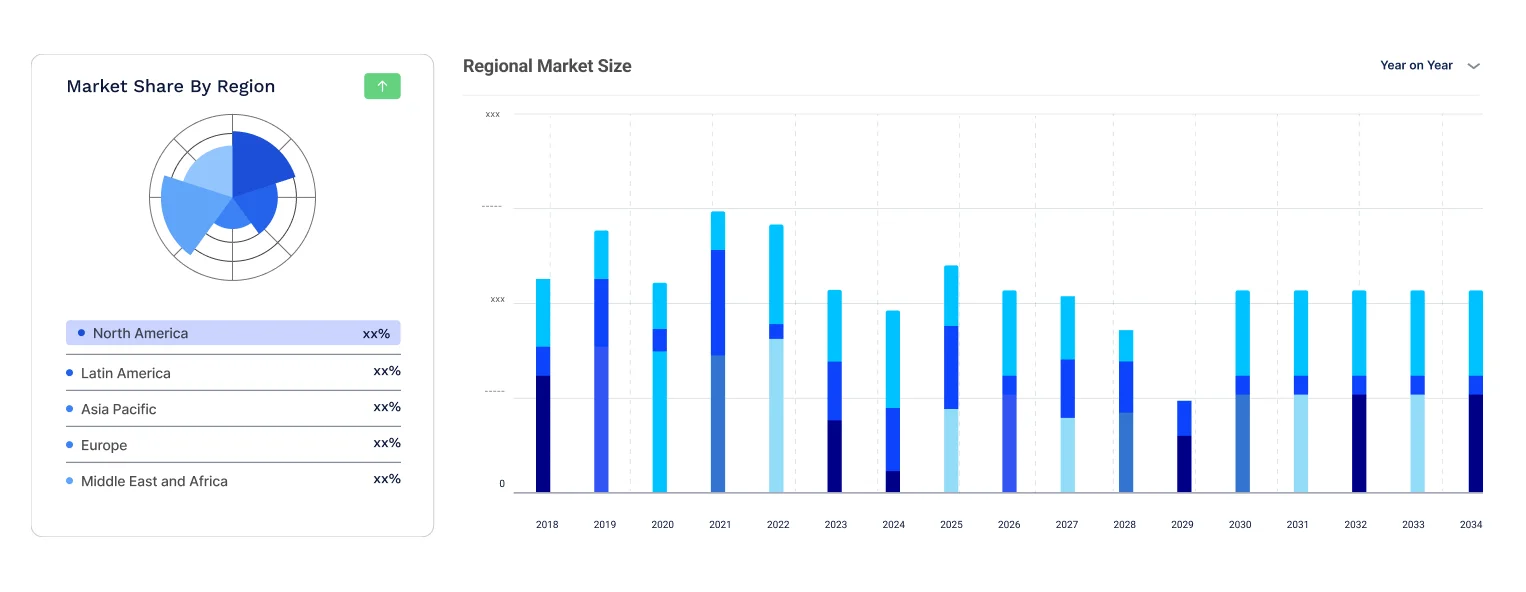
Key Insight: The global bicycle market shows varied dynamics across regions. Asia Pacific dominates the industry with its massive consumer base and rising health awareness. Europe is rapidly advancing due to strong political backing and widespread cultural acceptance of cycling. North America also contributes significantly, especially through fitness and cargo biking trends in urban centres. Emerging regions like Latin America and the Middle East are witnessing steady growth, spurred by improving infrastructure and urbanization. Together, these trends reflect a global movement toward sustainable and diversified mobility, opening new strategic frontiers for bicycle manufacturers, suppliers, and service providers.
By Product, Mountain Bikes Account for the Dominant Share of the Market
The dominance of mountain bikes in the bicycle market is sustained by their versatility and demand from adventure tourism and sports enthusiasts. With trails being expanded across North America and the Alpine regions in Europe, public and private investments in trail infrastructure have surged. The Scottish government has committed EUR 8 million to mountain biking tourism through its Developing Mountain Biking in Scotland (DMBinS) programme. B2B demand stems from rental chains, sports event organisers, and resort partners seeking durable and high-performance units. Moreover, top-end models now integrate carbon frames and suspension technology, fuelling further interest.
Cargo bikes are registering exponential growth, especially among delivery services and SME logistics players, accelerating the demand in the bicycle market. Cities such as Berlin and Amsterdam are pushing zero-emission logistics, offering subsidies and preferential lane access for cargo bikes. The United Kingdom government launched a funding pool of EUR 2 million specifically for B2B cargo bike purchases. Commercial operators are targeting electric cargo bikes for their ability to bypass congestion and reduce operational costs. Players like Urban Arrow and Riese & Müller are designing B2B-tailored models with load-bearing chassis and longer battery life.
By Price, the Premium Segment Registers the Dominant Share of the Market Revenue
Premium bicycles dominate the bicycle market revenue share due to technological enhancements and brand positioning. These bikes offer high margin returns and appeal to businesses seeking performance, durability, and advanced features. Brands like Trek, Cannondale, and Specialized are focusing on the premium e-bike segment with connected ecosystems and carbon frames. Rental operators, high-end tour services, and luxury hotel chains are increasingly procuring premium fleets to enhance customer experience. As per industry report, 14% of United Kingdom cyclists tend to buy premium e-bikes.
Mid-range bikes are experiencing the fastest growth in the bicycle market, offering a balance between affordability and quality. For large-scale procurement, be it urban mobility services, last-mile logistics firms, or campus mobility projects, this segment strikes the right balance. Models in this segment now include e-assist, better drivetrains, and anti-theft technology. The versatility of mid-range models allows for usage across commuting, light logistics, and rentals. Manufacturers such as Decathlon and Giant are increasingly targeting this B2B-friendly price segment, offering bulk packages with maintenance contracts and GPS-enabled fleet tracking, ideal for corporate sustainability initiatives.
By Technology, Electric Bikes Secure the Larger Share of the Market
Electric bikes (e-bikes) significantly dominate the bicycle market. Their appeal lies in enabling longer, faster, and less strenuous commutes or deliveries, vital for courier services, rental operators, and tourism enterprises. Brands like Tern and Yuba are creating e-cargo solutions specifically designed for business logistics, further making electric bikes as indispensable to modern B2B mobility. Additionally, innovative features like GPS fleet tracking, swappable battery packs, and app-based control systems are making e-bikes more efficient for large-scale deployment. Companies are also exploring solar panel integration to extend range and reduce downtime, offering a sustainable edge.
Conventional bikes are regaining traction especially in regions focusing on cost-effective, sustainable mobility projects, further propelling the bicycle market development. NGOs, educational campuses, and local government initiatives in Southeast Asia and Africa are turning to basic bicycles for short-distance mobility. Programmes like India’s ‘Cycle4Change Challenge’ have prompted municipalities to bulk-order conventional bikes for shared mobility. These bikes, low-maintenance and reliable, fit within tight procurement budgets while supporting environmental goals. Businesses like real estate firms and rural logistics startups are embedding conventional bikes in their operational networks.
By Distribution Channel, the Offline Segment Occupies a Substantial Share of the Market
Offline retail remains the primary distribution channel in the bicycle market, accounting for a significant share due to their offered tangible experiences. Specialized bicycle stores provide personalized services, including test rides, fittings, and maintenance, enhancing customer satisfaction. Companies like Pedego have established extensive networks of locally-owned stores globally, offering sales, rentals, and after-sales services. This physical presence builds trust and fosters long-term customer relationships, crucial for high-involvement purchases like bicycles. Moreover, offline channels facilitate immediate product availability and personalized consultations, factors that continue to drive their dominance in the market.
The online distribution channel is experiencing rapid growth as per the bicycle market report, propelled by the increasing digitalization of retail and changing consumer behaviours. E-commerce platforms offer a wide range of products, competitive pricing, and the convenience of home delivery, attracting a broad customer base. Manufacturers are enhancing their online presence through direct-to-consumer websites and partnerships with online retailers, expanding their market reach. Additionally, the integration of virtual reality and augmented reality technologies enables customers to experience products virtually, bridging the gap between online and offline shopping experiences.
By End User, Men Occupy the Significant Share of the Market
Men constitute the largest segment in the bicycle market, driven by higher participation rates in cycling for commuting, fitness, and sports. This demographic shows a strong preference for performance-oriented bikes, including mountain and road bicycles, fuelling demand in these categories. Manufacturers focus on developing advanced features and designs tailored to male riders, enhancing their market appeal. Additionally, marketing strategies often target male consumers through sponsorships of cycling events and collaborations with professional athletes, reinforcing brand loyalty and driving sales in this dominant segment.
Women represent the fastest growing segment in the bicycle market, reflecting increasing female participation in cycling for health, leisure, and commuting. Manufacturers are responding by designing bicycles that cater to women's ergonomic needs, offering comfort and style. Marketing campaigns emphasizing empowerment and community engagement are resonating with female consumers, further boosting market growth. Additionally, the rise of women-centric cycling clubs and events is fostering a supportive environment, encouraging more women to take up cycling.
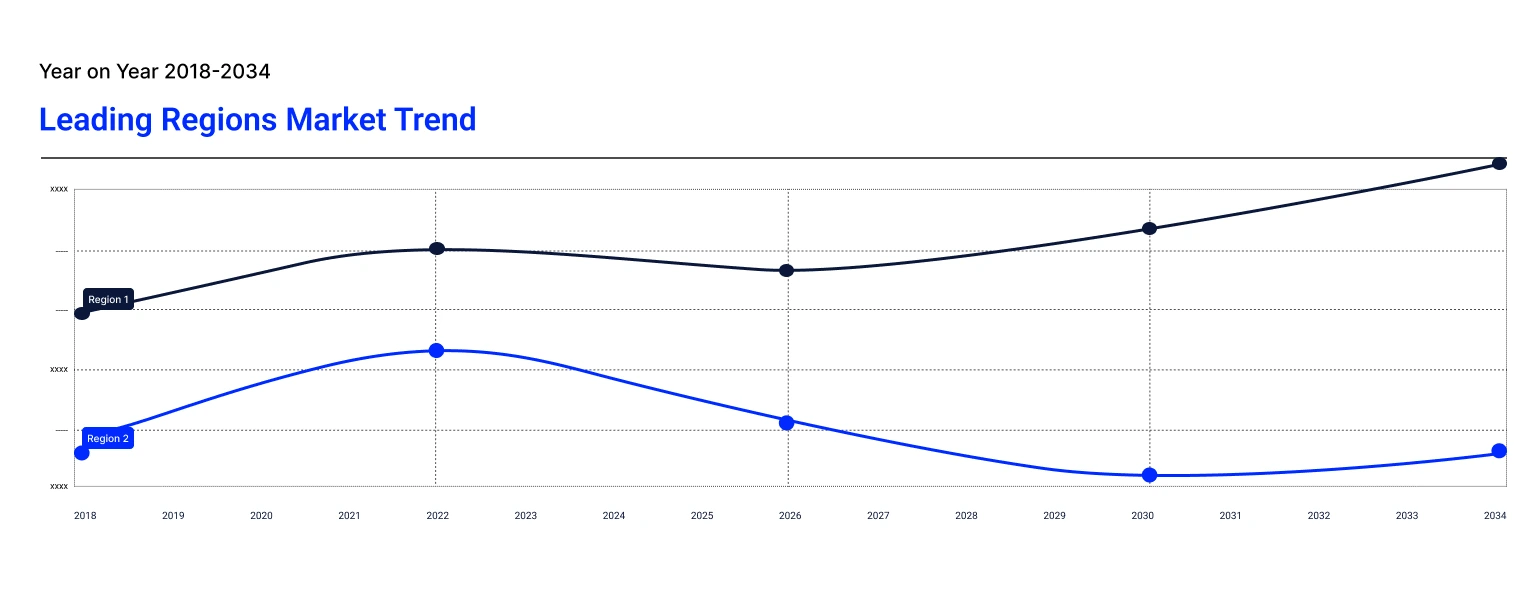
By Region, Asia Pacific Holds the Leading Position in the Market
Asia Pacific is witnessing an increase in bicycle commutation due to government programs encouraging environmentally friendly transportation and urbanization. To encourage cycling as a sustainable form of transportation, governments around the region are making infrastructural investments. The goal of initiatives like India's Streets4People Challenge and Cycles4Change Challenge is to make cities more bike-friendly so that more people choose to commute by bicycle on a daily basis. Bicycle commuting is growing in popularity as people look for affordable and environmentally responsible ways to get around crowded cities. Moreover, there is a growing awareness of the health benefits associated with cycling, such as improved cardiovascular fitness and weight management. Additionally, concerns over environmental issues and the need for sustainable transportation solutions are motivating consumers to choose bicycles over motorized vehicles, further increasing the demand for bicycles.
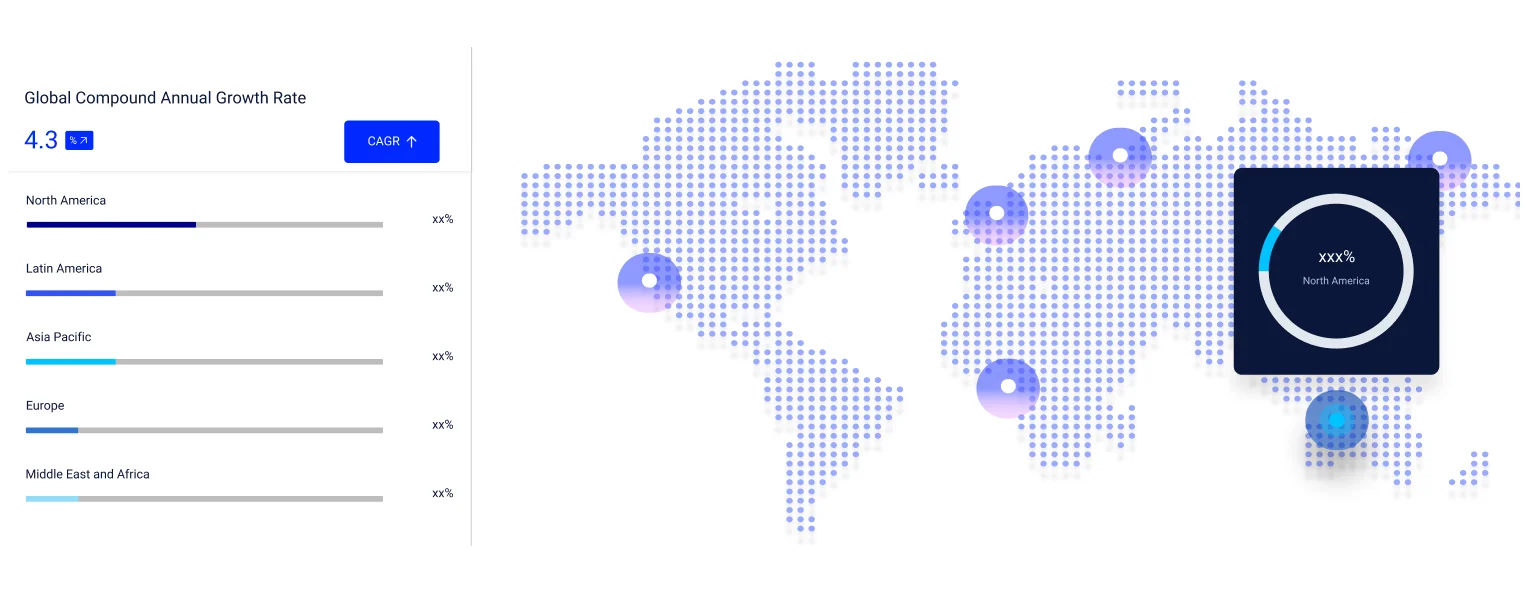
| CAGR 2026-2035 - Market by | Country |
| India | 9.8% |
| China | 8.2% |
| Brazil | 8.2% |
| Mexico | 7.0% |
| Australia | 5.8% |
| Japan | 5.1% |
| USA | XX% |
| Canada | XX% |
| UK | XX% |
| Germany | XX% |
| France | XX% |
| Italy | XX% |
| Saudi Arabia | XX% |
Dedicated bike lanes and government incentives promote the use of bicycles, and bicycle commuting is a well-established practice in Europe. A sizable section of the populace in Denmark and the Netherlands commutes by bicycle. Significant infrastructure expenditures, such as long bike lanes and parking lots, have resulted from this vibrant cycling culture, which has encouraged more individuals to continue bicycle commutation in their everyday life. The growing popularity of e-bikes, which provide a practical and energy-efficient option for urban transport, is a major driver of the European bicycle market expansion. In the Netherlands, e-bikes accounted for 56% of the 804,101 new bicycles bought in 2023, with 453,219 sold.
The bicycle market players are investing in AI-powered bike maintenance apps, solar-assisted e-bikes, and regenerative braking systems. Urban micromobility is a ley area of focus, with bike-sharing systems integrating facial recognition and blockchain for secure access. Startups are tapping into 3D printing for custom-fit frames, offering ultra-personalized cycling experiences. Opportunities lie in targeting health-conscious consumers and green city infrastructure projects.
Bicycle companies are also partnering with technology firms to embed IoT for real-time diagnostics. There is a growing demand for hybrid bikes that switch between manual and electric modes on the go. Smart diagnostics, solar charging, 3D-printed custom frames, blockchain-secured bike-sharing, and AI-powered predictive maintenance are some of the key trends noticed in the market. Sustainability is another focus area, with players exploring biodegradable parts and closed-loop recycling systems. In this fast-changing space, innovation is key to standing out and tapping into emerging global cycling cultures, especially in Asia and Europe.
Accell Group, headquartered in Friesland and founded in 1998, is a leading bicycle manufacturer with a strong global presence. The company focuses on innovation and sustainable bicycle designs, offering a wide range of models, including electric bicycles and high-performance commuter bikes. Accell Group owns renowned brands such as Batavus, Haibike, Koga, and Raleigh, focusing on quality, durability, and performance. With a commitment to green mobility, the company continues to drive advancements in bicycle technology and design.
Atlas Cycles has been a key player in the bicycle industry since 1950, producing high-quality bicycles catering to diverse consumer needs. The brand is well-known in India and offers reasonably priced, long-lasting bicycle types. With an emphasis on affordability, dependability, and innovation, Atlas Cycles has been instrumental in bringing bicycles within the reach of the general public. Its reputation in the market has been established by its dedication to quality and client satisfaction.
Founded in 1951, Avon Cycles is known for its extensive product portfolio, including commuter bicycles and performance-oriented models. Through strategic alliances and innovation, the company, which has its headquarters in Ludhiana, is growing its market share. The business is well-known for providing a broad range of customers with reasonably priced, robust, and inventive bicycles. Avon Cycles is extending its market reach through strategic alliances, technology developments, and an expanding global footprint.
Headquartered in United States, and founded in 1995, Cervelo specialises in high-performance bicycles, particularly for competitive cycling and triathlons. The company has become a premium brand in the market due to its dedication to precision engineering and aerodynamics. Cervelo consistently makes investments in R&D to improve durability, speed, and efficiency. The brand has established a solid reputation for performance, innovation, and excellent ride quality through its participation in international bicycle competitions.
*Please note that this is only a partial list; the complete list of key players is available in the full report. Additionally, the list of key players can be customized to better suit your needs.*
Other key players in the market are Dorel Industries Inc., Giant Bicycles, Cycling Sports Group, LLC, Hero Cycles, Santa Cruz Bicycles, LLC, Marin Mountain Bikes Inc., Merida Industry Co., Ltd, Specialized Bicycle Components, Inc., SCOTT Sports SA, Trek Bicycle Corporation, Orbea, BH Bikes, Axalko Bikes, Hagen Bikes, Mammoth bikes, Egurra Bikes, and Garri Bike, among others.
Explore the latest trends shaping the Bicycle Market 2026-2035 with our in-depth report. Gain strategic insights, future forecasts, and key market developments that can help you stay competitive. Download a free sample report or contact our team for customized consultation on Bicycle Market trends 2026.
Folding Electric Bicycle Market


Upto 15% Off
USD
$2499 $2249
$3999 $3599
$4999 $4249
$5999 $5099


*While we strive to always give you current and accurate information, the numbers depicted on the website are indicative and may differ from the actual numbers in the main report. At Expert Market Research, we aim to bring you the latest insights and trends in the market. Using our analyses and forecasts, stakeholders can understand the market dynamics, navigate challenges, and capitalize on opportunities to make data-driven strategic decisions.*
Get in touch with us for a customized solution tailored to your unique requirements and save upto 35%!
In 2025, the bicycle market reached an approximate value of USD 81.76 Billion.
The market is projected to grow at a CAGR of 6.60% between 2026 and 2035.
The market is estimated to witness a healthy growth in the forecast period of 2026-2035 to reach about USD 154.92 Billion by 2035.
Key strategies driving the market include partnering with tech startups, integrating AI tools, exploring biodegradable materials, localizing supply chains, and offering modular, upgradeable bike designs.
The major regions in the industry are North America, Latin America, the Middle East and Africa, Europe, and the Asia Pacific.
The leading products in the market are mountain bikes, hybrid bikes, cargo bikes, and road bikes, among others.
The major price segments of the product in the industry are premium, mid-range, and low range.
The significant end uses in the industry are men, women, and kids.
The key players in the market include Accell Group, Atlas Cycles (Haryana) Ltd., Avon Cycles Ltd., Cervelo , Dorel Industries Inc. , Giant Bicycles, Cycling Sports Group, LLC, Hero Cycles, Santa Cruz Bicycles, LLC, Marin Mountain Bikes Inc., Merida Industry Co., Ltd, Specialized Bicycle Components, Inc., SCOTT Sports SA, Trek Bicycle Corporation, Orbea, BH Bikes, Axalko Bikes, Hagen Bikes, Mammoth bikes, Egurra Bikes, and Garri Bike, among others.
Asia Pacific accounted for the largest share in the bicycle market.
Key trends include growth of e-bikes, integration of smart features, and increased use of lightweight and eco-friendly materials.
The key challenges are raw material costs, supply chain disruptions, safety regulations, and rising competition from micromobility alternatives like e-scooters and autonomous personal transport pods.
Explore our key highlights of the report and gain a concise overview of key findings, trends, and actionable insights that will empower your strategic decisions.
| REPORT FEATURES | DETAILS |
| Base Year | 2025 |
| Historical Period | 2019-2025 |
| Forecast Period | 2026-2035 |
| Scope of the Report |
Historical and Forecast Trends, Industry Drivers and Constraints, Historical and Forecast Market Analysis by Segment:
|
| Breakup by Product |
|
| Breakup by Price |
|
| Breakup by Technology |
|
| Breakup by Distribution Channel |
|
| Breakup by End User |
|
| Breakup by Region |
|
| Market Dynamics |
|
| Competitive Landscape |
|
| Companies Covered |
|
| Report Price and Purchase Option | Explore our purchase options that are best suited to your resources and industry needs. |
| Delivery Format | Delivered as an attached PDF and Excel through email, with an option of receiving an editable PPT, according to the purchase option. |
Datasheet
One User
USD 2,499
USD 2,249
tax inclusive*
Single User License
One User
USD 3,999
USD 3,599
tax inclusive*
Five User License
Five User
USD 4,999
USD 4,249
tax inclusive*
Corporate License
Unlimited Users
USD 5,999
USD 5,099
tax inclusive*
*Please note that the prices mentioned below are starting prices for each bundle type. Kindly contact our team for further details.*
Flash Bundle
Small Business Bundle
Growth Bundle
Enterprise Bundle
*Please note that the prices mentioned below are starting prices for each bundle type. Kindly contact our team for further details.*
Flash Bundle
Number of Reports: 3
20%
tax inclusive*
Small Business Bundle
Number of Reports: 5
25%
tax inclusive*
Growth Bundle
Number of Reports: 8
30%
tax inclusive*
Enterprise Bundle
Number of Reports: 10
35%
tax inclusive*
How To Order

Select License Type
Choose the right license for your needs and access rights.

Click on ‘Buy Now’
Add the report to your cart with one click and proceed to register.

Select Mode of Payment
Choose a payment option for a secure checkout. You will be redirected accordingly.
Gain insights to stay ahead and seize opportunities.

Get insights & trends for a competitive edge.

Track prices with detailed trend reports.

Analyse trade data for supply chain insights.

Leverage cost reports for smart savings

Enhance supply chain with partnerships.

Connect For More Information
Our expert team of analysts will offer full support and resolve any queries regarding the report, before and after the purchase.
Our expert team of analysts will offer full support and resolve any queries regarding the report, before and after the purchase.
We employ meticulous research methods, blending advanced analytics and expert insights to deliver accurate, actionable industry intelligence, staying ahead of competitors.
Our skilled analysts offer unparalleled competitive advantage with detailed insights on current and emerging markets, ensuring your strategic edge.
We offer an in-depth yet simplified presentation of industry insights and analysis to meet your specific requirements effectively.





Share