

Consumer Insights
Uncover trends and behaviors shaping consumer choices today
Procurement Insights
Optimize your sourcing strategy with key market data
Industry Stats
Stay ahead with the latest trends and market analysis.

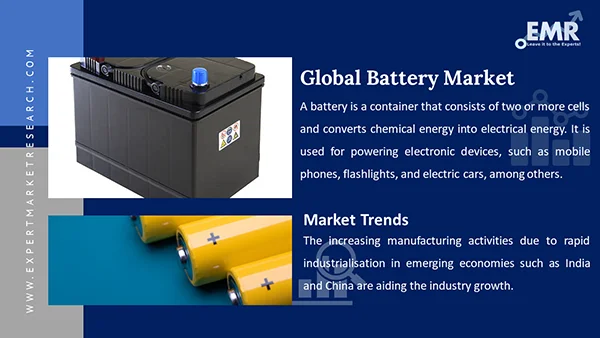
The global battery market attained a value of USD 233.31 Billion in 2025 and is projected to expand at a CAGR of 15.00% through 2035. The market is set to achieve USD 943.87 Billion by 2035. Rising automation in manufacturing and logistics is accelerating the adoption of industrial batteries, as companies prioritize fast-charge, high-cycle solutions to stabilize robotic operations and reduce downtime across distributed warehouse and production footprints.
A defining shift in the sector is Northvolt’s November 2023 announcement of developing the world’s first sodium-ion battery at a commercial scale, targeting grid-level storage where lithium cost volatility creates operational risks. The company claims its sodium-ion cells deliver 160 Wh/kg, and this performance uplift is significant considering that stationary storage demand is expected to exceed 900 GWh by 2030, as per the battery market analysis. Such moves show how suppliers are stepping away from material-constrained chemistries toward alternatives that stabilize cost structures for utilities and industrial clients.
With power systems transitioning toward high-renewables penetration, enterprise buyers are aggressively pursuing batteries that ensure grid stability, higher cycle life, and predictable TCO. Leading manufacturers are embedding AI-based diagnostics, adaptive thermal layers, and digital twins to keep cycling efficiency stable despite varying load patterns, thereby redefining the battery market trends. Panasonic, for instance, accelerated its Gen-4 cell program since September 2024, aiming to boost energy density through refined nickel-rich cathode engineering and faster electrolyte wetting, a development that directly appeals to OEMs seeking longer-range mobility platforms.
In parallel, corporate buyers are pushing suppliers for transparent, low-carbon supply chains. CATL’s November 2025 initiative to deploy real-time carbon-traceable metals across its LFP and M3P lines underlines this shift, giving B2B partners deeper visibility into sourcing, compliance, and circular manufacturing commitments.
Base Year
Historical Period
Forecast Period
Compound Annual Growth Rate
15%
Value in USD Billion
2026-2035
*this image is indicative*
| Global Battery Market Report Summary | Description | Value |
| Base Year | USD Billion | 2025 |
| Historical Period | USD Billion | 2019-2025 |
| Forecast Period | USD Billion | 2026-2035 |
| Market Size 2025 | USD Billion | 233.31 |
| Market Size 2035 | USD Billion | 943.87 |
| CAGR 2019-2025 | Percentage | XX% |
| CAGR 2026-2035 | Percentage | 15.00% |
| CAGR 2026-2035 - Market by Region | Europe | 16.1% |
| CAGR 2026-2035 - Market by Country | India | 19.6% |
| CAGR 2026-2035 - Market by Country | Canada | 17.1% |
| CAGR 2026-2035 - Market by Product | Lithium-Ion | 15.7% |
| CAGR 2026-2035 - Market by Application | Automotive Batteries | 18.7% |
| Market Share by Country 2025 | Germany | 5.4% |
Policy incentives such as the United States Inflation Reduction Act and Department of Energy grant programs are accelerating domestic battery production by de-risking capital investment for gigafactories, recycler buildouts. The IRA’s production and investment tax credits plus DOE Battery Manufacturing and Recycling grants have unlocked private capital, prompting multi-billion-dollar projects and supplier partnerships, thereby impacting the overall battery market dynamics. In November 2023, the Canadian government revealed that it will finance E-One Moli Energy to establish Canada's largest high-performance ternary lithium battery cell facility in Vancouver, boasting a capacity of 2.8 GWh and generating 135 million cylindrical ternary lithium batteries annually. This regulatory tailwind shortens payback periods for manufacturers targeting automotive and utility segments, while procurement officers demand domestic content to qualify for incentives.
Raw-material risk and concentrated processing have pushed manufacturers toward chemistry diversification and circularity. Firms are piloting sodium-ion and LFP variants to reduce nickel-cobalt exposure while expanding recycling loops to reclaim cobalt, lithium and copper. For example, in October 2025, Himadri Specialty Chemicals announced that the company will manufacture lithium iron phosphate (LFP) cathode material outside China with its upcoming 2,00,000 MTPA plant. This battery market development exemplifies alternatives that suit stationary storage and cut cost volatility. Meanwhile governments back circular targets through grants and regulatory incentives that favor recycled content and domestic refining capacity, prompting OEMs to sign offtake and recycling agreements.
Regulatory pressure in Europe is reshaping manufacturing priorities through carbon accounting and traceability mandates. The EU Battery Regulation requires manufacturers to declare battery carbon footprints and introduces a battery passport to document material origins, recycling rates, and performance across lifecycle stages. For instance, in September 2025, the Japanese company ATL initiated the first phase of what is claimed to be the largest lithium-ion battery production facility in Asia, located at the Industrial Model Township in India. Firms investing in low-carbon cathodes, greener precursor processing, and traceable sourcing now gain procurement advantage with fleet operators and public tenders requiring compliance, driving the battery market value. Suppliers rework supply chains to meet recycled content thresholds and auditability, accelerating investments in traceability platforms and processing hubs.
Technology innovation remains a core growth motivator as firms compete to improve energy density, safety, and lifecycle economics. Beyond incremental cell chemistry gains, manufacturers invest in solid-state pilots, fast-wet electrode processes, and AI-driven battery management that extend usable cycles and reduce thermal incidents. OEMs such as Rivian partnering with domestic cell suppliers like LG Energy Solution in November 2024, reflects a strategy to co-develop tailored cell formats for vehicle platforms, speeding qualification and lowering integration cost.
Corporate procurement demands and circular-economy commitments are reshaping product roadmaps, with large fleets and energy companies specifying low-carbon, traceable batteries and end-of-life takeback clauses, propelling the battery market growth. Firms now tie long-term offtake and recycling contracts to carbon-performance metrics, forcing suppliers to invest in remanufacturing lines and robotic disassembly. CATL’s ESG and carbon-neutrality commitments, announced in April 2024, and public recycling pilot programs illustrate how manufacturers signal compliance to enterprise buyers.
Read more about this report - REQUEST FREE SAMPLE COPY IN PDF
The EMR’s report titled “Global Battery Market Report and Forecast 2026-2035” offers a detailed analysis of the market based on the following segments:
Market Breakup by Product
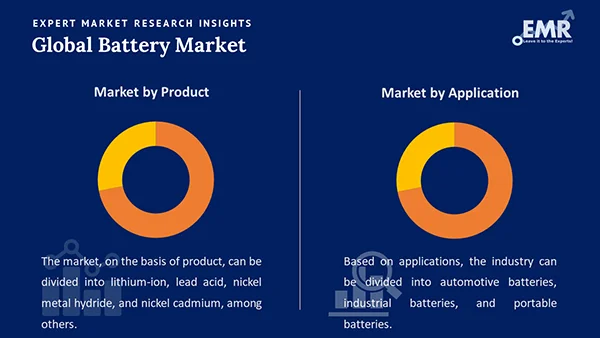
Key Insight: According to the battery industry research, lithium-ion dominates the market for EVs and grid because of energy density and OEM integration. Lead-acid retains niche strength in standby, telecom, and low-cost industrial roles where cost per kW matters. NiMH serves hybrid powertrains and specialty industrial tools with proven safety. NiCd persists in aviation and certain legacy telecom assets for robustness and temperature tolerance. Other batteries such as sodium-ion, solid-state, flow batteries capture fast-growing interest where raw-material security, safety, long-duration storage, or lower cost per cycle are prioritized by utilities and corporate buyers.
Market Breakup by Application
Key Insight: Automotive batteries drive large volume, tight qualification cycles and integration with vehicle thermal and safety systems. Industrial applications demand long cycle life, modularity, and predictable SLAs for ESS, telecom, and logistics, often bundled with energy services, accelerating the overall battery demand. Portable batteries prioritize energy density, form factor, and fast charging for consumer electronics and handheld industrial tools. Procurement teams evaluate total lifecycle costs, warranty frameworks, and circularity credentials differently across these applications, pushing suppliers to offer tailored packs, software services, and compliance documentation to win enterprise contracts and public tenders across regions.
Market Breakup by Region
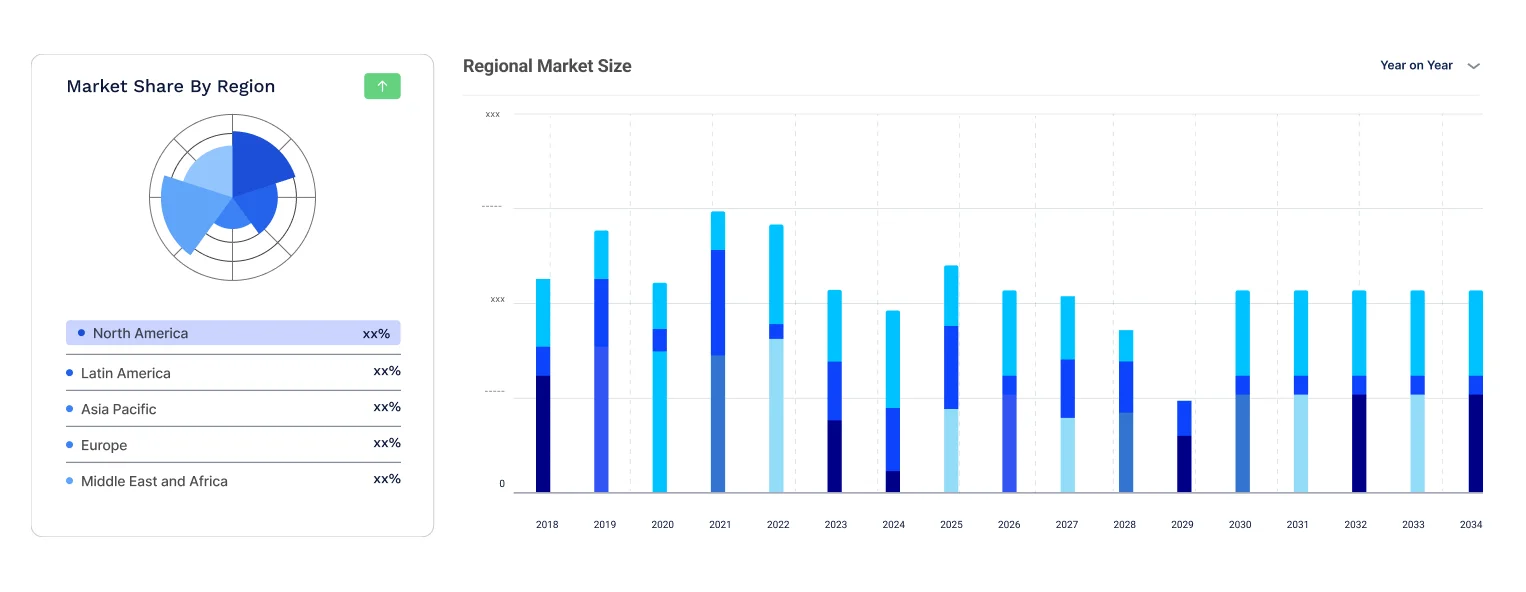
Key Insight: The regional battery market dynamics is variable. Asia Pacific leads on scale, vertical integration and component supply. North America grows fastest due to IRA incentives, DOE grants and reshoring. Europe’s regulation and battery passport drive low-carbon manufacturing and traceability. Latin America leverages mining investment and upstream raw-material exports. Middle East & Africa attract strategic gigafactory and mineral processing investments linked to sovereign industrialization plans.
Read more about this report - REQUEST FREE SAMPLE COPY IN PDF
By product, lithium-ion dominates the market Share due to energy density and EV demand
Lithium-ion cells remain a core pillar of the market, due to unmatched energy density, established manufacturing scale, and deep OEM integrations. Major players optimize cathode formulations (NMC/NCA/LFP) to balance cost, safety, and cycle life while designing proprietary cell formats for EV and grid customers. In January 2022, Toshiba enhanced its SCiB range by introducing a new 20Ah-HP rechargeable lithium-ion battery cell that provides both high energy and high power simultaneously. Suppliers are locking multi-year supply contracts with automakers and charging infrastructure providers to secure demand visibility and amortize gigafactory investments.
Lead acid batteries remain relevant in the battery market trends as manufacturers refine the technology with carbon-enhanced plates, advanced absorbent glass mat designs, and improved corrosion-resistant grids that extend cycle life for industrial and automotive users. Their stability, recyclability rate of nearly 99%, and consistent performance in high-temperature or high-vibration environments keep them essential for backup power systems, forklifts, telecom towers, and commercial vehicles.
By application, automotive batteries register the largest share driven by EV fleet electrification
Automotive batteries remain the dominant application, driven by global EV electrification, OEM platform strategies, and after-sales replacement markets. Cell and pack suppliers co-design with automakers to optimize format, thermal management, and fast-charging capabilities, shortening validation cycles and enabling vehicle manufacturers to meet range and safety KPIs, broadening the chances of battery market expansion. Suzuki launched its first global strategic BEV model in November 2024. The vehicle is powered by lithium-ion batteries. Fleet electrification pilots, commercial vehicle conversions, and regulation-linked procurement contracts push battery suppliers to provide lifecycle services, second-life repurposing agreements, and performance guarantees.
Industrial batteries, serving ESS, telecom, data-center UPS, and logistic automation, are observing significant growth in the battery market revenue share as enterprises seek power resiliency and grid services revenue. Utilities and hyperscalers sign multi-year capacity contracts for co-located storage that stabilizes renewable output and provides frequency response, prompting suppliers to prioritize cycle life, depth-of-discharge and predictable TCO. Manufacturers deliver containerized modular systems with integrated BMS, AI predictive maintenance, and second-life pathways tailored to corporate procurement.
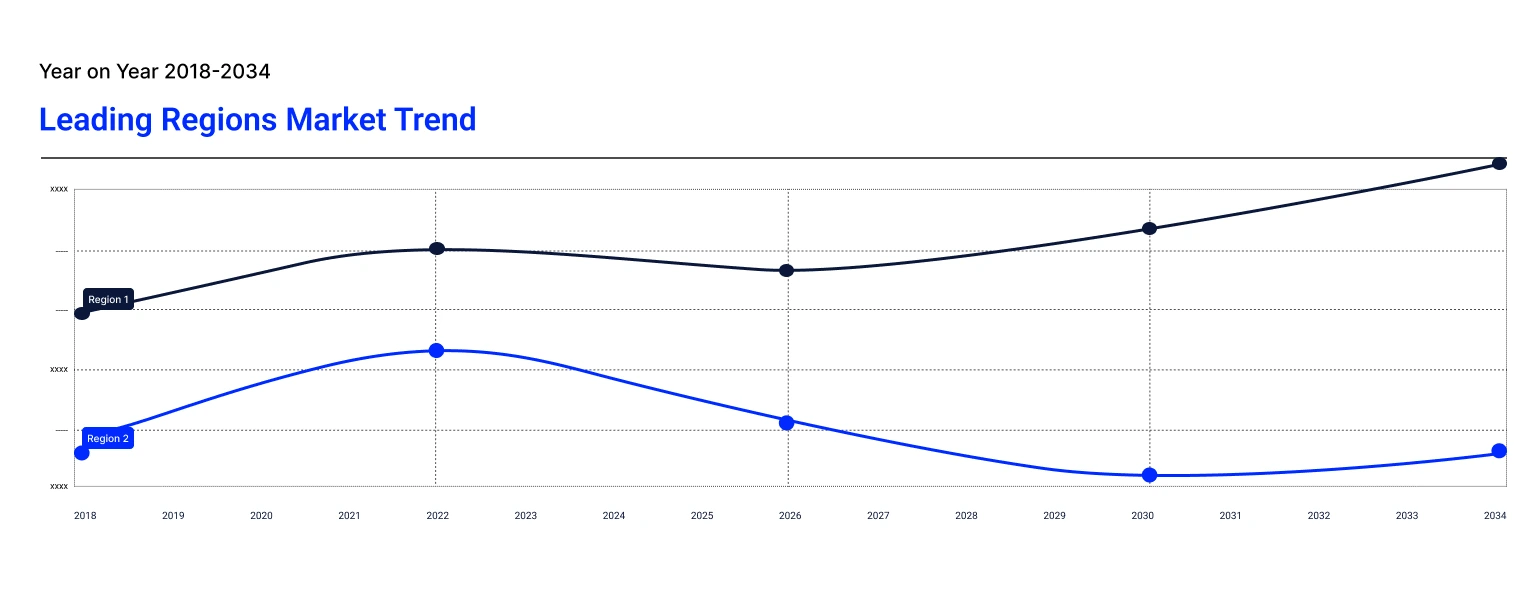
Asia Pacific leads the market due to manufacturing scale and resource access
Asia Pacific dominates production, leveraging integrated upstream mining, cathode precursor capacity, cell assembly scale and mature OEM ecosystems. Prominent Chinese manufacturers maintain cost leadership through vertical integration, while South Korea and Japan focus on premium chemistries, manufacturing precision and automotive partnerships. B2B buyers favor suppliers with regionalized logistics and rapid qualification support, making Asia Pacific the primary sourcing region for global OEMs, energy developers and industrial buyers requiring scalable production footprints.
North America represents the fastest-growing regional battery market, fueled by policy incentives, industrial grants and reshoring efforts that aim to rebalance global supply chains. The United States IRA and Department of Energy manufacturing and recycling grants have catalyzed dozens of announced projects, encouraging OEMs and cell suppliers to localize capacity and secure critical mineral processing. In July 2025, Panasonic Energy Co. officially opened its lithium-ion battery factory for electric vehicles in De Soto, Kansas, United States. This shift raises procurement preferences for domestically qualified suppliers and accelerates partnerships between automakers, utilities and battery manufacturers.
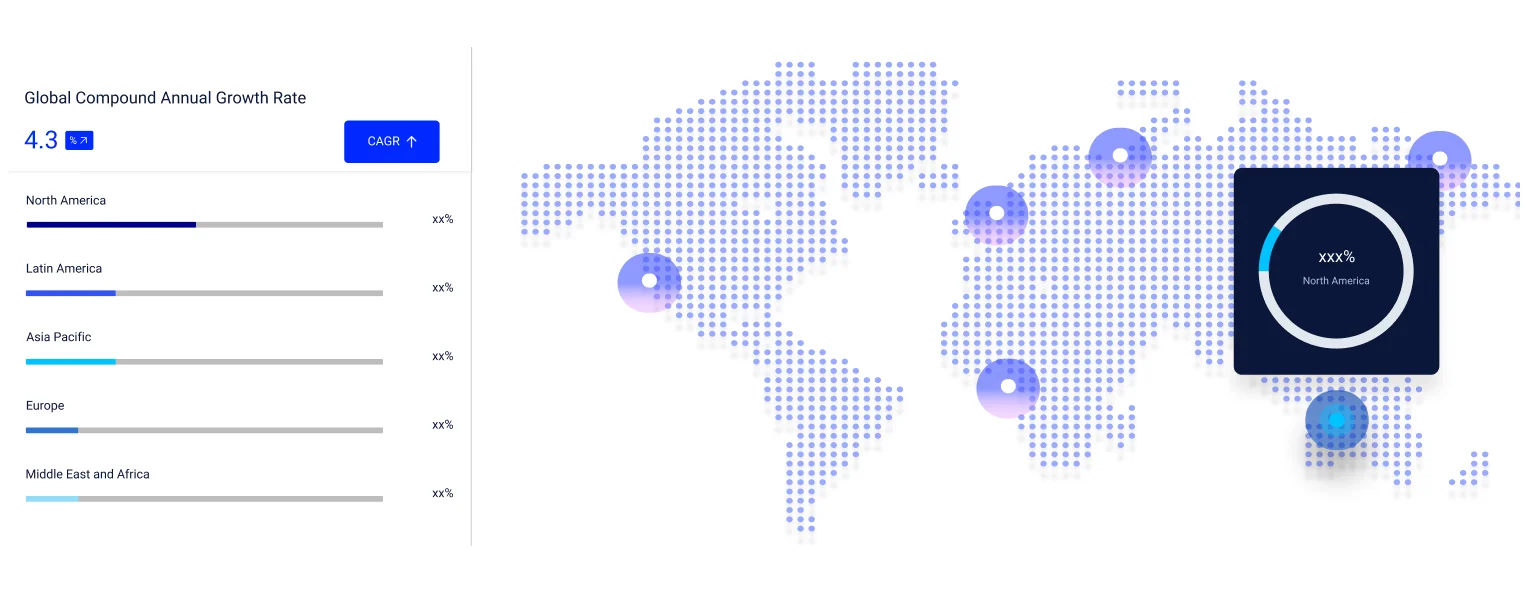
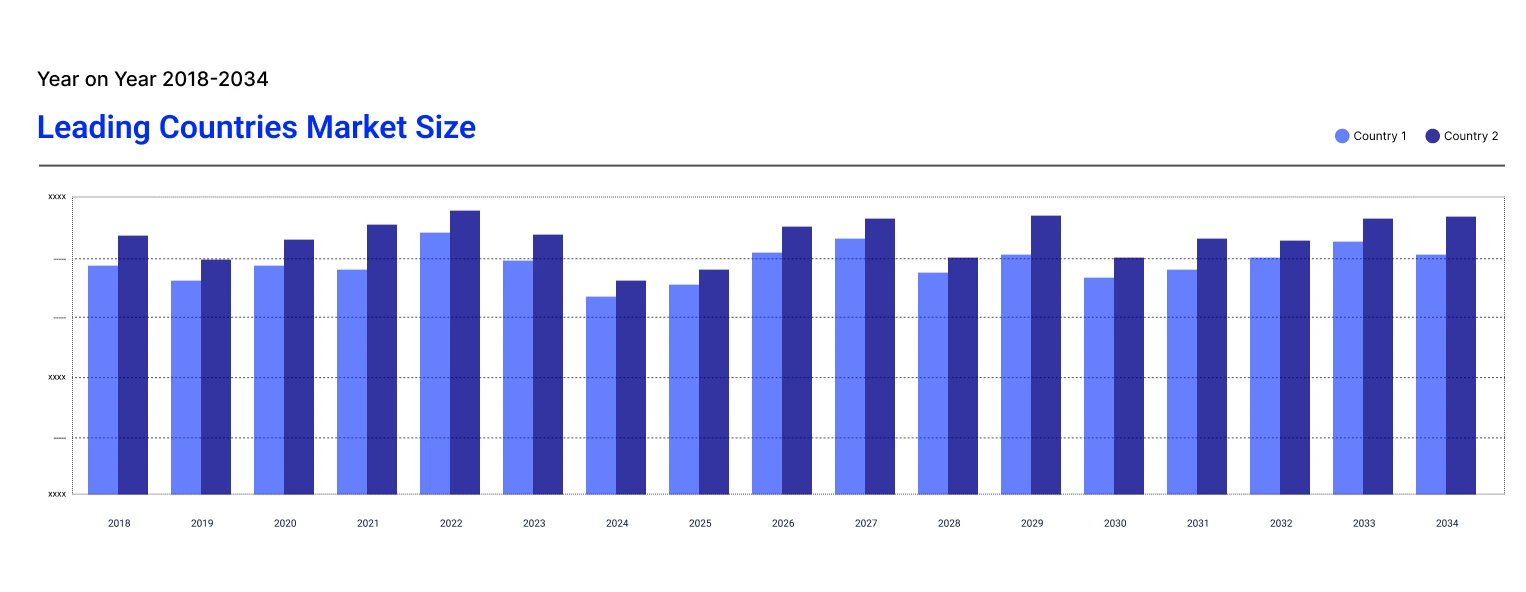
| CAGR 2026-2035 - Market by | Country |
| India | 19.6% |
| Canada | 17.1% |
| Brazil | 16.2% |
| UK | 16.1% |
| Germany | 15.5% |
| USA | XX% |
| France | XX% |
| China | 14.3% |
| Japan | XX% |
| Australia | XX% |
| Mexico | XX% |
| Italy | 14.2% |
| Saudi Arabia | 13.2% |
The market is defined by rapid technology shifts, aggressive capacity expansions, and a strong push toward cleaner, traceable, and more resilient supply chains. Leading battery companies are focusing on next-generation chemistries, including sodium-ion, semi-solid, and high-silicon anode platforms that cut cost volatility while improving performance. Many players are also building AI-enabled battery management software that predicts degradation and supports smart charging, giving enterprise clients better uptime.
Another major area of focus is integrating recycling and recovery systems directly into production lines to reduce input dependence and meet emerging regulations. Strategic partnerships between automakers, utilities, and material refiners continue to unlock opportunities in long-duration storage, commercial EV fleets, and circular energy ecosystems. Battery market players investing early in low-carbon processing, modular pack architectures, and digital traceability are gaining the strongest long-term procurement advantage as global buyers demand verified sustainability credentials and dependable regional supply models.
LG Energy Solution, established in 2020 and headquartered in Seoul, South Korea focuses on advanced lithium-ion platforms, solid-state prototypes, and AI-integrated battery management tools. The company serves EV makers and grid developers through high-density pouch and cylindrical cells engineered for faster charging and extended lifecycles.
GS Yuasa International Ltd., established in 1917 and headquartered in Japan, delivers lithium-ion, lead-acid, and specialized aviation batteries with strong emphasis on safety-critical performance. The company is developing high-capacity lithium-titanate cells known for ultra-fast charging and long cycle life, ideal for industrial EVs and grid frequency applications.
BYD Company Ltd., established in 1995 and headquartered in China, is a leader in lithium iron phosphate batteries and innovative blade-cell designs known for superior safety and compactness. BYD’s vertically integrated model spans mining, cathode production, cell manufacturing, and EV assembly, allowing tight control over quality and cost.
Exide Industries Ltd., established in 1947 and headquartered in Kolkata, India, is expanding from traditional lead-acid manufacturing into advanced lithium-ion and LFP systems. Through its joint venture with Leclanché, Exide builds fully automated lithium-ion lines supporting electric two-wheelers, telecom, and grid systems. The company focuses on modular pack engineering, enabling faster customization for EV and industrial clients.
*Please note that this is only a partial list; the complete list of key players is available in the full report. Additionally, the list of key players can be customized to better suit your needs.*
Other key players in the battery market report include Johnson Controls, and Panasonic Corporation, and others.
Unlock the latest insights with our battery market trends 2026 report. Discover regional growth patterns, consumer preferences, and key industry players. Stay ahead of competition with trusted data and expert analysis. Download your free sample report today and drive informed decisions in the market.
India Lithium Ion Battery Market


Upto 15% Off
USD
$2499 $2249
$3999 $3599
$4999 $4249
$5999 $5099


*While we strive to always give you current and accurate information, the numbers depicted on the website are indicative and may differ from the actual numbers in the main report. At Expert Market Research, we aim to bring you the latest insights and trends in the market. Using our analyses and forecasts, stakeholders can understand the market dynamics, navigate challenges, and capitalize on opportunities to make data-driven strategic decisions.*
Get in touch with us for a customized solution tailored to your unique requirements and save upto 35%!
In 2025, the market reached an approximate value of USD 233.31 Billion.
The market is projected to grow at a CAGR of 15.00% between 2026 and 2035.
Stakeholders are strengthening supplier partnerships, expanding recycling capacity, co-developing next-gen chemistries, investing in digital traceability, optimizing regional manufacturing footprints, and adopting AI-driven lifecycle monitoring to secure long-term reliability and procurement resilience.
The increasing research and development (R&D) by major players activities, technological advancements and innovations, the growing demand for sustainable batteries, and the surging usage of lithium-ion batteries are the key trends supporting the market expansion.
The major regions in the market are North America, Latin America, the Middle East and Africa, Europe, and the Asia Pacific.
The major products considered in the market report are lithium-ion, lead acid, nickel metal hydride, and nickel cadmium, among others.
The significant applications of battery include automotive batteries, industrial batteries, and portable batteries.
The key players in the market include LG Energy Solution, GS Yuasa International Ltd., BYD Company Ltd., Exide Industries Ltd., Johnson Controls, and Panasonic Corporation, among others.
The market is estimated to witness a healthy growth in the forecast period of 2026-2035 to reach USD 943.87 Billion by 2035.
Battery companies struggle with raw-material volatility, strict carbon-tracking rules, complex recycling mandates, high capex for gigafactories, and intense pressure to commercialize next-gen chemistries while maintaining safety, affordability, and dependable global supply.
Explore our key highlights of the report and gain a concise overview of key findings, trends, and actionable insights that will empower your strategic decisions.
| REPORT FEATURES | DETAILS |
| Base Year | 2025 |
| Historical Period | 2019-2025 |
| Forecast Period | 2026-2035 |
| Scope of the Report |
Historical and Forecast Trends, Industry Drivers and Constraints, Historical and Forecast Market Analysis by Segment:
|
| Breakup by Product |
|
| Breakup by Application |
|
| Breakup by Region |
|
| Market Dynamics |
|
| Competitive Landscape |
|
| Companies Covered |
|
Datasheet
One User
USD 2,499
USD 2,249
tax inclusive*
Single User License
One User
USD 3,999
USD 3,599
tax inclusive*
Five User License
Five User
USD 4,999
USD 4,249
tax inclusive*
Corporate License
Unlimited Users
USD 5,999
USD 5,099
tax inclusive*
*Please note that the prices mentioned below are starting prices for each bundle type. Kindly contact our team for further details.*
Flash Bundle
Small Business Bundle
Growth Bundle
Enterprise Bundle
*Please note that the prices mentioned below are starting prices for each bundle type. Kindly contact our team for further details.*
Flash Bundle
Number of Reports: 3
20%
tax inclusive*
Small Business Bundle
Number of Reports: 5
25%
tax inclusive*
Growth Bundle
Number of Reports: 8
30%
tax inclusive*
Enterprise Bundle
Number of Reports: 10
35%
tax inclusive*
How To Order

Select License Type
Choose the right license for your needs and access rights.

Click on ‘Buy Now’
Add the report to your cart with one click and proceed to register.

Select Mode of Payment
Choose a payment option for a secure checkout. You will be redirected accordingly.
Gain insights to stay ahead and seize opportunities.

Get insights & trends for a competitive edge.

Track prices with detailed trend reports.

Analyse trade data for supply chain insights.

Leverage cost reports for smart savings

Enhance supply chain with partnerships.

Connect For More Information
Our expert team of analysts will offer full support and resolve any queries regarding the report, before and after the purchase.
Our expert team of analysts will offer full support and resolve any queries regarding the report, before and after the purchase.
We employ meticulous research methods, blending advanced analytics and expert insights to deliver accurate, actionable industry intelligence, staying ahead of competitors.
Our skilled analysts offer unparalleled competitive advantage with detailed insights on current and emerging markets, ensuring your strategic edge.
We offer an in-depth yet simplified presentation of industry insights and analysis to meet your specific requirements effectively.





Share