

Consumer Insights
Uncover trends and behaviors shaping consumer choices today
Procurement Insights
Optimize your sourcing strategy with key market data
Industry Stats
Stay ahead with the latest trends and market analysis.

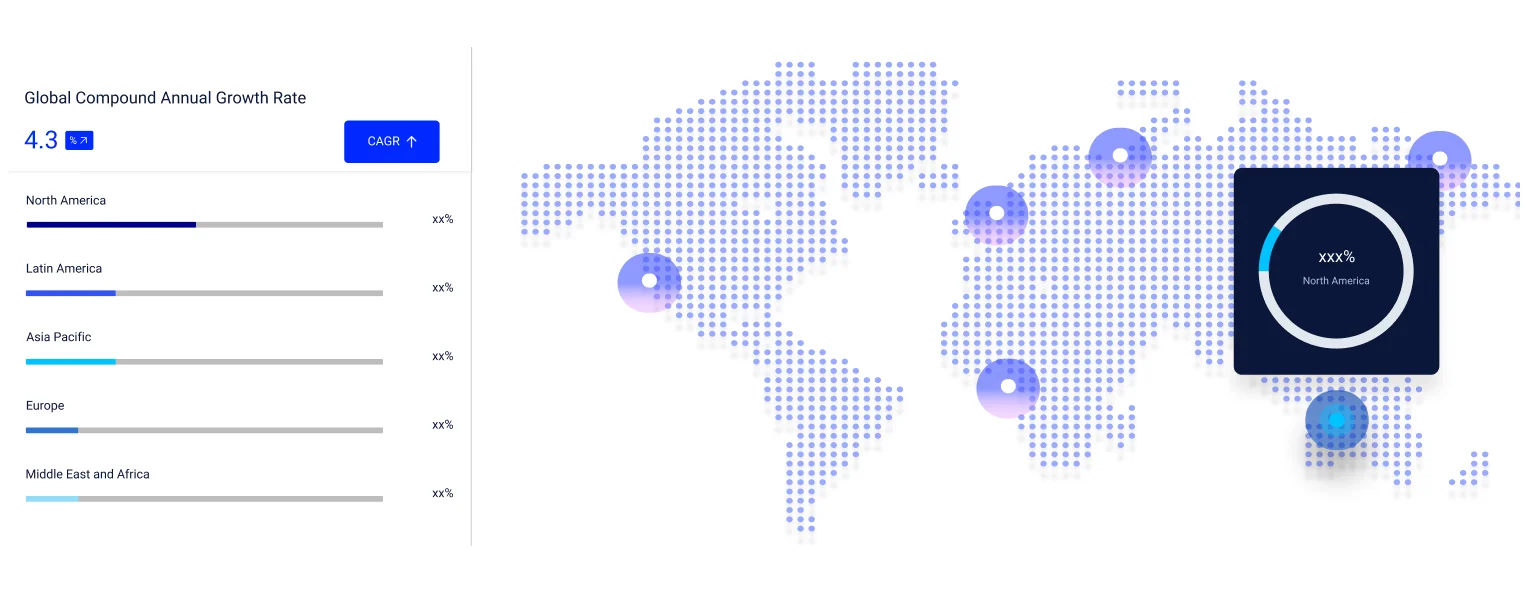
The global basmati rice market was valued at USD 11.36 Billion in 2025. The market is expected to grow at a CAGR of 5.00% during the forecast period of 2026-2035 to reach a value of USD 18.50 Billion by 2035. The market continues to witness stable growth, driven by expanding international demand, evolving dietary habits, and the premium positioning in global cuisines.
Saudi Arabia - Major Importer of Indian Basmati Rice
Iraq - Fast-Growing Market for Basmati Rice
North America - Growing Opportunity for Expansion
Basmati rice is increasingly featured in premium product portfolios and health-focused offerings due to its low glycemic index and gluten-free attributes. In August 2024, Crown Rice launched a “Diet Rice” variety low glycemic index basmati for health conscious consumers The growth of the global foodservice sector and rising consumption of ethnic cuisines have further supported its penetration in the HoReCa segment. Major exporters like India and Pakistan are focusing on expanding their footprint in new markets through aggressive branding and compliance with global quality standards.
Favorable trade policies, new market access agreements, and strategic partnerships with global retailers are contributing to expanded distribution in the basmati rice industry. In August 2024, KRBL launched its India Gate Basmati rice range on Tesco shelves in the United Kingdom, in collaboration with partner Golden Acre Foods. Innovations in packaging and storage, alongside a rising preference for organic and non-GMO variants, are influencing buying behavior in developed economies. As demand continues to shift from commoditized rice to high-value, aromatic variants, the market is well-positioned for robust growth.
The market is being propelled by increasing export volumes from India and Pakistan, rising demand from premium foodservice providers, and growing health awareness among consumers. As per the Agricultural and Processed Food Products Export Development Authority (APEDA), India exported over 4.5 million tons of basmati rice during FY 2024, with increasing traction in the United States, Saudi Arabia, and European Union. Investments in value-added processing and branding are further enhancing global consumption. The growing popularity of basmati rice in fusion and health-conscious diets also supports basmati rice market expansion.
Base Year
Historical Period
Forecast Period
Compound Annual Growth Rate
5%
Value in USD Billion
2026-2035
*this image is indicative*
| Global Basmati Rice Market Report Summary | Description | Value |
| Base Year | USD Billion | 2025 |
| Historical Period | USD Billion | 2019-2025 |
| Forecast Period | USD Billion | 2026-2035 |
| Market Size 2025 | USD Billion | 11.36 |
| Market Size 2035 | USD Billion | 18.50 |
| CAGR 2019-2025 | Percentage | XX% |
| CAGR 2026-2035 | Percentage | 5.00% |
| CAGR 2026-2035 - Market by Region | Asia Pacific | 2.8% |
| CAGR 2026-2035 - Market by Country | India | 4.7% |
| CAGR 2026-2035 - Market by Country | UK | 3.2% |
| CAGR 2026-2035 - Market by Type | Parboiled | 2.9% |
| CAGR 2026-2035 - Market by Distribution Channel | Supermarkets and Hypermarkets | 3.4% |
| Market Share by Country | UK | 4.3% |
The expansion of Indian, Middle Eastern, and fusion cuisine in global HoReCa sectors is fueling basmati rice consumption. High-end restaurants and caterers prefer basmati for its visual appeal, fragrance, and texture. Brands like Tilda and Royal entered new foodservice partnerships in North America and Europe, targeting gourmet and ethnic dining spaces. Hotels and fine-dining chains have increased procurement of parboiled and aged basmati varieties. In July 2025, India’s Oudh 1590 introduced a 'diabetic-friendly' biryani crafted with parboiled rice, sweet potatoes, vegetables, and soya chunks.
Health-conscious consumers across the United States, Germany, and Japan are increasingly opting for organic and non-GMO basmati rice. In July 2025, Indian exporter Nature Bio Foods announced plans to double its organic production capacity to cater to rising demand in Western markets. Certifications, such as USDA Organic and EU Organic are now key differentiators in the premium retail segment. This trend is driving substantial investments in sustainable farming practices in the Himalayan foothills and Punjab belt, enhancing traceability and eco-labeling across global supply chains.
Trade facilitation policies have opened new opportunities for exporters in the basmati rice industry. In 2023–24, India exported basmati to 150 countries, which surged to 154 countries during 2024–25. Meanwhile, Pakistan received clearance to resume rice shipments to Russia and Indonesia, creating fresh growth opportunities. Exporters are also benefiting from increased government support under India's Transport and Marketing Assistance (TMA) and Market Access Initiatives (MAI). These policies are streamlining logistics, reducing trade barriers, and promoting global brand recognition of basmati rice.
Major retailers and online platforms are introducing private label basmati rice products at competitive prices. For instance, Walmart and Carrefour expanded their store-brand offerings of Indian and Pakistani basmati variants. Direct-to-consumer brands such as Daawat and Zeeba launched subscription services in Europe, offering aged and flavored basmati options. Online platforms have become critical in reaching international consumers. The convenience and bulk purchasing behavior have shifted significantly toward e-commerce and app-based grocery shopping, adding to the basmati rice market development.
To meet international quality standards, exporters are investing in advanced milling, aging, and parboiling infrastructure. In September 2025, BL Agro signed an MoU with MoFPI to invest ₹1,660 crore in a five-year export-focused agro-processing hub in Uttar Pradesh. Aging basmati rice for 12–18 months enhances aroma and grain elongation, which are highly valued in premium markets. These innovations have helped reduce breakage rates and ensure consistency in export consignments.
Read more about this report - REQUEST FREE SAMPLE COPY IN PDF
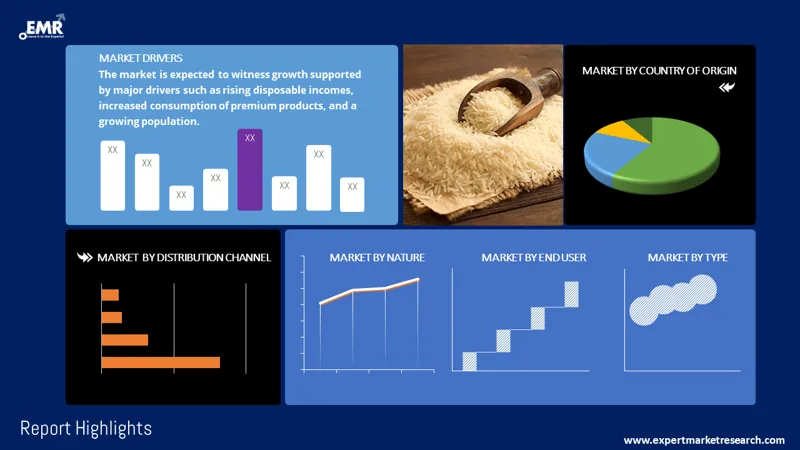
The Expert Market Research’s report titled “Global Basmati Rice Market Report and Forecast 2026-2035” offers a detailed analysis of the market based on the following segments:
Market Breakup by Type
Key Insight: Parboiled basmati rice is preferred in Middle Eastern and African markets for its durability during shipping, longer shelf life, and non-sticky texture. Exporters cater to bulk buyers and institutional clients with parboiled variants due to reduced cooking time and better yield. Raw basmati rice, however, dominates gourmet kitchens and premium households, especially in the United States and Europe, where consumers appreciate its authentic flavor and fluffy post-cooking character. Exporters often market aged raw rice to these regions, commanding higher prices per kilogram.
Market Breakup by Nature
Key Insight: White basmati rice market remains the most widely consumed due to its versatility and established taste profile across global cuisines. Brown basmati rice is gaining ground among health-conscious consumers, especially in Western countries, for its higher fiber and micronutrient content. The demand for brown basmati grew notably in organic food stores in Germany, Australia, and the United States. The “others” category, including semi-polished and flavored variants, is emerging as a niche space, particularly in experimental and fusion culinary settings.
Market Breakup by Country of Origin
Key Insight: India remains the largest producer and exporter in the basmati rice market, accounting for a significant share of global trade. Premium aged and organic varieties from Punjab, Haryana, and Uttarakhand are highly sought after. Pakistan has expanded exports through modern packaging and value-added variants, especially to African and Gulf nations. The “Others” category includes small contributions from countries like Nepal and select Southeast Asian exporters who cater to regional tastes but lack the global presence of Indian and Pakistani basmati.
Market Breakup by End User
Key Insight: Retail consumption drives the bulk of basmati rice sales, supported by rising disposable incomes and awareness of quality differentiation. Household demand, especially for aged and flavored rice, has surged in North America and Europe. HoReCa and institutional buyers prioritize large volumes and consistent quality. Foodservice chains, airline caterers, and banquet halls in the UAE, the United Kingdom, and Singapore are significant consumers. For instance, international meal kit providers began offering basmati rice in their Indian and Middle Eastern menus.
Market Breakup by Distribution Channel
Key Insight: Supermarkets and hypermarkets contributed to the basmati rice industry growth due to their extensive shelf space and strong visibility for branded and private-label basmati rice. Specialty stores in regions like the United Kingdom, Canada, and the Middle East cater to ethnic communities and offer aged and organic variants. Convenience stores perform well in urban centers but have limited stock variety. Online grocery platforms have emerged as a fast-growing channel, offering delivery services and subscription options that appeal to younger, digital-first consumers.
Market Breakup by Region
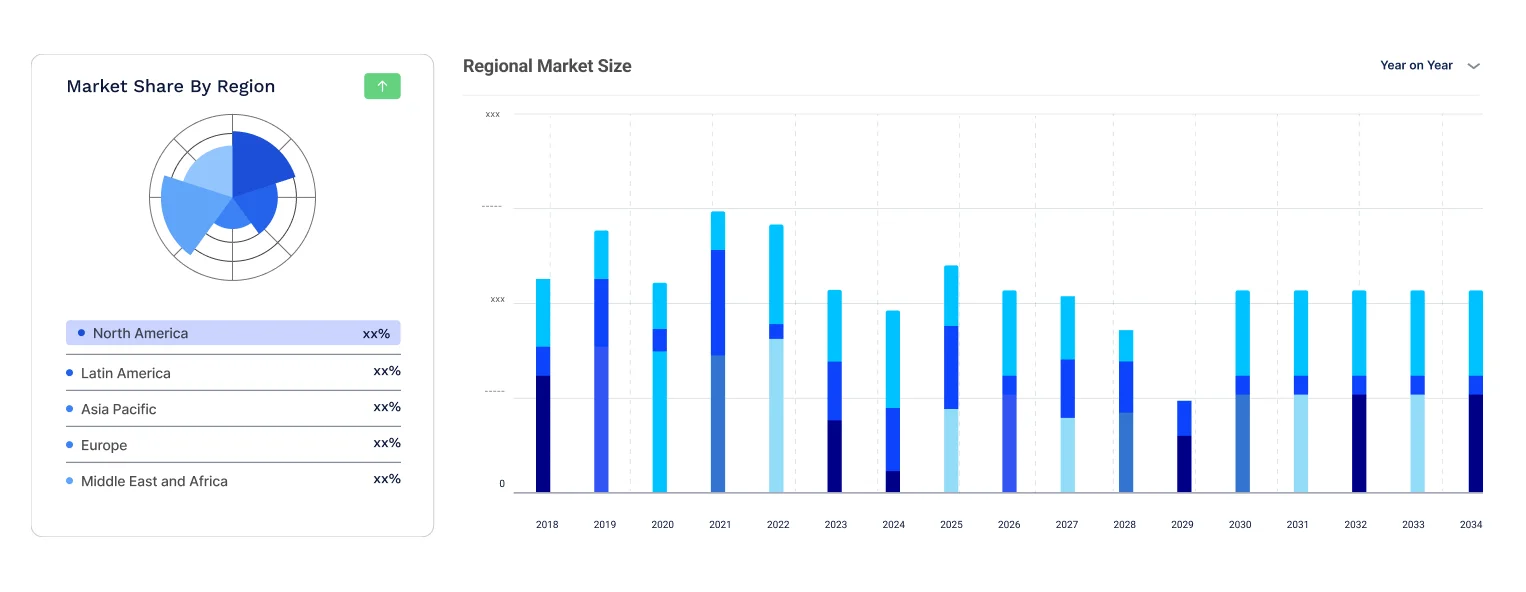
Key Insight: The basmati rice market spans globally, with North America and Europe showing rising demand due to growing ethnic populations and health-conscious consumers seeking premium, aromatic rice. Asia Pacific remains the largest consumer and producer, driven by India and Pakistan’s dominance in basmati cultivation. Latin America is emerging as a niche market, fueled by increasing awareness of international cuisines. The Middle East and Africa are significant importers, relying on high-quality basmati rice for traditional dishes and celebrations. For example, Europe’s demand for organic basmati rice and the Middle East’s preference for premium brands like India Gate highlight regional market dynamics.
Read more about this report - REQUEST FREE SAMPLE COPY IN PDF
By type, raw rice to lead the market due to versatility in culinary cultures
The raw basmati rice market is well sought for its natural flavor, long grain, and light texture once cooked. Consumers who appreciate original taste and quality prefer it. India and Pakistan yield massive amounts of raw basmati rice, much of which is exported worldwide. India Gate and Daawat are some of the brands that emphasize significantly on raw basmati to sell in markets within North America, Europe, and the Middle East. Its popularity stems from its versatility in pilafs and biryanis, which continues to see consistent demand across various culinary cultures.
| CAGR 2026-2035 - Market by | Type |
| Parboiled | 2.9% |
| Raw | XX% |
Parboiled basmati rice has an increasingly large market share with health-aware and convenience-seeking consumers, particularly in urban commercial markets of North America and some European countries. In October 2024, India lifted the export tax on parboiled rice to improve competitiveness and increase its global rice export volumes by a wide margin. Companies also provide parboiled alternatives, specifically targeting consumers seeking a good balance between nutrition, convenience, and long grain quality.
White basmati rice to capture significant share due to higher restaurant uses
White basmati rice is the dominant segment in the global basmati rice market, favored for its refined texture, aromatic fragrance, and long, slender grains. It undergoes milling to remove the husk, bran, and germ, resulting in a polished, easy-to-cook product widely used in traditional and international cuisines. Popular brands like India Gate, Daawat, and Kohinoor focus heavily on white basmati due to its consistent demand for dishes like biryani, pulao, and steamed rice, both in home and restaurant settings.
Brown basmati rice is gaining traction among health-conscious consumers due to its higher fiber content and minimal processing. It retains the bran layer, giving it a nuttier flavor and chewy texture. This segment appeals mainly to niche markets in North America and Europe, where whole grains are prioritized. Brands have launched brown basmati variants to cater to this growing demand. In March 2025, LT Foods launched DAAWAT Quick Cooking Brown Rice, addressing demand for healthy, convenient options due to evolving consumer preferences.
India-origin rice to drive market growth due to surging exports
India is the dominant force in the global basmati rice market as it contributed 59.44 lakh tonnes in total exports in FY25. Renowned for its superior grain length, aroma, and consistency, Indian basmati rice enjoys high demand across the Middle East, Europe, and North America. Brands like India Gate, Daawat, and Kohinoor have established global recognition, offering both traditional and value-added products. India also holds the Geographical Indication (GI) tag for basmati rice, further strengthening its market position.
Pakistan is the world's second-largest exporter of basmati rice, famous for its characteristic varieties such as Super Kernel Basmati. Smaller in size than India, yet Pakistan's basmati is much sought after in the Gulf region and some parts of Europe due to its unique flavor profile and aroma. Pakistani exporters are augmenting their global reach through enhanced processing and quality control. While political and logistical issues intermittently affect supply chains, Pakistan's stable quality and lower rates contribute to its competitive advantage.
Retail sector to capture significant share due to e-commerce growth
The retail sector is the most prevalent in the basmati rice market, with household consumption being its driving force. Branded Basmati rice is bought by consumers through supermarket, e-commerce platforms and local stores. The segment enjoys steady demand for home cooking, festive celebrations, and increasing health-awareness preferring premium rice. Expansion of e-commerce and fast-commerce has increased retail off-take further. In December 2024, Crown Basmati Rice also joined hands with Zepto, Blinkit, and Swiggy Instamart to provide quicker, convenient delivery through quick-commerce platforms.
The HoReCa segment is the largest segment, supplying rice in bulk to hotels, restaurants, and caterers. Demand is driven by consistent use in rice-based dishes in both fine dining and quick-service outlets. Brands like Lal Qilla and Daawat Professional cater specifically to this segment with bulk packaging and customized quality. For instance, many Indian restaurants in the Middle East and United Kingdom import aged Basmati for its aroma and elongation. This segment is growing further due to the resurgence in travel, weddings, and large-scale dining.
Supermarkets and hypermarkets to boost sales due to innovations
Supermarkets and hypermarkets dominate the basmati rice market due to their large-scale operations, extensive shelf space, and wide product variety. They cater to both premium and budget-conscious consumers, offering multiple brands. In June 2024, Amira Foods introduced larger pack sizes of its Pure Basmati and Banquet Basmati rice into over 300 Tesco stores. These channels also provide an organized and convenient shopping environment, drawing in middle and upper-middle-class consumers who value both quality and brand trust.
| CAGR 2026-2035 - Market by | Distribution Channel |
| Supermarkets and Hypermarkets | 2.2% |
| Speciality Store | 2.1% |
| Convenience Store | XX% |
| Others | XX% |
Convenience stores play an important role as they cater mostly to consumers looking for quick purchases in small quantities, often for immediate or emergency needs. While they carry fewer brands and limited stock, their strategic locations in residential areas give them an edge for quick access. For example, local kirana shops in India or 7-Eleven outlets in the UAE stock small packs of popular Basmati rice brands. These stores are vital in rural and semi-urban areas where large-format retail outlets are not easily accessible.
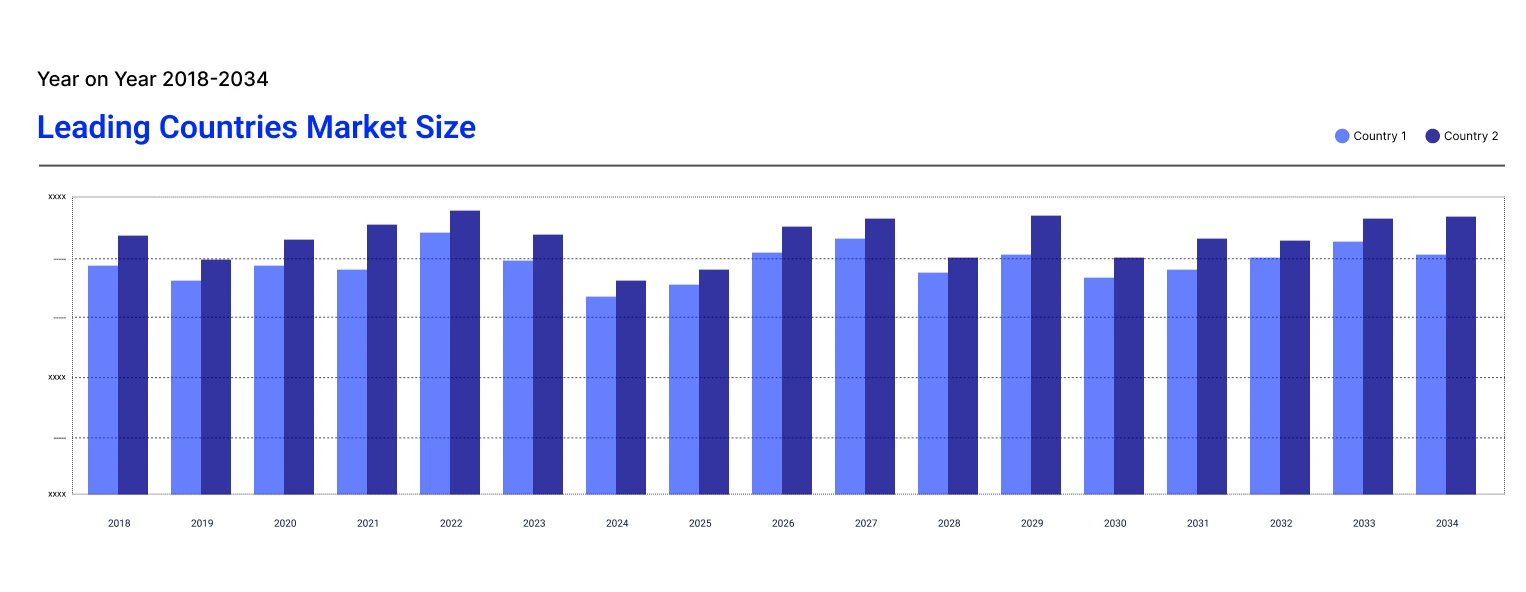
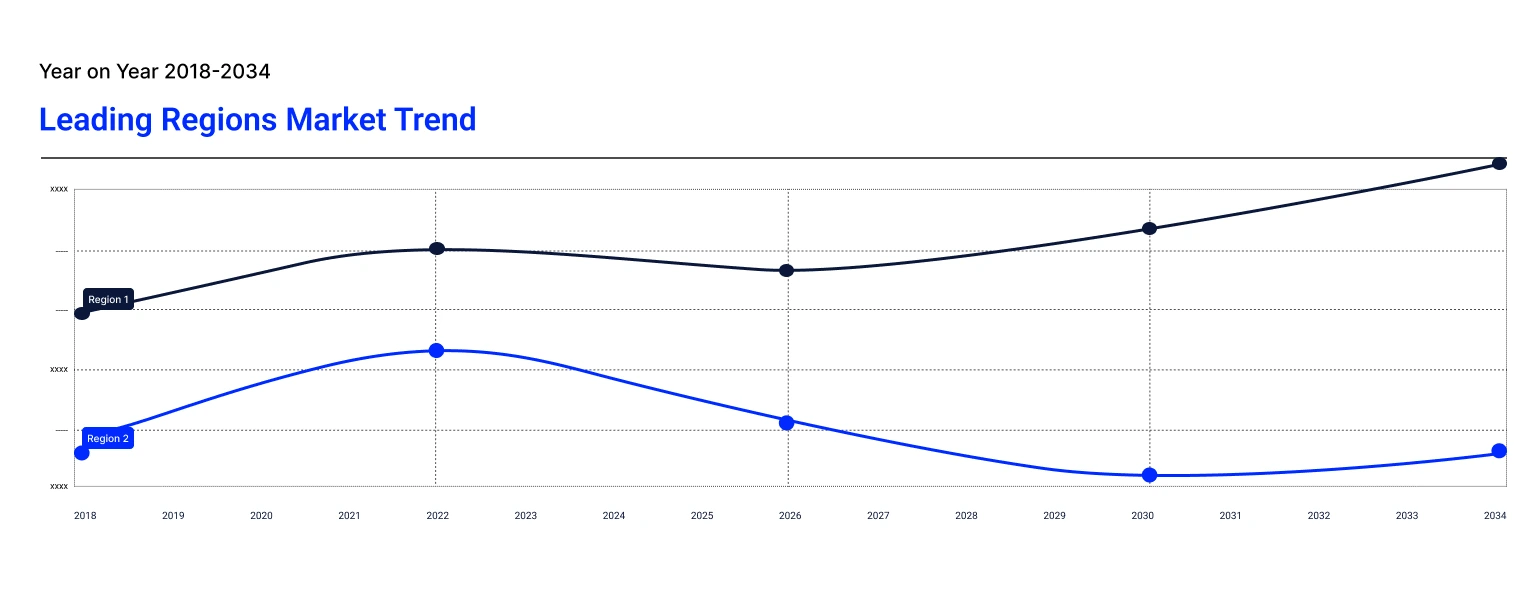
Asia Pacific claims the dominant market position owing to robust production activities
Asia Pacific remains the dominant region in the global basmati rice market due to its status as the production and export hub. India and Pakistan collectively supply the majority of global basmati exports. Middle East nations like Saudi Arabia, the UAE, and Iran are key importers and have a huge dependency on premium parboiled and aged stocks. India bolstered its logistics at the ports of Kandla and Mundra in June 2025, allowing quicker export of basmati to the Gulf region.
North America is gaining more momentum, particularly in the United States and Canada, on the back of demand for Indian and fusion foods. It is further augmented by the growing South Asian diaspora, who still seek traditional, high-quality basmati rice for use in traditional food preparations. Additionally, customers focused on health are preferring basmati rice due to its lower glycemic index than other types of rice, as it is an increasingly popular choice for healthy diets.
| CAGR 2026-2035 - Market by | Country |
| India | 4.7% |
| UK | 3.2% |
| China | 2.7% |
| Saudi Arabia | 2.5% |
| Australia | 2.3% |
| USA | XX% |
| Canada | 1.9% |
| Germany | XX% |
| France | XX% |
| Italy | XX% |
| Japan | XX% |
| Brazil | XX% |
| Mexico | XX% |
The basmati rice industry is competitive and is a mix of peer exporters, branded vendors, and emerging direct-to-consumer platforms. Indian companies like KRBL Ltd. (India Gate) and LT Foods (Daawat), endowed with strong brand equity, global distribution networks, and capital investments in modern processing facilities, currently seem to be frontrunners in the domain. Pakistani players like Matco Foods and Guard Rice also are made attempts to extend their reach by offering the premium and organic sort.
These major players focus on export market diversification, quality certifications, and packaging with value addition to it. Traceability tooling, QR-coded packs, and blockchain verifications of sourcing became more prominent in the organic section. Vertically integrating and contract farming ensures constant quality and stable price. Companies are also seeking strategic alliances with international retailers and foodservice providers to develop global visibility. Sustainable sourcing and lower water use in cultivation are coming up as differentiating factors, especially in European markets.
Established in 1889, New Delhi-based KRBL Ltd. is famous for originating the India Gate brand, making it one of the globe's largest exporters of basmati rice. KRBL has pioneered new packaging and quality control methods, maintaining high grain standards and increasing its international presence.
Started in 1990, LT Foods Ltd. has its base in Noida, India. It is well known for its Daawat brand with organic and sustainable cultivation. LT Foods has pioneered through green packaging and diversifying its offerings through health-oriented rice variants, addressing changing global consumer needs.
Kohinoor Foods Ltd., established in 1960 in Mumbai, India, has emerged as a market leader in the processing and export of rice. The company's success includes innovation with quick-cook rice and value-added rice products. Kohinoor continuously innovates ways to improve rice quality and optimize the supply chain in order to continue its leadership in the market.
Established in 1915, Amira Nature Foods Ltd. is based in Mumbai, India. Famous for premium basmati rice, Amira became a globally recognized brand through emphasis on the highest-quality sourcing and creative packaging innovations. The firm always responds to the trends of the market by launching specialty rice varieties to satisfy customers' requirements.
*Please note that this is only a partial list; the complete list of key players is available in the full report. Additionally, the list of key players can be customized to better suit your needs.*
Other key players in the basmati rice market are Tilda (Ebro Foods), Matco Foods Limited, Guard Agricultural Research & Services, East End Foods, Best Foods Ltd. and HAS Rice Pakistan.
Download your free sample of the basmati rice market report to explore comprehensive insights and forecasts. Stay ahead with the latest basmati rice market trends 2026, competitive analysis, and growth opportunities. Unlock valuable data to inform strategic decisions and capitalize on emerging market potentials. Get your detailed report now!
Middle East and Africa Basmati Rice Market
GCC Basmati Rice Market
United States Basmati Rice Market
Asia Pacific Basmati Rice Market


Upto 15% Off
USD
$2999 $2699
$4839 $4355
$5999 $5099
$7259 $6170


*While we strive to always give you current and accurate information, the numbers depicted on the website are indicative and may differ from the actual numbers in the main report. At Expert Market Research, we aim to bring you the latest insights and trends in the market. Using our analyses and forecasts, stakeholders can understand the market dynamics, navigate challenges, and capitalize on opportunities to make data-driven strategic decisions.*
Get in touch with us for a customized solution tailored to your unique requirements and save upto 35%!
In 2025, the market reached an approximate value of USD 11.36 Billion.
The major market drivers are rising disposable incomes, increased consumption of premium products, and increasing population.
The increasing health consciousness among consumers and rising export demand for rice are the key trends driving the market growth.
Asia Pacific, North America, Latin America, Europe, the Middle East and Africa are the major regional markets.
The major types of rice are raw and parboiled.
Retail packaging and institutional packaging are the different pack sizes in the market.
The major producing countries are India, and Pakistan, among others.
The key players in the market include KRBL Ltd. (India Gate), LT Foods Ltd. (Daawat), Kohinoor Foods Ltd., Amira Nature Foods Ltd., Tilda (Ebro Foods), Matco Foods Limited, Guard Agricultural Research & Services, East End Foods, Best Foods Ltd. and HAS Rice Pakistan.
The market is projected to grow at a CAGR of 5.00% between 2026 and 2035.
The market is estimated to witness healthy growth in the forecast period of 2026-2035 to reach a value of around USD 18.50 Billion by 2035.
Key strategies driving the market include product diversification, adopting advanced farming techniques, enhancing supply chain efficiency, expanding export markets, focusing on organic and premium quality varieties, leveraging branding and certification, like GI tags, and investing in technology for better crop yield and quality assurance to meet global demand.
Key challenges for market players include fluctuating raw material prices, stringent quality standards, supply chain disruptions, climate impact on crop yield, intense global competition, changing consumer preferences, and trade barriers like tariffs and export restrictions, all affecting profitability and market expansion.
Explore our key highlights of the report and gain a concise overview of key findings, trends, and actionable insights that will empower your strategic decisions.
| REPORT FEATURES | DETAILS |
| Base Year | 2025 |
| Historical Period | 2019-2025 |
| Forecast Period | 2026-2035 |
| Scope of the Report |
Historical and Forecast Trends, Industry Drivers and Constraints, Historical and Forecast Market Analysis by Segment:
|
| Breakup by Type |
|
| Breakup by Nature |
|
| Breakup by Country of Origin |
|
| Breakup by End User |
|
| Breakup by Distribution Channel |
|
| Breakup by Region |
|
| Market Dynamics |
|
| Competitive Landscape |
|
| Companies Covered |
|
Datasheet
One User
USD 2,999
USD 2,699
tax inclusive*
Single User License
One User
USD 4,839
USD 4,355
tax inclusive*
Five User License
Five User
USD 5,999
USD 5,099
tax inclusive*
Corporate License
Unlimited Users
USD 7,259
USD 6,170
tax inclusive*
*Please note that the prices mentioned below are starting prices for each bundle type. Kindly contact our team for further details.*
Flash Bundle
Small Business Bundle
Growth Bundle
Enterprise Bundle
*Please note that the prices mentioned below are starting prices for each bundle type. Kindly contact our team for further details.*
Flash Bundle
Number of Reports: 3
20%
tax inclusive*
Small Business Bundle
Number of Reports: 5
25%
tax inclusive*
Growth Bundle
Number of Reports: 8
30%
tax inclusive*
Enterprise Bundle
Number of Reports: 10
35%
tax inclusive*
How To Order

Select License Type
Choose the right license for your needs and access rights.

Click on ‘Buy Now’
Add the report to your cart with one click and proceed to register.

Select Mode of Payment
Choose a payment option for a secure checkout. You will be redirected accordingly.
Gain insights to stay ahead and seize opportunities.

Get insights & trends for a competitive edge.

Track prices with detailed trend reports.

Analyse trade data for supply chain insights.

Leverage cost reports for smart savings

Enhance supply chain with partnerships.

Connect For More Information
Our expert team of analysts will offer full support and resolve any queries regarding the report, before and after the purchase.
Our expert team of analysts will offer full support and resolve any queries regarding the report, before and after the purchase.
We employ meticulous research methods, blending advanced analytics and expert insights to deliver accurate, actionable industry intelligence, staying ahead of competitors.
Our skilled analysts offer unparalleled competitive advantage with detailed insights on current and emerging markets, ensuring your strategic edge.
We offer an in-depth yet simplified presentation of industry insights and analysis to meet your specific requirements effectively.





Share