

Consumer Insights
Uncover trends and behaviors shaping consumer choices today
Procurement Insights
Optimize your sourcing strategy with key market data
Industry Stats
Stay ahead with the latest trends and market analysis.

The global bancassurance market was valued at USD 1.82 Billion in 2025. The industry is expected to grow at a CAGR of 7.50% during the forecast period of 2026-2035 to reach a value of USD 3.75 Billion by 2035.
Growth of the bancassurance market is driven by regulatory liberalisation, digital embedding, and cross-sector alliances. Markets in France, Spain, and India are witnessing renewed activity as banks leverage tech-stack integrations and open APIs to drive cross-selling. Notably, the Insurance Regulatory and Development Authority of India (IRDAI) has allowed banks to tie up with up to 9 insurers, which is expected to stimulate competition and diversity in product offerings.
Emerging economies are transforming the bancassurance market dynamics. In Southeast Asia, for instance, through the bancassurance partnership, Manulife's best-in-class suite of life and health insurance solutions was made available to DBS's six million retail, wealth, and SME customers through the bank's vast network of more than 200 branches, its more than 2,000 professional sales staff, and its online and mobile banking platforms. In Africa, Equity Bank’s microinsurance product co-developed with Britam, backed by a grant from FSD Africa, offers premium-free health coverage on savings accounts, tailored for informal workers. The model demonstrates how financial inclusion strategies are converging with digital bancassurance to tap into underserved consumer bases.
Meanwhile, ESG-linked insurance plans are boosting further demand in the bancassurance market. HSBC and AXA have co-launched green insurance-linked savings plans in Europe, aligning customer acquisition with sustainability goals. The market is evolving into a platform economy, where data-sharing consent frameworks and embedded risk products are redefining the boundaries of traditional financial distribution.
Base Year
Historical Period
Forecast Period
As per the Allianz Global Insurance report, the global insurance industry witnessed a growth of 7.5% in 2023, fuelling the growth of bancassurance services. Expansion of the global insurance market keeping banks and insurance companies opportunistic by diversifying revenue streams through their products and services, boosting the bancassurance market growth. This opens up new avenues to banks and insurers alike to grow their customer base and improve their financial performance.
India is the fifth largest life insurance market, with an annual growth rate of 33-34% which is expected to boost the demand of bancassurance. This can be further capitalized on by companies as the Indian market is growth with rapid financial inclusion and increase in the number of people falling into the middle-income category. Banks could leverage this emerging market in household penetration by widening their insurance product suites.
Asia Pacific region accounted for more than half of absolute premium growth across the world, followed by North America and Europe. The increased use of digital banking enhances accessibility that allows banks to improve or alter their products within its bancassurance operations to meet the broader differences among trade groups in this region.
Compound Annual Growth Rate
7.5%
Value in USD Billion
2026-2035
*this image is indicative*
| Global Bancassurance Market Report Summary | Description | Value |
| Base Year | USD Billion | 2025 |
| Historical Period | USD Billion | 2019-2025 |
| Forecast Period | USD Billion | 2026-2035 |
| Market Size 2025 | USD Billion | 1.82 |
| Market Size 2035 | USD Billion | 3.75 |
| CAGR 2019-2025 | Percentage | XX% |
| CAGR 2026-2035 | Percentage | 7.50% |
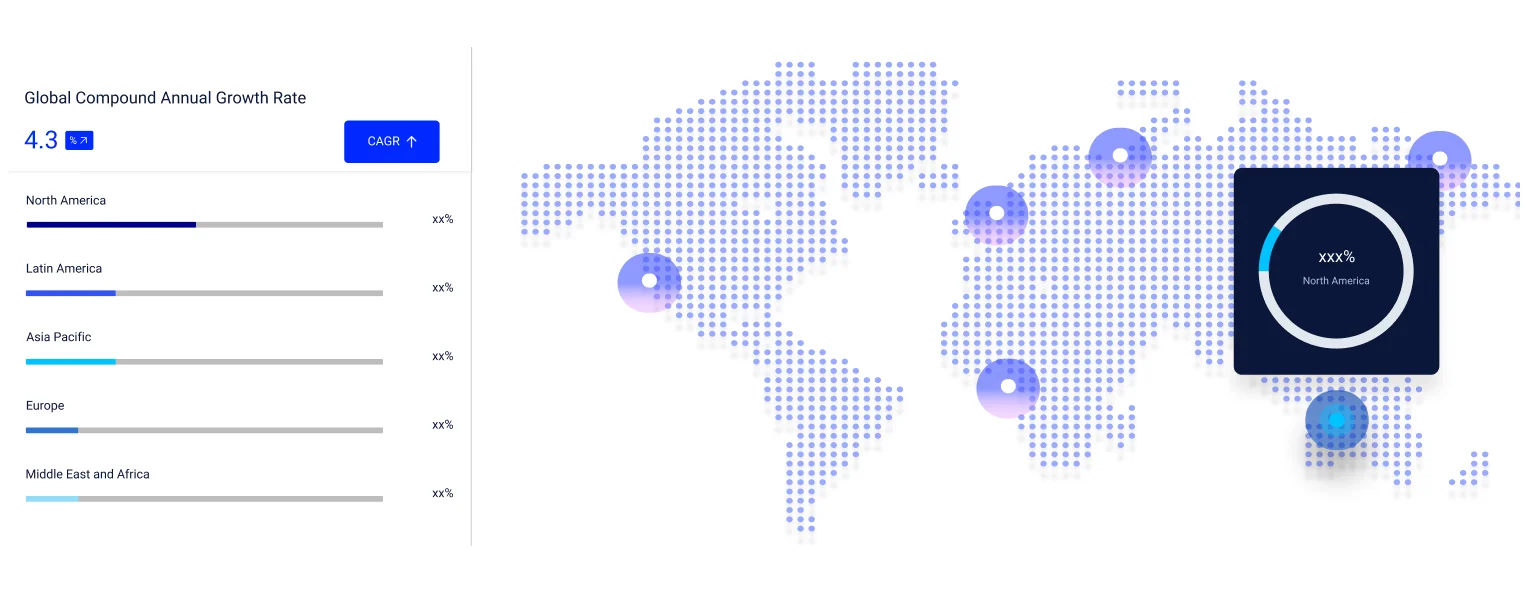
| CAGR 2026-2035 - Market by Region | North America | 7.8% |
| CAGR 2026-2035 - Market by Country | USA | 7.9% |
| CAGR 2026-2035 - Market by Country | Brazil | 7.7% |
| CAGR 2026-2035 - Market by Product | Life Bancassurance | 8.1% |
| CAGR 2026-2035 - Market by Bancassurance Models | Exclusive Partnership | 8.0% |
| Market Share by Country 2025 | Australia | 2.3% |
Leading banks like BBVA are integrating insurance options within banking apps, offering auto-quote and bind capabilities. This aligns with the EU’s PSD2 and Open Finance regulations, allowing insurers to tap into transactional data with user consent, contributing to the overall bancassurance market value. In Asia, Indonesia’s BCA has embedded micro-life insurance via Gojek’s digital wallet. This API-first design, when blended with real-time underwriting, helps insurers increase coverage penetration among gig workers and millennials.
Banks like ING and BNP Paribas are pushing insurance-linked savings that invest in ESG funds, making sustainability a key trend in the bancassurance market. In Malaysia, CIMB and Sun Life offer green life cover, where policyholders earn extra bonuses for reducing carbon footprints, tracked through spending data. Regulatory pushbacks such as the EU’s SFDR mandate are accelerating the adoption of such products. As ESG disclosure norms tighten, banks with sustainability portfolios are using these products to attract responsible investors and younger customers seeking aligned financial products.
Markets like India and South Africa are witnessing a shift towards multi-tie bancassurance partnerships. In 2024, ICICI Bank signed distribution deals with seven separate general insurers. This market trend loosens the historical single-partner model and allows banks to tailor offerings to customer segments more precisely, reshaping the bancassurance market dynamics. Regulatory moves like IRDAI’s liberalisation of bancassurance tie-ups are empowering banks to negotiate better margins and product flexibility. This multi-tie model enables insurers to reduce distribution risk and offer specialised products such as cybercrime insurance for SMEs or agri-insurance for rural customers.
Advanced underwriting is gaining traction in the bancassurance market, powered by AI and big data. In Europe, Société Générale’s insurance sector uses AI tools that analyse health wearables and banking patterns to provide personalised underwriting. Similarly, Thailand’s KASIKORN Business Technology Group (KBTG) has joined with Muang Thai Insurance Pcl (MTI) in launching InsurTech, an AI-based platform for self-service pre-insurance car inspection to ensure greater efficiency. These tools integrate into banking CRMs, creating real-time insurance prompts based on financial activity.
Bancassurance is playing a vital role in social protection schemes in emerging markets. In Kenya, the government-backed NHIF (National Health Insurance Fund) is now distributed via KCB Bank branches to rural users, simplifying accessibility and contributing to the bancassurance market development. Similarly, in the Philippines, LandBank collaborates with PhilHealth to embed social insurance into payroll-linked savings accounts. Such integrations reduce coverage gaps in informal sectors. International donors like the World Bank and IFC are financing these models as part of financial inclusion mandates.

Read more about this report - REQUEST FREE SAMPLE COPY IN PDF
The EMR’s report titled “Global Bancassurance Market Report and Forecast 2026-2035” offers a detailed analysis of the market based on the following segments:
Market Breakup by Product
Key Insight: Both life and non-life bancassurance are evolving fast, though in different trajectories. Life bancassurance is increasingly bundled with long-term goals, education, retirement, or estate planning, enabled via hybrid distribution, fuelling the overall bancassurance demand. The non-life segment, on the other hand, is becoming contextual and event-driven, embedding risk cover directly into consumer journeys. Banks are aligning insurance offerings with financial behaviour, digital footprints, and customer events.
Market Breakup by Bancassurance Models
Key Insight: Each bancassurance model is shaped by regulatory freedom and digital ambition. Exclusive partnerships remain foundational where banks seek minimal risk and insurers value embedded access. Joint ventures and financial holdings, on the other hand, are driven by integration aspirations, focusing on full customer lifecycle ownership. The emphasis across all the segments is shifting from transactional distribution to experience-led orchestration, be it through joint apps, unified CRMs, or co-branded advisory tools.
Market Breakup by Region
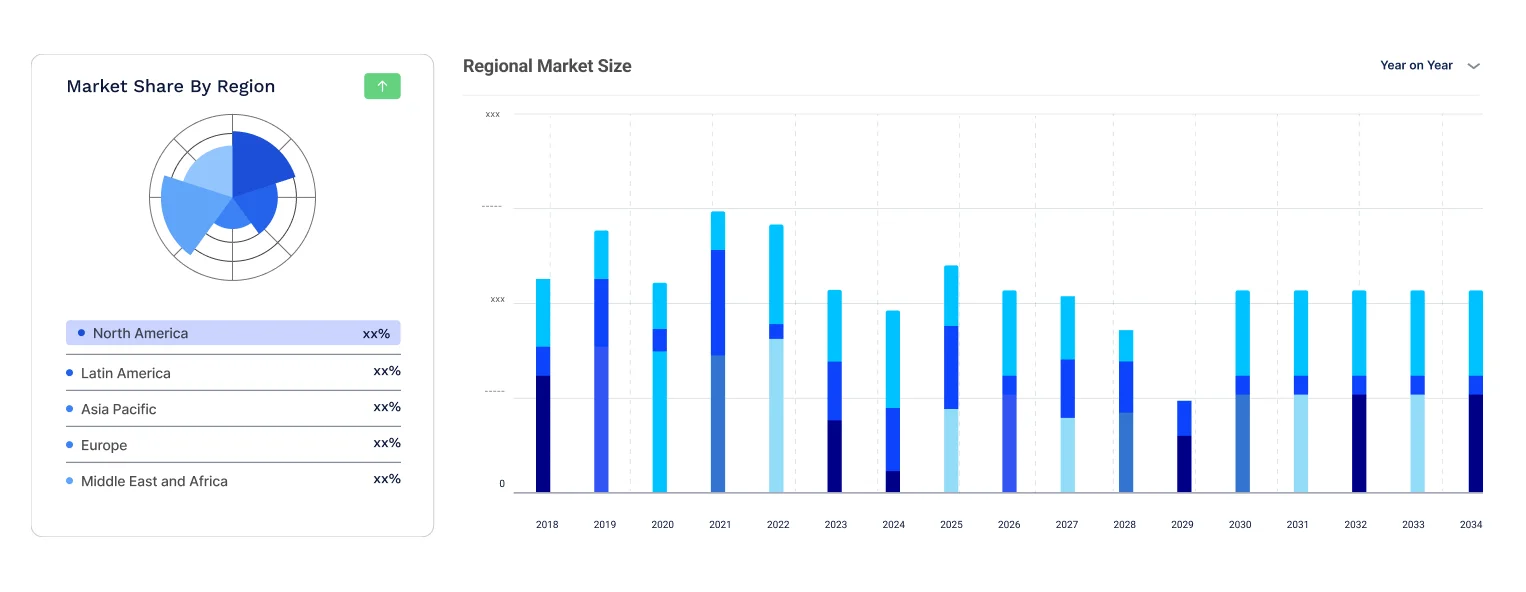
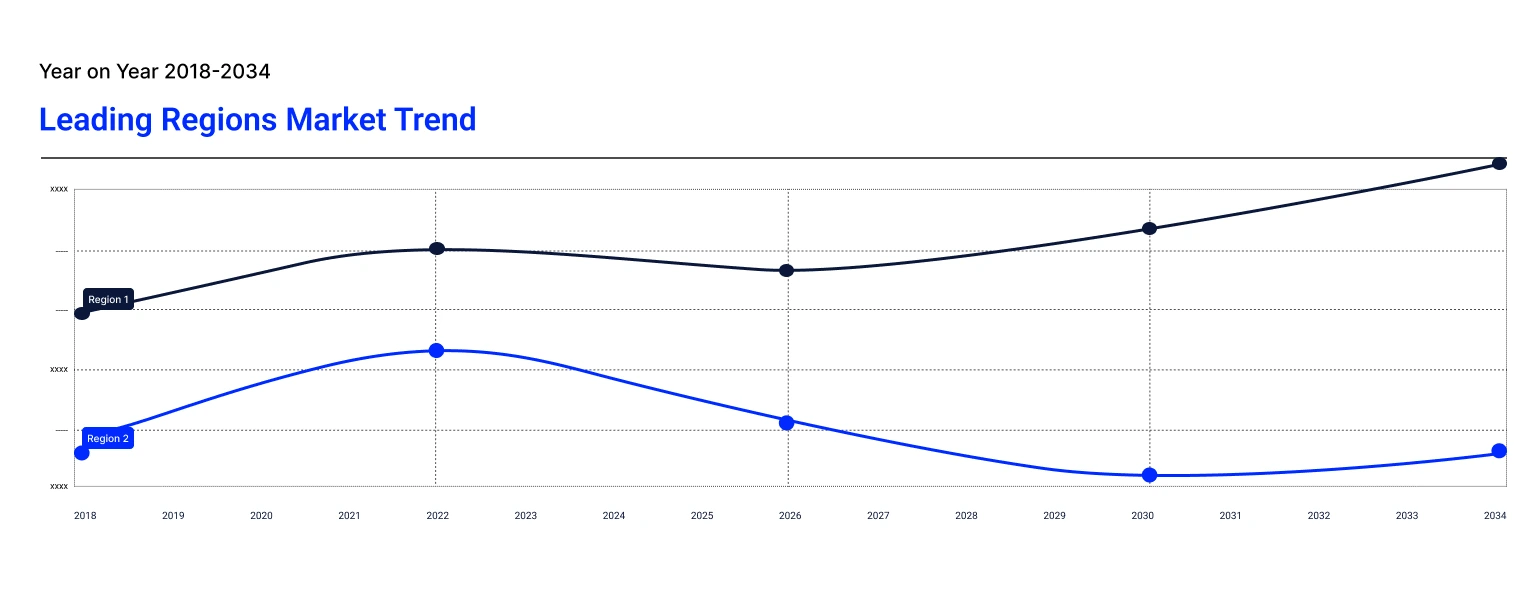
Key Insight: Regional dynamics of the global bancassurance industry are shaped by regulatory architecture, digital maturity, and customer preferences. Europe leads the market with platform-led, compliance-driven innovation. Asia Pacific is emerging fast, driven by digital-first strategies, underserved segments, and proactive regulation. Latin America and Middle East and Africa are focusing on financial inclusion via public-private partnerships, while North America remains fragmented due to structural limitations.
By Product, Life Bancassurance Accounts for the Largest Share of the Market
Life bancassurance continues to dominate the global bancassurance industry, driven by customer trust in banks and rising financial literacy. In France and Spain, over 60% of life insurance policies are sold through bank branches. Banks are leveraging hybrid distribution, combining in-branch advisors with digital prompts. Many Asian markets, such as Vietnam and Indonesia, are witnessing a surge in life savings-linked insurance, driven by middle-class expansion. Embedded life products, especially those linked to education or retirement goals, are being promoted via lifestyle-based banking platforms with in-app planning tools.
Non-life bancassurance, especially in health and cyber-risk, is the fastest-growing segment in the bancassurance market. The pandemic has compelled banks to focus on customer protection gaps. With rising SME banking activity, banks in Southeast Asia are partnering with insurers to embed cyber-liability and property risk covers for business accounts. For example, Chubb SG and StarHub launched insurance coverage against cyber-bullying. Regulatory support has also become key. Brazil’s SUSEP has relaxed digital distribution norms, accelerating bancassurance sales in non-life segments. This segment’s agility, offering short-term, situational covers, is allowing banks to respond to customer lifestyle events more effectively.
By Bancassurance Model, Exclusive Partnership Sustains its Dominant Position in the Market
Exclusive partnerships remain the dominant model in the bancassurance market, providing insurers with deep bank integration and co-branded strategies. BNP Paribas Cardif’s exclusive pact with Shinhan Bank in South Korea enables joint product development, shared training, and co-managed customer analytics. This model drives higher sales conversion, as front-line bankers receive extensive support and incentives. Insurers, in turn, benefit from operational data and access to millions of active banking customers. The model thrives where regulatory clarity exists, like in Japan and Germany, allowing long-term alignment on capital investments and digital co-innovation.
The financial holding model is witnessing a sharp demand surge, especially in the Asia-Pacific and European bancassurance markets. In this model, a bank owns a significant stake in the insurance company, allowing strategic alignment beyond distribution. China’s Ping An, for example, integrates banking, insurance, and healthcare under a single tech-powered holding. Similarly, Thailand’s SCB X has transitioned to a holding model to unlock cross-vertical synergies in digital lending and life insurance. This model offers the highest operational control and supports full-stack service orchestration.
By Region, Europe Registers the Dominant Revenue Share
Europe remains the most mature and dominant market for bancassurance, with embedded distribution reaching over 60% penetration in markets like France and Spain. Regulatory stability under Solvency II and EIOPA’s digital insurance guidelines are helping insurers experiment with AI tools. Cross-border scalability is also growing with insurers leveraging digital passports to operate in multiple European Union countries via partner banks. While fintech integration becomes extensively accepted, bancassurance in Europe is expected to become less about transactions, more about data synergy and personalised financial ecosystems.
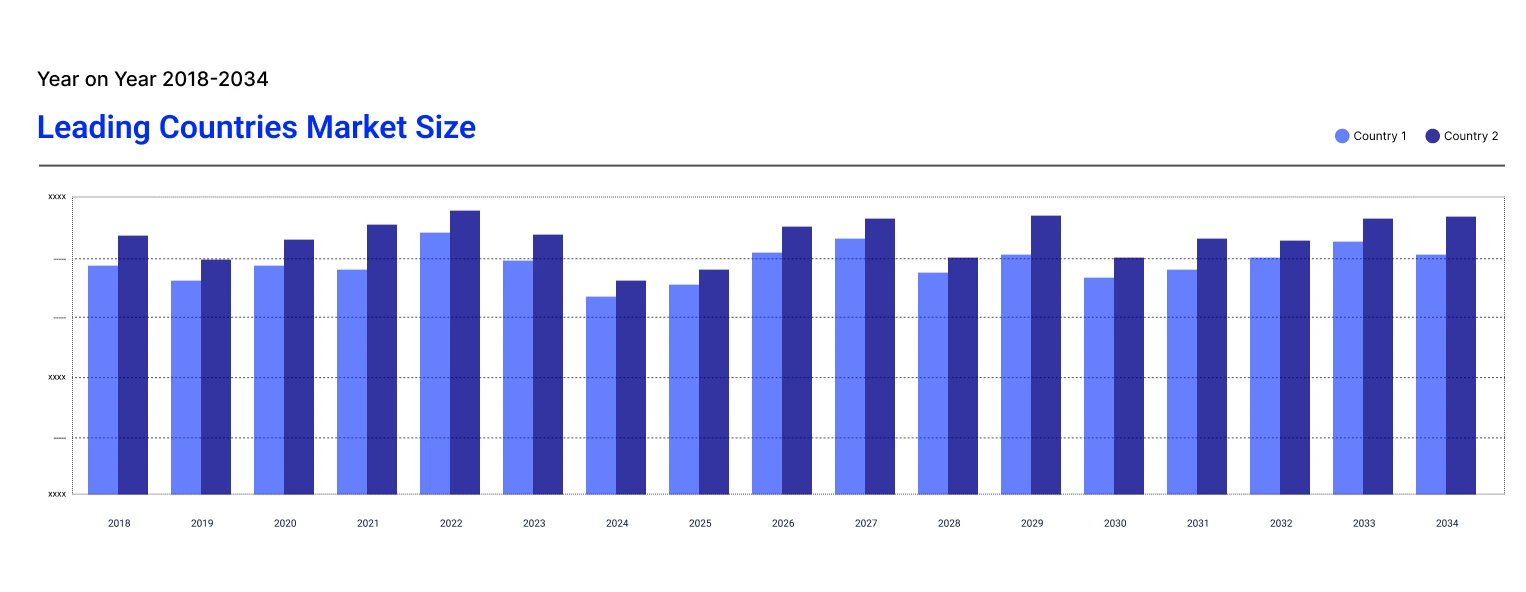
| CAGR 2026-2035 - Market by | Country |
| USA | 7.9% |
| Brazil | 7.7% |
| China | 7.6% |
| UK | 7.5% |
| Mexico | 7.1% |
| Canada | XX% |
| France | XX% |
| Italy | XX% |
| Japan | XX% |
| India | XX% |
| Australia | XX% |
| Saudi Arabia | 7.0% |
| Germany | 6.7% |
The Asia Pacific bancassurance market is gradually evolving into a mass-market insurance channel. In India, Indonesia, and the Philippines, rising digital bank adoption is pushing insurers to develop products that can effectively cater to new low-income segments. Regulatory support from bodies like IRDAI and OJK is encouraging multi-tie partnerships, rural coverage, and gender-focused microinsurance. Banks are rapidly digitising, integrating insurance into e-wallets and neo-banking apps. Thailand’s SCB and Prudential, for example, have launched instant approval life insurance on mobile banking platforms.
The bancassurance market players are focusing on co-creating digital onboarding flows, hyper-personalised policies, and AI-backed servicing platforms. Leading insurers are forming long-term alliances with banks for distribution and shared infrastructure, including APIs, CRMs, and data analytics hubs. They are integrating insurance services into online banking applications and websites, offering smooth experience for customers when purchasing and managing their policies. Furthermore, companies are developing customised insurance products that meet the unique needs of bank customers. For example, they offer life insurance, health insurance, and home insurance as part of mortgage packages.
Bancassurance companies are investing in insurtech firms to fast-track innovation; for instance, Allianz has partnered with multiple European neobanks to bundle on-demand insurance with fintech services. In Asia, companies like Manulife and Prudential are exploring AI chatbots as well. There is also a growing emphasis on upskilling bank staff with hybrid sales training, blending advisory with digital fluency.
Founded in 1872 and headquartered in Switzerland, Zurich Insurance Company Ltd, is a leading player in the bancassurance market. The company has acquired a 51% stake in India’s Kotak Mahindra General Insurance. They are also known for launching next-generation global API marketplace Zurich exchange that boosts the company’s market reach.
ABN AMRO Bank N.V., established in 1991, is the third-largest Dutch bank, based in Amsterdam. The company has launched an advanced digital platform for seamless insurance services. It has also formed alliances with leading insurance providers to meet the growing demand of the market.
The ING Group, established in 1989, offers high-net-worth individuals and families private banking as well as wealth and investment management services. The company has recently strengthened its collaboration with NN by extending bancassurance partnership until 2034. ING and AXA have further announced digital partnership to build a global insurance platform.
Wells Fargo, founded in 1852 in United States, is known for providing life, health, and auto insurance products in partnership. The company further leverages on customers by diversifying revenue sources and serving as a retention strategy in a highly competitive space.
*Please note that this is only a partial list; the complete list of key players is available in the full report. Additionally, the list of key players can be customized to better suit your needs.*
Other key players in the market are Barclays, Lloyds Bank plc, Crédit Agricole Group, and HSBC Bank, among others.
Explore the latest trends shaping the Bancassurance Market 2026-2035 with our in-depth report. Gain strategic insights, future forecasts, and key market developments that can help you stay competitive. Download a free sample report or contact our team for customized consultation on Bancassurance Market trends 2026.
United Kingdom Bancassurance Market


Upto 15% Off
USD
$3999 $3599
$2499 $2249
$4999 $4249
$5999 $5099


*While we strive to always give you current and accurate information, the numbers depicted on the website are indicative and may differ from the actual numbers in the main report. At Expert Market Research, we aim to bring you the latest insights and trends in the market. Using our analyses and forecasts, stakeholders can understand the market dynamics, navigate challenges, and capitalize on opportunities to make data-driven strategic decisions.*
Get in touch with us for a customized solution tailored to your unique requirements and save upto 35%!
In 2025, the bancassurance market reached an approximate value of USD 1.82 Billion.
The market is projected to grow at a CAGR of 7.50% between 2026 and 2035.
The market is estimated to witness healthy growth in the forecast period of 2026-2035 to reach a value of around USD 3.75 Billion by 2035.
Key strategies driving the market include investing in API-led co-innovation, embedding AI across journeys, training hybrid sales teams, and building micro-insurance models to penetrate underbanked and digital-native segments effectively.
The implementation of stringent guidelines associated with wealth management products and rising living standards are expected to be key trends guiding the growth of the market.
The market is broken down into North America, Europe, Asia Pacific, Latin America, the Middle East, and Africa.
Life bancassurance and non-life bancassurance are the various products considered in the market report.
Pure distributor, exclusive partnership, financial holding, and joint venture are the different bancassurance models in the market.
The competitive landscape consists of Zurich Insurance Company Ltd, ABN AMRO Bank N.V., The ING Group, Barclays, Wells Fargo, Lloyds Bank plc, Crédit Agricole Group, and HSBC Bank, among others.
The key challenges are regulatory fragmentation, data privacy compliance, and legacy integration. Aligning insurer-bank tech ecosystems and avoiding customer journey dilution across channels is increasingly difficult amid rising product complexity.
Explore our key highlights of the report and gain a concise overview of key findings, trends, and actionable insights that will empower your strategic decisions.
| REPORT FEATURES | DETAILS |
| Base Year | 2025 |
| Historical Period | 2019-2025 |
| Forecast Period | 2026-2035 |
| Scope of the Report |
Historical and Forecast Trends, Industry Drivers and Constraints, Historical and Forecast Market Analysis by Segment:
|
| Breakup by Product |
|
| Breakup by Bancassurance Models |
|
| Breakup by Region |
|
| Market Dynamics |
|
| Competitive Landscape |
|
| Companies Covered |
|
| Report Price and Purchase Option | Explore our purchase options that are best suited to your resources and industry needs. |
| Delivery Format | Delivered as an attached PDF and Excel through email, with an option of receiving an editable PPT, according to the purchase option. |
Single User License
One User
USD 3,999
USD 3,599
tax inclusive*
Datasheet
One User
USD 2,499
USD 2,249
tax inclusive*
Five User License
Five User
USD 4,999
USD 4,249
tax inclusive*
Corporate License
Unlimited Users
USD 5,999
USD 5,099
tax inclusive*
*Please note that the prices mentioned below are starting prices for each bundle type. Kindly contact our team for further details.*
Flash Bundle
Small Business Bundle
Growth Bundle
Enterprise Bundle
*Please note that the prices mentioned below are starting prices for each bundle type. Kindly contact our team for further details.*
Flash Bundle
Number of Reports: 3
20%
tax inclusive*
Small Business Bundle
Number of Reports: 5
25%
tax inclusive*
Growth Bundle
Number of Reports: 8
30%
tax inclusive*
Enterprise Bundle
Number of Reports: 10
35%
tax inclusive*
How To Order

Select License Type
Choose the right license for your needs and access rights.

Click on ‘Buy Now’
Add the report to your cart with one click and proceed to register.

Select Mode of Payment
Choose a payment option for a secure checkout. You will be redirected accordingly.
Gain insights to stay ahead and seize opportunities.

Get insights & trends for a competitive edge.

Track prices with detailed trend reports.

Analyse trade data for supply chain insights.

Leverage cost reports for smart savings

Enhance supply chain with partnerships.

Connect For More Information
Our expert team of analysts will offer full support and resolve any queries regarding the report, before and after the purchase.
Our expert team of analysts will offer full support and resolve any queries regarding the report, before and after the purchase.
We employ meticulous research methods, blending advanced analytics and expert insights to deliver accurate, actionable industry intelligence, staying ahead of competitors.
Our skilled analysts offer unparalleled competitive advantage with detailed insights on current and emerging markets, ensuring your strategic edge.
We offer an in-depth yet simplified presentation of industry insights and analysis to meet your specific requirements effectively.





Share