

Consumer Insights
Uncover trends and behaviors shaping consumer choices today
Procurement Insights
Optimize your sourcing strategy with key market data
Industry Stats
Stay ahead with the latest trends and market analysis.

The global balancing and control valves market attained a value of USD 10.88 Billion in 2025 and is projected to expand at a CAGR of 5.60% through 2035. Smart city developments are bolstering the demand for digitally controlled balancing and control valves that enable real-time flow optimization and energy efficiency. Infrastructure operators prioritize these valves to ensure regulatory compliance, minimise water and energy losses, and integrate seamlessly with IoT-enabled management platforms, enhancing operational reliability and reducing maintenance costs in complex urban utility networks. In turn, the market is set to achieve USD 18.76 Billion by 2035.
District energy systems represent a key driving factor of the balancing and control valve market growth, especially in urban areas in Europe and North America. District heating provides more than 10% of global heat demand, with Europe contributing almost 60% of installed capacity, as stated by the International Energy Agency. These networks require high-accuracy dynamic and pressure-independent valves to control flow and temperature in closely interconnected buildings, for energy efficiency as well as minimising losses in systems. The growing pressure on retrofitting in old urban infrastructures further strengthens the demand for valves that deliver accurate balancing under conditions of varying loads.
In shipbuilding, vessel designs are becoming increasingly complex. Such designs coupled with stricter regulations on fuel efficiency, are driving demand for balancing control valves. For example, the International Maritime Organization’s (IMO) 2020 sulphur cap regulation has led shipbuilders to use valves that can accommodate various types of fuels, such as LNG and low-sulphur fuels, with high corrosion resistance and accurate control. Valves controlling cooling, fuel injection, and ballast water systems need to operate under tough marine conditions with consistent performance, which further necessitates the demand for stainless steel and alloy-based valves more than ever.
Base Year
Historical Period
Forecast Period
Smart balancing and control valves with IoT integration are indeed becoming popular as priorities change towards building automation and energy efficiency among commercial infrastructure, enabling remote monitoring, predictive maintenance, and real-time flow control.
The increasing growth of commercial HVAC is growing substantially in developing countries and pushing demand into high gear within valves demand. B2B buyers are investing in new flow control techniques to optimize thermal comfort while reducing energy consumption to meet green building certifications, further boosting the growth in the balancing and control valves market.
Due to stringent environmental regulations and energy policies, Europe is at the forefront of valve innovation. B2B buyers are interested in EU-manufactured valves, deemed for durability, precision, and conformity, to set quality benchmarks across global markets.
Compound Annual Growth Rate
5.6%
Value in USD Billion
2026-2035
*this image is indicative*
| Global Balancing and Control Valves Market Report Summary |
Description |
Value |
|
Base Year |
USD Billion |
2025 |
|
Historical Period |
USD Billion |
2019-2025 |
|
Forecast Period |
USD Billion |
2026-2035 |
|
Market Size 2025 |
USD Billion |
10.88 |
|
Market Size 2035 |
USD Billion |
18.76 |
|
CAGR 2019-2025 |
Percentage |
XX% |
|
CAGR 2026-2035 |
Percentage |
5.60% |
|
CAGR 2026-2035- Market by Region |
Asia Pacific |
6.3% |
|
CAGR 2026-2035 - Market by Country |
India |
6.4% |
|
CAGR 2026-2035 - Market by Country |
China |
6.2% |
|
CAGR 2026-2035 - Market by Technology |
Electric |
5.9% |
| CAGR 2026-2035 - Market by Material | Alloy Based | 5.9% |
| Market Share by Country 2025 | UK | 4.5% |
The ushering of IoT and smart sensors into balancing and control valves is changing the market dynamics. The incorporation of these technologies offers data analytics and predictive maintenance easy, which makes remote monitoring easy and precise. These functionalities, in turn, foster better operating efficiency and minimise downtime. For example, companies such as Belimo and Danfoss offer smart-valve solutions compatible with the building management systems (BMS) commonly used in smart commercial buildings and industrial plants. Energy optimization and real-time diagnostics have become increasingly valuable in applications like HVAC, water distribution, and district energy systems, further stimulating demand in the balancing and control valves market.
Balancing valves are becoming increasingly important in energy-efficient HVAC systems due to sustainability objectives and building certification requirements such as LEED and BREEAM. The modern valves ensure the hydronic balance and help maintain maximum heating and cooling performance. For instance, IMI Hydronic Engineering's dynamic balancing valves are used in almost all energy-waste-minimizing commercial and institutional HVAC projects. In 2023, IMI Hydronic Engineering partnered with a leading building management system provider to integrate smart balancing solutions into existing infrastructures. This collaboration aimed to enhance energy efficiency and optimize HVAC system performance in commercial buildings.
The demand for accurate flow control in automated manufacturing processes is reshaping trends in the balancing and control valves market. Food production, pharmaceuticals, and chemical manufacturing are some of the key industries that rely on these valves to regulate fluid dynamics consistently. Honeywell and Siemens manufacture high-precision actuated valves specifically designed for industrial automation systems. Such solutions minimise manual input while maintaining compliance and increasing output; hence they become indispensable in sectors that demand accuracy and reliability in fluid handling.
Rising demand for prefabricated balancing and control valve assemblies is reshaping project execution in HVAC and utility systems. These modular, pre-engineered units streamline installation, reduce site labour, and enhance commissioning accuracy. Widely adopted in data centres, healthcare facilities, and commercial towers, they support faster project timelines and consistent system performance, especially in regions with high labour costs or tight construction windows. This trend aligns with the broader shift toward modular and offsite construction solutions.
With the ageing infrastructure in North America and Europe, retrofitting projects that need valve technology are increasing in numbers. These have significantly impacted the balancing and control valves market revenue. Several municipal and commercial buildings are retrofitting their antiquated water and HVAC systems to increase performance and meet new codes. Firms like Victaulic and Caleffi are offering valve solutions for retrofits that integrate smoothly into legacy systems with the added advantage of new control features. In 2023, Providence College in Rhode Island retrofitted its chilled water system using Belimo Energy Valves, eliminating the need for a new chiller. This retrofit saved the college between USD 500,000 and USD 1 million and enhanced system efficiency through real-time monitoring and control. This trend is gaining prominence especially in schools, hospitals, and buildings, where operation disruption must be minimised while increasing energy and operating efficiency.
The EMR’s report titled “Global Balancing and Control Valves Market Report and Forecast 2026-2035” offers a detailed analysis of the market based on the following segments:
Market Breakup by Type
Key Insight: Automatic balancing valves lead in market share because of their capacity to produce continuous flow rates irrespective of pressure conditions, making them suitable for contemporary HVAC and district heating systems. Their adoption is most prevalent in Europe and North America, where energy regulations demand for accurate flow control to enhance efficiency. Dynamic balancing valves are particularly popular in large commercial and institutional facilities where demand shifts frequently. Their inclusion in smart building systems also aids in their extensive adoption over manual and conventional control valve varieties, influencing the overall balancing and control valves demand forecast.
Market Breakup by Technology
Key Insight: Electric technology dominates the industry, owing to compatibility with building automation and remote monitoring systems. These are particularly prevalent in developing economies. Electric technology allows highly accurate, programmable flow rate control, which boosts energy efficiency in HVAC, power generation, and industry applications. Electric actuators are now substituting manual and hydraulic equivalents in North American, European, and Asian smart infrastructure projects.
Market Breakup by Material
Key Insight: As per the balancing and control valves market report, stainless steel leads the material category because of better corrosion resistance, strength, and thermal resistance, which makes it ideal for corrosive environments such as chemical processing, water treatment, and marine environments. It is extensively applied in food-grade and pharmaceutical environments owing to compliance with hygiene standards and long service life. Europe and Asia Pacific are the top adopters, particularly in applications where reliability and extended service life are paramount. Its added capital expenditure is counterbalanced by reduced maintenance and improved long-term operating efficiency.
Market Breakup by Application
Key Insight: HVAC systems are the dominant application that is considerably stimulating demand in the balancing and control valves market. This applications’ growth is spurred by the widespread adoption of energy-efficient HVAC systems in commercial, residential, and institutional structures. Europe, led by its stringent energy directives, and North America, with widespread building retrofitting, are primary markets. Demand is being driven by the requirements of accurate thermal control, low energy consumption, and interface with smart building technologies. Dynamic balancing valves are particularly favoured in contemporary HVAC network replacement.
Market Breakup by Region
Key Insight: Europe leads the global balancing and control valve industry by region, bolstered by strict energy efficiency regulations such as the EU's Energy Performance of Buildings Directive. The region witnesses high demand for hydronic balancing in district heating systems, especially in Germany, France, and the Netherlands. In 2023, Germany launched the KfW Green Building Retrofit Program, funding intelligent HVAC upgrades with advanced balancing valves in residential and commercial buildings. This initiative supports EU energy directives and accelerates adoption of energy-efficient hydronic systems across Europe. The countries possess developed construction industries and are spending intensively on retrofitting existing buildings with intelligent HVAC and plumbing systems.
|
CAGR 2026-2035 - Market by |
Region |
| Asia Pacific |
6.3% |
| Middle East and Africa |
5.1% |
| North America |
XX% |
| Europe |
XX% |
| Latin America |
XX% |
Automatic valves dominate for consistent HVAC balance, especially in regulated European infrastructure.
Automatic balancing valves take up the majority of the market share owing to its capacity to provide uniform hydraulic balance in HVAC systems even when demand varies across zones. In 2022, Amsterdam Schiphol Airport upgraded its HVAC system with automatic balancing valves, ensuring consistent indoor climate control across terminals. This retrofit project improved energy efficiency and complied with Europe’s strict regulations on sustainable heating and cooling networks. They find extensive applications in hospitals, airports, and large shopping complexes where stable conditions indoors are a key requirement. Their seamless integration into modern energy management systems optimizes building efficiency. Europe paces their usage, spurred by its stringent regulation on efficient sustainable heating and cooling networks and minimal energy loss standards, propelling the balancing and control valves market expansion globally.
Dynamic balancing valves are rapidly increasing their market shares as they automatically adapt to pressure fluctuations without the need for recalibration. These valves find applications in smart buildings, high-rise buildings, and decentralized heating systems, best suited for contemporary, intricate plumbing networks. Demand is quickly growing in Asia and North America, where new commercial developments focus on automation, efficiency, and adaptive flow control technology.
Electric valves dominate due to BMS integration, smart infrastructure, and quiet operation.
Electric valves, expected to grow at 5.9% CAGR over the forecast period, lead the technology category as they can be integrated with Building Management Systems (BMS) for remote control and automated flow regulation. They are extensively used in office towers, data centres, and institutional buildings in Europe and North America. Programmability and low sound during operation also position them well for hospital and laboratory applications, which in turn, accelerate the balancing and control valves market opportunities. The increased trend for smart infrastructure and sustainability has further resulted in their application into new projects and retrofits.
Hydraulic actuation has emerged to be technology with the highest growth rate owing to their popularity for heavy industries, especially oil and gas, petrochemical, and power plants. The valves are used where electric devices might pose safety hazards. They are resilient at high temperatures and find extensive use in remote field applications. Their strength and low maintenance requirements make them a favourable option for long-term infrastructure developments in the Middle East, Africa, and Central Asia.
Stainless steel valves lead due to corrosion resistance and high-quality industry demand.
Stainless steel valves dominate material use due to their superior resistance to corrosion, high pressure, and contamination. They are vital in pharmaceuticals, food production, and marine environments where cleanliness and long service are a necessity. Their application is particularly gaining traction in Western Europe and North America, where standards for quality are high. The long-term cost-effectiveness because of low maintenance and failure potential further establishes stainless steel as the most popular material type, contributing to the balancing and control valves market value.
Alloy valves represent the fastest growing material segment, particularly in applications involving high chemical and thermal resistance at a reduced cost. Bronze and duplex stainless-steel alloys are increasingly used in thermal power generation, mining, and chemical processing industries. Their lower weight, coupled with favourable mechanical properties, can be applied to infrastructures on large scales. Demand is rising in cost-sensitive markets like Southeast Asia, Latin America, and Africa where balancing performance and budget is crucial.
HVAC systems dominate valve use, driven by energy efficiency and smart controls.
HVAC systems, with their extensive application in commercial buildings, hospitals, and educational institutions, dominate the global industry. Balancing and control valves in HVAC systems are used to maintain optimal energy consumption through thermal comfort and stable water flow. High energy prices and stringent building codes in places such as Europe and North America fuel adoption. In 2023, the University of Toronto installed smart HVAC systems with digital balancing valves in multiple campus buildings, improving energy efficiency and meeting Canada’s strict green building codes, ensuring thermal comfort and optimized water flow across diverse zones. Smart HVAC systems with digital control and zoning features drive continued balancing and control valves demand growth.
Water and wastewater treatment use is expanding rapidly as aging municipal pipeline infrastructure is replaced to accommodate tighter environmental regulations. Valves play a decisive role in accurate flow control during filtration and chemical dosing applications. Asia Pacific, particularly India and China, heavily invest in water security-related infrastructure. In 2024, India’s Maharashtra government upgraded its wastewater treatment plants using corrosion-resistant valves to enhance filtration and chemical dosing accuracy, supporting stricter environmental norms and ensuring reliable water treatment amid growing urban infrastructure demands. Middle Eastern nations are also investing in expanding desalination and wastewater recycling, which creates additional demand for corrosion-resistant, long-lasting valve systems in this category.
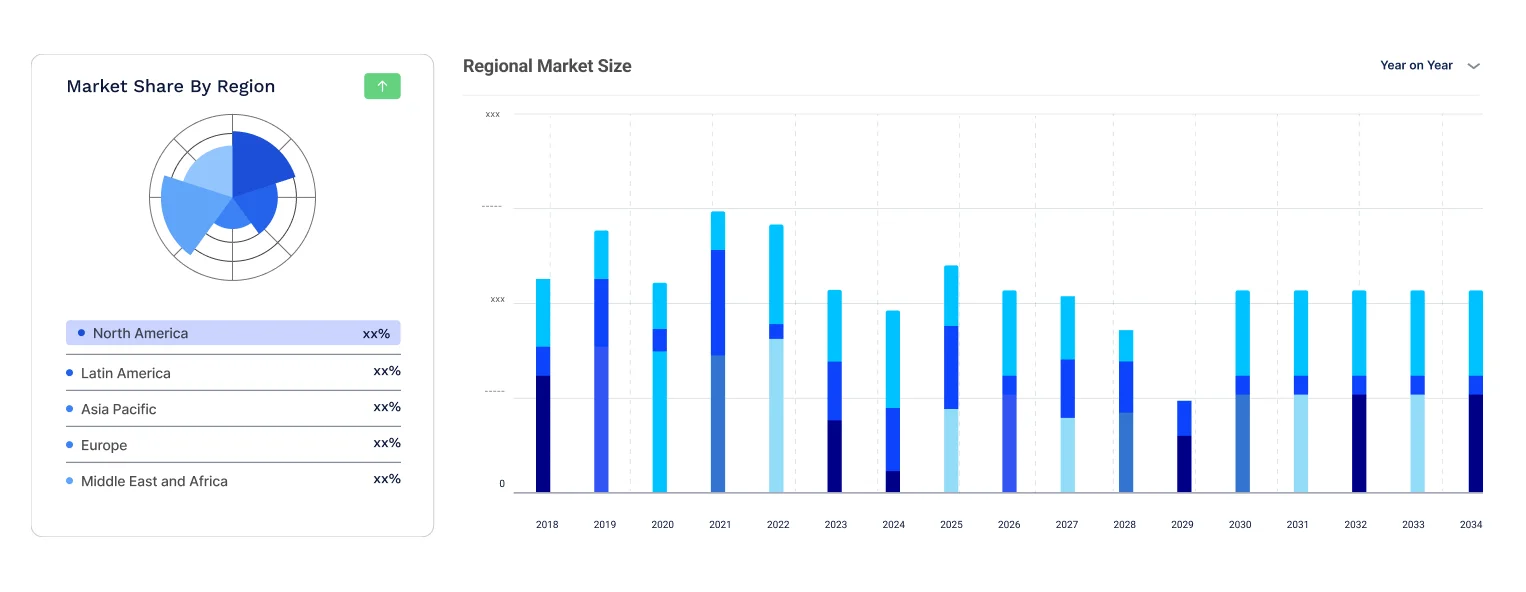
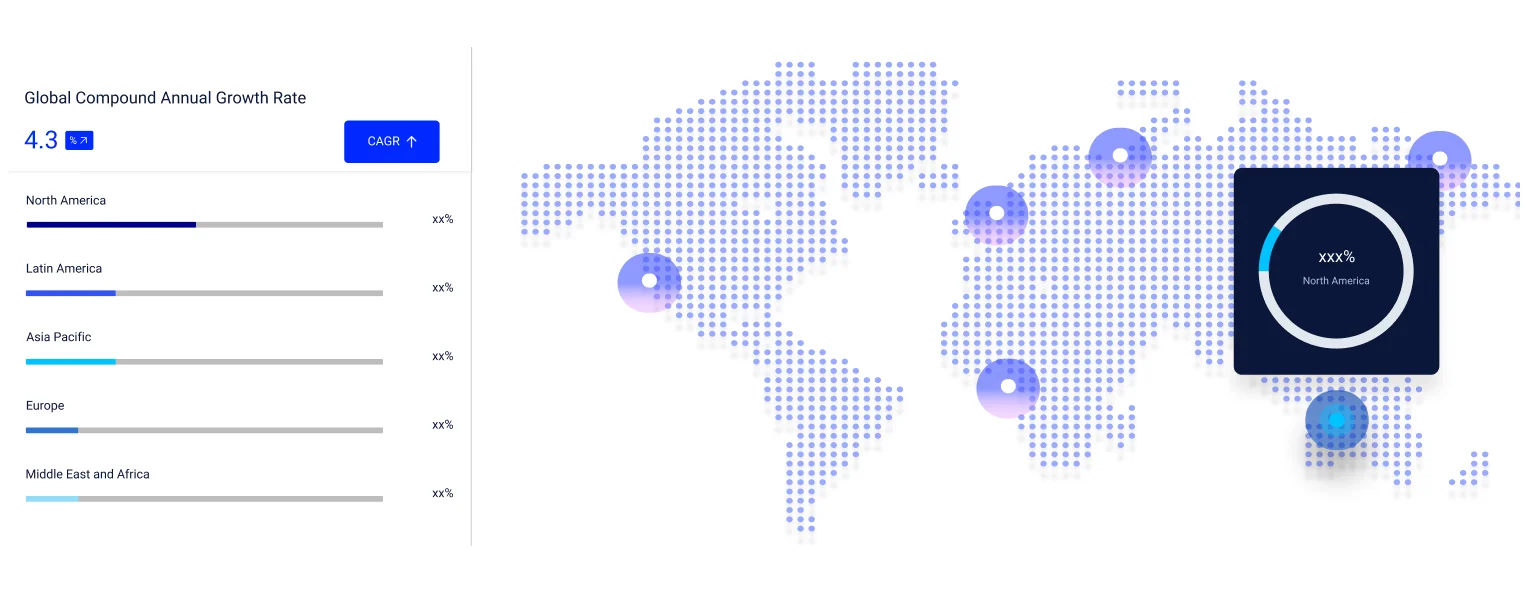
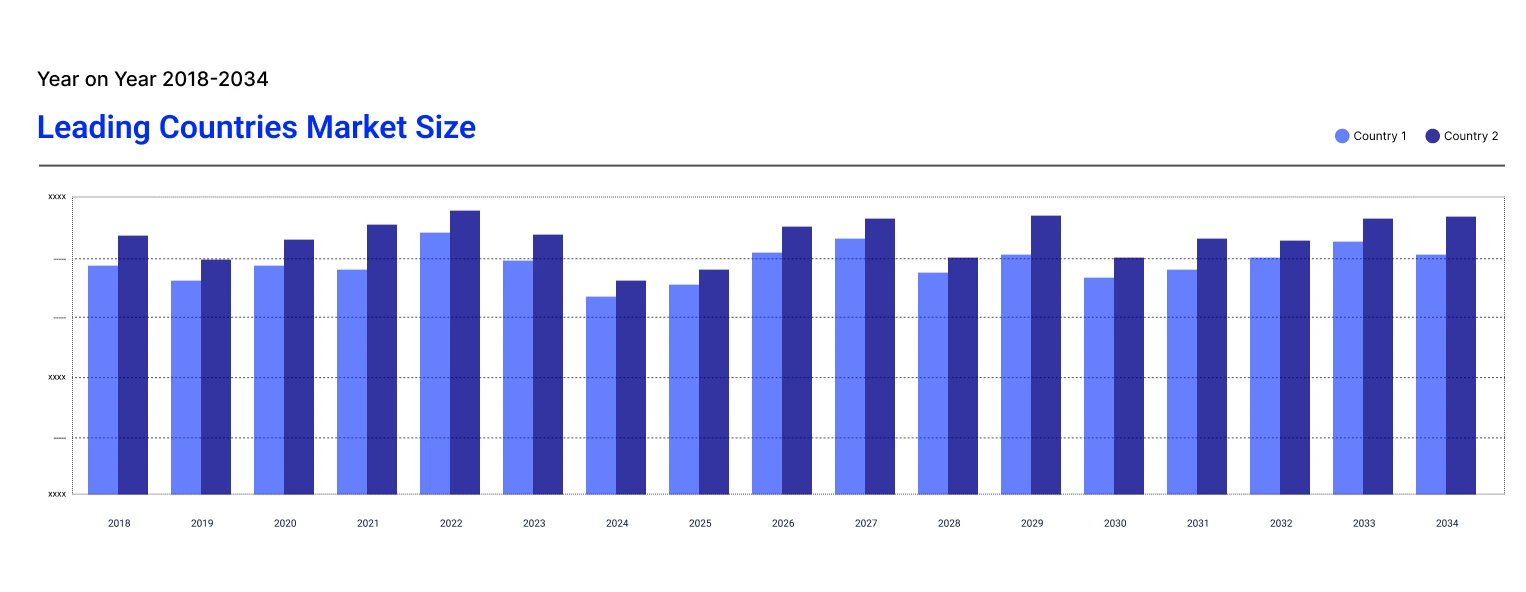
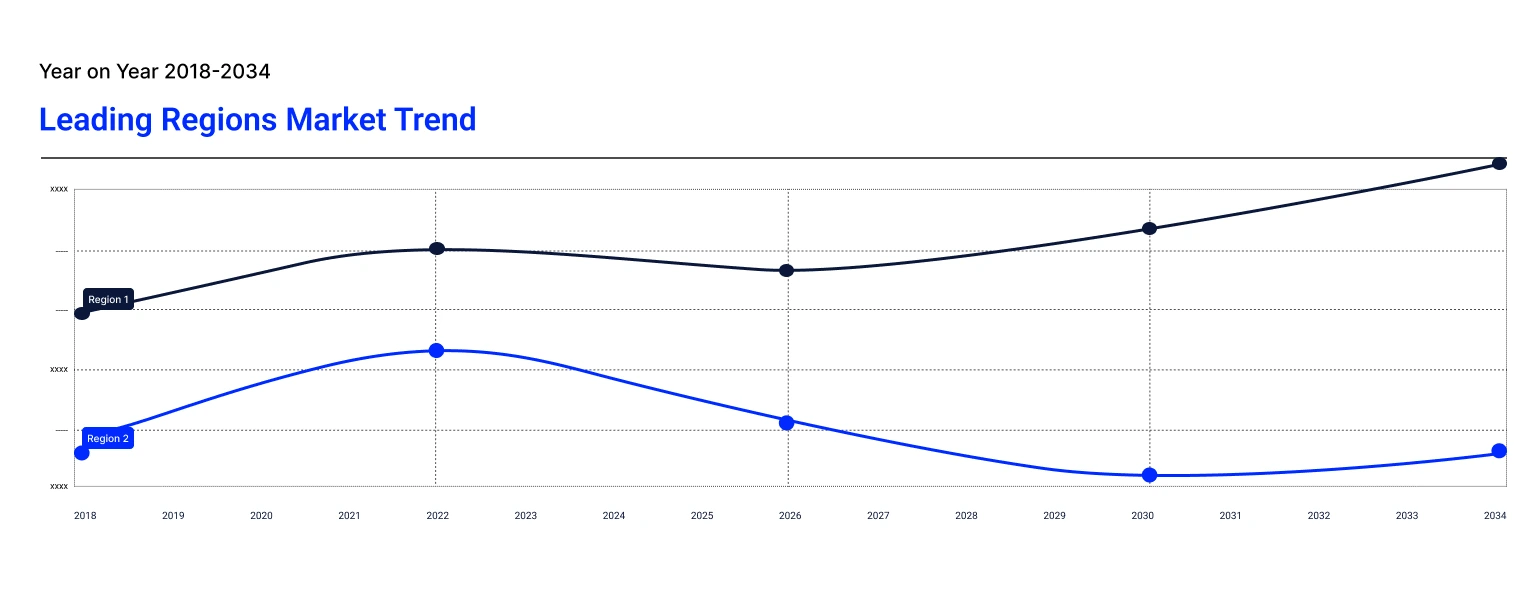
Europe leads due to strict energy laws, retrofits, and smart HVAC demand.
Europe dominates the global market owing to stringent energy efficiency policies such as the EU's Energy Performance of Buildings Directive. The high demand for hydronic balancing in district heating, smart HVAC systems for commercial buildings, and retrofitting of existing infrastructures propel market dominance. Germany, France, and the Netherlands are major contributors, backed by well-developed construction industries and high adoption rates of sustainable building technologies.
Asia Pacific observes consistent growth in the balancing and control valves market, fuelled by the swift urbanization, development of infrastructure, and increased investments in smart cities, particularly in China, India, and Southeast Asia. The market is projected to grow at a CAGR of 6.3% over the forecast period. In 2024, China’s Smart City initiative in Shenzhen integrated advanced balancing and control valves in commercial buildings’ HVAC and industrial systems, enhancing energy efficiency and flow control. This project reflects Asia Pacific’s rapid urbanization and commitment to sustainable infrastructure development. Government programmes encouraging energy-efficient solutions in commercial and residential buildings, as well as accelerating industrialization and need for accurate flow control in HVAC facilities and manufacturing units, are driving growth in this region.
Major balancing and control valves market players are working on incorporating IoT and digital twin technologies to facilitate real-time monitoring and predictive maintenance. Businesses such as Honeywell and Danfoss are introducing intelligent valves equipped with inbuilt sensors and wireless communication, enabling remote diagnosis, dynamic flow control, and system optimisation. These solutions assist in minimizing downtime, energy efficiency, and building automation in HVAC systems. Emerson Electric and IMI Plc are using AI-driven control algorithms to maximise flow distribution in intricate industrial systems, improving performance in power plants, data centres, and manufacturing operations.In addition, balancing and control valves companies like Aalberts and KITZ Corporation are innovating valve designs for better modularity and reduced size compatibility for decentralized systems and limited installations. Materials technology is also becoming important as companies like NIBCO and KSB SE are researching corrosion-resistant alloys and composite materials for valves that can be used in hostile fluid environments like desalination and chemical processing. These technologies are intended to increase operating reliability and sustainability.
Established in 1906, Honeywell is headquartered in Charlotte, North Carolina, United States. The company provides industrial automation worldwide, such as high-end balancing and control valves for HVAC, water treatment, and energy management. Honeywell solutions focus on energy efficiency and intelligent technologies.
Established in 1890, and situated in St. Louis Missouri, United States, Emerson deals in automation solutions and has high-precision control and balancing valves for some industries, namely oil and gas, chemicals, as well as HVAC. This company makes a priority on progressive, dependable, and sustainable valve technologies.
Established in 1862 and located in Birmingham, United Kingdom, IMI is one of the leading suppliers of valves and flow control solutions. IMI develops advanced balancing and control valves in precision engineering for HVAC, industrial automation, and water treatment applications.
Aalberts Hydronic Flow Control, established in 1975 and headquartered in Utrecht, Netherlands, offers advanced balancing and control valve solutions through its Flamco and Comap brands. Their product lineup includes the FlexFlow Balancer, which enhances hydraulic separation and thermal efficiency in HVAC systems, and the Flamcovent Clean Smart, an air and magnetic dirt separator designed to remove microbubbles and particulates, thereby optimizing system performance.
*Please note that this is only a partial list; the complete list of key players is available in the full report. Additionally, the list of key players can be customized to better suit your needs.*
Other key players in the balancing and control valves market report are Danfoss A/S, Ayvaz, KITZ Corporation, Nibco Inc., Watts Water Technologies, Inc., and KSB SE & Co. KGaA, among others.
Unlock strategic insights into the thriving global balancing and control valves market with our comprehensive 2026-2035 forecast report. Discover market trends, opportunities, and competitive strategies driving industrial innovation. Download a free sample or contact our analysts to explore key global market opportunities today.


Upto 15% Off
USD
$2499 $2249
$3999 $3599
$4999 $4249
$5999 $5099


*While we strive to always give you current and accurate information, the numbers depicted on the website are indicative and may differ from the actual numbers in the main report. At Expert Market Research, we aim to bring you the latest insights and trends in the market. Using our analyses and forecasts, stakeholders can understand the market dynamics, navigate challenges, and capitalize on opportunities to make data-driven strategic decisions.*
Get in touch with us for a customized solution tailored to your unique requirements and save upto 35%!
In 2025, the balancing and control valves market reached an approximate value of USD 10.88 Billion.
The market is projected to grow at a CAGR of 5.60% between 2026 and 2035.
The market is estimated to witness healthy growth in the forecast period of 2026-2035 to reach a value of around USD 18.76 Billion by 2035.
Key strategies include technological advancements, energy-efficient product development, strategic mergers and acquisitions, expanding distribution networks, targeting HVAC and industrial applications, and focusing on smart valve solutions for automation and sustainability.
The key trends of the market include increasing adoption of smart valves, shift towards energy-efficient HVAC solutions, industrial automation, and growth in retrofitting projects.
The major regions in the market are North America, Europe, Asia Pacific, Latin America, and Middle East and Africa.
The various types considered in the market report are manual, automatic, and dynamic.
The various technologies considered in the market report are electric, manual, and hydraulic.
The materials considered in the balancing and control valves market report are alloy based, stainless steel, cast iron, and others.
The key players in the market include Honeywell International Inc., Emerson Electric Co., IMI Plc, Aalberts Hydronic Flow Control (Flamco / Comap), Danfoss A/S, Ayvaz, KITZ Corporation, Nibco Inc., Watts Water Technologies, Inc., and KSB SE & Co. KGaA, among others.
Explore our key highlights of the report and gain a concise overview of key findings, trends, and actionable insights that will empower your strategic decisions.
| REPORT FEATURES | DETAILS |
| Base Year | 2025 |
| Historical Period | 2019-2025 |
| Forecast Period | 2026-2035 |
| Scope of the Report |
Historical and Forecast Trends, Industry Drivers and Constraints, Historical and Forecast Market Analysis by Segment:
|
| Breakup by Type |
|
| Breakup by Technology |
|
| Breakup by Material |
|
| Breakup by Application |
|
| Breakup by Region |
|
| Market Dynamics |
|
| Competitive Landscape |
|
| Companies Covered |
|
Datasheet
One User
USD 2,499
USD 2,249
tax inclusive*
Single User License
One User
USD 3,999
USD 3,599
tax inclusive*
Five User License
Five User
USD 4,999
USD 4,249
tax inclusive*
Corporate License
Unlimited Users
USD 5,999
USD 5,099
tax inclusive*
*Please note that the prices mentioned below are starting prices for each bundle type. Kindly contact our team for further details.*
Flash Bundle
Small Business Bundle
Growth Bundle
Enterprise Bundle
*Please note that the prices mentioned below are starting prices for each bundle type. Kindly contact our team for further details.*
Flash Bundle
Number of Reports: 3
20%
tax inclusive*
Small Business Bundle
Number of Reports: 5
25%
tax inclusive*
Growth Bundle
Number of Reports: 8
30%
tax inclusive*
Enterprise Bundle
Number of Reports: 10
35%
tax inclusive*
How To Order

Select License Type
Choose the right license for your needs and access rights.

Click on ‘Buy Now’
Add the report to your cart with one click and proceed to register.

Select Mode of Payment
Choose a payment option for a secure checkout. You will be redirected accordingly.
Gain insights to stay ahead and seize opportunities.

Get insights & trends for a competitive edge.

Track prices with detailed trend reports.

Analyse trade data for supply chain insights.

Leverage cost reports for smart savings

Enhance supply chain with partnerships.

Connect For More Information
Our expert team of analysts will offer full support and resolve any queries regarding the report, before and after the purchase.
Our expert team of analysts will offer full support and resolve any queries regarding the report, before and after the purchase.
We employ meticulous research methods, blending advanced analytics and expert insights to deliver accurate, actionable industry intelligence, staying ahead of competitors.
Our skilled analysts offer unparalleled competitive advantage with detailed insights on current and emerging markets, ensuring your strategic edge.
We offer an in-depth yet simplified presentation of industry insights and analysis to meet your specific requirements effectively.





Share