

Consumer Insights
Uncover trends and behaviors shaping consumer choices today
Procurement Insights
Optimize your sourcing strategy with key market data
Industry Stats
Stay ahead with the latest trends and market analysis.

The global AI accelerator market was valued at USD 36.29 Billion in 2025. The industry is expected to grow at a CAGR of 27.60% during the forecast period of 2026-2035. Increasing investments in AI research and development are expected to give rise to demand for AI accelerators, as businesses and academic institutions are pushing for innovation and faster, more efficient AI model training. In turn, all these factors have resulted in the market attaining a valuation of USD 415.23 Billion by 2035.
Base Year
Historical Period
Forecast Period
AI accelerators are emerging as key components in data centers as these help compute AI workloads much faster. B2B companies are leveraging these types of accelerators to promote performance enhancement, latency reduction, and scalability of cloud and edge services.
Owing to the development of autonomous vehicles, drones, and robotics technology, the demand in the AI accelerators market is growing. B2B firms in the automotive and logistics sectors are increasingly embedding accelerators to enhance real-time decision-making and modify system efficiency in autonomous apps.
AI accelerators are designed specifically for healthcare, finance, and manufacturing. B2B companies are developing precise, custom-tailored solutions for specific AI processing applications like analysis of medical images or predictive maintenance in a drive to support greater industrial efficiency and innovation.
Compound Annual Growth Rate
27.6%
Value in USD Billion
2026-2035
*this image is indicative*
|
Global AI Accelerator Market Report Summary |
Description |
Value |
|
Base Year |
USD Billion |
2025 |
|
Historical Period |
USD Billion |
2019-2025 |
|
Forecast Period |
USD Billion |
2026-2035 |
|
Market Size 2025 |
USD Billion |
36.29 |
|
Market Size 2035 |
USD Billion |
415.23 |
|
CAGR 2019-2025 |
Percentage |
XX% |
|
CAGR 2026-2035 |
Percentage |
27.60% |
|
CAGR 2026-2035 - Market by Region |
North America |
30.9% |
|
CAGR 2026-2035 - Market by Country |
USA |
30.5% |
|
CAGR 2026-2035 - Market by Country |
UK |
28.7% |
|
CAGR 2026-2035 - Market by End Use |
IT and Telecom |
30.2% |
|
CAGR 2026-2035 - Market by Type |
Tensor Processing Units (TPUs) |
29.6% |
|
Market Share by Country 2025 |
USA |
XX% |
Drivers of the AI accelerator market growth include rising demands for faster and more adaptive AI models and workload processing across all major industries. Industry trends include growth in the adoption of machine learning, deep learning, and edge computing, and the integration of AI accelerators into their cloud infrastructures. The market is experiencing major boost from several key players, including NVIDIA, Intel, and Google, focusing on establishing specialized hardware including GPU, TPU, and FPGA. These advancements have broadened the horizons of AI applications in healthcare, finance, and manufacturing, thereby adding to market growth alongside enhanced AI capacities.
The rise in autonomous vehicles acts as a unique driver for demand in the AI accelerator market. These highly depend on AI models that process large volume of input from different sensors, cameras, and LiDAR systems for real-time decision-making. AI accelerators are instrumental for quick and precise decision-making for the autonomously guided driving segment. Declarative advances, like specialized chips from companies such as NVIDIA and Intel, are being developed to address the growing autonomous driving demand while optimizing vehicle safety and performance. Moreover, these accelerators are enhancing the role of AI in healthcare, particularly in medical imaging and diagnostics. AI models require heavy-duty processing to access highly complex medical data quickly. It allows significant reductions in the duration of providing diagnostic results that improve the quality of care for patients. Companies are integrating AI into systems for early disease detection, personalized treatment plans, and drug discovery.
The key trends of the AI accelerator market include edge AI, cloud integration, industry-specific chips, and advancement in quantum computing enables faster processing, real-time applications, and specialized solutions across sectors.
Growing demand for AI accelerators is helping spur momentum into edge computing, which minimizes latency and reduces bandwidth. NVDIA and Intel are major companies focusing on the design of edge-centric accelerators to handle real-time tasks for various segments like autonomous vehicles and industry IoT. One such example is NVIDIA’s Jetson platform which enables AI processing on devices at the edge, empowering autonomous drones or robots to make decisions independent of data centers in cloud environments, enhancing operational efficiency and reducing latency.
To improve the efficiency of AI workloads, cloud providers like AWS, Microsoft Azure, and Google Cloud are incorporating AI accelerators inside their data centers. This is a significant and emerging AI accelerator market trend. These services give companies access to high-performance, scalable computing capacity so they can execute machine learning models more quickly and affordably. High-performance solutions like Google's TPUs, which are essentially specialized hardware for cloud ML works, make AI more accessible to industries.
As AI accelerators become more tailored to specific industries to enhance performance for their glued applications, in healthcare, companies like Intel and AMD are developing chips creating AI processing options for medical imaging and diagnostics. These accelerators are processed for real-time data processing for use in automotive autonomous driving systems, thereby boosting the overall AI accelerator market dynamics. Such chips cater to specific needs, creating much more effective solutions and encouraging demand in diverse industries such as finance, agriculture, and robotics.
Giants like IBM and Google are collaborating to integrate quantum computing with AI in with the aim of gaining a major boost in processing power, while also seeking to find synergies between AI accelerators and an emerging technology, namely quantum computing, to create computation efficiencies. Quantum AI accelerators are expected to transform the entire AI accelerator market trends and dynamics in fields such as material science, cryptography, and drug discovery, solving complex problems at incomparably higher speeds than traditional hardware is afforded, pushing the frontiers of AI innovation, while paving some new growth areas across varied industries.
Companies operating in the AI accelerator marketplace can invest in prmoting sustainable solutions, with special focus on renewable energy, smart grids, and climate modeling. The market presents enough credence for making specialized chips for energy-efficient processing, better predictions, and optimizing resource management within the corporation. AI contributes to optimizing energy consumption in smart cities, waste reduction. in industrial operations and improvement of renewable energy system efficiencies. Additionally, AI accelerators have enormous potential in the healthcare domain, particularly in diagnostics and personalized medicine. By enhancing the speed and accuracy of AI-based tools for medical imaging, drug discovery, and genomics, businesses can further boost better patient outcomes. Specialized chips can expedite complex algorithms to make real-time accurate diagnostics more accessible and feasible.
Manufacturing, logistics, and supply-chain-based businesses are increasingly incorporating AI-powered systems for optimizing their operations, thereby stimulating the overall AI accelerator market revenues. Automation embedded across multiple disparate industries emphasizes the need for speedier processing of vast volumes of data, thus fostering further demand in the market. The need for real-time data processing has grown as a result of the advent of IOT technology and the proliferation of connected systems and devices. AI accelerators can speed up decision-making by analyzing vast volumes of data from sensors, cameras, and other networked devices. Major industries that are propelling demand in this aspect include the automotive industry, autonomous vehicles, health care, and security.
The EMR’s report titled “AI Accelerator Market Report and Forecast 2026-2035” offers a detailed analysis of the market based on the following segments:
Market Breakup by Type
Market Breakup by Technology Integration
Market Breakup by End Use
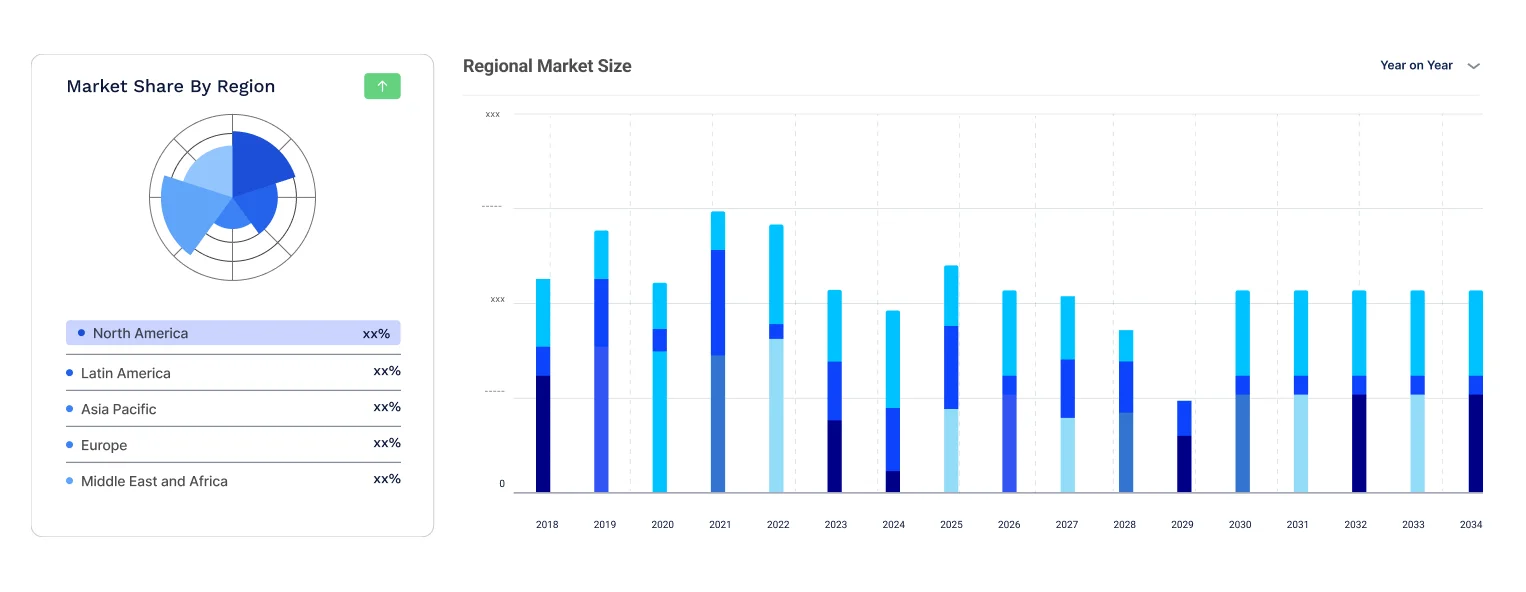
Market Breakup by Region
Market Insights by Type
Graphic Processing Units (GPUs) are now being recognized and accepted because of their significant parallel processing capabilities critical for deep learning tasks, boosting growth in the AI accelerator market. Tensor Processing Units (TPUs), on the other hand, are reported to be increasingly accepted due to efficient execution of machine learning models, particularly for scaling AI workloads. The segment is projected to grow ata CAGR of 29.6% CAGR over the forecast period. Application-Specific Integrated Circuits (ASICs) provide highly customized high-performance solutions for specific classes of AI task and are becoming widely distributed through specialized applications. Central Processing Units (CPUs) give versatility and raw power in AI systems. AI in these markets is evolving to meet performance, efficiency, and cost considerations throughout automotive, healthcare, and financial sectors as the demand increases.
Market Analysis by Technology Integration
Cloud-based AI accelerators are increasingly gaining traction in the AI accelerator market owing to their ability to deal with huge AI workloads, and scale dynamically to provide processing power on demand. Companies such as Google Cloud and AWS integrate AI accelerators into their services to offer industries with strong, cost-effective solutions supporting data-embracing applications. Edge AI accelerators are increasingly gaining momentum for real-time data processing at the device level which reduces latency and bandwidth usage. With applications in autonomous automotive, industrial IoT, and health care, edge AI accelerators are key in enabling faster, localized decision-making processes without depending on the cloud.
Analysis by End Use
The market observes increasing demand for AI accelerators stemming from the telecom and IT industry driven by software utilizing AI to optimize network operations, predictive maintenance, and automation in customer service. This particular segment is expected to grow at 30.2% CAGR over the forecast period. In the medical sector, AI accelerators are used for medical imaging, diagnostics, and drug discovery for sharper, faster analysis. The automotive domain is boosted by the AI-powered autonomous driving involving real-time safety systems. In finance, AI accelerators are used for fraud detection, algorithmic trading, and risk management, while retailers infuse AI into personalized recommendations, inventory management, and customer insights.
North America AI Accelerator Market Opportunities
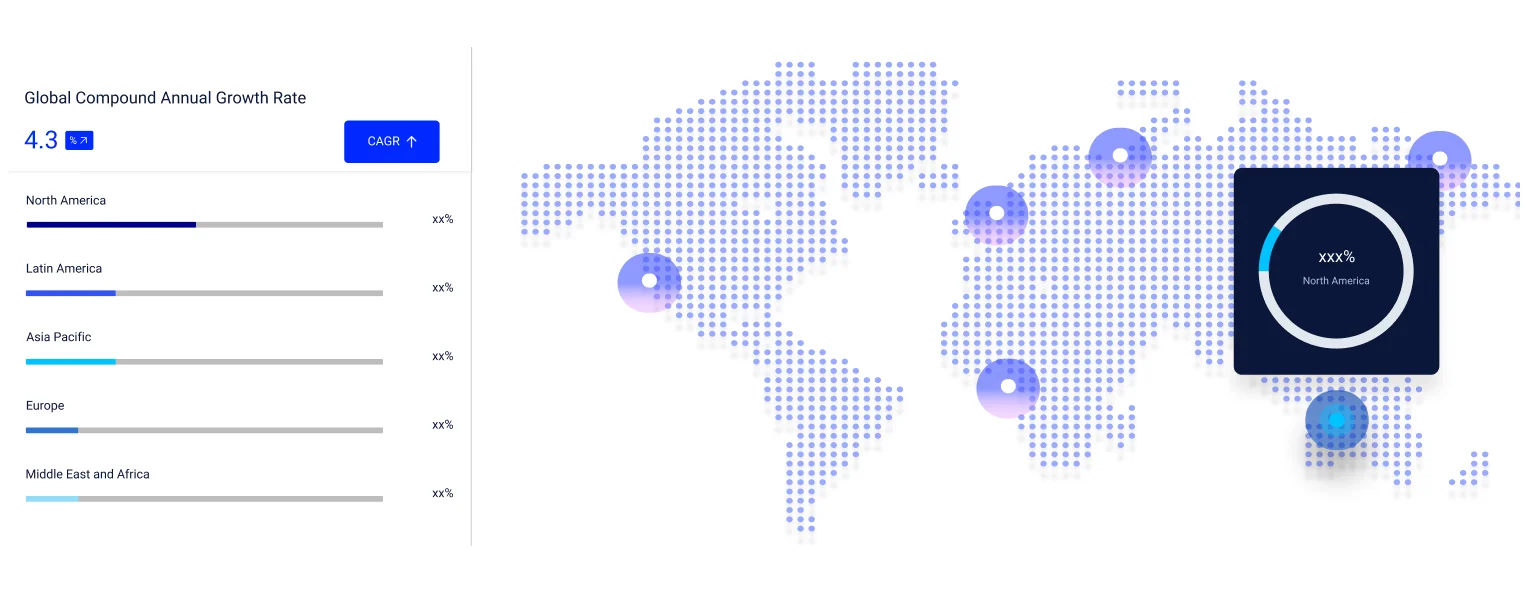
The North America AI accelerator market is growing due to advanced technological infrastructures and heavy investment in AI research. Companies such as Google, Amazon, and Tesla are employing AI accelerators in cloud services and autonomous vehicles, as AI-powered innovations continue to steer demand across industries. The regional market is projected to grow at a CAGR of 30.9% over the forecast period.
Europe AI Accelerator Market Insights
The growing AI accelerator demand in Europe stems from the rising investments in AI and automation among industries such as healthcare, the automotive industry, and manufacturing. European countries are introducing AI technology for sustainable solutions, hence energy-efficient systems and autonomous vehicles, which further necessitates advanced accelerators are boosting greater demand for robust AI applications.
|
CAGR 2026-2035 - Market by |
Country |
|
USA |
XX% |
|
Canada |
XX% |
|
UK |
XX% |
|
Germany |
XX% |
|
France |
XX% |
|
Italy |
XX% |
|
China |
XX% |
|
Japan |
XX% |
|
India |
XX% |
|
Australia |
XX% |
|
Saudi Arabia |
XX% |
|
Brazil |
XX% |
|
Mexico |
XX% |
Asia Pacific AI Accelerator Market Growth
Nations like China, Japan, and South Korea have contributed to the overall growth of the Asia Pacific AI accelerator market to a considerable extent. Rapid technical breakthroughs in smart cities, electronics, and automobiles are driving demand for these accelerators. AI accelerators foster advancements in robotics, industrial automation, and driverless cars that are fueled by local investments and AI technology adoption.
Latin America AI Accelerator Market Outlook
The primary industries driving the Latin America AI accelerator market are logistics, healthcare, and agriculture. AI is being increasingly used in Brazil for automation, smart farming, and predictive analytics. These accelerators have become essential in helping a variety of businesses increase productivity, scalability, and speed as digital transformation gains momentum.
Middle East and Africa AI Accelerator Market Dynamics
Government investment in smart city initiatives, advancements in healthcare, and resource management are all contributing factors to Middle East and Africa’s increasing adoption of AI accelerators. Countries like South Africa and the United Arab Emirates are using AI to enhance their city planning and infrastructure, which is driving up demand for AI accelerators' efficient processing power.
AI accelerator market players are looking to increase processing capacity, lower latency, and boost energy efficiency for AI workloads. AI accelerator companies concentrate on designing and implementing specialized hardware, such as GPUs, TPUs, and ASICs, to satisfy the expanding demands of a variety of industries, including IT, healthcare, and the automotive sector.
Located in Mountain View, California, United States, Google was founded in 1998. Due to the creation of Tensor Processing Units (TPUs) that are tailored for handling AI workloads associated with deep learning and cloud applications, Google has become a significant player in the market. AI-powered inventions from Google are transforming sectors like self-driving cars and healthcare.
Founded in 2006, Amazon Web Services, Inc. is headquartered in Seattle, Washington, in the United States. AWS runs with various logical machine learning chips with EC2 instances deploying GPUs to carry out deep learning necessities. The company supports enterprises in AI modeling training, optimization, and scalable computing.
Microsoft Corp. was established in 1975 and has its headquarters in Redmond, Washington, United States. Through its Azure platform, which is connected with cutting-edge GPUs and AI-specific CPUs for scalable cloud services, Microsoft offers AI accelerators. With AI-driven applications, the company's robust computing infrastructures enable the manufacturing, healthcare, and financial sectors.
IBM Corp. was established in 1911 and has its headquarters in Armonk, New York, United States. With specific hardware solutions like IBM Power Systems for AI and deep learning activities, IBM is committed to providing high-performance computing for enterprise-level AI applications in the fields of healthcare and finance.
*Please note that this is only a partial list; the complete list of key players is available in the full report. Additionally, the list of key players can be customized to better suit your needs.*
Other key players in the AI accelerator market report are Intel Corp., NVIDIA Corporation, Qualcomm Technologies Inc., Micron Technology Inc., Advanced Micro Devices, Inc., and Graphcore, among others.
New-age market entrants are concentrated on creating customized energy-efficient chips that are tailored to the needs of the healthcare, automotive, and financial sectors. Their objective is to create cost-efficient, high-performance solutions for edge computing, real-time AI processing, and machine learning model optimization.
New Native Inc.
Established in 2020, New Native Inc. is an advanced firm that provides AI-driven entrepreneurs with the best tools, advice, and support available. Its tailored environment facilitates rapid development and scaling, enabling companies to fully utilize AI to effect tangible change.


Upto 15% Off
USD
$2499 $2249
$3999 $3599
$4999 $4249
$5999 $5099


*While we strive to always give you current and accurate information, the numbers depicted on the website are indicative and may differ from the actual numbers in the main report. At Expert Market Research, we aim to bring you the latest insights and trends in the market. Using our analyses and forecasts, stakeholders can understand the market dynamics, navigate challenges, and capitalize on opportunities to make data-driven strategic decisions.*
Get in touch with us for a customized solution tailored to your unique requirements and save upto 35%!
In 2025, the AI accelerator market reached an approximate value of USD 36.29 Billion.
The market is projected to grow at a CAGR of 27.60% between 2026 and 2035.
The market is estimated to witness healthy growth in the forecast period of 2026-2035 to reach a value of around USD 415.23 Billion by 2035.
The major drivers of the market are increased investments in AI research, various industries increasingly incorporating AI-powered systems, and the advent of IOT technology and the proliferation of connected systems and devices.
The key trends of the market include edge AI, cloud integration, industry-specific chips, and advancement in quantum computing.
The major regions in the market are North America, Europe, Asia Pacific, Latin America, and Middle East and Africa.
The various types considered in the market report are Graphics Processing Units (GPUs), Tensor Processioning Units (TPUs), Application-Specific Integrated Circuits (ASICs), Central Processing Units (CPUs), and others.
The various technology integrations considered in the market report are cloud-based AI accelerators and edge AI accelerator.
The end use industries considered in the market report are IT and telecom, healthcare, automotive, finance, retail, and others.
The major players in the market are Alphabet Inc. (Google LLC), Amazon Web Services, Inc., Microsoft Corp., IBM Corp., Intel Corp., NVIDIA Corporation, Qualcomm Technologies Inc., Micron Technology Inc., Advanced Micro Devices, Inc., and Graphcore, among others.
Explore our key highlights of the report and gain a concise overview of key findings, trends, and actionable insights that will empower your strategic decisions.
| REPORT FEATURES | DETAILS |
| Base Year | 2025 |
| Historical Period | 2019-2025 |
| Forecast Period | 2026-2035 |
| Scope of the Report |
Historical and Forecast Trends, Industry Drivers and Constraints, Historical and Forecast Market Analysis by Segment:
|
| Breakup by Type |
|
| Breakup by Technology Integration |
|
| Breakup by End Use |
|
| Breakup by Region |
|
| Market Dynamics |
|
| Competitive Landscape |
|
| Companies Covered |
|
Datasheet
One User
USD 2,499
USD 2,249
tax inclusive*
Single User License
One User
USD 3,999
USD 3,599
tax inclusive*
Five User License
Five User
USD 4,999
USD 4,249
tax inclusive*
Corporate License
Unlimited Users
USD 5,999
USD 5,099
tax inclusive*
*Please note that the prices mentioned below are starting prices for each bundle type. Kindly contact our team for further details.*
Flash Bundle
Small Business Bundle
Growth Bundle
Enterprise Bundle
*Please note that the prices mentioned below are starting prices for each bundle type. Kindly contact our team for further details.*
Flash Bundle
Number of Reports: 3
20%
tax inclusive*
Small Business Bundle
Number of Reports: 5
25%
tax inclusive*
Growth Bundle
Number of Reports: 8
30%
tax inclusive*
Enterprise Bundle
Number of Reports: 10
35%
tax inclusive*
How To Order

Select License Type
Choose the right license for your needs and access rights.

Click on ‘Buy Now’
Add the report to your cart with one click and proceed to register.

Select Mode of Payment
Choose a payment option for a secure checkout. You will be redirected accordingly.
Gain insights to stay ahead and seize opportunities.

Get insights & trends for a competitive edge.

Track prices with detailed trend reports.

Analyse trade data for supply chain insights.

Leverage cost reports for smart savings

Enhance supply chain with partnerships.

Connect For More Information
Our expert team of analysts will offer full support and resolve any queries regarding the report, before and after the purchase.
Our expert team of analysts will offer full support and resolve any queries regarding the report, before and after the purchase.
We employ meticulous research methods, blending advanced analytics and expert insights to deliver accurate, actionable industry intelligence, staying ahead of competitors.
Our skilled analysts offer unparalleled competitive advantage with detailed insights on current and emerging markets, ensuring your strategic edge.
We offer an in-depth yet simplified presentation of industry insights and analysis to meet your specific requirements effectively.





Share