

Consumer Insights
Uncover trends and behaviors shaping consumer choices today
Procurement Insights
Optimize your sourcing strategy with key market data
Industry Stats
Stay ahead with the latest trends and market analysis.
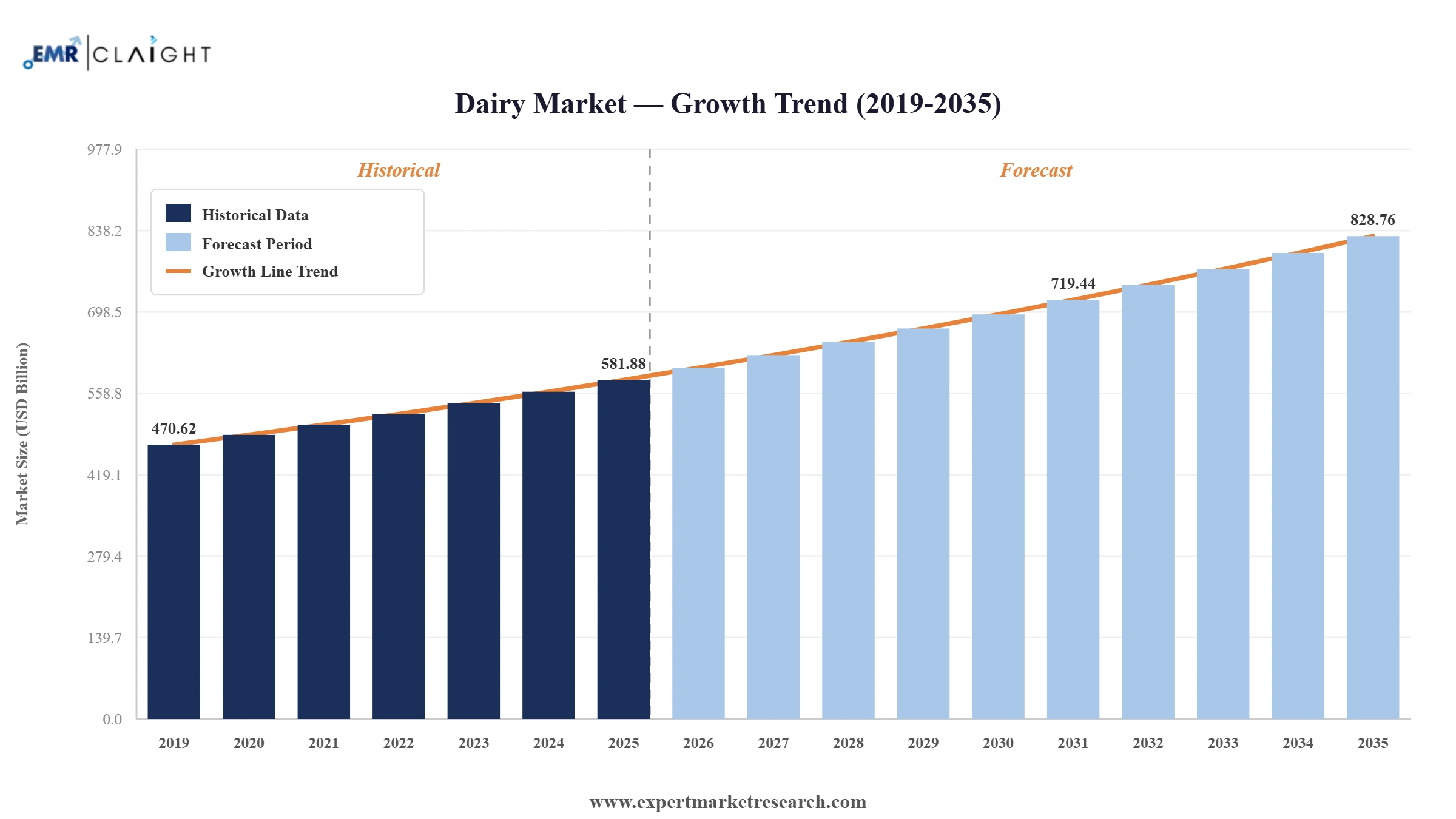
The global dairy market attained a value of USD 581.88 Billion in 2025 and is projected to expand at a CAGR of 3.60% through 2035. The market is further expected to achieve USD 828.76 Billion by 2035. Increasing demands for functional dairy ingredients in various sectors, such as beverages, foods, and clinical nutrition, are motivating manufacturers to increase their capacity, enhance their supply chains, and innovate in premium products.
Increasing investment in innovative technologies for dairy ingredient processing is allowing manufacturers to enhance the consistency and shelf-life of their products and minimize losses in production. Moreover, increased collaboration between dairy cooperatives and food manufacturers is facilitating the commercialization of unique dairy ingredients for infant nutrition, sports nutrition, and premium food formulations.
The global dairy market is undergoing changes through which manufacturers are shifting from producing traditional milk products and focusing more on launching products that are based on functional nutrition and precision processing. For instance, the use of FarmAhead Technology launched by Arla Foods in September 2025, is an ideal example in this regard as it is a technology that makes it possible for customers to be able to monitor and cut down their on-farm greenhouse gas emissions in the dairy supply chain. This technology will help in increasing the transparency for food manufactures who are looking for low carbon dairy ingredients as well as helping in achieving science-based climate goals.
According to the dairy market analysis, dairy provides nutrition to over six billion people globally; therefore, it is necessary to improve its efficiency and sustainability for processors, ingredient manufacturers, and multinational food companies. As an illustration, in June 2026, WFO and Nestlé launched the Dairy Plan, empowering farmers through sustainable practices, resilience, emissions reduction, and partnerships.
Innovation in the dairy market is also having an impact on the competitive position of value-added dairy products. The focus is being placed on innovation regarding high-protein beverages, lactose-free products, micro biomes products, as well as advanced dairy products that can be used in bakery, infant nutrition, sports nutrition, and clinical products. Digital traceability, robotic milking technologies, methane-reduction initiatives, and AI-supported herd management are improving production efficiency while strengthening product quality and supply reliability. For example, in September 2025, Manipur Dairy rebranded under NDDB, launching innovative dairy products, digital platforms, and farmer-focused infrastructure for sustainable growth. These developments are encouraging long-term partnerships between dairy cooperatives, ingredient manufacturers, retailers, and foodservice operators seeking resilient sourcing strategies.
Read more about this report - REQUEST FREE SAMPLE COPY IN PDF
| Global Dairy Market Report Summary | Description | Value |
| Base Year | USD Billion | 2025 |
| Historical Period | USD Billion | 2019-2025 |
| Forecast Period | USD Billion | 2026-2035 |
| Market Size 2025 | USD Billion | 581.88 |
| Market Size 2035 | USD Billion | 828.76 |
| CAGR 2019-2025 | Percentage | XX% |
| CAGR 2026-2035 | Percentage | 3.60% |
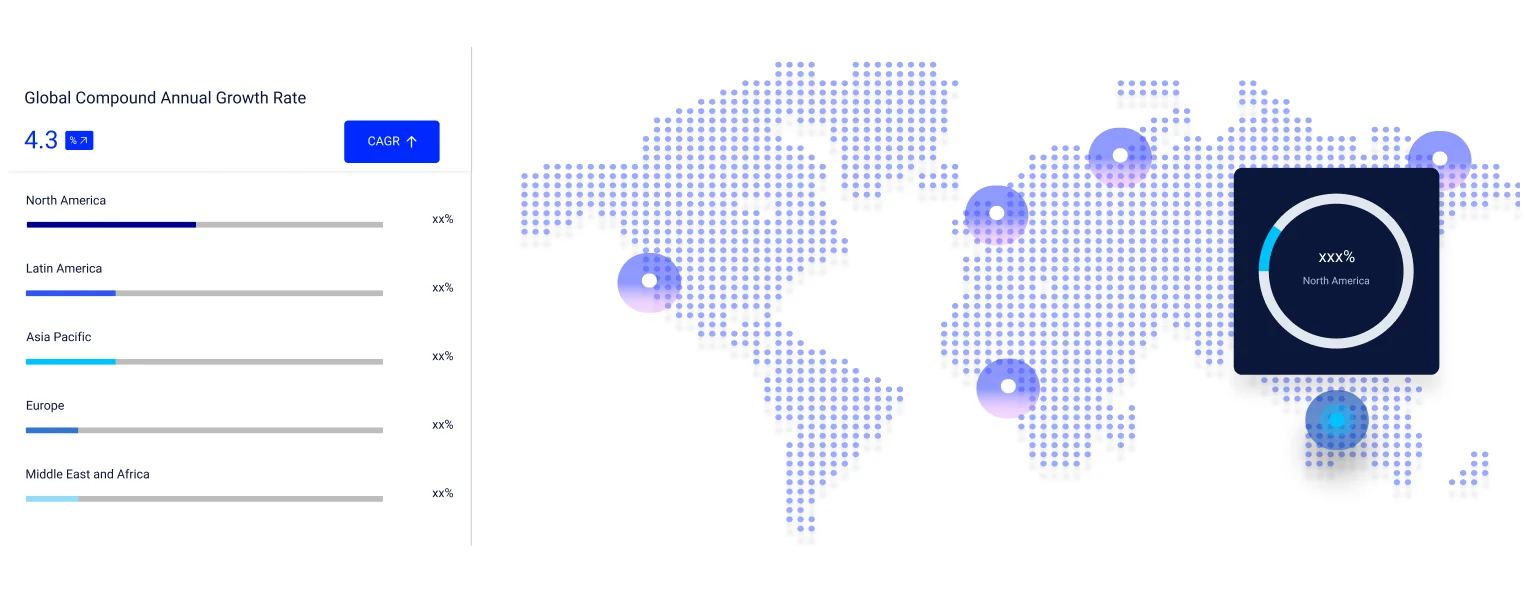
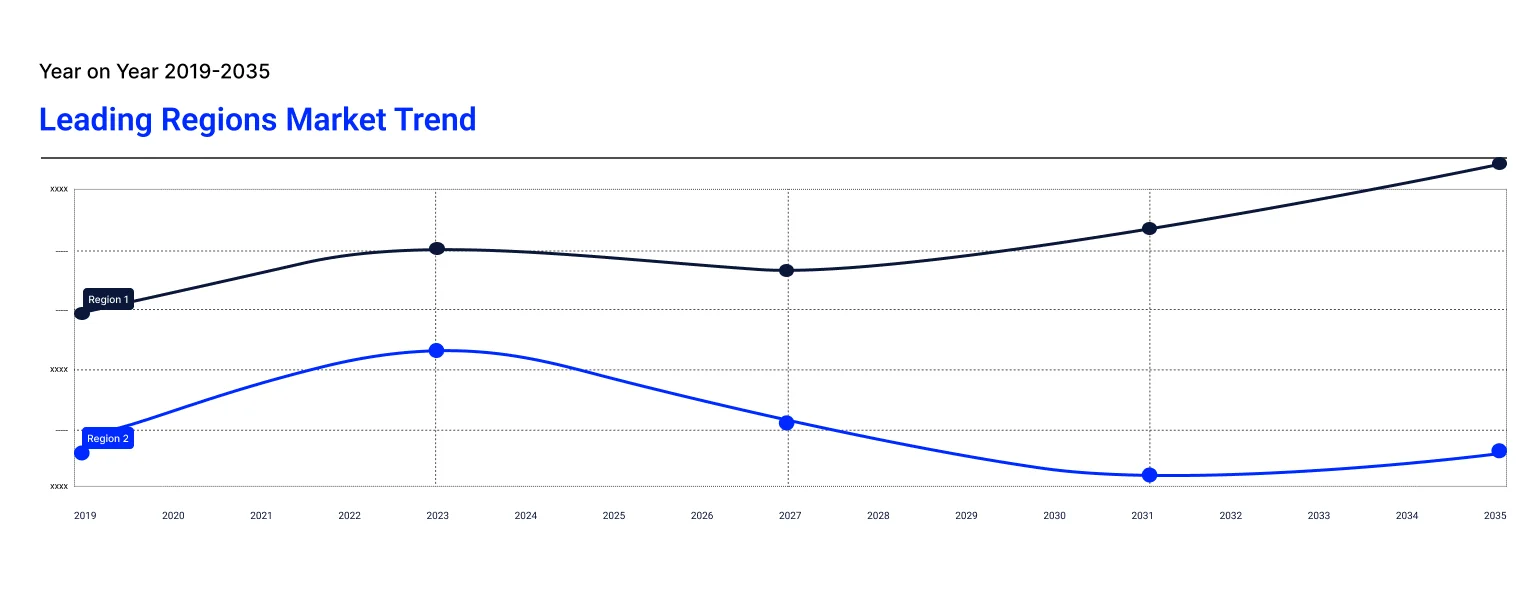
| CAGR 2026-2035 - Market by Region | Asia Pacific | 4.2% |
| CAGR 2026-2035 - Market by Country | India | 4.6% |
| CAGR 2026-2035 - Market by Country | China | 4.4% |
| CAGR 2026-2035 - Market by Product | Fluid/UHT/Flavoured Milk | 4.1% |
| Market Share by Country 2025 | France | 4.5% |
Dairy Industry Ireland came up with a novel sustainability plan based on innovation, farmer collaboration, and dairy farming initiatives that are climate change oriented. Businesses therefore have the ability to use technology for low emission dairying, reduction of methane and advisory services for climate smart farms.
Mother Dairy launched India's first-ever naturally degradable milk pouch, which is eco-friendly yet maintains quality, pricing, and convenience for consumers. Other companies can produce degradable packaging, eco-friendly material usage, and environmental branding, leveraging such trends in the dairy market.
Arla invested EUR 300 million in creating a new cheese dairy factory in Sweden, increasing production capacity, food security, innovation, and resilient supply chain. Companies can leverage the opportunities presented by increased global demand for dairy products by adding value to dairy production through high-end cheese processing and improved facilities.
Warna Dairy launched its premium range of ice cream, adhering to their promises of purity, farmer relationships, premium quality, and diversification of dairy products. Companies can diversify their product line towards premium frozen dairy products and create better farmer networks, leveraging such trends in the dairy market.
Precision fermentation is revolutionizing the global dairy market in such a way that producers can make high-value proteins from dairy products in a more consistent and environmentally friendly way. Businesses are developing fermentation-based whey proteins and other innovative infant nutrition ingredients, beverages, and functional foods. For example, in April 2026, AuX Labs secured USD 4 million to commercialize precision-fermented cheese technology, enabling scalable, animal-free dairy proteins with authentic functionality. The European Commission continues to finance food biotechnological projects within Horizon Europe, fostering sustainable protein production alongside traditional dairy manufacturing.
Methane reduction initiatives are becoming crucial strategic priorities for dairy market players who are willing to satisfy sustainability demands of retailers and corporations. Producers are using feed supplements, manure management solutions, and carbon footprint monitoring software to increase efficiency of farms. For example, in May 2026, Triple Bio unveiled lipid-based feed technology boosting milk yields, improved feed efficiency, and reducing methane emissions in dairy farming. Moreover, governments finance emission reduction projects. The United States Department of Agriculture finances climate-smart dairy farming through the Partnerships for Climate-Smart Commodities program.
Increasing demand for protein-enriched products is promoting advanced investments into dairy processing and ingredients development. Manufacturers are introducing various fortified products such as dairy products enhanced with probiotics, whey protein isolates, vitamins, and other bioactive components aimed at sports, healthy aging, and medical nutrition segments. In April 2026, MULU launched the first national high-protein cottage cheese brand, delivering 18 grams of complete protein per serving, sustaining the ongoing demand in the dairy market. Dietary guidelines of governments, including United States Department of Agriculture, stress the need for the consumption of nutrient-dense dairy products thus stimulating the development of scientifically validated products responding to changing health needs.
AI and digital tools increase dairy productivity by automating herd management, predictive health monitoring, and precise feeding practices, redefining the dairy market dynamics. The use of smart sensors, robotized milking machinery, and cloud analytics allows farmers to maximize milk production while decreasing expenses and improving animal wellbeing. Among companies offering AI solutions for dairy farming are DeLaval, which expands AI-based solutions to provide real-time performance data on commercial dairy farms. Similarly, in April 2026, Amul launched AI-powered Sarlaben, delivering multilingual, real-time dairy advisory, improving cattle health, productivity, and farmer decision-making. Governmental agencies around the world promote digitalization in agriculture, including investments into precision agriculture tools in the framework of programs such as the European Union's Common Agricultural Policy.
Dairy market players are increasingly using export plans targeting high-value cheeses, milk powder products, specialty butters, and other innovative dairy ingredients to lessen their reliance on traditional dairy markets. They are increasing their production capacities while enhancing their traceability and food safety levels in order to meet international regulations. As an illustration, in April 2026, Dairy Day launched Ob & Gob, introducing ready-to-eat canned sundaes designed exclusively for quick-commerce platforms and at-home indulgence. Trade deals backed by governments, such as New Zealand's free trade alliances, are creating growth opportunities for dairy exporters.
The Expert Market Research's report titled “Global Dairy Market Report and Forecast 2026-2035” offers a detailed analysis of the market based on the following segments:
Market Breakup by Product
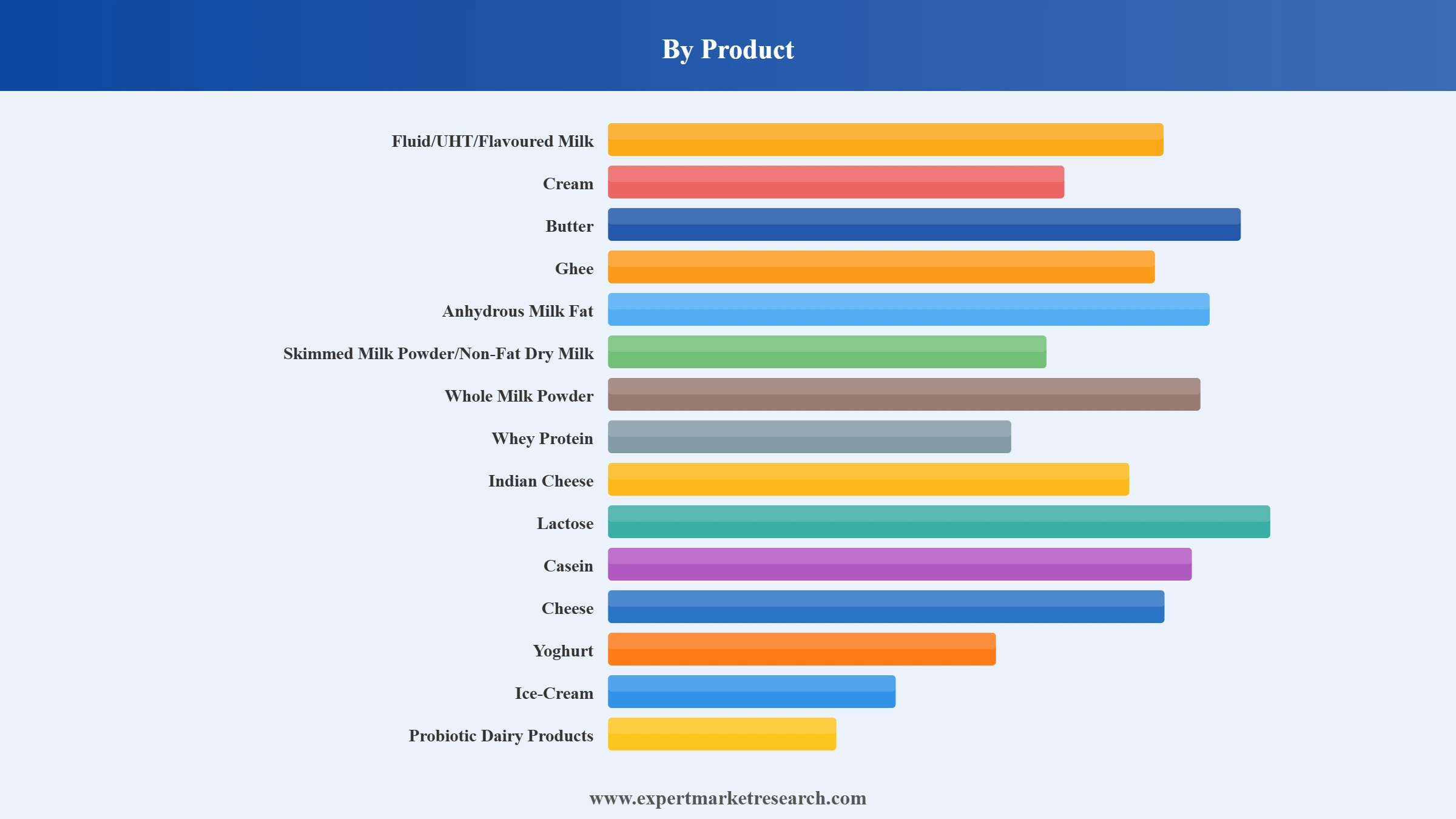
Key Insight: The dairy market report considers different products including fluid/UHT/flavored milk, cream, butter, ghee, anhydrous milk fat, skimmed milk powder, whole milk powder, whey protein, Indian cheese (paneer), lactose, casein, cheese, yoghurt, ice-cream, and probiotic dairy products. The fluid milk dominates the market as it is consumed daily, in addition to being flexible in the distribution chain. Probiotic products are expanding their share at the fastest rate due to health awareness. The ingredients industry, for example, whey protein, lactose, and casein, is set to thrive due to the growth of nutrition manufacturing, while butter, cream, ghee, and AMF are mainly used in premium food processing industries.
Market Breakup by Region
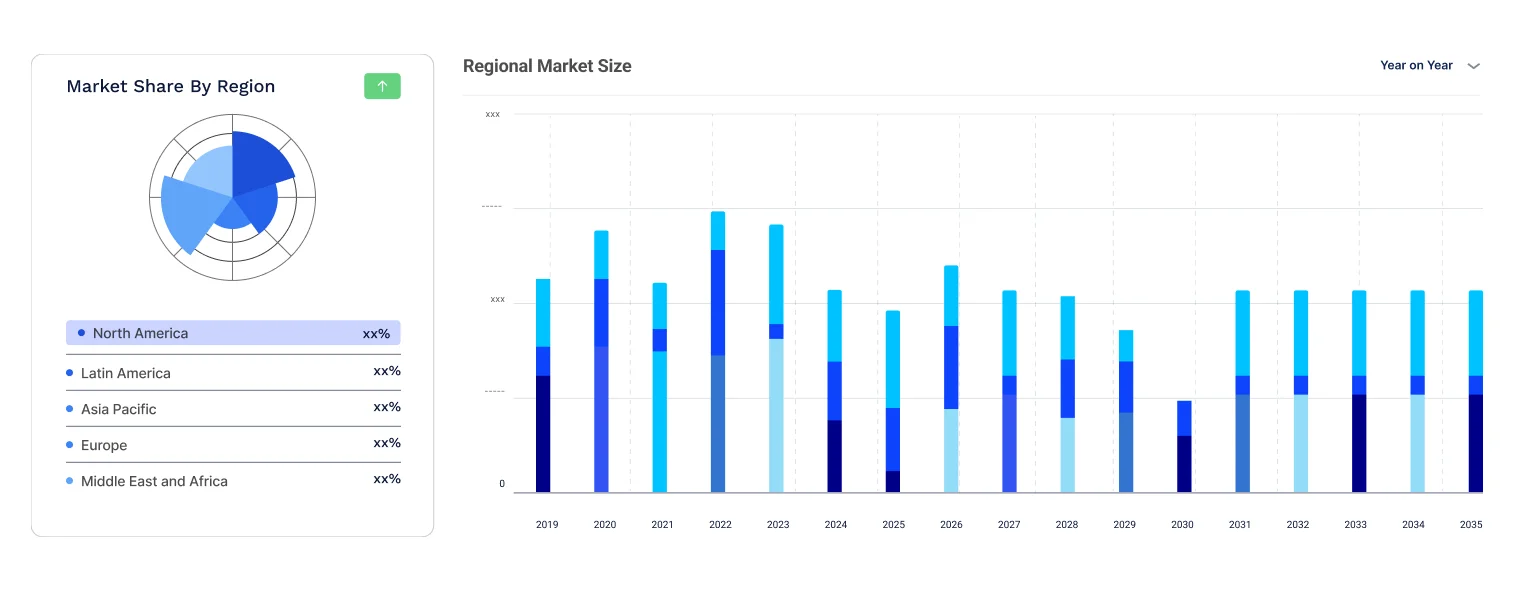
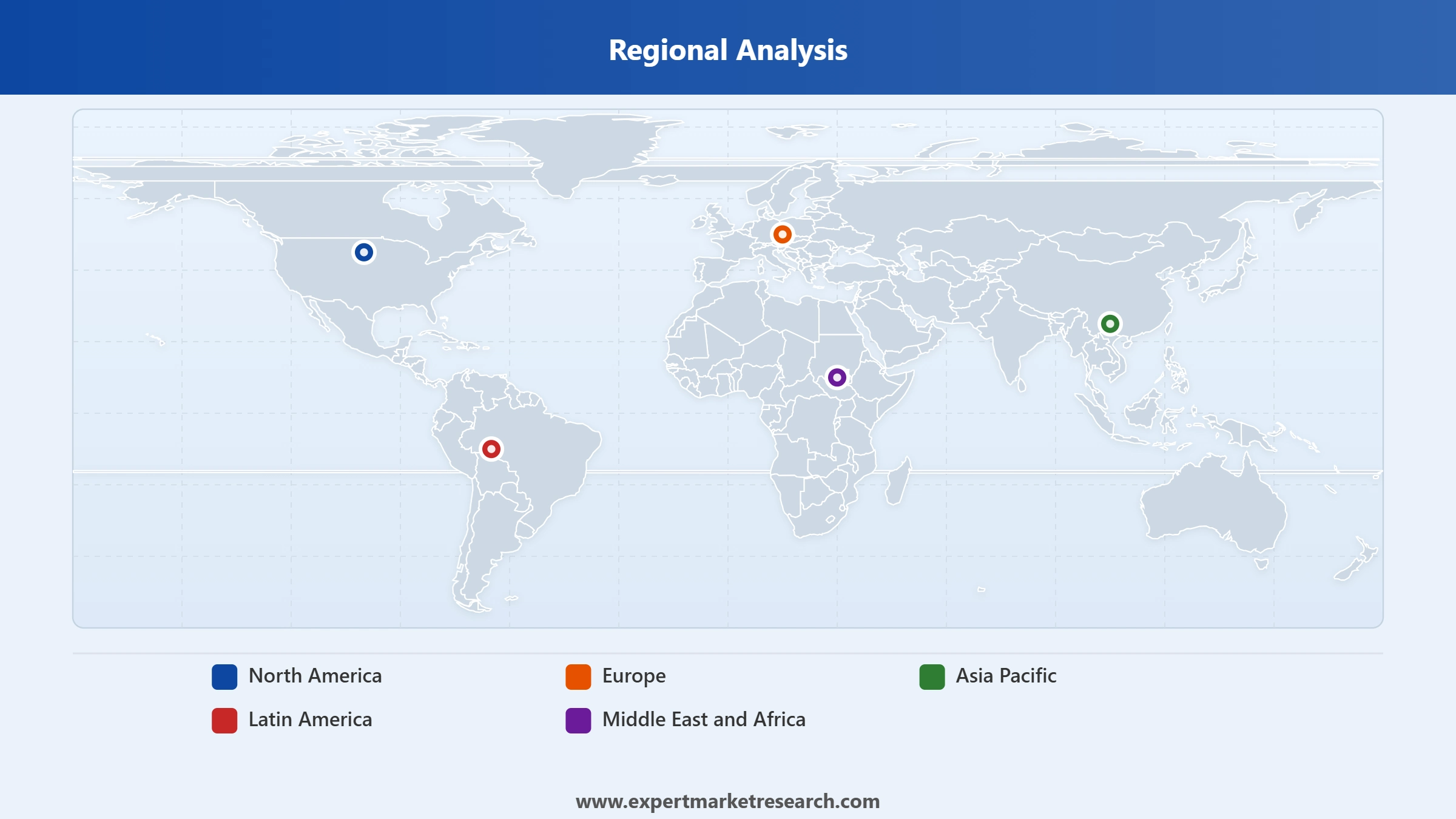
Key Insight: Advanced dairy farming technologies, value-added nutritional products, and supply chain efficiency are some of the advantages that the North America dairy market offers. Europe is able to remain competitive because of premium cheese, sustainability programs, and the presence of dairy cooperatives. The global demand is mainly boosted by the Asia Pacific region due to growing markets, rising consumption of dairy, and manufacturing investments. Latin America helps in driving growth because of milk production, exports, and processing abilities. The Middle East and Africa experience the highest growth rate owing to government efforts on food security, local dairy production, better distribution, and investments in dairy processing.
Read more about this report - REQUEST FREE SAMPLE COPY IN PDF
By Product, fluid/UHT/flavored milk dominates the market due to strong everyday consumption and extended shelf-life advantages
Flavored, UHT and fluid milk hold the maximum share in the dairy market due to its extensive household consumption, well-established distribution channels, and longer shelf life. The processing technology used in making UHT milk helps the processors access remote markets without having to rely much on cold chains. Premium types of flavored milk that contain proteins, vitamins, and reduced sugar content are increasingly gaining popularity among younger consumers. Retailers and foodservice providers are also focusing on these products because of high demand, wide market coverage, and strong retailing prospects in mature and developing countries. In January 2026, Benefitt launched Thailand's first high-protein UHT milk in portable aseptic cartons, offering 31 grams protein without refrigeration.
The fastest growth in the dairy market is being witnessed in the probiotic dairy product segment owing to the trend among consumers to consume food products that help in improving digestion, immune system function, and wellness. Premium branded portfolios of dairy products are being supplemented by the use of scientifically researched probiotics in yogurt, probiotic drinks, and other functional dairy products. The rise in healthcare awareness and disposable income continues to drive consumers to buy the products regularly. Aligning with this trend, in April 2026, Novonesis launched Europe's first Bovacillus probiotic, enhancing dairy cow health, feed efficiency, milk productivity, and sustainable farm profitability.
Read more about this report - REQUEST FREE SAMPLE COPY IN PDF
Asia Pacific dominates the market due to expanding consumption and large-scale dairy processing investments
Asia Pacific holds the position of the leading regional dairy market owing to the growing population, increase in disposable income, consumption of dairy products, and investments in processing facilities. Urbanization is propelling the demand for packaged milk, yogurts, cheese, and other functional dairy products in China and India. Dairy cooperatives within the region along with multinational companies are continuing to expand their processing facilities and build better cold-chain distribution networks. Increased retail modernization and changing dietary preferences are contributing to the consistent demand for conventional and premium dairy products. For example, in January 2026, Provilac launched India's first fresh high-protein milk using ultrafiltration, delivering natural protein, lactose-free nutrition, and clean-label benefits.
Middle East and Africa is proving to be the fastest-growing regional dairy market as there are increased investments in domestic processing facilities, improved cold-chain facilities, and food security initiatives by the governments. Increasing population, improved purchasing power of urban residents, and demand for premium dairy products are motivating multinational companies to expand their operations in the region. Import diversification, modernization of the retail sector, and improved food manufacturing facilities provide a conducive environment for the development of value-added dairy products and specialized ingredients. For instance, in May 2026, Meliha Milk expanded regional distribution, leveraging premium A2A2 organic dairy positioning to meet growing health-conscious consumer demand.
Read more about this report - REQUEST FREE SAMPLE COPY IN PDF
The global market is becoming competitive as dairy companies continue striving towards premium nutrition, sustainable dairy farming, digital traceability, and unique ingredient development in order to enhance their future development. Major companies are developing their portfolios with products based on high protein content, functional nutrition, and climate smart technologies while investing in intelligent processing and precision dairy farming.
Leading dairy market players are also developing cooperation with food manufacturing companies in order to provide them with customized dairy ingredients for applications in infant nutrition, bakery, beverages, and clinical nutrition. Other areas of development include the reduction of carbon footprints using methane reduction technologies and transparent reports from farms. Further opportunities are expected to open up in the areas of lactose free dairy products, probiotics, precision fermentation ingredients, clean label formulations, and premium dairy exports.
Founded in 1919 and based in Paris, France, Danone S.A. continues to grow its range of specialized nutrition and functional dairy products through scientific innovations. It carries out research on probiotics, medical nutrition, sustainable dairy sources, and regenerative agriculture. Its strategy involves offering high-quality dairy products, engaging consumers digitally, and producing responsibly to cater to changing needs of consumers in terms of nutrition and the environment.
Royal FrieslandCampina N.V. is a company founded in 2008 with headquarters located in Amersfoort, Netherlands. The company not only offers dairy products to consumers but also specialized ingredients that can be used in infant nutrition and food products. The cooperative has expertise in protein innovation, sustainable milk production, and digital farm management. Continuous investment in value-added dairy ingredients helps the company build global partnerships in nutrition, beverages, and food processing industries.
Arla Foods amba was established in 2000 and is located in Viby, Denmark. Climate-smart dairy production through technology and sustainability projects led by farmers are becoming the key areas of focus for this farm. The company produces high-quality dairy goods, mozzarella cheese, protein drinks, and dairy ingredients. In addition, the company enhances carbon footprint transparency in the supply chain.
Nestlé S.A. was founded in 1866 and is located in Vevey, Switzerland. Nestlé uses dairy innovations in infant nutrition, clinical nutrition, beverages, and consumer goods. The company makes strategic investments in precision nutrition, packaging innovations, and digital manufacturing. The extensive research capabilities of the company allow for the continuous development of unique dairy innovations for use in retail, foodservice, and healthcare industries.
Other key players in the market include Fonterra Co-operative Group Limited, Dairy Farmers of America, Inc., Lactalis Group, Saputo Inc., China Mengniu Dairy Company Limited, and Meiji Holdings Company, Ltd, among others.
*Please note that this is only a partial list; the complete list of key players is available in the full report. Additionally, the list of key players can be customized to better suit your needs.*
Unlock the latest insights with our dairy market trends 2026 report. Discover regional growth patterns, consumer preferences, and key industry players. Stay ahead of competition with trusted data and expert analysis. Download your free sample report today and drive informed decisions in the market.
Middle East and Africa Dairy Market
North America Dairy Market
Uttar Pradesh Dairy Market
Latin America Dairy Market
United States Dairy Market


Upto 15% Off
USD
$2499 $2249
$3999 $3599
$4999 $4249
$5999 $5099


*While we strive to always give you current and accurate information, the numbers depicted on the website are indicative and may differ from the actual numbers in the main report. At Expert Market Research, we aim to bring you the latest insights and trends in the market. Using our analyses and forecasts, stakeholders can understand the market dynamics, navigate challenges, and capitalize on opportunities to make data-driven strategic decisions.*
In 2025, the global dairy market attained a value of USD 581.88 Billion.
The global dairy market is expected to grow at a CAGR of 3.60% between 2026 and 2035.
The market is estimated to reach USD 828.76 Billion by 2035.
Increase in population, changing dietary habits, and awareness of benefits of dairy products are the major market drivers.
The key dairy market trends include development of new dairy products, new tastes and preferences of consumers, and growing usage by end-user sectors.
The market is broken down into North America, Europe, Asia Pacific, Latin America, the Middle East, and Africa.
Dairy milk is mostly obtained from lactating mammals such as cows, goats, camels, and sheep.
The various products in the market for dairy are fluid/UHT/flavoured milk, cream, butter, ghee, anhydrous milk fat (AMF), skimmed milk powder/non-fat dry milk, whole milk powder, whey protein (powder and concentrate), Indian cheese (paneer), lactose, casein, cheese, yoghurt, ice-cream, and probiotic dairy products.
The market key players are Danone S.A., Royal FrieslandCampina N.V., Arla Foods amba, Nestlé S.A., Fonterra Co-operative Group Limited, Dairy Farmers of America, Inc., Lactalis Group, Saputo Inc., China Mengniu Dairy Company Limited, and Meiji Holdings Company, Ltd, among others.
Explore our key highlights of the report and gain a concise overview of key findings, trends, and actionable insights that will empower your strategic decisions.
| REPORT FEATURES | DETAILS |
| Base Year | 2025 |
| Historical Period | 2019-2025 |
| Forecast Period | 2026-2035 |
| Scope of the Report |
Historical and Forecast Trends, Industry Drivers and Constraints, Historical and Forecast Market Analysis by Segment:
|
| Breakup by Product |
|
| Breakup by Region |
|
| Market Dynamics |
|
| Competitive Landscape |
|
| Companies Covered |
|
Datasheet
One User
USD 2,499
USD 2,249
tax inclusive*
Single User License
One User
USD 3,999
USD 3,599
tax inclusive*
Five User License
Five User
USD 4,999
USD 4,249
tax inclusive*
Corporate License
Unlimited Users
USD 5,999
USD 5,099
tax inclusive*
*Please note that the prices mentioned below are starting prices for each bundle type. Kindly contact our team for further details.*
Flash Bundle
Small Business Bundle
Growth Bundle
Enterprise Bundle
*Please note that the prices mentioned below are starting prices for each bundle type. Kindly contact our team for further details.*
Flash Bundle
Number of Reports: 3
20%
tax inclusive*
Small Business Bundle
Number of Reports: 5
25%
tax inclusive*
Growth Bundle
Number of Reports: 8
30%
tax inclusive*
Enterprise Bundle
Number of Reports: 10
35%
tax inclusive*
How To Order

Select License Type
Choose the right license for your needs and access rights.

Click on ‘Buy Now’
Add the report to your cart with one click and proceed to register.

Select Mode of Payment
Choose a payment option for a secure checkout. You will be redirected accordingly.
Strategic Solutions for Informed Decision-Making
Gain insights to stay ahead and seize opportunities.

Get insights & trends for a competitive edge.

Track prices with detailed trend reports.

Analyse trade data for supply chain insights.

Leverage cost reports for smart savings

Enhance supply chain with partnerships.

Connect For More Information
Our expert team of analysts will offer full support and resolve any queries regarding the report, before and after the purchase.
Our expert team of analysts will offer full support and resolve any queries regarding the report, before and after the purchase.
We employ meticulous research methods, blending advanced analytics and expert insights to deliver accurate, actionable industry intelligence, staying ahead of competitors.
Our skilled analysts offer unparalleled competitive advantage with detailed insights on current and emerging markets, ensuring your strategic edge.
We offer an in-depth yet simplified presentation of industry insights and analysis to meet your specific requirements effectively.




